0

New BMW M4 2028 Coupe Digitally Enters The BMW Neue Klasse M4 Era

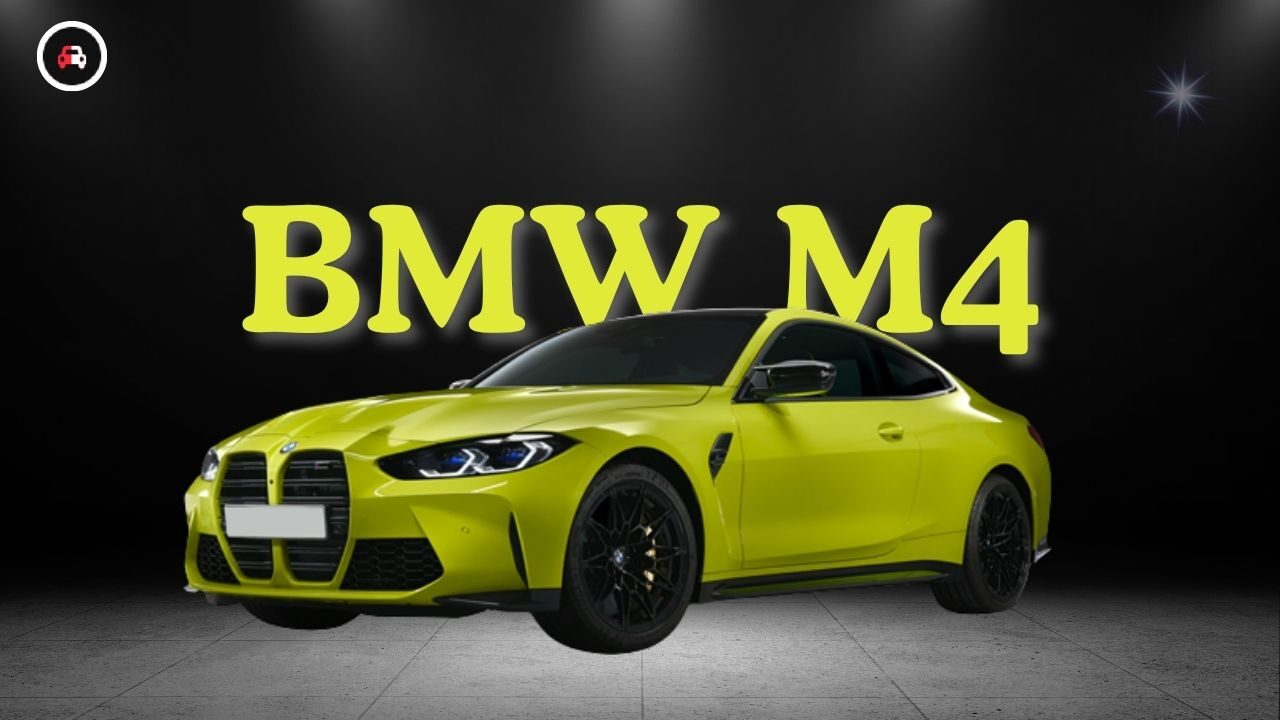
BMW M4

The new BMW M4 2028 is feeling the heat more than ever during a time when the automotive industry is in the throes of a major transformation. High-performance coupe has been judged for many years with the M3 and now the M4 which offers both track-ready handling and the ability to be used every day. 

And now, the BMW M4 Coupe 2028 has been brought to life digitally, giving us a first glimpse of what the future of M Division performance could look like as it explores the futuristic BMW Neue Klasse M4 architecture in great detail. 

Recently, a digital artist and automotive visionary have collaborated and combined leaked design patents, rumors, and BMW’s own concept vehicles to visualize the new BMW M4 2028. What these HD CGI mods show us is a car that honours its high-octane history but is not afraid to go full throttle into a radical new age in car design and engineering. When it comes to the Ultimate Driving Machine, this is more than a refresh, it’s a complete rethinking of what the Ultimate Driving Machine can be in the late 2020s. 

Demystifying the BMW Neue Klasse M4

Before getting behind the digital wheels of the BMW Neue Klasse M4, we need to know what it is based on. The phrase “Neue Klasse” (New Class) is a wink to BMW’s past. The 1960s original Neue Klasse midsize sedans not only bankrupted and then saved the company and its hardcore, driver focused identity that BMW is known for today. 

With the new BMW Neue Klasse M4 today, this amounts to a similar resurrection. It is a purpose-built highly adaptable vehicle architecture engineered from the ground up for electric drivetrains, advanced digital connectivity, and circular sustainability. This new era’s design language features: 

Monolithic Minimalism: a radical change from the complex, heavily folded designs that have defined the past ten years. The surfaces are flush, generous, and duct-taped-smoothed.

The Reimagined Kidney Grille: Ditching the divisive vertical “bucktooth” grilles from the current G82 M4, the BMW Neue Klasse M4 design merges the grille with the headlights as a singular, coherent, horizontal digital band.

The Shark Nose Revival makes the car look fierce and hungry like a shark even when it is not moving via its forward-leaning front end, a design cue borrowed from classic BMWs from the 70’s and 80’s. 

Looking at the BMW M4 Coupe 2028 CGI images reveals that the artists managed to combine the clean retro-futuristic Neuen Klasse design language with the muscular, flared-arch aggression of a M car. 

New BMW M4 2028 At a Glance

Aspect Details
Platform Neue Klasse (electric-focused, dedicated EV architecture)
Launch Year 2028 (ZA2 iM4 Coupe; current G82 production may extend to 2029) 
Body Style 2-door Coupe (convertible uncertain; lower, tighter profile with flared arches) 
Powertrain All-electric quad-motor AWD (>1,000 hp possible; Gen6 batteries for 20% more density, 30% faster charging); no confirmed ICE/hybrid for M4 (unlike M3) 
Transmission/Drivetrain 8-speed automatic AWD standard; manual likely retired
Performance Tech “Heart of Joy” control unit (10x faster integration of motors, suspension, traction; enables torque vectoring for superior handling)
0-100 km/h ~3s estimated (based on current M4 Competition at 3.5s; EV torque advantage)

Decoding the Digital Bodywork

What, then, is the new BMW M4 2028 looking like in these virtual worlds? The digital versions that are driving automotive forums crazy depict a very interesting view.

The renderings show a wide, angry-looking front end. The digital grille is more than just an air intake — though cooling is still critical for battery thermal management and high-performance braking, it is an interactive digital canvas. The headlights are pierced into this far reaching bar and they include the renowned double-halo design, but with a sharper look composed by glowing LED slashes. 

As we progress along the side, the traditional coupe profile remains, but it is lower and tighter. 

  • The classic Hofmeister neck at the C-pillar is more aggressive and pronounced. 
  • Digital artists have added flush door handles, aero-optimized carbon fiber side sills and aggressive, deep concave Y-spoke wheels cradling large carbon-ceramic brake rotors. 
  • The backside is perhaps the most eye-catching digital make over. 
  • The taillight is designed as ultra slim 3D sculptured OLED modules, and stretches across the full width of the rear, highlighting the wide stance of the vehicle. 
  • A substantial ducktail spoiler – a tribute to the iconic E46 M3 CSL – is integrated into the trunk lid. 
  • The conventional quad exhausts are gone from the electric variant, instead there is a large, menacing rear diffuser meant to direct air efficiently and pull the car to the ground. 

However, for potential hybrid ICE versions artists have still drawn the beloved quad tailpipes, showing that the M community holds on to the old ways. 

The Powertrain Paradigm: Electrons, Inline-Sixes, or Both?

The BMW Neue Klasse M4’s aesthetic modifications are only half the story. The true revolution lies in the beating heart of this machine. Industry insiders and digital forecasters are split on what exactly will propel the BMW M4 Coupe 2028, indicating an interesting period of transition for the M Division. 

The Ultimate Electric Machine

The most extensive revision will be an all-electric M4, probably built on a clean sheet Neue Klasse platform. For future M vehicles, BMW has spoken openly about a quad-motor electric powertrain that could produce well over 1,000 horsepower. No I.C. engine would be able to match the immediate, neck-snapping torque that the dual-motor version of the BMW Neue Klasse M4, if we can call it that so early in the game, would be able to deliver at over 600 horsepower. 

BMW’s new Gen6 round cells should deliver 20% more energy density and 30% faster charging. So the electric M4 won’t be just a drag strip bruiser, it should deliver for sustained track use without falling victim to the rapid thermal degradation that seeps through earlier generations of EVs. 

The Last Stand of the Inline-Six

After the electric push, “there are strong rumours that the internal combustion engine is not quite dead yet.” The new BMW M4 2028 could be based on a dual-platform strategy. In addition to the electric version, it is likely that we will get a version of the current S58 3.0-liter twin-turbo inline-six. 

But the technology engine is not about to stop running. It is very likely that the BMW M4 Coupe 2028 ICE variant would come equipped with mild hybrid technology to comply with the strict emissions norms. This may send the power figure soaring to 560 horsepower. 

Unfortunately for the purists, this digital age also spells the probable demise of the manual transmission. With power levels scaling ever higher, hybridization becoming mandatory and the classic six-speed stick likely being retired in favor of lightning-fast 8-speed automatics, the rear-biased all-wheel-drive system is going to be standard across the board. 

Inside the new BMW M4 2028: A Panoramic Vision

BMW Neue Klasse M4 exterior is something truly a revolution then its interior is more than that. You can say that is an utter revelation. Digital images of the interior portray a setting that seems more at home on a spacecraft than a conventional sports coupe. 

To help the driver stay focused on the road, the new BMW M4 2028 offers Panoramic Vision which shows navigation, speed, and lap time which is vital when driving a vehicle capable of supercar-level performance. 

  • The traditional, button-filled center stack will be greatly simplified. 
  • A central touchscreen, tilted sharply towards the driver, will be the focal point for most infotainment and climate functions, running on the next generation of BMW’s operating system. 
  • Interestingly, the much loved iDrive rotary controller is said to be on its way out in the Neue Klasse era, a decision that already has people debating furiously, digitally and journalistically speaking on both sides of the camp. 

This new BMW M4 2028 interior’s covered with unlacquered carbon fiber, sustainable plant-based leather, and recovered fishing nets. This indicates that it follows sustainability without losing a luxury touch. 

Don’t Miss:  Lexus RX vs BMW X5: Which Luxury SUV Dominates 2025?

Driving Dynamics: The “Heart of Joy”

Concern for the soul of the BMW M4 Coupe 2028 has long been the thing to worry about among fans, now especially the electric versions. What’s the way for a chunky, quiet EV to re-create the visceral excitement of a screaming inline-six?

BMW’s answer is software, in the form of a revolutionary control unit codenamed the “Heart of Joy.” This one, ultra-intelligent super-brain combines powertrain software and vehicle dynamics in a single, centralized solution. It runs up to 10x faster than existing separate systems. 

When it comes to the BMW Neue Klasse M4, the Heart of Joy will seamlessly harmonize the electric motors, adaptive suspension, active roll stabilization, and traction control like never before. If it has a quad-motor setup, the car could spin its outside wheels faster than the inside wheels through a corner, effectively turning the car around the apex with no understeer. 

It spells a level of nimbleness and chassis command that you just can’t get with a normal combustion engine and mechanical diff. It may not say old M4, but it will turn out like nothing you’ve ever seen before. 

The BMW M4 Coupe 2028 Competitors 

The new BMW M4 2028 is entering a far more challenging and competitive sport coupe market, as rival manufacturers are quickly moving up on a world scale.

  • Porsche is readying an all-electric 718 Cayman replacement that will demonstrate EVs can still be lightweight, high performance fun to drive. 
  • Meanwhile, Audi has its own electrified performance coupe lineup in the works.
  • Mercedes-AMG is placing greater emphasis on advanced plug-in hybrid technology to reshape its performance line. 

For BMW, getting the BMW M4 Coupe 2028 right is going to be tricky. It has to adapt to the intricate digital and electrical system of the Neue Klasse platform, and at the same time it must not compromise the raw, pulse-racing driving experience that an M car is. 

Rival Key Traits Differentiation
Porsche 718 Cayman EV Lightweight EV fun, mid-engine layout BMW emphasizes AWD torque and “Heart of Joy” software edge
Audi Performance Coupe Electrified AWD lineup BMW’s quad-motor >1,000 hp potential outpowers
Mercedes-AMG Hybrids Plug-in tech focus Fully electric Neue Klasse vs. hybrid transition

Featuring next-generation battery technology, the new “Heart of Joy” software, and a design that fuses heritage with a futuristic vibe, BMW is setting the M4 up to spearhead this new generation of performance. 

The Role of Digital Art in Automotive Evolution

Where we get our automotive news now is interesting to think about. Cars are “digitally born” years before they are officially introduced to the public. Skilled CGI artists utilizing CAD programs and extensive knowledge of brand design languages, develop the new BMW M4 2028 long before the first test mule hits. 

These digital representations allowed enthusiasts to dream, argue and ultimately help define that shows how designs are radically changed just like BMW Neue Klasse M4 design language to a classic coupe silhouette. This is a modern strategy for these automotive manufacturers.

Conclusion

The Neue Klasse coming is the most pivotal moment for BMW M history. The digital images of the BMW M4 Coupe 2028 gives an amazing insight into what happens when Bavarian engineering skill combines with unrestricted digital creativity. 

It’s powered by a heavily electrified inline-six or a physics-defying quad-motor electric setup, the BMW Neue Klasse M4 is set to raise the bar for the high-performance coupe segment. Rumours suggest that it offers incredible features such as more faster, smarter, and more capable than any M car before it. May we miss its manual transmission but the new BMW M4 2028 looks set to deliver a thrilling, tech-forward future. 

Bipin Sharma

Bipin Sharma is a seasoned automotive content writer with over 10 years of hands-on experience in the world of cars. From the latest car news and reviews to in-depth maintenance tips and expert buying guides, Bipin covers everything that drives the automotive world. Writing about cars isn’t just his profession — it’s his passion. His deep industry knowledge and love for automobiles fuel every blog he creates, helping readers make informed decisions and stay updated on the fast-evolving auto landscape.

Leave a Reply

Your email address will not be published. Required fields are marked *

Related Articles

2

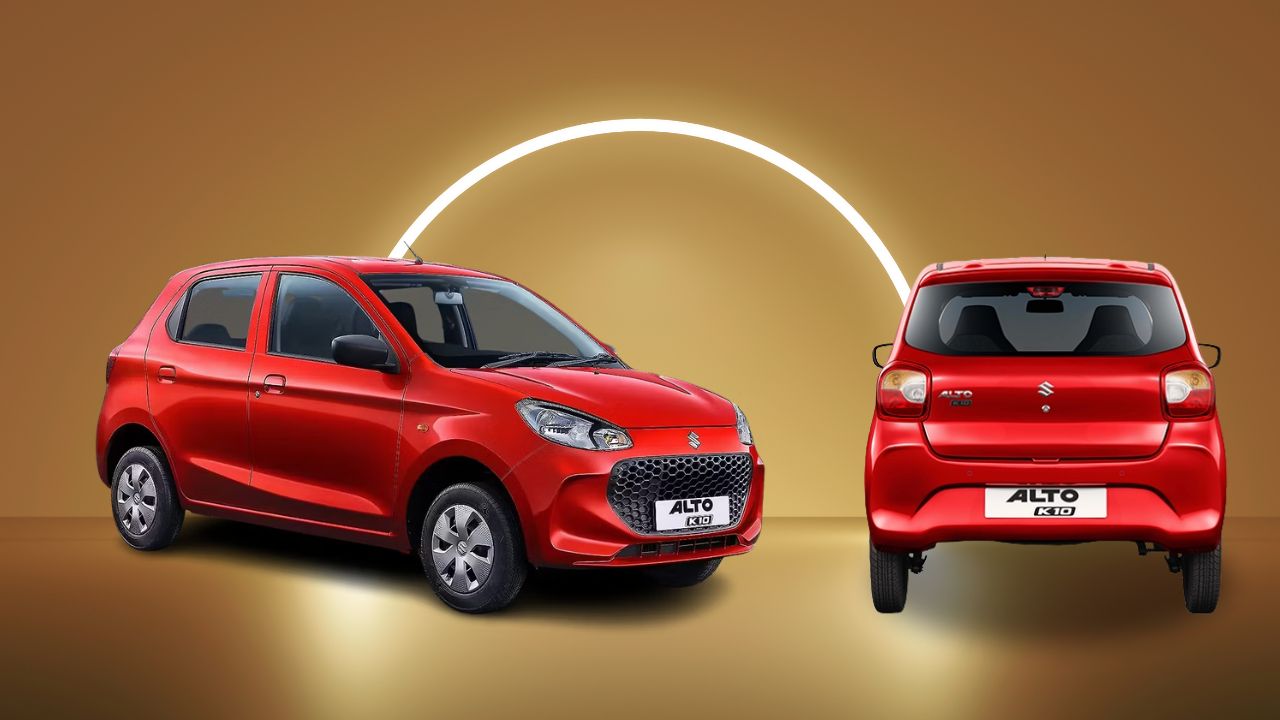
Thinking of Buying Maruti Alto K10 in 2027? Read This Before You Decide

Published Nov 21, 2026, 7:05 AM
Last Updated Nov 23, 2026, 11:24 AM

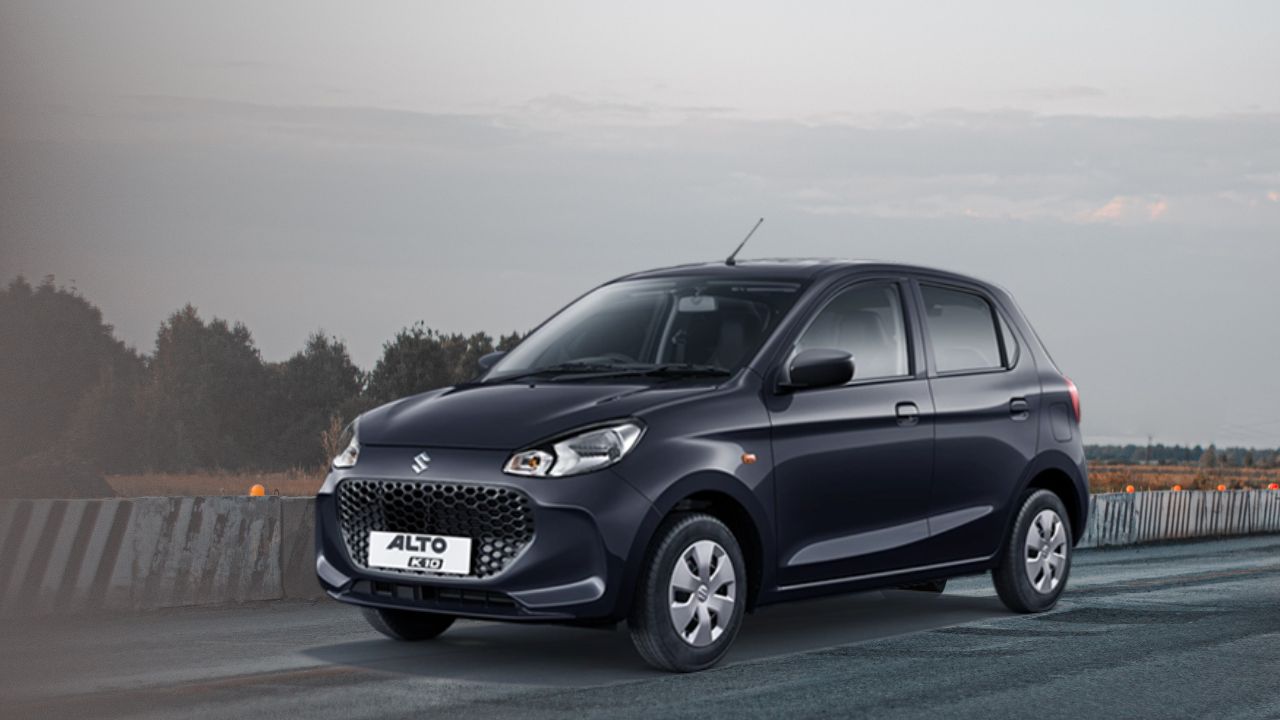
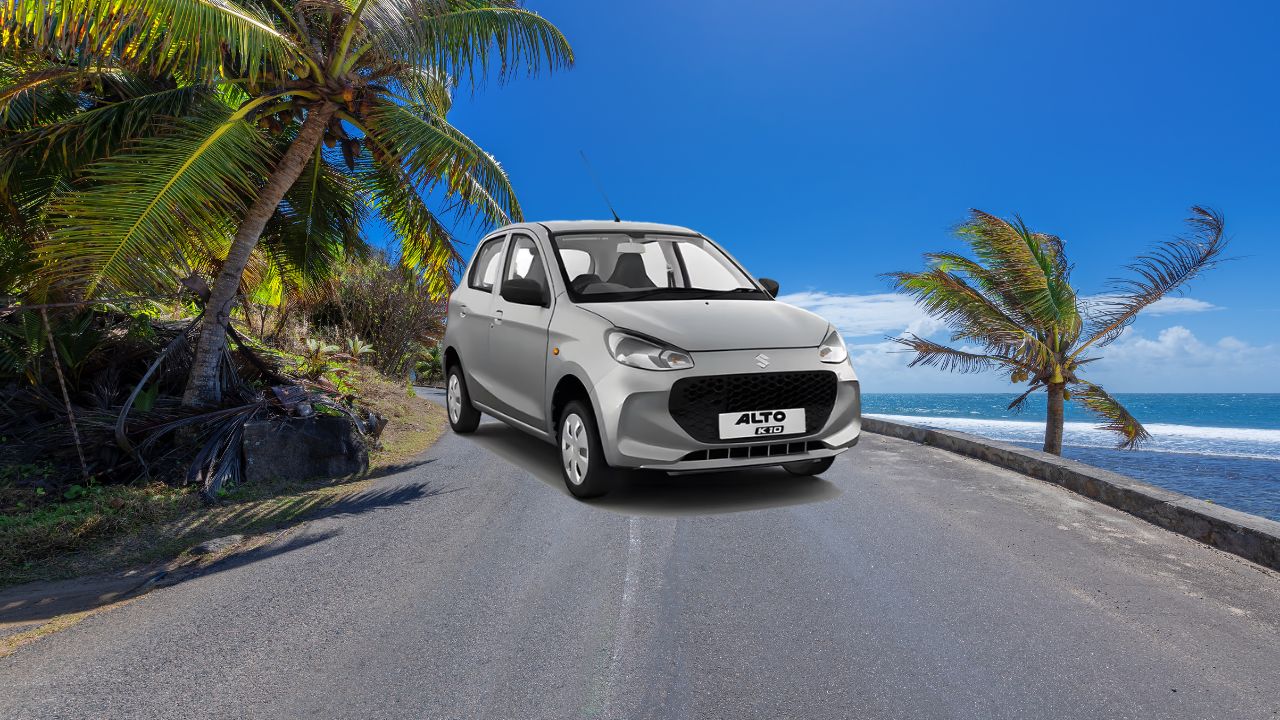
Maruti Alto K10 in 2027

The sticker price of a car is rarely the price you pay. If you’re checking the Maruti Alto K10 price in 2027 before buying in India, the number you see online is only the beginning. Here is what the car actually costs.

Maruti Alto K10 Price in India

The petrol range runs from roughly ₹4.28 lakh to ₹5.34 lakh ex-showroom. The CNG range sits between ₹4.84 lakh and ₹5.34 lakh. That keeps the Alto K10 among the cheapest ways to own a new car with a proper warranty and a service network in almost every town.

Maruti Alto K10 On-Road Price: Where the Gap Opens Up

Ex-showroom price is what the company advertises. But you have to pay extra to own a car including road tax, registration, insurance and dealer charges, and the total shifts a lot by city and that is called on-road price of a car:

  • Delhi: ₹4.28-6.16 lakh
  • Mumbai: ₹4.47-6.48 lakh
  • Chennai: ₹4.58-6.64 lakh

Chennai’s top-end figure is nearly ₹50,000 higher than Delhi’s for a similar car. In Lucknow, expect a total somewhere between the Delhi and Mumbai figures. UP registration and insurance can move it, so get a written dealer quote before you compare anything.

Maruti Alto K10 CNG Price

Maruti Alto K10 CNG

Two CNG variants are on offer: the LXi (O) S-CNG at ₹4.84 lakh and the VXi (O) S-CNG at ₹5.34 lakh ex-showroom. On the road, the LXi (O) comes to about ₹5.33 lakh in Delhi and ₹5.71 lakh in Chennai. The VXi (O) lands near ₹5.87 lakh in Delhi and ₹6.34 lakh in Chennai.

Due to higher costs of CNG, it will only pay off if you have long commutes. If you make short commutes on the weekends, you are unlikely to get a good return.

Read More 👉  5-Star Safety Ratings Cars in India: What the 2026 Crash Tests Show

Maruti Alto K10 EMI Per Month

As most people take loans to buy this vehicle, the EMI is very important. With an interest rate of about 9.8% and a down payment between ₹43,000-55,000, you can expect to pay anywhere between ₹8,100 to ₹10,500 per month.

Variant Down payment 60-month EMI
Std (O) petrol ₹42,795 ₹8,141
LXi (O) petrol ₹45,660 ₹8,684
LXi (O) S-CNG ₹55,185 ₹10,508

Various estimates are available. One estimate shows that the entry cost of EMI is ₹9,727 for 48 months. According to CarWale, the cost ranges between ₹7,073 to ₹10,419 for 5 years at 10% interest, with a 10% down payment. The variation in tenure, interest rate and down payment contributes to greater change in values.

Maruti Alto K10 EMI

A loan of Rs 1 lakh over 5 years at 10% will cost you about Rs 2,125 per month. Rs 3 Lakhs will cost around Rs 6,400, Rs 4 Lakhs will be around Rs 8,500 and Rs 5 Lakhs will be around Rs 10,600.

Read More 👉  Kia Seltos Earns a 5-Star Crash-Test Rating: A Big Win for Safety

Conclusion 

The Maruti Alto K10 is an affordable car choice for first time buyers and smaller families in 2027. However, the on-the-road price of the car depends on various factors including the city you live in, variant selected, insurance and finance options.

If you drive long distances regularly, the CNG version may make sense, while the petrol variants are better suited to occasional city use. Before booking, compare the on-road price and EMI offers from different dealers to make sure the Alto K10 fits your monthly budget without stretching your finances.

0

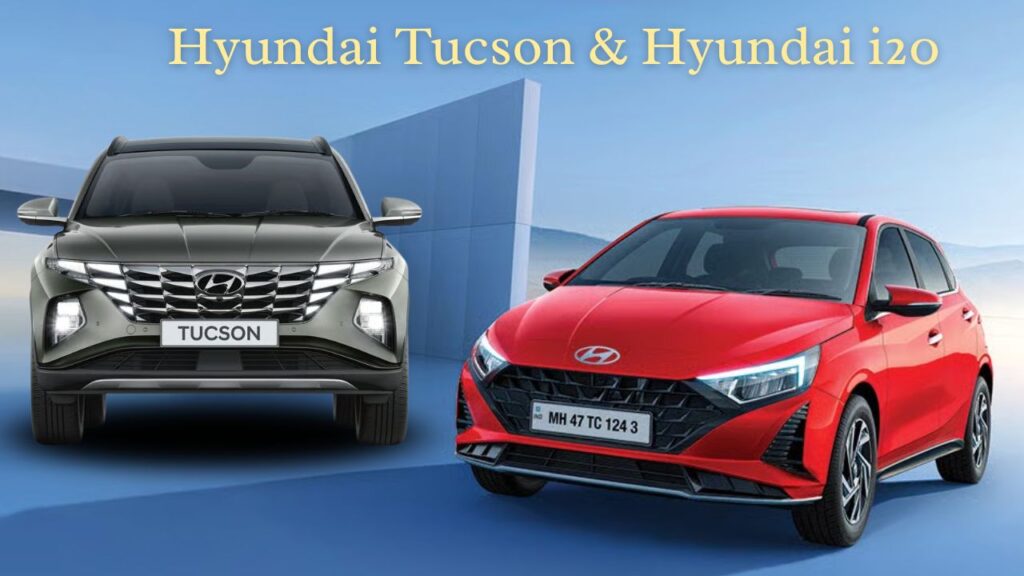
Hyundai Tucson & Hyundai i20: Premium Cars Built for Modern India

Published Oct 15, 2025, 6:47 AM
Last Updated Apr 9, 2026, 11:25 AM

Hyundai Tucson & Hyundai i20

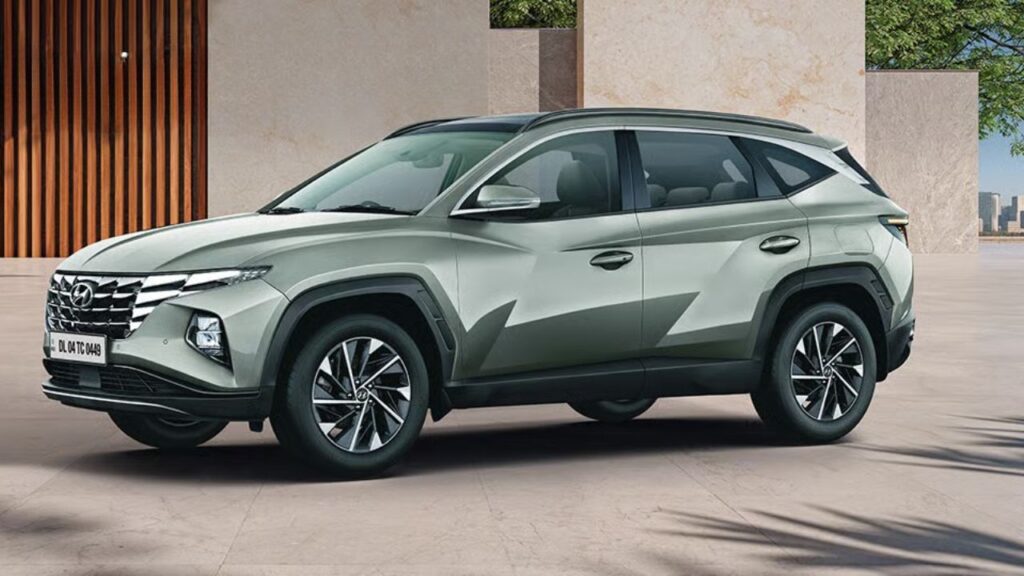
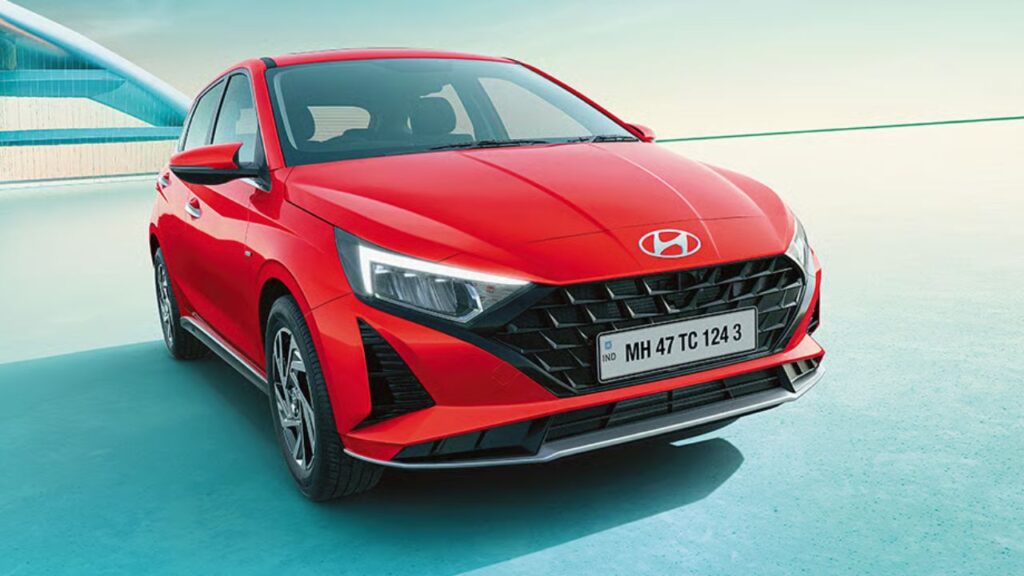
Hyundai Motor is ready to deliver brand new models in 2025. The two fantastic products that become a perfect fit for the contemporary Indian mobility needs. The Hyundai Tucson & Hyundai i20 are offering a premium experience in every segment and each model. Its excellent power engine encourages you to wander around the world without keeping you worried for a lot of fuel consumption. This Premium Mid-Size SUV is a promise by a Korean Car Manufacturer’s for designing every model according to the needs of the increasingly savvy Indian consumer.

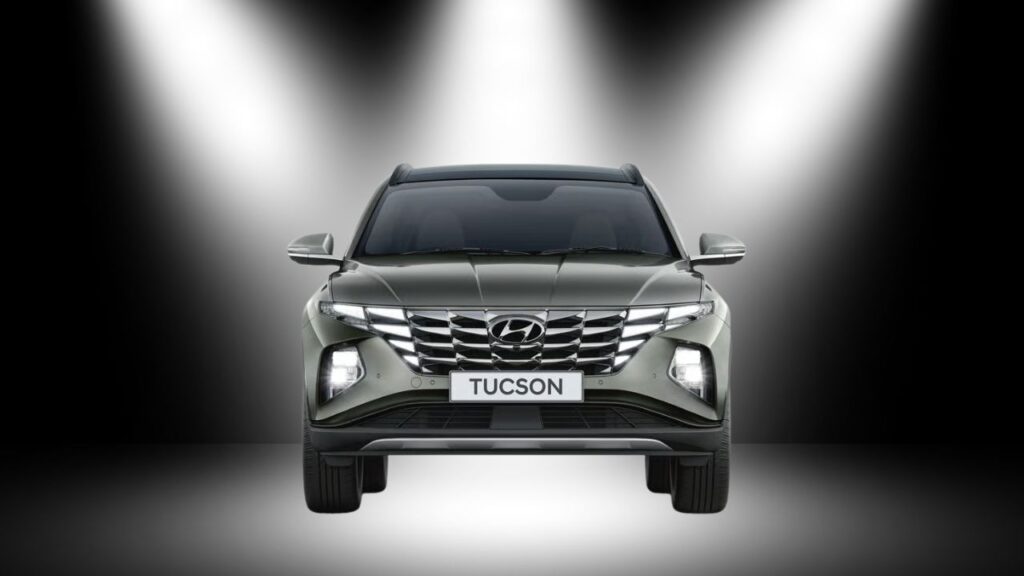
The Premium Mid-Size SUV Champion: Hyundai Tucson

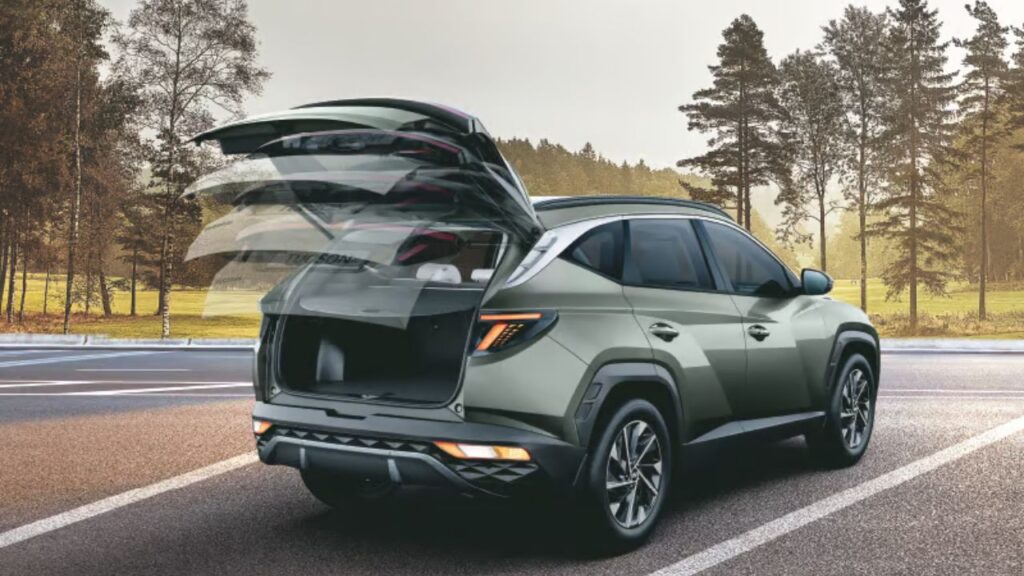
The Hyundai Tucson is a monument to advanced engineering and modern design ideology. With a price ranging from ₹27.32 lakh to ₹33.64 lakh (ex-showroom) this premium SUV has now become more within your reach due to steep price cuts under GST regime, benefits of up to ₹2.4 lakh by end of September 2025.

Hyundai Tucson

Image credit: Hyundai

Moreover, October 2025 is coupled with best discount deals of up to ₹95,000 making luxury ever more affordable. 

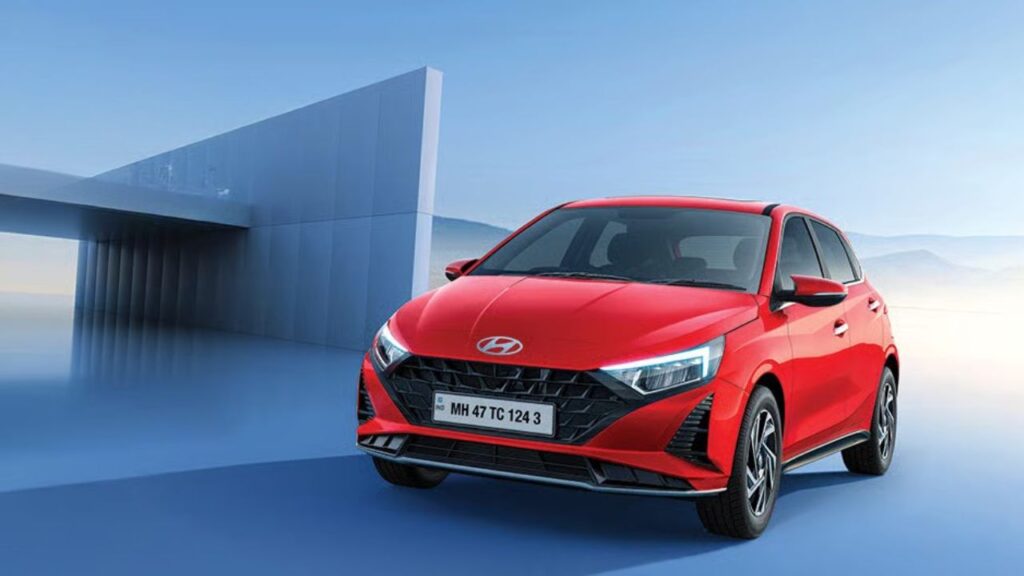
The Premium Hatchback Sensation: Hyundai i20

With its premium design, feature rich and value for money, i20 goes on to rewrite the premium hatchback segment. Presently, the i20 is priced between ₹6.87 lakh and ₹10.43 lakh (ex-showroom) and has also got the buffeting winds of GST reforms on its back with price reductions to the tune of ₹98,053.

Hyundai i20

Image credit: Hyundai

Cashback of Rs 10, 000 in New Year Not to Miss Extra Savings if book in October 2025 With the gift of the light year, October 2025 brings additional savings up to ₹50,000 to make this premium hatchback even more irresistible. 

Power and Performance That Commands Respect

Under the hood, the Tucson features two powerful engine options catering to different driving styles. The 2.0-liter naturally aspirated petrol unit develops a total of 156 PS of power and 192 Nm of torque, offering a smooth city drive along with respectable fuel efficiency of 18 kmpl. The 2.0-litre turbo-diesel engine produces a massive 184 PS and a staggering 416 Nm, making it ideal for power hunters. 

Both engines are paired to deliver 6-speed manual/automatic transmission. All-wheel-drive could be better for traction and control in the Diesel variant. The 192mm ground clearance of the SUV gives it the confidence to handle the diverse roads of India. 

The i20 is equipped with a matured 1.2-litre NA petrol engine that develops 83 PS and 115 Nm. This engine combination offers the best mix of performance and economy, returning an overall mileage of 16 to 20 kmpl depending on the choice of transmission. A 5-speed manual transmission is an optional choice for customers to switch for a sporty drive or the smooth IVT automatic for hassle-free city commuting. 

Technology That Drives You Crazy

The Tucson cabin is a testament to Hyundai’s focus on technology. The center stack now features two 10.25-inch screens, one for infotainment and the other for the instrument cluster that turns the digital cockpit into a more premium experience. Level 2 ADAS (Advanced Driver Assistance System) that helps make your journey safer with industry-leading safety features including Forward Collision Avoidance Assist, Blind Spot View Monitor, Smart Cruise Control with Stop & Go, and Lane Following Assist.

Hyundai’s focus on technology

Image credit: Hyundai

Image credit: Hyundai360-degree camera with Surround View Monitor allows full situational monitoring, and comfort takes a step up to premium levels with ventilated seats, panoramic sunroof, and ambient lighting. 

Hyundai i20 interior is designed

Image credit: Hyundai

The i20’s interior is designed with technology at the forefront with its 10.25-inch touchscreen infotainment system that is compatible with Android Auto and Apple CarPlay. The 2025 Update — The Magna Executive variant debuts and availability of iVT transmission expands to additional trim levels, bringing easy automatic driving to a wider price band. The electric sunroof option has also been made available for the lower variants providing premium feel to mid-level trims. 

Read More:-  Taylor Swift’s Luxury Car Collection 2025 – A Glimpse Inside Her Celebrity Garage

Connected Car Excellence

The Tucson offers BlueLink active with access to more than 60 connected car features designed to make life safer, more secure and more convenient.

The i20 is also now available with Hyundai BlueLink. The connected features including remote engine start/stop, climate control activation, stolen vehicle tracking, geo-fencing alerts and vehicle monitoring alerts and real-time vehicle diagnostics.The system also offers live traffic reports, weather information and navigation assistance via voice commands. 

Safety Excellence Recognized

Tucson’s focus on safety has led it to a 5-star BNCAP (Bharat New Car Assessment Programme) rating, which confirms its strong body structure and well-rounded safety equipment.

Tucson’s focus on safety

Image credit: Hyundai

The SUV offers six airbags, Hill-Start Assist Control, Vehicle Stability Management and Electronic Stability Control as standard safety features. 

Modern India’s Perfect Automotive Companions

Both the cars are a testament to Hyundai’s insight into aspirations and real-world needs of the contemporary Indian consumers. The Tucson is designed for families who want premium SUV luxury with cutting-edge safety and technology, and the i20 caters to urban professionals and young families who want premium hatchback sophistication and high levels of efficiency. 

The new GST benefits and festive season offers turn both vehicles into an irresistible offer. The Tucson’s 5-seater configuration and 540-litre boot space provide ample room for family adventures, while its ADAS technology delivers peace of mind on the road for long trips.Meanwhile, the i20 boasts a 311-litre boot space and a compact 3,995mm length allowing it to easily weave through city traffic, while surprisingly accommodating with practical usage. 

The Hyundai Advantage in Modern India

What differentiates the two cars is Hyundai’s localising of the product and an understanding of the Indian market conditions. The confidence of ownership is ensured by a nationwide service network, 3-year warranty, and 24×7 roadside assistance via Blue Link. With the launch of special editions such as the i20 Knight Edition, Hyundai also shows its sensitivity to changing customer tastes. 

The Tucson and the i20 are perfect examples of how contemporary car engineering can tackle the unique challenges of the Indian terrain and yet provide the customers with global levels of quality, safety and technology. Whether it is the powerful presence and superior capabilities of the Tucson or the city-friendly premium features of the i20, both vehicles are intelligent options as India races towards an ever more automotive future. 

Conclusion

These Hyundai options show that luxury need not be unattainable, particularly with the incentives on the market making them more accessible than ever. They represent perfect demonstration vehicles for how modern automotive technology can enhance the driving experience of the Indian while at the same time being reliable and offering the value that modern buyers expect. 

0

Koenigsegg Cars: Fastest Models, Price, History and Top Hypercars

Published Mar 17, 2026, 12:43 PM
Last Updated Apr 6, 2026, 12:23 PM

Koenigsegg Cars

Let me tell you about a guy who as a kid in the 90s watched a Norwegian stop-motion film about a bike race and decided he was going to create the best sports car in the world. Christian von Koenigsegg was 22 when he established his company in 1994. While his friends were plotting their futures, he was ripping out pages from car magazines, teaching himself physics, and operating a strange trading business that involved importing misprinted plastic bags and — I am not making this up — frozen chickens. That poultry money? It would become the seed capital for what would ultimately supplant Ferrari, Porsche, and Bugatti.

Koenigsegg’s Fastest Creations

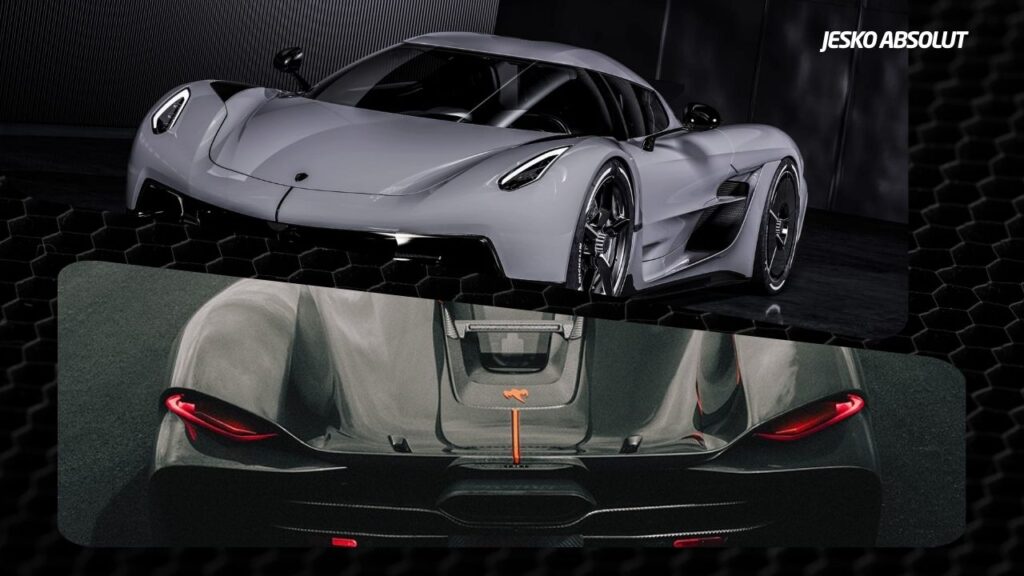
Jesko Absolut: Theoretical Velocity Champion

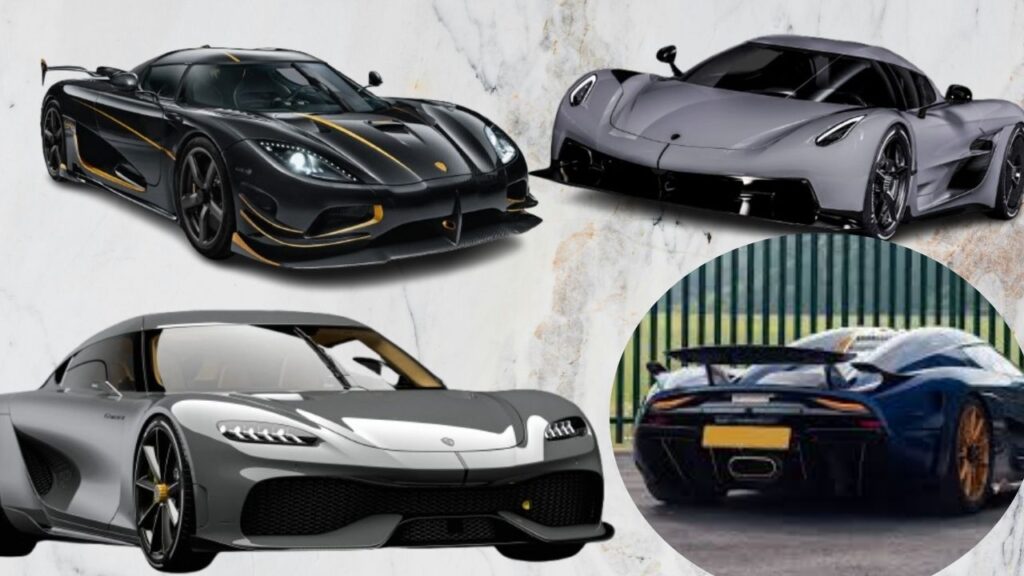
When Koenigsegg unveiled the Jesko Absolut back in 2019, they weren’t shy about making a sweeping statement: this would be their fastest car ever and could be the fastest production car ever. It takes its name from Christian’s father Jesko von Koenigsegg and features the ultimate expression of aerodynamic efficiency. Jesko Absolut’s drag coefficient is just 0.278 and maintaining very low frontal area and the Absolut creates only 40 kg of downforce at top speed – as opposed to around 1,400 kg generated by the Jesko on the track.

The Koenigsegg Jesko Absolut is a technical masterpiece, conceived to break new ground in terms of car performance.

Engine  twin-turbo V8
Power  1,600 horsepower on E85 biofuel
Transmission Koenigsegg’s Light Speed Transmission
Gear  nine-speed multi-clutch
Speed 330 mph

What makes this feat even more incredible is the engine is readily available. Koenigsegg’s V8, on the other hand, is a fairly compact unit compared to the monstrous W16—albeit elephantine in power levels and, really, it shouldn’t come as a surprise that it is also fairly massive. It’s over-efficiency meets excess, a marriage that encapsulates the brand. 

Regera: The Hybrid Game-Changer

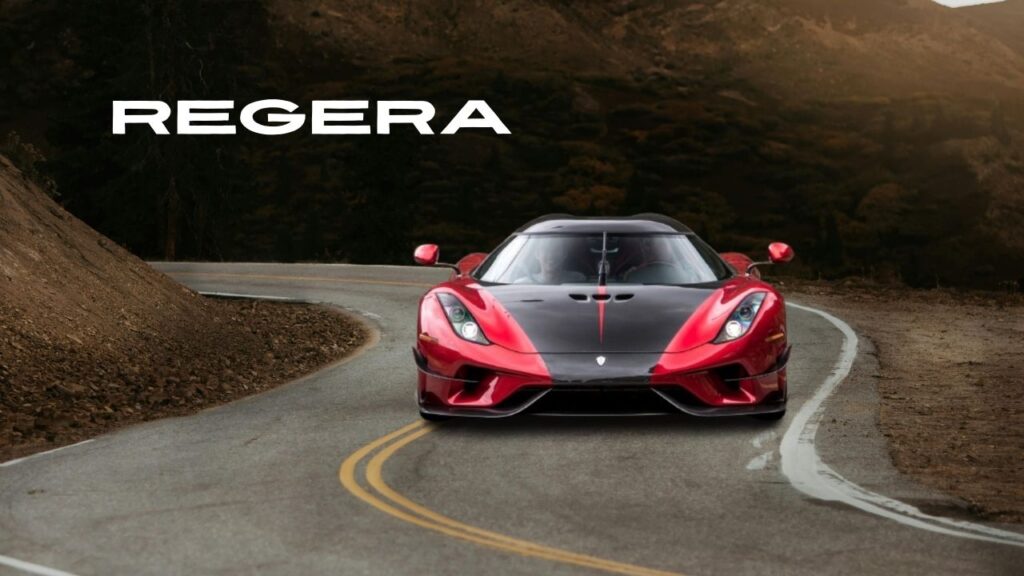
The Rager made hybrid performance look easy prior to the Jesko Absolut taking the spotlight. This revolutionary machine, which was presented in 2015, combined 3 electric motors with a 5.0-liter twin-turbo V8 engine generating 1,500 horsepower. Yet it was the transmission — or more specifically, what the car didn’t have in the way of one — that was the real invention, not the power. 

Regera

Koenigsegg has cut out the gearbox altogether, with its new Koenigsegg Direct Drive system. All speeds are taken care of by a single fixed gear ratio and at low speeds electric motors compensate for the torque gap. Regera offers smooth acceleration from 0— 250 mph within the same gear and it goes from 0-250 mph in 20 seconds, this raw number is a reality that feels like a dream but it’s true power.. 

It became an example of Koenigsegg’s thriller hero. The “Autoskin” makes the car open and close all its doors and panels like a transformer would show pieces of metal choreography. It’s redundant, over the top and completely mesmerizing — exactly what a hypercar should be. 

Agera RS: The Record Breaker

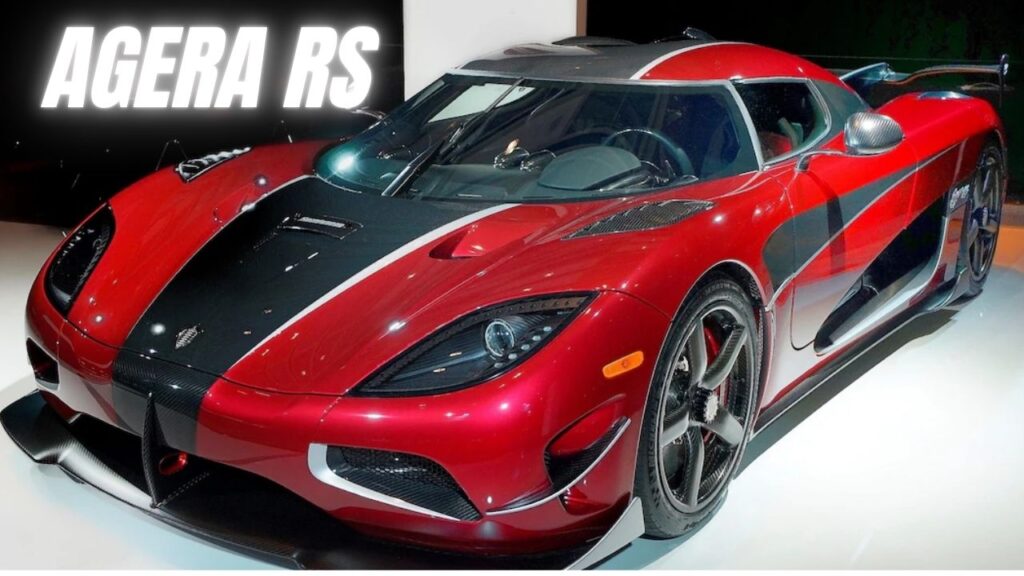
Agera RS is the top design car that exists on this land which was introduced in 2015, its mind-blowing power and speed covered with tech is extreme.

Agera RS

Engine  Twin-turbocharged 5.0-liter V8
Power  1,341 horsepower 
Top speed 277.9 mph (447.19 km/h)

It holds a position to break multiple records on the ground, it proves its capabilities and power to stand out as the most powerful engineered car on the platform.

Koenigsegg CC850 

This car is produced on high demand to the 70 units as it is a reboot of the old CC850. The end result is a hypercar that blends such familiar forms with genuinely new technology. 

Key Specifications

  • It offers a 5.0-litre twin-turbo V8 powerful engine to make 1,280 horsepower.
  • That’s not it, with 1,106 pound-feet of torque and 1,385 horsepower on E85—it runs like hell. 
  • The transmission is a cutting edge 9-speed multi-clutch system with gated shifter, which gives driver ability to shift gears manually. 
  • Performance: approximately 2.4 seconds to 0–100 mph.
  • This layout recreates the touch & feel of a real stick-shift without the use of a clutch pedal while keeping the drive-line connected to the driver. 
  • Price: Approximately $3.65 million  

Visually, the CC850 is inspired by the classic CC8S yet it’s completely up to date under the bonnet. It has clean lines, modern mechanics and a removable targa top that improves the driving experience and the timeless look of the car.  

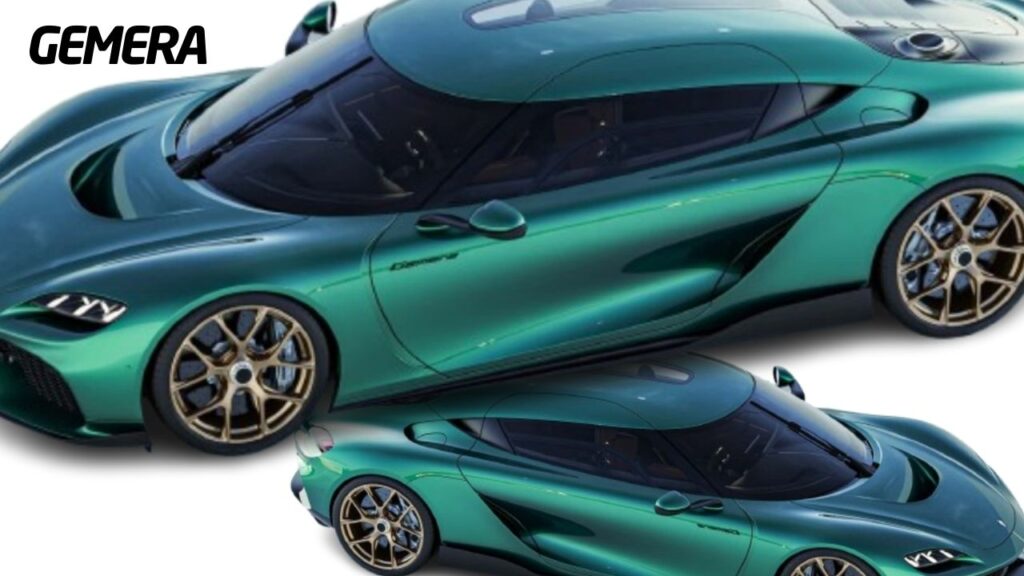
Gemera: Revolutionary Technology

The Koenigsegg Gemera has been touted as the world’s first Mega-GT. The Gemera is not an outlier in that sense, but rather a sign that hypercars can be both blisteringly fast and useful, two traditional requirements that rarely coexist, though that is now changing with more mainstream products resembling megacars.

Gemera

It’s got true four-seat space with comfort and still manages to deliver the mind-bending power Koenigsegg is renowned for. 

Two Powertrain Options:

Three-Cylinder Hybrid

The above engine is one which has been engineered to amazement with extraordinary approach and thinking and hence the innovation in the automotive industry. 

  • It is a 2.0-liter twin-turbo three-cylinder engine with advanced Freevalve technology, which does away with the traditional camshaft. 
  • It produces a respectable 592 horsepower from just the internal combustion engine.
  • When combined with Koenigsegg’s Dark Matter electric motor, the overall total output upgrades to mind-boggling 1,381 horsepower and 1,364 lb-ft of torque. 
  • Despite its small size and lightweight design at a mere 70 kg (154 lbs), this engine is the most powerful three cylinder engine ever made. Its blend of power, efficiency, and innovation establishes a new standard in hypercar performance. 

Efficiency: This technology reduces emissions while driving by about 15–20% and cold-start emissions by nearly 60%, making it marginally cleaner than most hypercars. 

Hot V8 (HV8)

The Koenigsegg car described is the height of engineered automotive perfection and performance. 

engine  twin-turbo-charged 5.0-liter V8
advanced  “Hot-V” turbo
power 1,479 horse power
Combination with Dark Matter, a radical new, high-tech electric motor (800 additional hp)
Power & Torque 2300 total, 2028 torque

 About Transmission: Both the engines are equipped with Light Speed Tourbillon Transmission (LSTT) – a 9-speed, 7-clutch automatic inspired by the Jesko’s LST. For an instant shift from input shaft to the crankshaft for instant shifts of the flywheel. 

Practical Features:

Feature Details
Drivetrain 4-wheel drive and 4-wheel torque vectoring 
Storage 200 liters of storage space
Family-Friendly Options Isofix child seat mounts and roof rack compatibility
Fuel Tank 115-liter capacity
Battery & Electric Range 14 kWh battery pack providing 31 miles of electric-only range
Infotainment & Comfort Apple CarPlay and heated, electrically adjustable seats
Price Starting at $1.7 million USD

The Dark Matter E-Motor

Gemera spearheads Koenigsegg’s “Dark Matter” electric motor is a radical feat of engineering that will shape the design of future automobiles:

  • Output: 800 hp and 922 lb-ft (1,250 Nm) of torque
  • Weight: At only 39 kg (86 lbs), lighter than a bag of cement
  • Design: “Raxial Flux” - a radial and axial flux designs hybrid that wasn´t known in the automotive vocabulary until Koenigsegg designed it.
  • Technology: 6-phase system (double the usual 3-phase) based on silicon carbide semiconductors allowing for faster switching and low heat dissipation,
  • Materials: Motor is up to 90% carbon fiber including rotor and stator structures with no insulator layer added – world first
  • Size: 383.3 mm H × 381.5 mm W × 135.5 mm D – small enough to slip in a backpack! 

Topped off with the “David” inverter (at 33 lbs, the inverter is capable of 1,300+ amps and 850 volts), this system is the bleeding edge of electric propulsion. 

What Excellence Costs

Being able to own a Koenigsegg means you have the matching financial capabilities to the car’s insane performance. The Jesko, in Attack and Absolut versions, costs $3 million prior to options. The Regera, capped at 80, started at $1.9 million but now trades for far more in the secondary market. Even Gemera – which is basically entry-level in the hypercar firm’s product range, being a four-seater hybrid with 1,700hp – has a list price of over $1.7 million.

Excellence Costs

This is all to say: these numbers all make sense. Build a Koenigsegg, it takes about 4,000 hours. The carbon fiber monocoques are baked in autoclaves, the engines are hand built — not by robots — and quality control involves measurements within tolerances gauged in microns. So when you’re making about 50 cars a year, total — from all models — there are no economies of scale. 

Koenigsegg, however, insists its prices represent value relative to the other players. A Bugatti Chiron Super Sport 300+ is around $4 million, and limited edition Ferrari and Lamborghini models regularly go beyond the $2 million mark, although they’re less impressive in terms of numbers. In the wacky hypercar world economics, Koenigsegg is the engineer’s choice — buy for function, not badge heritage. 

Read More:- Gautam Singhania Car Collection 2026: Ferrari, Lamborghini, McLaren & More

Conclusion

What started as an impossible dream for a 22-year-old is now a reality in automotive form. Koenigsegg, the world’s most prestigious manufacturer, shows that passion, mixed with true engineering innovation, can trump the availability of resources. These are not just quick cars – they make statements on what is capable for human, making us think that the established ways really are the only way forward.

Each and every Koenigsegg is a culmination of two decades of obsessively refining, making engineering breakthroughs beyond any conventional understanding and a stubborn belief that perfection remains worth chasing up and chasing down, despite being ultimately unattainable. 

In a business increasingly defined by corporate consolidation and regulatory compromise, Koenigsegg is a beacon that originally appeared on Quattroruote in Italian individual vision and mechanical purity. The Ghost Squadron is still flying, faster and more vibrantly than ever, a reminder that there remains a place for the rebel in the highest veins of automotive excellence. 

0

New Tata Sierra 2025 – Price, Features, Launch Date, and Electric SUV Details

Published Nov 13, 2025, 12:37 PM
Last Updated Apr 22, 2026, 11:41 AM

New Tata Sierra 2025

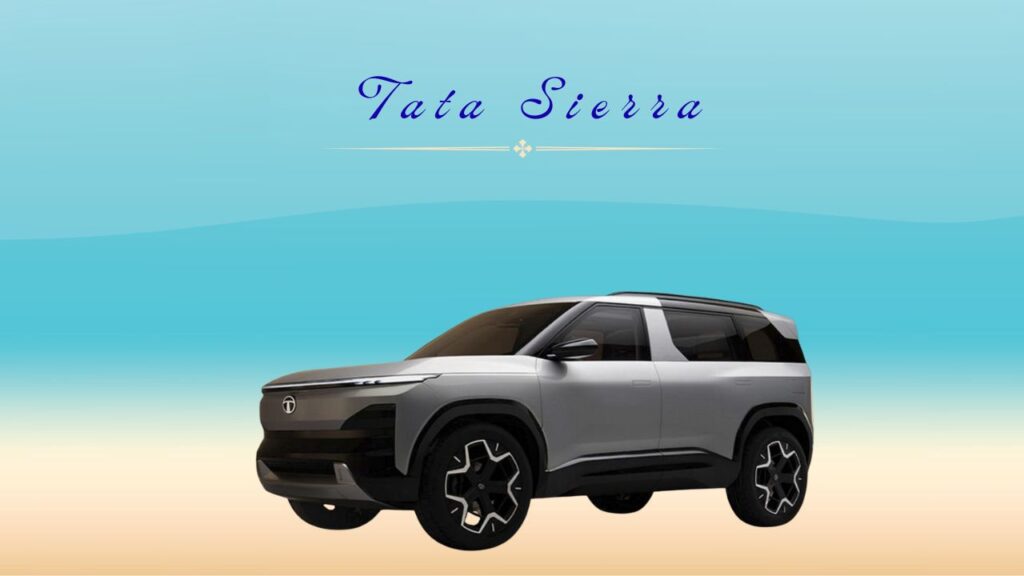
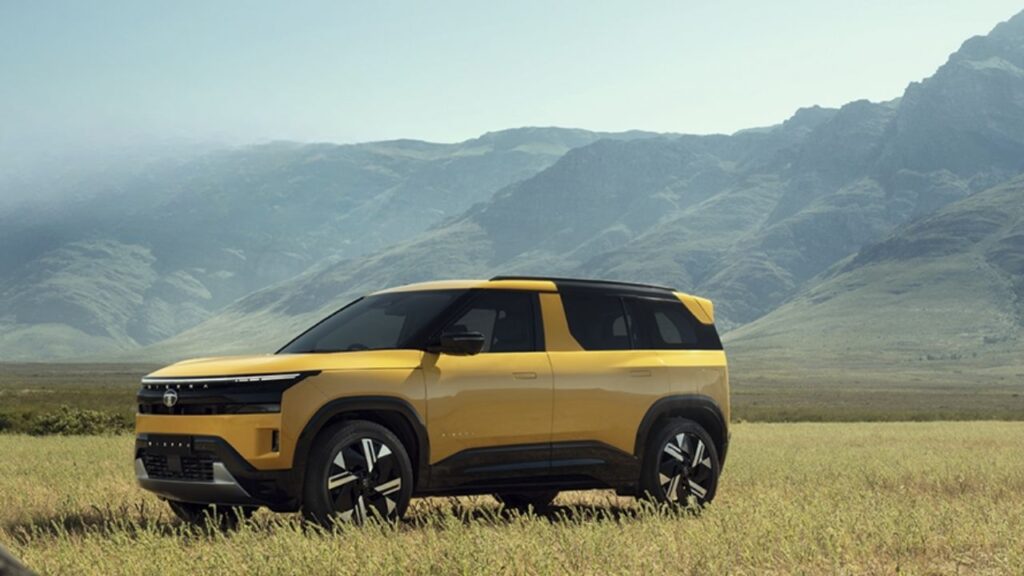
Tata is coming up with a bold comeback of an Indian automotive icon — New Tata Sierra 2025, re-imagined in the modern era of mobility. Packed with old-school cool and new-school tech, this Tata SUV blends the numb nostalgia for big SUVs with the company’s vision for a sustainable future. Based on Tata’s new design philosophy, the Sierra fuses retro aesthetics with futuristic technology and comes with top-notch safety features, the company claims luxury interiors, and smart connectivity. 

Launching electric variants highlights Tata Motors’ focus on enabling sustainable mobility and the future. With this eagerly awaited new model, the brand will captivate a whole new segment of forward-looking drivers, while also offering a true classic for the enthusiasts – a significant step in the brand’s rich heritage. 

Launch And Price Details

The Sierra is scheduled to be officially released on November 25, 2025, for both the internal combustion engine (ICE) models and prospective electric vehicle (EV) versions. At first, petrol and diesel variants will be offered, and an all-electric version, the Sierra EV, coming soon. 

Variant Estimated Price (₹)
Sierra Pure (Petrol) 15 lakh
Sierra Accomplished (Petrol) 25 lakh
Sierra EV (Electric) Starts at ~25 lakh

Excellent New Features of Tata Sierra 2025

Excellent New Features of Tata Sierra 2025

Image credit: Tatamotors

Amazing Exterior & Design

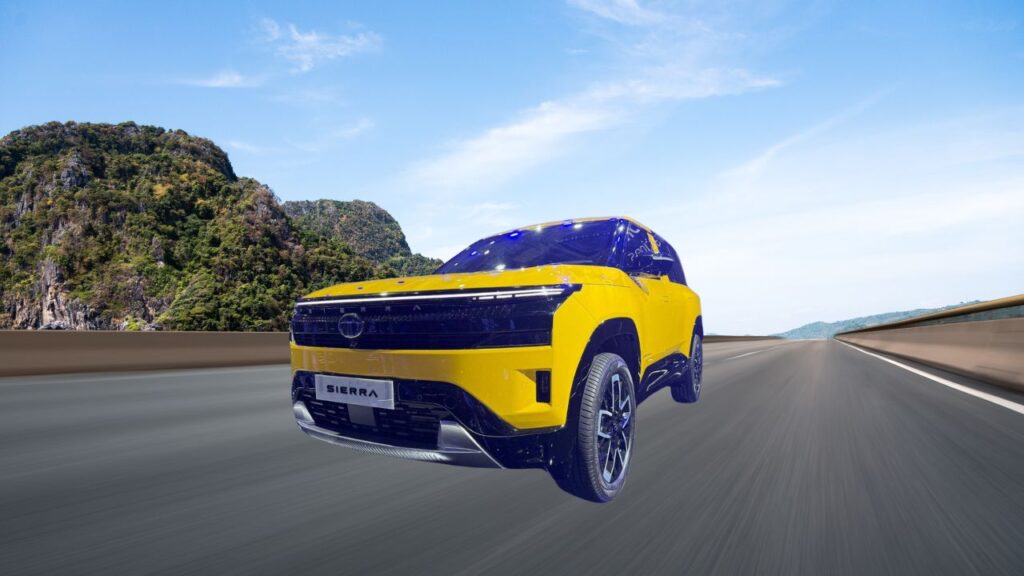
Inspired by the legendary Sierra, including modern interpretation, the design represents a glitchy retro-modern fusion. It sports a prominent black grille that grabs attention, smoked headlamps, and a daring LED light bar. Its smooth yet robust body is complemented by recessed door handles and thick body cladding, and the unique Sierra rear glasshouse brings a futuristic glint of nostalgia.

The design is complemented by big dual-tone alloy wheels which enhance its sportier stance. The connected LED tail lamps and clean rear design make this vehicle both timeless and forward looking. 

Interior

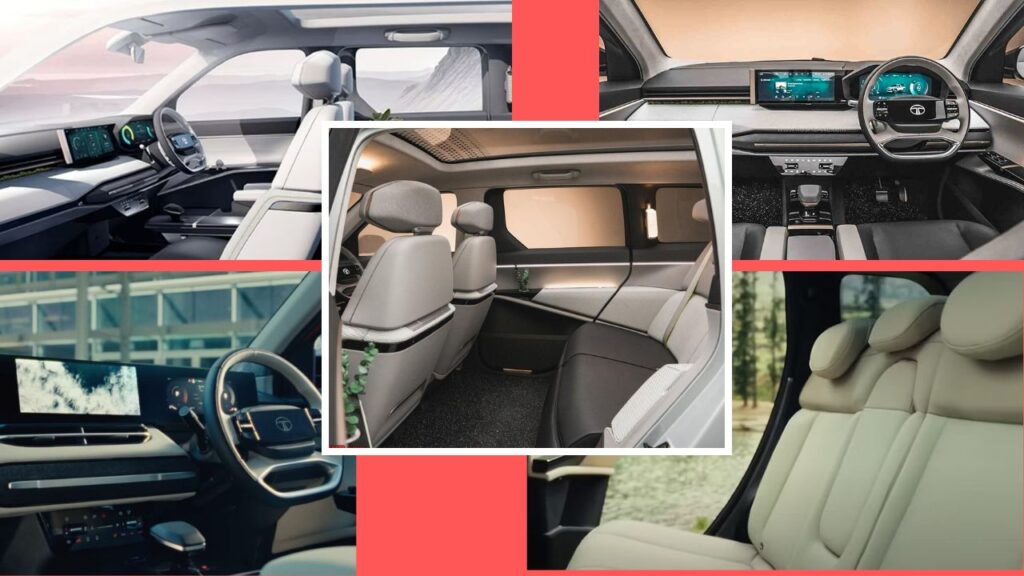
With a triple screen for the driver, the front passenger and infotainment, the Tata vehicle boasts a luxurious interior. It has a premium and sophisticated atmosphere, with a four-spoke steering wheel with the illuminated Tata logo. The cabin is treated to ambient lighting and quality materials for an upscale ambiance.

New Tata Sierra 2025 Interior

Image credit: Badicar

Rather than introducing a third row, the five-seater layout prioritizes comfort and room. Other features include a panoramic sunroof, multi-color ambient lighting, wireless charging, power and ventilation seats, JBL audio system and rear window sunshades that enhance the luxurious and comfortable driving experience. 

Safety

The vehicle Sports advanced safety features like up to 7 airbags, ABS with EBD, electronic stability control (ESC), and hill hold assist. And it has Level 2 ADAS features including adaptive cruise control, lane-keep assist, blind spot detection and autonomous emergency braking. 

Other features include a 360-degree camera, front and rear parking sensors, tire pressure monitoring system (TPMS), and it is expected to be Bharat NCAP 5-star compliant. 

Technology & Features

The car also boasts of modern-day features such as advanced infotainment systems with wireless Apple CarPlay and Android Auto connectivity. Comfortable living is ensured with dual-zone climate control and electrically operated, ventilated seats. Added convenience: It comes with electric ORVMs with an auto-folding function, a wireless charging pad and multiple drive modes.  

In addition, the vehicle features several drive modes to deliver different driving experiences, a wireless charger for convenience, and electrically adjustable and foldable side mirrors with heating option for practical application. 

Powertrains and Performance Of The Vehicle

Powertrains and Performance Of The Vehicle

Image credit: Badicar

Petrol & Diesel Engines

Components Petrol Diesel
Engine 1.5-litre turbo, 1.5-litre unit
Power 170 PS 118 PS
Torque 280 Nm  260 Nm
Speed 6-speed manual & 7-speed DCT automatic. similar

Electric (Sierra EV)

The car is for sale in two battery pack sizes, 55kWh and 65 kWh, with a possible 75 kWh pack in the higher trims. It is designed to compete with top electric SUV models and has a claimed range of around 450–500 km on a single charge. It also has fast charging technology that can charge the battery fully in 4-8 hours depending on the charger. 

As for its performance, front wheel drive comes as standard on the base model, and dual-motor all-wheel drive (AWD) is expected on higher trims. Distinct design touches for the electric vehicle (EV)- including a sealed grille, wheels optimized for aerodynamics and other EV-specific styling elements. 

Read More :- Honda Elevate – Price, Features, Mileage, and All You Need to Know

Conclusion

The Tata Sierra 2025 is bringing back an Indian automotive legend, but with completely modern sensibilities and the latest technology in safety and comfort. The ICE models are tailored for versatility and performance, whereas the Sierra EV provides an attractive electric range along with a host of cutting-edge features, making it stand out in the burgeoning mid-size premium SUV and electric SUV markets in India. 

0

Tata Avinya EV Specs and Features: Range, Technology, Design, Safety, Performance Details

Published Dec 24, 2025, 10:13 AM
Last Updated Apr 7, 2026, 11:05 AM

Tata Avinya EV Specs and Features

Electric cars aren’t just about saving on gas or reducing emissions—they’re about making a bold statement. Try to imagine driving on the crowded city streets in India and turning heads not because of the sound of a roaring engine but the bold, futuristic form that looks like it came out of a sci-fi movie. That’s the kind of impact Tata Avinya EV wants to make.

The Avinya is more than just Tata Motors’ next electric vehicle – it is a bold vision for the future. The vehicle, which is expected to be released sometime in 2026 or 2027, will be a giant leap for electric mobility in India. Tata’s next-generation electric vehicle platform, the Gen 3 EV platform, serves as the foundation for the Avinya, which brings together cutting-edge technology, sustainable luxury, long-distance performance, and a human-centric design philosophy. From screen-free cabin innovation to its remarkable driving range and next-gen safety features, the Tata Avinya is not just another electric car — it is Tata’s vision for how the future of mobility could be. 

Range That Actually Goes the Distance

A big concern when purchasing an EV is range anxiety—the fear of being stranded on the road with a dead battery. Tata has eliminated that worry with the Avinya. This high-end electric car has a stated minimum range of 500 kilometers on one full charge. Whether you’re planning a weekend getaway to Agra or a long drive to the hills, the Avinya’s range won’t disappoint.​

Range That Actually Goes the Distance

Extreme fast charging performance is a real game changer. Avinya can be charged to 80% in under 30 minutes enabled by next-generation battery technology.  Imagine pulling off the highway for a brief coffee break at a charging station, and coming back to a car charged for another 500 kilometers. That’s the kind of convenience that could make electric vehicles genuinely here to stay on Indian roads. 

Amazing & Beautiful Design 

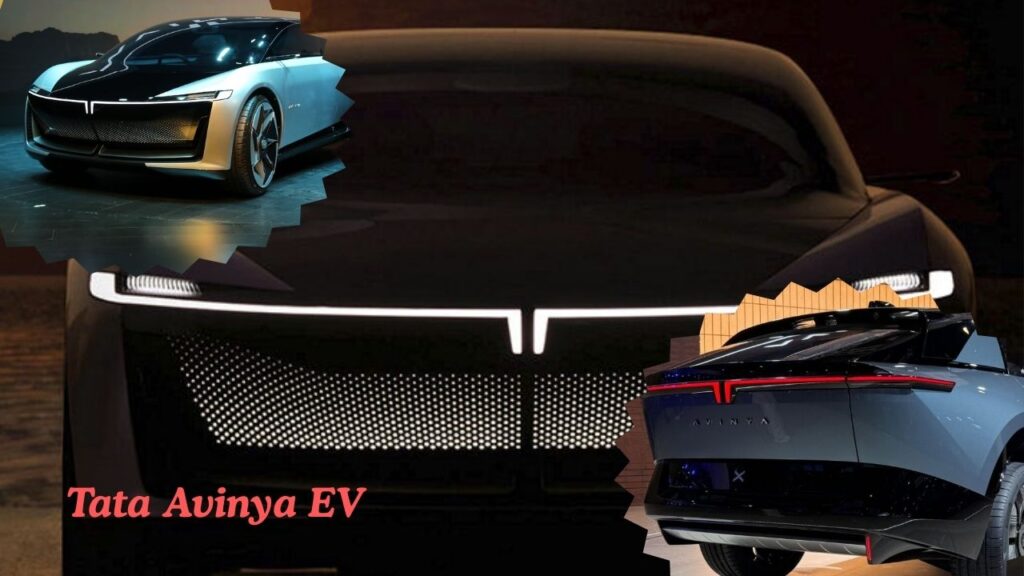
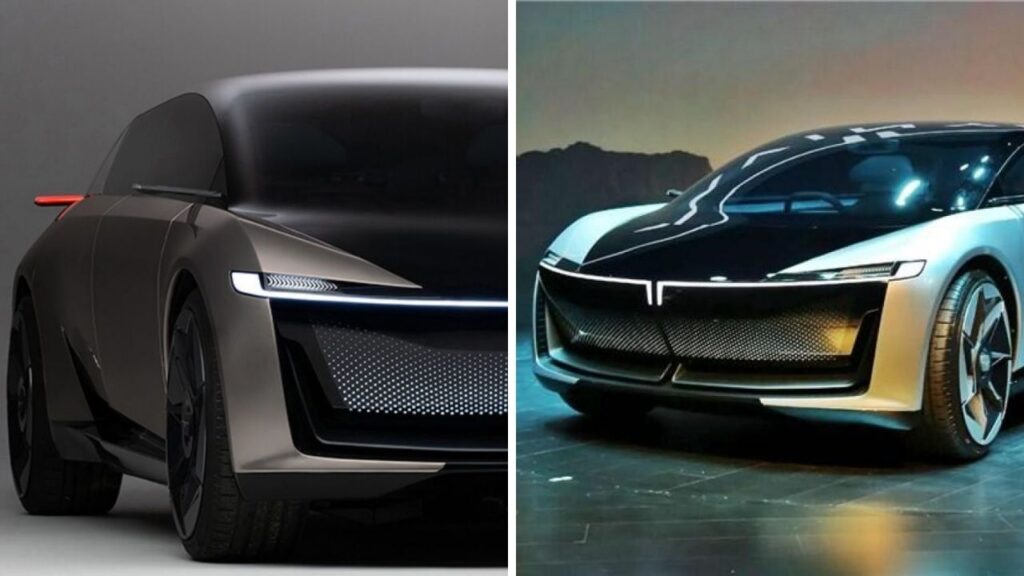
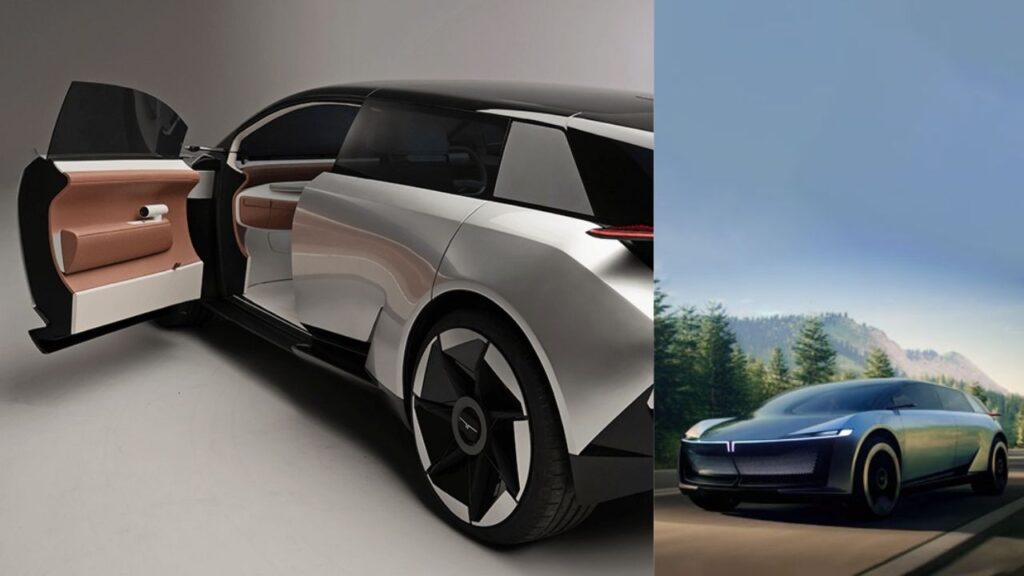
The Avinya has a signature look and is genuinely stunning. Drawing on the clean profile of a catamaran, this machine epitomizes agility, equilibrium, and futuristic technology. Now the genius of Tata is how it combines several vehicle types in a single package.​

It’s essentially the best of three worlds: the nimble handling of a premium hatchback, the utility of an SUV, and the generous space of an MPV. Tata dubs this “mixology,” and it’s a neat way of developing a vehicle that doesn’t sit comfortably within traditional segments—it breaks them. 

Amazing & Beautiful Design 

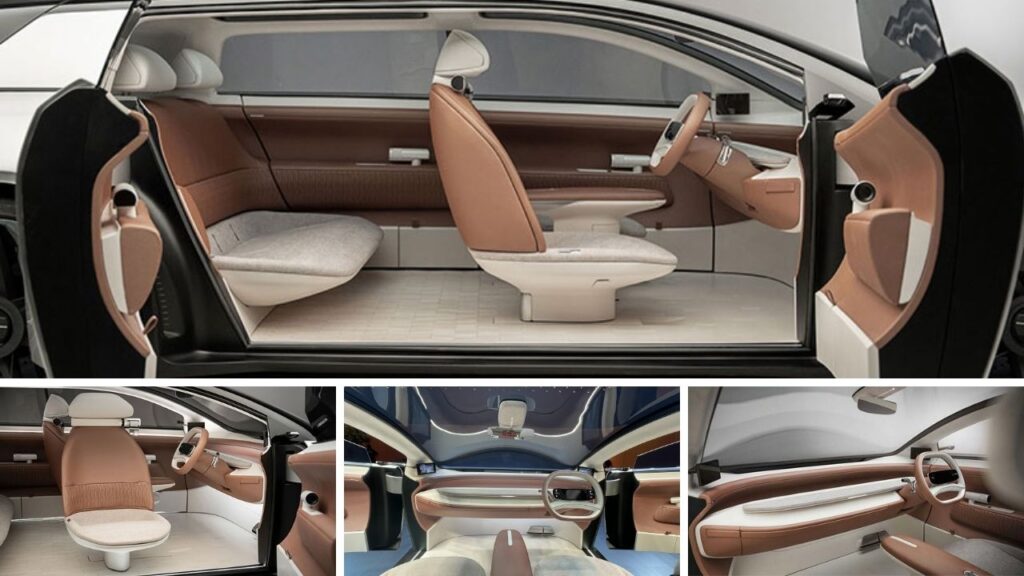
The bodywork has a futuristic shape that looks amazing and is aerodynamically efficient, having a direct effect on improving the range and the performance. Inside, the design ethos is flashy to functional. The Panoramic Sky Dome roof brings natural light into the cabin enhancing the sense of space. Standard on all models, the signature butterfly doors open wide, welcoming you into an authentically luxurious lounge-like cabin that delivers comfort for every journey. 

Eye-Catching Technology

Here is where Avinya defies conventional wisdom — it has virtually no screens. In an era where car makers are competing to fill dashboards with massive displays, Tata has gone in the opposite direction, and it’s surprisingly innovative.

Instead of distracting displays, the Avinya favors intuitive voice-based commands for major functions. This design for a screenless cabin is based on true human-centered principles. Less time looking at screens means less distraction, less motion sickness on long rides and a more relaxing driving experience. It’s technology that works silently behind the scenes as you keep your eyes on the road.​

The Avinya is powered by the Gen 3 platform, which delivers high-level connectivity and advanced driver assistance systems (ADAS) as well as artificial intelligence (AI) features that can enhance — but never overwhelm — your driving experience. Vehicle-to-Load (V2L) and Vehicle-to-Vehicle (V2V) technology are now inbuilt, ensuring that you remain connected and safe while on the road. 

Read More:-  Shubman Gill Car Collection: Inside the Luxury Garage of India’s Cricket Star

Safety That Puts Your Mind at Ease

Safety was obviously the key focus in the Avinya’s design. Based on Tata’s Gen 3 electric platform, the car boasts of high structural safety and features advanced waterproofing and dust proofing based on global standards. This is very important for Indian roads where you can run into anything from flooding monsoons to arid dirt tracks.​

The active safety system also comprises a 360-degree camera, dual airbags (six in the range-topping variants), overspeed warnings and seat belt reminders. They’re not just glitzy add-ons – they’re actual safety nets that shield you and your family every time you take a drive. 

Performance That Doesn’t Compromise

Based on the newly developed Gen 3 electric platform tailor-made for battery electric vehicles, the Avinya offers exhilarating performance without the noise and emissions of standard powertrains. The architecture is made of lightweight materials with optimized structure for delivering efficient power with minimum mass.

Range That Actually Goes the Distance

Tata has designed this EV for all-wheel-drive availability on select variants, providing you with the assurance on multiple terrains – smooth city highways to rough country trails. Each component is finely tuned under the “Minimize-Maximize-Optimize” concept to deliver the best ranges and performance. 

Premium Comfort with Sustainability

Go in and you’ll see something immediately different—everything is tailored to your wellbeing. The interiors are embellished with sustainable material which reflects the environmental responsibility of Tata. Introducing an integrated aroma diffuser for a multi-sensory experience that is truly calming, every drive feels like a retreat for well-being and not just a commute.​

With its clean lines and the unencumbered minimalist design, the flat floor creates a huge amount of space. The two spokes in the steering wheel are home to touch controls that allow you to keep your hands on the wheel. 

Conclusion

The Tata Avinya EV signals a real shift in what is possible when designing and engineering electric vehicles. With more than 500 km range, ultra-fast charging, revolutionary design, intelligent technology and a real emphasis on human well-being, it ticks all the boxes that Indian car buyers have been looking for.

With a starting price of ₹ 30 lakh and going all the way up to ₹ 60 lakh, the Avinya will bring high-end electric motoring to the masses. This is not just a car – it’s a statement of how Tata Motors defines the future of mobility in India and globally. If you’re been longing for a electric vehicle that’s practical, luxurious, innovative in design and green in the environmental sense, well your wait is almost over.