0

Nicholas Pooran Car Collection: IPL Champion Owns Cars That Suits His Lifestyle

Published May 26, 2026, 12:33 PM
Last Updated Jun 19, 2026, 9:47 AM

Inside Nicholas Pooran Car Collection

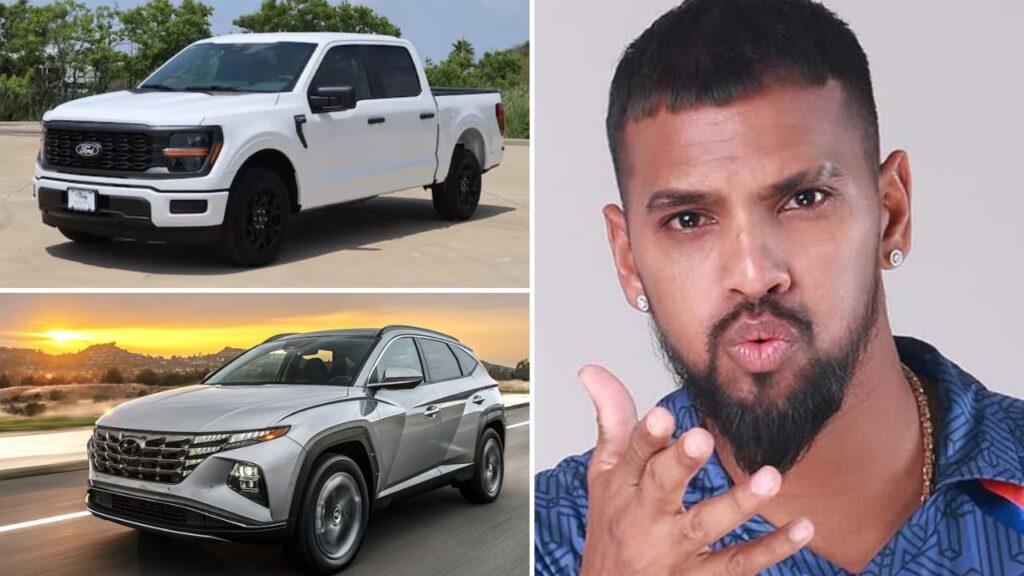
Nicholas Pooran Car Collection has a combination of luxury, practical, and beast cars. From a powerful Jeep Wrangler to a spectacular BMW i8, his collection is worth looking into. After a tragic accident in 2015 has changed his viewpoint on life. He believes in practicality after surviving from a tragic accident. A man who knows exactly why he chooses the cars he does.

Nicholas Pooran is famously known as Trinidadian wicketkeeper-batter, hits sixes for fun and makes world records. He is one of the cricket players who have been the highest-paid players in franchise cricket. Let’s look into his garage view to break down his personality vehicle.

How Much Nicholas Pooran Net Worth 

Pooran earned around USD 1,735 per T20 match for the West Indies national team. That’s impressive but not that much as he earns in the IPL every year. Pooran played for the team – Lucknow Super Giants that deal is worth INR 21 Crore — roughly USD 2.5 million for one season.

That suggests, he earned 100x time more in IPL then he did while representing his country. He made a fortune at 29 and retired from international cricket as he already made USD 178,000 from just one IPL match. Now he entirely focuses on franchise leagues around the world.

If we look at all his projects and deals including IPL deal, Caribbean Premier League, MI New York contract, MI Cape Town, MI Emirates, Rangpur Riders, and brand endorsements, Nicholas Pooran earns an estimated USD 3.5 to 4 million every year. Now his net worth is around USD 6 million today.

The 2015 Car Crash That Changed Everything

Pooran was driving from his training session at the National Cricket Centre but he lost control of his car when the other car tried to overtake him. It was heartbreaking for a 19 year old aspiring cricketer.

His left kneecap tendon completely ruptured and fractured his right ankle, doctors believed he would walk again so they operated twice. But they doubted like everyone else, would he ever be able to play professional cricket again?

Pooran was completely on bed rest for six months and 18 months in rehabilitation. No one thought that he was ever going to join cricket again. But he made a fierce comeback as a West Indies’ greatest T20 run-scorer ever. Sachin Tendulkar also praised his spectacular boundary-saving dive in 2020. 

Overall, this tragedy shaped his selection of cars. Pooran finds cars compatible through their toughness, suspension, and modern safety technology. Every car in his collection reflects that survival instinct.

How Much Nicholas Pooran Invested in His Car

1. BMW i8 — The Showstopper

The hybrid sports car which comes with unstoppable features and butterfly doors that swing upward and its sleek, aerodynamic body. The BMW i8 runs on a combination of a 1.5-litre turbocharged 3-cylinder petrol engine. It also has an electric motor which competes with this vehicle to catch the heart.

It gives 369 horsepower which jumps from 0 to 60 mph in just 4.2 seconds. It can move up to 18 miles on electric mode before the petrol engine kicks in. Pooran is obsessed with its infrastructure and features rather than its looks. 

Carbon-fibre reinforced plastic is used throughout the interior which is the lightest and strongest materials in the world. It absorbs and disperses impact forces during serious accidents to prevent passengers from being hit hard and protect them from severe injuries. For a man who once survived a devastating crash, this safety matters enormously. The car costs anywhere between INR 2 to 3 Crore.

2. Ford Ranger Raptor — The Beast

Ford Ranger Raptor is a mid-size pickup truck built specifically for rough roads and unpredictable terrain. It runs faster on those roads than other vehicles. It comes with a twin-turbocharged 3.0-litre V6 engine that supports 405 horsepower and enough torque to pull a small boat. 

A muscle beast which also has speed is marvelous for long trips on hills and mountains. It goes from 0 to 60 mph in 5.3 seconds makes this smart piece remarkably quick for a truck this size. But something that is quite more interesting is Raptor’s suspension system. It has FOX Racing Shocks with Live Valve Technology, this tech used to minimize the shocks and sudden push due to the road surface.

The system balances and controls the truck completely for smooth ride on highway or bumpy grounds. Heavy steel underbody plates protect the bottom of the truck from damage. This vehicle makes Pooran relieved from the stress while on the road. This robust and high off the ground vehicle priced between INR 60 to 70 Lakhs in market.

3. Jeep Grand Cherokee — The Family Cruiser

The classic style vehicle is a choice that showed how he cherishes legendary vehicles. He understands cars very well. He owned the Jeep Grand Cherokee due to its outstanding performance and comfort. This comes with a 3.6-litre V6 engine producing 293 horsepower in standard variants. 

There are higher versions of this car which offer more premium features. Its plug-in hybrid generates a combined 375 horsepower which can hit 60 mph in just 6 seconds. This large premium SUV has space for 5 people and tow up to 6,200 lbs which makes it amazing. And it is still being capable enough to go off-road when needed. 

The Grand Cherokee offers premium leather seats that are able to make passengers comfortable with additional features like dual-zone climate control and modern safety features. The US price ranges from USD 38,920 to over USD 62,600 depending on the trim. For Pooran, this vehicle is perfect because this car has blind-spot monitoring, lane-keeping assist, and adaptive cruise control which satisfied him enough.

4. Jeep Wrangler — The Trail Legend

The icon of off-road driving with 2.0-litre turbocharged four-cylinder engine. There’s nothing quite like it when you want to go somewhere roads don’t exist. The Jeep Wrangler 295 lb-ft of torque, live-axle suspension locking differentials, and removable roof are making it unstoppable on terrain and anywhere on the off-road.

It can run on powerful 270 horsepower with a separate, heavy-duty frame. The design is the same but features that speak louder than its looks. This car represents a different side of Pooran. He chooses freedom over luxury or speed. The doors are removable, and the windscreen could be folded when you are surrounded by nature. Pricing starts at USD 36,035 which is not a big deal for people like Nicholas Pooran.

5. Hyundai Tucson — The Everyday Workhorse

Hyundai Tucson is a daily partner of Pooran, he used this car in getting around town, heading to practice, running errands. Tucson is built on a 2.5-litre four-cylinder engine that produces 187 horsepower. Solid fuel economy at 28 MPG combined makes it perfect for daily city driving. It switches up to an 8-speed automatic gearbox.

The interior high-end features provide view for navigation and instruments from 12.3-inch digital screens and Hyundai’s SmartSense safety package for safety is remarkable. It’s not the flashiest car in the garage but outstanding on taking out and driving easily. It represents his extravagant choice of the car which priced around Rs. 20 to 40 Lakhs.

What the Collection Really Says

Nicholas Pooran Car Collection is quite amazing when we see BMW i8 that shows his luxury and sporty choice but other vehicles choices (two rugged Jeeps, an off-road pickup truck, and a sensible family SUV) make him versatile in choices of his cars. But the most common thing in these cars is they all provide the best and smart safety. 

His 2015 car crash sits at the heart of these decisions. He chose practicality over looks, all these cars are a statement about how seriously he takes the act of driving after nearly losing his life to it. His perspective deepens after Rishabh Pant’s horrific car accident in 2022. 

Read More:-  Car Owners Should Know These Differences Between Hybrid & Electric Cars

Conclusion

Nicholas Pooran’s journey from a car accident to the successful cricketer who owned millions. This journey is an inspiration of resilience, recovery and comeback to what he loves. The Nicholas Pooran Car Collection is very impressive and remarkable. 

His cars are the fruits of savvy career moves, hard-won deals, and an unrelenting desire to come back from adversity. Every car in that garage has a purpose — and together they tell the tale of a man who came out the other side of the very worst, remade himself utterly, and now lives life on his own terms. 

Sharey Khan

Sharey Khan is an IT entrepreneur and petrol head & a car enthusiast. With a special focus on car-related content, he combines his deep passion for vehicles with a talent for crafting informative, engaging, and easy-to-understand content. His writing is driven by a genuine love for cars and he is committed to providing readers with accurate, up-to-date, and trustworthy information that empowers smarter driving decisions. 

Leave a Reply

Your email address will not be published. Required fields are marked *

0

Steve Hamilton Car Collection: Inside The Hamilton Collection’s $30 Million Hypercar Empire

Steve Hamilton Car Collection

If you’ve spent any time in the auto section of YouTube, you’ve probably seen a garage that appears more like a cathedral of carbon than a parking garage. This is Steve Hamilton Car Collection and The Hamilton Collection.

But he’s not your run of the mill billionaire heir Steve. His tale is one of the most ‘down-to-earth’ rags-to-riches stories in the automotive realm. Steve, who grew up on welfare, built an empire from the ground up – founding SD Wheel and Fitment Industries – long before turning his childhood dreams into a reality. 

Today, the value of his collection exceeds $30 million but it is his “Driven to Giving Back” spirit that makes this collection truly human. So let’s lift the lid on the top dogs, the hypercars, and the mind-boggling price tags of one of the world’s most renowned garages. 

The Bugatti Duo

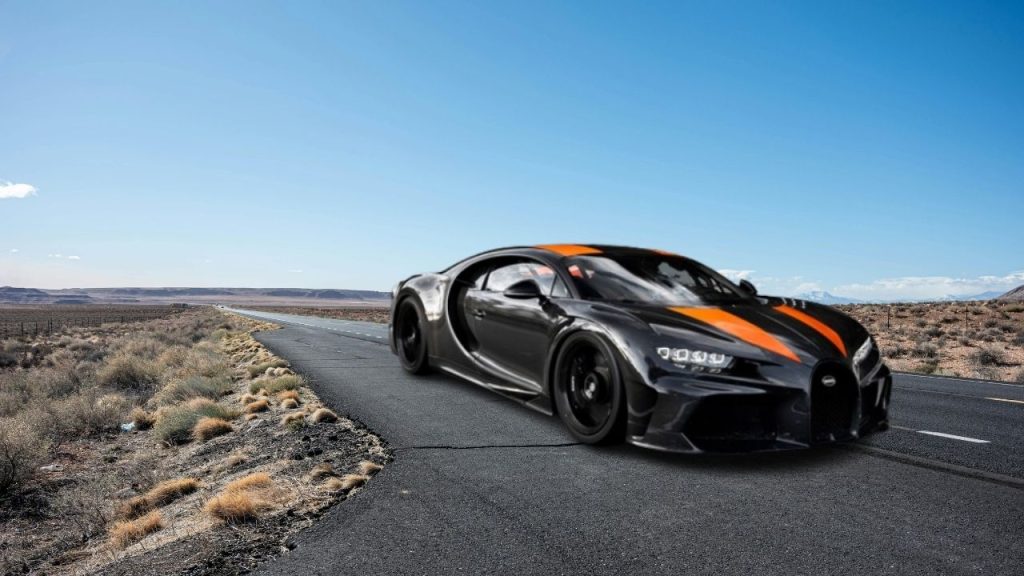
The centerpiece of the range is always the Bugatti Chiron Super Sport. It’s a 1,500+ horsepower masterpiece that Steve famously borrowed to keep his money tied up in sky high valuations for other ventures. Sitting next to it is the Bugatti Veyron, the car that reignited the hyper car battles in the early 2000s. These two together are like two different eras of physics-defying speed smiling at each other. 

The Bugatti Chiron Super Sport: The $4 Million Masterpiece 

This is without question the crown jewel of Steve’s current collection. Not like his old Bugattis, this one Steve had a hand in spec’ing right from the factory. He selected Grigio Telesto, a well known Lamborghini grey, which makes the car a “stealth bomber.”

The Bugatti Chiron Super Sport

Power: It’s got the mythical 8.0L Quad-turbocharged W16 engine churning out a mind-boggling 1,578 horsepower.

Speed: It has an electronic speed limit of 273 mph. It is more than a car, it’s a land-based jet aircraft. 

Bugatti Veyron: the father of hypercars 

The “Veyron” name is now synonymous with hypercars. Prior to the Chiron reigning supreme on the streets, the Veyron turned the supercar playbook on its head in 2005. Steve keeps this one around just for the raw, unadulterated driving fun.

Why it’s iconic: It was the first production car to go over 400 km/h. 

Why Steve loves it: With 1,001 horsepower, it might be “slower” than the Chiron on paper, but it’s a more visceral experience and comes with a history you can actually feel behind the wheel. 

The Hybrid Icons

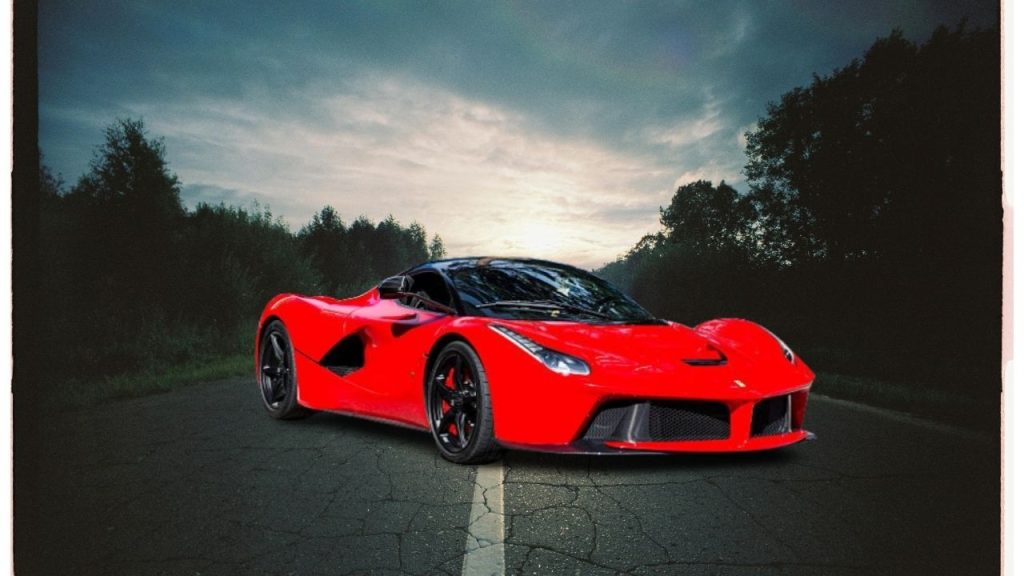
Steve’s garage is packed with the “Holy Trinity” of the 2010 titans. The Ferrari LaFerrari is probably the most emotional car in his stable, sporting a monthly finance payment of nearly $39,000 — more than most people’s yearly mortgage. Joining the Ferrari is the Porsche 918 Spyder, a blind engineering masterpiece that Steve loves for being able to drive on a daily basis despite its million-dollar price tag. 

Ferrari LaFerrari: The Hybrid Royalty

Part of the “Holy Trinity”, the LaFerrari is hands down the best looking car Steve owns. It has also been one of his most discussed financial moves.

Ferrari LaFerrari

The Tech: It has a 6.3 L V12 coupled with an electric KERS system (Formula 1 tech) with a combined output of 950 horsepower.

The Price: With only 499 units produced, it’s extremely rare. Steve famously said his finance payment on the car is over $39,000 a month – the price of a new sedan every 30 days!

Porsche 918 Spyder: The Best Daily Hypercar 

LaFerrari is like the drama queen, 918 Spyder is the somewhat nerdy dependable genius.

Versatility: Steve feels this is the most “under appreciated” vehicle in his garage. You can drive it silently in pure electric mode, or fire up the V8 to go from 0 to 60 miles per hour in 2.2 seconds.

Porsche 918 Spyder

The Reason: They’re reliable and comfortable, and are probably the most “usable” million-dollar car you can buy. 

The Koenigsegg and Rimac New Wave

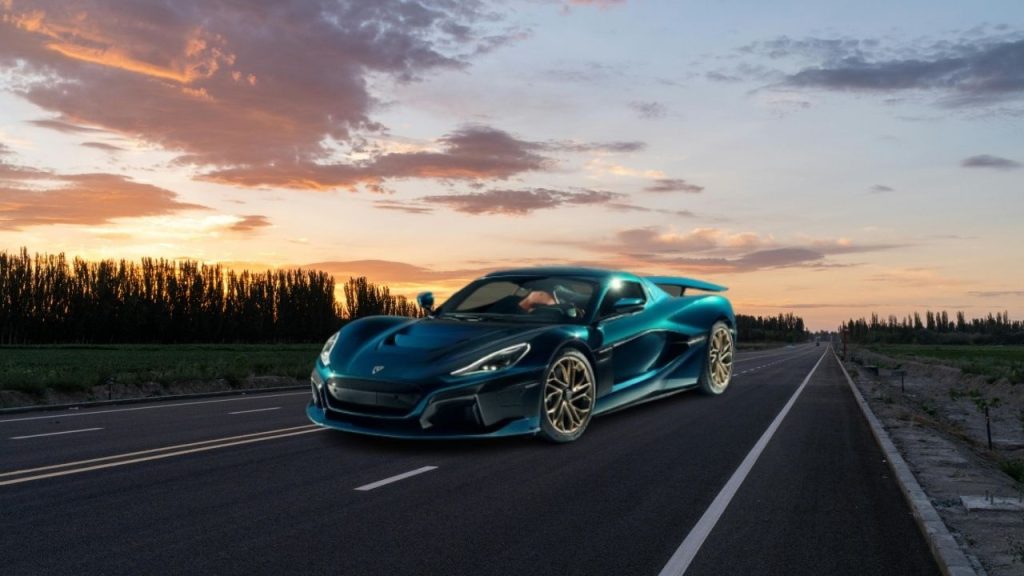
Steve isn’t just guzzling the “old guard.” He’s embraced the bleeding edge with the Rimac Nevera, the quickest-accelerating production electric car on Earth. He also has considerable stake in the Swedish firm, cocking a Koenigsegg Jesko and Gemera, the absolute ceiling of internal combustion and hybrid technology. 

Rimac Nevera: The Silent Assassin

Steve’s foray into all-electric hypercars arrived with the Nevera.

Rimac Nevera

Electric Fury: 914 horsepower from 4 electric motors.

The goods: 0-60 mph in 1.85 seconds Steve spec’d his with a neon green and black theme, which makes it look futuristic outside as the technology inside it. 

Koenigsegg Jesko & Gemera: The Swedish Physics-Defying Supercar

Steve has a very large soft spot for the builds of Christian von Koenigsegg. 

The Jesko: A track demon punching out to 1,600 horsepower (E85 fuel). It chases the 300 mph world record. 

The Gemera: This is the world’s first “Mega-GT.” It’s a four-seat hypercar with a 3-cylinder engine and electric motors that produce over 1,700 horsepower. Steve is able to bring three friends along for an outrageously fast ride. 

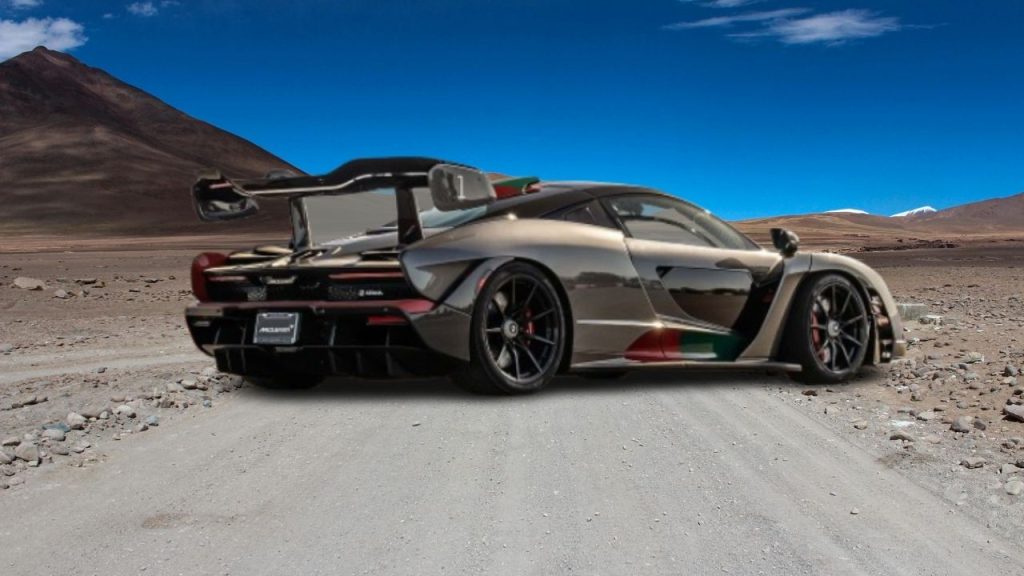
McLaren Senna: Track-Focused

Named for the legendary Ayrton Senna, this one is all about aerodynamics.

Design: It’s not “pretty” in the normal sense – every vent and wing exists to generate downforce.

The Drive: With a weight of barely 1,200kg, it’s extraordinarily light. Steve frequently touts this as the most aggressive, “race car for the road” in his stable. 

Read More:-  Brezza vs Nexon 2026: Battle of the Compact SUVs in 2026

Lamborghini Urus: Ultimate Support Vehicle

Every collector has to buy a car for the “boring” stuff — getting coffee, hauling camera gear, etc.

Performance SUV: Urus is no slouch with a twin-turbo V8. It’s a super-car in an SUV.

Role: This is Steve’s “Daily Driver.” It’s the beat stick of the Hamilton Collection, showing that a hypercar collector can occasionally require just a smidge of trunk space. 

A Collection Built for Every Mood

Car Category Key Models in the Collection
Hypercars Bugatti Chiron SS, Rimac Nevera
Track Monsters McLaren Senna, McLaren 765LT, Ford GT
Daily Luxury Lamborghini Urus, Tesla Model X, Mercedes-Benz S-Class
The Fun Stuff Hennessey Venom F5 Revolution

The Realities of Owning a $30M Collection

Steve Hamilton is exceptional in his frankness. But he doesn’t only show the glamour, he also shows the real costs.

Steve Hamilton Car Collection is about $800,000 a year to maintain, including insurance, climate-controlled storage and expert technicians. He’s transparent about borrowing, too. Rather than paying cash, he keeps his money tied up in businesses and real estate where he makes more than the loan interest. 

Conclusion

The most human element about Steve Hamilton Car Collection isn’t the leather and horsepower — it’s the mission. Through The Hamilton Collection, Steve leverages these cars as “tools for good.” Be it by giving fans rides in a Bugatti, mounting giant charity events, or donating proceeds to local causes, the mission is to share the joy of the machines rather than hoard them in a dark vault.

Steve’s progression from a kid who couldn’t afford school field trips to the owner of a Pagani Utopia is a testament to what can be. He shares them: He treats customers, family members and the public as pit crews, so you feel like you’re all in the garage. 

0

Best Hybrid Cars Under 20 Lakhs: Stylish, Efficient & Affordable

Published Nov 28, 2025, 12:05 PM
Last Updated Apr 10, 2026, 7:14 AM

Best Hybrid Cars Under 20 Lakhs Stylish, Efficient & Affordable

Tired of seeing your fuel gauge plummet faster than your bank account balance? This is what life is like with hybrid cars: thoughtful design applied to everyday necessity. If you have been on the fence about hybrid vehicles, now is the time to jump in. And don’t we all want a little more money? And it’s the best part! You don’t have to break the bank to get one.

Fuel prices are on the up, the environment matters more, and quietly, hybrid cars have become the practical choice for millions. They’re not just about saving money at the pump (though you will — a lot); they’re also about having a car that’s genuinely fun to drive while being good to your wallet and the planet. The good news is the Indian market is flooded with some really good options under 20 lakhs which not just look sharp but drive smooth and sip fuel like they mean business. 

Why Go Hybrid?

Before we get to the best picks, let’s discuss why hybrid cars are worth considering. A regular hybrid car gives 20-28 kmpl mileage — that’s as good as the mileage of a fuel-efficient hatchback, but in this case, you’re riding in a full-fledged SUV or sedan with more space and comfort. ​

Hybrids operate on a smart combination of a petrol engine and an electric motor. When you’re inching along in city traffic, the electric motor takes care of that, whispering away with alacrity. On the highway, the gas engine turns on. The best part? Regenerative braking means that every time you slam on the brakes, energy that would have been wasted is recaptured back into the battery.It’s technology that actually makes sense 

The Top Contenders: Your Best Bets Under 20 Lakhs

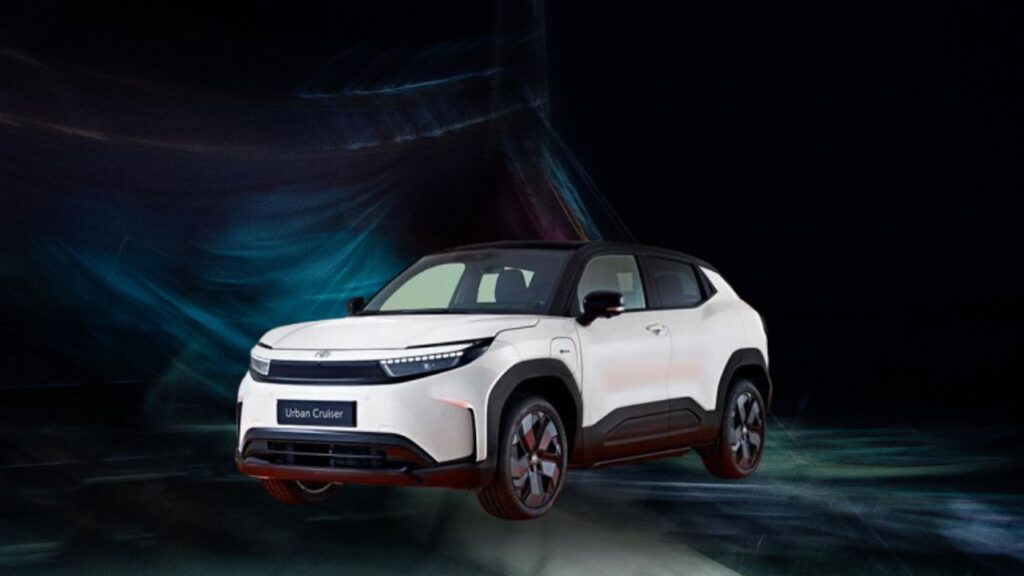
1. Toyota Urban Cruiser Hyryder: The Efficient Charmer

Starting from just ₹11.34 lakh, the Toyota Urban Cruiser Hyryder is making it clear that hybrid tech need not be costly. This compact SUV is Toyota’s solution for bringing the dream of owning a hybrid car to the masses, and they have really nailed it.​

Hyryder claimed mileage is 27.9 kmpl, which is one of the best mileage for SUVs in its class. The interior is roomy and well thought out with features such as vented seats, 8-way power-adjustable driver seat on higher trims, wireless charging for phones, and a 360-degree camera. Safety-wise, the 2025 update gets six airbags as standard on all variants—a welcome addition. 

Toyota Urban Cruiser Hyryder

The driving dynamics are fluid and polished, with the hybrid system guaranteeing that in city traffic you’re treated to silent electric-only driving and a shove when you need it. If you’re in the market for a sensible, practical hybrid that just gets you from A to B without eating too much into your wallet, this is it. 

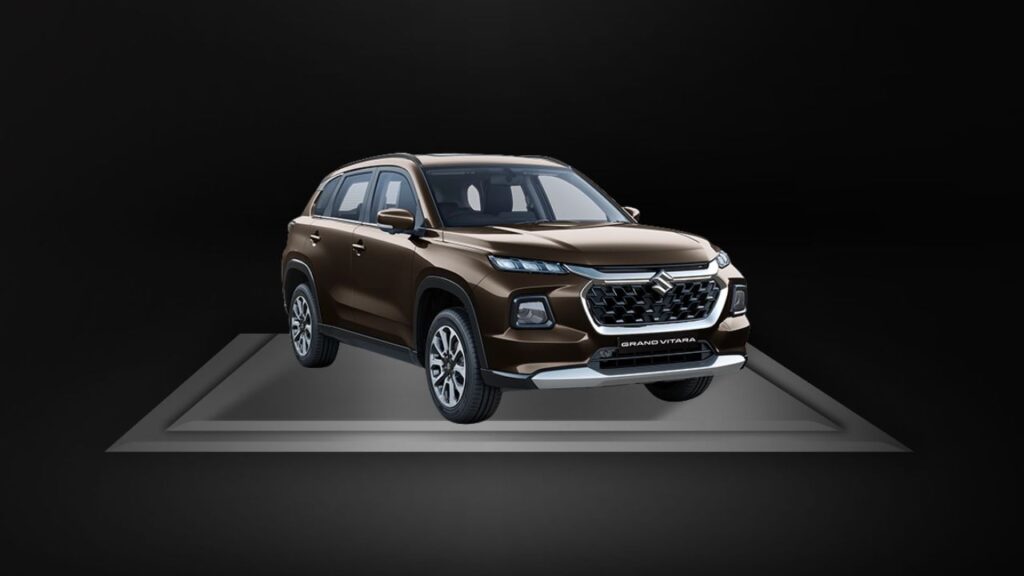
2. Maruti Suzuki Grand Vitara

Maruti’s answer to the Hyryder, the Grand Vitara is frankly exceptional rival and makes a strong case for itself at ₹16.99 lakh onwards. Developed in partnership with Toyota and sharing the same hybrid engine, this is tried and tested technology that is backed by Maruti’s extensive service network in India.  

Maruti Suzuki Grand Vitara

What sets the Grand Vitara apart is the combination of efficiency and everyday useability. The hybrid version returns a stellar 27.97 kmpl. Inside, there’s a panoramic sunroof, ventilated seats, a panoramic display, wireless phone charging and an interior so comfortable that longer drives seem less like punishment.​

The best part? Maruti’s track record for easy, wallet-friendly ownership means servicing and maintenance won’t decimate your bank account. Long-term write-ups tend to rave about this car getting sedan mileage in an SUV shape. 

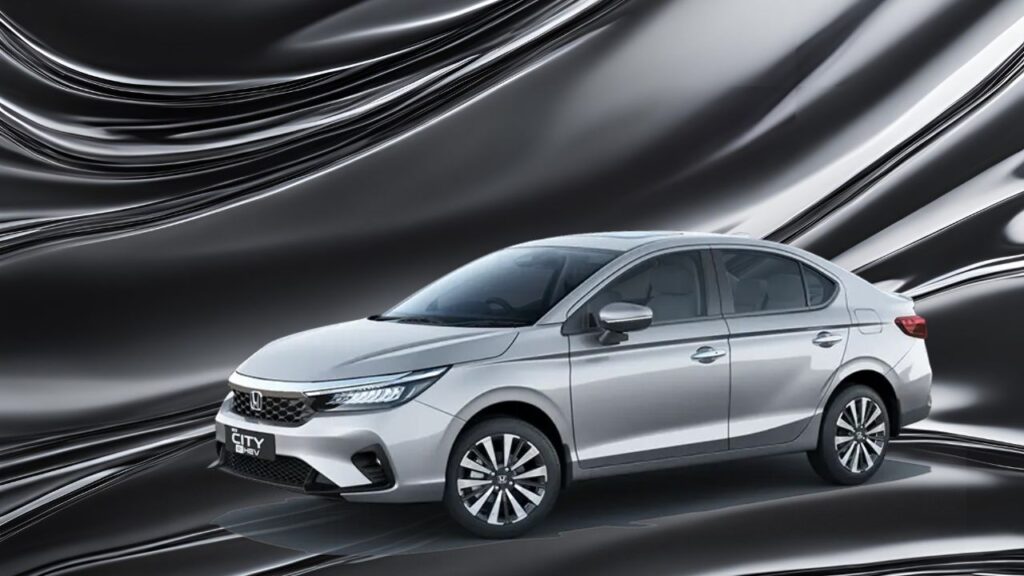
3. Honda City e:HEV: The Tech-Forward Sedan

If you’re a sedan person, then the Honda City e:HEV is a gamechanger. Honda City E:HEV ex-sh ₹19-20 85 lakh, upper end of budget, but gets you unique sophisticated hybrid experience in our book.​

Honda City eHEV

Honda’s e:HEV system is brilliant using a petrol engine and two electric motors, a system that is unique to everything else in the Indian market. The result is a claimed 27.1 kmpl and a driving experience that is almost glassy-smooth. The City moves intelligently between three driving modes (EV, hybrid and engine), and adjusts to the flow of traffic without you having to do anything.​

The interiors are dual-tone and the cabin feels premium for the price. And no compromise on the sedan experience if you want hybrid efficiency. 

Which One Should You Pick?

Each of these vehicles serves a slightly different purpose. Deciding which one right for you is just a matter of asked three simple questions:

  • Max value, max service network everywhere? Take the Maruti Grand Vitara.
  • Like the bass (reputation for reliability) of Toyota but don’t want a sedan? Then the Hyryder is your match.
  • Ready to shell out a little more for sedan comfort and extra tech? The Honda City e:HEV is value for your every rupee. 
Model Starting Price (₹ Lakh) Mileage (kmpl) Key Features Best For
Toyota Urban Cruiser Hyryder 11.34 27.9 Ventilated seats, 8-way power driver seat, wireless charging, 360° camera, 6 airbags  Reliable SUV efficiency 
Maruti Suzuki Grand Vitara 16.99  27.97  Panoramic sunroof, ventilated seats, panoramic display, wireless charging, extensive service network  Value & service coverage 
Honda City e:HEV 19.00 27.1  e:HEV system with 2 motors, 3 driving modes (EV/Hybrid/Engine), premium dual-tone interiors, ADAS  Tech-savvy sedan drivers

Read More :-  Mahindra XEV 9e Specs and Features: Complete Details & Latest Updates

Conclusion

Hybrid cars under 20 lakhs are no longer a compromise, but they are a wise choice. Stylish and comfortable cars that give mileage figures which would make conventional petrol cars jealous – and without the range anxiety of electric cars. Be it the Toyota Hyryder, Maruti Grand Vitara, or Honda City e:HEV, you’re buying into efficiency, reliability and a driving experience that really feels like the future – today. 

0

Pre-Approved Car Loan Gains Dealership Discounts on Launch Day

Car Loan

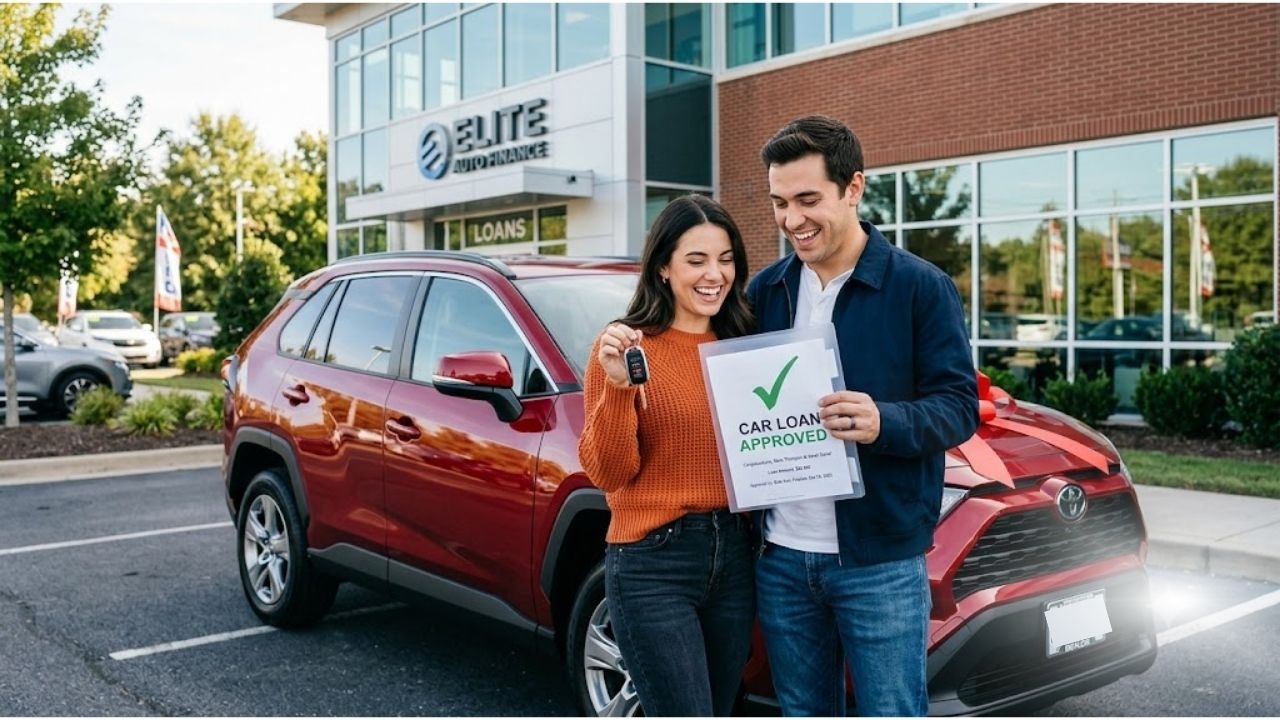
If you’re the customer still waiting on your bank to process a Car Loan application at that point, you’ve already lost the negotiation. A pre-approved Car Loan is how buyers who show up prepared to avoid that exact trap — they walk in already knowing what they can spend, and they can say yes to a deal in the same minute it’s offered.

Why Dealership Discounts Disappear Within Hours of a Launch

Manufacturers allocate a fixed number of units to each dealership for launch week, and dealers are told exactly how much discretionary discount they can offer per unit — usually a mix of a cash discount, an exchange bonus, and a corporate or loyalty benefit. 

That pool isn’t infinite. Once a dealer hits their unit target for the day, or once regional sales managers pull back the discretionary discount because demand is running hot, the next customer gets a thinner deal, even if it’s the same model, same day, same showroom.

This is why sales staff push hard for on-the-spot booking. A customer who needs three days to arrange financing isn’t just slow — they’re a risk that the discount window closes before the deal is locked in. Dealers will visibly prioritize buyers who can commit immediately, because a confirmed sale protects their unit count against that day’s allocation.

See Full Detail: How to get a Car Loan in 2026

What a Pre-Approved Car Loan Actually Does for You

A bank or NBFC confirms your loan amount, tenure, and interest before choosing any car to buy is a pre-approved Car Loan. It’s built off your salary slips, ITR, credit score, and existing liabilities — not off a specific vehicle’s invoice. 

A pre-approved Car Loan is a separate product of public, private banks, and NBFCs from a regular Car Loan which you can get through net banking or mobile app if you are an existing customer of SBI, HDFC, ICICI, or Axis bank with a clean repayment history. 

If you are an existing user of the lender then it takes 24 to 48 hours which is faster than a fresh loan applicant tied to a specific vehicle which gets 3 to 7 working days for turnaround. As it requires the dealer’s proforma invoice and RC-related paperwork to be finalized first.

You walk into the dealership holding a sanction letter that states a loan amount, not a down-payment negotiation you still need to work out with your bank.

How Pre-Approved Car Loan Changes the Negotiation at the Dealership

Salespeople read pre-approved car buyers differently, and it shows in three specific ways.

First, you can accept a discount the moment it’s offered instead of asking for 24 hours to “check with the bank.” That single difference is often what determines whether you get the full launch-day offer or a reduced one revised after allocation tightens.

Second, you’re no longer dependent on the dealer’s in-house finance desk, which usually has a tie-up with one or two specific lenders. Dealer-arranged financing sometimes comes bundled with a lower cash discount, because the dealership earns a commission from the lender and factors that into the deal structure. Walking in with your own sanction means the dealer has one less lever to work with, which shifts some of that margin back into your discount.

Third, you gain a genuine comparison point. If the dealer’s finance partner offers a rate higher than your pre-approved one, you have a documented number to negotiate against — either they match it, adjust the on-road price, or you take your pre-approved Car Loan and simply pay the invoice amount directly.

Pre-Approved Car Loan vs. Dealer-Arranged Financing

Pre-Approved Car Loan Dealer-Arranged Financing
Timing Sanctioned before car selection Processed after invoice is generated
Speed at dealership Instant — can close deal same day Can take 2–5 days for disbursal
Interest rate Set by your own bank relationship/credit score Often tied to dealer-lender tie-up, may include hidden margin
Negotiating leverage High — dealer treats you like a cash buyer Lower — dealer controls the finance terms
Best for Buyers targeting launch-day or festive offers Buyers with no existing banking relationship or lower credit score needing dealer-assisted approval

Dealer-arranged loans can still make sense if your credit profile is thin or new-to-credit, since dealership finance desks sometimes have relationships with NBFCs willing to underwrite buyers a mainstream bank’s pre-approval algorithm would reject. Pre-approval works best for buyers who already have an established banking or credit history.

Documents and Eligibility for Pre-Approval Car Loan

Requirements are lighter than a standard Car Loan because there’s no vehicle to underwrite against yet, but lenders still check the same core financial profile:

  • Salary slips for the last 3 months (salaried) or ITR for the last 2 years (self-employed)
  • Bank statements, usually 6 months
  • PAN and Aadhaar
  • Existing loan or credit card statements, if any
  • The CIBIL score above 700 is considered the best, 650–700 range scores also get approved but at a higher rate or lower loan-to-value ratio

Salaried applicants with an existing relationship with the lender (salary account, credit card, or a prior closed loan) tend to see faster pre-approval for Car Loan and sometimes a marginally better rate offer than a completely new-to-bank applicant, though this varies by lender’s internal scoring model and isn’t publicly documented as a fixed rule.

What Pre-Approval Car Loan Doesn’t Guarantee

Pre-approved Car Loan is not a blank cheque, and treating it like one is where buyers get caught out.

The sanctioned amount is based on your income and credit profile, not on the car you eventually pick. If you choose a variant that pushes the on-road price above what you’d planned, the gap between your sanctioned amount and the actual price is still yours to cover — either as a larger down payment or a fresh top-up application, which won’t move at launch-day speed.

Pre-approval also usually comes with a validity window, commonly 30 to 90 days depending on the lender. If your launch-day purchase slips past that window, you may need to reapply, and market interest rates could have moved in the interim.

Finally, the interest rate quoted at pre-approval stage is typically indicative, not final — it gets locked only once the loan is actually disbursed against a real invoice. If your credit score dips between pre-approval and disbursal (a missed credit card payment, a new loan taken elsewhere), the bank can reprice the offer.

Step-by-Step: Getting Pre-Approved Car Loan Before Launch Day

  1. Check pre-approval offers through your existing bank’s net banking or app first — many banks show a pre-qualified Car Loan offer directly on the dashboard for customers with a salary account or credit history with them.
  2. If nothing’s pre-qualified automatically, apply directly with 2–3 lenders in the week before the launch, not the day before — give the 24–48 hour processing window room to work.
  3. Ask explicitly for the sanction letter in writing, with the loan amount, tenure, and indicative rate stated.
  4. Confirm the validity window of the sanction and calendar a reminder before it lapses.
  5. On launch day, lead with the sanction letter when the salesperson opens finance discussions — this signals immediately that you’re not a financing risk and shifts the conversation straight to on-road pricing and discount stacking.

Conclusion

If you’re planning to buy on or near a launch date and you already have a reasonably clean credit history, yes — the two days it takes to get pre-approved is small compared to the discount you risk losing by being the customer who needs time to arrange financing. If your credit profile is new or thin, dealer-arranged financing may still be your realistic path in, discount trade-off included. 

Either way, don’t walk into a launch-day showroom assuming you’ll sort financing after you’ve picked the car — by the time you’re ready to sign, the deal that made the car attractive in the first place may no longer be on the table.

0

New Tata Safari EV Triple Screen Dashboard Spied – Launch Soon

Published Sep 22, 2026, 9:58 AM
Last Updated Sep 26, 2026, 8:43 AM

Tata Safari EV

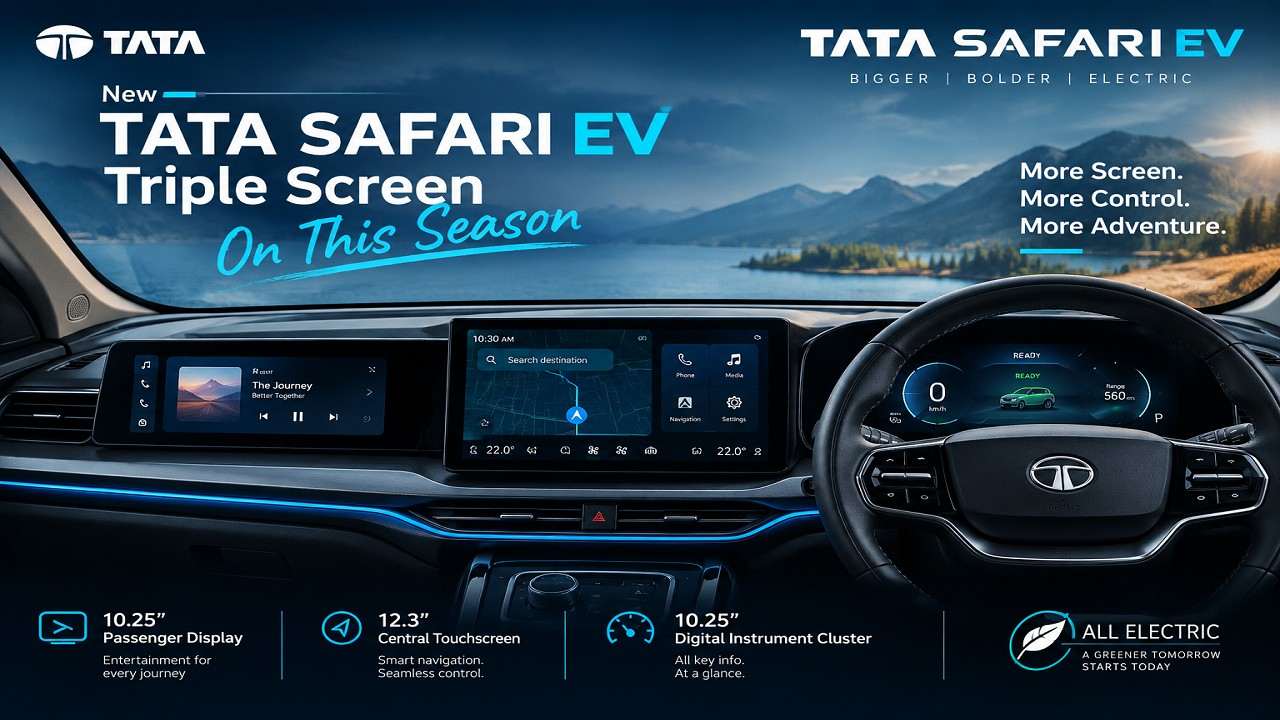
The new Tata Safari EV soon enters the market with three rows and three screens. Since Tata always comes with specific functionality, this time Safari makes an exceptional presence in a seven-seat family SUV segment. Tata hasn’t confirmed the dashboard, the launch date or the price. The outlet speculated that the Safari EV could end up better equipped than the Harrier EV.

What the Spy Shots Show About the Triple Screen Dashboard

Photos credited to Rushlane that show a Tata Safari test mule with a triple-screen layout in the cabin. Nobody at Tata has said which Safari that is. The mule could just as easily preview an update to the petrol and diesel Safari, which has no such setup today. Only the Sierra and Sierra EV carry three screens in Tata’s line-up.

If Tata reuses the Sierra EV hardware, expect a 10.25-inch driver display, a 12.3-inch central touchscreen and a 12.3-inch passenger screen. The last one is the party piece. The co-driver can stream shows or play games, using a phone as a controller or a paired Bluetooth gamepad. It would also give the Safari something the Harrier, which stops at two displays, doesn’t have — a feature that feels fitting for Tata’s flagship SUV. 

The Safari EV spotted with no tailpipe, a side step that the petrol and diesel Safari don’t offer, and the independent multi-link rear suspension borrowed from the Harrier EV. It is an ICE-to-EV conversion on Tata’s Acti.ev+ platform. Software should follow the Harrier EV too. Along with a 540-degree camera, auto park assist, and vehicle-to-load charging are all expected.

BMW i5 LWB On Road Price In Lower Than What Buyers Expected 

New Tata Safari EV Launch Date and Price

The official launch date for the new Tata Safari EV is yet to be announced. It is expected to arrive in a festive-season 2026 so people will pick the new model at the time of diwali at a discounted price. 

Prices of Safari EV are expected around Harrier EV price which runs ₹21.79–30.54 lakh as of September 2026. Now the Safari EV is positioned above it so the starting price could be around ₹22.5 lakh ex-showroom, which can also raise up to ₹26—₹32 lakh.

A ₹22.5 lakh start would leave the Safari EV under ₹1 lakh above the Harrier EV’s base price. That’s thin for a longer three-row flagship, so read ₹22.5 lakh as a floor, not a forecast.

The Harrier EV as Blueprint of Battery, Range and Drivetrain

Expect the Safari EV to carry over the Harrier EV’s 65kWh and 75kWh batteries. On the Harrier EV, the single-motor rear-drive versions make 235bhp, while the 75kWh dual-motor version makes 390bhp and 504Nm. It is unconfirmed on AWD output, so check Tata’s own launch specs sheet when it arrives. 

MIDC-certified range on the Harrier EV is 538km for the 65kWh RWD, 622km for the 75kWh AWD and 627km for the 75kWh RWD. The larger, heavier Safari EV is likely to land slightly lower. Harrier EV’s real-world range is 400–500km, which is the more honest planning figure.

The bigger question is how Tata has packaged everything. The battery placement could affect under-thigh support and seating posture in the third row, so buyers shouldn’t expect the same level of comfort back there. 

Safety is another unknown for now. The Harrier EV scored five stars in Bharat NCAP, including full marks for adult occupant protection, but there’s no crash-test result for the Safari EV yet. 

JLR Landing A Land Rover Defender Pickup Truck In Us

New Tata Safari EV vs Mahindra XEV 9S

The XEV 9S is the direct rival, and it’s already on sale. It launched at an introductory ₹19.95 lakh with bookings opening in January 2026. Prices now run ₹20.65–30.90 lakh as of September 2026. 

Battery options are 59kWh, 70kWh and 79kWh, with claimed ranges of 521km, 600km and 679km. The 79kWh version makes 282bhp, and every version is rear-wheel drive.

New Tata Safari EV (expected) Mahindra XEV 9S
Price (ex-showroom) Unconfirmed; ~₹22.5 lakh floor estimate ₹20.65–30.90 lakh
Battery 65 / 75kWh 59 / 70 / 79kWh
Claimed range Slightly below Harrier EV’s 538–627km MIDC 521 / 600 / 679km
Drivetrain RWD and AWD RWD only
Triple screens Spied, unconfirmed Three 12.3-inch screens
Availability Festive season 2026, unconfirmed On sale now

The XEV 9S has real compromises. Its third row suits children or shorter adults, and the boot is very small with all three rows in use. The real-world mileage delivered at 510km, about 75% of the claim. Mahindra also went after the entry price: from 28 August the XEV 9S starts at ₹12.65 lakh ex-showroom under a battery-subscription scheme, plus a battery rental fee.

The triple screen, then, is a catch-up move. Mahindra’s XEV 9S offers three screens from the base variant. Tata’s better card is the Harrier EV’s dual-motor hardware. If the Safari EV inherits it, it would be the only three-row electric SUV here with all-wheel drive.

What Maruti Suzuki Three-Row SUVs Offers in India

The e Vitara is the only Maruti Suzuki EV which is on sale in India, and it’s a five-seater. It costs ₹16.19–20.21 lakh as of September 2026. It comes with 49kWh and 61kWh batteries, ARAI-rated at 440km and 543km, and earned five stars from Bharat NCAP. A Maruti EV buyer who needs seven seats has nothing to buy, and we found no confirmed launch date for a three-row Maruti EV.

So the cross-shopping happens with Maruti’s petrol and hybrid seven-seaters, which sit at very different price points:

  • Ertiga: ₹8.9–13.04 lakh. Claimed mileage is 20.3–20.51kmpl. The third row is cramped for taller passengers and the boot shrinks with all rows up.
  • XL6: From ₹11.62 lakh. It is a strict six-seater with second-row captain seats.
  • Invicto: ₹24.97–28.61 lakh, a hybrid available in 7- and 8-seat layouts. It’s a rebadged Toyota Innova Hycross.

The Ertiga comparison is a money question. Against a ₹22.5 lakh Safari EV, the gap is about ₹13.6 lakh before insurance and registration. Whether the EV recovers depends on your daily distance and your electricity tariff, and few families drive enough to close a gap that size. The Invicto is the real cross-shop. It lands squarely inside the Safari EV’s likely price band and asks you to plug in nothing.

Conclusion

If you want three rows and a plug before the festive season, the XEV 9S is the only one you can actually buy today, and its subscription pricing lowers the entry cost if you accept a per-kilometre battery fee. 

If all-wheel drive matters to you, or you’re already committed to Tata, waiting is reasonable. The Harrier EV’s dual-motor setup suggests Tata can offer AWD here, but no Safari EV variant list exists yet.

If your ceiling is around ₹15 lakh, none of this applies. The Ertiga and XL6 fit your budget and the Safari EV won’t. If you’re spending ₹25 lakh and don’t want an EV, the Invicto is your comparison, not the Safari.

One thing the triple screen should not decide: the Mahindra already has one, so it doesn’t separate the two cars. What separates them is price, the third row and range in the real world, and Tata has published none of those.

So there is not a fixed answer on which car you should buy or waiting for the new Tata Safari EV is the last option. List out your priorities and then decide.

The new Tata Safari EV brings a triple screen dashboard on a Harrier EV’s dual-motor setup that marks it as Tata’s SUV flagship model. But any specifications and prices are not listed by Tata, the inside reports and spied photo is clearer to know what’s coming into the market under the most trusted brand tag.

0

EMI vs Lease: Which Is Better If You Plan to Upgrade Your Car Every 3 Years 

EMI vs Lease

Car enthusiasts love to upgrade their cars frequently just like people upgrade their iPhone every year. The real difference is the money. EMI vs Lease are two very different versions of car loan, which one is better for you to take a car loan for actually buying a car is hard to understand. That’s why many people get confused and make the wrong decision.

So if you want to make the right choice for your car loan then read the full article to understand where each one fits. 

When you buy a car by taking a car loan, you have to pay the fixed amount monthly (principal + interest) over a tenure which is usually 3-7 years. When it’s fully repaid, you own the car outright. Until the loan closes, the bank holds a hypothecation on the vehicle but legally the car is yours from day one. This is Equated Monthly Installment (EMI). Higher monthly outgo because you’re paying off 100% of the car’s value plus interest. 

In Lease, however, you never own the car. You pay a rent to use it for a set amount of time then give it back, pay a residual value to buy it, or get into a new lease. The difference is the monthly fixed amount is lower than EMI because you don’t own it, you are just paying for depreciation for a period + interest + fees. There’s one catch – overage charges hit hard and sometimes bundle maintenance. So you have to be careful with mileage and maintenance.

Which Is Better in EMI vs Lease If You Plan to Upgrade Your Car Every 3 Year

In the EMI vs Lease option for buying a car, there’s no single answer yet. As it depends on your choice and income, here’s the thing to consider before making any decision.

Car Loan’s Core Problem With EMI on a 3-Year Cycle

Most car loans are structured for 5 to 7 years. The calculation behind them assumes you’ll hold onto the car long enough for the interest-heavy early payments to even out, and long enough for depreciation to slow down.

When you sell or trade in at year 3, you’re stepping out mid-loan. That means:

  • You’re still carrying a decent chunk of outstanding principal
  • You’ve paid a disproportionate amount of interest relative to how much of the car you actually “own”
  • The car’s resale value has already taken its steepest depreciation hit (new cars lose the most value in the first 2-3 years)

Put these together and you often end up underwater — owing more than the car is worth, or barely breaking even after resale. You then roll whatever gap exists into your next purchase, and the cycle repeats, sometimes getting worse each time.

Leasing Is a Good Option If You Upgrade Car in 3 Year

Leasing was built for exactly this kind of usage pattern. You’re not paying for the whole car — you’re paying for the depreciation that happens during the years you use it, plus interest on that portion, plus fees.

For someone upgrading every 3 years, this lines up almost perfectly with typical lease terms (24-36 months). A few real advantages:

Lower monthly payments than an EMI on the same car, since you’re not financing the full price. For example, if the car is worth ₹12 lakh today and is expected to be worth ₹7 lakh after 3 years, the lease payment is broadly based on the ₹5 lakh depreciation over those three years. 

When three years are completed, you can return the car to the leasing company and they’ll check mileage, damage and condition according to the contract. You don’t have to worry about negotiating a resale price. But if there’s any damage and higher mileage then you have to compensate for it. If you are eligible, the lease company can offer you a replacement/new-lease program. You still need to sign a new lease and meet the new contract’s approval and payment requirements. 

Lease is a good option if you are confused about EMI vs Lease if you are buying a new car. Many leases cover a new car while it’s still under the manufacturer’s warranty, which can reduce your exposure to unexpected repair bills for covered defects. 

The car resale value gets down right after it leaves the showroom. In one year, the retention by 60% is going to hit so if you don’t want to worry about car worth in three years, that risk is not on you anymore, its leasing company.

Probable Risk That You Must Know Before Considering Lease

There are some conditions that are set on the contract on lease while taking a car. Always remember that you never own a car. For example, you rent an apartment and the owner takes a security deposit. If you damage it, they won’t return it. Same happens with leasing, if mileage limits hit, damage that can cost much, you have to pay extra for it and in the end return it back.

If you drive over your allotted kilometers, you’ll pay a penalty per extra km so this adds up fast if you drive a lot. If you are buying it to travel out of the city then there’s no benefit in it.

Wear-and-tear charges always happen when you drive in rush areas or in traffic. Scratches, interior damage, anything beyond “normal use” can cost you at lease-end.

You build zero equity. As you give a rent every month. At the end of three years, you own nothing — not even a trade-in value to offset your next vehicle.

Long-term cost. If you ever decide to stop upgrading and just keep a car for 6-7 years, leasing back-to-back will almost always cost more than one EMI held to term.

Which One Saves Money If You Swap Cars in Few Years

Don’t just start comparing EMI vs Leasing on monthly payments. That’s a trap, use calculation and figure out the total cost for a confirmed set of periods. Let’s say you are buying a car for 3 years and then want to change it, total payment made over these years, lease end-fees if any, regular maintenance cost, driving habits are the effective majors that hit your total cost. 

Whichever number is lower for your driving habits and your market’s resale trends is your answer — not a generic rule of thumb.

Here’s a Maruti Suzuki Victoris LXI petrol example to calculate the total cost of your car by taking both EMI and Lease. Its current ex-showroom price is ₹15.13 lakh, while the estimated on-road price is around ₹17,50,000 (assume). 

EMI (5-year loan, 20% down, 9.5% interest)  Lease (3-year operating lease, bundled) 
Down payment  ₹3,50,000  No large down payment, security deposit which often refundable
Tenure  5 years = 60 months  60 months  
Monthly Pay ₹29,500  ₹32,700  
Total Cost ₹21.2L (include downpayment) ₹19,62L  
Ownership  Yes, you own the car after 5 years  No, unless you pay a separate buyout near residual value. 

If you want to buy Maruti Suzuki Victoris LXI petrol car on lease and later buyout then:

Option Monthly outflow Total paid (5 yrs) Ownership at end
EMI (loan) ~₹29,500 EMI + ₹3.5L down ~₹21.2L (down + EMI) Yes (you own; can resell)
Lease (no buyout) ~₹32,700 rental ~₹19.62L (rentals only) No (car returned)
Lease + buyout ~₹32,700 rental + buyout ~₹27.49L (rentals + buyout) Yes (after paying residual)

Buying An EV On Lease Is More Profitable Than EMI

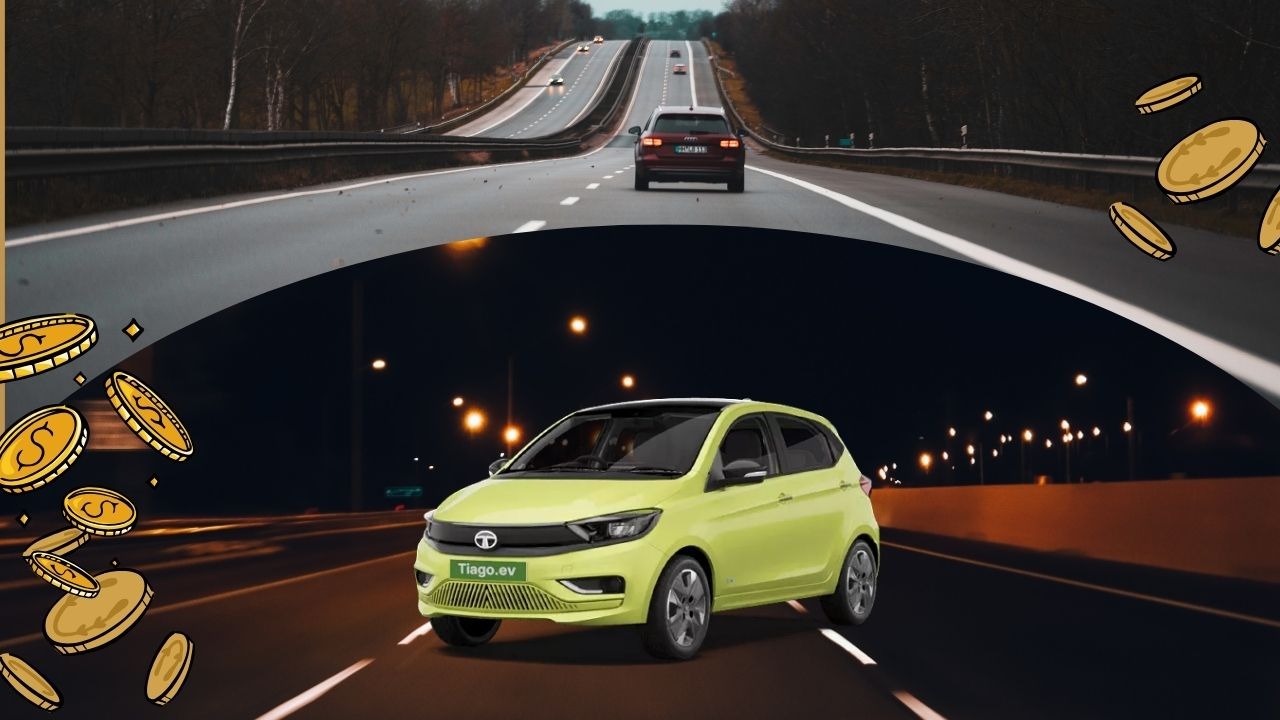
A 3‑year total cost comparison for a Tata Tiago EV using loan as EMI vs Lease. Let’s look into quick comparison on assuming numbers but you can swap this with your exact dealer quote and calculate the actual total cost using EMI calculator: 

Tata Tiago EV EMI (loan, 3 yrs) Lease (operating, 3 yrs)
On-road price used ₹8,90,000 ₹8,90,000
Down payment / initial ₹1,78,000 ~₹0 (small fee possible)
Monthly payment ~₹22,800 EMI ~₹20,000 rental
Total paid over 3 yrs (cash out) ₹9,98,800 (down + EMI) ₹7,20,000 (rentals)
Ownership at end Yes (you own) No (car returned)
Approx. 3‑yr resale / residual ~₹4,89,500 (you keep) ~₹4,89,500 (goes to lessor)
Net 3‑yr cost (cash out − asset value) ~₹5,09,300 ~₹7,20,000
Typical inclusions Loan only; insurance & maintenance separate Often includes insurance + maintenance (check contract)

Note: any price and figures mentioned above is assumed by the current price provided, you must check the actual amount by calculating it with your own variant, tenure, mileage and other terms.

Read More:-  What Your Car Loan Covers Beyond the Ex-Showroom Price 

Conclusion

When it comes to EMI vs Lease, leasing can be worth considering when predictable monthly costs and, depending on the lease, maintenance and other expenses may be bundled in. No ownership equity can make it expensive if your driving habits don’t match the contract. An EMI makes more sense if you want to own the car, drive it for 5–7 years or longer.

Before signing either agreement, calculate the total price you pay and compare the complete three-year cost of both options including interest, insurance, maintenance, taxes, lease fees, penalties and the car’s expected resale.

You can choose a lease for flexibility and frequent upgrades; choose an EMI when long-term ownership and building resale value matter more.