0

Super car: Porsche 918 Spyder

Flaunted as the “ultimate hyper car,” the Porsche 918 Spyder specifications are the very first production-oriented road car that broke the seven minute hurdle at the well-known Nurburgring. This hybrid supercar was introduced at the Frankfurt Motor Show. Every Porsche 918 production cars built on the hood, along with several spots inside the cabin. With an extraordinary blend of performance and efficiency, the 918 Spyder has marked the commencement of a new era of supercars.

The Porsche 918 Spyder is powered by a combustion engine and two electric motors. When it comes to performance, the numbers are stunning: 0-60 in 2.2 seconds, 0-100 mph in 4.9 seconds, 1/4 mile time of 9.8 seconds and a top speed of 217 mph. All this performance and cutting-edge technology cannot come cheap, though. The Porsche 918 price for a new car was $845,000, but options like the Weissach package ($84,000) and Liquid Metal paint ($63,000) could push that price to over $1 million. Since Porsche stopped producing this model in 2015, the asking price for a used Porsche 918 Spyder has skyrocketed — it can easily exceed $1.6 million.

To flash over 200 mph, the 918 Spyder relies on a 4.6 L V8 engine and two electric motors. The fossil-fuel-fed Porsche 918 Spyder specs an engine that produces 608 horsepower. The total horsepower of the 918 Spyder is 887, thanks to the performance boost from the two electric motors. The rear electric motor sends 154 horsepower into the transmission.

The second electric motor on the front axle makes 127 horsepower. Without help from the electric motors, the rear-mounted V8 engine, which is derived from the 2005 RS Spyder race car, revs to 9,150 rpm. The combustion engine reaches 398 lb-ft of torque at 6,700 rpm. The rear electric motor features innovative hybrid cooling with air and water. You can’t easily admire the engine or e-motors, though. As the hood doesn’t open, you’d have to take your Spyder to the dealer to take a peek at your Porsche 918 engine.

The Porsche 918 Spyder specs an engine mounted so low down that Porsche engineering had to mount the 918 transmission upside down, for better weight distribution. The rear motor runs through the 7-speed PDK dual-clutch, while the front axle electric motor has only one gear. Surprisingly, the gear selector is a tiny lever mounted just to the right of the steering wheel. At high speed (over 164 mph), the 918 Spyder becomes rear-wheel drive only. That’s because a decoupler disconnects the front electric motor to avoid over-revving. There are five driving modes: electric, hybrid, sport, racing and Hot Lap. The latter uses full engine power but depletes all electric reserves. The beauty of the system is in the electric motors powering the car between the gear shifts. Obviously, the 918 offers brutal acceleration in any circumstance.

A supercar that goes from 0 to 60 mph in a blink needs a matching high-performance braking system. The 918 Spyder has Porsche Ceramic Composite Brakes (PCCB). They have six-piston monoblock calipers at the front and four-piston calipers at the rear. The ceramic discs at the front have a diameter of 16.1 inches. Those at the rear have a diameter of 15.4 inches. Through brake regeneration, the Porsche 918 Spyder specs that the brakes capture most of the energy that would be otherwise wasted as heat during braking. Furthermore, the electromechanical brakes of the 918 Spyder then store that energy in a battery and feed it back through the electric motors. Additionally, daily driving and light braking won’t even invoke the hydraulic system, as both electric motors become generators when the brake pedal is pressed. So every week you need to do a few spirited stops to keep condensation out of your brake lines.

Inspired by Porsche’s previous supercars, the carbon-fiber-reinforced plastic monocoque chassis of the 918 Spyder is lightweight and high-strength. The design of the Porsche hybrid 918 stands out thanks to the top-mounted exhaust pipes and massive rear spoiler. Both are adjustable from the control panel. The Porsche 918 Spyder specs a Targa roof, but you have to remove the top panels manually. They are easy to stow in the trunk. Another distinctive feature of the exterior design of the 918 Spyder is its “Acid Green”brake calipers.  Therefore, Porsche chose to add accents in the same color on the carbon bucket seats, seat belt, and steering wheel ensure design coherency. The Weissach Package adds several pieces of exposed carbon fiber along with gorgeous magnesium wheels. Unquestionably, the differences save over 80 lbs. and make it easily distinguishable at a distance.

The pinnacle of decades of engineering, the Porsche 918 Spyder blends high-tech, efficiency and performance in a weight-saving design. The standard version of the Porsche 918 Spyder weighs 3,691 lbs. With the optional 918 Weissach pack, which improves the driving dynamics, the car is lighter, weighing 3,602 lbs. The 918 Spyder with the Weissach package is the version that made the Porsche 918 Spyder Nurburgring time of 6:57 a reality.

Concurrently, the two electric motors draw their power from a 6.8 kW·h liquid-cooled lithium-ion battery. It has a 20-mile electric range and a total range of 420 miles in hybrid mode. The Porsche Universal Charger takes seven hours to charge the battery when connected to a 110-volt household AC socket. Or only two hours with a 240-volt power supply. An optional HVDC Speed Charging Station can fully charge the lithium-ion battery in 25 minutes. The Porsche 918 Spyder specs are an incredibly fast hybrid for technology aficionados.

To conclude the greatest Porsche to-date, it is an eco-friendly green contrivance. It will mind boggle you to contemplate its working. So what you are waiting for? Get yourself the good Porsche news.

 

Bipin Sharma

Bipin Sharma is a seasoned automotive content writer with over 10 years of hands-on experience in the world of cars. From the latest car news and reviews to in-depth maintenance tips and expert buying guides, Bipin covers everything that drives the automotive world. Writing about cars isn’t just his profession — it’s his passion. His deep industry knowledge and love for automobiles fuel every blog he creates, helping readers make informed decisions and stay updated on the fast-evolving auto landscape.

Leave a Reply

Your email address will not be published. Required fields are marked *

1

Kia India Confirms New ICE & Electric Cars With a Second Plant in Anantapur

Kia India Confirms New ICE & Electric Cars

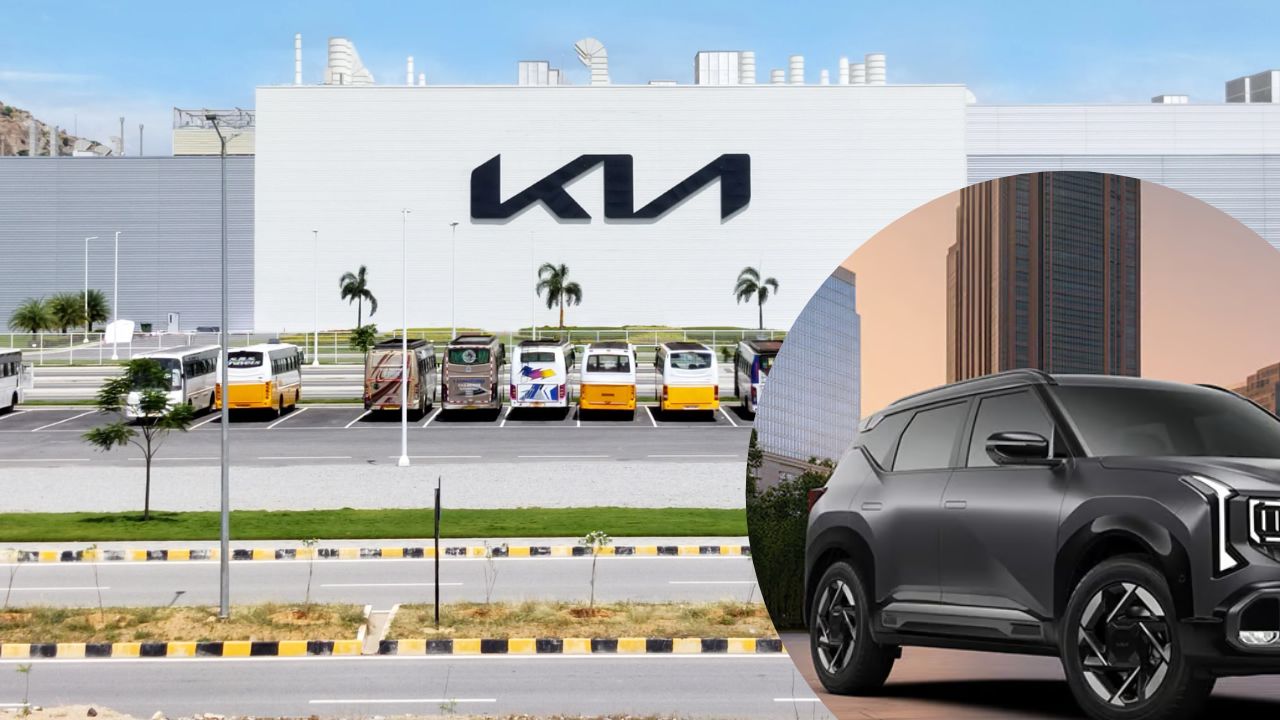
If you’re choosing a Kia this year, this announcement changes nothing about your decision. If you’re trying to read where the brand is heading, it changes a lot. Kia India has confirmed a second plant in Anantapur, Andhra Pradesh, backed by a combined USD 2 billion from the carmaker and its suppliers. The plant will build new ICE & electric cars..

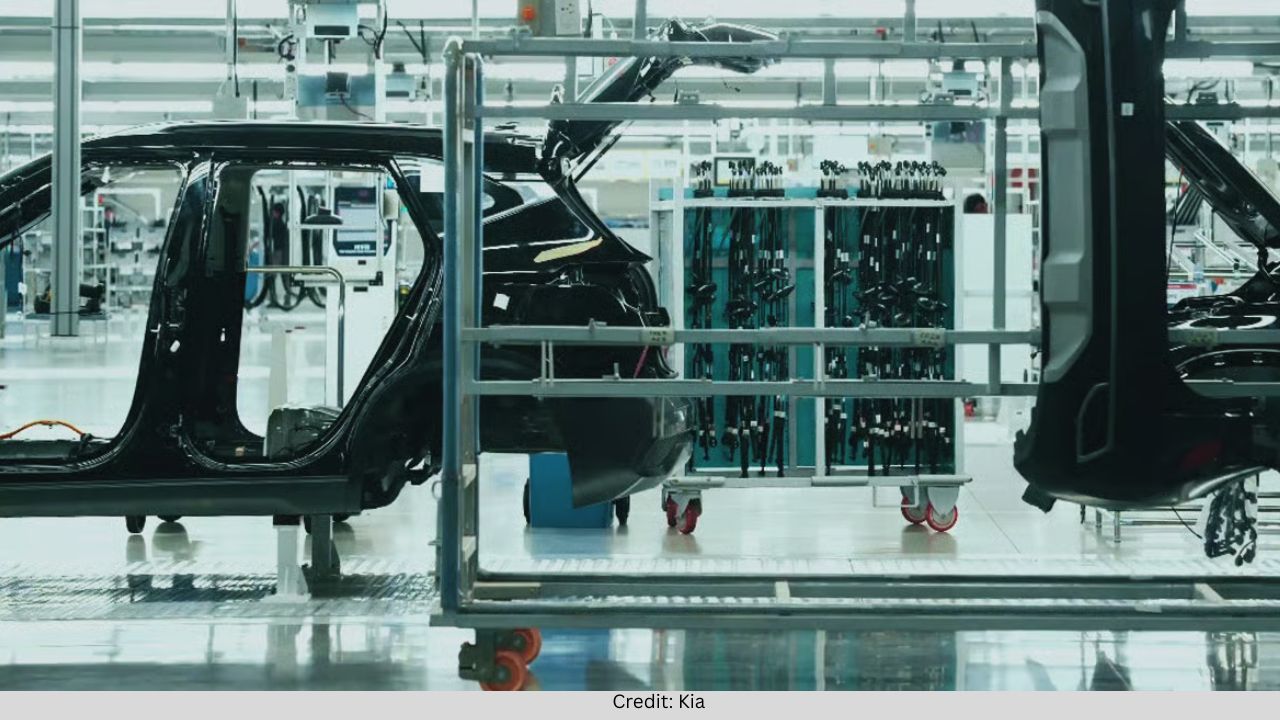
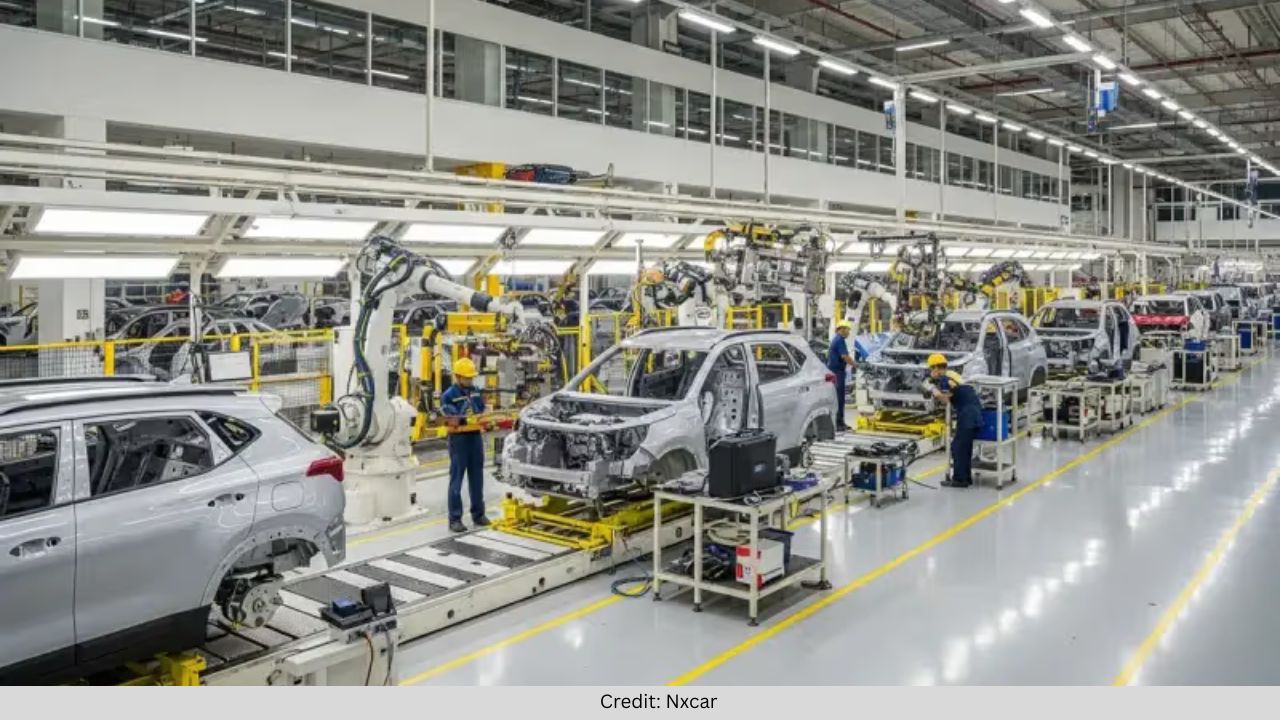
Kia signed an MoU with the Andhra Pradesh government, and the details are specific. The factory sits in the same district as Kia’s current plant and adds 2 lakh units of annual capacity. That lifts Kia India’s total from 4.3 lakh to 6.3 lakh vehicles a year. Kia and its suppliers will share a 465-acre site. The plant will handle stamping, welding, painting and assembly, so it’s a full factory rather than an assembly annex.

The jobs figure is about 12,000, direct and indirect. With this plant, Kia’s cumulative investment across both facilities reaches around USD 5 billion.

Timing is the catch. Production is targeted for early 2030, more than three years away. Treat that as a target, not a promise.

Why New ICE & Electric Cars, Not Just EVs

A Kia EV-only factory could have been named outright – but it wasn’t. The plant will help produce the next generation of both ICE and EV models, worldwide. 

New ICE & Electric Cars

It shows how Kia sees the Indian market. Petrol, diesel, and CNG vehicles are still popular, and EV uptake is slower than in Europe or China. To adapt to changing demand, Kia has designed a flexible plant that can be easily changed to meet demand. Kia says this will allow them to be much more agile and flexible to meet customer demand.

Why Kia Needs a Second Manufacturing Plant

We don’t know what Kia will be making in Anantapur. We won’t know the definite details of what models will be produced in India. There will be some guesswork over what global models will be made here, like the EV3 which is already manufactured in Mexico for the Americas. But there’s no connection to this plant.

Kia Needs a Second Manufacturing Plant

Right now, the plant isn’t stuffed with old products gathering dust. Seven models roll off the line already, everything from the Sonet to the Sorento. So building a second plant isn’t about saving a failing operation. It’s about making room for products that haven’t hit India yet.

Conclusion

You can’t buy a car in 2027 or 2028 from a plant that hasn’t even started making them yet. Shop what’s actually on the lot right now. Sonet, Seltos, Carens. Current EVs too. Compare them on price. Service reaches matters. Running costs add up. Look at what dealers have today.

The announcement does matter in two cases. If you’re a long-horizon buyer, such as an EV shopper planning for 2029 or later, it signals that Kia intends to bring more choice to India. If you’re a current owner, a bigger plant in the same district should mean a stronger supplier base around Anantapur, though that’s an inference and not a Kia promise.

0

Best Hybrid Cars Under 20 Lakhs: Stylish, Efficient & Affordable

Published Nov 28, 2025, 12:05 PM
Last Updated Apr 10, 2026, 7:14 AM

Best Hybrid Cars Under 20 Lakhs Stylish, Efficient & Affordable

Tired of seeing your fuel gauge plummet faster than your bank account balance? This is what life is like with hybrid cars: thoughtful design applied to everyday necessity. If you have been on the fence about hybrid vehicles, now is the time to jump in. And don’t we all want a little more money? And it’s the best part! You don’t have to break the bank to get one.

Fuel prices are on the up, the environment matters more, and quietly, hybrid cars have become the practical choice for millions. They’re not just about saving money at the pump (though you will — a lot); they’re also about having a car that’s genuinely fun to drive while being good to your wallet and the planet. The good news is the Indian market is flooded with some really good options under 20 lakhs which not just look sharp but drive smooth and sip fuel like they mean business. 

Why Go Hybrid?

Before we get to the best picks, let’s discuss why hybrid cars are worth considering. A regular hybrid car gives 20-28 kmpl mileage — that’s as good as the mileage of a fuel-efficient hatchback, but in this case, you’re riding in a full-fledged SUV or sedan with more space and comfort. ​

Hybrids operate on a smart combination of a petrol engine and an electric motor. When you’re inching along in city traffic, the electric motor takes care of that, whispering away with alacrity. On the highway, the gas engine turns on. The best part? Regenerative braking means that every time you slam on the brakes, energy that would have been wasted is recaptured back into the battery.It’s technology that actually makes sense 

The Top Contenders: Your Best Bets Under 20 Lakhs

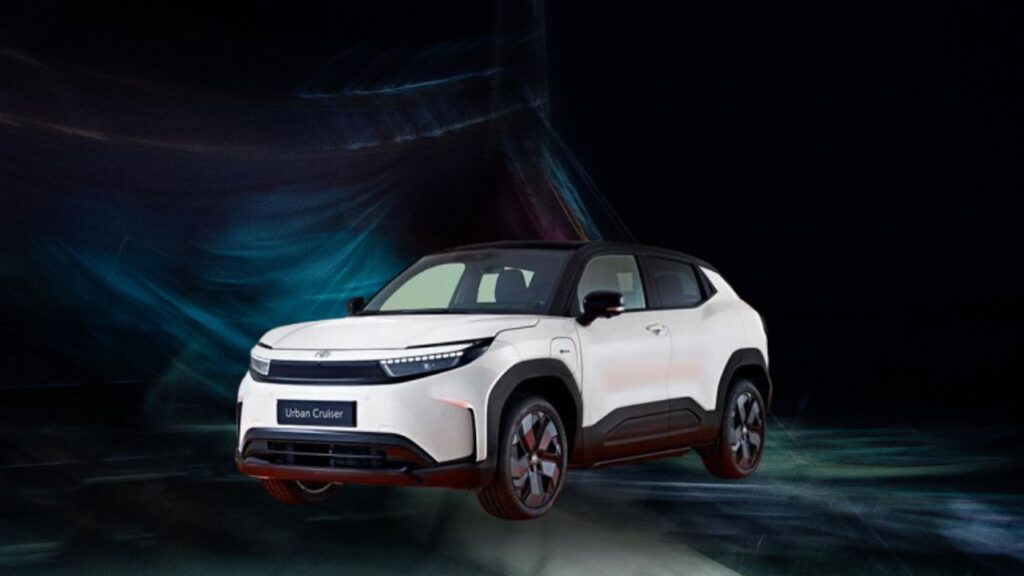
1. Toyota Urban Cruiser Hyryder: The Efficient Charmer

Starting from just ₹11.34 lakh, the Toyota Urban Cruiser Hyryder is making it clear that hybrid tech need not be costly. This compact SUV is Toyota’s solution for bringing the dream of owning a hybrid car to the masses, and they have really nailed it.​

Hyryder claimed mileage is 27.9 kmpl, which is one of the best mileage for SUVs in its class. The interior is roomy and well thought out with features such as vented seats, 8-way power-adjustable driver seat on higher trims, wireless charging for phones, and a 360-degree camera. Safety-wise, the 2025 update gets six airbags as standard on all variants—a welcome addition. 

Toyota Urban Cruiser Hyryder

The driving dynamics are fluid and polished, with the hybrid system guaranteeing that in city traffic you’re treated to silent electric-only driving and a shove when you need it. If you’re in the market for a sensible, practical hybrid that just gets you from A to B without eating too much into your wallet, this is it. 

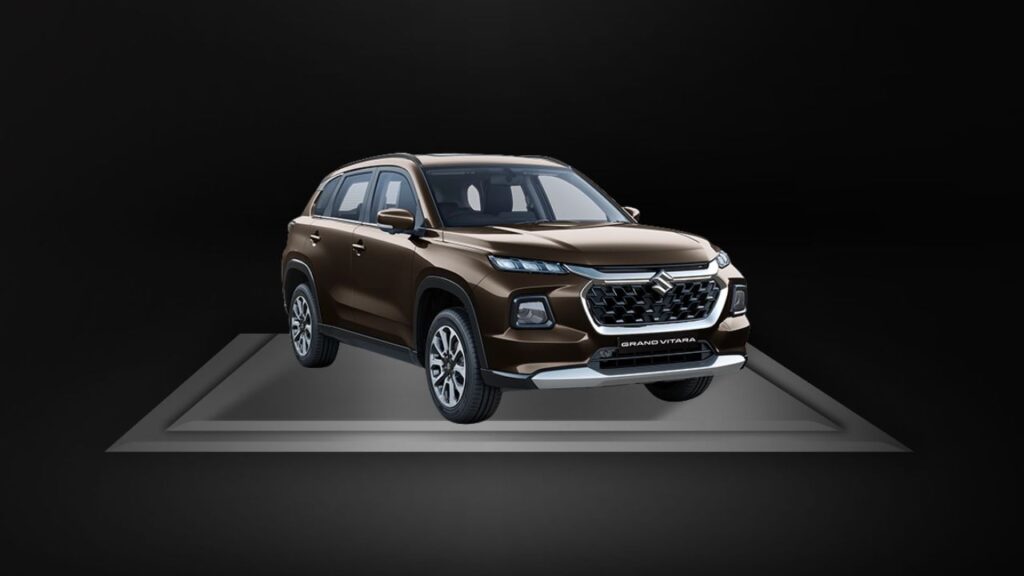
2. Maruti Suzuki Grand Vitara

Maruti’s answer to the Hyryder, the Grand Vitara is frankly exceptional rival and makes a strong case for itself at ₹16.99 lakh onwards. Developed in partnership with Toyota and sharing the same hybrid engine, this is tried and tested technology that is backed by Maruti’s extensive service network in India.  

Maruti Suzuki Grand Vitara

What sets the Grand Vitara apart is the combination of efficiency and everyday useability. The hybrid version returns a stellar 27.97 kmpl. Inside, there’s a panoramic sunroof, ventilated seats, a panoramic display, wireless phone charging and an interior so comfortable that longer drives seem less like punishment.​

The best part? Maruti’s track record for easy, wallet-friendly ownership means servicing and maintenance won’t decimate your bank account. Long-term write-ups tend to rave about this car getting sedan mileage in an SUV shape. 

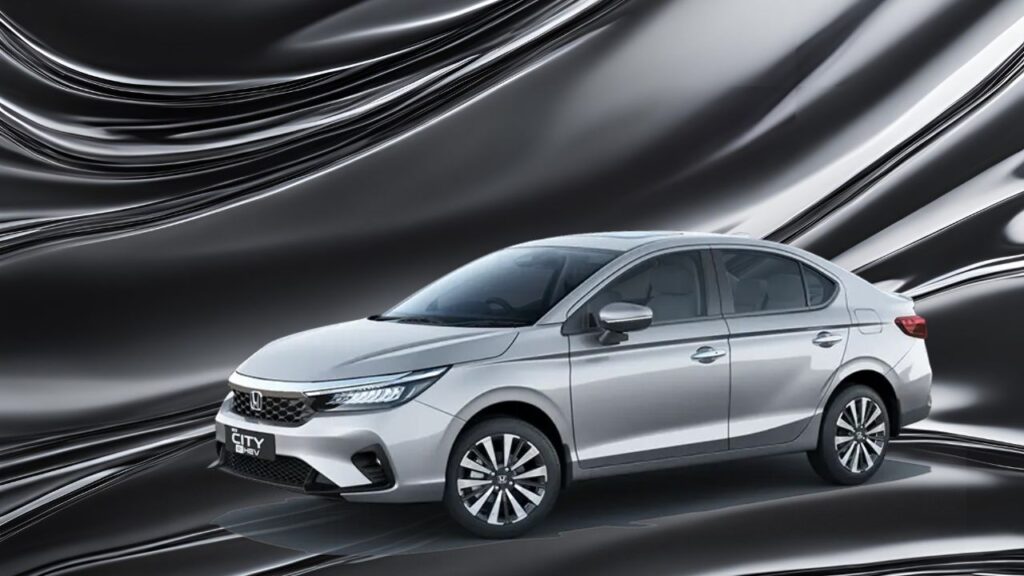
3. Honda City e:HEV: The Tech-Forward Sedan

If you’re a sedan person, then the Honda City e:HEV is a gamechanger. Honda City E:HEV ex-sh ₹19-20 85 lakh, upper end of budget, but gets you unique sophisticated hybrid experience in our book.​

Honda City eHEV

Honda’s e:HEV system is brilliant using a petrol engine and two electric motors, a system that is unique to everything else in the Indian market. The result is a claimed 27.1 kmpl and a driving experience that is almost glassy-smooth. The City moves intelligently between three driving modes (EV, hybrid and engine), and adjusts to the flow of traffic without you having to do anything.​

The interiors are dual-tone and the cabin feels premium for the price. And no compromise on the sedan experience if you want hybrid efficiency. 

Which One Should You Pick?

Each of these vehicles serves a slightly different purpose. Deciding which one right for you is just a matter of asked three simple questions:

  • Max value, max service network everywhere? Take the Maruti Grand Vitara.
  • Like the bass (reputation for reliability) of Toyota but don’t want a sedan? Then the Hyryder is your match.
  • Ready to shell out a little more for sedan comfort and extra tech? The Honda City e:HEV is value for your every rupee. 
Model Starting Price (₹ Lakh) Mileage (kmpl) Key Features Best For
Toyota Urban Cruiser Hyryder 11.34 27.9 Ventilated seats, 8-way power driver seat, wireless charging, 360° camera, 6 airbags  Reliable SUV efficiency 
Maruti Suzuki Grand Vitara 16.99  27.97  Panoramic sunroof, ventilated seats, panoramic display, wireless charging, extensive service network  Value & service coverage 
Honda City e:HEV 19.00 27.1  e:HEV system with 2 motors, 3 driving modes (EV/Hybrid/Engine), premium dual-tone interiors, ADAS  Tech-savvy sedan drivers

Read More :-  Mahindra XEV 9e Specs and Features: Complete Details & Latest Updates

Conclusion

Hybrid cars under 20 lakhs are no longer a compromise, but they are a wise choice. Stylish and comfortable cars that give mileage figures which would make conventional petrol cars jealous – and without the range anxiety of electric cars. Be it the Toyota Hyryder, Maruti Grand Vitara, or Honda City e:HEV, you’re buying into efficiency, reliability and a driving experience that really feels like the future – today. 

0

Fast Charging vs Home Charging: Which Is Better for Your EV? 

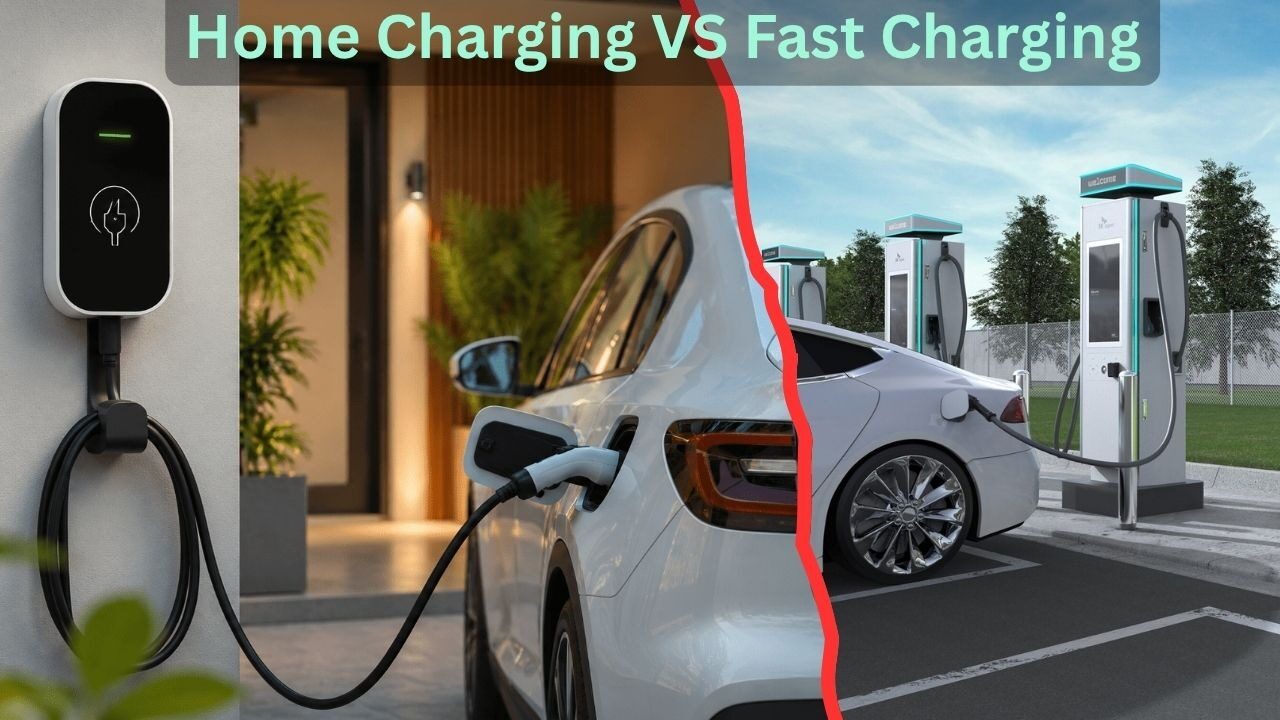
Fast Charging vs Home Charging

Buying an EV is not as hard as choosing a charging method that matches with your lifestyle, expense, and daily convenience. Fast Charging vs Home Charging is not a debate in which one can win, there are different answers from EV car owners themselves. But if you are going to buy an EV car and are confused about the charging method then this blog will make you understand how these two charging methods work.

1. Home Charging: The Reliable Anchor

Home charging usually means an AC charger — either the basic 15A plug that comes with most EVs or a dedicated wall box installed by the manufacturer or a third-party installer. It’s slow by design. A typical home setup adds roughly 8 to 15 km of range per hour, depending on your car’s onboard charger and your home’s power supply. 

For most owners, this means plugging in overnight and waking up to a full battery, every single day, without ever visiting a charging station.

The Advantages

  • Massive Cost Savings: Home electricity tariffs—especially off-peak or night-rate smart tariffs are incredibly cheap. You’re paying your domestic electricity tariff, not a premium station rate. 
  • Increases Battery Lifeline: Slow AC charging produces less heat and stress on lithium-ion cells which increase the battery health. It means your EVs battery won’t be damaged in early years as they experience low average battery degradation of only 1.5% per year, according to large-scale telematics data. 
  • Convenient for City commuters: You don’t have to stand in the line for hours at the station so this home charging method becomes handy. Once you plug in at night, you will get a fully charged vehicle in the morning. 

The Disadvantages

  • Slow Speed: If you need range back in an hour, home charging won’t deliver it since it almost takes from 6 to 12 hours to fully charge a depleted battery.
  • Installation cost and Wiring Upgrades: You have to purchase and install a proper wall box plus wiring upgrade as recent data highlights that nearly 45% of older residential homes or apartment blocks require a minor electrical grid to handle the load that costs you real money.
  • The Apartment or Rentals problem: If you live in an apartment without assigned parking or society approval for a wall box then home charging isn’t an option for you. Even renters and people in shared housing are cut off from this option as they don’t own the parking.

Who It Fits Best

It fits if you live in an independent house or an apartment with assigned covered parking, your daily driving is mostly within city limits, and you can plug in every night without a second thought. This covers a large chunk of EV buyers in Tier 1 and Tier 2 Indian cities who bought an EV specifically to cut down on daily commute costs. 

Cars That Require It Most

Compact or Mid-size EVs and Plug-in Hybrid are required for home charging most. Some reliable EVs such as MG Comet, Tata Tiago EV don’t need high-powered DC fast charging as their batteries are small. If you can afford overnight charging at home then these cars are the best options to buy. And home charging is the cheapest and most convenient way to keep them running.

2. DC Fast Charging: The Road Trip Fuel

Fast charging refers to DC charging stations — the ones you find at highway plazas, malls, and dedicated charging hubs from networks like Tata Power, Statiq, or ChargeZone. These can take a battery from near-empty to 80% in anywhere from 20 minutes to an hour, depending on the car’s charging capability and the station’s output.

The Advantages

  • Incredible Speed: Fast charging can boost the battery from 20 to 80 percent in as little as 20 to 40 minutes. 
  • Enables Long-Distance Travel: That’s the only practical choice for highway travel, it effectively erases range anxiety on highways, making hundred-mile cross-country road trips feasible. 
  • Growing Network: Car manufacturers and the government are working to increase the charging stations. They are rapidly growing as car owners are shifting from petrol to EV cars. 
  • People who don’t own parking spots: Perfect for apartment dwellers, renters now buy an EV for city commute. Similar to a fuel station visit.

The Disadvantages

  • Premium Pricing: Public fast chargers are businesses with high operational overhead. You will pay 2 to 3 times more per kilowatt-hour (kWh) here than you would on your home utility bill.
  • Slightly Higher Battery Wear: Pushing massive amounts of current creates internal heat. Fleet tracking data shows that vehicles relying exclusively on high-power DC fast charging experience an average annual degradation of up to 3.0%.
  • The Taper Effect: Fast chargers slow down significantly after hitting 80% to protect the battery cells from overheating, meaning the final 20% takes frustratingly long.

Who It Fits Best

If you live in a rented flat or a society without charging approval, you regularly drive between cities, or your job involves long daily distances that a single overnight charge can’t cover. It also fits anyone whose EV is a second car used mainly for longer, less predictable trips rather than a fixed daily commute. 

Cars That Require It Most

In Premium & high-range EVs, the advanced 800V battery is fixed to run the engine for many kilometers. Big range EVs like Hyundai Ioniq 5, Kia EV6, or Porsche Taycan are equipped with this battery. These vehicles are specifically engineered to gulp down 250+ kW of power, allowing them to extract maximum utility from ultra-fast public networks.

Read More :- Mercedes Benz CLA 250+ Real-World Range Tested

The Fair Comparison of Fast Charging vs Home Charging

Factor Home Charging Fast Charging
Speed 8–15 km/hour (slow, overnight) 0–80% in 20–60 minutes
Cost per charge Lowest — domestic tariff Higher — commercial station rate
Battery health impact Minimal stress, better long-term health More heat, faster degradation if overused
Convenience High, if you own your parking High, but requires a trip to a station
Upfront cost Wall box + installation charges None — pay per use
Best for Daily commuting, city driving Highway travel, no home parking, urgent top-ups
Availability Depends on your housing situation Depends on your city/route infrastructure

The Car Matters More Than People Admit 

A city-focused compact EV with a smaller battery — the kind bought mainly for daily office commutes leans almost entirely on home charging, since the battery is rarely drained enough to need a fast-charge stop. Premium EVs built on big batteries to give longer range are particularly bought for highway trips. They depend on a strong fast-charging network, because home charging alone can’t refill a large battery overnight for back-to-back long drives. 

In short: Compact everyday EVs are designed to run on home charging, meanwhile long-range and luxury EVs are designed to run highways with fast-charging availability.  

Your Car’s Battery Chemistry (LFP vs. NMC) That EV Buyers Often Forget

Lithium Iron Phosphate (LFP) — The LFP battery is known for being long lasting. They handle aggressive fast charging with close to zero additional degradation, and they can be charged to 100% every day, safely. 

Nickel Manganese Cobalt (NMC) — NMC batteries are more susceptible to heat and high voltage. If you’ve got a vehicle with an NMC battery, it thrives on slow charging at home, and you’d best think of DC fast chargers as something you need just for occasional road trips. 

Read More :- Best Automatic Cars in India Under 10 Lakhs – Easy Driving Options

Why This Comparison Actually Matters for EV Buyers

Most people cross-shop EVs by comparing range and price, and treat charging as an afterthought they’ll figure out later. That’s backwards. Your charging setup determines your real-world cost of ownership, how fast your battery degrades over five to eight years, and whether owning an EV is even convenient for your specific living situation. 

Two people can buy the identical car and have completely different ownership experiences — one because they have a private garage and never touch a public charger, the other because they’re queuing at a mall charger three times a week. The charging question isn’t a footnote. It’s arguably more important than the range number on the brochure.

Why Buyers Should Plan for Both

The most realistic approach isn’t picking one — it’s building a routine where home charging handles 80-90% of your needs, and fast charging exists as a backup for the days that don’t fit the routine: a road trip, a forgotten overnight charge, an unexpectedly long day of driving. 

Buyers who plan around both, rather than betting on one exclusively, tend to get the best of both worlds — low daily running costs from home charging, and the flexibility to never be stranded, thanks to fast charging when it’s genuinely needed.

Crucial Factors EV Buyers Often Forget

  • Check your onboard charger’s AC limit before buying a wall box. Some EVs cap AC charging speed regardless of how powerful your home charger is — paying for a high-output wall box in that case is wasted money.
  • Society approval can take longer than expected. If you live in an apartment, start the RWA approval process for a charging point well before your car is delivered.
  • Fast charging isn’t available at the same speed everywhere. Not all “fast chargers” are equal — output varies station to station, so your actual charging time on the road can differ a lot from the advertised number.
  • Battery warranties usually still apply regardless of charging method, but manufacturers often quietly recommend limiting fast charging to occasional use rather than a daily habit, for exactly the degradation reasons mentioned above.

Read More :-  The Future of Electric Vehicles: What Drivers Need to Know

Conclusion

Home charging wins on cost and battery health. Fast charging wins on speed and flexibility. Neither one replaces the other — they solve different problems. The right question isn’t “which is better in Fast Charging vs Home Charging,” it’s “how much of my driving is predictable daily commuting versus unpredictable long-distance travel,” because that answer decides how much you’ll actually lean on each option. 

0

Brezza vs Nexon 2026: Battle of the Compact SUVs in 2026

Published Feb 3, 2026, 6:24 AM
Last Updated Apr 6, 2026, 12:27 PM

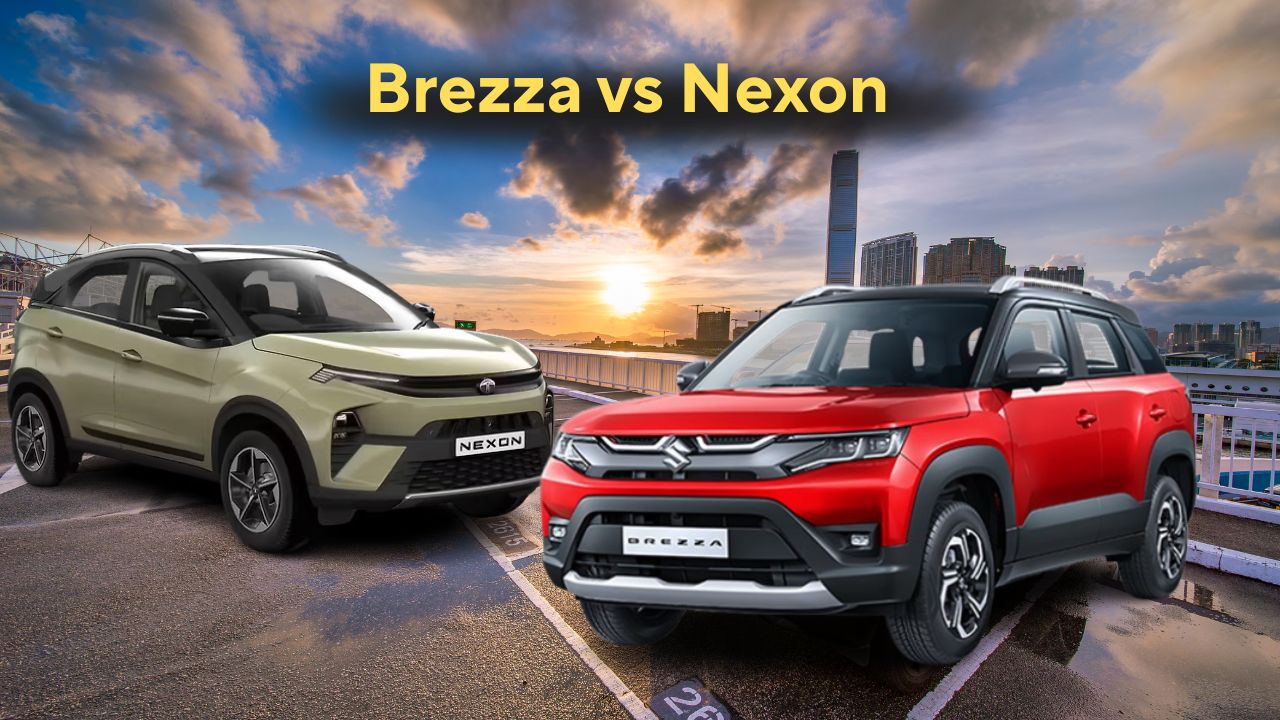
Brezza vs Nexon 2026

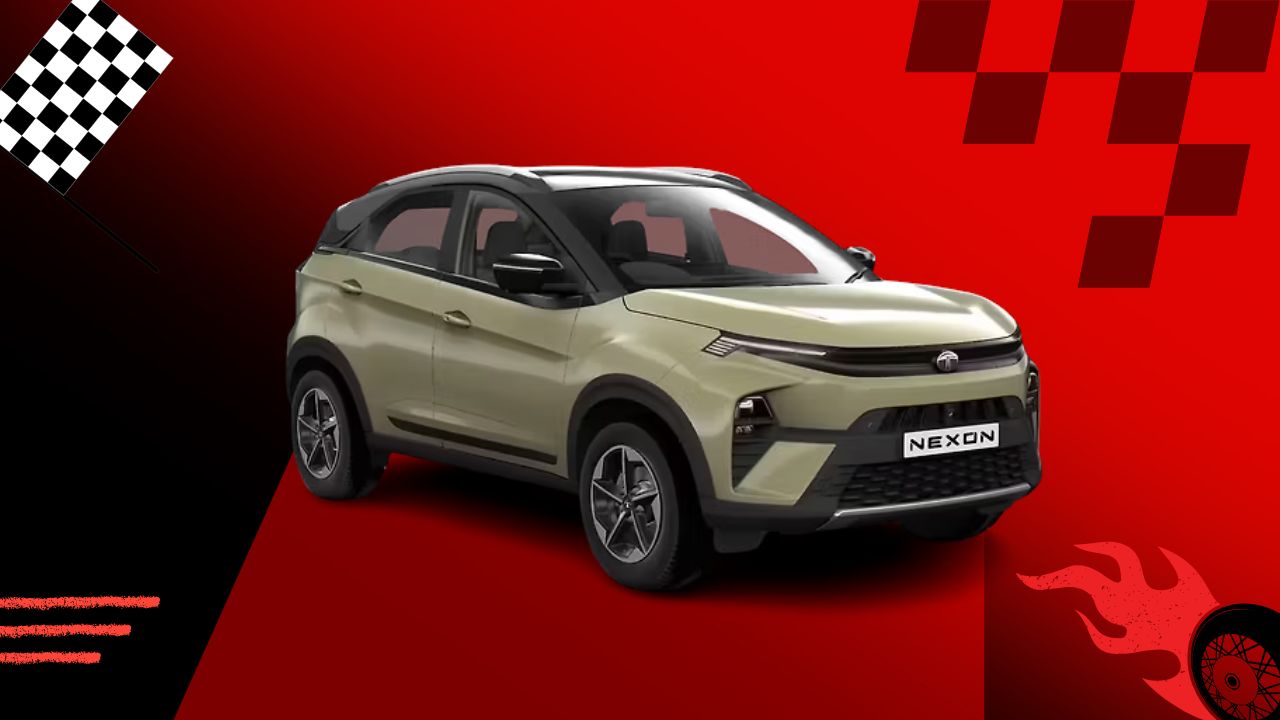
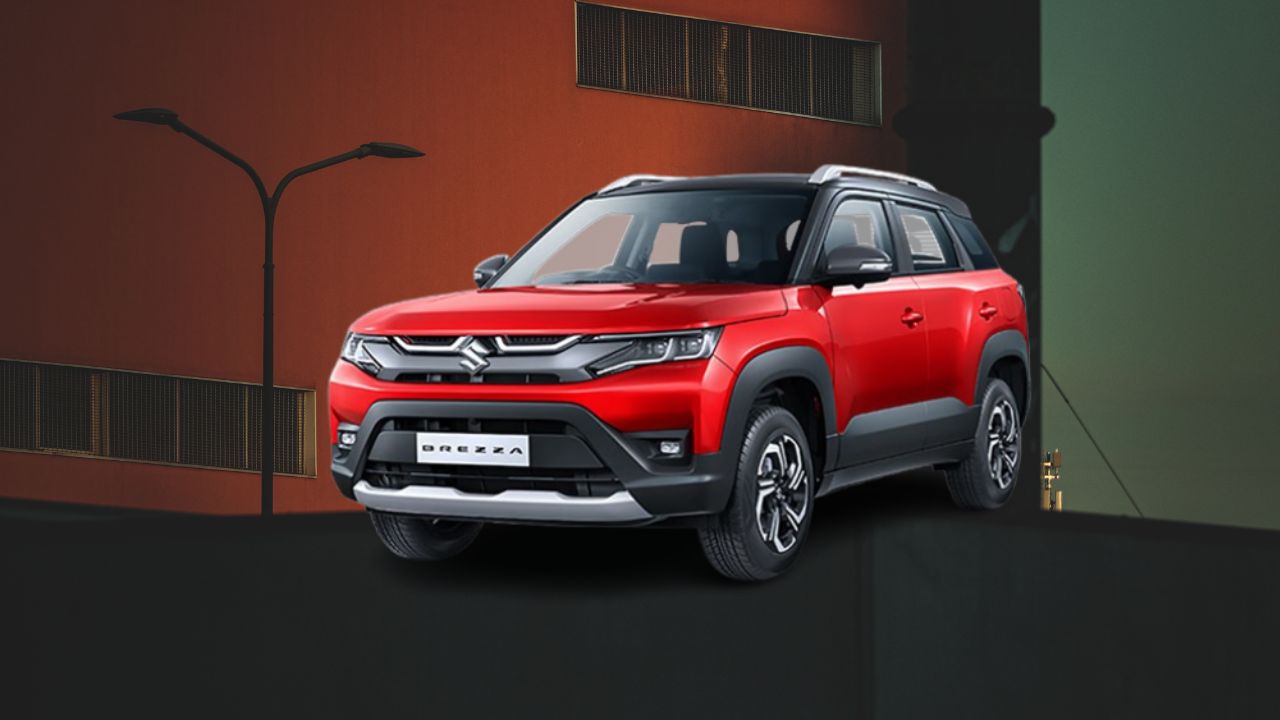
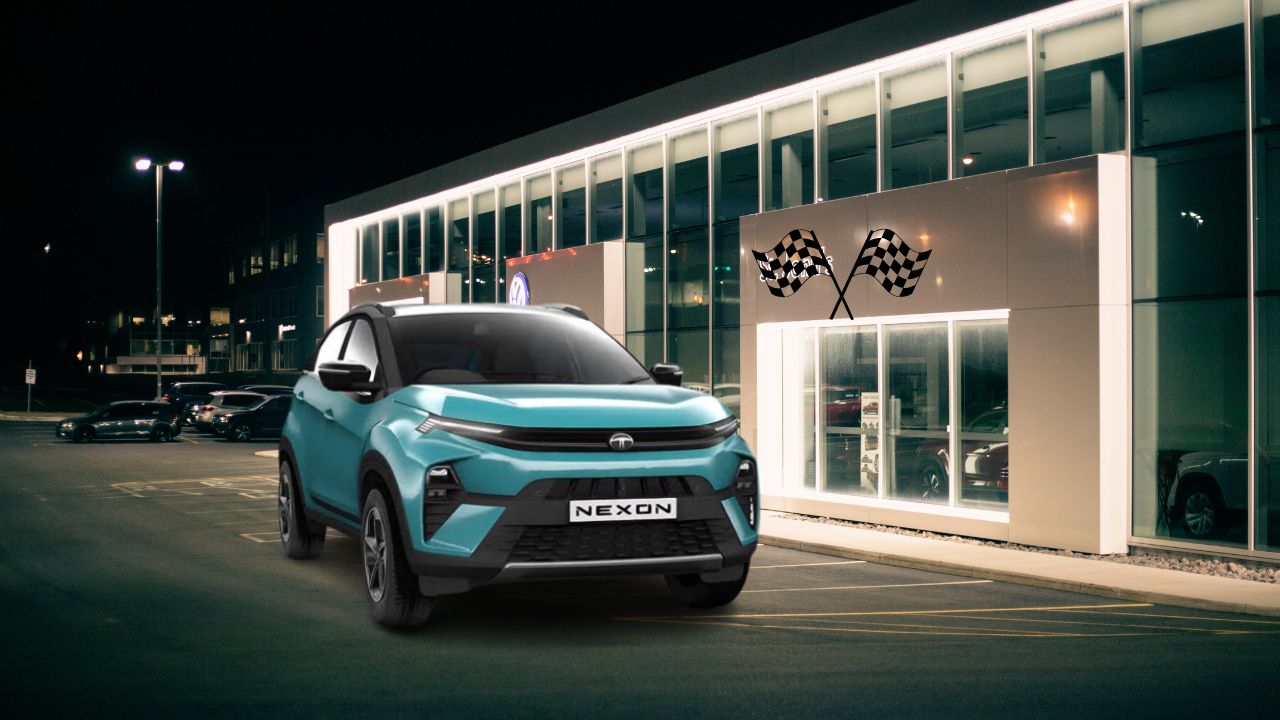
When you visit a car dealer with your gaze flitting between a pair of shiny new SUVs that are daring, stylish and dependable. Whenever it comes to Brezza vs Nexon 2026, people always get confused. At ₹8 to ₹14 lakh ex-showroom, the Tata Nexon and the Maruti Suzuki Brezza are two industry behemoth competing for the top slot, and known for stellar performance. 

Brezza impresses with its simple, functional qualities and vast service network, Nexon boasts premium features and highest safety ratings. Let’s get into this face-off as if we were driving through India’s potholes, practical, fun and coming straight from the heart. 

Price and Variants Breakdown

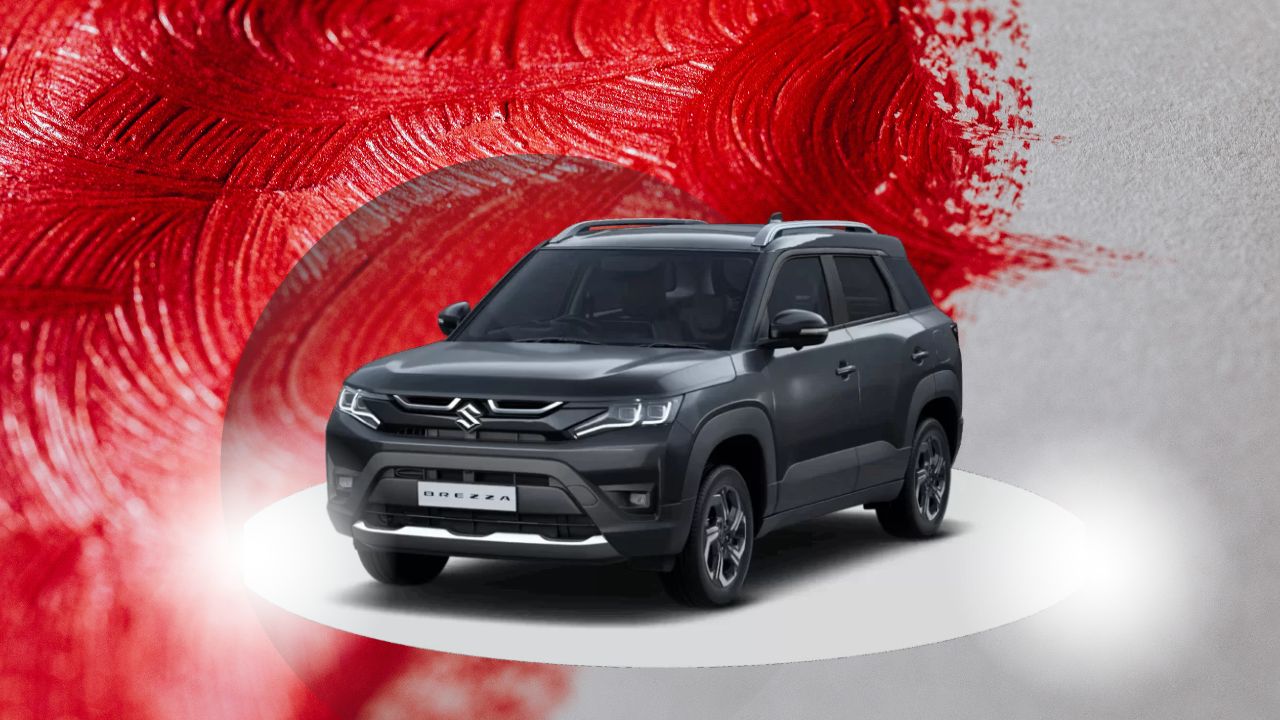
Both start out at a reasonable price, but your wallet is going to depend on your choices. The starting price of Brezza (LXi petrol MT) is ₹8.26 lakh and the top-end ZXi+ AT DT is ₹13.01 lakh.

Price and Variants Breakdown

Nexon misses out narrowly at ₹7.32 — 14.15 lakh, with fuel options of petrol, CNG and diesel across Smart to Fearless+ model ranges. 

Here’s a quick glance at top sellers:

Aspect Brezza (ZXi CNG) Nexon (Creative CNG/Petrol)
Ex-Showroom ₹11.31 lakh ₹10-12 lakh
On-Road (Delhi) ~₹13 lakh ~₹12-14 lakh
Waiting Period 2 months 1-3 months

Power Under the Hood

Brezza’s 1.5L K15C petrol (101 bhp, 137 Nm) and CNG (87 bhp) variants feel quite peppy in stop-and-go traffic and 19.8 kmpl is the figure with the AT. Smooth and elegant, like sipping chai on a slow breeze but it just doesn’t have the turbo punch to overtake comfortably (0-100 in about 12 seconds). 

Power Under the Hood

Nexon fights back with a 1.2L turbo-petrol (118 bhp, 170 Nm), a diesel (115 bhp), and a CNG option, mated to the 17–24 kmpl. Because of the torque surge, it runs faster and it keeps running at 120 kmph. It is a thrill to have such a vehicle. If you want to fly past trucks on NH24, Nexon is your pal. Brezza rules the mileage marathons, though. 

Design and Road Presence

Brezza’s tough lines, aggressive grille and 198mm ground clearance say “city jungle hunter.” Nexon offers Futuristic LED DRLs, connected taillamps, and 208mm ground clearance whips heads— it’s the bolder peacock.

Design and Road Presence

Dimension-wise, Brezza (3995x1790x1685 mm) and Nexon (marginally wider/taller) are quite similar. Both are five seater vehicles, but with a better boot space of 382L Nexon can carry weekend bags more comfortably than Brezza’s 328L. 

Inside the Cabin: Comfort Clash

Brezza is roomy from inside, functional with rear AC vents, 9-inch touchscreen, wireless charging and sunroof in top variants. The soft-touch plastics are premium enough but a few hard and scratchy bits demonstrates its budget-consciousness. Ride drinks potholes like a champ.

Nexon offers 10.25-inch Harman screen, JBL audio, ventilated seats, panoramic sunroof, and 360-cam. Sure, the digital cluster dazzles but the ergonomics are a disaster—no real cupholders, panels that don’t line up. Rear space is similar, yet Nexon seems airy. 

Safety is Priority

When it comes to safety then only reliable cars can actually get into the head like The Brezza’s 4-star GNCAP (6 airbags, ESP, hill-hold) is rock solid.

Safety is Priority

Nexon with the same gear and a blind-spot monitor in high res, I am a proud 5-star king. In crash tests, the Nexon also provides better protection which is essential while running families around. 

Features Face-Off

Category Brezza Wins Nexon Wins
Infotainment Simple, responsive 9″ 10.25″ + JBL, wireless AA/CP
Convenience Cooled glovebox, HUD Ventilated seats, paddle shifters
Safety Tech 360-cam, 6 bags 5-star + ADAS basics

Read More:- Hyundai Exter Facelift: Smarter Looks, Bigger Tech, Same City-Friendly Charm

Conclusion

It will be a hard choice of Brezza vs Nexon 2026. If your pulse rate increases at the thought of peace of mind, low running expenses, silky-smooth city drives, and Maruti’s unmatched service network, the Brezza seems like the more stable long-term partner. It is smart, comfortable and easy to live with, ideal for daily commuting and hassle free ownership.

However, if you’d like your SUV to make you feel a bit special each time you turn it on, boast strong performance, a bold design, richly appointed interiors and best-in-class safety, the Tata Nexon sounds like the better choice. That 5-star safety rating, turbo punch and premium tech gives it a future-ready and emotional appeal that is unmatched.

In short:

  • Go for Brezza if you prefer reliability and simplicity to flashiness.
  • Go for Nexon if safety, features, & driving excitement are on top of your checklist.

They’re both good compact SUVs — but the one that steals your heart is going to come down to whether you prefer to think with your head or drive with your heart. 

0

Budget Friendly Cars – Best Affordable Cars for Every Indian Family

Budget Friendly Cars

Car ownership in India is no more a far-fetched dream, it’s an achievable target for most households, with a wide variety of budget cars that offer a good balance of affordability, safety and modern amenities. Indian carmakers have taken things up a notch by 2025 and now offer cars that are stylish, feature-rich, and give good mileage, all without breaking the ₹10 lakh barrier. 

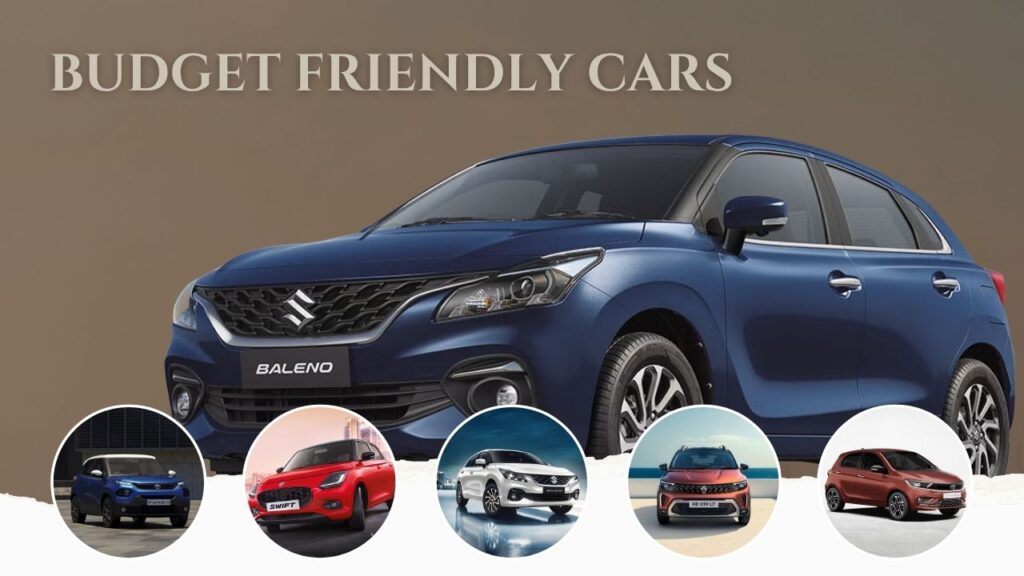
From the rugged yet compact Tata Punch, dependably peppy Maruti Swift, feature-laden Baleno, multi-purpose Renault Triber and all-time favourite Tata Tiago. There’s a Budget Friendly Cars for everyone no matter the requirement or lifestyle. Explore the best affordable cars of 2025 that offer incredible features and specifications to give you a nice ride.

The Champions of Budget Excellence

By 2025, there are more good cars within reach than ever before. With everything from sleek designs and advanced tech like touchscreen displays and driver-assist systems, these are the cars that prove you don’t have to spend a fortune to drive something reliable and stylish. 

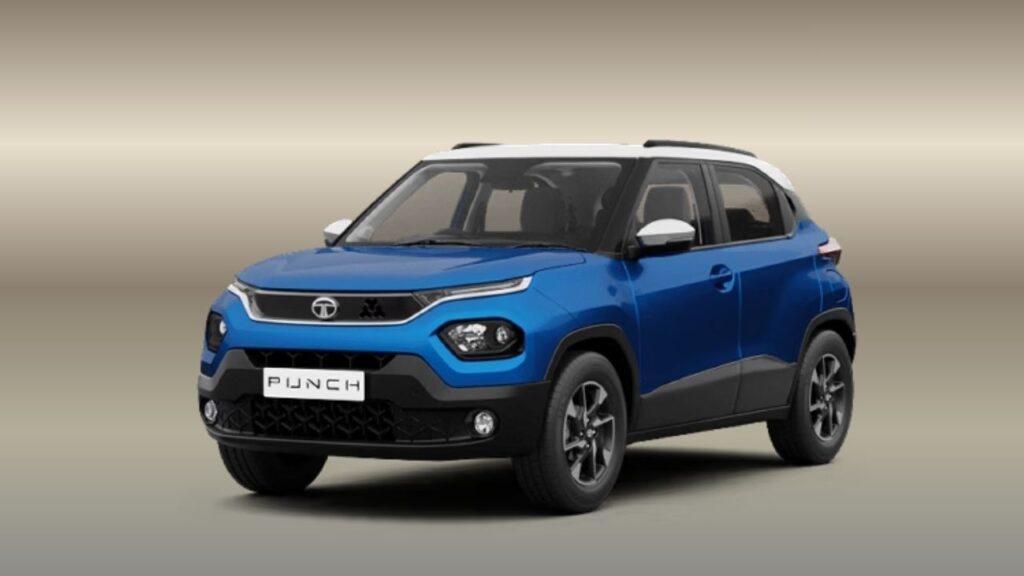
Tata Punch – The Compact SUV Winner

The ultimate SUV runs on Indian roads at ₹5.50 lakh with useful family-car practicality. This ride features a 1.2-liter Revotron engine that produces 87 bhp and 115 Nm of torque. This setup makes for a good amount of power for the city and highways. 

Tata Punch - The Compact SUV Winner

The only thing that makes the Punch standout is it having a 5-star Global NCAP safety rating, which makes it amongst the safest cars in its segment. It provides 187 mm of ground clearance, ideal for Indian roads, and gets features such as a 10.25-inch touchscreen infotainment system, automatic climate control and a 6-speaker Harman sound system. Punch also delivers good fuel efficiency in the range of 18.8 to 20.09 kmpl, helping families stay on top of running costs. 

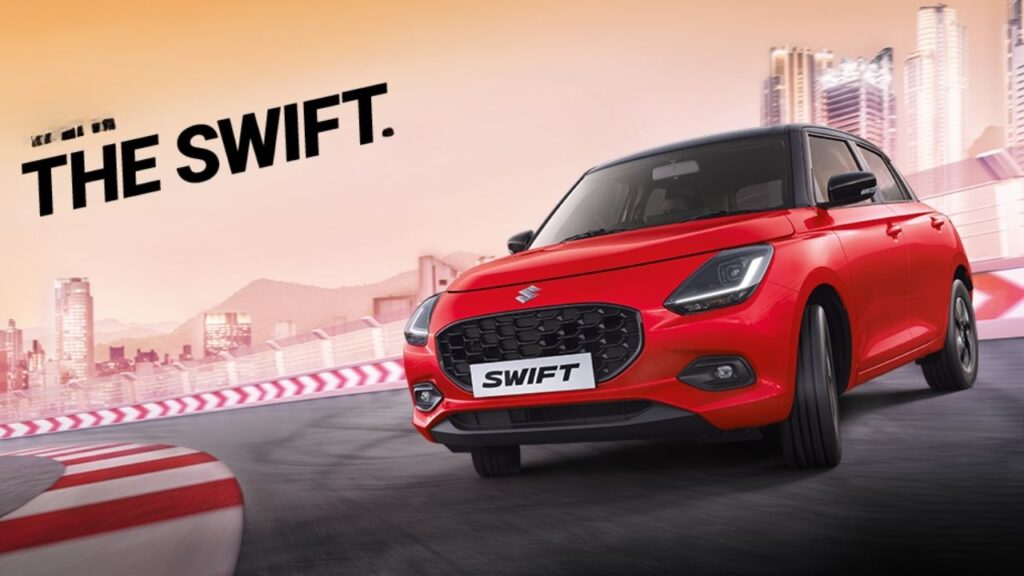
Maruti Suzuki Swift – The Reliable Performer

With a starting price of ₹5.79 lakh, Swift remains a favorite in Indian homes. The new generation is powered by a 1.2-liter K12N engine, which produces 89 bhp and returns a mileage of 25.75 kmpl.The highlight of the Swift is its all-round safety package, which includes 6 airbags as standard, ESP, hill hold assist, and ABS with EBD. 

Maruti Suzuki Swift - The Reliable Performer

The Swift has a roomy boot of 265 liters and gets contemporary connectivity features like wireless charging, 7-inch SmartPlay Pro+ infotainment system with Apple CarPlay and Android Auto.Its lightweight design and polished engine make it a great candidate for novice as well as seasoned drivers. 

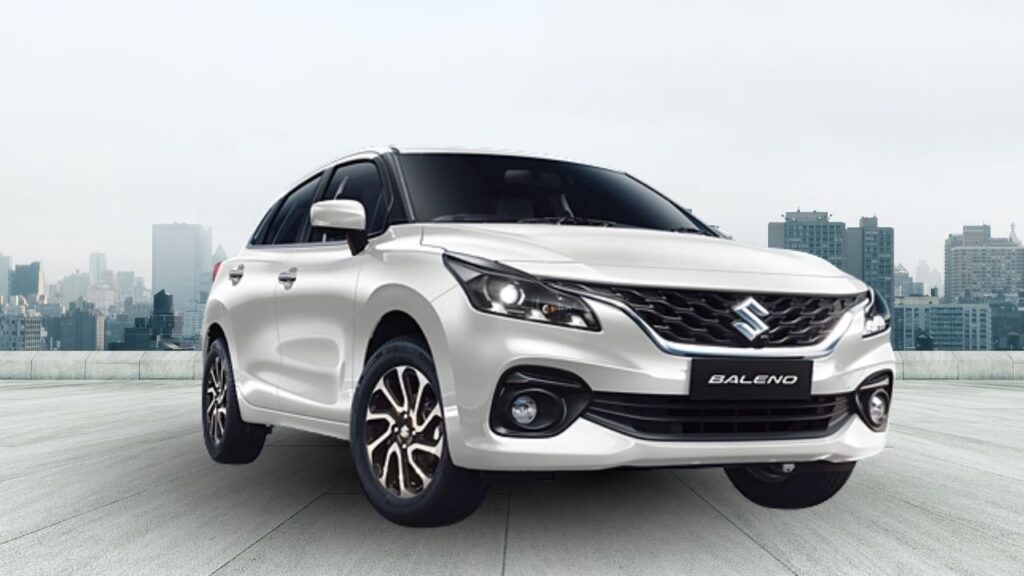
Maruti Suzuki Baleno

Maruti Suzuki Baleno

You can get the Baleno in the range of ₹5.99 to ₹9.88 lakh as it offers many features within a low cost of maintenance. It’s the pinnacle of cheap cars. You get 170mm ground clearance and a spacious cabin. Top trims come with a 9-inch SmartPlay Pro+ screen and six airbags. Plus, it’s good on gas, too. It retains its value, so it’s a smart purchase for years to come.  

Renault Triber – The 7-Seater Wonder

Starting at ₹5.76 lakh, the Triber is the cheapest 7-seater MPV in the Indian market. That smart ride provides you with flexible seats that change in 5, 6, or 7 positions. That configuration suits a family on the grow. The 2025 update is powered by a 1-liter petrol engine that will give you 72 hp of power with 96 Nm of torque.  

It was also updated with new features like an 8-inch floating touchscreen infotainment system. That’s not it, it also offers connectivity features including wireless Android Auto and Apple CarPlay. Lean into a practicality with six airbags as standard, and front parking sensors to provide worry less driving. Configured as a five-seater, it takes the lead with 625 liters of boot space for top practicality.  

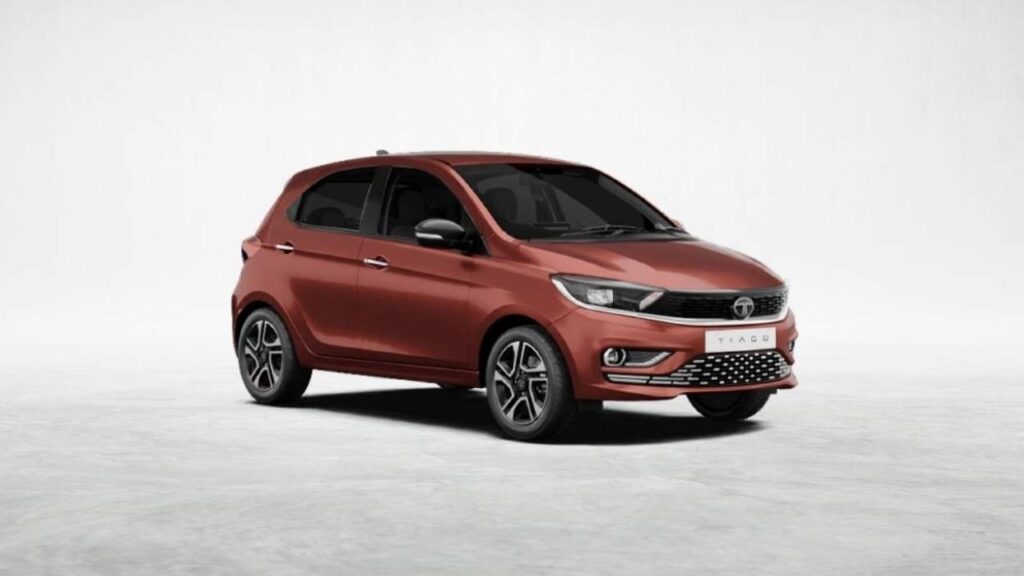
A Powerful Beast: Tata Tiago 

A Powerful Beast Tata Tiago

Tata Tiago offers 1.2L engine with 1199 cc capacity, buyers can get good features to run on road with comfort and reliability. It gives 86 PS power and 5 speed manual transmission with 35L fuel efficiency that makes it perfect for the family. It got 5-star Global NCAP rating safety which is incredibly important to consider a family car, also starting at an incredibly affordable ₹4.57 lakh.

Smart Feature Integration Without Premium Pricing

Budget-friendly cars are now catching up when it comes to features that were only available in the high-end variants. Take the Hyundai Exter, for example, It is priced from just ₹5.68 lakh and comes with an 8-inch touchscreen, digital instrument cluster, a sunroof and 6 airbags, all as standard. And then there’s the Tata Altroz that begins at ₹6.30 lakh and comes with a cavernous 345-litre boot and a refined 3-cylinder unit pumping out 86.79 bhp. These cars prove you don’t have to empty your wallet to get modern tech and comfort. 

Safety Without Compromise

Safe is the new seat in cars under 10 lakh. The 5-star GNCAP rating of the Tata Punch is a testament to the fact that budget cars can be very safe.The Tata Tiago offers safety features like airbags, ABS, EBD, parking sensors, and seat-belt alerts as standard. Renault Triber 6-airbags are standard for all the variant along with ISOFIX child seat anchor. 

Fuel Efficiency for Economic Operation

Cost-savvy families need fuel efficient vehicles and these cars deliver everything you need. The Maruti Swift delivers a good mileage of 25.75 kmpl which makes it one of the most fuel efficient cars to go for a long ride or your daily drives. Tata Tiago is a compact SUV that gives you 23.84 kmpl fuel efficiency, making it a perfect balanced car for the riders. Tata Punch delivers 20 kmpl fuel efficiency meaning good mileage without compromising on style, so, if you like to inject a little fun into your drives, this is a very interesting option to consider.  These figures mean that families can afford day-to-day runarounds without wondering about the cost of fuel. 

Read More:-  Discover The Stylish And Powerful Chery Arrizo 8 – Redefining The Modern Sedan

The Perfect Balance of Price and Performance

These vehicles have their own sets of value. Tata Punch brings SUV styling with best-in-class safety, the Swift comes with tried and tested reliability, the Baleno comes loaded with premium features, the Tiago offers unbeatable value and the Triber provides 7-seater flexibility. All these cars are proof that Indian families don’t have to pinch their pockets to get powerful features and dependable performance. 

Making the Right Choice for Your Family

Picking a cheap car means thinking about what your family really needs. The Tata Punch fits great if you want top safety and that SUV look. Nobody beats the Swift for great gas mileage and dependability. Those requiring 7-seater versatility for family needs should opt for the Triber and for premium features within a tight budget, pick the Baleno. The best way to decide is taking the test drive for the cars you like and decide which makes you comfortable and easy.

Conclusion

Power-packed features at affordable prices for the family car buyers is important. The 2025 Indian automotive market has a lot to offer to the family car buyers looking for strong features within a tight budget. These cars prove that inexpensive doesn’t mean you have to sacrifice quality, safety or contemporary features. 

By taking your family’s needs and likes into consideration, you can select the right car that offers you a great price for sale and get more value for your money for many years to come. Whether you are purchasing your first vehicle or looking to upgrade your family car, these Budget Friendly Cars options present the best value for money in terms of features, pricing, and reliability that every Indian family needs.