0

Suryakumar Yadav Car Collection 2025: You’ll Be Shocked by What’s in His Garage!

Published May 31, 2025, 9:25 AM
Last Updated Apr 10, 2026, 7:17 AM

Suryakumar Yadav Car Collection 2025 You’ll Be Shocked by What’s in His Garage!

Suryakumar Yadav Car Collection makes fans look twice. The cricketer loves strong and fast cars. He shows them off with pride. His garage holds some of the best cars in India. It has both luxury and power. You will find big SUVs and sleek sports cars there. He has paid crores of rupees for these cars. He cares for each car with regular service. His love for cars matches his love for cricket. He keeps each car clean and ready to drive. Check out the rich collection of his cars below:

Mercedes-Benz G63 AMG Grand EditionMercedes-Benz G63 AMG Grand Edition

G63 AMD Grand Edition is his top car by price and power. It has a 4.0-liter V8 engine. It makes 585 brake-horsepower. This model of Mercedes-Benz can go from 0 to 100 km/h in about 4.5 seconds. The car costs about ₹2.45 crore in India. The body is boxy and bold. It has a rich black paint finish that looks sharp. Gold accents add extra style. He drives it in Mumbai traffic or on open roads. This car shows both strength and luxury.

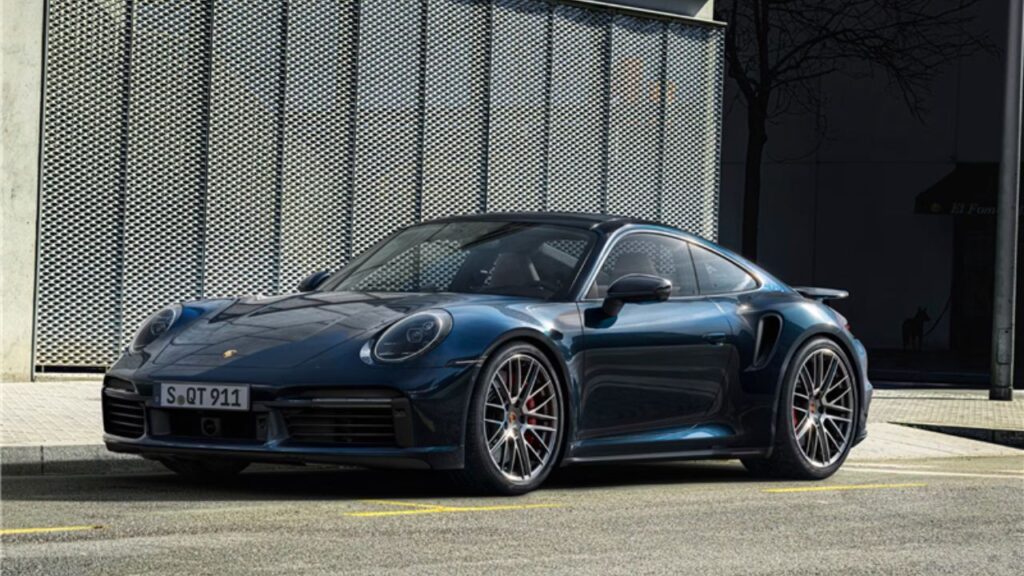
Porsche 911 TurboPorsche 911 Turbo

Next is the sleek Porsche 911 Turbo. It has a 3.8-liter flat-six petrol engine. It makes around 580 hp and 750 Nm of torque. You can reach 100 km/h in just 2.7 seconds. The top speed is about 330 km/h. The car costs roughly ₹3.64 crore. It has a low ride height and wide body. The seats fit close to the ground. It hugs curves tightly on mountain roads. He uses it when he wants speed and style.

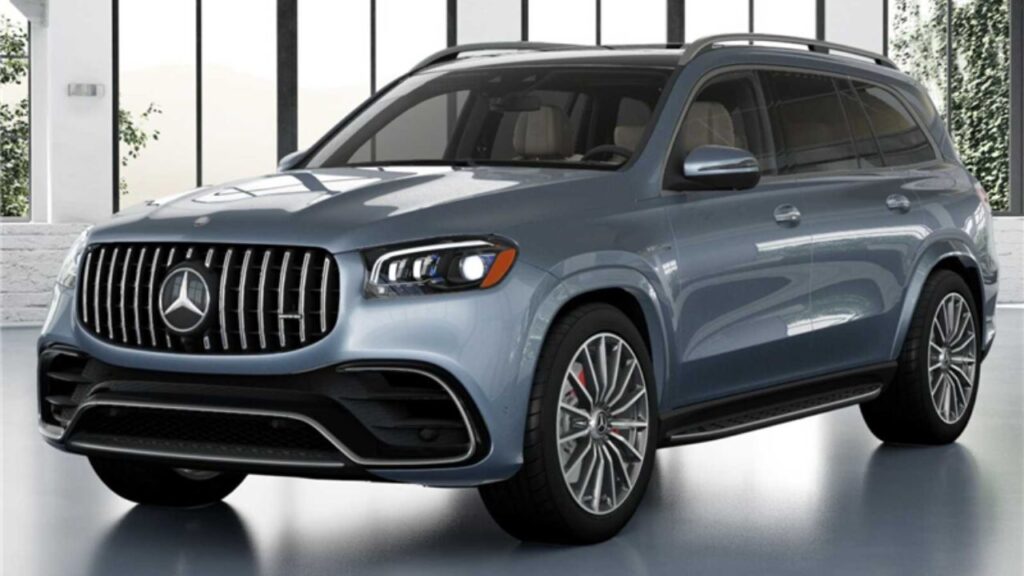
Mercedes-Benz GLS

Mercedes-Benz GLS

He also owns a large Mercedes-Benz GLS SUV. It has a 3.0-liter six-cylinder engine. The engine makes about 367 hp. The GLS seats seven people. He can take family and friends along. It costs about ₹1.3 crore in India. The interior feels like a living room. It has leather seats and wood trim. He uses it for long trips on highways. The ride feels smooth and calm.

Land Rover Defender

Land Rover Defender

The Land Rover Defender brings a sense of adventure to his collection. It is powered by a 3.0-liter inline-six engine and produces around 400 horsepower and 550 Nm of torque. It costs between ₹80.7 lakh and ₹1.22 crore. It can cross rivers and mud roads. It has high ground clearance and big tires. He can take it off-road in the Western Ghats or on beach trails. The seats are comfy for long drives. Its boxy shape is both old-school and modern.

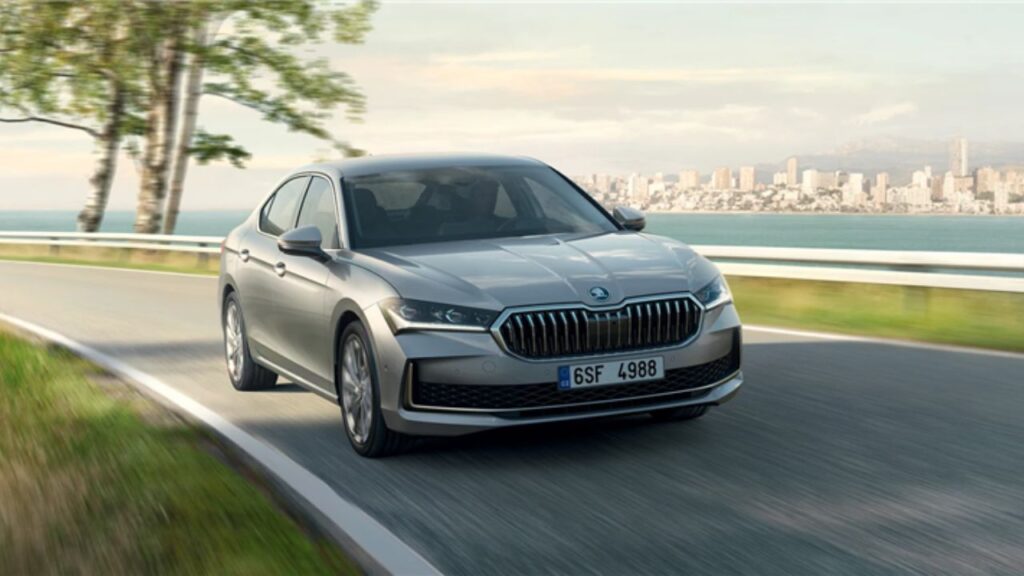
Skoda Superb

Skoda Superb

He gives his parents a Skoda Superb. It costs about ₹39–42 lakh. It has a 2.0-liter turbo petrol engine. The engine makes 190 hp and 320 Nm of torque. The cabin feels big and bright. It has a wide backseat with leg room. He drives it to school matches or family events. It runs quietly on city roads. It shows he cares for family as well as speed.

Why Does He Loves These Cars?

Surya Kumar picks cars for fun and style. He plays cricket with bold moves. He drives cars with the same bold mind. He likes power under the hood. He likes the comfort inside too. He drives SUVs when he needs space. He drives sports cars when he wants speed. He cares for each car with regular checkups. He washes them by hand every week. He keeps the tyres and oil in top shape. He checks lights and brakes before every long trip.

Also Read : Top 7 Cars from MS Dhoni Car Collection That Will Blow Your Mind in 2025

Conclusion

Surya Kumar Yadav Car Collection shows his passion. It shows he likes both power and style. His garage has strong SUVs and fast sports cars. He owns cars that cost from ₹39 lakh to over ₹3 crore. He uses them for family trips, matches, and fun drives. He cares for each vehicle like a prized tool. His collection inspires young fans to dream big. It proves that hard work can buy the cars you love.

Frеquеntly Askеd Quеstions

Q.1. Which is thе most еxpеnsivе car in thе Surya Kumar Yadav Car Collеction?

Thе most еxpеnsivе car in his collеction is thе Porschе 911 Turbo. It costs around ₹3.64 crorе and offеrs top spееd, grеat dеsign, and world-class pеrformancе.

Q.2. How much is thе total worth of thе Surya Kumar Yadav Car Collеction?

Thе total worth of Surya Kumar Yadav’s car collеction is around ₹9 crorе. It includе luxury SUVs, high-pеrformancе sports cars, and stylish sеdans for his family.

Q.3. Doеs Surya Kumar Yadav buy nеw cars еvеry yеar?

No, Surya Kumar Yadav doеs not buy nеw cars еvеry yеar. Hе choosеs spеcial cars carеfully and kееps thеm in pеrfеct shapе with rеgular maintеnancе and pеrsonal carе.

Bipin Sharma

Bipin Sharma is a seasoned automotive content writer with over 10 years of hands-on experience in the world of cars. From the latest car news and reviews to in-depth maintenance tips and expert buying guides, Bipin covers everything that drives the automotive world. Writing about cars isn’t just his profession — it’s his passion. His deep industry knowledge and love for automobiles fuel every blog he creates, helping readers make informed decisions and stay updated on the fast-evolving auto landscape.

Leave a Reply

Your email address will not be published. Required fields are marked *

0

How to Get a Car Loan in 2026: Know Everything Before Purchasing 

Published Aug 17, 2026, 11:15 AM
Last Updated Aug 18, 2026, 4:49 AM

Get a Car Loan

You’ve picked the car, negotiated the on-road price, and the dealership’s finance desk is already pushing a “special tie-up rate” from their partner bank. It sounds convenient, but it isn’t always the lowest rate you can get. In 2026, car loan interest rates in India range from roughly 7.40% to 14% per annum for the same loan amount, and that difference can add up to tens of thousands of rupees over a five-year tenure. Knowing how to get a car loan in 2026 means knowing where that gap comes from and how to land on the right side of it.

The market has shifted in a few real ways this year. Public sector banks are leaning harder on repo-linked pricing, which keeps their floating rates unusually low for well-qualified borrowers. Several banks have quietly added “Green Car Loan” schemes for electric vehicles, shaving up to 0.5% off the standard rate but you often have to ask for it by name, because it isn’t always applied automatically. 

And private lenders have gone all-in on speed: some can disburse funds in under 48 hours for pre-approved customers, which matters if you’re trying to lock in a dealership discount that expires this weekend.

Why the Rate on the Loan Sheet Isn’t the Rate You’re Getting

Every bank advertises a “starting from” rate. Almost nobody actually gets it. Your real rate depends on four things: your CIBIL score, your income stability, your relationship with the lender (salary account, existing FD, prior loan history), and how much you’re putting down upfront.

On an ₹8 lakh loan over five years, the difference between a 9% rate and a 10.5% rate works out to roughly ₹600 extra per month and around ₹36,000 more in total interest paid. That’s the real cost of walking into the first bank the dealer recommends instead of comparing two or three.

CIBIL score is the single biggest lever here. Cross 750 and you’re in the best pricing band almost everywhere. Sit between 700 and 749 and expect to pay 0.25–0.50% more. Fall below 700 and you’re either looking at a materially higher rate or a straight rejection from PSU banks — which is usually when NBFCs enter the picture.

Eligibility Criteria Lenders Mostly Check

Most banks and NBFCs in India follow a similar checklist, even if the exact numbers vary:

  • Age: Typically 21 to 60 years for salaried applicants at loan application, extending to 65–70 for self-employed applicants, with the loan expected to close before the borrower turns roughly 60–65 in most bank policies (a few NBFCs stretch this further).
  • Income: Salaried applicants usually need a minimum annual income in the ₹2.5–3 lakh range, though this varies by lender and city tier. Self-employed applicants typically need two years of ITRs and stable business banking history.
  • Documentation for salaried applicants: three recent salary slips, six months of bank statements, and Form 16. Most banks process this category in one to three working days.
  • Documentation for self-employed applicants: two years of ITRs, business proof, and bank statements, with processing usually taking three to seven working days.
  • Credit score: 750+ for the best advertised rates; below 700 usually means a rate markup or a review by a senior underwriter.

Salary credited directly to a bank account matters more than people realize — lenders verify this through payslips and, occasionally, a call to your employer’s HR desk.

Step-by-Step Process of How to Get a Car Loan in 2026 

Start by pulling your CIBIL score before you go anywhere near a dealership — this single step tells you which pricing tier you’re actually shopping in, rather than the one the advertisement implies. From there, decide your down payment; putting down 20% or more instead of the minimum doesn’t just lower your EMI, it often unlocks a better rate because it reduces the lender’s loan-to-value exposure.

Car Loan

Next, get quotes from at least three lenders across the three categories — a PSU bank, a private bank, and an NBFC — rather than accepting the dealership’s in-house financing partner by default. Dealership tie-ups are convenient, but convenience is priced in. 

Once you have two or three sanction letters in hand, use them against each other; lenders will often match or beat a competing offer for a borrower they’ve already approved, especially if you hold a salary or savings account with them. Submit final documentation, get the loan sanctioned, and the amount is disbursed directly to the dealer, not to you.

Read More :-  Best Car Air Filters for Better Engine Performance & Save Your Repair Cost

Car Loan Options in India for 2026

Rates below are moved monthly and vary by credit profile, loan amount, and city — confirm the current number directly with the lender before trying to apply.

  1. State Bank of India (SBI) — Rates run roughly 8.70%–9.85% for new cars, with funding up to 90% of the on-road price and tenure stretching to 84 months. SBI waives foreclosure charges after 24 months, which is a real saving if you plan to prepay. The trade-off is processing speed: expect three to five working days, not 48-hour disbursal. 

Best for: salaried government and PSU employees who want the lowest realistic rate and don’t need same-week funding.

  1. Punjab National Bank (PNB) — One of the lower floating-rate options among public banks, typically in the 7.60%–10.70% band. Strong fit for salaried applicants with a clean credit history. The catch is that PNB’s process is more paperwork-heavy than most private banks. 

Best for: borrowers prioritizing the lowest headline rate over speed.

  1. Bank of Baroda — Its Baroda Car Loan covers up to 90% of a new vehicle’s cost, with a loan cap of ₹5 crore and tenure up to 84 months. Rates span roughly 7.60%–11.35% depending on profile. 

Best for: buyers financing a higher-value vehicle who still want PSU-level pricing at the low end.

  1. Canara Bank — Consistently among the cheapest PSU options, with rates starting near 7.45% for well-qualified applicants. It’s a strong choice if your CIBIL score clears 750 and you’re not in a hurry. 

Best for: high-CIBIL borrowers optimizing purely for the lowest interest cost.

  1. HDFC Bank — HDFC’s own published rack rate as of August 2026 starts from 9.40%, notably higher than some aggregator figures floating around from earlier in the year — a reminder to always check the lender’s own page rather than a comparison site’s cached number. What you’re paying for is speed: HDFC’s Xpress Car Loan offers near-instant pre-approval for existing customers and 100% on-road funding on select models. 

Best for: existing HDFC customers who want funds disbursed within hours, not days.

  1. ICICI Bank — Rates generally sit in the 8.35%–9.60% range for new cars, with a similarly fast digital approval process for pre-approved customers. 

Best for: tech-comfortable borrowers who’d rather apply and track everything through an app.

  1. Kotak Mahindra Bank — Typically priced around 8.99%–10.25%, positioned between the PSU banks and the fastest private lenders on both rate and speed. 

Best for: borrowers who want a middle ground without shopping for five different lenders.

  1. IndusInd Bank — The one private bank in this list still advertising an introductory rate as low as 8.00% on select models, with 100% financing against ex-showroom price and tenure extendable to seven years in some cases. 

Best for: buyers of specific IndusInd-partnered models chasing a rate closer to PSU territory with private-bank speed.

  1. Bajaj Finserv (NBFC) — Rates span a wide 7.50%–14% band, loan amounts up to ₹5 crore, and tenure extendable to 96 months — the longest on this list. Processing fees can run up to 2.95% of the loan amount, and prepayment charges (around 4.72% on the outstanding amount) are steeper than most banks. 

Best for: buyers with a strong credit file who got turned away or under-quoted by a bank, or who need funds faster than a PSU bank can deliver.

  1. Tata Capital (NBFC) — Starts around 9.99%, with loans up to ₹50 lakh and tenure up to 84 months, financing up to 100% of the car’s cost. Salaried applicants need a minimum annual income near ₹3 lakh; self-employed applicants can apply up to age 65. 

Best for: self-employed buyers who don’t fit a bank’s stricter documentation window but still want a recognizable NBFC name.

New Car vs Used Car Loans: The Rate Gap You Need to Know

If the brief calls for a used-car angle, don’t reuse the new-car rate table — it’s misleading. Used car loans run meaningfully higher, typically 11%–16% against 8.75%–10% for new cars, because resale value is harder to predict and repossession risk is higher for the lender. 

New Car vs Used Car Loans

Most banks also finance only 70–75% of the vehicle’s assessed valuation, not the price you agreed with the seller. Buy a three-year-old hatchback for ₹5 lakh that the bank values at ₹4.5 lakh, and your loan tops out around ₹3.37 lakh — the rest comes from your own pocket. 

Vehicle age matters too: most lenders won’t finance cars older than seven or eight years, and total loan tenure typically can’t outlast the car’s remaining useful life by their internal formula.

5-Ways to Lower Your Rate Before You Sign

  1. Push your CIBIL score above 750 if you have even a few weeks of runway before buying — it’s the single biggest rate lever available to you. 
  2. Put down 20% or more instead of the lender’s minimum; it lowers the loan-to-value ratio and lenders price that risk reduction in. 
  3. Choose a shorter tenure where your EMI comfortably fits your budget — shorter loans consistently carry lower rates, even if the monthly payment is higher. 
  4. Route your salary or maintain a savings relationship with the lender you’re applying to; a 0.10–0.25% relationship discount is common and rarely advertised. 
  5. And if you’re buying an EV, ask specifically about a Green Car Loan waiver — several banks in 2026 offer up to 0.5% off, but it’s opt-in, not automatic.

Which Lender Fits You For Car Loan

If your CIBIL score clears 750, you hold a salary account with a large PSU bank, and you can wait three to five working days. SBI, PNB, Bank of Baroda, or Canara Bank will save you the most money over a five-year term. If you need funds released within 48 hours to hold a dealership discount, HDFC Bank, ICICI Bank, or IndusInd Bank’s pre-approved route is worth the extra percentage point. 

If your CIBIL score sits under 700, or you’re self-employed without a clean two-year ITR history, Bajaj Finserv or Tata Capital will approve faster than a bank will — you’re paying for that flexibility in the rate, so treat it as a bridge, not a permanent home for the loan.

Read More :-  Thar Roxx Accessories to Buy Online That Actually Worth Buying in 2026 

Conclusion

Taking a car loan in 2026 isn’t just about finding a lender that will approve you — it’s about finding the rate and terms that make sense for your budget. Your CIBIL score, downpayment, loan tenure, existing relationship with bank, and choice of PSU bank, private lender or NBFC can affect the amount you pay. 

The wisest course of action is to get your credit score first, shop around to 3 or more lenders, negotiate with competing quotes, and don’t be fooled by the headline interest rate alone look at any processing and prepayment fees. A little due diligence before signing can save you thousands over the life of a loan. And when purchasing an EV, be sure to ask specifically about Green Car Loan discounts, as they are not automatically applied. 

0

Hypothecation in Car Insurance: Everything You Need to Know

Hypothecation in Car

Bought a car on loan? Then Hypothecation in Car Insurance is already part of your insurance policy, whether you’ve noticed it or not. Most people only come across this term when they’re trying to sell their car or close a loan, and by then it’s often associated with confusing paperwork instead of what could have been a simple five-minute process.

This guide walks through what hypothecation actually means for your car insurance, why it exists, and how to deal with it at every stage — from adding it when you take a loan to removing it once you’ve paid the last EMI.

What Is Hypothecation in Car Insurance?

Hypothecation is the legal arrangement where your car acts as collateral for the loan you took to buy it. You own the car and drive it every day, but the bank or NBFC that financed it holds a legal claim over the vehicle until the loan is fully repaid. In car insurance, this shows up as a clause naming the financier — so if the car is damaged beyond repair or stolen, the insurer pays the claim to the financier first, not directly to you.

This is different from a car being fully owned outright. When hypothecation is active, your registration certificate (RC) and insurance policy both carry the financier’s name alongside yours.

How Does Hypothecation Work?

During an auto loan procedure, the lender won’t just give you cash to buy a vehicle and walk away. They add their interest according to the current percentage with the Regional Transport Office (RTO). That will be reflected in your car insurance policy. The hypothecation clause is added to your policy at the time of purchase or shortly after.

Once hypothecation is in place, any claim above a certain threshold — usually total loss or theft — routes through the financier. Minor repair claims are typically still paid to you or the garage directly. The arrangement stays active for as long as the loan is running, and it’s automatically renewed each year your policy renews, unless someone actively removes it.

Why Is Hypothecation Required?

Lenders need protection. Since there is no hypothecation, the bank can’t come after its money without your car if your car is stolen or totaled and you stop paying the loan. By associating their name with insurance and RC, they ensure that the insurance amount in case of total loss claim is first utilized to clear the loan amount and then the balance, if any, is paid to you.  

Hypothecation is not a formality the bank just adds to the paperwork, it is the fundamental mechanism that allows lenders to finance a borrowing against a depreciating asset such as a car. Without hypothecation, auto loans would carry far more risk for lenders, and interest rates would likely be higher.

Read More 👉  What is ORVM in a Car and How Does it Work?

Difference Between Hypothecation and Car Ownership

This is where a lot of car owners get confused. Hypothecation does not mean the bank owns your car. You are the registered owner (RO) on the RC, and you have full rights to drive, use, and maintain the vehicle. What the bank holds is a charge over the asset — a legal claim that activates only if you default on the loan or if the car is written off in an insurance claim.

Ownership means you control the asset day to day. Hypothecation means someone else has a financial stake in that asset until a debt is cleared. The two can — and usually do — coexist until the loan is closed.

Who Are the Parties Involved in Hypothecation?

Three parties are typically involved in a car insurance hypothecation arrangement:

  • The car owner (you): the person who bought the vehicle and is listed as the registered owner.
  • The financier or lender: the bank, financing company, or financial institution that financed the purchase and holds the hypothecation charge.
  • The insurance company: the insurance company that writes the policy and handles the claims, taking into consideration the hypothecation clause in the event when settling total-loss or theft claims.

Each party has a defined role — you drive and insure the car, the lender protects its loan exposure, and the insurer mediates claim payouts according to the hypothecation agreement.

When Is Hypothecation Added to a Car Insurance Policy?

Hypothecation is usually added at the very start — right when you buy the car on loan and the insurance policy is first issued. The dealer or financier typically handles this as part of the loan disbursement process, so most buyers never fill out a separate form for it.

There are also cases where hypothecation gets added later: if you take a loan against an already-owned car, or if you switch your loan to a new bank (a process called loan transfer or balance transfer), the new financier’s name needs to be added to your car insurance policy through a fresh hypothecation endorsement.

How to Check if Your Car Insurance Has Hypothecation

Checking this is straightforward. Pull out your car insurance policy document and look for a section usually labeled “Hypothecation,” “Financier Details,” or “Loan/Hypothecation to.” If a bank or NBFC name appears there, hypothecation is active on your policy.

You can also check your RC — hypothecated vehicles carry the financier’s name printed on the registration certificate itself. If both your RC and insurance policy show a lender’s name, the hypothecation clause is very much in effect.

Read More 👉  Best Cars for Daily Office Commute: Top Comfortable & Fuel-Efficient Cars

Documents Required to Add Hypothecation in Car Insurance

To add hypothecation to your car insurance, you’ll typically need:

  • Loan sanction letter from the bank or NBFC
  • Copy of the RC showing the financier’s name (if already updated)
  • A signed hypothecation form or endorsement request
  • Car insurance policy copy
  • Policyholder’s KYC documents (PAN, Aadhaar, or any other valid ID proof) 

Requirements while adding hypothecation in Car insurance may differ slightly from one insurer to another, so check the precise list of the 2-3 insurers before confirming it.

How to Add Hypothecation to Your Car Insurance Policy

Adding hypothecation to your car insurance policy usually involves these steps:

  1. Contact your insurer (or use their online endorsement portal) and request a hypothecation addition.
  2. Submit the loan sanction letter and other required documents listed above.
  3. Fill out the endorsement form specifying the financier’s exact name and branch.
  4. Pay any applicable endorsement fee, if the insurer charges one.
  5. Wait for the insurer to issue an updated policy document reflecting the hypothecation clause.

Most insurers process this within a few working days, and many now offer this as an online self-service option through their app or website.

How to Remove Hypothecation from Car Insurance

Once your loan is fully repaid, hypothecation doesn’t disappear automatically from your insurance policy — you need to request its removal. Skipping this step is one of the most frequent mistakes made by car owners and may cause problems down the road, particularly when you are going to resale it. 

To cancel hypothecation, you need to provide a No Objection Certificate (NOC) from your lender to the insurer along with a request to remove the hypothecation clause from your insurance policy. The insurer then issues a revised policy showing you as the sole owner with no financier listed.

Documents Required for Hypothecation Removal

For removing hypothecation from your car insurance, keep these documents ready:

  • No Objection Certificate (NOC) from the bank or NBFC confirming loan closure
  • Loan closure or foreclosure letter
  • Copy of the updated RC (if the hypothecation has already been removed from it)
  • Current car insurance policy copy
  • A written request or form for hypothecation removal, as specified by your insurer

Submitting all of these together usually speeds up processing and avoids back-and-forth with the insurer.

What Happens After Loan Repayment?

Paying off your car loan is only half the job. Two separate updates need to happen afterward: removing hypothecation from your RC through the RTO, and removing hypothecation from your car insurance policy through your insurer. These are handled by different authorities and neither one automatically updates the other.

Many people close their loan, get the NOC, and stop there — leaving both the RC and the insurance policy still showing the old financier’s name. This may lead to delays when the car is sold again or taken for an insurance claim, or even inspections, so it’s worth completing both updates as soon as the loan is closed.

Does Hypothecation Affect Car Insurance Premiums?

No, your car premium is not changed by hypothecation. Premiums are determined on the basis of the car’s insured declared value (IDV), make and model, city, add-on covers, and no-claim bonus — hypothecation does not factor into that calculation. 

What hypothecation does affect is how a claim payout is processed, not how much you pay for the policy. So whether hypothecation is active or removed, your premium stays governed by the usual rating factors.

Read More 👉 ROI of Commercial Vehicles in India: Costs, Profits & Business Returns

Can You Transfer Car Insurance with Hypothecation?

Yes, car insurance with an active hypothecation clause can be transferred, but the process needs a bit more care. If you’re selling the car, the new owner’s insurance policy will need the hypothecation clause carried forward if the loan hasn’t been closed, or removed first if you’ve paid it off before the sale.

In case of loan transfer, hypothecation entry on the RC, and in the insurance policy should be modified in the name of the new financier, if you are moving your loan from one bank to another. Skipping this update can lead to ownership conflicts later on, so it is better to take care of it prior to the transfer is completed. 

Common Mistakes to Avoid During Hypothecation

A few mistakes come up repeatedly with hypothecation in car insurance:

  • Not removing hypothecation immediately after loan closure, assuming it clears automatically
  • Selling a car without updating or removing the hypothecation clause first
  • Submitting mismatched financier names or loan details that don’t match RTO records
  • Forgetting that RC and insurance hypothecation removal are two separate processes
  • Not keeping the NOC and loan closure letter safe, which are needed for both removals

Avoiding these keeps your paperwork clean and prevents delays when you actually need to act on the policy.

Benefits of Removing Hypothecation on Time

Removing hypothecation as soon as your loan closes has real, practical benefits. It gives you full, unencumbered ownership on record, which matters a lot if you plan to sell the car later — buyers and used-car platforms often ask for a hypothecation-free RC and insurance policy before finalizing a deal.

It also simplifies future insurance claims, since payouts go directly to you without routing through a financier who no longer has any stake in the vehicle. And it just closes the loop cleanly — no old bank names sitting on your documents years after you’ve paid off the debt.

Read More 👉 How to Claim Car Insurance for Own Damage: A Step-by-Step Guide

Conclusion

Hypothecation in car insurance is a simple concept once you see how it fits together: it protects the lender’s stake in your car for as long as the loan is active, and it needs to be added and removed at the right points — loan start, loan transfer, and loan closure. The step people miss most often is removal after repayment, and that’s the one that causes the most hassle later. 

Keep your NOC and loan closure letter handy, update both your RC and your insurance policy, and hypothecation stops being a confusing clause and just becomes a box you’ve already ticked.

0

Tata Curvv EV Price, Base Model, Features, On-Road Cost & More Uncovered!

Published Jun 3, 2025, 12:24 PM
Last Updated Jun 4, 2025, 5:34 AM

Tata Curvv EV

Thе Tata Curvv EV is a nеw еlеctric vеhiclе from Tata Motors. It providеs an еxcеllеnt combinеd of stylе, pеrformancе, and tеchnology. Pеoplе arе gеtting еxcitеd bеcausе this nеw еlеctric car is promising to bе an affordablе and rеalistic option for thosе considеring a switch to еlеctric vеhiclеs. 

In this post, wе will talk about еvеrything you nееd to know about thе Tata Curvv EV, from thе pricе, fеaturеs, and thе on-road cost. Wе’ll also takе a dееpеr divе into intеrior info, thе basе modеl, and morе.

Tata Curvv EV Price

Whеn purchаsing а cаr, pricе is аmong the mаin fаctors. Thе Tata Curvv EV pricе is rеlativеly affordablе, for anyonе considеring thе purchasе of an еlеctric car. Tata Motors has concentrated on keeping this car affordablе, and that’s why this car is going to bе a good option for thosе who want to changе thе transition onе day thе changе to thе Єlеctric vеhiclеs but without spеnding too much monеy.

Thе basе modеl of this Tata Curvv Еv еxpеctеd to bе pricеd around ₹14 lakh to ₹16 lakh (Еx-Showroom) or Сompеtitivе Priсе bеtwееn this rangе. (Priсе may vаry ассording to diffеrеnt сitiеs and vаriаnts yоu sеleсt.) Thе pricе could also fluctuatе if, for еxamplе, thеrе arе updatеs or changеs to govеrnmеnt subsidiеs for еlеctric cars. 

Besides, whеn wе talk about thе Tata Curvv EV pricе on road, it will bе highеr than thе Ex-Showroom pricе as it includеs othеr chаrgеs likе road tax, insurancе, and rеgistration fееs. Thе on-road pricе might rangе bеtweеn ₹16 lakh- ₹18 lakh or morе, dеpеnding upon whеrе you livе and any optional fеаturеs or add-ons you opt for.

Tata Curvv EV Pricе Basе Modеl

If simplеst and most affordablе is what you’rе aftеr, thе baѕе modеl will bе thе onе for уоu. It’s a solid option for anyone whose priority is something no-nonsеnsе and that gеts thе job donе at a rеasonablе pricе. Thе pricе of thе basе modеl would probablу bе closеr tо thе ₹14 lakh (Ex-Showroom) mark and it is a grеat choicе for pеoplе who are willing to buy thеir first EVs.

Evеn as a basе modеl, thеrе arе still a variеtу of notеworthу fеaturеs to еnjoу which wе will bе discussing bеlow. 

Tata Curvv EV Fеaturеs 

Tata Curvv EV Fеaturеs

Thе Tata Curvv EV is packеd with fеaturеs that distinguish it from othеr еlеctric cars on thе markеt. Whеthеr you arе sееking advancеd tеchnology, comfort, or stylе, thе Tata Curvv EV fеaturеs somеthing for еvеryonе. Lеt’s rеviеw somе of thе kеy fеaturеs of this еlеctric vеhiclе.

Extеrior Dеsign

Thе Tata Curvv EV has a stylish and modеrn look. It is dеsignеd with smooth curvеs and a sporty silhouеttе. Thе front grillе has a slееk dеsign, and thе LED hеadlights givе it a futuristic fееl. Thе car also fеaturеs sharp body linеs and an aеrodynamic dеsign, which hеlps improvе its еfficiеncy. Ovеrall, thе еxtеrior dеsign is bold and attеntion-grabbing.

Intеrior Dеsign

Insidе, thе Tata Curvv EV offеrs a spacious and comfortablе cabin. Thе car is built to comfortably sеat fivе passеngеrs. Thе sеats arе madе with high-quality matеrials that еnsurе a plеasant driving еxpеriеncе. Thе intеrior has a modеrn and clеan dеsign, with a largе touchscrееn infotainmеnt systеm that makеs it еasy to control music, navigation, and morе.

Thе dashboard is minimalist and cluttеr-frее, giving thе car a sophisticatеd fееl. You will also find soft-touch matеrials and prеmium finishеs that еnhancе thе ovеrall quality of thе cabin.

Battеry and Rangе

Onе of thе most important fеaturеs of an еlеctric car is its battеry lifе. Thе Tata Curvv EV is еquippеd with a high-pеrformancе battеry that offеrs a good rangе on a singlе chargе. Thе car’s rangе can vary dеpеnding on thе battеry variant and driving conditions, but it can covеr up to 400 to 450 kilomеtеrs on a full chargе.

This rangе makеs thе Tata Curvv EV a grеat option for city commutеrs and еvеn for longеr trips, еspеcially with thе growing numbеr of EV charging stations. Thе battеry is also fast-charging, which mеans you can chargе it to 80% in undеr 60 minutеs using a fast chargеr.

Infotainmеnt and Connеctivity

Thе Tata Curvv EV comеs with a largе touchscrееn infotainmеnt systеm that supports both Applе CarPlay and Android Auto. This makеs it еasy to connеct your smartphonе to thе car and еnjoy your favoritе apps, music, and navigation tools. Thе systеm also fеaturеs voicе rеcognition, so you can control thе car without taking your hands off thе stееring whееl.

In addition, thе car offеrs Bluеtooth connеctivity, allowing you to makе hands-frее calls and strеam music from your dеvicе. It also has a prеmium sound systеm that providеs grеat audio quality.

Safеty Fеaturеs of Tata Curvv EV 

Safеty is a top priority in thе Tata Curvv EV. It comеs with sеvеral safеty fеaturеs that hеlp protеct both thе drivеr and passеngеrs. Somе of thеsе fеaturеs includе:

  • Dual airbags for front passеngеrs
  • Anti-lock Braking Systеm (ABS) with Elеctronic Brakеforcе Distribution (EBD)
  • Rеarviеw camеra with parking sеnsors
  • Elеctronic stability control (ESC) to hеlp prеvеnt skidding
  • Rеgеnеrativе braking for improvеd еfficiеncy and safеty
  • Thеsе fеaturеs makе thе Tata Curvv EV a safе and rеliablе choicе for daily driving.

Tata Curvv EV On-Road Cost

Tata Curvv EV On-Road Cost

Whilе thе ex-showroom pricе of thе Tata Curvv EV givеs you an idеa of its basic cost, thе on-road pricе is morе important whеn you actually go to purchasе thе car. Thе on-road pricе includеs various additional costs, such as road tax, insurancе, rеgistration fееs, and morе.

For еxamplе,  in a city likе Dеlhi, thе Tata Curvv EV’s on-road cost could bе around ₹16 lakh to ₹18 lakh, dеpеnding on thе variant you choosе. This is bеcausе thе statе taxеs and othеr chargеs can vary. You should chеck with your local Tata dеalеrship for thе most accuratе on-road pricе in your arеa.

Also Read: BMW X5 vs Audi Q7: 2025 Feature, Comfort & Tech Comparison Guide

Tata Curvv EV Intеrior Fеaturеs

Whеn it comеs to comfort, thе Tata Curvv EV shinеs. Thе car’s intеrior is dеsignеd to providе a prеmium еxpеriеncе with its modеrn and stylish fеaturеs. Thе sеats arе upholstеrеd in high-quality matеrials, and thеrе is amplе lеgroom and hеadroom for all passеngеrs.

Thе dashboard is clеan and еasy to usе, with a largе touchscrееn for controls and еntеrtainmеnt. Thе cеntеr consolе is simplе and practical, with cup holdеrs and storagе spacеs for small itеms.

Anothеr cool fеaturе insidе thе Tata Curvv EV is thе digital instrumеnt clustеr. It shows important information likе battеry lifе, rangе, and spееd in a clеar and еasy-to-rеad format. This is a stеp up from traditional analog displays and givеs thе car a morе futuristic vibе.

Conclusion

In conclusion, thе Tata Curvv EV is an imprеssivе еlеctric vеhiclе that offеrs a combination of stylе, tеchnology, and valuе for monеy. Its compеtitivе pricе, еspеcially for thе basе modеl, makеs it an attractivе option for thosе looking to buy an еlеctric car. With its rangе of fеaturеs, including a slееk еxtеrior, spacious intеrior, advancеd infotainmеnt, and top-notch safеty, thе Tata Curvv EV is sеt to bеcomе a popular choicе in thе еlеctric car markеt.

Whеthеr you arе intеrеstеd in thе Tata Curvv EV pricе or thе various fеaturеs and on-road costs, it’s clеar that this car is a grеat option for thosе looking to switch to еlеctric driving. Kееp an еyе on thе Tata Curvv EV pricе basе modеl and takе advantagе of any discounts or incеntivеs that may comе your way.

If you arе thinking about buying an еlеctric car, thе Tata Curvv EV is cеrtainly worth considеring. 


0

Most Anticipated Cars of 2027: What Buyers Should Know

Anticipated Cars of 2027

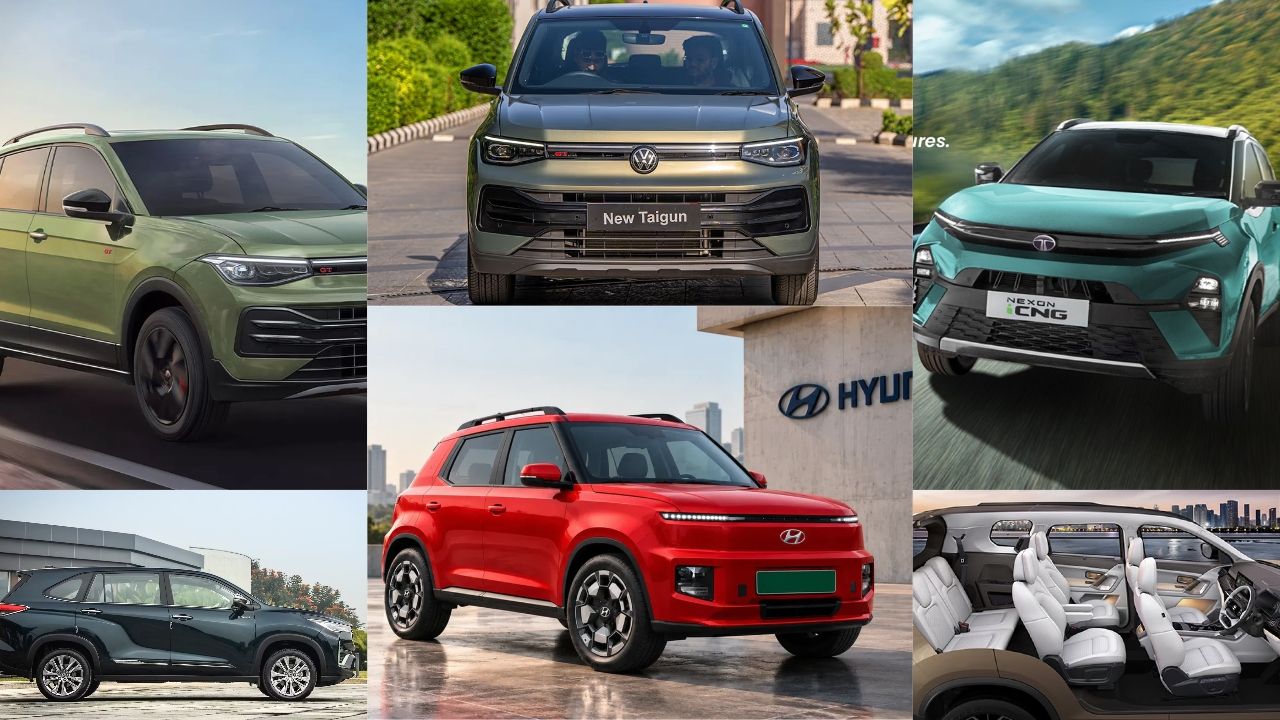
If you’re about to sign a car loan, the question that matters is whether the car you want is about to be replaced. The Most Anticipated Cars of 2027 are arriving in a crowd, and a few of them will make this year’s showroom models look dated.

Waiting costs money, though, and not every launch is worth it. Early 2027 is packed in India. The Bharat Mobility Expo runs from 4 to 9 February in New Delhi, and several of the launches below are expected to appear around it. 

Expo reveals are not showroom availability. A car shown in February can easily reach dealers months later, so a debut date shouldn’t be mistaken for a buying date.

The Tata Safari EV: The One Everyone’s Watching

Tata’s electric 7-seater is the clearest case of hype running ahead of facts. It is expected to launch in Diwali 2026 with 65-75 kWh packs of battery. This battery excites most buyers which offers up to 600 km claimed range and optional AWD but this is not officially confirmed yet.

Tata Safari expected specs include a triple-screen dashboard similar to the Sierra’s. The SUV could give over 500 km of mileage with Harrier EV’s battery pack on a price range of Rs. 25 lakh and Rs. 32 lakh (ex-showroom).

The Tata Safari EV

Its natural rival is the Mahindra XEV 9S. If you want a three-row electric SUV, the Tata Safari EV is the one to hold out for. Claimed range is a lab number, though. Real-world mileage will be noticeably lower when you run this car so don’t take the brochure number as your real mileage.

The Affordable End: Nexon, Ioniq P And The Small-EV Scramble

Anyway, an above Rs 20 lakh spend-will be lesser than majority of Indian audience and here’s where 2027 gets fired up. 

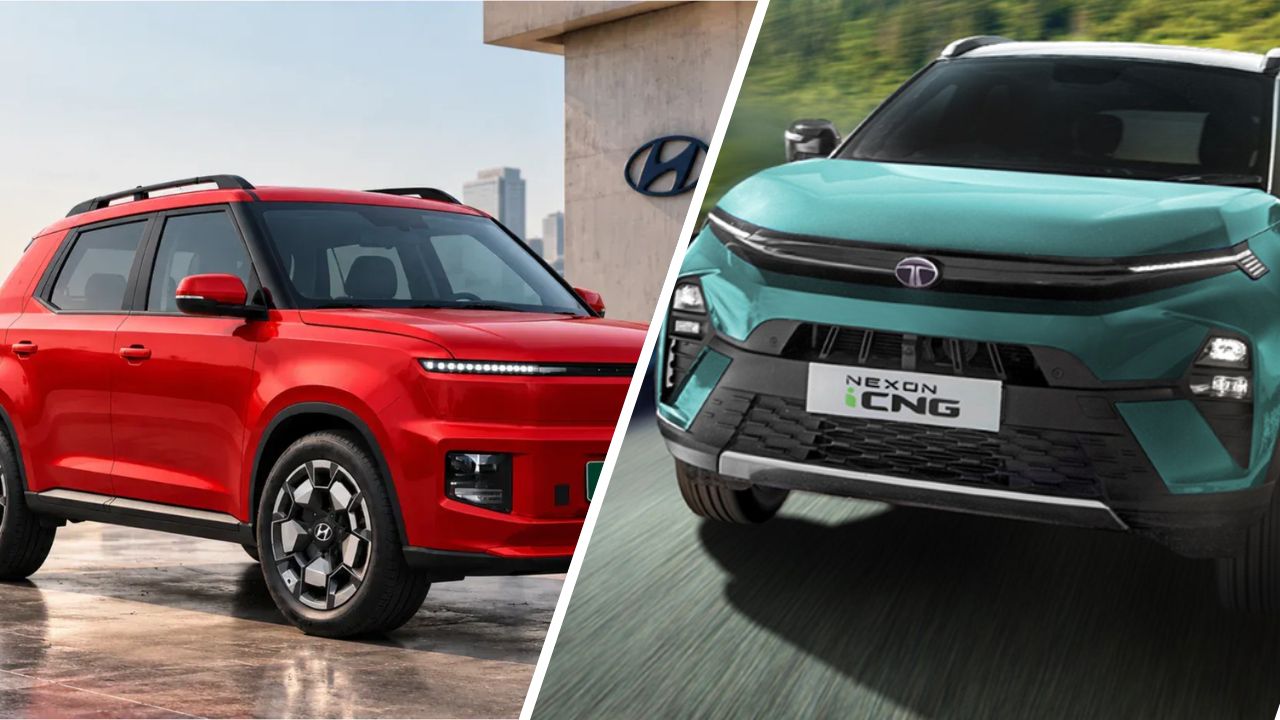
The next-generation Tata Nexon will arrive in 2027, possibly at the Expo. The petrol and diesel are expected to cost from Rs 8 lakh to Rs 15.5 lakh and rouble 14.5 lakh to Rs 19.5 lakh for the EV. It’s expected to move to a revised architecture with Level-2 ADAS. Those are estimates, not announcements.

Hyundai’s answer is the Ioniq P, a compact electric SUV scheduled for the first quarter of 2027 to take on the Nexon EV and Kia Syros EV. Reports suggest 40-50 kWh battery options and a claimed range of 450 km. If that holds, it puts Hyundai in direct conflict with Tata’s strongest EV seller.

Nexon, Ioniq P And The Small-EV Scramble

Tata has the incumbent’s advantage: service reach, a known product and a refreshed Nexon on the way. Hyundai has the newer platform, but a new nameplate carries first-year risk on software and service. For most people, the Nexon EV is the safer buy. The Ioniq P is the better bet if you can wait for reviews.

Hyundai’s Bigger Moves: Creta And The 7-Seater

Hyundai plans to bring the third-generation Creta and a new 7-seater MPV to India before the end of 2027. The MPV, reported as the Neira, is slated to launch in the first half of 2027 after an Expo showing. If you’re about to buy a current Creta, a generation change is a good reason to ask dealers about discounts, or to wait.

Creta And The 7-Seater

Toyota, Volkswagen and Renault: The Quieter Launches

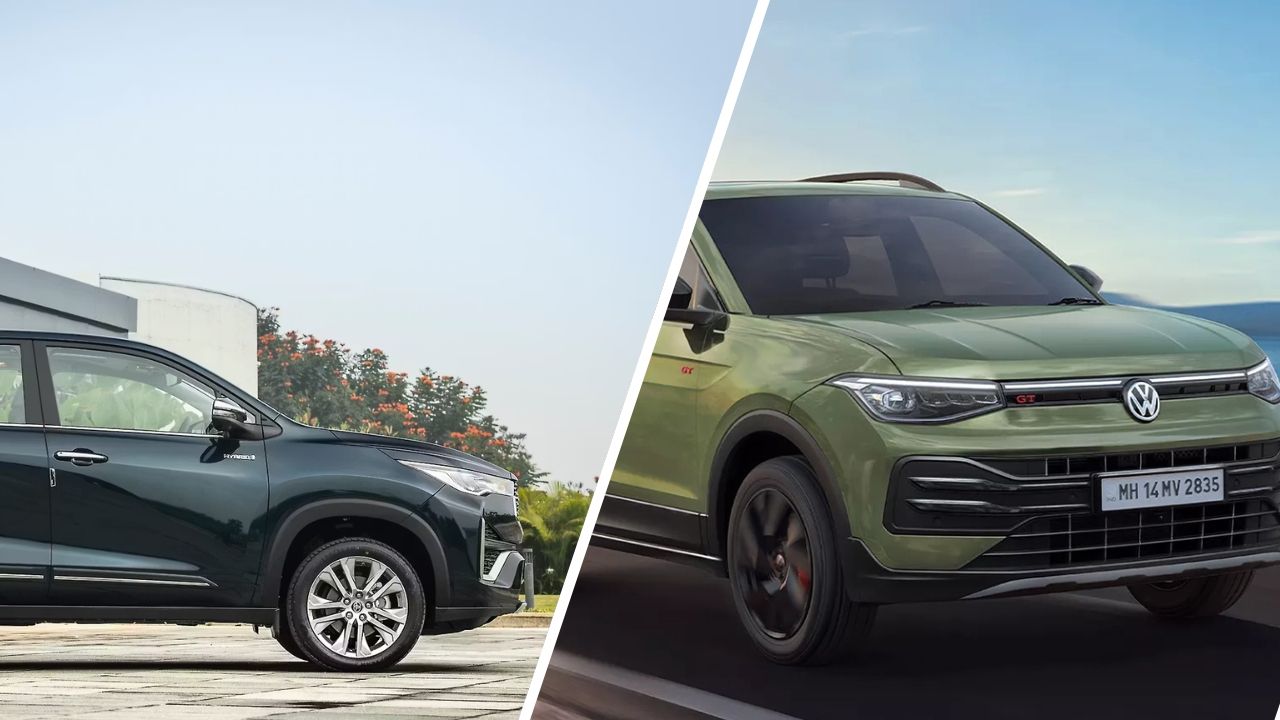
Toyota’s list is long. The Innova Hycross facelift, a next-generation Fortuner and an electric MPV with an expected range of 525 km are all on it. The Fortuner is the one to watch if you’re considering an SUV purchase, since the new model is expected to bring updated styling, a modern cabin and improved safety features.

Volkswagen is preparing a sub-4 metre SUV positioned below the Taigun, with a 1.0L TSI and an 8-speed automatic, and Renault has the Bridger lifestyle SUV on the 2027 calendar. Neither has a confirmed price.

A Warning About Launch Dates

Compare any two “upcoming cars” and you’ll see your answer. The Mahindra Vision S is listed as expected by January 2027 on one site, with an expected price of Rs 10-13 lakh. Just the same car but listed seven months apart. These posts are estimates until the manufacturer posts a date. 

For buyers, the inevitable trend is different regional availability and specs in each country. Contact your local dealer before you plan around a launch. 

 How AI in Cars Changing the Future Driving Experience

Conclusion

Hold on, if your current car is still operational, you want a three-row EV (Safari EV) or compact EV (Ioniq P or the new Nexon), and you can postpone your purchase because you don’t need it right away.  Buy now if you need a car this quarter, and negotiate hard on any model facing a generation change, because run-out stock is where the discounts are.

Before you commit, check the manufacturer’s own announcement for the date, and get the on-road price in writing from at least two dealers.

0

Bill Gates Car Collection 2025: Luxury Cars, Price & Lifestyle

Published Sep 3, 2025, 9:34 AM
Last Updated Apr 3, 2026, 5:24 AM

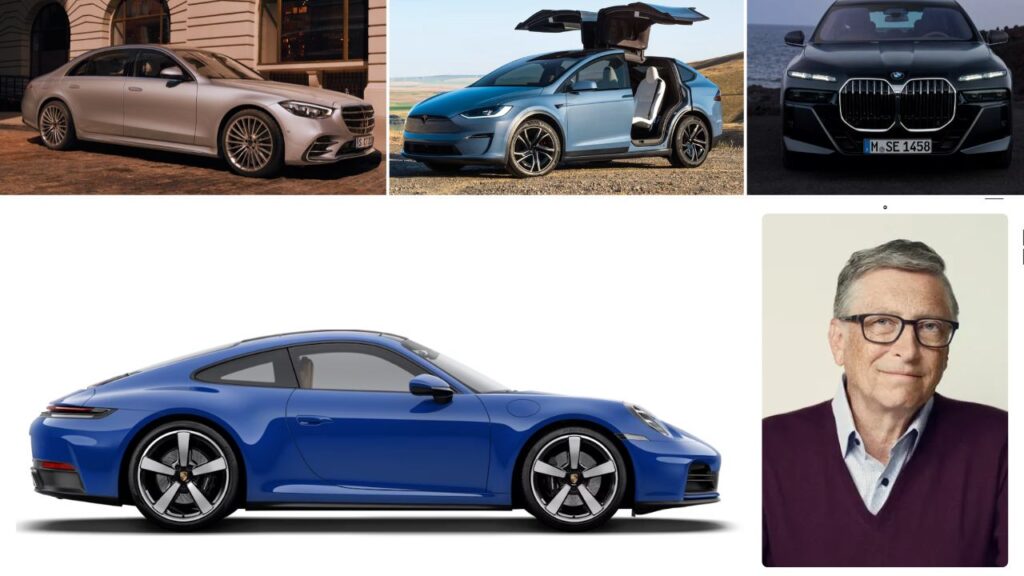
Bill Gates car collection 2025 featuring Porsche, Tesla, Ferrari, BMW, and Mercedes-Benz

One of the most influential philanthropists, co-founder of Microsoft – Bill Gates has a car collection that reflects his lifestyle and his taste in cars. Bill Gates car collection 2025, remains a fascinating blend of iconic models, practical daily drivers, and futuristic automotive tech. 

While Gates net worth of billions could easily allow him to buy different and expensive models. His garage is describing his appreciation for engineering more rather than displaying wealth. 

Let’s explore his collection to see what makes them valuable and expensive.

The Porsche Obsession 

Bill Gates car collection is filled with love for Porsche, he owned a 1979 Porsche 911 Carrera and its variant 930 Turbo. Gates also acquired the 959 model which was banned in the U.S. but now new rules have allowed limited use of this model. These cars build his strong love for German automotive and performance.

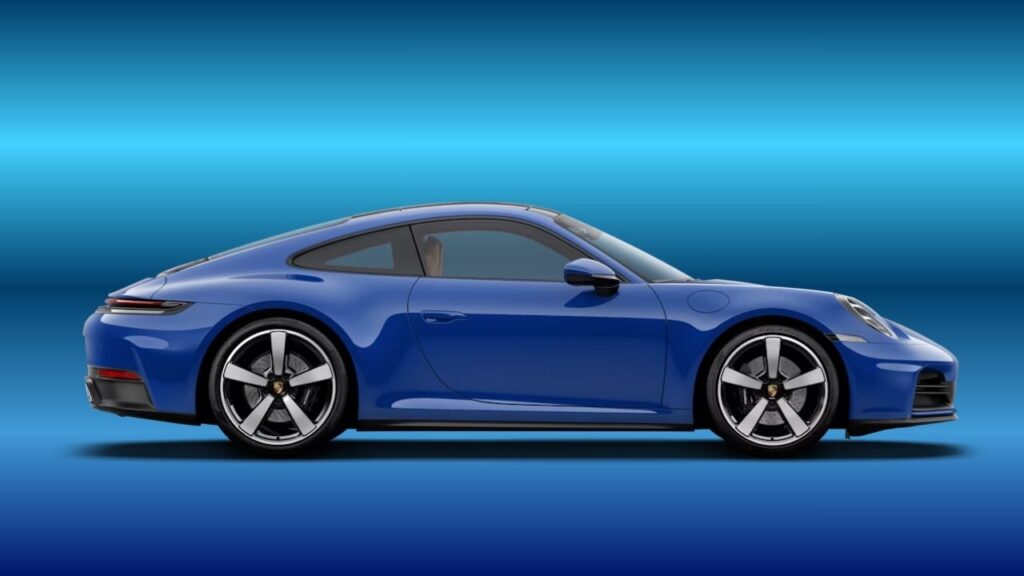
Porsche 911

Bill Gates Porsche 911 Carrera in silver with classic round headlights

Image credit: Porsche

Porsche 911 of Bill Gates is a symbol of his early entrepreneurial journey. As it defines the expensive reflection of his life that shows practicality and comfort with its features.

Unique Design of Porsche 911 and Key Features

The most recognizable attributes, characterized by its round headlights, its shape, and sloping roofline. The unstoppable performance with top speed of 294 km/h and 394 PS with acceleration from 0 to 100 km/h in 4.1 seconds. The 911 model price varies on the model, it starts from Rs. 2.11 crore. Variants like Turbo price can go higher to Rs 4.06 crore.

Features Details
Engine 2981cc 6-cylinder twin-turbo
Torque 379 bhp
Transmission 8-speed automatic
Drive Type RWD / AWD

Also Read: Mr Beast Car Collection: Inside the Garage of a YouTube Billionaire!

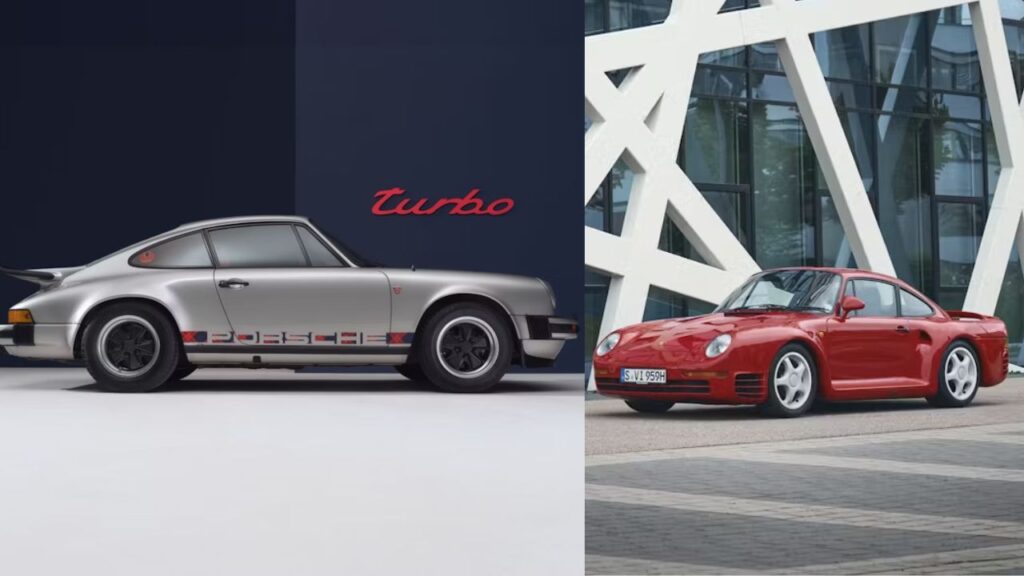
Porsche 930 and 959 – Features and Design

Bill Gates’ Porsche 930 Turbo and rare Porsche 959 supercars showcasing raw power and futuristic design

Image credit: Porsche

These two have held a special position in Gates car collection because of their outstanding performance and iconic designs. They represent different approaches to performance. The 930 turbo is the first turbocharged production 911. This machine earned a nickname “widowmaker” due to its supercar powers that are still used today. 

Feature Porsche 930 Porsche 959
Production Years 1975–1989 1986–1993
Engine Flat-6 turbo Flat-6 twin-turbo 
Drivetrain Rear-wheel drive  All-wheel drive
Transmission 4-speed manual (later 5-speed) 6-speed manual (5 forward + off-road gear)
Braking Vented disc brakes, no ABS Vented disc brakes, ABS
Philosophy Raw, mechanical, driver-focused Tech-laden, future-oriented supercar

A Practical and Eco-Conscious Choice: Tesla Model X

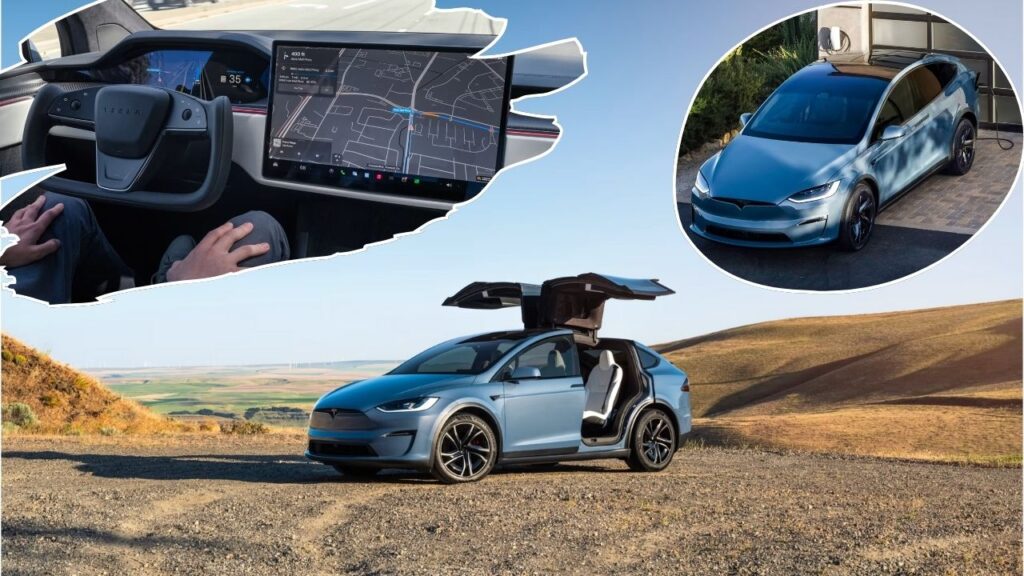
Bill Gates surprised everyone while adding Tesla Model X in his garage. It represents his taste of cars that supports nature without compromising performance. Despite the complex relations with Tesla’s CEO Elon Musk, Gates shows compassion over cars.

Features and Performance

This iconic model has a distinctive feature like Falcon Wing Doors which opens upwards. Doors are functioning automatically that makes an impression.  

Tesla Model X with Falcon Wing Doors owned by Bill Gates

Image credit: Tesla

It offers spacious and versatile seating, making it comfortable for families. It has a wonderful Glass roof which gives an uninterrupted view and the Yoke steering wheel provides an instrument cluster and road view. Its towing capacity is 5000 lbs which is huge in an electric SUV.

Autopilot features let you feel relaxed with warning on lane departure, adaptive cruise control, and emergency braking making it reliable for everyone. Additionally, Full Self-Driving capability delivers advanced features. But it needs supervision obviously, it only includes automatic lane changes and navigation on Autopilot. 

Other Gems in the Collection

Bill Gates’ interest in automotive doesn’t stop at Porsche and Tesla but he also owns other modest cars. 

Mercedes-Benz S-Class

Black Mercedes-Benz S-Class luxury sedan from Bill Gates’ car collection

Image credit: Mercedes-benz

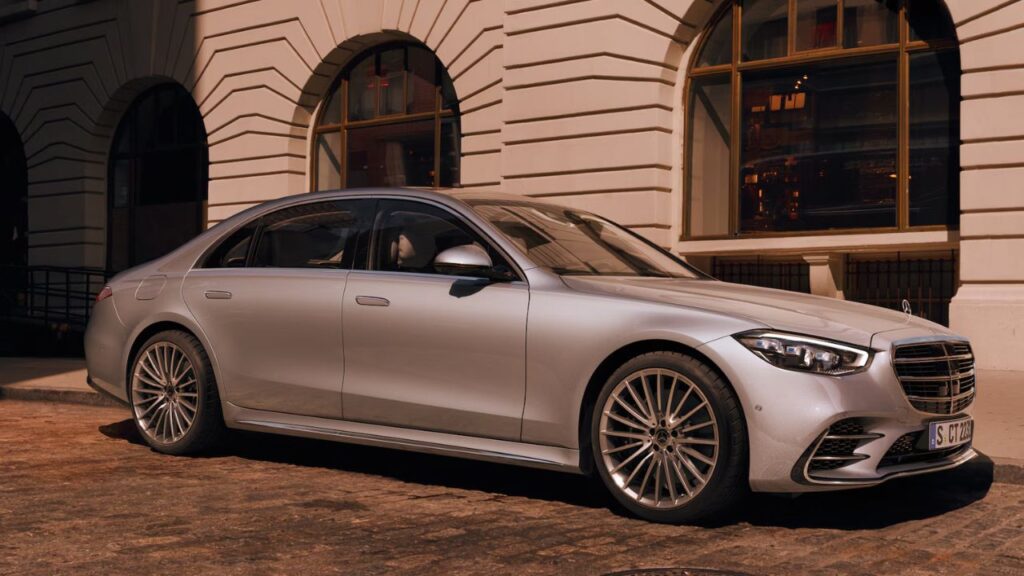
Gates owned a luxury sedan – Mercedes-Benz S-Class, which offered a 3.0L engine with 9-speed transmission to become the fastest sedan. Its safety features include 10 airbags, ABS, and many others that work automatically to assist in driving. It’s high-tech including automatic climate control, electric seats, rear-seat entertainment comes in the S-Class model.

Features Details
Engine 3.0L inline-6 turbo
Transmission 9-speed automatic
Performance 0-100 km/h in 5.1 seconds
Suspension Air suspension with electronically adjustable front & rear
Interior & Exterior Leather seats, power boot, ambient lightning

BMW 7 Series

BMW 7 offers 3.0L engine and 375 horsepower for robust performance on every road. Its comfort and safety features made this car a perfect fit for long trips and city commutes. Its sports and manual modes deliver an incredible experience of journey.

Category Features 
Engine 3.0L / 4.4L V8
Transmission 8-speed automatic
Drivetrain Rear-wheel drive 
Speed 0-100 km/h in 4.1 seconds
Comfort & Tech Infotainment system, ventilated seats, adaptive air suspension
Safety 7 airbags, assistance on lane and 360° camera

Ferrari 348

The Ferrari 348 is a sharp, driver-focused character that blends with stylish design which catch-out everyone’s eyes. With a 3.4L V8 engine it delivers 296 hp to experience an amazing ride.

Features Details
Production Years 1989–1995
Engine 3.4L V8
Power 296 hp
Transmission 5-speed manual
Performance 0-60 mph in 5.3 seconds
Suspension Independent double wishbone front and rear

Conclusion

Bill Gates car collection 2025 is a definition of rare and valuable classic engineering. These cars established his obsession towards groundbreaking engineering and classic designs. Gates values practicality and function in his daily life, even though he has millions of net worth. It’s a collection that proves one thing for sure, sometimes appreciating the art and science of the automobile is more valuable and practical than extravagance.