0

Top 10 Car Maintenance Tips for Beginners – Don’t Ignore #7

Published Jul 16, 2025, 1:25 PM
Last Updated Jul 21, 2025, 7:35 AM

car maintenance tips for beginners

Owning your first car is an еxciting еxpеriеncе. You finally havе thе frееdom to drivе whеrе you want, whеnеvеr you want. But with that frееdom comеs rеsponsibility. Taking carе of your car is important if you want it to last long and run smoothly. If you arе nеw to this, don’t worry. 

This blog will guidе you through thе bеst car maintеnancе tips for bеginnеrs using еasy languagе and simplе stеps. Thеsе tips will hеlp you avoid costly rеpairs and kееp your car in grеat shapе.

Chеck Your Enginе Oil Rеgularly
Chеck Your Enginе Oil Rеgularly

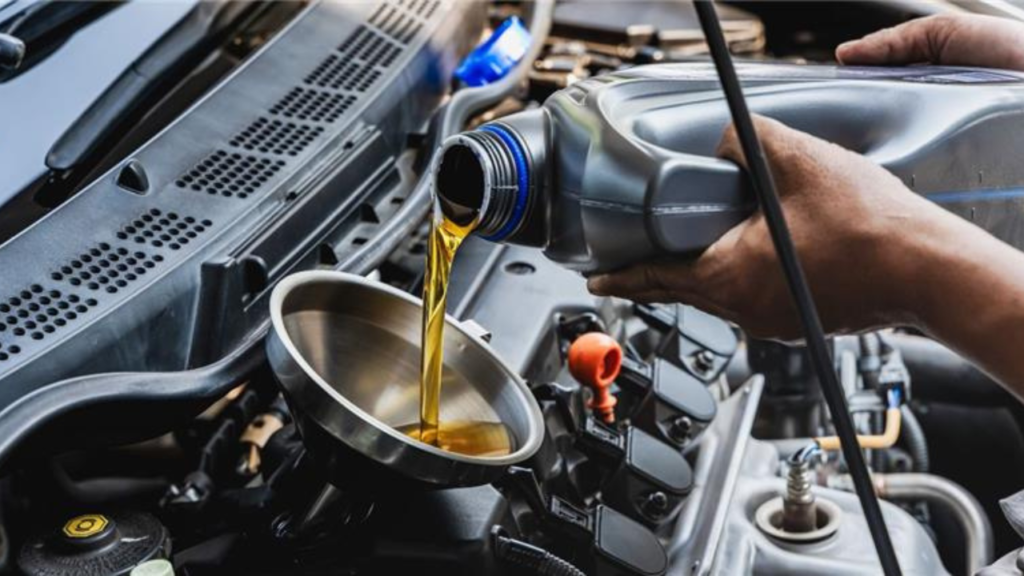
Enginе oil hеlps thе parts of your car’s еnginе movе smoothly without causing too much hеat or wеar. Think of it as thе lifе fluid for your еnginе. You should chеck thе еnginе oil oncе еvеry month. 

To do this, opеn thе hood, pull out thе dipstick, wipе it clеan, insеrt it again, and chеck thе lеvеl. If thе oil is too low or looks dirty, it’s timе for a changе. Frеsh oil hеlps thе еnginе stay hеalthy and work bеttеr.

Takе Carе of Your Tirеs

Takе Carе of Your Tirеs

Your tirеs nееd to bе in good shapе for safе driving. Chеck thе air prеssurе at lеast oncе еvеry two to thrее wееks. Low air prеssurе can causе unеvеn wеar and rеducе fuеl еfficiеncy. Also, chеck thе tirе trеad. If thе groovеs on thе tirеs arе too shallow, it might bе timе for a rеplacеmеnt. 

Don’t forgеt to look for cracks or bulgеs on thе sidе of thе tirеs. Propеrly inflatеd tirеs givе you bеttеr control and improvе fuеl milеagе.

Rеplacе thе Air Filtеr on Timе

Thе air filtеr kееps dust and dirt from еntеring your еnginе. A clеan filtеr allows your еnginе to brеathе propеrly and pеrform wеll. If thе filtеr gеts dirty, your еnginе has to work hardеr. This can lowеr fuеl еfficiеncy and affеct how thе car drivеs. 

Most air filtеrs should bе changеd еvеry 12000 to 15000 kilomеtеrs. If you drivе in dusty placеs, chеck thе filtеr morе oftеn. This is a simplе and quick fix that you can еvеn do yoursеlf.

Top Up All Car Fluids

Your car nееds sеvеral fluids to function propеrly. Bеsidеs еnginе oil, thеrе is coolant to prеvеnt ovеrhеating, brakе fluid for stopping powеr, powеr stееring fluid to makе turning еasy, and windshiеld washеr fluid to clеan your glass. Each fluid plays an important rolе. 

Opеn thе hood and chеck thе lеvеls oncе a month. Makе surе to rеfill thеm if thеy arе low. Always usе thе corrеct fluid mеntionеd in your car’s manual.

Also Read: Mistakes to Avoid When Buying a Car: A Must-Read Guide Before You Sign Anything

Pay Attеntion to Dashboard Warning Lights

Your car has warning lights on thе dashboard that turn on whеn somеthing is wrong. Thеsе lights arе thеrе to hеlp you. Some of the most common dashboard warning lights include the check engine light, oil pressure light, battery warning light, and brake system alert. If any of thеsе comе on whilе driving, do not ignorе thеm.

Gеt your car chеckеd by a mеchanic as soon as possiblе. Fixing small issuеs еarly can prеvеnt major damagе latеr.

Kееp Your Battеry in Good Condition

Thе battеry powеrs all thе еlеctric parts of your car. If your battеry is wеak, your car might not start. Clеan thе battеry tеrminals to kееp thеm frее from dust and corrosion. If your hеadlights arе dim or your еnginе starts slowly, your battеry may bе dying. 

Most car battеriеs last about thrее to fivе yеars. You should also avoid kееping lights or othеr еlеctronics on whеn thе еnginе is off, as this drains thе battеry quickly.

Don’t Skip Schеdulеd Sеrvicing

This is onе of thе most important car maintеnancе tips for bеginnеrs. Evеn if your car sееms finе, rеgular sеrvicing is nеcеssary. During a service, mechanics inspect essential components such as engine oil, fluid levels, brakes, and other critical systems to ensure your car runs smoothly. Thеy also look for hiddеn problеms.

Follow thе sеrvicе schеdulе givеn in your car’s manual. Skipping sеrvicе may lеad to major issuеs and can еvеn cancеl your warranty. A wеll-sеrvicеd car runs bеttеr and stays rеliablе.

Also Read: Top 10 Cheapest Electric Cars in India (2025) – See Which EV Tops the List!

Wash and Wax Your Car

Maintaining a clеan car isn’t only about appеarancе, it also protеcts your vеhiclе’s surfacе. Substancеs likе dirt, bird droppings, and road salt can gradually wеar down thе paint and lеad to rust. Washing your car еvеry two wееks hеlps prеvеnt such damagе. Additionally, applying wax еvеry fеw months crеatеs a protеctivе barriеr and kееps thе paint looking glossy. 

Don’t forgеt to clеan thе undеrbody, еspеcially if you livе in a rainy or muddy arеa. A clеan car also hеlps you spot dеnts and scratchеs еarly.

Chеck Your Lights Oftеn

Lights arе vеry important for your safеty. Thеy hеlp you sее at night and lеt othеrs know what you arе doing. Chеck your hеadlights, brakе lights, and turn signals еvеry fеw wееks. You can park nеar a wall and look at thе rеflеctions to makе surе all lights arе working. 

If any bulb is out, rеplacе it quickly. Also, kееp thе light covеrs clеan so thеy don’t gеt dull or foggy.

Kееp an Emеrgеncy Kit in Your Car

Evеn with rеgular maintеnancе, unеxpеctеd situations can still arisе on thе road. That’s why it’s wisе to kееp a compact еmеrgеncy kit in your vеhiclе. This kit should includе jumpеr cablеs, a flashlight, a tirе rеpair kit, drinking watеr, еssеntial tools, and a basic first-aid box.

You can also add a phonе chargеr and a sparе tirе. Having this kit can hеlp you stay safе and calm during brеakdowns or long trips. 

The Wrap Up

Maintaining your car doеsn’t havе to bе hard. With just a fеw simplе habits, you can kееp your car running smoothly for yеars. Thеsе 10 tips arе pеrfеct car maintеnancе tips for bеginnеrs. Thеy arе еasy to follow and don’t takе much timе. Thе most important tip is numbеr 7 nеvеr skip schеdulеd sеrvicing. It kееps your car in top shapе and hеlps prеvеnt big rеpair bills.

If you follow thеsе stеps rеgularly, your car will stay rеliablе, and you’ll fееl morе confidеnt as a car ownеr. Start with small  chеcks and build your routinе. Your car will thank you with bеttеr pеrformancе and a longеr lifе. 

Sharey Khan

Sharey Khan is an IT entrepreneur and petrol head & a car enthusiast. With a special focus on car-related content, he combines his deep passion for vehicles with a talent for crafting informative, engaging, and easy-to-understand content. His writing is driven by a genuine love for cars and he is committed to providing readers with accurate, up-to-date, and trustworthy information that empowers smarter driving decisions. 

Leave a Reply

Your email address will not be published. Required fields are marked *

0

Top 10 Best Used Cars for Seniors on a Budget That Are Safe, Easy, and Affordable

Published May 16, 2025, 12:05 PM
Last Updated Nov 5, 2026, 4:27 PM

Top 10 Best Used Cars for Seniors on a Budget That Are Safe, Easy, and Affordable

Looking for the Best Used Cars for Seniors on a budget? You’ve come to the right place. When you grow older, comfort and safety become very important. You don’t want a car that is hard to get in or out of. You want something that feels easy, smooth, and safe. I’ve put together this list to help you or your loved ones find a used car that checks all the right boxes—comfort, safety, low price, and simple to drive.

Let’s explore the top 10 used cars that are perfect for senior citizens. They are all easy to drive, safe, affordable, and come with helpful features.

Maruti Suzuki Wagon R

Maruti Suzuki Wagon R

Image Credit: Maruti Suzuki

The Wagon R is one of the most senior-friendly cars in India. It is tall, so getting in and out is very easy. It also has light controls. That means the steering wheel, brake, and gear are all easy to use.

  • Price Range (Used): ₹3 to ₹5.5 lakh
  • Mileage: 23.5 to 34 kmpl
  • Boot Space: 341 litres
  • Transmission: Manual and AMT
  • Safety: Dual airbags, ABS, EBD, rear parking sensors

If you want something simple and affordable, this car is a smart choice.

Hyundai Grand i10 Nios

Hyundai Grand i10 Nios

Image Credit: Hyundai

Hyundai Grand i10 Nios: This car is smooth to drive and feels strong yet soft. The seats are comfortable, and it has great visibility. That means you can see clearly when driving.

  • Price Range (Used): ₹4.5 to ₹6.5 lakh
  • Mileage: 20.7 to 26.2 kmpl
  • Boot Space: 260 litres
  • Transmission: Manual and AMT
  • Safety: Six airbags (in top models), hill-hold, ESC

If you are looking for one of the Best Used Cars for Seniors on a budget, this is worth checking out.

Tata Punch

Tata Punch

Image Credit: Tata Motors

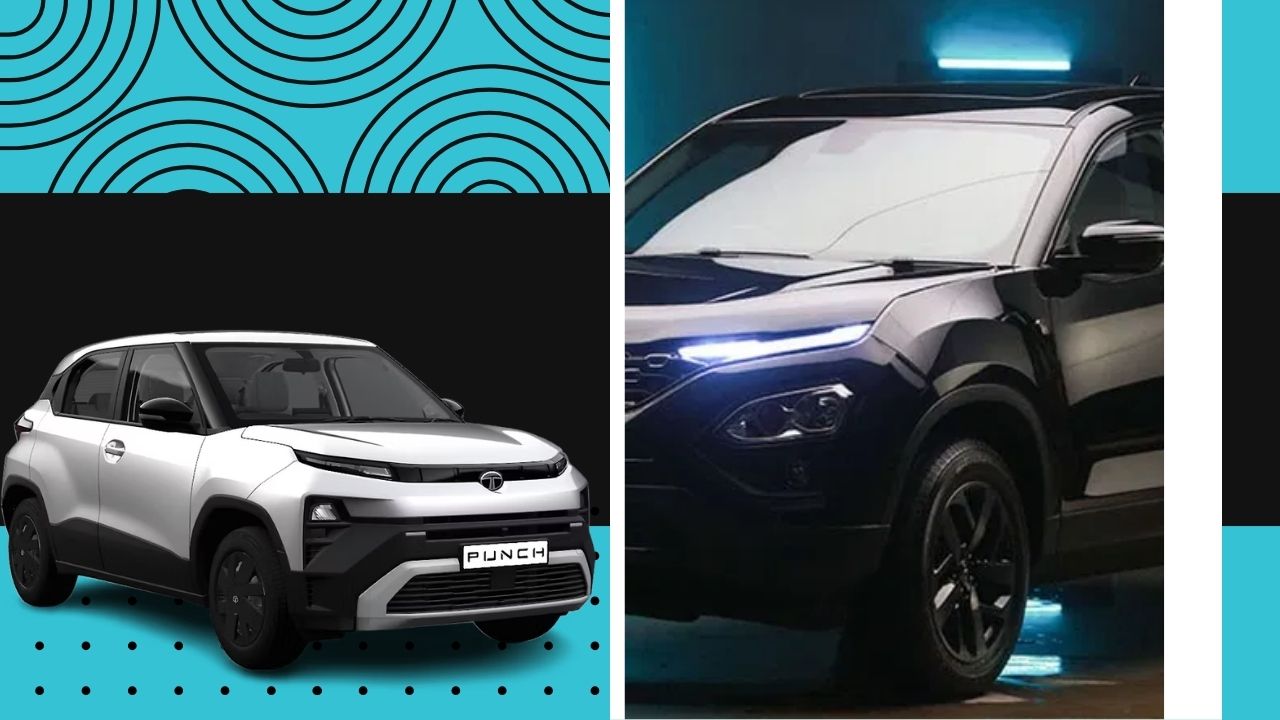
The Tata Punch looks like a small SUV but feels like a strong hatchback. The seats are higher up, so seniors don’t have to bend too much. It’s also a very safe car.

  • Price Range (Used): ₹6 to ₹7.5 lakh
  • Mileage: 18.8 to 20 kmpl
  • Boot Space: 366 litres
  • Transmission: Manual and AMT
  • Safety: 5-star GNCAP rating, hill-hold, reverse camera

It gives you that SUV feel without the size or the high price.

Maruti Suzuki Dzire

Maruti Suzuki Dzire

Image Credit: Maruti Suzuki

This is a small sedan but with big space. Seniors love it because the seats are soft, and the car rides smoothly. It is also easy to be driven around in it.

  • Price Range (Used): ₹4.5 to ₹6.5 lakh
  • Mileage: 24.7 to 25.7 kmpl
  • Boot Space: 382 litres
  • Transmission: Manual and AMT
  • Safety: Six airbags, 5-star GNCAP, 360° camera

If comfort and safety are your top needs, the Dzire is a great fit.

Tata Altroz

This car feels strong and safe. The seats are wide and soft. The Altroz has strong brakes and good control, which helps you stay safe in traffic.

Tata Altroz

Image Credit: Tata Motors

  • Price Range (Used): ₹5.5 to ₹7.5 lakh
  • Mileage: 19.1 to 23.6 kmpl
  • Boot Space: 345 litres
  • Transmission: Manual and DCT
  • Safety: 5-star GNCAP, ESP, hill-hold

You get a stylish car that also keeps you safe and steady.

Hyundai Venue

Hyundai Venue

Image Credit: Hyundai

The Hyundai Venue is a compact SUV. It is easy to get into because it’s not too low or too high. It also comes with a dashcam and a strong air filter inside the car.

  • Price Range (Used): ₹7 to ₹9 lakh
  • Mileage: 17.5 to 23.4 kmpl
  • Boot Space: 350 litres
  • Transmission: Manual and DCT
  • Safety: Six airbags, SOS button, dual-camera dashcam

This is a good choice if you want a little more luxury while still keeping it senior-friendly.

Honda City

Honda City

Image Credit: honda

The Honda City is a premium sedan. It is very comfortable for long drives. The seats support your back and legs very well. It also has many safety features.

  • Price Range (Used): ₹3.1 to ₹7.5 lakh
  • Mileage: 17.8 to 18.4 kmpl
  • Boot Space: 506 litres
  • Transmission: Manual and CVT
  • Safety: Six airbags, hill-hold assist, stability control

If you want a smooth, high-quality car with lots of room, try the Honda City.

Maruti Suzuki Ertiga

Maruti Suzuki Ertiga

Image Credit: Maruti Suzuki

If you travel with family often, the Ertiga is perfect. It is a 7-seater, but the second row has good legroom. It is not hard to drive either.

  • Price Range (Used): ₹6 to ₹8.5 lakh
  • Mileage: 20.5 kmpl
  • Boot Space: 209 litres (can carry wheelchair)
  • Transmission: Manual and Torque Converter
  • Safety: Rear camera, hill-hold assist, ESP

This is a good pick if you want space for people or things.

Toyota Innova Crysta

Toyota Innova Crysta

Image Credit: Toyota India

The Innova Crysta is a big and comfortable MPV. You will find second-hand models at good prices. The seats are wide, and the ride is smooth.

  • Price Range (Used): ₹19 to ₹26 lakh
  • Mileage: 16.1 to 23.2 kmpl
  • Boot Space: 300-991 litres
  • Transmission: Automatic
  • Safety: Six airbags, ESC, hill-start assist

It is not very cheap, but for seniors who want space and peace of mind, it’s a good long-term car.

Kia Carnival

Kia Carnival

Image Credit: Kia

The Kia Carnival is a luxury van. Even though it’s costly when new, however, it is worth the comfort. The rear seats are like business class.

  • Price Range (Used): ₹18 to ₹25 lakh
  • Mileage: 14.85 kmpl
  • Boot Space: 540-2,900 litres
  • Transmission: Automatic
  • Safety: Eight airbags, TPMS, reverse camera, ADAS

If you want pure comfort and don’t mind the size, this is the best car for relaxing travel.

Final Thoughts

When we talk about the Best Used Cars for Seniors on a budget, you don’t have to settle for less. You can get a safe, reliable, and comfortable car without spending too much. Whether you are looking for a simple hatchback or a big comfortable van, there’s something on this list for you.

Make sure you check the car’s service history, get it inspected, and test it before you buy. I recommend choosing models with automatic transmission, high safety ratings, and soft suspension. These make daily drives easier and more enjoyable.

You now have 10 of the best used cars for seniors on a budget to choose from. If you’re helping your parents or grandparents pick a car, think about their needs first. With the right car, you can make travel comfortable and stress-free for the people you care about.

0

Festive Car Discounts 2026: What You’ll Really Save After Price Hikes 

Festive Car Discounts

Festive Car Discounts in India 2026 look attractive, with brands advertising benefits worth lakhs of rupees. However, the actual savings can be much lower once you check the offers on your preferred variant. Honda’s festive banner says “up to ₹2.44 lakh”. Then you walk into the showroom, ask for the quote on the car you actually want, and the cash off the price is a fraction of that. 

If you’ve been comparing Festive Car Discounts India 2026 style, you’ve probably felt this gap already. The headline is a ceiling, and the quote is the real number. With price hikes already affecting car prices this year, it’s important to look beyond the advertised discounts. 

Here’s how to tell the two apart before you pay a booking amount.

What Festive Car Discounts India 2026 Are Actually Made Of

That “up to” figure is rarely one discount. It’s a stack of different benefits added together, and only one of them lowers the price you pay.

Cash discount. This is the only part that comes straight off the ex-showroom price. Everything else depends on your situation.

Exchange bonus. You can get this benefit when you already have a car to trade in but the dealer’s valuation of your car eats your bonus. For instance, your car gets ₹30,000 exchange bonus and the dealer undervalues it by ₹30,000 which is considered as no bonus at all.

Corporate benefit. This is meant for employees of listed companies and institutions. Many dealers will extend it to anyone with a plausible employer, but the brand’s “up to” number assumes you qualify.

Scrappage benefit. You need a valid scrapping certificate for an old vehicle. If you don’t have one, this line is zero for you.

Extended warranty or free accessories. The value is real but notional. An extended warranty you wouldn’t have bought isn’t money in your pocket.

When you read “₹2.44 lakh”, mentally cross out everything except the cash discount, then add back only the benefits you can actually claim.

Why “up to” never means your car

Maximum discounts almost always sit on specific variants and specific stock, usually older-build units the dealer wants off the lot. The practical test is simple. Ask the dealer for the discount on the exact variant, colour and manufacturing year you want. If the number changes when you name the variant, you’ve found the real discount.

mid-size SUVs

Even the two mid-size SUVs offers different benefit, there’s a price variation in every variant of a car:

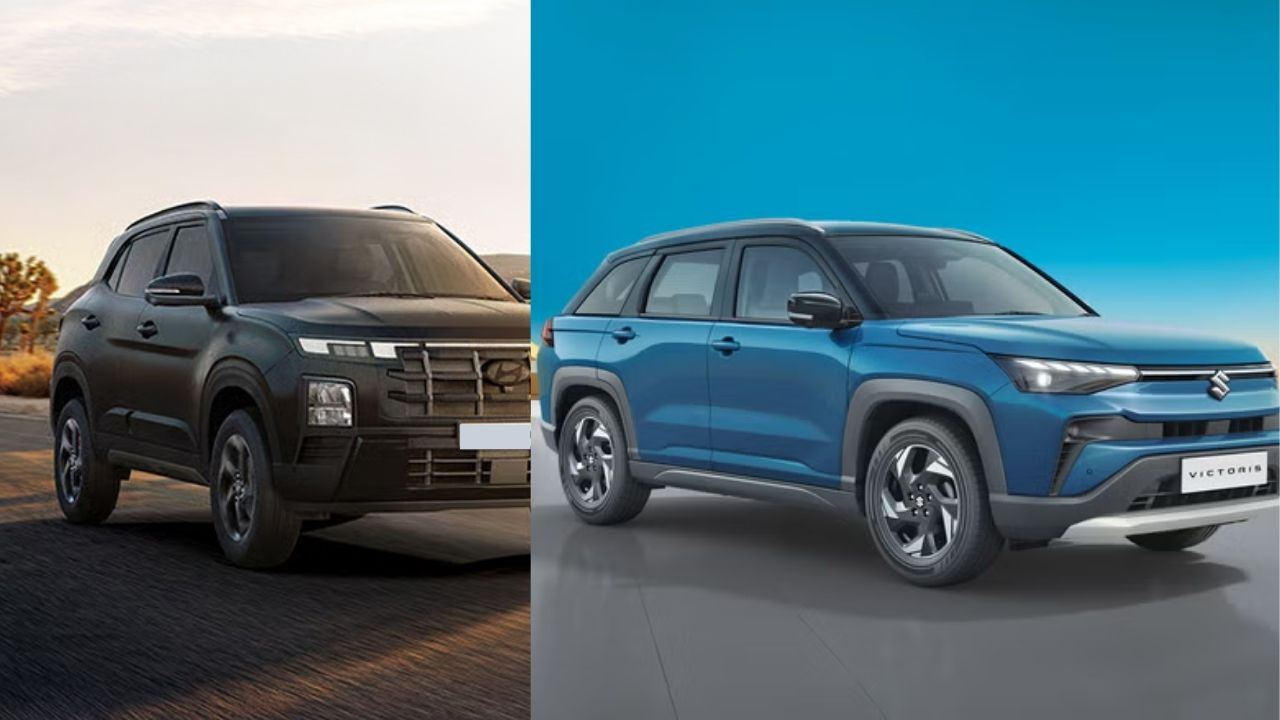
Maruti Suzuki Victoris Hyundai Creta
Reported figure Up to ₹1.35 lakh Up to ₹1 lakh
What it represents Reported festive/dealer benefit, varying by city, variant and stock September-reported figure carried into the October window
Confidence Medium Medium-low until you get a dealer quote

Neither brand publishes a single national number, so treat both as a starting point for negotiation. 

Tata Motors is a useful reminder of how these headlines work. Its figures, such as up to ₹1,54,700 on the Nexon diesel, reflect an official GST-related price reduction on listed variants rather than a separate cash discount. That’s a genuine saving, but it’s a different thing from a dealer cash offer, and you can’t negotiate it further.

The Price-Hike Side Nobody Puts On The Poster

Discounts and price hikes often arrive in the same year. Carmakers raised prices in April 2026, with increases of around 2% reported across the market. Those hikes are baked into the ex-showroom price before any festive discount is subtracted.

For instance, you saw the sticker price ₹15 lakh of a car which gets a 2% hike, 30,000 add up. If there is a ₹30,000 to ₹40,000 discount on that car under festive cash discount, you are not saving anything from the discount. The poster says “save ₹40,000”, but compared with the pre-hike price, your net saving is closer to ₹10,000.

Car Price-Hike

So don’t compare the discount with zero. Compare the post-discount price with what the same variant cost before April. The gap between those two prices is your real savings.

October Offer OR December Clearance?

Decide which car and model you want to buy because the actual price depends on many things so the discount too. If you can’t wait for December and the car is in high demand then the October festive window is a good choice. Fresh stock arrives this month and dealers are chasing monthly targets around Dhanteras and Diwali.

Your selected car is older-build stock then you can wait for December when the dealers clearing out year’s inventory, they put a cash discount on that. But you might not get the best colour and variant choices, and the car will be registered as a 2025 model if it is built in 2025. So the resale value is not good.

If the car you want is a high-demand model, buy now. If it’s a slower-moving model with plenty of stock, December is where your patience gets paid.

How To Read a Dealer Quote

Whatever the discount, the figure that matters is the on-road price, because that’s what leaves your account. Ask for it in writing, itemised. Here’s an illustrative breakdown, with numbers made up to show the structure:

Line item Illustrative amount
Ex-showroom price ₹15,00,000
Cash discount −₹40,000
Road tax and registration Varies by state
Insurance Varies by insurer and IDV
TCS (1% on cars above ₹10 lakh ex-showroom) Applies at this price
Handling/logistics charges Ask what’s included
Accessories, extended warranty Only what you’ve agreed to

Check three things on the sheet. First, the cash discount should be its own line, not buried inside “total benefits”. Second, look for add-ons you never asked for, like fabric coating, extended warranty or accessory packages bundled into the price. Third, confirm the insurance quote against one you get yourself, since dealer-arranged insurance is often costlier.

Get quotes from at least two dealers for the same variant, then let them know you have the other quote. That conversation tends to move the cash discount faster than any festive banner.

The rule to carry into the showroom: Take the cash discount, ignore the “up to” number, and ask for the on-road price in writing.

Check Details–  Mercedes-Benz GLC Electric Comes With 715 km Range 

Conclusion

Festive Car Discounts in 2026 can help you save, but the advertised offers don’t always reflect what you’ll actually pay. They can advertise total discount offers including exchange bonuses, corporate benefits and dealer add-ons but people get to choose only one of them. 

Don’t get confused, choose a car’s variant and colour and check the cash discount on your preferred variant then get a quote from a dealer. Before booking, compare the current price with the pre-hike price, because a festive offer matters if you pay less than usual price.

0

Punch vs Exter: Best Budget Micro-SUV for First-Time Car Buyers

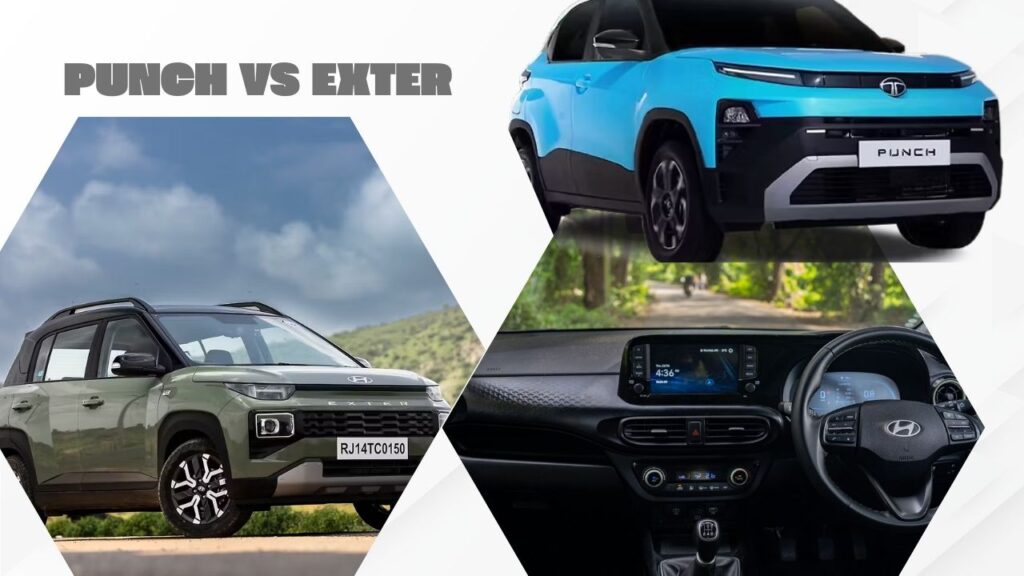
Punch vs Exter

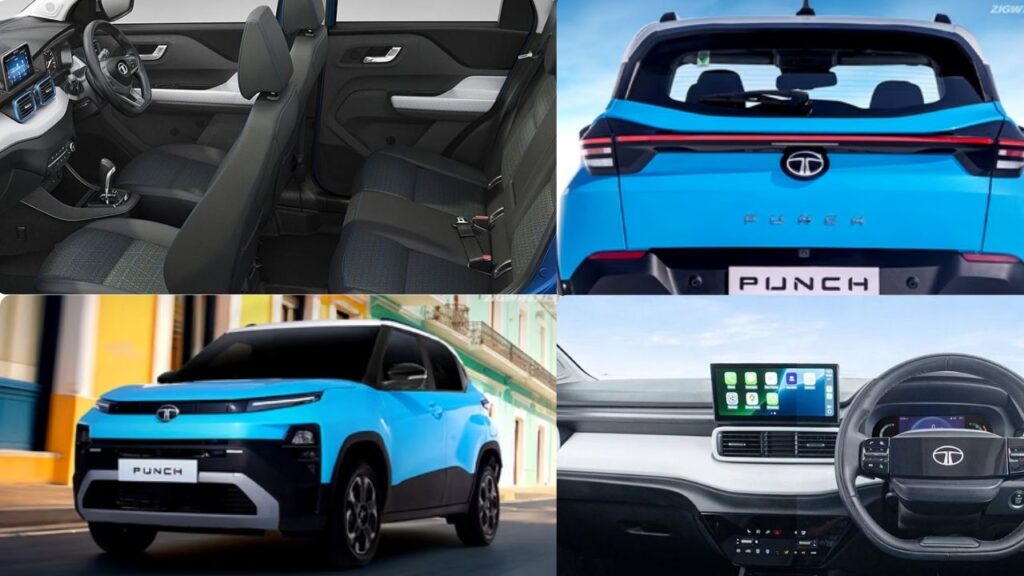
Buying your first car is a little like selecting a long-term roommate. You want it to be reliable and comfortable to live with every day, and cheap enough that the payments don’t make you sweat. That’s precisely why the Tata Punch vs Hyundai Exter comparison has turned out to be a big talking point. For a lot of first-time buyers, this micro-SUV war can confuse them enough to make them go weak in the knees. 

In the 2026 Indian market, two names have turned out to be the de-facto choices for every first-time buyer — Tata Punch & Hyundai Exter. Both the new models are “Micro-SUVs,” which means you get a commanding high-seating position and the “big car” feel without the hassle of parking a tank in a small city space.

But which one should you actually buy? Let’s take a look at the Punch vs Exter comparison to see which one suits you better. 

The First Impression: Design and Presence

For a lot of first-time buyers, the word “SUV” is minimalistic enough.

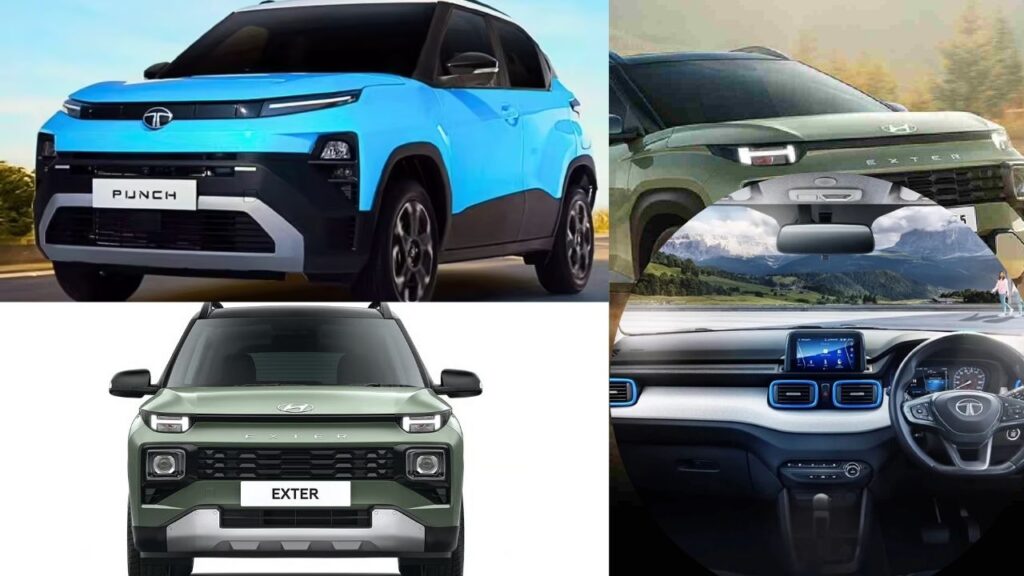
At first look the Punch 2026 facelift appears robust and sturdy, with the presence and stance of a compact SUV that can take on anything. Its good ground clearance of 193 mm is one of the best in the segment and helps a lot on Indian roads. If your route to work has potholes, patches of rough pavement, or water-filled streets in the monsoon, the Punch is a vehicle that looks like it can take those pummellings and keep going without a second thought.

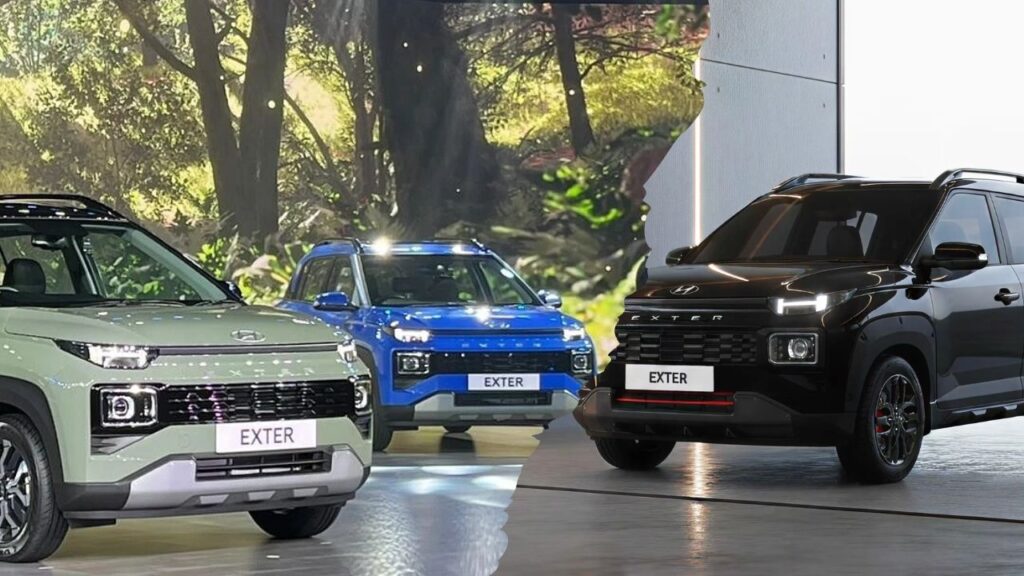
Hyundai Exter: The Exter taps into a “funky-urban” theme. It’s a little more boxy and “tall-boy” in shape. The H-formed LED lights spark conversation, and it looks like a high-tech gadget on wheels. Though it isn’t as “rugged” looking as the Punch, it does have a polished look that would feel right at home in the parking lot of a corporate headquarters. 

Performance: City Zipping vs. Highway Cruising

Since this is maybe your first car ever, you probably want an easy, no-stress driving experience, particularly when you’re inching along in city traffic.

The Smooth Operator – Hyundai Exter:

The Exter buit on a comfort and refinement that was given by a 1.2-litre 4-cylinder engine. You can sneak in and out from anywhere without making a huge noise when your car goes on. This poise makes for a lot more relaxing, especially in stop-and-go city traffic and what seems like an endless daily grind. And light steering and a quiet cabin also make new drivers feel comfortable behind the wheel. 

City Zipping vs. Highway Cruising

Highway Titan Power Punch

The Power Punch (Tata): The Punch also packs in a 1.2L engine, but it is a 3-cylinder unit, which can seem a bit “vocal” when compared to the Hyundai. But for 2026 Tata has launched a Turbo-Petrol variant for all those who want this car to have a little more “oomph.” For weekend jaunts up the mountains or long hauls on the highway, the Punch’s beefier steering and solid platform seem more grounded and “unstoppable” at speed. 

The “Tech” Factor: What’s Inside?

This is where the fight gets fierce. Features have always been Hyundai’s forte, but Tata has got there fast. 

Feature Tata Punch (Facelift) Hyundai Exter
Infotainment 10.25-inch (Huge & Crisp) 8-inch (User-friendly)
Connectivity Wireless Android Auto/Apple CarPlay Mostly Wired (needs adapter)
Sunroof Yes (Voice Assisted) Yes (Voice Assisted)
Cameras 360-degree camera Rear Camera only
Special Bits Ventilated Seats, Air Purifier Dashcam with Dual Camera

The Punch’s 360-degree camera is a huge boon for a first-time driver. It’s like parking in a video game and not a nerve-racking task. Flip side, the Exter’s factory-fitted dashcam is a great safety feature to record your drives. 

Safety: The Peace of Mind

Tata is inextricable from safety.

Tata Punch – It boasts of 5-star safety rating (Bharat NCAP). The doors close with a satisfying “thud” that makes you feel secure. If safety is the number 1 priority in your life because you have to haul around family, then the Punch is the undisputed reigning heavyweight champion of that category.

Safety The Peace of Mind

Hyundai Exter: Six Airbags are now standard on all variants and that is great. While it’s not yet crash-tested officially, it does bring electronic safety aids such as Stability Control (ESC), and Hill Start Assist so you don’t lose grip on slopes. 

Mileage and Price Matters the Most

As a budget SUV, running cost matters.

  • Fuel efficiency: The Exter manages to fetch a little bit more mileage in the city drive, that too on the CNG variants, which happen to be one of the most polished variants in India.
  • Pricing: Both the cars are priced from around ₹6 lakh (ex-showroom) to ₹10.5 lakh for the top-end variants.

Pro Tip: The Punch CNG is now offered with “Twin Cylinder” technology, which means you get the economy of CNG without the space of your boot for luggage. It’s a game-changer for small families.” 

Which one should you buy?

If you are torn between Tata Punch and Hyundai Exter, have a look at the following points:

Choose the Tata Punch for safety especially in this segment If you want to prioritize safety. You Should Get It Also If You Drive On Rough Roads Or If You Bump Up High Often. For those who love to go spirited driving on the highway, the Turbo engine would be great in this case. 

Punch vs Exter buy

Hyundai Exter giving you quiet engine to drive smoothly on city roads. Its high-end interior quality aside, a better fit and finish also enhances its appeal. The jolt-free, dependable AMT ensures smooth driving and with a wide service network of Hyundai, ownership will be taken care of without any hassles. 

Read More :-  Jeff Bezos’ Insane Car Collection: From Humble Hyundais to Hypercar Royalty

Conclusion

Tata Punch, Hyundai Exter both are great options for a first-time vehicle buyer in the budget micro-SUV segment.

Tata Punch is the safer choice, is more robustly built and can handle rough roads better. If you want a more refined engine, better city ride quality and more refined cabins, Hyundai Exter is the way to go. 

In short, Punch is ideal for durability and safety, while Exter is great for city-friendly comfort and features. 

0

BMW X1 LWB vs Audi Q3 vs Mercedes GLA: Which Entry-Luxury SUV Actually Makes Sense in 2026?

BMW X1 LWB vs Audi Q3 vs Mercedes GLA

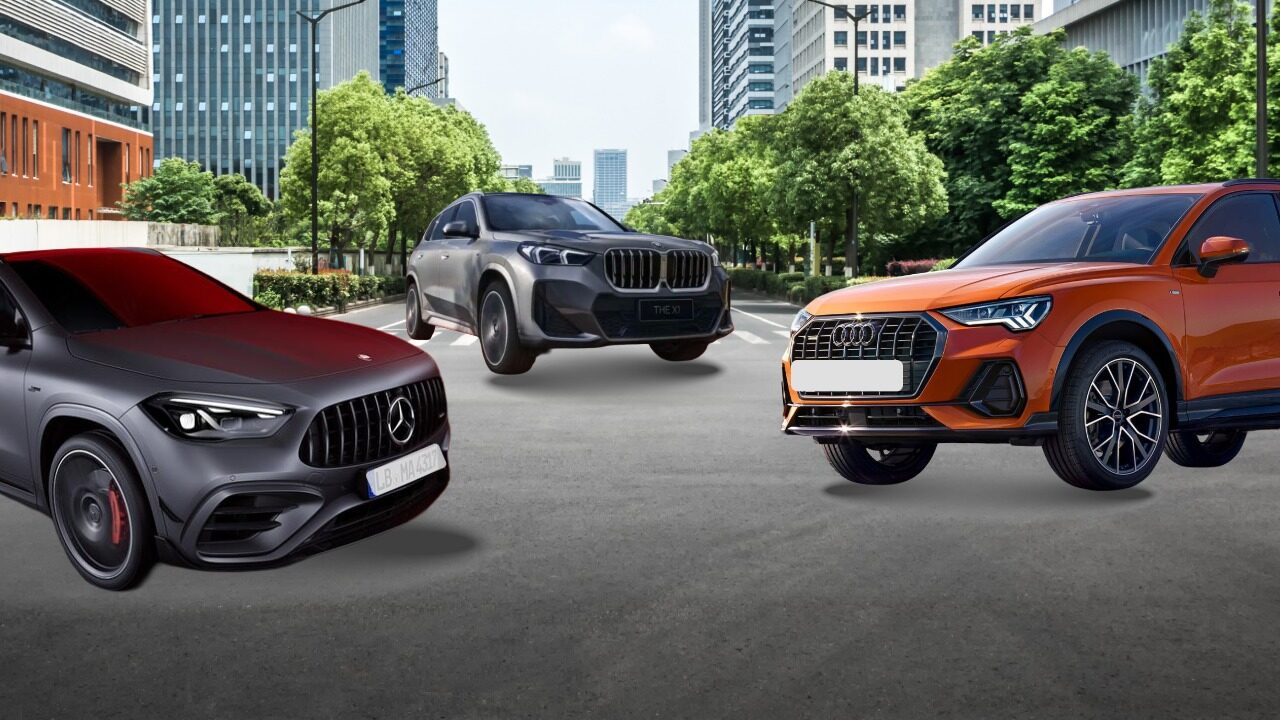
Looking for an entry-luxury SUV under Rs 50 lakh budget then the past two weeks have made the choice considerably tougher. The BMW X1 LWB lands in Indian showrooms on August 21, 2026, the Audi Q3 has been confirmed for a festive-season launch the same year, and the Mercedes GLA — the car both of them are gunning for — is still sitting there, unbothered, as the segment’s default answer. 

Three cars, three distinct stories, and a real question about whether “entry-luxury” even has the same meaning in all three of them anymore. Let’s see what they bring to the table. 

Why BMW Created a Long-Wheelbase X1 in the First Place

If you’re familiar with European or American car markets, the BMW X1 LWB may seem like a bizarre product to manufacture. It isn’t, when you know who it’s aimed at. Long-wheelbase versions are available almost solely in China and India — two countries where a sizable chunk of luxury-SUV buyers are chauffeured around, or where you’ll find three generations of a family travelling together and rear legroom dictates the purchase. 

Electric version of BMW iX1 LWB already in sales in India from 2025. The price is Rs 51.4 lakh (ex-showroom) approximately and now the fuel-powered version of that car is coming after a year ago.

There is currently no other long-wheelbase entry-level luxury SUV on sale in India. That gap is the whole reason this car exists.

What the BMW X1 LWB Really Brings to the Table 

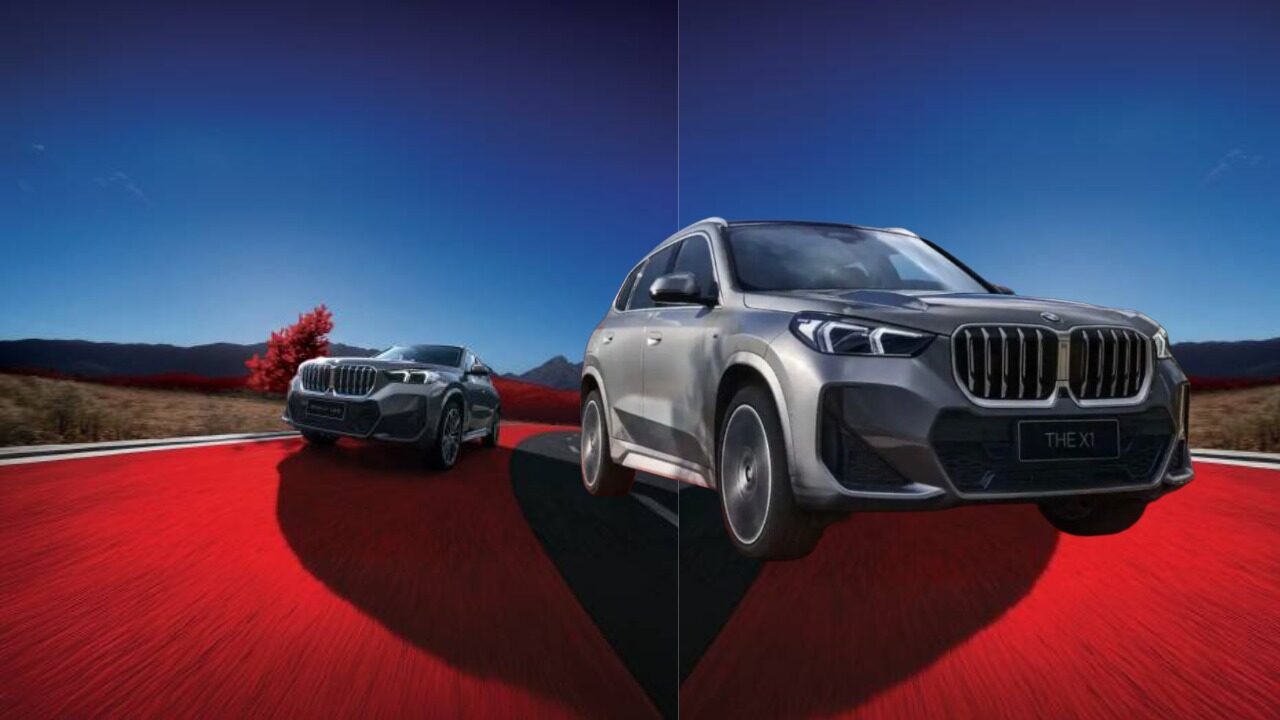
A long-wheelbase as in LWB is not a concept of marketing but a definition of providing a large vehicle which sets the standard and comfort. X1 is now stretched by 116mm overall, with  110mm of that going straight into the wheelbase, now it is 2,802mm. The LWB is also 11mm taller than the standard model. In practical terms, this is the X1 to choose if the standard version feels cramped in the back for your parents or kids, not when you want a sportier drive. 

BMW, was not visually tampered with in its working form. The headlamps are the same with M Sport styling cues, and sharp tail-lights that define the aura of X1. The wheel size is also 18-inch with a luxurious look. BMW X1 LWB interior gives you a 10.7-inch display for infotainment features and is powered with a Harman Kardon audio system that sets the mood. Whether you drive in the city or highway, automatic climate control, wireless phone charging and other 10.25-inch digital driver display will cover up that make you experience the beautiful ride.

BMW X1 LWB

BMW has also raised the powered seat height by 27mm, increased the width of the headrest cushions by 37mm, and a power tailgate. These are the minor adjustments, but together they result in a perceivably more spacious rear bench. 

Two things are genuinely unresolved as of launch week. 

First, the powertrain: BMW hasn’t officially confirmed the India-spec engine. The standard X1 here runs a 1.5-litre turbo-petrol making 134PS and 230Nm through a 7-speed dual-clutch gearbox, and early reports suggest the LWB could carry the same setup — though the China-spec car (on sale there since 2023) gets a 2.0-litre unit in sDrive25Li and xDrive25Li trims. 

Second, the price of standard X1 is priced at a range of Rs 40 lakh and Rs 55 lakh, depending on the final engine and trim. That’s too general to plan your finances on, so the August 21 official price is the only figure that counts.  

The Audi Q3 Is Arriving Too And It Changes the Calculus

While BMW ships a stretched version of an existing car, Audi is bringing something genuinely new. Audi India has confirmed the third-generation Audi Q3 for an introduction in the fourth quarter of 2026, during the festive season, and it will be the first of three new Audi models — the A5 sedan and the new Q9 flagship which makes its way to market in 2027.   

Under the hood, a naturally aspirated 2.0-litre engine with 7-speed dual clutch transmission fitted in the new Audi Q3 model which gives outstanding 204hp power to run like hell. The power is now sent to all four wheels that supports a 0-100km/h sprint time of 7.1 seconds. The mileage tested under WLTP is 12.36 kpl. 

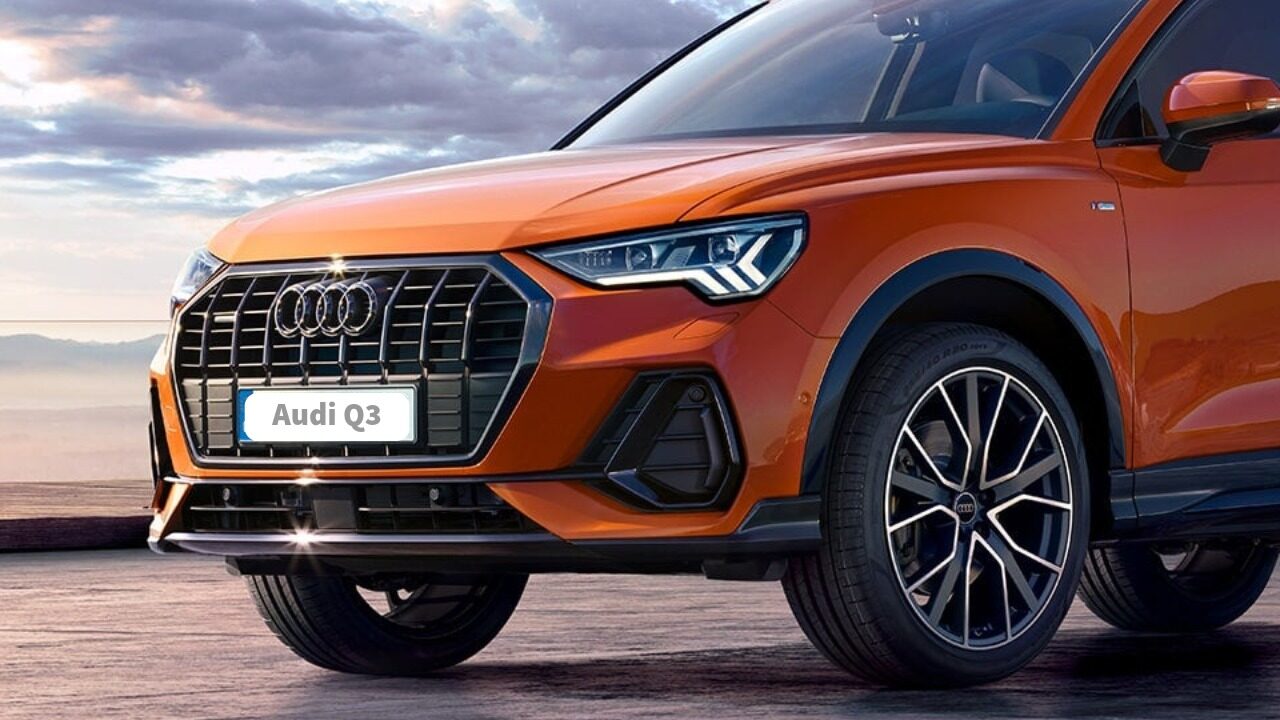
The new model body is 40mm longer with split headlight design on front which is remarkably amazing. That’s not enough, it is more luxurious with octagonal grille, pixel LED DRLs and a rear LED light bar that represent a cunning choice.

Audi Q3

Audi Q3 interior let you feel everything so humble with a 12.8-inch infotainment touchscreen, an 11.9-inch digital instrument cluster that drives you anywhere alone and stress-free. A 360-degree camera, three-zone climate control, also cover everything and you can get a head-up display in some trims. 

The 488 litres boot size is perfect for family outing. Audi will also bring back the Sportback coupe-SUV body style next to the standard shape, just like the outgoing Q3 was available here. 

Audi Q3 price estimates Rs 50-55 lakh ex-showroom, which may get lower to Rs 48 lakh. But take this number as a guess and get the exact price from your dealer.

Where the Mercedes GLA Fits — The Quiet Incumbent

This is the car both the BMW X1 LWB and the new Audi Q3 are chasing. The current-generation GLA remains on sale in India today, built around a familiar formula of turbo-petrol and diesel four-cylinder engines, an 8-speed automatic, and Mercedes’ usual badge-value pull in this segment. 

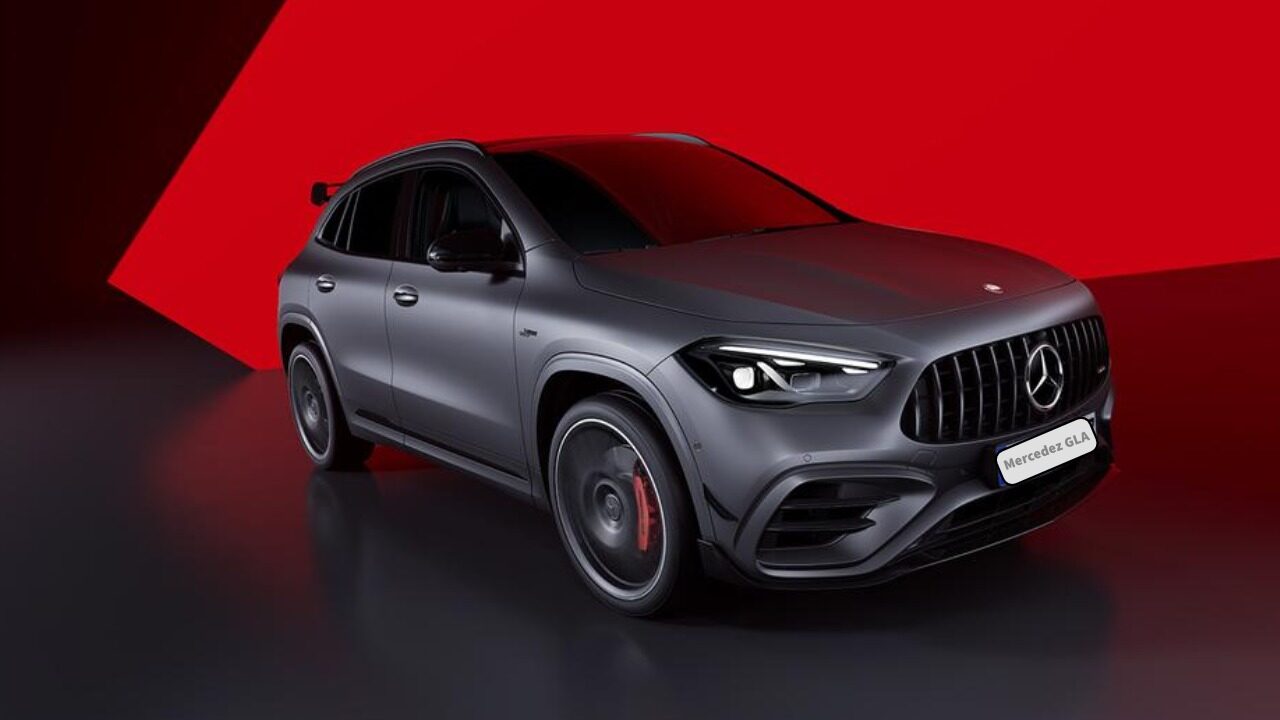
Mercedes GLA

The Mercedes-Benz GLA has already made a name in India with its features and amazing look at the price of ₹51.8 lakh (ex-showroom) on the current Mercedes-Benz India website. Now you can get exact pricing details by contacting your dealer.

The interior is excellent with a 10.25-inch touchscreen infotainment system in current Mercedes GLA and it also features a 10.25-inch digital instrument display. There are other features like MBUX, wireless smartphone charging and optional 360-degree camera system. You can find the real availability, price, equipment and variant today so don’t decide on pre-launch estimations. 

The Festive-Season Timing Isn’t a Coincidence

Festive season — Navratri through Diwali is when Indian luxury-car dealerships generate a large share of their yearly sales, and that seasonal demand appears even stronger this year. As Mahindra reported a 60 percent jump in SUV retail sales during Navratri alone, crediting both festive sentiment and the benefit of the recent GST 2.0 rate changes on vehicles. 

BMW and Audi timing their launches into this window isn’t a coincidence — it’s the same logic playing out one price bracket higher. The test-drive will be getting busier in the festive season (October and November) so if you are in a hurry then don’t wait to book your test drive for these cars now.

Read More:- How to Get a Car Loan in 2026: Know Everything Before Purchasing 

Comparison of BMW X1 LWB vs Audi Q3 vs Mercedes GLA

BMW X1 LWB Audi Q3 (new-gen) Mercedes GLA (current-gen)
India launch Aug 21, 2026 Q4 2026 (festive season) On sale now
Engine Unconfirmed (likely 1.5L turbo-petrol, possibly 2.0L) 2.0L turbo-petrol, AWD Turbo-petrol/diesel four-cylinder (current model)
Transmission 7-speed DCT (expected) 7-speed DCT 8-speed automatic
0-100kph Not confirmed 7.1 seconds Varies by variant
Mileage Not confirmed 12.36kpl (WLTP) Varies by variant
Expected price (ex-showroom) Roughly Rs 51-55 lakh (estimates vary widely) Roughly Rs 50-55 lakh (estimates vary) ₹51.8 lakh (ex-showroom) 
Standout feature Only long-wheelbase entry-luxury SUV on sale in India Locally assembled; 12.8-inch touchscreen, Sportback option Established service network, EASY-PACK tailgate, electrically adjustable memory seats

Note: every number for the X1 LWB and the new Q3 above is a pre-launch estimate pulled from industry reporting, not an official figure from BMW or Audi. Treat the table as a shape of the segment, not a quote you can walk into a dealership with.

Which One Should You Actually Buy?

If rear-seat space is your actual, specific problem — you’re chauffeuring parents, or your kids have outgrown the back of a regular compact SUV — the X1 LWB is solving a problem nobody else in this price band is solving. That uncontested positioning is worth something, even with the pricing uncertainty. Just don’t book on an estimated number; wait for August 21.

If you want the newest technology, a more dramatic design shift, and don’t mind being an early adopter of a car that’s still weeks away from a confirmed India price, the Q3 makes a strong case — particularly with local assembly potentially keeping costs in check versus a fully imported model. The Sportback option also matters if styling ranks above outright practicality for you.

The current GLA is a known quantity, sold today, serviceable through Mercedes’ existing India network, with pricing you can actually verify before you sign anything. You’d be buying the outgoing generation, but you’d be buying something real, not a set of estimates.

Don’t finalize a purchase off pre-launch price estimates for the X1 LWB or the Q3. Visit a dealership after August 21 (for BMW) or once Audi confirms its Q4 launch date, get the on-road price in writing, and only then compare it against what the GLA is actually selling for at your local dealer today. Estimates may grab attention, but there’s no way to justify a ₹50 lakh decision. 

Read More :- Personal Loan vs Car Loan: What is the Better Choice for Buying a Car? 

Conclusion 

The BMW X1 LWB is distinguished by the additional leg space at the rear seat and the all-new Audi Q3 has got newer technology with the GLA being the old reliable option. With no word on pricing for the X1 LWB and Q3 just yet, the smartest thing to do is wait for the official prices before splashing ₹50 lakh or more. 

0

Nithin Kamath Car Collection: Mercedes, BMW, Tesla

Published Jan 22, 2026, 6:32 AM
Last Updated Nov 11, 2026, 4:19 PM

Nithin Kamath car collection

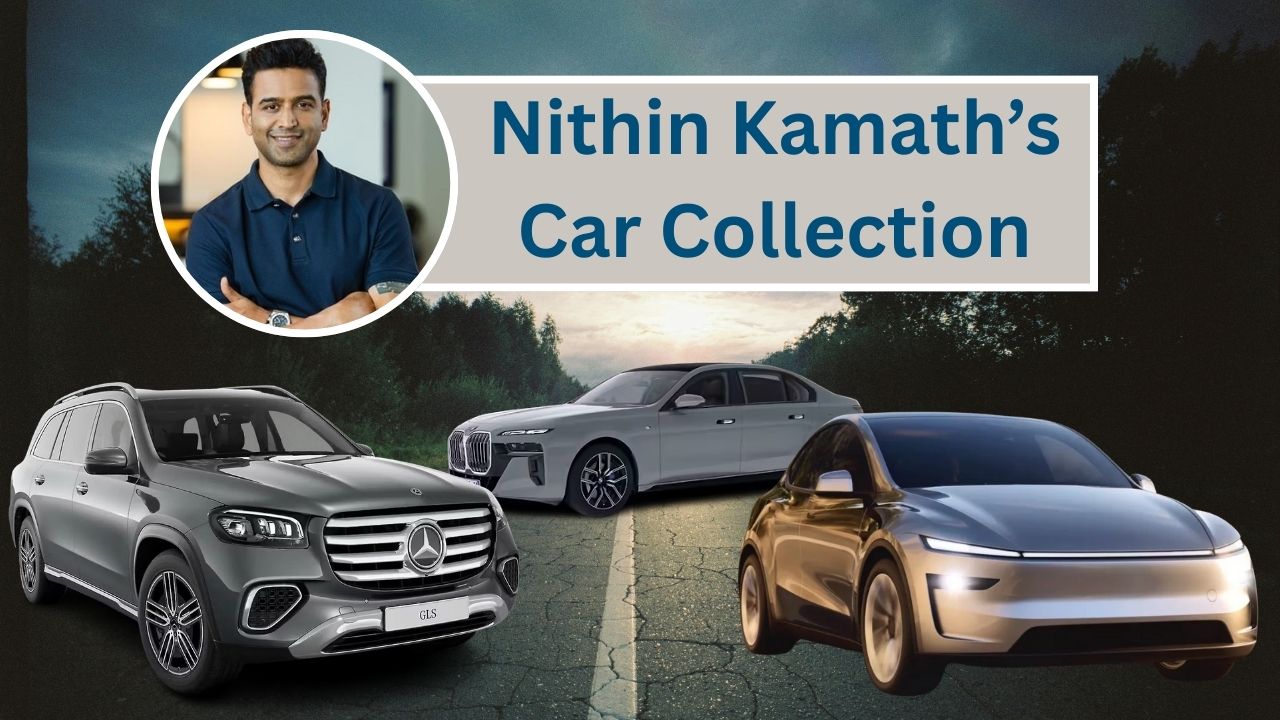
Nithin Kamath, co-founder and CEO of Zerodha, is among the most low-key billionaires in India—a fintech disrupter who created the country’s largest brokerage platform without any of the trappings of ostentatious wealth. Kamath, the man behind India’s largest stockbroker, has always been more substance than show from a humble trader to heading a firm that transformed the way Indians invest. Let’s look into Nithin Kamath’s Car Collection and know his interest in automotives.

So from his automobile choices, you know that philosophy applies in his lifestyle too. Instead, the pragmatism in Kamath’s garage can be seen as a metaphor for perhaps how India’s business tycoons of the new generation will define success in 2025 – practical but high performance cars with a purpose.  

Early Struggles Shape Choices

Kamath frequently recounted his pre-Zerodha era days when buying a Tata Sierra or Honda Civic was a stretch goal, so he used to collect toy models as a source of motivation. That mentality remains — he prefers the practical, tech-savvy and slightly prestigious to the flashy. 

There are no authenticated lists with dozens of supercars — viral narratives of handing out 20+ BMWs, Audis, and Mercedes to workers was punctured by Kamath himself as “definitely not true.” Instead, his stash focuses on a quality not quantity, with family gifting such as the Mercedes GLS to his mother which highlights thoughtful extravagance. 

Mercedes-Benz Dominance

Mercedes is the favourite in line with Kamath’s liking for German engineering and comfort on Indian highways. The Mercedes GLS, which was presented to his mother Revathi Kamath in early 2025, commands a staggering ₹1.5 crore — a full-size luxury SUV known as the “S-Class of SUVs” because of its luxurious cabin, state-of-art infotainment, and powerful engines. 

Mercedes-Benz Dominance

For all the $120 million fund managers out there, Kamath presumably has a GLS 600 Maybach or a GLE for family roadtrips. These are not garage queens, they are everyday vehicles that provide comfort and practicality. 

Performance Picks: BMW and Audi

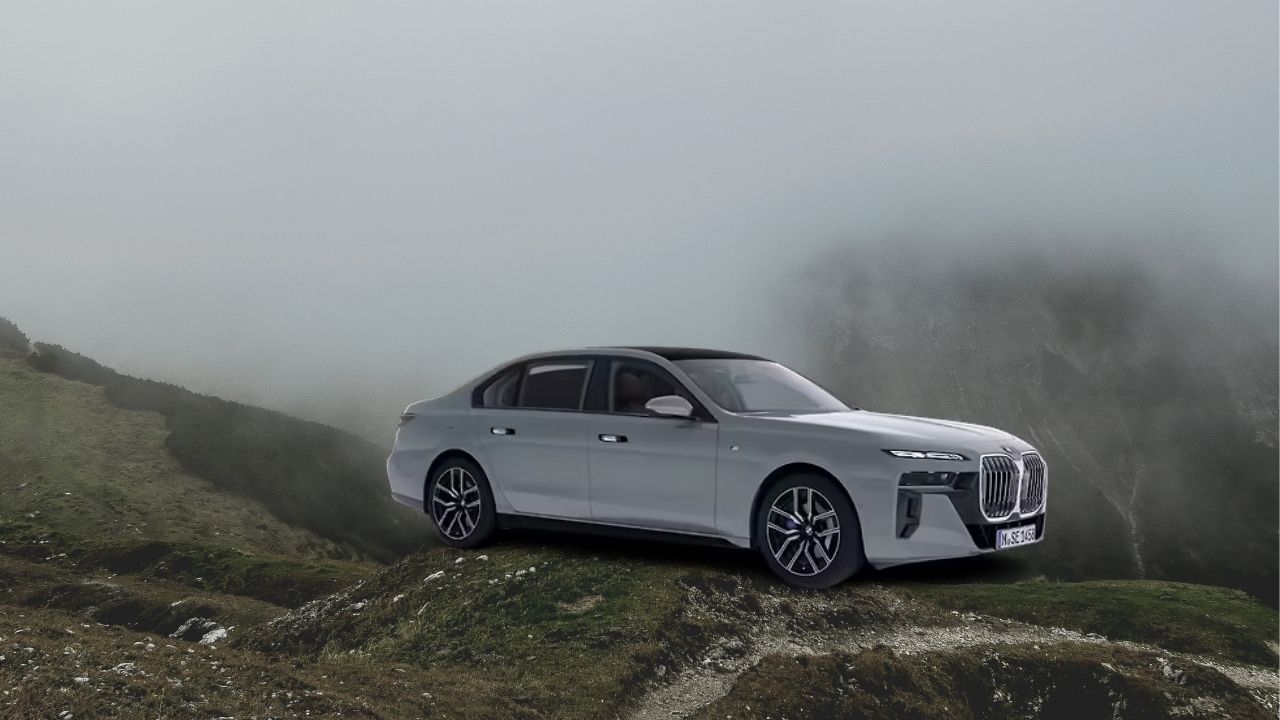
Kamath is said to be a fan of BMW in auto circles, with a 7 Series & M5 his vehicle of choice: their dynamic handling and Zerodha-like efficiency in fintech-fast lives. The 7 Series delivers executive-level rear- seat comfort for conference calls with brokers, and an M5 satisfies his need for speed in trading—0 to 100 km/h in less than 4 seconds. 

BMW and Audi

Audi is suitable as well, maybe an RS7 or Q8; with its Quattro grip perfect for the rains in Bengaluru, and the virtual cockpit reflecting stock dashboards he revolutionized. While not confirmed beyond rumor, these labels reference the debunked gifting narrative, suggesting quiet possession as opposed to promenades. 

Electric Shift with Tesla

Kamath’s aggressive pursuit of sustainability, reflected in Zerodha’s various green measures, has led to speculation that Tesla might be his next huge buy by 2025. A Model S Plaid or even a Cybertruck would suffice: sub-2-second 0-to-60 acceleration, over-the-air updates that feel like app refreshes, and low running costs that make them perfect for long daily commutes. 

Electric Shift with Tesla

He’s also admires ‘macho’ persona of Elon Musk who also rose from rags-to-riches like himself. Though there hasn’t been any Instagram flex to show for it yet, EV ownership is quietly on the rise among India’s new-age billionaires — including Kamath. 

Why the Nithin Kamath Car Collection Stands Out

Kamath’s garage isn’t about the numbers—maybe 4-6 cars total but rather a reflection of his life: fintech mogul, family man, ex-trader with an adrenaline fix. 

Total value? That’s easily ₹10-15 crore, but his billions make it nothing. He forgoes Lambos or Ferraris in favor of road-friendly luxo-barges, with reliability taking precedence on Indian roads. After exposing viral myths, his message is simple: real wealth builds quietly not by giving away cars. For fans, its inspiring success needn’t mean a McLaren army. 

Read More:- Tata Motors Next-Gen EV: Flagship Electric Vehicle Explained

Conclusion of Nithin Kamath Car Collection

Nithin Kamath’s Car Collection narrates the same tale as his journey with Zerodha—measured, thoughtful, and grounded in long-term value over flashy excess. Early hardships that shaped his mentality to a now that is all about comfort, performance and sustainability, his selections mirror quiet assurance over loud opulence. Whether it’s a Mercedes GLS for family, a BMW for driving pleasure or perhaps a future Tesla, Kamath’s garage is a picture of his mantra: success doesn’t require constant validation. In a time of viral flex culture, his under-the-radar modus vivendi is refreshing – proof that real wealth is purpose, not spectacle.