0

2026 Maruti Suzuki Brezza – New Features, Price, Design & Full Details

Published Nov 24, 2025, 9:45 AM
Last Updated Apr 11, 2026, 11:07 AM

2026 Maruti Suzuki Brezza

The Maruti Suzuki Brezza is not just any car but it is a staple in the Indian automotive terrain. It has now been re-established, and since then, it has gone on to rule the sub-four meter SUV segment, raising the bar in terms dependability and, perhaps most importantly, fuel efficiency.

But they don’t rest, the competitions. With competitors upping the ante with turbo-petrol engines, more feature-laden cabins, and even ADAS (Advanced Driver Assistance Systems), the 2026 Maruti Suzuki Brezza will have to really pull a rabbit out of the proverbial hat in this fresh major generation update. And believe me, if the rumors are true, this is not just a refresh instead this is a revolution. 

We take a look under every stone for the expected design changes, the huge technology leaps in the cabin, and the strongest rumor of all, the introduction of the all-new Strong Hybrid powertrain. 

Design – Sharper Edges and a Premium Stance 

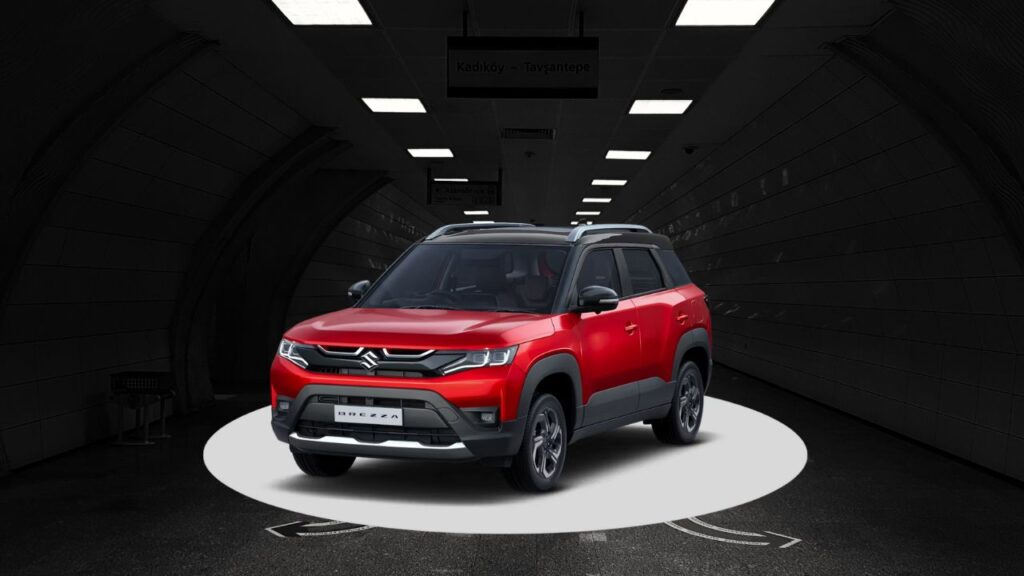
The current Brezza is a handsome beast with a bit of a butch charm and that falls somewhere between rugged and urbane. For 2026 model, Maruti Suzuki will likely integrate new, global design language that made a debut in their high-end models such as Grand Vitara, and Fronx.

What to expect on the outside:

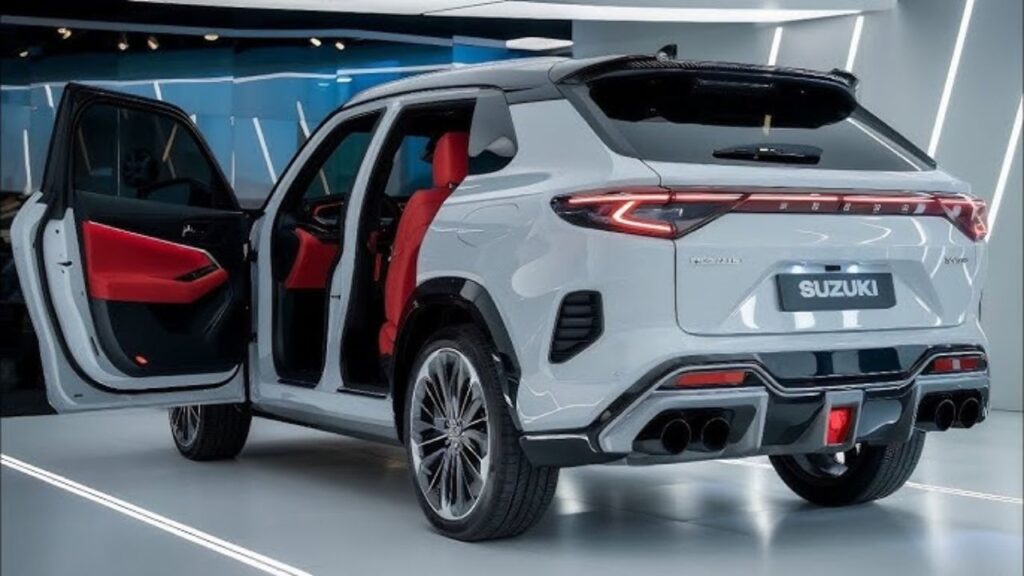
A Revamped Front Fascia: Say adieu to the that mildly chubby grille. Expect a much sleeker, wider treatment of chrome or gloss black that runs constantly up to the new, sharper LED DRL signature. 
Maruti Suzuki Brezza Design

Image credit: MarutiSuzuki

The headlight clusters themselves might be divided, or have a more elaborate, multi-layered design, reminiscent of the conventional picture. The overall intent is to create a more aggressive, mature, and premium looking road presence – it needs to look like it can sit comfortably beside rivals that have undergone bolder dramatic design statements. 

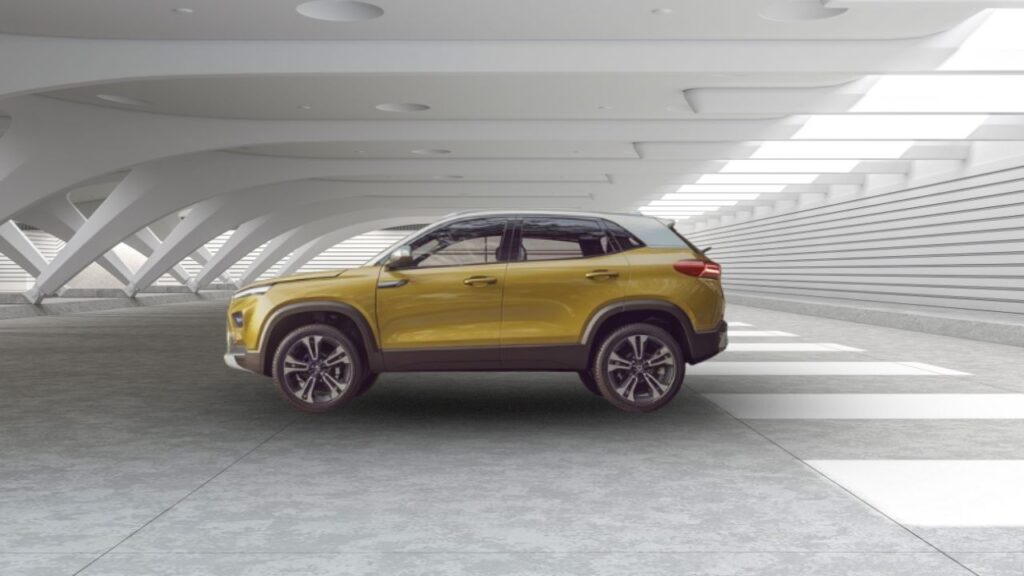
More Dynamic Profile: The next Brezza is expected to keep the boxy shape essential for the interior space, but will come with a few sharper edges and the character lines will be more defined on the side. The window line could be cleaner and the rear quarter glass might be reshaped.

New Alloy Wheels: This is a minor change but is important visually. We may get 17-inch dual-tone alloy wheels with a new, more complex, diamond cut design on the higher variants, bringing a much-needed dash of style and energy to the profile. 

The New-Bolt Tailgate: Tailgates tend to be overlooked during a mid cycle refresh, but a generational change deserves to be focused on. There should be slimmer, wraparound LED taillights (potentially joined by a light bar, a huge trend at the moment) and a beefier, redesigned bumper that add the final touch to the premium appearance.

To put it simply, Brezza 2026 not only going to look new but it’s also going to look expensive – a must-have in a segment where buyers seem to be opting for style. 

The Cabin Reimagined – Technology and Luxury

Here is where the 2026 Brezza would be expected to shine, and from what Maruti is doing with its top-end models, it looks like we are in for a treat. The current cabin is functional but not inspiring like its rivals.

The Feature Juggernaut:

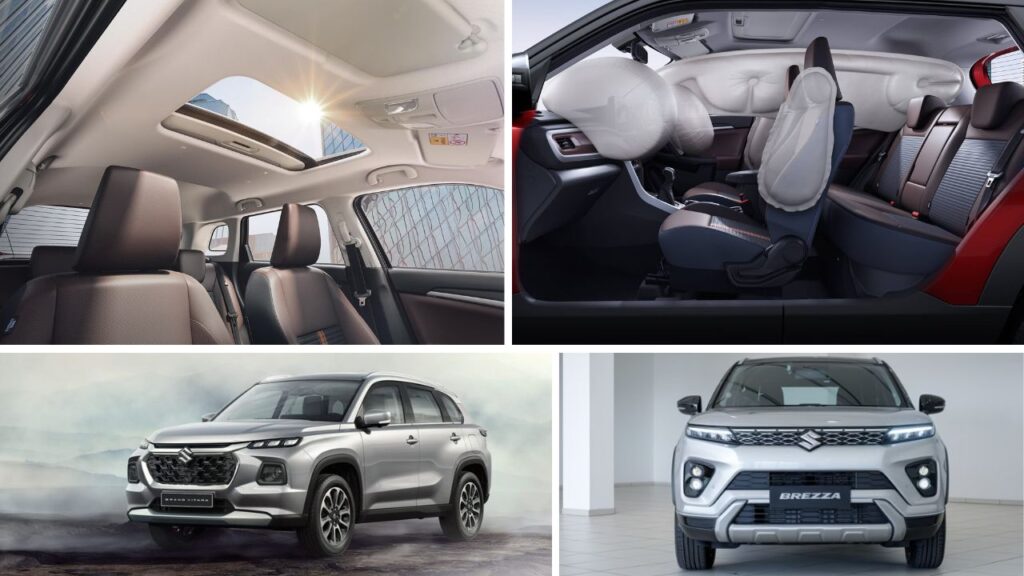
The Central Screen: The 9-inch SmartPlay Pro+ on the current model gets the job done but the 2026 iteration is said to be breaking the mould, coming with a gigantic 10.25-inch or a 12-inch floating infotainment screen. Expect an enhanced UI, faster processing, and the now-standard Wireless Apple CarPlay and Android Auto. 

Digital Driver Display: The current analog-digital mix is expected to be replaced by a fully digital instrument cluster (possibly 7-inch or larger) that is customizable. This is critical for information display for the new hybrid system and ADAS features.
Maruti Suzuki Brezza Technology and Luxury

Image credit: MarutiSuzuki

The Comfort Factor: Bulls-eye for two features that have been planted firmly on every buyer’s wish-list for as long as we can remember, Ventilated Front Seats, and a Premium Audio System. The 2026 Brezza will almost definitely come with front seat ventilation, a welcome relief for Indian summers. We could also see a tie-up for a special sound system, after the trend of premium car audio in the segment. 

Precision Safe (ADAS): It’s a biggest potential addition. To take on the big boys, the 2026 Brezza is expected to come with Level 1 ADAS. That might include Adaptive Cruise Control, Blind Spot Monitoring, Rear Cross-Traffic Alert and lane-keeping assist. This measure will immediately boost the Brezza’s safety credentials, and make it future-compliant for emissions regulations down the line.

The cabin itself will also get a revamp, featuring soft touch plastics and contrast stitching along with some new dual-tone combinations that’ll spruce up the cabin mood and make it look less utilitarian and more premium. 

The Strong Hybrid Game Changer – Powertrain & Efficiency

The present Brezza is powered by the tried and tested 1.5 liter K15C Smart Hybrid (a mHEV) engine well known for its good driveability and decent mileage ( of the order of 20-21 kmpl).

In saying that, the standout highlight of the 2026 model is said to be the addition of the Strong Hybrid Technology, which is the same technology powering the current Grand Vitara. 

Why Strong Hybrid is a Big Deal:

Unmatched Mileage: This is what makes the Brezza special. The Strong Hybrid system enables the vehicle to run on electric power only for brief distances and at low speed, contributing to a substantial improvement in fuel economy. 
Maruti Suzuki Brezza Powertrain & Efficiency

Image credit: MarutiSuzuki

Experts expect that the 2026 Brezza Strong Hybrid might fetch an incredible mileage figure around 27 kmpl to 30 kmpl. This would be an unbeatable selling point and a huge cost saver for city dwellers, he said. 

Silent Driving: Being able to drive silently while cruising in EV mode in stop-and-go traffic makes the driving experience more refined and premium.

Performance: Although it is an economy-oriented system, the hybrid also offers instant electric torque, thereby enhancing low-end acceleration and general responsiveness in city driving — a welcome improvement over the existing model. 

The standard K15C mild-hybrid petrol engine is expected to continue on the lower variants, mated to either the 5-speed Manual or a highly advanced 6-speed Automatic transmission. But the crown jewel will be the Strong Hybrid, now offered only with an e-CVT. 

Read More:- 2026 Toyota Tacoma – Full Overview, Features, and What to Expect

Price and Launch Timeline

Forecasting the two-year out price of a car is a challenge, but we can make some educated guesses around the technology that will be added.

Launch timeline: The next-gen Brezza is expected to launch in December 2025 or early 2026. Maruti usually targets the festival season for big launches.
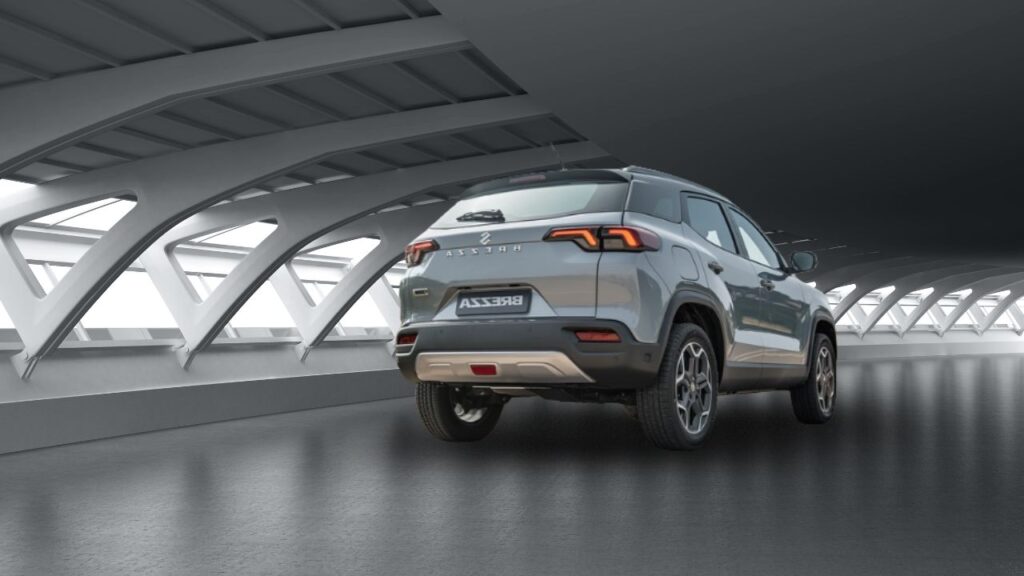
Maruti Suzuki Brezza Price and Launch Timeline

Image credit: MarutiSuzuki

Cost implications: The addition of high-end options (ADAS, Strong Hybrid, Ventilated Seats, big screen) has a price tag.

The current Brezza starts at around ₹8.25 Lakh (ex-showroom). The prices of the 2026 models could be as follows: 

Variant Category Expected Ex-Showroom Price Range (Lakhs INR) Key Upgrades Justifying Price
Base Variants (Mild Hybrid) ₹9.5 Lakh – ₹12.5 Lakh Upgraded Design, Good Quality Interior Finish, Larger Infotainment Screen
Top Variants (Mild Hybrid) ₹13 Lakh – ₹14.5 Lakh Expected Panoramic Sunroof, Ventilated Seats, Digital Cluster
Strong Hybrid Variants (Top End) ₹15.5 Lakh – ₹17.5 Lakh+ Hybrid Powertrain is expected, ADAS Level 1, e-CVT Transmission

Sure, that high price tag is a big jump, but it’s the cost consumers pay for best-in-class features such as robust hybrid systems and sophisticated safety packages. 

Conclusion

Expected to be launched in 2025, the 2026 Maruti Suzuki Brezza will not be just an update, rather it will be a big design change and Maruti’s response to the changing needs of the Indian compact SUV buyer. It brings the brand’s DNA (dependability, efficiency) to the new demands of technology (big screens, ADAS planes) and high-end driving experiences (Strong Hybrid).

Considering the new compact SUV at this moment and if you think that fuel economy with the latest tech to keep you going well into the future are the most important considerations, the wait for the 2026 Brezza could be the smartest decision you make. It is going to be a real segment buster, again. 

Sharey Khan

Sharey Khan is an IT entrepreneur and petrol head & a car enthusiast. With a special focus on car-related content, he combines his deep passion for vehicles with a talent for crafting informative, engaging, and easy-to-understand content. His writing is driven by a genuine love for cars and he is committed to providing readers with accurate, up-to-date, and trustworthy information that empowers smarter driving decisions. 

Leave a Reply

Your email address will not be published. Required fields are marked *

0

Ramesh Babu Car Collection: India’s Biggest Luxury Rental Garage

Ramesh Babu Car Collection

South India boasts many luxury car collections, but what makes Ramesh Babu Car Collection so unique is its size and organization. It is common to get such a personal impression of this collection, but in reality, the almost 400 vehicles strong fleet is actually run under the company Ramesh Tours and Travels, offering the personal luxury vehicles for commercial rentals. 

Range spans from a Maruti Omni (practical) to the Rolls-Royce Ghost and Mercedes-Benz Maybach S600, that is some show of sophistication in high-end asset management and high-end asset rental management, one suspects. 

Rolls-Royce Ghost Series I and II

The Rolls-Royce Ghost is the flagship of the fleet. The first purchase which dates back to 2011 for the Ghost at around ₹3 crore, it was the collection’s debut in the most ultra-luxury motoring category. Newer Ghost variants in the fleet currently cost around ₹7–8 crore, depending on the variant of customization.

Rolls-Royce Ghost Series I and II

With a 6.6L V12 twin-turbo engine, the Ghost is all about effortless, smooth power, with the majority of its torque available at low engine speeds. Its sophisticated air suspension and electronically controlled chassis guarantee a fantastically smooth ride.

Technical Specification Value/Detail
Engine Code N74B66 V12-T7
Displacement 6,592 cc
Maximum Power 563 hp @ 5,250 rpm
Peak Torque 780 Nm 
Transmission 8-speed ZF 8HP90 automatic
Acceleration  4.8 seconds (0-100km)
Top Speed 250 km/h (electronically limited)

Inside, the Ghost combines bespoke luxury with contemporary technology — including coach doors, premium full-grain leather, book-matched wood veneers, built-in umbrellas and extensive sound insulation. The result is a Zen, hushed space that radiates warmth and luxury, especially for the upper-echelon renters. 

Mercedes-Maybach S600 — German Luxury

Tech futurism isn’t previously on display in a vision of luxury in the Mercedes-Maybach S600. Purchased for about ₹2.7 crore, it is a preferred choice among corporate honchos and tech entrepreneurs to the Rolls-Royce Ghost.

Mercedes-Maybach S600

Its 6.0L V12 Biturbo engine delivers the kind of smooth, silent performance that Magic Body Control, scanning the road ahead, easily anticipates and cushions bumps.

Metric Specification
Engine Type 6.0 L V12 Biturbo
Power Output 530 hp
Maximum Torque 830 Nm
Transmission 7G-TRONIC Plus 7-speed automatic
Fuel Capacity 80 Liters
Top Speed 250 km/h

The S600 even features a private-jet-like rear cabin with reclining executive seats that offer massage and ventilation functions. Premium amenities include Agarwood fragrance, a 24-speaker Burmester 3D sound system, rear-seat voice amplification, and dual 12.3-inch infotainment screens with a luxury business console. 

High-Performance Off-Road Luxury: The Mercedes-Benz G-Wagen

The space also includes the Mercedes-Benz G400d and G350d, the earliest G-Wagens in India to be operated as commercial taxis. Based on the robust ladder-frame chassis, the G400d Adventure Edition is equipped with the state-of-the-art OM656 inline-six diesel engine.

Inside, the rugged off-road vehicle features Nappa leather, three-zone climate control and a digital display board with ambient lighting, outfitting the S-Class luxury with military-grade toughness. Approximately ₹5,000 per hour is the cost to rent a G-Wagen, perfect for those clients looking for power, prestige and comfort in any terrain. 

Feature G400d Specification
Engine 2,925 cc Inline-6 Diesel
Max Power 326 hp @ 3,600 rpm
Max Torque 700 Nm 
Drivetrain AWD with three locking differentials
Ground Clearance 241 mm
Acceleration 6.4 seconds

Benz S-Class and E-Class

The garage turns over a sizable quantity of Mercedes-Benz E-Class and S-Class models as the staples of its executive level, catering largely to corporate clients and long-term VIP reservations. 

Benz S-Class and E-Class

The newest models are three Mercedes-Benz E-Class LWB 220d sedans in High-Tech Silver that come with S-Class-like rear-seat space. Significantly, a 2004 E-Class signified the garage’s turn from economy car rentals to luxury offerings.

Component E 220d LWB Details
Engine 2.0 L 4-cylinder Diesel
Power 192 hp
Torque 400 Nm
Transmission 9G-TRONIC 9-speed automatic
Price ₹72.8 lakh (ex-showroom)
Interior Black leather with wood and aluminum trim

The fleet of Mercedes-Benz S-Class (W221 to W223) amounts to the finest in luxury whose price ranged from ₹1.5–2.5 crore which includes extremely high-tech features such as rear-axle steering and active air suspension for a most comfortable ride. 

The British Contingent: Land Rover and Jaguar

The garage includes a solid collection of British luxury sport-utility vehicles (SUVs) and sedans, combining traditional British sophistication with contemporary performance.

Land Rover and Jaguar

Among the critical additions is our Land Rover Defender 130 as a commercial taxi with a maximum occupant of eight passengers and the pick for its road boldness and group-carrying capability. With the Range Rover Vogue LWB priced at approximately ₹ 3.2 crore delivering a potent diesel powertrain and the family personal garage also boasts the ultra-exotic Range Rover SV priced at ₹5.4 crore that brings bespoke design, premium audio, and paint options.

Feature Defender 130 Specification
Variant D300 HSE
Engine 3.0 L Inline-6 Diesel with Mild Hybrid
Power/Torque 296 hp / 600 Nm
Exterior Color Fuji White with Black Contrast Roof
Interior Black and Tan leather
Rental Rate ₹3,000 per hour

The Jaguar XJ L is a stylish rival to German sedans and achieves better agility thanks to a lightweight aluminum construction, classic British luxury, and prices ranging from ₹1 – 1.8 crore. 

BMW i7 and Mercedes EQS

The garage has grown into green luxury with top-tier electric sedans, complying with metro regulations and providing ultra-quiet ride service.

Metric BMW i7 xDrive M70
Battery Capacity 101.7 kWh
Max Power 650 hp
Max Torque 1,015 Nm
Range (WLTP) 560 – 625 km
Interior Highlight 31.3-inch 8K Theatre Screen

The BMW i7 in eDrive50 and M70 variants is packed with ultra-luxury additions, including Executive Lounge Rear Seating and the immersive Sky Lounge panoramic roof. The Mercedes-Benz EQS 580 turns heads with more than just its eye-popping 56-inch Hyperscreen; it also packs advanced rear-axle steering, which makes this sizable electric sedan deceptively nimble and an absolute breeze to guide through city streets. 

Feature EQS 580 Specification
Battery 107.8 kWh
Claimed Range 857 km (ARAI)
Performance 544 hp / 858 Nm
Charging 200 kW DC (0-80% in 31 mins)

Read More:-  The Ultimate Guide to the Best Compact SUVs in 2026: Drive Smart, Live Better

High-Capacity Luxury: The MPV Fleet

A majority of the 400-strong fleet is comprised of luxury MPVs, catering to corporate groups, families and celebrity entourages.

Toyota Vellfire

The top-of-the-line MPV, the Toyota Vellfire Executive Lounge, costs around between ₹1.2 to 1.5 crore and comes with ultra-comfortable lounge seats in the middle row as well as hybrid option. For around ₹3,000 an hour, it is a top pick for celebrities on the go.

Technical Detail Toyota Vellfire Specs
Engine 2.5 L Petrol Hybrid
Combined Power 142 hp (Engine) + Electric Motors
Seating 7-seater with 2nd-row reclining ottomans
Fuel Efficiency 19.28 km/l

Mercedes-Benz V-Class and Viano

A fleet of Mercedes-Benz V-Class and Viano also ensures that you can enjoy a true mobile office experience with swivel seats and tables – ideal for luxury business jaunts. 

Feature Category V-Class (Current) Viano (Previous Gen)
Engine Options 2.0L Diesel (1950cc), up to 161 hp 3.0L V6 Diesel, 214 hp​
Transmission 9G-TRONIC 9-speed auto 7G-TRONIC 7-speed autol
Seating Capacity 6-8 seats, flexible configs 6-8 seats, modular layout
Safety Features Active Brake Assist, Blind Spot Assist​ ESP, airbags, basic ADAS
Infotainment MBUX 10.25″ touchscreen, Apple CarPlay COMAND system, smaller screen

Conclusion

Ramesh Babu Car Collection is not just a show of riches- it is a well orchestrated luxury mobility solution. The combination of ultra-luxury flagships like the Rolls-Royce Ghost and the Mercedes Maybach S600, as well as executive sedans, rugged off-roaders, electric vehicles, and high-capacity multi-purpose vehicles (MPVs), the fleet raises the bar for premium car rental services in India. 

0

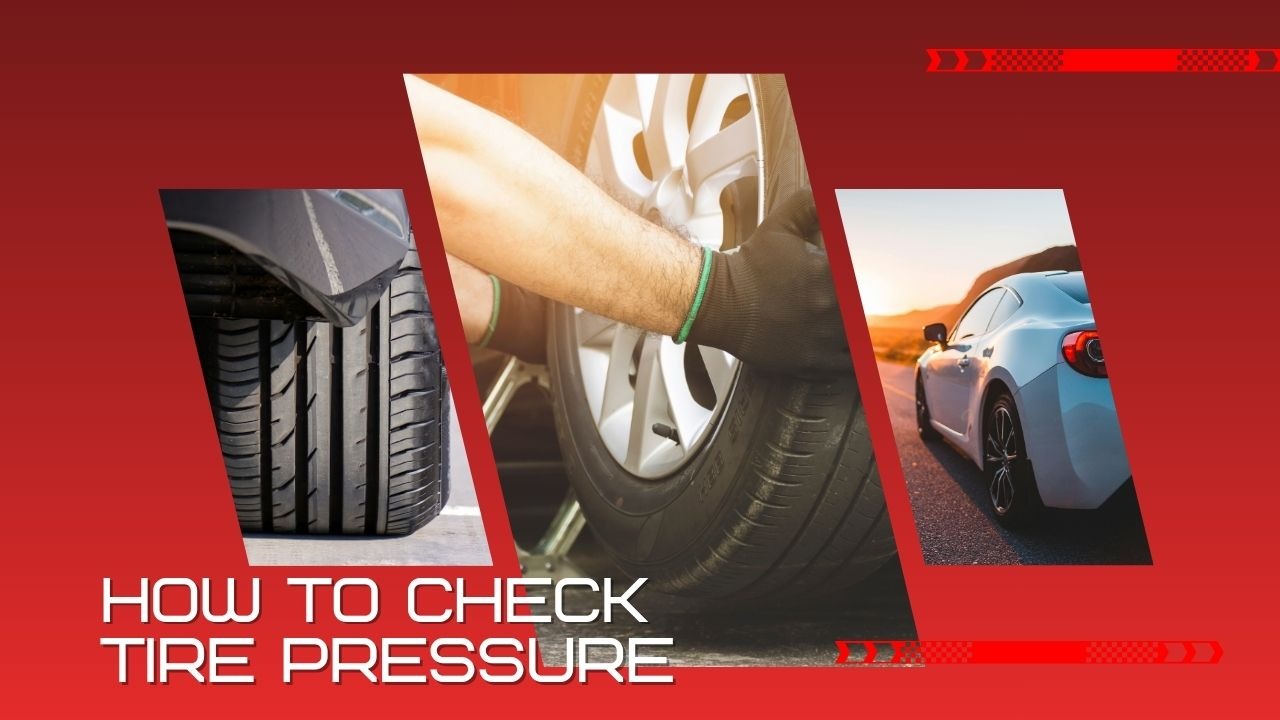
How to Check Tire Pressure Correctly: Guide For Car Owners

  How to Check Tire Pressure

Most drivers check tire pressure only when a tire already looks flat — which is exactly the wrong time to check it. By then you’ve likely been driving on underinflated rubber for weeks, burning extra fuel and wearing the edges of your tread down faster than the center. Understanding how to check tire pressure correctly can save your fuel.

What makes it tricky is that you can’t tell if a tire is under-inflated by simply looking at it. It changes with temperature and must be measured with a gauge. It’s a quick check that only takes a few minutes, and it can increase your gas mileage and tire life. 

Why Correct Tire Pressure Is Essential for Better Mileage 

A tire that is only 15% underinflated can reduce its life by thousands of kilometers and increase fuel consumption by 3 to 4%, the U.S. The Department of Transportation’s NHTSA quotes this data. Overinflated tires aren’t better as they shrink the contact patch with the road, which reduces grip and makes the ride harsher when you run over potholes. 

There’s a tight range that’s actually correct for your car and that size isn’t the number that’s printed on the sidewall of the tire. That figure is the tire’s maximum pressure rating, not the recommended one for your vehicle. 

The correct number resides in two places: a label inside the driver’s door jamb and the owner’s manual. Splitting the number is often given as two numbers – one for the front axle and one for the rear, as the rear often carries a different load. A normal Sedan tyre is inflated to around 30-35 PSI (approx. 2.1-2.4 bar) and for SUV/4X4 or heavier vehicles are usually recommended to be inflated 2-4 PSI more. 

When to Check Tire Pressure for the Best Results 

Tire pressure needs to be measured when they are “cold” — when the car has been stationary for at least three hours or if you haven’t driven more than two miles. Driving causes the air in the tire to heat up, and heat causes air to expand, which reads higher by 4-5 PSI or more depending on how long you’ve been driving. Check pressure immediately after a long drive and you’ll get a number that looks fine but isn’t — the tire will read low again once it cools overnight. 

The best time is early morning, before the car has moved, and before the sun has had a chance to warm the tires either.

Read More :-  How to Improve Gas Mileage: 15 Proven Tips That Actually Save Fuel

Accuracy Starts With the Right Gauge

Gas station pressure gauges on the air pump are well known for being inaccurate — they can be off by 3-5 PSI or more in either direction. A simple digital tire pressure gauge is very inexpensive and well worth having on hand; it eliminates guesswork and provides a consistent reading every time. Pencil-style gauges work too and are cheap and pocket-sized, but they’re harder to read precisely and tend to drift out of calibration faster than digital ones.

If your vehicle comes equipped with a Tire Pressure Monitoring System (TPMS), don’t use it as your sole check. In fact, the warning levels for TPMS are set to announce a single drop of approximately 25% from the recommended tire pressure – meaning that a tire can already be very under-inflated when the dashboard says something. 

Checking Tire Pressure Step by Step

  1. Take off the tire valve cap and place it in a safe place where you won’t lose it. 
  2. Press the gauge down on the valve stem until the hissing stops and you get a steady reading — a brief, uneven press results in an inaccurate reading. 
  3. Compare the reading with the number on the door jamb label for that particular axle (front and rear boots can be different). 
  4. If it’s low, pump in air in short bursts, checking between each — it’s easy to go too far. 
  5. If the pressure is too high, briefly press the small pin inside the valve stem to let some air out, then check again.
  6. Replace the valve cap. It’s not just cosmetic — it keeps out dirt and moisture that can lead to slow leaks, over time. 

Do this for all of the regular tires, and the spare if you have one. The spare is perpetually neglected and often the flattest tire in the vehicle when you actually require it. 

Temperature Changes Pressure More Than People Expect

Tire pressure drops roughly 1 PSI for every 10°F (about 5.5°C) drop in outside temperature. This matters a lot for drivers in North India or anywhere with a real winter — a tire set correctly in October can be noticeably underinflated by December without a single leak involved. 

The reverse happens in peak summer heat, especially in places like Dubai, where tires can run several PSI higher on hot asphalt purely from ambient heat, not overinflation. Checking pressure with the seasons, not just when something feels off, catches both problems before they become a blowout risk or an uneven wear pattern.

Signs You’ve Been Ignoring the Problem

Uneven wear on the outer edges of the tread usually points to underinflation; wear concentrated in the center strip points to overinflation. A car that pulls slightly to one side, feels softer than usual in corners, or seems to be drinking more fuel than it used to are all pressure symptoms before they’re anything else. None of these show up overnight — the build slowly enough that most drivers adjust to the change without noticing it.

The Habit That Actually Works

Checking tire pressure once a month, and always before a long highway trip, catches almost every problem before it becomes expensive. It takes less time than filling a fuel tank and costs nothing beyond the gauge sitting in your glovebox. 

The number on the door jamb is correct for a reason — trust that over the sidewall, over the gas station gauge, and over how the tire happens to look.

Read More :- How to Transfer Car Ownership in India: A Step-by-Step RTO Guide (2026)

Conclusion 

Properly checking tire pressure is one of the simplest and most beneficial maintenance routines. Among other things, it improves gas mileage, prolongs tire life, increases braking and handling, and minimizes the chance of an unplanned tire failure on the road. 

The trick is to measure the pressure when the tires are cold; use a good-quality gauge; and go by the PSI value on your car’s door jamb , not the number on the sidewall of the tire. 

Three minutes once a month can save your money on gas, extend the life of your tires and make every trip safer. For the typical car owner, it’s a small habit that can prevent a lot of bigger expenses down the road, not just something to think about when a warning light comes on. 

Keep a tire-pressure gauge in your glovebox, check all four tires and the spare on the reg, and make correcting tire pressure a normal step in your car-care routine. 

0

Best Car Air Filters for Better Engine Performance & Save Your Repair Cost

Best Car Air Filters for Better Engine

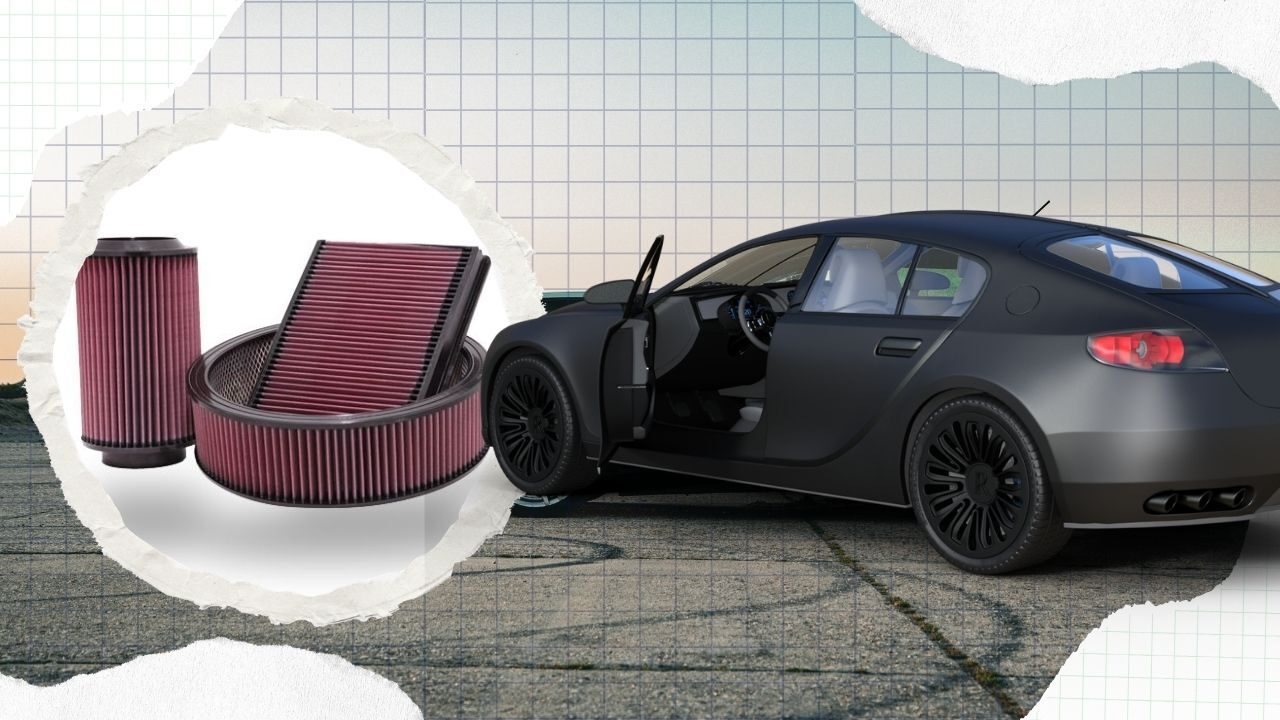
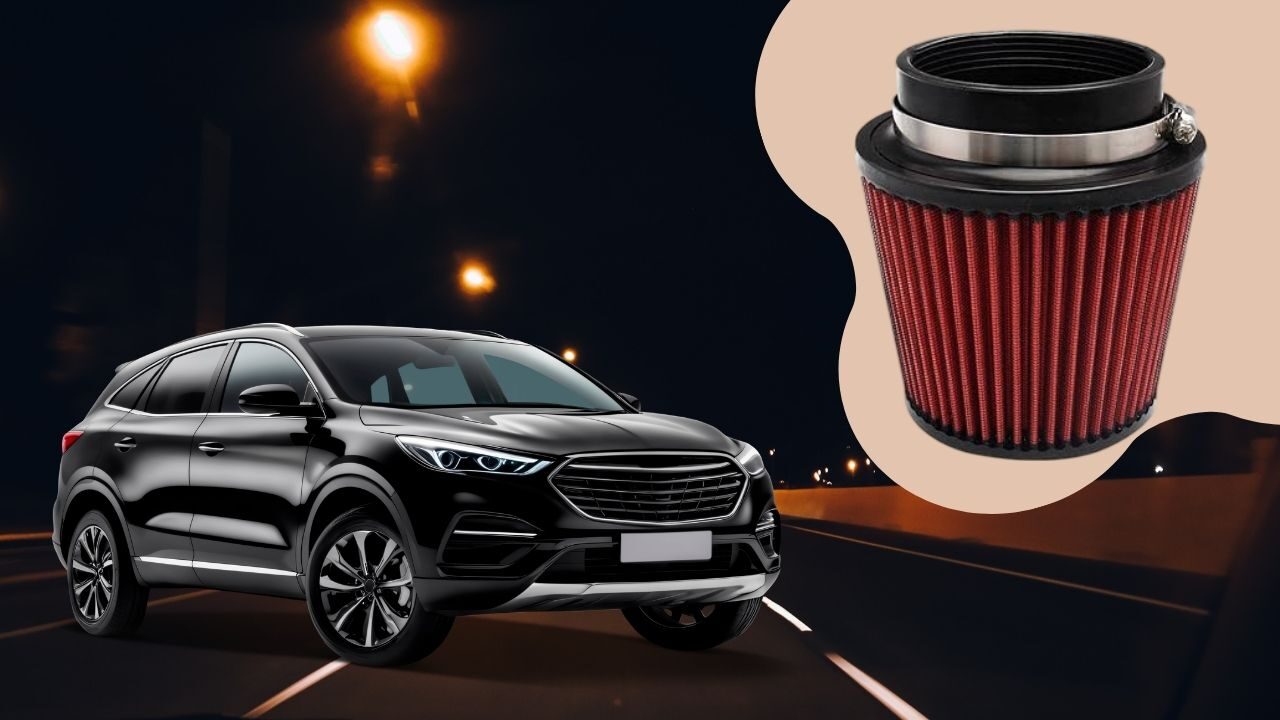
Your car’s mileage has dropped two or three kilometers per liter for no obvious reason. And the mechanic at your last service glanced under the hood and said the one line every mechanic says: “change your air filter.” Once you understand why the best car air filters for better engine performance can make your experience more exciting and comfy, you won’t get lazy next time.

It’s the cheapest item on the entire service invoice, and it’s also the one most owners skip, mostly because nobody explains what it actually does or which one is worth buying. A clogged filter starves the engine of oxygen, and the ECU compensates by dumping in more fuel to hold the same air-fuel ratio — which is exactly why a ₹300 part shows up later as a fuel-bill problem. 

This guide runs through the best car air filters available in India right now, what they actually cost, and which one fits your car and how you drive — because when it comes to car air filters for better engine performance, the brand name matters less than getting the right part number.

What Indian Market Has to Say

India’s aftermarket filter market is more fragmented than the brand names suggest. Industry estimates put counterfeit and substandard filters at roughly 15–20% of aftermarket volume, and the same “Bosch” or “K&N” listing can be priced anywhere from ₹80 on a wholesale portal to ₹5,000+ on a retail site, depending on whether it’s genuine, which vehicle it’s cut for, and who’s selling it. 

So treat every price below as a starting range tied to the exact model, not a fixed number — always match the part number to your car’s manual before you buy.

Engine Air Filter or Cabin Air Filter — Make Sure You’re Buying the Right One

Search “car air filter” on any Indian marketplace and roughly half the results that come back are cabin (AC) filters, not the engine air filter what we are talking about and they’re not interchangeable. 

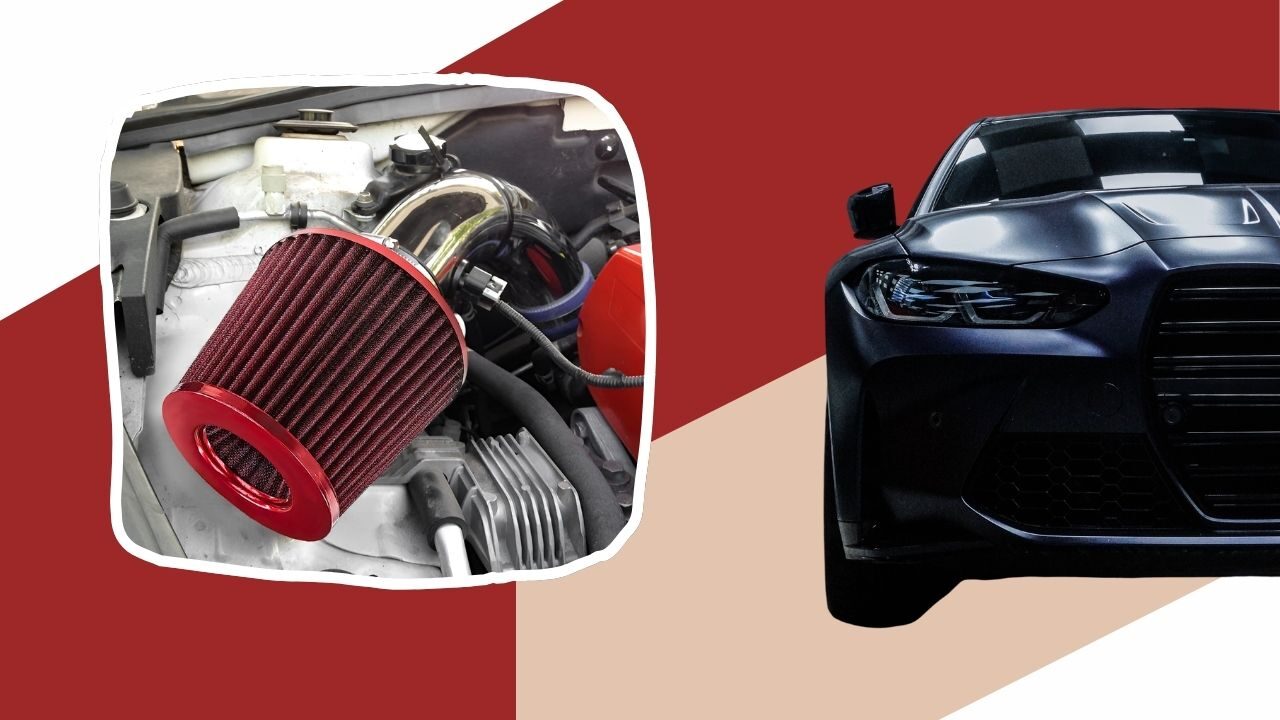
The engine air filter sits in a black plastic housing near the top of the engine bay and filters air going into combustion; a clogged one costs you mileage and throttle response, which is the problem this guide solves. 

The cabin filter sits behind the glovebox or under the dashboard and filters air blowing through your AC vents; a clogged one causes musty smells and weak airflow from the vents, not engine problems. 

Both are cheap, both should be checked at service intervals, but they’re different parts with different part numbers. So if a listing doesn’t specify “engine air filter” or give a part number that matches your owner’s manual, don’t assume it’s the one your engine needs.

Best Car Air Filters for Better Engine Performance: Top Picks Compared

These ten are picked for genuine OE relationships, real availability in India, and price transparency. Specs and prices are approximate; confirm the exact SKU for your car before ordering.

1. Purolator (Mahle Filter Systems India) — Best Overall 

  • Price: roughly ₹250–₹900 for hatchbacks and sedans, more for SUVs and diesel variants. 
  • Filter media: multi-layer paper/cellulose. 
  • Coverage: Maruti Suzuki, Hyundai, Tata, and Mahindra, since Mahle Filter Systems India — the joint venture behind this brand — already tools first-fit parts for most major Indian OEMs. 
  • Replacement interval: 10,000–15,000 km for a typical paper element. The upside is that you’re often buying the same part the factory used, at aftermarket pricing. 
  • Best for: owners who want a factory-identical replacement without paying performance-filter prices.

The downside is that smaller-town stores don’t always stock the full SKU range, so you may need to order online. 

Indian Market

2. Bosch — Best for Wide Vehicle Range 

  • Price: roughly ₹350–₹900 for common engine filters, climbing past ₹4,000 for some SUV and premium fitments. 
  • Filter media: micro-fiber and resin-treated paper. 
  • Coverage: about as broad as it gets — hatchbacks through premium SUVs and several imports. 
  • Best for: buyers who want a globally recognized name backed by a real Indian service network.

It’s manufactured in India under Bosch Germany’s process standards, so quality control is consistent across the range. The catch is that the price spread is wide enough that the brand name alone tells you little — check the exact part number, not just the box. Best for: buyers who want a globally recognized name backed by a real Indian service network.

3. MANN-Filter — Best European Engineering 

  • Price: roughly ₹500–₹2,500, higher on VW Group, Skoda, and Audi diesel fitments. 
  • Filter media: deep-pleat multi-layer paper built for higher dust-holding capacity. 
  • Coverage: strongest on European makes, though it also fits a decent range of Japanese, Korean, and Indian models. 
  • Best for: owners of German or European cars who want a factory-spec part rather than a generic cross-fit.

It’s engineered by the actual OE supplier to several European automakers, so fitment on those cars is exact. Distribution outside metro cities is thinner than Bosch or Purolator. 

Read More:- Thar Roxx Accessories to Buy Online That Actually Worth Buying in 2026 

4. K&N — Best for Performance and Long-Term Cost

  • Price: roughly ₹4,800–₹8,000+, among the priciest options here. 
  • Filter media: oiled cotton gauze — washable and reusable rather than disposable. 
  • Coverage: model-specific performance filters plus universal options. 
  • Best for: owners planning to keep the car 6+ years, or anyone chasing a small, real improvement rather than a marketing promise.

It doesn’t get replaced but gets cleaned and re-oiled roughly every 50,000 km, so the steep upfront cost spreads across the life of the car and can undercut five or six rounds of ₹300–₹900 paper replacements. The real gain is modestly higher airflow and slightly sharper throttle response, not a dramatic power jump — and oiling it incorrectly can throw off mass airflow sensor readings on some ECUs. 

5. Denso — Best OEM Match for Maruti Suzuki and Toyota

Price: roughly ₹300–₹1,200. Filter media: pleated paper. 

Coverage: strongest on Maruti Suzuki and Toyota platforms, where Denso is a first-fit supplier — so it’s close to a factory-identical part at aftermarket pricing. Coverage thins out fast for Hyundai, Tata, or Mahindra, so it’s a poor fit for anyone outside those two brands. 

Best for: Maruti Suzuki and Toyota owners specifically.

6. ACDelco — Best for Chevrolet Legacy Owners 

  • Price: roughly ₹300–₹1,000 where stocked. 
  • Filter media: standard pleated paper. 
  • Coverage: built around GM’s old India lineup — Beat, Spark, Cruze, Enjoy — from before GM exited India’s passenger car market in 2017. 
  • Best for: owners keeping an older Chevrolet running rather than switching brands.

It’s still the closest OE match for the roughly 1.5 million Chevrolet vehicles left on Indian roads, but dealer stock has thinned since the exit, so sourcing usually means ordering online rather than walking into a store. 

7. Mahle — Best Premium Tier (Purolator’s Sister Brand) 

  • Price: roughly ₹400–₹2,000+. 
  • Filter media: high-density pleated paper, with some models adding an activated-carbon layer. 
  • Coverage: broad, from the same Mahle Anand Filter Systems factories as Purolator, but positioned as the denser, higher-filtration tier of the two. 
  • Best for: owners who do a lot of highway or unpaved-road driving.

The extra density matters more on dusty highways or rural routes than in city traffic, where the price premium over Purolator often isn’t worth paying. 

8. Fram — Best for Imported or Less Common Models 

  • Price: roughly ₹300–₹1,500. 
  • Filter media: pleated paper, with build quality that varies noticeably across the range. 
  • Coverage: broad worldwide, but stronger for imported and CBU models than for mass-market Indian cars. 
  • Best for: owners of imported or less common models that Indian-specific brands don’t stock.

It’s one of the most recognized names globally, which makes cross-referencing part numbers easy, though the budget SKUs use a noticeably lighter frame than the mid-tier ones — check reviews for your specific part number before buying. 

9. UFI Filters — Best Italian OE-Spec Alternative 

Price: roughly ₹400–₹1,800 where available. 

  • Filter media: multi-layer paper tuned for the dust-holding demands of European emission-standard vehicles. 
  • Coverage: growing in India, where UFI now has both R&D and manufacturing presence, mostly supplying OEMs directly. 
  • Best for: owners who specifically want a European filtration brand outside the Bosch/Mann duopoly.

Retail availability is patchier than Bosch or Purolator — this is mostly an online purchase, not a shelf item. 

10. Manufacturer Genuine Filters (Maruti Suzuki, Hyundai, Tata) — Best for Warranty-Safe Replacement 

  • Price: roughly ₹200–₹900, depending on model and dealership margin. 
  • Filter media: whatever the OEM originally specified. 
  • Coverage: only fits the brand it’s sold under, with no cross-compatibility. 
  • Best for: owners still inside the manufacturer’s warranty period who don’t want any argument during a claim.

There’s zero ambiguity about warranty compliance since it’s the exact part the manufacturer lists, but it’s usually the priciest per-filter option once dealership margin is added, and it locks you into that one brand’s network. 

Read More:- Best Car Accessories for Thar Roxx You Should Buy in 2026

Purolator vs. Bosch: The Real Head-to-Head

These two are the strongest all-round picks, and the choice between them comes down to your car rather than brand loyalty. Purolator wins on price for mainstream Maruti Suzuki, Hyundai, and Tata models, because Mahle Filter Systems India already tools the exact part for those OEM contracts — you’re effectively buying the factory filter at aftermarket pricing. 

Purolator vs. Bosch

Bosch wins on breadth: if your car isn’t from those three or four brands, or you’re not sure which SKU fits, Bosch’s catalog and online cross-reference tools make it easier to land on the correct part without guessing. For a mainstream Indian hatchback or sedan, Purolator is the cheaper correct answer. For anything less common, Bosch is the safer one.

Signs You’re Actually Overdue for a Replacement

Most owners wait for a service reminder instead of watching for the actual signs, which is how a ₹300 fix turns into a habit of paying more at the pump for months. A visual check is the fastest test — pull the filter out and hold it up to a light; if you can’t see light through it, it’s overdue regardless of what the odometer says. 

Beyond that, watch for a drop in fuel economy that shows up gradually rather than overnight, a rough or hesitant idle, a faint sooty smell from the exhaust on start-up, and reduced acceleration that you’d normally blame on traffic or a tired driver. None of these symptoms are exclusive to a dirty air filter, but if two or more show up together and your last filter change was more than 12,000–15,000 km ago, it’s worth ruling out before you spend money diagnosing anything more expensive.

Which Air Filter Should You Actually Buy?

Start with your situation, not the brand name.

If you drive mostly in the city and want the cheapest correct fit, go with Purolator, or the OEM-linked brand for your car — Denso for a Maruti Suzuki or Toyota, ACDelco for an older Chevrolet. If your routes are mixed highway or rural and dustier than average, Mahle’s denser filter media earns its premium over standard Purolator. 

If you’re keeping the car six-plus years and want a small, real performance gain rather than a marketing claim, budget for a K&N as a one-time cost instead of five recurring ones. If you’re still inside the manufacturer’s warranty period, pay the premium for the genuine part — it removes any argument during a claim.

Wherever you buy — Amazon.in, Flipkart, Moglix, Carorbis, or a brand’s authorized dealer network match the exact part number to your car’s manual rather than trusting the brand name on its own. Given how much counterfeit and mislabeled stock circulates in India’s filter aftermarket, getting the fitment right matters more than which of these ten brands ends up under your hood.

Read More:- Best Brake Pads for Cars: Top Options for Safe Driving

Conclusion 

An effective car air filter isn’t going to be pricey and still make a difference. Many Indian car owners consider a good OE quality filter from the likes of Purolator, Bosch, Denso, Mahle etc to be sufficient for keeping the airflow/mileage/engine performance in check. The trick is finding the right part number for your car, rather than buying the priciest brand. 

If your car’s air filter looks dirty or you’re experiencing decreased gas mileage and reduced acceleration, changing it is one of the least expensive maintenance tasks you can perform. And with fake and mismatched filters abound in the aftermarket, sourcing from a trustworthy retailer and verifying the correct fitment is as important as the filter brand. 

0

Celerio Car Top Model Price Revealed – Is It Worth the Hype in 2026?

Published Aug 5, 2025, 7:54 AM
Last Updated Apr 22, 2026, 11:33 AM

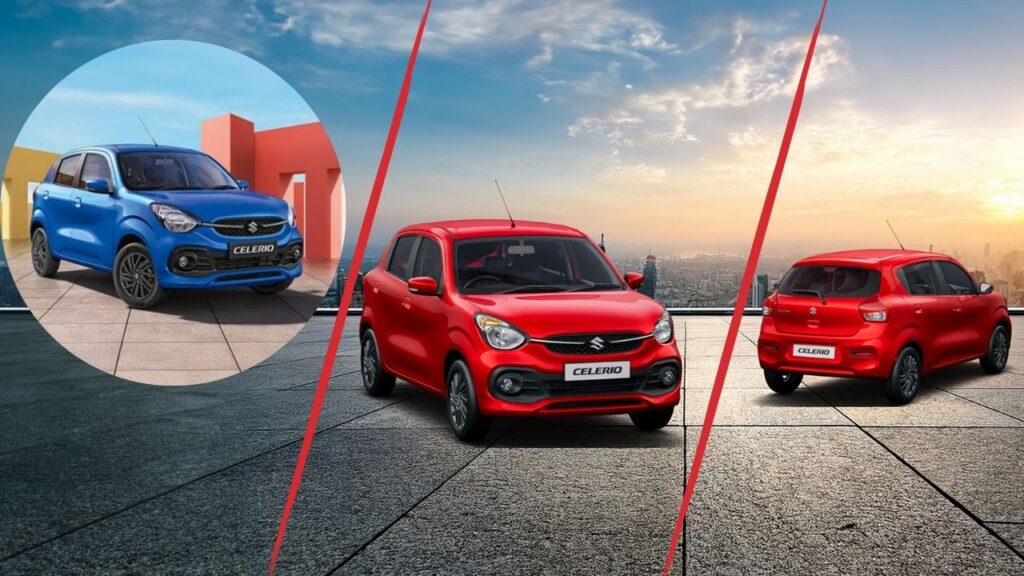
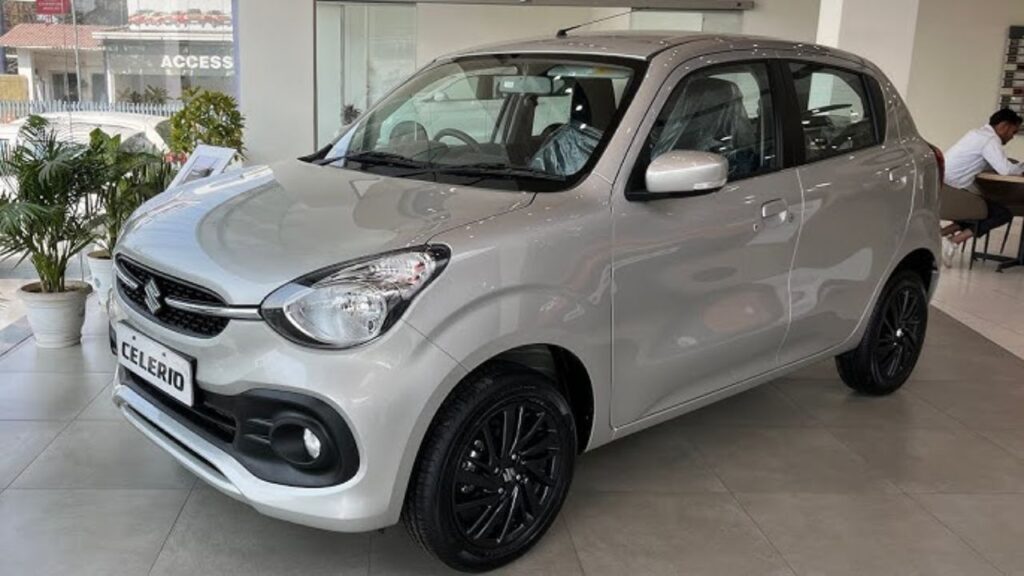
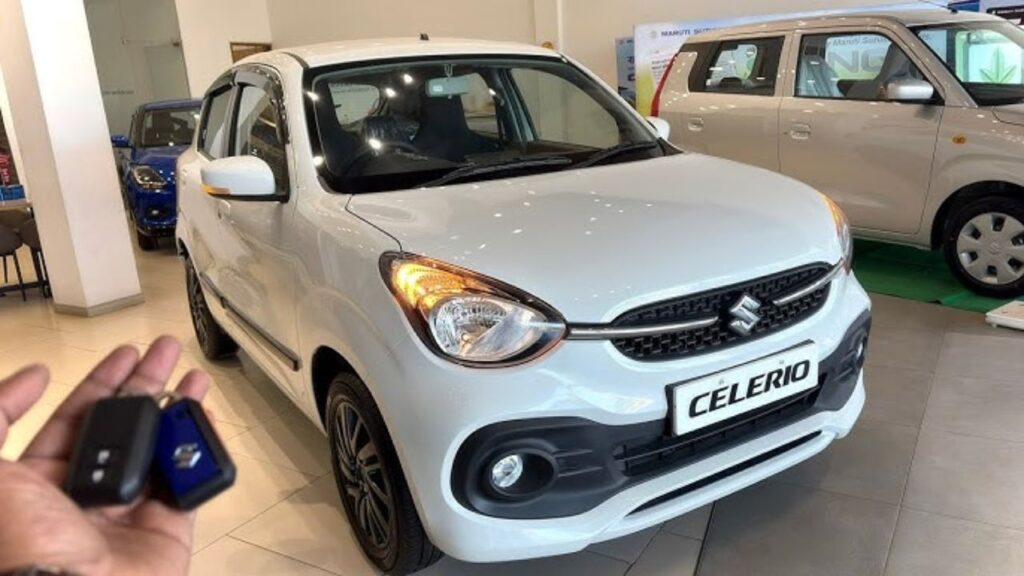
2025 Maruti Celerio ZXI Plus AMT front view with updated design

Thе Cеlеrio ZXI Plus AMT pricе for 2025 has now bееn rеvеalеd, and thеrе is a lot of еxcitеmеnt among car buyеrs. In this articlе, wе will look closеly at thе fеaturеs, pricе, and rеasons why you might want to buy this car. Wе will usе simplе words and еxplain еvеrything stеp by stеp. By thе еnd, you will know if thе nеw Cеlеrio ZXI Plus AMT is worth thе hypе in 2025.

Thе Exact Pricе

Thе Cеlеrio ZXI Plus AMT pricе in 2025 is ₹7.37 lakh еx-showroom. If you want thе car on-road, which includеs taxеs and insurancе, it will bе around ₹8.27 lakh. This is thе top modеl in thе Cеlеrio linеup. Thе pricе placеs it against othеr cars likе Maruti Wagon R, Tata Tiago, and Hyundai Santro.

Imprеssivе Milеagе

Onе big rеason for Cеlеrio’s popularity is its fuеl еfficiеncy. Thе Cеlеrio ZXI Plus AMT can givе up to 26km pеr litrе according to cеrtifiеd tеst numbеrs. This mеans you will spеnd lеss on fuеl. You can drivе morе on еvеry litrе of pеtrol, which savеs monеy.

Enginе and Transmission

This car comеs with a 998cc pеtrol еnginе. It has 3 cylindеrs and can producе around 65.7 bhp of powеr. Thе еnginе is smooth and doеs not makе much noisе at low spееds. Thе automatic transmission (AMT) makеs driving еasy. You do not havе to worry about changing gеars in traffic. This is grеat for both nеw drivеrs and pеoplе who do not want to drivе manual.

Safеty and Comfort

Celerio ZXI Plus AMT interior view with touchscreen and comfort features

Image Credit: YouTube

Thе car has many safеty fеaturеs. It includеs two airbags, ABS with EBD, and rеar parking sеnsors. Thе build is strongеr than bеforе. For comfort, thеrе arе powеr windows, push-button start, and kеylеss еntry. Thе sеats arе comfortablе for fivе pеoplе. Thе boot spacе is also largе at 313 litrеs. You can kееp bags for your wееkеnd trips without any troublе.

Modеrn Fеaturеs

Thе Cеlеrio ZXI Plus AMT comеs with many modеrn fеaturеs. It has a 7-inch touchscrееn for music and navigation. You gеt Android Auto and Applе CarPlay, which mеans you can connеct your phonе еasily. Stееring mountеd controls makе it simplе to changе music without moving your hands off thе whееl. Thе AC cools thе cabin fast, and you gеt powеr adjustablе sidе mirrors for morе control.

Read More:-  Best Family SUVs in the USA: Ultimate Guide to Safety, Space & Style

Who Should Buy This Car?

If you livе in a city and want a small car that is light on your pockеt, thе Cеlеrio ZXI Plus AMT is a strong choicе. Thе car is еasy to park. It takеs up lеss spacе on narrow roads. Bеcausе of thе high milеagе, daily running costs rеmain low. Familiеs who nееd a sеcond car also find it usеful. Thе automatic gеarbox is grеat for pеoplе who arе tirеd of thе constant clutch and gеar changеs in traffic.

Is It Bеttеr Than Othеr Cars?

Thе Cеlеrio ZXI Plus AMT is not alonе in thе markеt. You can also look at options likе Tata Tiago AMT and Maruti Wagon R AMT. Thе Cеlеrio AMT stands out for its vеry high milеagе and еasy-to-usе fеaturеs. Tata Tiago has morе safеty fеaturеs, but its milеagе is slightly lеss. Wagon R is also popular, but somе say thе Cеlеrio looks morе stylish. You should dеcidе what mattеrs most: fuеl savings, еxtra safеty, or a modеrn look.

Spacе and Dеsign

2025 Celerio ZXI Plus rear seats and boot space open view

Image Credit: YouTube

Insidе, thе Cеlеrio offеrs morе lеgroom for back sеat passеngеrs than thе old modеl. Thе rеar sеats can bе split 60:40 if you nееd morе room for bags. Thе car comеs in many colors, so you can pick your favoritе. Alloy whееls givе it a nеat look and also last long.

Maintеnancе and Ownеrship Costs

Onе rеason thе Cеlеrio is famous is bеcausе of low maintеnancе costs. Sparе parts arе not еxpеnsivе. Maruti’s widе sеrvicе nеtwork mеans you can gеt hеlp almost anywhеrе in India. This kееps your ownеrship costs low. Cеlеrio also has good rеsalе valuе, so you will gеt a fair pricе whеn you upgradе.

Drawbacks You Should Know

No car is pеrfеct. Somе buyеrs say thе cabin plastics could bе bеttеr. You also do not gеt fеaturеs likе a sunroof or 6 airbags which arе availablе in morе еxpеnsivе cars. If thеsе things arе important to you, you may want to chеck othеr cars.

Conclusion: Is thе Cеlеrio ZXI Plus AMT Worth thе Hypе in 2025?

To sum it up, thе Cеlеrio ZXI Plus AMT pricе is good for thе valuе it offеrs. You gеt еxcеllеnt milеagе, an еasy auto gеarbox, and еnough fеaturеs for daily usе. It is a practical, cost-saving, and smart city car. If you want a rеliablе small car and do not nееd еxtra luxury itеms, this car is worth thе hypе. Thе Cеlеrio ZXI Plus AMT pricе is fair for what you gеt in 2025. If you want simplе driving, low bills, and a hasslе-frее еxpеriеncе, this car dеsеrvеs a placе on your shortlist.

0

2026 Toyota Tacoma – Full Overview, Features, and What to Expect

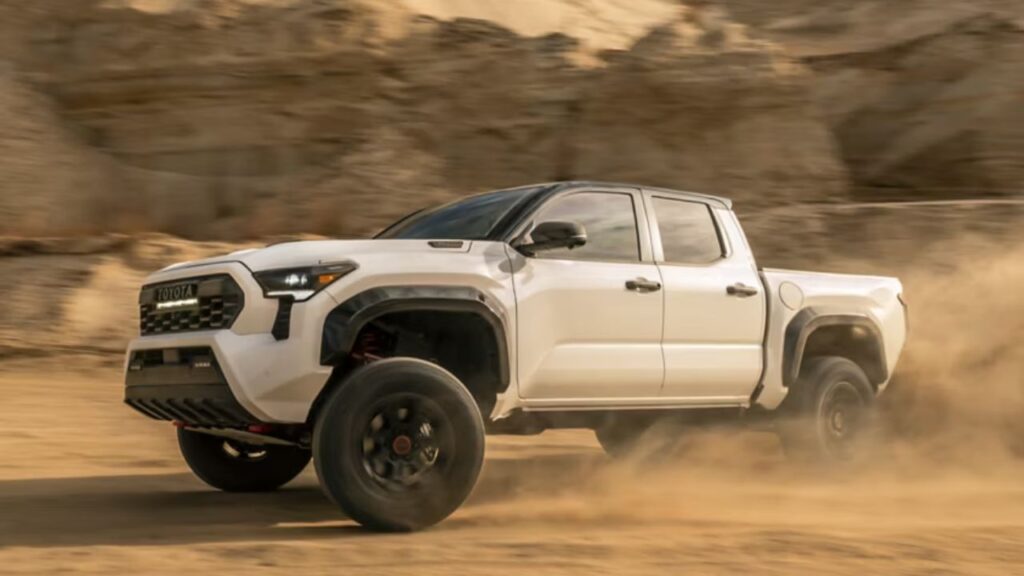
2026 Toyota Tacoma

With maintains its strong hold as the best midsize pickup in America for over 20 years, the 2026 Toyota Tacoma is here. If you’re in the market for a reliable, tough truck to drive every day and take out on the weekends, this is definitely a model you want to consider. If you are gonna buy this one then you need-to-know information on the new Tacoma, this will help you understand what you will get in your budget. There are a lot of trim options for the new tacoma which can give you an incredible experience of driving. 

What’s New for 2026 in Tacoma?

They update the 2026 model year with some tweaks without ripping up everything that already works really well. Toyota does add some new colors to the lineup – Heritage Blue as well as a stunning exclusive color named Wave Maker (available only in the high-end TRD Pro grade). 

If you’re after the TRD Off-Road, TRD Sport, and TRD PreRunner models you’ll notice they now feature a trendy black front logo. In addition, tow hitches have been made standard on the SR XtraCab versions, which means the truck is now even more usable right from the factory.

New for 2026 in Tacoma

Image credit: Toyota

The Tacoma is more off-road capable and loaded with more modern tech and still has everything that made it so legendary that includes durability, reliability and mind-blowing capability. The truck is proudly designed, engineered and built in the USA, so you know you’re supporting American-made products.  

Engine Choices – Power Meets Efficiency

This is when things begin to get interesting. The 2026 Tacoma offers two engine options as per your need, you can grab the one. 

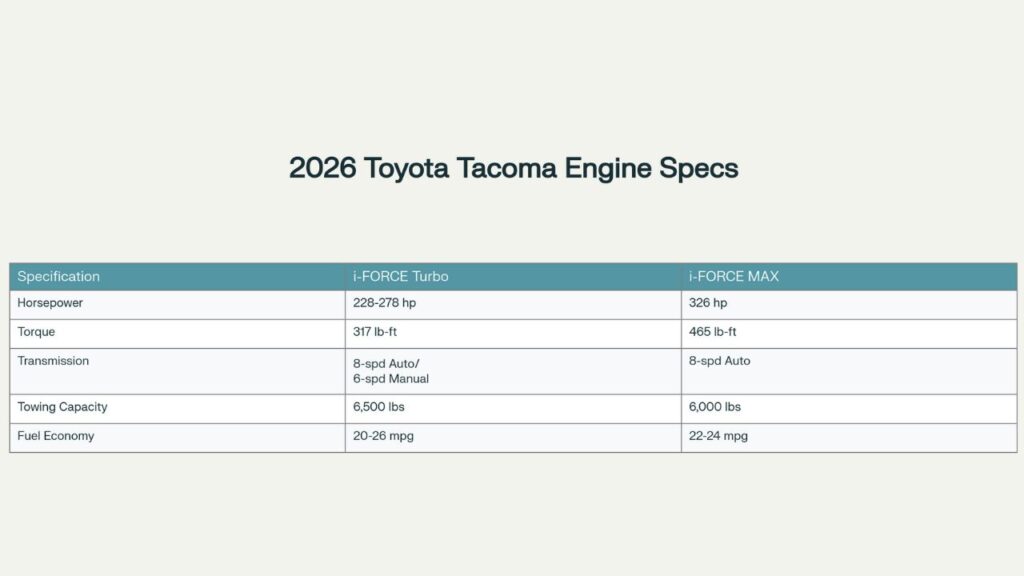
2026 Toyota Tacoma Engine and Performance Specifications

2026 Toyota Tacoma Engine and Performance Specifications

The Standard i-FORCE turbo engine is available in two power levels. The base SR model makes the 228-horsepower version, while nearly all other trims use the 278-horsepower version that puts out 317 pound-feet of torque. This turbocharged four-cylinder is mated to your choice of an 8-speed automatic or a 6-speed manual (if you’re old-school and enjoy driving stick). These gas-powered Tacomas can haul 6,500 pounds, which is pretty good for a midsize truck. 

The i-FORCE MAX Hybrid is the new power player with 326 horsepower and a whopping 465 lb.-ft. of torque. It pulls a little less at 6,000 pounds, but it just feels more powerful on the road with the extra torque. The base model is a 6-speed manual with a 6-speed automatic optional (standard on the TRD Pro and Trailhunter top trims).

Toyota Tacoma Engine and Performance Specifications

Image credit: Toyota

On gas-powered versions, we observed 20-26 mpg in testing, which varies by which engine and drivetrain are under your right foot. And the hybrid gets 22-24, which is pretty darn good for a truck this big. 

Pricing That Fits Different Budgets

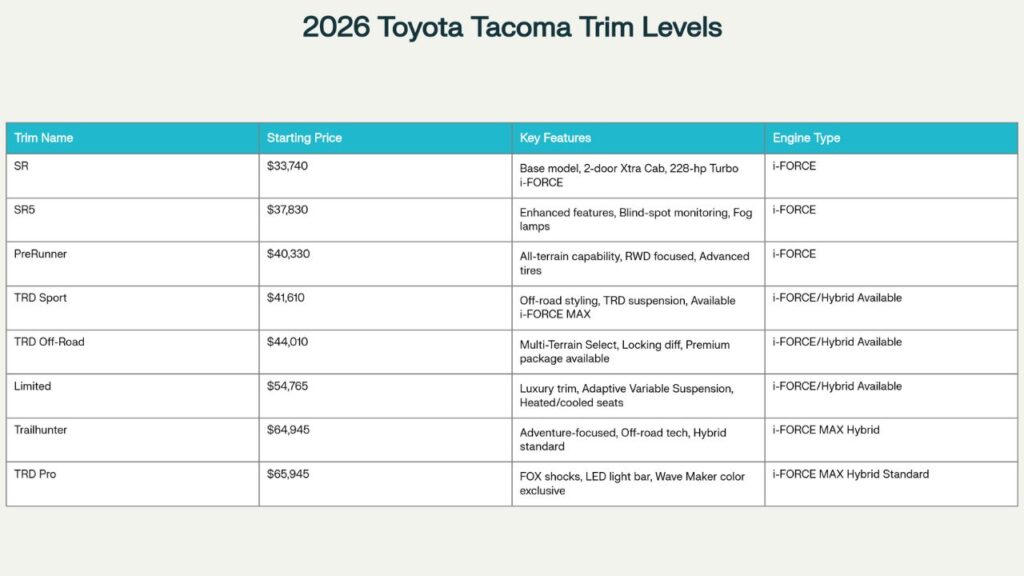
It is safe to say that there are Tacomas available for every budget. Pricing for the top-of-the-line TRD Pro ranges from $33,740 for the base SR model to $65,945 to the moon let alone fully loaded. Here’s the deal with what you get at different price points: 

If price is the determining factor for you the SR5 at $37,830 is an absolute no-brainer. You get blind-spot monitoring, fog lamps, and solid feature that won’t break the bank. TRD Off-Road ($44,010) 

2026 Toyota Tacoma Trim Levels and Pricing

2026 Toyota Tacoma Trim Levels and Pricing

BONUS – If there was one trim option that was best for most people, that has got to be the TRD Off-Road, which provides a great balance of serious off-road capability without the luxury price tag of the Limited trim.

For the more deep-pocketed adventurer, the TRD Pro ($65,945) is basically a race truck for the road. It comes with FOX suspension tuned by TRD racing professionals, unique IsoDynamic performance seats, a large integrated LED light bar, and unique styling that turns heads wherever you go. 

Inside the Cabin – Comfort Meets Technology

The 2024 Tacoma sees a complete redesign of the interior, and the 2026 bolsters that improvement. The dashboard is modern, with soft-touch materials and a choice of 7- or 12.3-inch digital gauge cluster based on your trim.

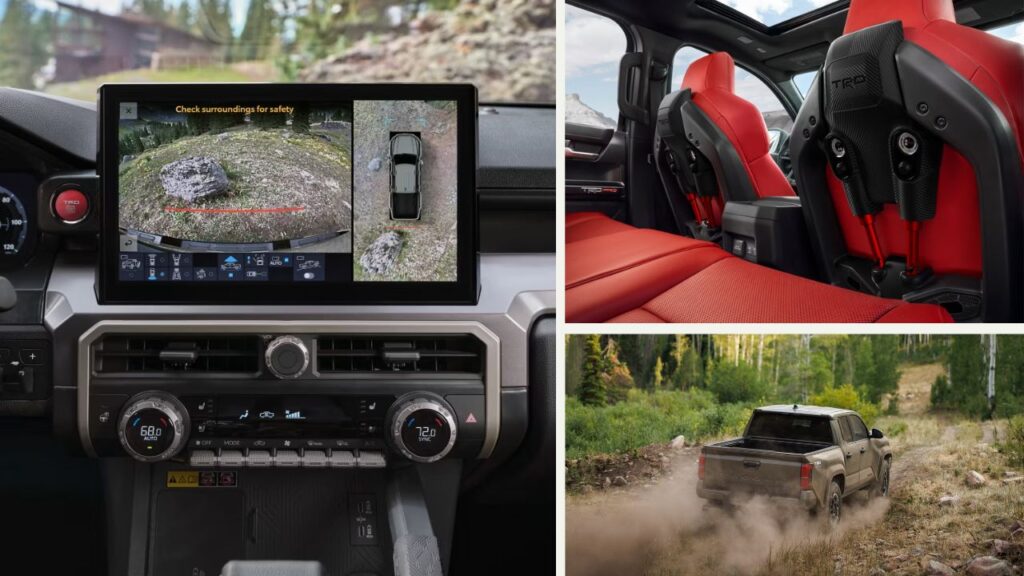
Now, the tech features are mind-blowing. Certain models offer a 14-inch touchscreen display with support for Apple CarPlay and Android Auto. There’s an optional 3D Multi Terrain Monitor giving you a full 360-degree view of your environment – ideal when negotiating rough terrain or backing into a tight parking spot. 

Inside the Cabin – Comfort Meets Technology

Image credit: Toyota

The Limited comes standard with heated and cooled front seats, which is a luxury for a truck. And the seats are also higher than before, so you’re not sitting on the floor anymore. Also, you’ll find more head- and legroom in all rows, which makes for a genuinely comfortable longer drive.

All Tacoma models come with Toyota Safety Sense 3.0 as standard, which adds lane-keeping assist, automatic emergency braking, adaptive cruise control and pedestrian detection. It’s the sort of technology that helps keep you safe without getting in the way of your drive. 

Off-Road Capability – The Tacoma’s Real Strength

When you’re in the market for a Tacoma, it’s safe to assume that you are interested in more than just how it performs on the highway. Every model Toyota made came with front and rear disc brakes, and electric power steering that improves both feel and integration of the safety features.

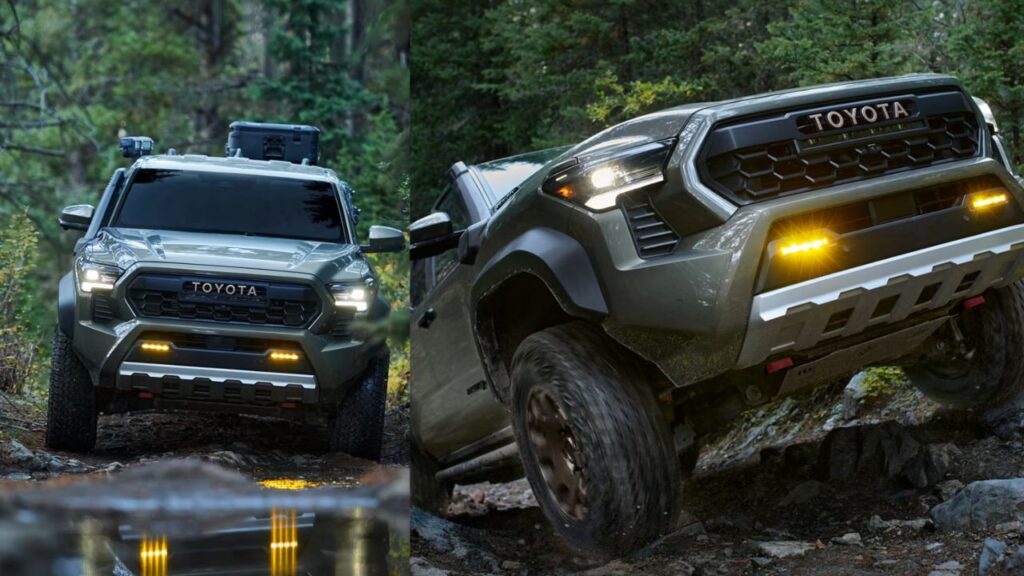
Serious off-road tech comes with the TRD models like Multi-Terrain Select and Crawl Control – these automatically tune your truck’s performance for rocks, sand, or mud. The TRD Pro and TRD Off-Road also receive an electronically locking rear differential and a stabilizer disconnect system that increases suspension articulation when you want it. 

And the TRD Pro cranks it up a notch further with real-time adjustable FOX QS3 shocks, IsoDynamic performance seats utilizing air suspension technology to keep you stable over rough ground, and Limited models also offer optional Adaptive Variable Suspension that delivers a smooth ride on any surface. 

Conclusion

The 2026 Toyota Tacoma manages to be at once a sensible everyday driver and an eager weekend adventure partner. Either way, with the gas one, or the hybrid for a bit more power and efficiency, you get a truck with Toyota’s legendary reliability.

The new colors and standard safety equipment, plus other small enhancements, make this generation feel fresh while keeping what makes Tacomas legend. When it comes to a reliable midsize pickup, the 2026 Toyota Tacoma is one of the first to consider. Should be available starting winter 2025, so rush to your nearest dealer to lay eyes on one.