0

Adar Poonawalla Car Collection Full Details on Features and Price

Published Feb 23, 2026, 6:40 AM
Last Updated Apr 8, 2026, 7:25 AM

adar poonawalla car collection

Have you ever wondered what the garage of a billionaire looks like? Then there is the Adar Poonawalla Car Collection which is located in India and one which ranks among the best car collections in the world.

Adar Poonawalla is the CEO of Serum Institute of India (SII), the world’s largest vaccine producer, and the man who played a key role in distributing the Covishield COVID-19 vaccine, as well as helming one of the biggest pharma companies in the world. But he’s nothing more than a car enthusiast in this world role, when he’s not at board meetings or international health conferences. 

Really, really expensive cars hidden in the family home called the Adar Abad in Pune, Maharashtra. It’s a collection so exceptional that it operates less like a garage and more like a world-class museum. The fleet is also shared by his cousin Yohan Poonawalla, and as a duo, they communicate a passion for automotive craftsmanship that transcends centuries of history to bleeding edge modern engineering. 

The Supercars Give Pure Thrills

McLaren 720S

Adar’s pride and joy is a McLaren 720S dressed in a menacing black. But this is not your usual 720S. It was the first right-hand drive McLaren 720S to be permanently registered in India – a landmark that demanded deft weaving through India’s labyrinthine import regulations. After the CBU import duties doubled the price, the car went for about ₹4.5 Crore. It’s worth every rupee, if you ask any car enthusiast.
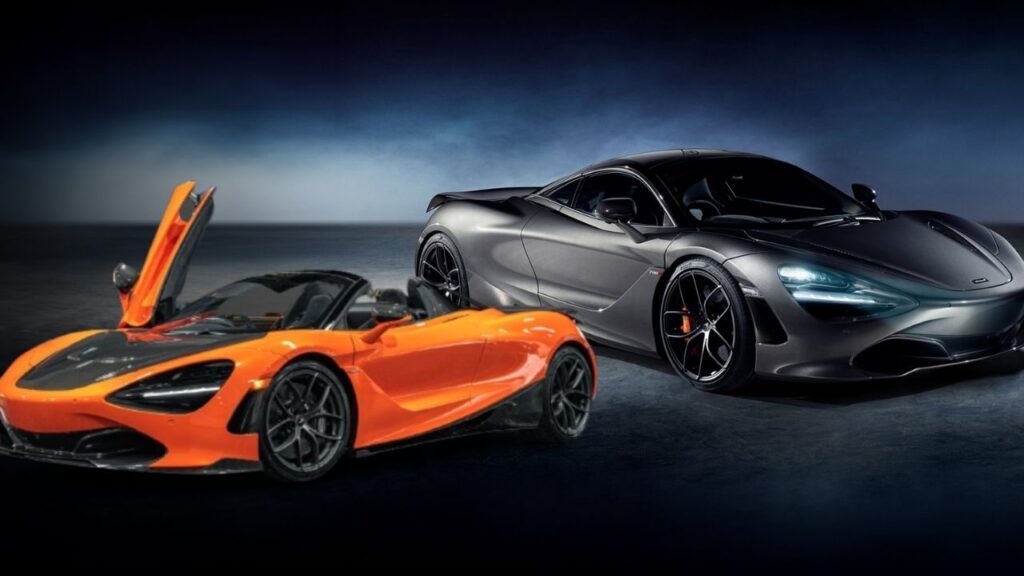
McLaren 720S

With a 4.0L twin-turbo V8 making 720 horsepower, the 720S is a technological wonder with a 212 MPH top speed and 0-60 time of 2.8 seconds. The car’s carbon-fiber tub makes it extraordinarily light and the hydraulic suspension system feels at once road-compliant and track-accurate. 

Even inside there’s a driver display that physically folds down in Track mode to reduce distractions. So when you now find yourself not moving, it’s this kind of thoughtful engineering thing which is good enough to make you smile. 

Ferraris—360 Spider, Aperta, and Pista Spider

Then there are the Ferraris, not just one but more than one. The family has a physical timeline of sorts throughout Ferrari’s mid-engine V8. There’s a Ferrari 360 Spider with a very rare open-gate manual gearbox (one of only two such cars in India), a car that was bought, sold and then bought again, which is pretty much tells you all about the emotional pull it commands. 

Ferraris

Yohan’s Ferrari 458 Speciale Aperta has his initials stamped on the nose. Also mounted on a Ferrari 488 Pista Spider is a plaque that says “Made exclusively for Yohan Poonawalla.” These are not cars. The signatures are coming in. 

Daily Life at the Top With Bentley Bentayga

When you’re making billion-dollar vaccine deals and going into high-stakes corporate meetings, you want something that surrounds you with calm and comfort and that doesn’t give away too much, in the way of presence. 

The deep blue grand tourer is powered by the enormous 6.0-liter W12 engine that produces 626 PS (615 hp) on the road and is finished off with a bespoke chrome-dipped grille. That’s the Bentley here to Adar, after all. 

Daily Life at the Top With Bentley Bentayga

But the real instrument of Bogdan’s day-to-day is the Bentley Bentayga Extended Wheelbase Azure, and this thing is really something else. Valued between ₹5.87 and ₹7+ Crore, it’s essentially a luxury apartment on wheels. The extended wheelbase features what Bentley calls an “Airline Seat Specification” — a seat that autonomously tracks your body temperature and humidity, makes invisible micro-adjustments to alleviate pressure points, and keeps you fresh regardless of the length of the journey. 

There are massage zones. There is air filtration. There’s even a 48-volt active anti-roll system that keeps the enormous SUV perfectly flat through corners. Adar also secured the VIP plate “111” for it — because of course he did. 

Matte Black and Menacing Land Rover Defender 110 X

The Adar convoy is the ultimate power and utilization. The Land Rover Defender 110 X dressed in matte black, this is a situation of substance over style. It still produces a healthy 518 bhp from its 5.0-litre supercharged V8, so that’s enough for it to hold its own against the Bentley Bentayga it’s travelling with. 
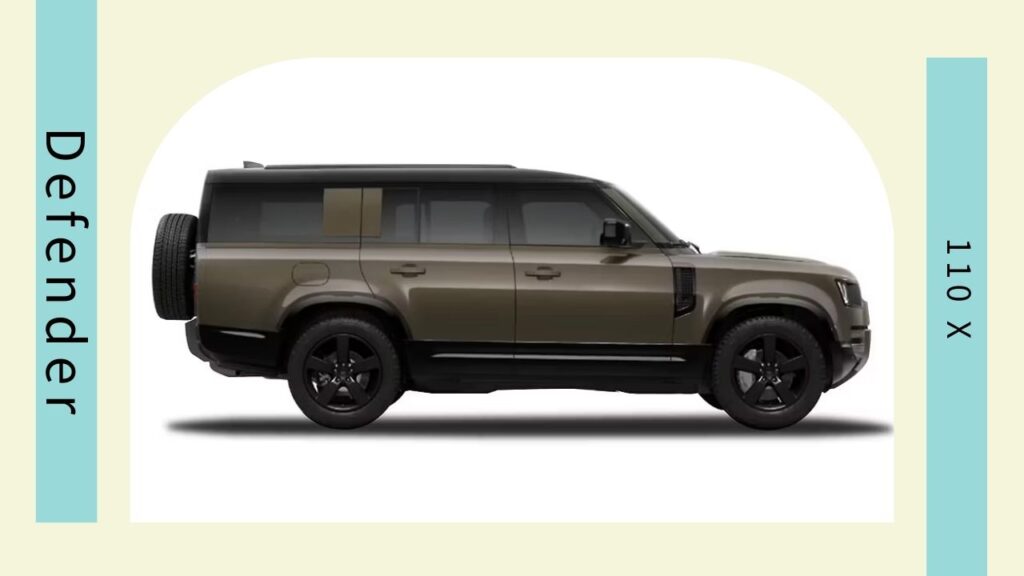
Matte Black and Menacing Land Rover Defender 110 X

With the air suspension that can be raised for a ground clearance of 218mm (8.6 inches) or 290mm (11.4 inches), this car is a natural in the wilderness, be it in hot pursuit or flee. This is tactical luxury at its most practical, where design meets function with no compromises. 

The Rolls-Royce Fleet: Twenty-Two Strong

The family has a jaw dropping collection of 22 Rolls-Royces, a testament to not only their extraordinary wealth but also the colours of their taste. Among them, is Yohan’s Rolls-Royce Phantom VIII Extended Wheelbase, a true masterpiece and the priciest car in India at ₹22 Crore. This luxury car comes with a Spirit of Ecstasy hood ornament made of solid gold and a Bohemian Red customized exterior. 

It comes with the legendary Starlight Headliner, an illuminated grille and the extremely rare Privacy Suite, an electro-chromatic glass panel that can be made opaque at the push of a button. Significantly, Rolls-Royce had taken that feature out worldwide but re-introduced it for this car, at the family’s request, again highlighting the extraordinary clout and buying power of the family. 

Read More:-  Honda Car Offers on City, Elevate and Amaze, Save Up to ₹1.97 Lakh

A Garage That Doubles as a Museum

The family’s garage is not just a storage space for exotic cars, but an evolving OCD-dream version of the history of the automobile. Some are extraordinary cars of historical significance including a 1956 Mercedes-Benz 190 SL previously owned by Maharani Gayatri Devi of Jaipur, a 1939 Derby Bentley belonging to the last Nizam of Hyderabad, and a 1979 Rolls-Royce Phantom VI that once belonged to Queen Elizabeth II’s royal fleet. 

Perhaps the most thrilling sign of the company’s commitment to maintaining this legacy came at an international event in the UAE, where Yohan boasted eight generations of Rolls-Royce Phantom models, covering a history that spans nearly 100 years. 

This included a 1928 Phantom I previously owned by the Maharaja of Kashmir and a 2024 Phantom VIII. That was the first time such an entire gamut of the collection holding type was brought together from a single collector. 

To put this in perspective, a couple of these legendary rides were even enlisted in a rally across the Emirates, a very strong indication that the family want these masterpieces to be not only preserved but run and duly celebrated. 

Conclusion

The Adar Poonawalla Car Collection is not just a wealth issue, it was about the vision, legacy, and a near poetic value of history in the automotive world. From state-of-the-art hypercars and custom luxury SUVs to 100-year-old royal classics, the garage embodies a philosophy that holds both innovation and heritage in high regard. For Adar Poonawalla, cars are not just trophies but living art, drawing tales of engineering and a legacy that is forever preserved. 

Bipin Sharma

Bipin Sharma is a seasoned automotive content writer with over 10 years of hands-on experience in the world of cars. From the latest car news and reviews to in-depth maintenance tips and expert buying guides, Bipin covers everything that drives the automotive world. Writing about cars isn’t just his profession — it’s his passion. His deep industry knowledge and love for automobiles fuel every blog he creates, helping readers make informed decisions and stay updated on the fast-evolving auto landscape.

Leave a Reply

Your email address will not be published. Required fields are marked *

0

Elon Musk Car Collection 2026: Tesla, Rare Cars & Net Worth

Published Apr 3, 2026, 4:54 AM
Last Updated Apr 17, 2026, 4:58 AM
Elon Musk Car Collection

Elon Musk Car Collection

Have you ever asked the question, what does the World’s richest man drive every day or on a weekend trip? You can have any car you want when you have that kind of money. Elon Musk Car Collection is pretty different from what you’d expect. And rather than a massive collection of exotic cars like many billionaires, Musk keeps his automotive stable surprisingly modest, with car that reflect his own personality. 

In the year 2026, Elon Musk isn’t just a CEO, he’s a global phenomenon. From taking Tesla to the next generation of robotics, to combining space exploration and artificial intelligence with his giant SpaceX and Grok AI enterprises, he’s living life at the pace of light. Yet even the rocket-builder and Mars-mission planner needs a dependable ride on Earth.

If you ever searched “how many car collections of Elon Musk” on any search engine, he has you running for a while with a pretty interesting story. His garage is a strange fusion of futuristic electric cars, rare historic classics, and movie props. 

Let’s look into a detailed article. We will talk about his favorite daily drivers, vintage beauties, net worth shocker in 2026 and how much the Elon Musk Car Collection price exactly is. Let’s take a look at the incredible, fast paced world of Elon Musk vehicles! 

Net Worth of Elon Musk in 2026

Before enjoying the beautiful cars in his driveway, we must first examine the extraordinary bank account that buys them. As of early 2026, Elon Musk is the richest person ever in human history, with other billionaires way behind him.

Elon Musk’s net worth has shot up to an unbelievable $844 Billion as per latest financial reports and global billionaire indexes Yes, you read that correctly. He is racing toward the trillion-dollar mark, a point that many financial experts believe he’ll reach very soon if his companies maintain their momentum. 

But how did his fortune balloon so much by 2026? Among the largest is the historic $1.25 trillion mega merge between his space exploration company, SpaceX, and his artificial intelligence startup, x AI. This audacious deal combined the two companies to dominate both an outer space satellite net internet (Star link) and the AI business (Grok). 

On top of that, his flagship company Tesla, has managed to successfully evolve from mere electric car manufacturer to massive robotics and AI powerhouse. This new age for Tesla is set to be marked by mass production of Optimus Gen 3 humanoid robots and the long-awaited, fully autonomous Cyber cab. 

When your net worth is a cool $844 billion, purchasing a rare, multi-million-dollar vintage car is the equivalent of an ordinary person grabbing a quick cup of coffee. Musk is notorious for saying that he is “cash poor” as his vast wealth is tied up in company stock and investments. A couple of years back he sold virtually all of his physical real estate and homes to finance his mission to Mars. Even though he sold his homes, he did keep the cars he loved. 

The Daily Drivers in Elon Musk Car Collection

1. Tesla Model S Performance (Plaid)

For Elon Musk himself, when he needs to travel quickly and comfortably to a business meeting, it’s likely that he’ll choose his Tesla Model S. However this isn’t a normal Model S, it’s the high performance Plaid Model S. It can go from 0 to 60 miles per hour in less than two seconds.

Elon Musk loves this car, because it makes the point that electric wheels can trounce even the most expensive and loudest gas powered race car around a racetrack. It’s cool and very comfortable and it has the latest, greatest self-driving autopilot.  

2. Tesla Cyber truck

Elon Musk Car Collection is incomplete without the Tesla Cybertruck. It excites him most because of its on-road/off-road armored capability. He is driving Cyber truck himself for a long time despite the fact they are rare on the road until 2026. 

And now, proudly proclaiming his delight in having an everyday decision over what to drive: “Whether to drive the dual motor+ performance+ stainless+ Cybertruck or drive the elegant Model S.” The angular, geometric design and impenetrable body of the Cyber truck make it the ideal physical representation of Musk’s defiant, futuristic image. 

3. Tesla Model X

When you’re a busy “business dad” with a lot of kids, you need room. The Tesla Model X is Musk’s default family car. The signature Falcon-wing rear doors that open upwards aren’t just for show they were born out of Musk’s own frustrations with traditional family SUVs. 

Before the Model X existed, Musk drove an Audi Q7, and claimed it was tough to ‘get his kids comfortable in the third row of seats in tight parking spaces.’ He insisted that the Model X doors open upwards, thereby completely solving the everyday annoyance. 

The Rare and Vintage Classics (Elon Musk All Car Collection)

4. 1967 Jaguar E-Type Roadster

This classic British sports car was Musk’s first real love in the automotive world. When he was only seventeen, he looked at a magazine picture of a Jaguar E-Type and vowed to himself that when he made it, he would buy one. After getting a $40,000 bonus check from his first tech company, Zip2, he at last bought a 1967 Jaguar E-Type.

Old cars always seemed to be broken in some way or another. Elon Musk said his brand new Model S broke down on his first trip home from the dealer, Tesla CEO laughed. Jaguar E-Type The Jaguar E-Type is considered by many to the most beautiful car ever, none the less with all its imperfections and in vintage car racing he has a special, nostalgic place in his heart. 

5. 1976 Lotus Esprit “Wet Nellie” (The James Bond Car)

This is maybe the most awesome, fun and iconic car he owns. When you watch the classic 1977 James Bond action flick The Spy Who Loved Me, you’ll no doubt recall the incredible white sports car that makes a dramatic exit off a wooden pier, plunges into the ocean and immediately turns into a working submarine.

In 2013, this very movie prop was put to auction in London. Musk was the winning bidder, and purchased it for just under $1 million. The movie prop didn’t transform, and it couldn’t even be driven on real roads! It was just a wet submarine shell in the shape of a car. Musk was slightly underwhelmed by the Hollywood hocus-pocus, but has said he hopes to convert the classic car to a “real, functioning submarine” at some point, with a futuristic Tesla electric powertrain. 

6. The Legendary McLaren F1

Musk bought the ultimate dream supercar of the time: the McLaren F1 when he sold Zip2 in the late 90s and became a young tech multi-millionaire This was a genuine engineering marvel, with a maximum speed of more than 240 mph, doors that opened like a beetle’s wings, and a distinctive three-seat interior layout, with the driver in the middle.

The tale of this particular car is very well-known in Silicon Valley. Musk was bragging about the car’s blistering acceleration in 1999 to his business partner, Peter Thiel when. He punched it, lost control, spun into the air, and smashed the priceless car heavily into the road. To add insult to injury, Musk hadn’t even gotten insurance on the car! 

Musk repaired the damaged McLaren F1 – one of his most legendary and dangerous early career stories – and sold it years later for a tidy profit, but it still stands as a testament to the risks he’s taken throughout his career. 

7. 1920 Ford Model T

You are going to be very surprised when there is a 100-year-old, slow, awful car sitting in the high-tech garage of a man who builds spaceships. However, the historical automobile that changed the entire world was the Ford Model T. Not only was it the first inexpensive, mass-produced car that made it possible for an ordinary working-class family to travel by car. This 1920 Ford Model T is a best engineering model which makes Elon Musk get profound respect for his choices.

8. Porsche 911 Turbo

Porsche 911 Turbo is an excellent piece manufacturing model before and after Tesla. It stand forever on the road and ready to beat the race in its own ways. Musk took his Porsche 911 Turbo out for a spin. He also expressed his interest in speed and sports engineering. 

But he also realized how dirty fuel was. That is an experience he would never forget, he said. This masterpiece inspired Elon to build an electric car which gives same features and specification as Porsche 911.

9. 1978 BMW 320i

This was the first car Elon Musk ever had. He bought it used for a mere $1,400 back in 1994. He renovated the place himself, purchasing inexpensive replacement parts from junkyards, he replaced the broken glass, and the filthy work receded hands-on mechanical labor. It was his reliable ride in the days when he was a struggling college student. Sadly, the car’s life ended when one of his first company interns borrowed it to make a run to the store and crashed it. 

The 2008 Tesla Roadster (Star man) is Out of this World

The biggest invention, Tesla Roadster, the compact sports car which changes the world electric cars definition by sparking out with its unique abilities. It showed a skeptical public that EVs didn’t have to be slow, dumb golf carts. For many years, Elon parked his cherry-red 2008 Tesla Roadster but then sparked out with a creative idea which no one else’s ever done in history.

Tesla Roadster traveled through space under the Falcon Heavy mission that proved Elon’s passion for automotive engineering. That same car is now somewhere in orbit around out in space. Star man in a SpaceX spacesuit highlighting “Don’t Panic” showed it conveyed the message to anyone who might read it.

Read Also: Sundar Pichai Car Collection 

Conclusion

Elon Musk Car Collection is more than just a few rowdy space cars to flaunt in orbit. It’s a distilled expression of his brilliantly chaotic vision of the world.

His selections tell you the story of his life, if you pay attention. The Jaguar E-Type stands for his late teenage aspirations. The McLaren F1 is his first major success (and lesson in failure) in the financial world. The Lotus Esprit embodies his playful imagination and pop cultural adoration. And his relatively modern fleet of Tesla’s are a testament to his unrelenting, indefatigable, desire to change the future of our planet’s energy.

Audi SQ8 Launched in India: New Engine, High Performance & Design

0

Top 5 Cheapest Electric Cars in the USA (Full Price Breakdown Inside!)

Published Jul 29, 2025, 5:57 AM
Last Updated Apr 7, 2026, 10:47 AM

Electric Cars in the USA

Now it’s possible to buy Electric Vehicles at affordable prices with rising competition, growing demand, and tax credits. Many people want to save trees but some want to change their pollution-spreading behaviour. In this case, switching to electric vehicles is one of the changes. The high price barrier is stopping many people from buying EVs in the US. But now, without losing a bunch of money, you can switch from diesel or gas to Electric Vehicles. Here are some of the Top 5 Cheapest Electric Cars in the USA, which provide you with smart features, comfortable seats, extra safety, and a smooth run at a low price. 

They are cheap but they’re reliable and comfortable that you cannot regret buying. I’ve put together a list of the budget-friendly EV cars, but remember the price and rankings may vary over time. 

If you want to drive in a comfortable car for your needs that doesn’t bend your concerns over eco-friendly nature, you can switch to an EV. These top cheapest cars will not consume all of your money but provide you with a powerful engine and battery life to make you less worried.

Chevrolet Bolt EV– Best Value for Money

Chevrolet Bolt EV

Image Credit: Architectural Digest

In 2025, the Chevrolet Bolt EV is offering a 260-mile range and a solid build model under $20K after incentives. This car has fast charging support that will last for 100 miles. You will get a wonderful experience of smooth running and braking with one pedal driving. Standard Chevy safety assist will lessen your worry about any trouble. This advanced Chevrolet Bolt EV is providing a 10.2-inch infotainment touchscreen with a rear vision camera to ensure nothing can stop you from driving long routes.

The starting price is $26,500. You can buy at a lower price if you include the federal tax credit. Experience the real smooth turns and take joy while driving with a 259 EPA range.

Nissan Leaf – Affordable and Proven

Nissan Leaf

Image Credit: Alder

Nissan Leaf is offering an 8-inch touchscreen with NissanConnect, Apple CarPlay, Android Auto. E-Pedal mode makes it easy to drive, especially for beginners. Automatic emergency braking will be helpful in this traffic rush. The more safety, the lower the crash chances. Cargo area and rear seat legroom make it more comfortable for family trips. Whether it’s a small or a bigger trip, you must want the space in your car. 

Nissan Leaf delivers advanced tech features like forward collision warning and rear cross traffic alert to minimize the chances of accidents. The proven and tested standard safety EV in the market on which you can rely. $29,280 is the starting MSRP for this car. 

Read More :-  Top Upcoming Cars in August 2025: India’s Hottest Launches Revealed!

Mini Cooper SE Electric – Stylish Yet Budget-Friendly

Mini Cooper SE Electric

Image Credit: WIRED

A stylish car at an affordable price is rare, but this Mini Cooper SE Electric has everything. If you love sporty style cars but are concerned about gas or diesel, don’t worry, this EV is best for daily drives. You can have it for your daily comfort while driving in the city and parking almost anywhere. There’s no need for a big garage. 

This Mini retro-modern design is perfect for slaying an impression. It offers a 6.5-inch screen and dual-zone climate control. You can experience the high quality interior with a sleek exterior design. Its quick torque will blow your mind while driving. The outstanding performance will cost you $30,900. 

Hyundai Kona Electric – Comfort Meets Practicality

Hyundai Kona Electric

Image Credit: Carscoops

Hyundai Kona Electric is for folks who want more than just a simple EV. It offers a good range of power which can let you be free to go on the trip. You can go anywhere with Kona Electric as it delivers highway driving assist with lane centering, comfortable seating, and smart cruise control to make you a smart driver. 

The 10.25-inch touchscreen with 64kWh is great for highway trips. So, if you are going to travel a lot with your car then choose this comfortable and powerful EV to drive safely and reach your destination without having to worry about diesel and gas. It costs you $34,050 but the price may fluctuate according to the states.

Tesla Model 3 RWD – Affordable Luxury

Tesla Model 3 RWD

Image Credit: EV Central

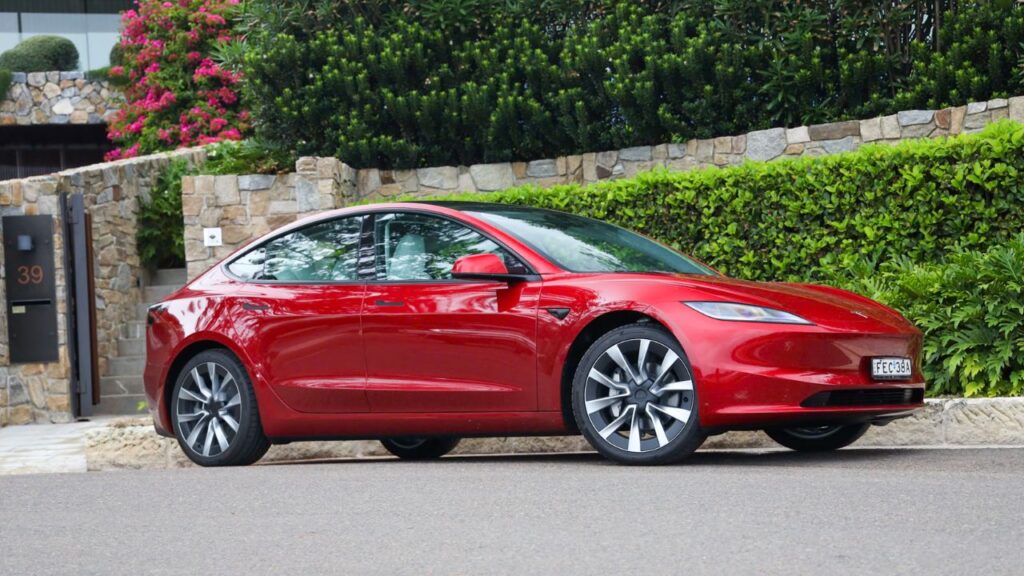
Tesla offers full self-driving + autopilot mode which makes you less worried about taking a wonderful trip. This one is included in luxury models but Tesla Model 3 RWD will cost you $38,990 which is affordable in terms of the sleek design and powerful features. It offers 15-inch landscape touchscreen, voice controls, glass roof, and access to the supercharge network of tesla. 

Which One Should You Buy?

This factor depends only upon your budget, and choice. If you want to drive comfortably in an EV at low cost, The Chevy Bolt EV is the best option.

If you want to drive around the city in a stylish EV, the Mini Cooper SE might be your vibe.

If you are looking for a stylish but also comfortable, tech optimized and budget friendly, the Hyundai Kona Electric is a solid all-rounder.

Now, if you can stretch your bank-balance, the Tesla Model 3 is the best option for long-term performance. 

Conclusion

You can find the best cars at cheap prices which are fueled with diesel or petrol but EVs are a bit higher in price. The growing concern for the EV is rising and many people want to switch into Electric cars from diesel cars. Now you can travel around the city with a Mini Cooper and the country with Kona Electric. These Top 5 Cheapest Electric Cars in the USA will offer you comfort and a wonderful ride with its top-tier performance and sleek design. All the cars have good features but some have advanced features but they can stretch your budget criteria to buy. 

0

Volkswagen Confirms Plans to Launch New Sub-4-metre SUV by 2027

Volkswagen

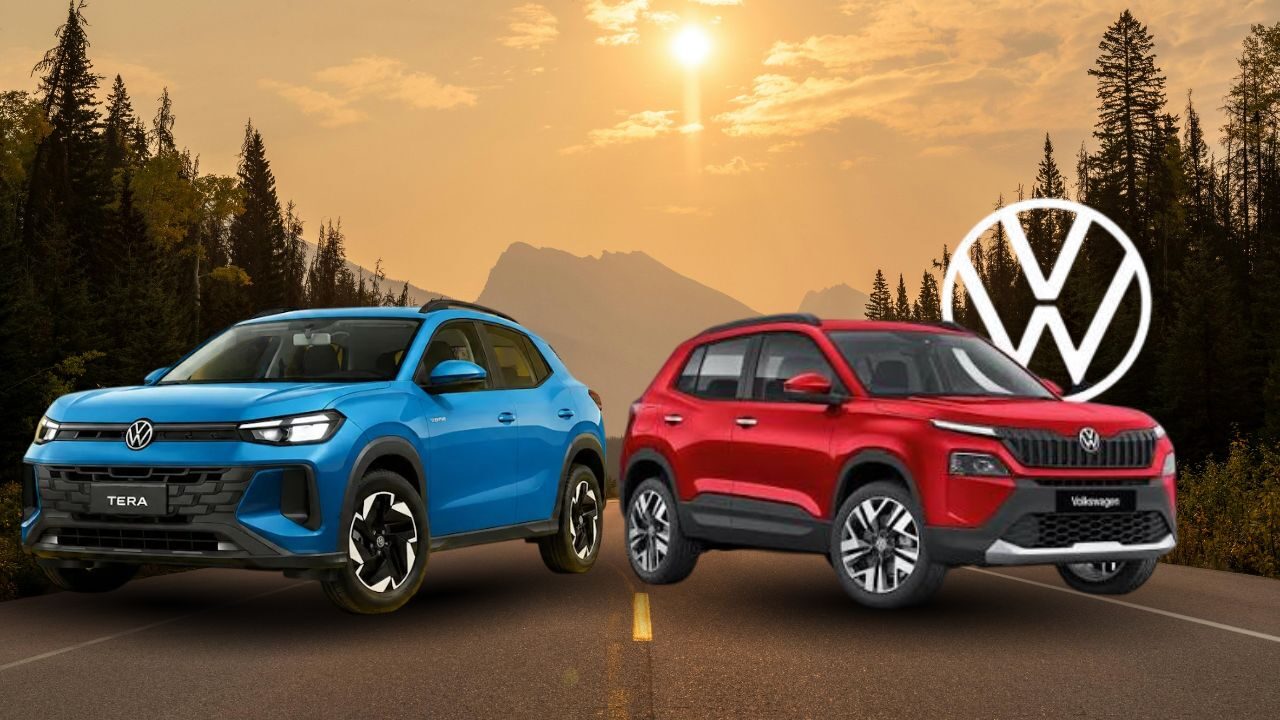
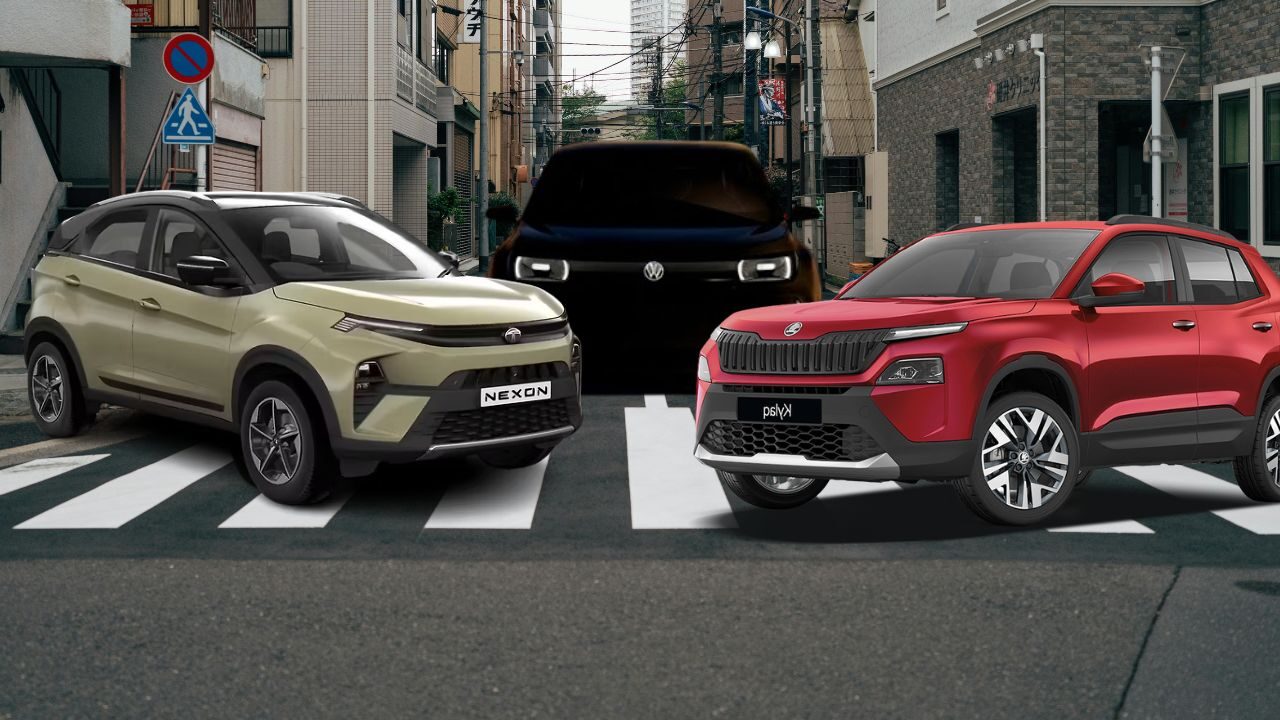
Volkswagen confirms plans to launch a new sub-4-metre SUV for India in 2027 and it is the first b-segment SUV of the brand. It will be placed below the Taigun, beginning at approximately ₹12 lakh. This new model of VW is a direct competitor of Tata Nexon, Maruti Brezza, Hyundai Venue and Kia Sonet, while avoiding a segment that ‘actually moves volume’. It will share most of its mechanical components with the Skoda Kyiaq, but Volkswagen might equip it with a different bodywork, interior and driving feel.  

Scheduled to be launched in November 2024 and opened for bookings that December, Skoda’s Kyla crossed 10,000 bookings within its first ten days on sale. That figure is a strong response that changed Volkswagen Group India’s approach. After discontinuation of Polo and Ameo, VW retreated from the sub-4-metre segment. 

This is what we currently know about the next compact VW SUV – powertrain, size, features and where it will fit within the VW lineup. 

Why Volkswagen Is Finally Entering the Sub-4-Metre Race

The sub-4-metre SUV segment is where the volume is in India. The tax regime keeps these compact SUVs more affordable than their larger counterparts, and vehicles such as Tata Nexon, Maruti Brezza, Hyundai Venue, Kia Sonet and Mahindra XUV 3O off these have been topping the monthly sales charts consistently.Volkswagen had this one idled for years, with the Taigun and Virtus serving as its points of entry instead and both clocking in way above what most first-time SUV buyers in India actually pay. 

Volkswagen Is Finally

That strategy capped how many people could realistically consider a Volkswagen. The new SUV changes that by sitting below the Taigun, giving VW its first genuine mass-market play in the country since the Polo era. It also allows the Skoda Auto Volkswagen India plant in Chakan to run at a higher capacity as the car will share tooling and components with the Kylacq and will not require a separate production line. 

Read More:-  Personal Loan vs Car Loan: What is the Better Choice for Buying a Car? 

Volkswagen Expected Engine, Dimensions and Performance 

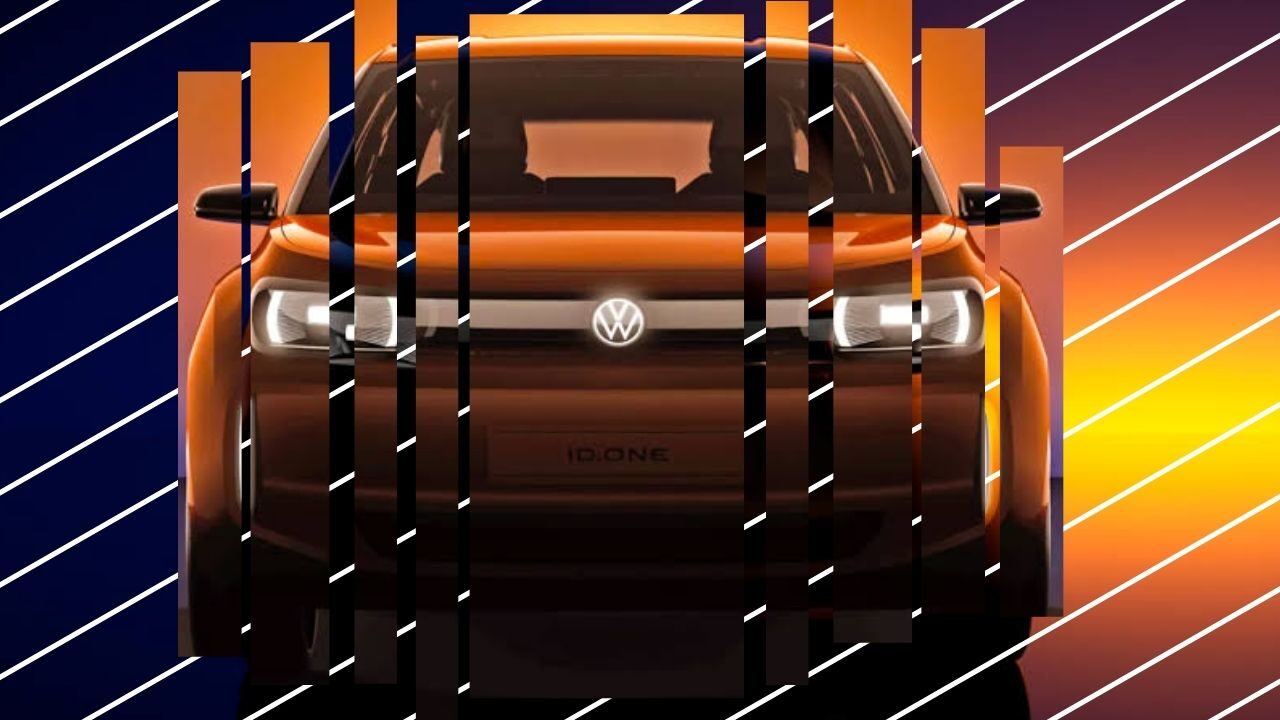
Volkswagen has yet to announce a name, styling images or a final spec sheet, so consider some of this an educated guess as to what’s confirmed versus what’s probable. 

The SUV is based on the MQB-A0-IN platform, and will be produced in India. It targets its launch in 2027, with most reports indicating a mid-year launch rather than a January or Q1 date. It’s also confirmed to sit below the Taigun as VW’s new entry-level SUV in India. 

Power will come from the familiar 1.0-litre TSI turbo-petrol three-cylinder engine, producing 115 PS and 178 Nm of torque — the same unit working in the Kylaq, Kushaq, and Taigun today. A 6-speed manual gearbox is the expected base option. Volkswagen may fit an 8-speed torque converter automatic rather than carrying over the Kylaq’s 6-speed unit, which would be a genuine point of differentiation. 

Volkswagen Expected Engine

Dimensions should land close to the Kylaq’s 3,995mm length and 2,566mm wheelbase, since staying under 4 metres is the entire point of the tax bracket this car is built for. The design is rather than a straight Kylaq clone, Volkswagen is expected to give the car a distinct front and rear, inspired from the Volkswagen Tera, a related model already sold in Brazil. 

Expect a new grille, revised bumpers, and a different lighting signature, following the same playbook VW used to differentiate the Taigun from the Kushaq. 

Pricing is expected in the range between ₹9-16 lakh on-road Mumbai range, but that’s a media estimate, not a Volkswagen number, and on-road figures swing by state due to registration and road tax. Don’t plan a budget around it yet.

How It Stacks Up Against the Competition

Volkswagen SUV vs Skoda Kylaq 

Since both share the MQB-A0-IN platform and, in all likelihood, the same 1.0-litre TSI engine, the Kylaq is your clearest preview of what VW’s new SUV will feel like to drive. The Kylaq measures 3,995 mm in length with a 2,566 mm wheelbase, and its adult occupant safety score of 30.88 out of 32 in Bharat NCAP testing gives an early indication of the safety baseline the VW version should meet or beat. 

Where the two are expected to differ is transmission choice and cabin finish, with Volkswagen typically pitching its Group cars as the sportier-driving option compared to Skoda’s more feature-loaded value pitch.

Volkswagen SUV vs Tata Nexon 

The Nexon continues to be the benchmark in the segment, based on Tata’s tried and tested X1 platform powered by a 1.2-litre turbo petrol producing 120 PS and a 1.5-litre diesel variant that VW’s petrol-only line-up won’t get. Tata is also selling an electric Nexon, which Volkswagen’s ICE-centric entry couldn’t compete with directly.

What VW brings instead is badge value and a European driving character that Nexon buyers moving up from a hatchback often say they want but can’t get at this price point today. 

Read More:-  BMW X1 LWB vs Audi Q3 vs Mercedes GLA: Which Entry-Luxury SUV Actually Makes Sense in 2026?

Conclusion 

Volkswagen’s new sub-4-metre SUV might also enable the brand to tap into India’s largest SUV segment more effectively. With Kylaq already showcasing what the platform can offer, a Volkswagen variant with the familiar TSI engine, unique styling and competitive pricing could possibly pose a real threat to the Nexon, Brezza, Venue and Sonet. 

Let’s wait and see how aggressively will VW price and position it when the SUV hits the market in 2027. 

0

How to Claim Car Insurance for Own Damage: A Step-by-Step Guide

Published Jul 22, 2026, 9:04 AM
Last Updated Jul 22, 2026, 12:06 PM

How to Claim Car Insurance for Own Damage

Whether it’s a major accident or a minor scratch, damage to your car can leave you wondering what your insurance actually covers. That’s where understanding the Own Damage Cover section becomes important, as many car owners are not fully aware of how it works. Learning How to Claim Car Insurance for Own Damage can help you save money and ensure a hassle-free claims experience.

If you already have a comprehensive car insurance policy, you can claim compensation for damage to your own vehicle—not for damage caused to someone else’s. This is known as an Own Damage (OD) claim. However, simply having coverage isn’t enough. Understanding How to Claim Car Insurance for Own Damage correctly is essential to ensure your claim is processed smoothly and you receive the benefits you’re entitled to.

See Best Cars for Daily Office Commute.

What Counts as “Own Damage”

When your car gets damaged due to reasons that aren’t someone else’s fault or if it is but you are using your own damage cover to get your car repaired instead of relying on the other party’s insurance. 

For instance, your car faces situations including road accidents, collisions, fire, theft, natural disasters like floods, storms, or earthquakes. And even malicious damage like vandalism. That’s where Own Damage covers for repairs.

It is distinct from third-party liability, which covers damage you cause to another person’s vehicle or property. If you want coverage to repair your own vehicle, you need a comprehensive policy (with own damage included) – a third-party-only policy will not assist you in this matter. 

How to Claim Car Insurance for Own Damage

Step 1: Inform Your Insurer Immediately

When car trouble strikes, call your insurer or agent. Many companies allow for damage to be reported within 24-48 hours after the fact, and waiting can make your claim more complicated, or potentially even deny it. Have your policy number ready when you dial — it makes a big difference. 

If another vehicle is involved, or if your vehicle has been stolen or you suffered major damage, report it to the police too. Insurance companies frequently require such documentation, particularly for theft and hit-and-run, so it’s not wasted time even if it seems like you’re doing too much paperwork. You Know that Which Engine Oil is best for Your Car?

Step 2: Get the Vehicle Inspected

When you have reported the claim, the insurer will either arrange for a surveyor to inspect your car or ask you to take your car to a network garage for inspection. Don’t drive the vehicle or do any repairs until this happens — it’s an inspection prior to repair which validates your claim. If you go ahead of time and just fix it, you run the risk of your insurer denying the claim completely. 

Take photos or video of the damage from several angles before anything is touched. Seems like a simple step, but a lot of people forget it in the heat of the moment, and it really helps if there is any argument later on. 

Step 3: Choose Cashless or Reimbursement Claims

You’ll typically have two routes to get your car repaired.

Cashless claim: You bring your car to a garage in your insurer’s network. The insurer pays the garage bill directly, and you only pay the deductible and anything else your policy doesn’t cover. This is the easier, less stressful method and what the majority of people want. 

Reimbursement claim: You have the vehicle fixed at a garage of your choice, pay the full amount and then send the bills to your insurer for reimbursement. This option is good if your favorite garage is not in the insurer’s network, but that means you are paying first and then waiting for the money to come back to you. 

Step 4: Submit the Required Documents

Each insurer requires a unique set of documents, but the standard documents required are:

  • Your policy copy 
  • A filled and signed claim form 
  • Your driving license 
  • Vehicle’s registration certificate 
  • And the repair estimate or bill

In case a third party though or theft is involved, include the FIR or police report as well. 

Missing or incorrect documentation is also a frequent cause of claims being held up, so it’s worth making sure everything’s in order before you submit rather than doing it in dribs and drabs. 

Step 5: Claim Settlement

Once the surveyor approves the damage assessment and your documents are verified, the insurer settles the claim. For cashless claims, they pay the garage directly. For reimbursement claims, the amount is transferred to your account after you’ve paid the garage.

Keep in mind your No Claim Bonus (NCB) will reset if you file an own damage claim, and you’ll have to pay the compulsory deductible plus any voluntary deductible you opted for when buying the policy. For minor damage where repair costs are close to your deductible amount, it’s worth calculating whether filing a claim is even worth it — sometimes paying out of pocket protects your NCB and saves you more in the long run.

A Few Things That Trip People Up

Own damage claims get rejected more often than people expect, usually for avoidable reasons. Driving without a valid license, being under the influence at the time of the accident, using the vehicle for a purpose outside what’s declared in the policy (like using a private car for commercial purposes), or letting your policy lapse before renewal are all common grounds for rejection.

It also helps to know your Insured Declared Value (IDV) going in. This is the maximum amount your insurer will pay in case of total loss or theft, and it directly affects your premium and your payout. Setting it too low to save on premium can leave you underinsured exactly when you need the cover most.

Conclusion for 

Filing an own damage claim isn’t complicated once you know the sequence — report fast, get it inspected before repairs, pick the claim route that suits you, submit clean documentation, and stay aware of how it affects your NCB. The part that actually saves people money and stress isn’t the claim process itself, it’s understanding How to Claim Car Insurance for Own Damage and your policy terms before you’re standing next to a damaged car needing answers immediately.

0

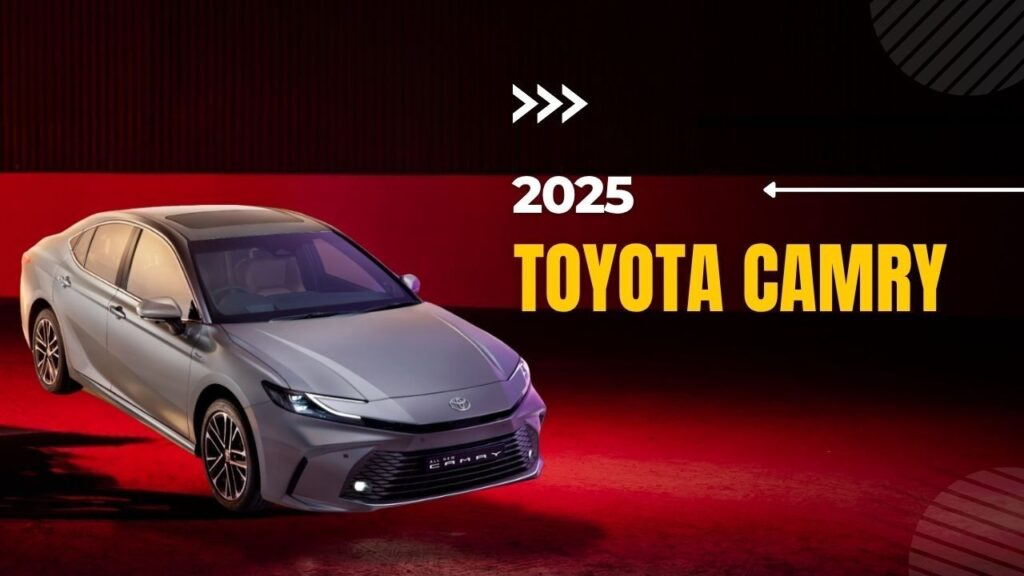
The 2025 Toyota Camry: Performance, Features, and Safety

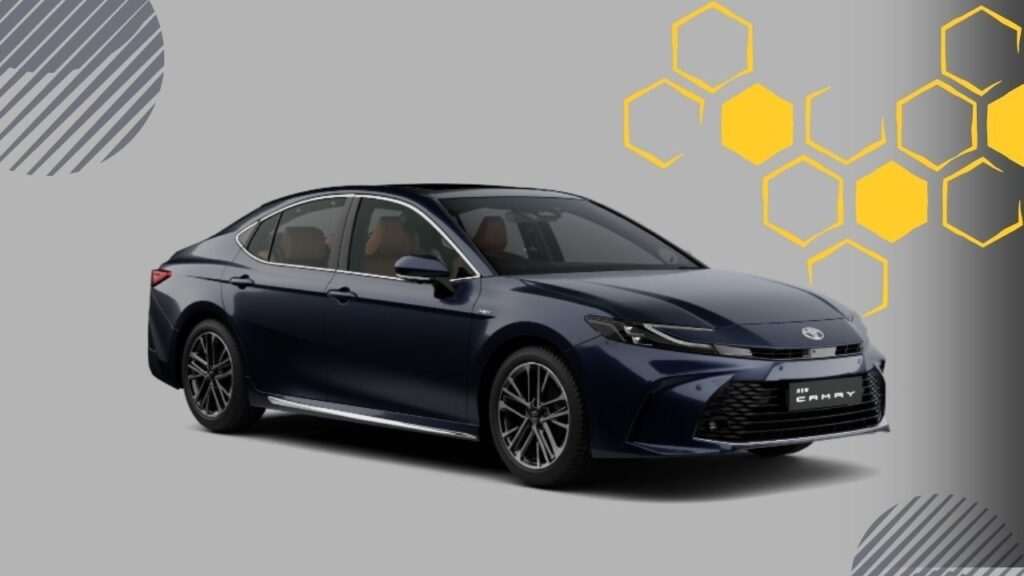
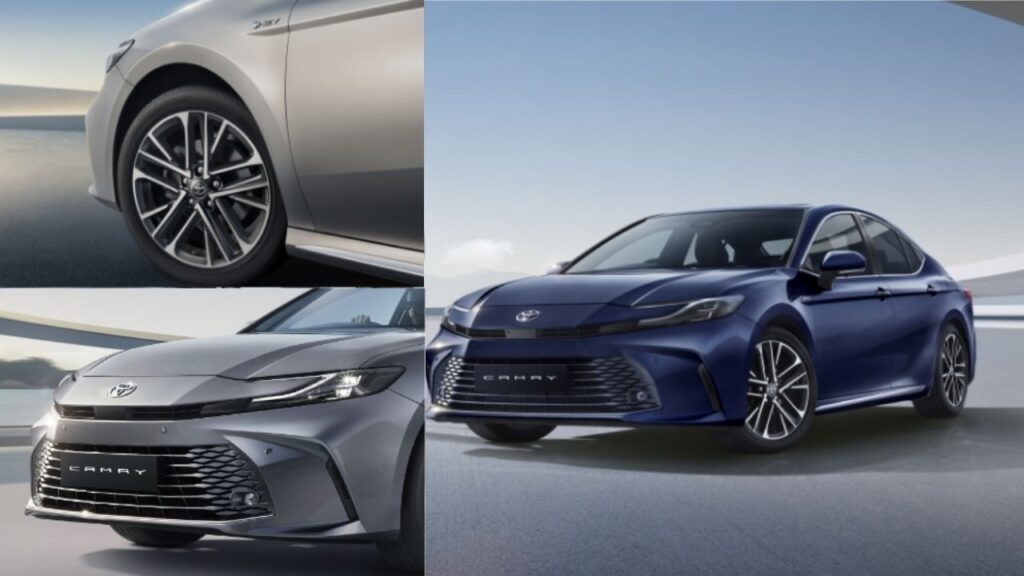
Toyota Camry 2025

The 2025 Toyota Camry is now on sale and it is shaking up the midsize sedan segment!Toyota is going all hybrid for the ninth-generation model – the traditional gas-only engines are being dropped. With four trims—LE, SE, XLE, and XSE—the Camry is melding efficiency with style and performance now more than ever. Loaded with all the latest technology and safety features and boasting a great design, the only question to answer is if you are an environmentally-friendly driver or just like a great ride. And with competitive starting prices, it’s obvious Toyota still wants the Camry to be a leader in its segment.  

Strategic Shift and Core Performance

What that means for 2025, that means the 10th-generation is available-standard as a hybrid powertrain. The fifth generation Toyota Camry is available only as a hybrid, utilizing the Toyota Hybrid System with a 2.5-liter 4-cylinder engine along with electric motors. This strategic shift dramatically elevates the baseline performance and results in exponential returns in efficiency. 

The default Front-Wheel Drive (FWD) setup has Rated Combined 225 horsepower output. For those who choose the Electronic On Demand All-Wheel Drive (AWD), which is optional, the system adds an additional rear electric motor and output rises to 232 net combined horsepower. Power is transmitted via an Electronically Controlled Continuously Variable Transmission (ECVT).  

The hybrid system requirement makes the 2025 Camry no less powerful and a whole lot more efficient than last stable’s base gasoline trim. With the instant torque of the electric motors, the car feels more lively around town and enables the sedan to deliver respectable 0-60 mph times between 6.8 and 7.7 seconds. 

Driving Dynamics and AWD Trade-Offs

The chassis received revised suspension and brake systems engineered to attain an ideal harmony of ride comfort and handling stability. Tighter body control in cornering is the result of sport-tuned independent front and multi-link rear suspensions on the SE and XSE trims, particularly the latter.

Toyota Camry Driving Dynamics and AWD Trade-Offs

Four different grades are available with the same AWD system engineered primarily for traction on diverse surfaces. It does come with a slight power increase of 7 horsepower over the FWD option, but it undoubtedly needs to be measured against the efficiency. Oil may be customers first choice in order to achieve the best fuel economy for maximum, but AWD models has a rather heavy penalty on mileage due to the extra weight and drag of the electronic AWD system so if your focus is absolute best fuel economy and you don’t want to drive in the snow, FWD is your better bet. 

Fuel Efficiency and Cost Analysis

The 2025 Camry is able to deliver best-in-class efficiency ratings with the standard THS 5 system equipped. The entry-level LE front wheel drive model sets the bar closer to the stars with a combined 51 MPG (53 city/50 highway) figure from the manufacturer. 

The standard THS 5 system allows the 2025 Camry to achieve best-in-class efficiency ratings. The base LE FWD model sets the bar higher with a manufacturer-estimated 51 combined mpg (53 city/50 highway). 

Table for Toyota Camry EPA-Estimated Fuel Economy

Trim  City MPG Highway MPG Combined MPG
LE FWD 53 50 51
LE AWD 51 49 50
SE FWD 48 47 47
SE AWD 46 46 46
XLE FWD 48 47 47
XLE AWD 46 46 46
XSE FWD 48 47 47
XSE AWD 44 43 44

Tech geeks will notice a flattening of fuel economy: the SE, XLE and XSE FWD models all have the same 47 combined MPG figure. That means when you go up the pack and up in wheel size and luxury amenities from the all-out efficiency focused base LE, you’re getting a 47 MPG ceiling on the FWD models. 

Pricing Structure and Standard Features

2025 Camry is pricier than the outgoing gas-only version, but it remains competitively priced, especially in light of the required advanced hybrid powertrain.

Toyota Camry Pricing Structure and Standard Features

The base LE model has a starting MSRP (Manufacturer’s Suggested Retail Price) of $28,400. All prices do not include the Dealer Processing and Handling Fee (DPH) of $1,095. 

Pricing by comfort and technology is clear:

LE: Begins at $28,400, delivering the most efficiency and the most robust standard features.

SE: Starting at $30,700, with sport styling, synthetic leather seating (SofTex), and 18-inch black-finished wheels. 

XLE: Begins at $33,400, opening the doors to luxury with rich materials and larger screens.  

XSE: Starting at $34,600, the top sport model comes with 19-inch smoked gray/black wheels.  

While it’s a bit pricier at the bottom end, the addition of the hybrid system and important standard tech makes it easy for the buyer to justify the expense. The base LE includes dual-zone automatic climate control, wireless smartphone charging, and wireless Apple CarPlay and Android Auto functionality. 

Interior Technology and Digital Segmentation

The cabin has been completely re-engineered for the ultimate comfort and latest technology. One of the levers in making the value proposition clear across the grades is the size of the digital displays. Its 8-inch Toyota Audio Multimedia screen is standard with LE and SE trims. 

However, the XLE and XSE models receive a significant upgrade: a massive 12.3-inch touchscreen that is flanked on the right by an identical size digital instrument cluster. This dramatic increase in digital real estate is one of the memorable tacit codes used to distinguish the mid/upper-trims. These luxury models also offer optional features including a 10-inch color Head Up Display (HUD) and heated and ventilated front seats. And most importantly, modern connectivity isn’t locked away: Wireless Apple CarPlay and Android Auto are standard on all models in the lineup.  

Read More 👉  The 2025 Volvo XC90 Review, Safety Ratings and Pricing in Detail — Best Trims for Families

Advanced Safety and Ratings

The commitment to high-level safety is evident in the availability of the all-new Toyota Safety Sense 3.0 (TSS 3.0) package as standard equipment across the entire 2025 Camry lineup. · Technology upgrades TSS 3.0 features upgrades like an upgraded forward-facing camera and radar sensor with wider field of view.   

Key features of TSS 3.0 Pre-Collision System with Pedestrian Detection Dynamic Radar Cruise Control (DDRC) Lane Tracing Assist (LTA) Proactive Driving Assist Spreading further safety You may also like. Plus two critical driver-assist tech — Blind Spot Monitor (BSM) and Rear Cross-Traffic Alert (RCTA) — are standard for every trim, including the base LE version.  

The 2025 Camry is built to be safest in class. The early international crash safety testing and the vehicle’s structural design suggest that it will pass the rigors of the IIHS Top Safety Pick+ award. Testing confirms strong performance including “Good” for the pedestrian auto frontal crash prevention system.  

One contributor to future vehicle durability is TSS 3.0 being Upgradable to Over The Air (OTA) Software Updates. This enables Toyota to roll out vital updates and additional advanced features to the ADAS suite post-purchase, maintaining the relevance and safety of the vehicle long-term, without ever needing the involvement of a dealer. 

Conclusion

The 2025 Toyota Camry deftly pivots from regular midsize sedan to technology-driven, full-hybrid vehicle. This ninth-generation model builds on the proven efficiency of THS 5 to offer a level of performance that is both competitive and class-leading in fuel economy, particularly in the base LE trim. With its range of essential safety and connectivity features (TSS 3.0, BSM, Wireless CarPlay) Toyota takes care of delivering good value for the all grades, while the large digital displays and luxury touches are reserved for the XLE and XSE grades.