0

The Luxury Sedan that Feels More Premium Than A Mercedes For Less

Published Apr 13, 2026, 11:47 AM
Last Updated Apr 17, 2026, 4:54 AM
Luxury Sedan

Luxury Sedan

Buying a luxury sedan cheaper than a Mercedes-Benz was not too far-fetched. The truth is you can find more impressive and powerful features in other cars. Buying a more comfortable, luxury cabin, and enhanced look without the premium price tag is more profitable.

Finding a traditional German brand that enters in the status quo of Best luxury sedan under budget is a surprising experience. Genesis G80 breaks the chain and becomes a biggest challenge at their status.

So with that in mind, let’s look at why the smart money is turning away from traditional European stalwarts and towards more luxe-for-less options. 

The Illusion of the Base Model 

The entry level model of Mercedes-Benz dependable E-Class is a stunning engineered car but we have covered the realities if we want to understand why the Genesis G80 is so revolutionary.

To add the things associated with “luxury” — real leather seats, advanced driver assistance systems, high-end audio, or even a panoramic sunroof — you have to work your way through a maze of expensive option bundles. Before you can say Jack Roberts, you’ve turned a $60,000 sedan into an $80,000 obligation. If you do leave those boxes unchecked, what you get is a vehicle with the prestige on the outside, but that somehow feels incongruously compromised on the inside.

Genesis understood this frustration. Their philosophy is straightforward: luxury should not be a hard option. 

First Impressions: The Power of “Athletic Elegance”

Walking up to the Genesis G80, you know right off the bat that this is one impressive vehicle. It doesn’t appear to be anything like an economy-model substitute, it looks like a six-figure car.

Developed under the guidance of ex-Bentley designers, the G80 employs a design language Genesis calls “Athletic Elegance.” The huge crest grille draws your eye, and the signature “Two-Line” LED headlights curl around the front fenders, extending the visual width that is at once intimidating and elegant. A sloping roof line contributes to a fastback silhouette, much like the far more expensive Porsche Panamera or Audi A7 

Even pulling up to a restaurant or a client meeting in a G80 invites a particular kind of curiosity. It’s not just camouflaged among a sea of silver German sedans etc. It stands out, bold and confident with understated, slightly offbeat taste. 

Step Inside: A Masterclass in Tactile Opulence

The real utensil in a luxury sedan isn’t its 0-60 time, it’s the ride in the cabin. This is the Best luxury sedan under budget where the G80 delivers its knockout blow.

Modern Mercedes are attractive to the dust and scratches on the road that makes it look cheaper. So, piano black plastic becomes a disappointment for its design.

The Genesis G80 crafted with more prestigious design that gives sophisticated experience:

  • The Materials: You can feel the intent at every contact point. You are met with large areas of open-pore wood trim, which is warm and natural feel to the skin.
  • The Metalwork: The switchgear is finished in knurled metal that makes a very satisfying tactile click. Even the rotary gear selector is made of tempered glass, with light from the inside just like a luxury accessory.
  • Seating: Choose the higher ranks and you are wrapped in supple Nappa leather with elaborate quilting. The driver’s seat even has “Ergo Motion” technology, which makes use of internal air cells to reposition your posture and genuinely stretch-and-massage function during long drives. 

It is the view of nothingness to the outside. Complimented by acoustic laminated glass and multiple layers of sound deadening material, the G80 cabin at 75 mph is a quiet sanctuary. You have a whispered conversation with your passenger or you can revel in the subtleties of the 21-speaker Lexicon premium audio system available. When it comes to just plain comfort, there’s a closer resemblance to a Mercedes S-Class than the E-Class it really should be fighting in. 

Performance: Embracing the Art of the Glide

For years the car world has been obsessed with “sport luxury.” Sedans have gotten tighter, lower, and more aggressive in an effort to brag about lap times the typical owner will never throw down.

The G80 politely opts out of the rat race. It has a lot of power—either from a powerful 2.5-liter turbocharged four-cylinder or a silky-smooth 3.5-liter twin-turbo V6 but it doesn’t pretend to be a corner-carving stiffness-for-the-sake-of-stiffness type of vehicle. 

“Real luxury is the presence of ease.” The G80 achieves this by smoothing out the bumps in the road rather than relaying every stone to your back. 

The active electronically controlled suspension includes the “Road Preview” technology. A forward looking camera detects potholes and speed bumps on the road ahead, and subsequently adjusts the damping force of the shock absorbers prior to impact. The shifts are invisible, and the power delivery is smooth and linear. It’s a vehicle built to bring down your pulse after a long day at the office. 

Read Full Details : Tata Sierra EV 2026: Price, Range, Features & Launch Details

Technology That Serves, Not Confuses

In the scramble to make dashboards digital, many luxury automakers have concocted interfaces that require a pilot’s license to use. Menus are nested within sub-menus, and basic climate controls have been moved to touchscreens.

Sweet Genesis has a 14.5 inch display for beautiful view and features a rotary controller console to use it other than your fingers. It is placed in the centre to make it easy for the passengers to reach.

Most important, Genesis retained physical buttons and toggles for the climate controls and audio volume. It’s a people-first design that recognizes you’ll never get premium experience by having to look away from the road to tap a flat pane of glass to turn on your heated seats.

The driver assistance features are also excellent. Highway Driving Assist, a new system combining adaptive cruise control and lane keeping assist, takes much of the drudgery out of long highway journeys. It seems more like an advanced, fully functional electronic chauffeur and less like a trial run of autonomous driving. 

The Financial Reality: Is Luxury Sedan Cheaper Than a Mercedes-Benz?

Let’s talk numbers, because this is the point where the G80 really establishes itself as the best luxury sedan under budget, you can buy under £50k.

Outfitting a mid-level Genesis G80 with the larger engine, Nappa leather, premium audio, and advanced safety tech and you’re typically looking at a bill that’s thousands — sometimes tens of thousands lower than a comparably-equipped Mercedes-Benz E-Class or BMW 5 Series. 

You’re buying a luxury sedan that happens to be less expensive than Mercedes-Benz, but you aren’t compromising on quality, you’re just declining to pay the premium tied to the marketing budgets of legacy brands. 

Model Starting Price (Global) Price Range (Global) India Starting Price (Ex-showroom)
Genesis G80 ~$58,000 ~$56,000 – $76,000 Not officially launched (expected ~₹55–70 lakh)
BMW 5 Series ~$61,950 ~$61,950 – $67,000+ ₹72.35 lakh
Mercedes-Benz E-Class ~$65,250 ~$65,000 – $72,000+ ₹78.50 lakh

The Ultimate Peace of Mind

The luxury shouldn’t end the moment you drive off the dealer lot. European luxury cars are known for their high maintenance costs and severe depreciation curves after the warranty period ends. 

Redefining Prestige for the Modern Buyer

Purchase of a luxury sedan cheaper than a Mercedes-Benz is an emotional process but it should still be done responsibly. The German car industry has long relied on brand momentum, assuming that consumers will keep paying more just to have the right badge in their garage. 

The Genesis G80 exposes the flaw in that assumption. It shows you that legacy isn’t necessary to greatness. With an almost pathological fixation on material quality, ride comfort, user-friendly tech, and a matchless ownership experience, it truly stands out. 

If you want to just show off a badge to strangers, Mercedes will always be the one brand that has that appeal. But if you want to be surrounded by real, palpable luxury to drive a car that makes you feel relaxed, pampered and deeply satisfied every time you pull the door shut the G80 is the hands-down winner. 

Conclusion

Following decades of German brand dominance, the Genesis G80 shows us that true luxury isn’t dependent on a badge anymore. It flies in the face of the notion that you need to pay more to enjoy superior comfort and refinement.

As a luxury sedan cheaper than Mercedes-Benz, the G80 delivers where it really counts — high-quality materials, a quieter cabin, smoother ride and well-planned tech without pushing buyers toward pricey options packages. 

Buyers are savvier and more value conscious today. When shopping for the best luxury sedan under budget, they focus on which car offers more comfort in everyday use and the experience of ownership instead of the prestige of the brand.

If all you want to do is flaunt a badge, then Mercedes-Benz still has that. But if you desire a car that actually feels luxurious every day and don’t want to pay too much — the Genesis G80 is the more satisfying and smarter pick. 

Bipin Sharma

Bipin Sharma is a seasoned automotive content writer with over 10 years of hands-on experience in the world of cars. From the latest car news and reviews to in-depth maintenance tips and expert buying guides, Bipin covers everything that drives the automotive world. Writing about cars isn’t just his profession — it’s his passion. His deep industry knowledge and love for automobiles fuel every blog he creates, helping readers make informed decisions and stay updated on the fast-evolving auto landscape.

Leave a Reply

Your email address will not be published. Required fields are marked *

0

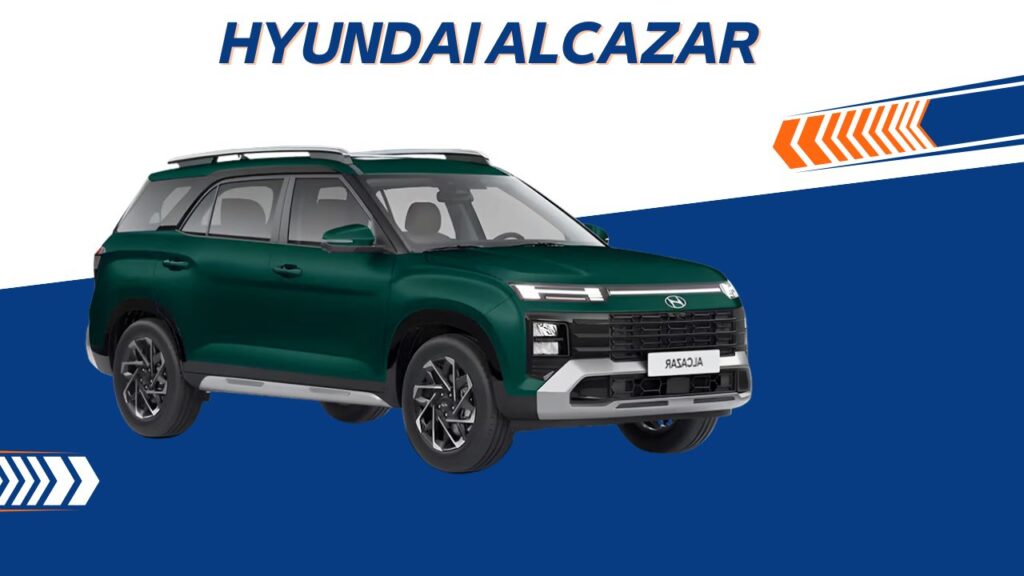
Hyundai Alcazar 2025: Latest Price, Specifications, Features, Mileage and Engine Details

Hyundai Alcazar 2025

Purchasing a family SUV in India usually requires you to balance space, features, mileage, and budget — all at the same time. Most offerings promise one thing, but ask buyers to compromise on another. The Hyundai Alcazar 2025 is a good-balanced offering catering to the folk who are not ready to pay premium SUV prices but need the comfort and practicality of a three-row SUV. 

Now with revised pricing, a range of fuel-efficient petrol engine options, modern technology and best-in-class safety features, the Alcazar tries to strike that sweet spot between cost-effective and premium. So, without further show, this is a complete review on what 2025 Hyundai Alcazar has in store for you as a midsize SUV option.  

Price Range For Hyundai Alcazar

The Alcazar is surprisingly well within reach, beginning at a pocket-friendly ₹14.47 lakh (ex-showroom) for the base Executive variant with a petrol engine and 6-speed manual transmission. 

The pricing is symmetrically designed for all variants with an upper-limit of ₹21.10 lakh for the diesel automatic high-spec Signature 6 seater variant. Hyundai has also announced price cut of up to ₹75,000 in line with new GST 2.0 rates from September 2025, which would make this SUV even more appealing to prospective buyers. 

Engine Options

The 2025 Alcazar offers a real choice between two very different powertrains, each with its own personality. The 1.5 litre turbo charged petrol engine is a fast moving engine which produces 160 PS at 5500 rpm and a good 253 Nm Torque over 1500-3500 rpm. It’s polished, reactive and works wonderfully with a 6-speed manual or a sophisticated 7-speed dual-clutch automatic gearbox. If refinement and city-friendly everyday drivability are what you’re looking for, this is the engine to get.​

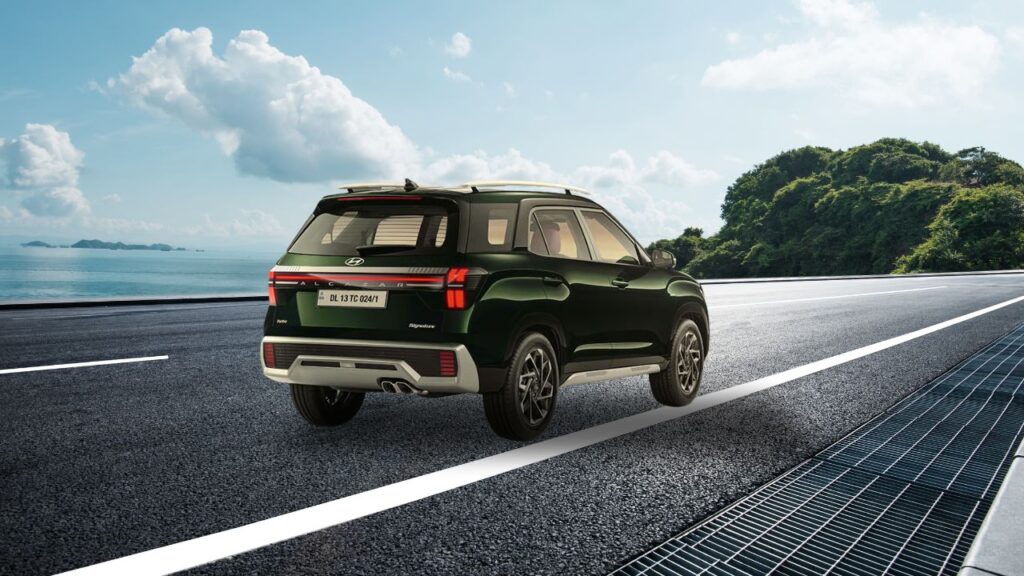
Hyundai Alcazar 2025

On the other hand, the 1.5-litre diesel engine is more practical, offering 114 PS at 4,000 rpm along with 250 Nm of torque in the 1,500-2,750 rpm rev band. Though not as powerful, diesel has that signature low-end torque that many Indian buyers love for highway cruising and towing. You are offered either a 6-speed manual or a 6-speed torque converter automatic transmission here. 

Real-World Mileage

This is the right place where the alcazar truly shines for tightfisted families. The diesel manual version offers a superlative 20.4 kmpl making it one of the best options for long highway drives. Even the diesel auto is well under way with a decent 18.1 kmpl. 

Diesel Manual 20.4 kmpl Long highway drives & maximum fuel savings
Diesel Automatic 18.1 kmpl Comfortable cruising with good efficiency
Petrol Manual 17.5 kmpl Balanced performance and daily usability
Petrol Automatic 18.0 kmpl Smooth driving with refined performance

The petrol variants are slightly less thirsty and return 17.5 kmpl with the manual and 18.0 kmpl with the automatic, but if you consider the performance and refinement they offer, these figures are still miles ahead of almost anything else in the segment.  

Features That Feel Premium

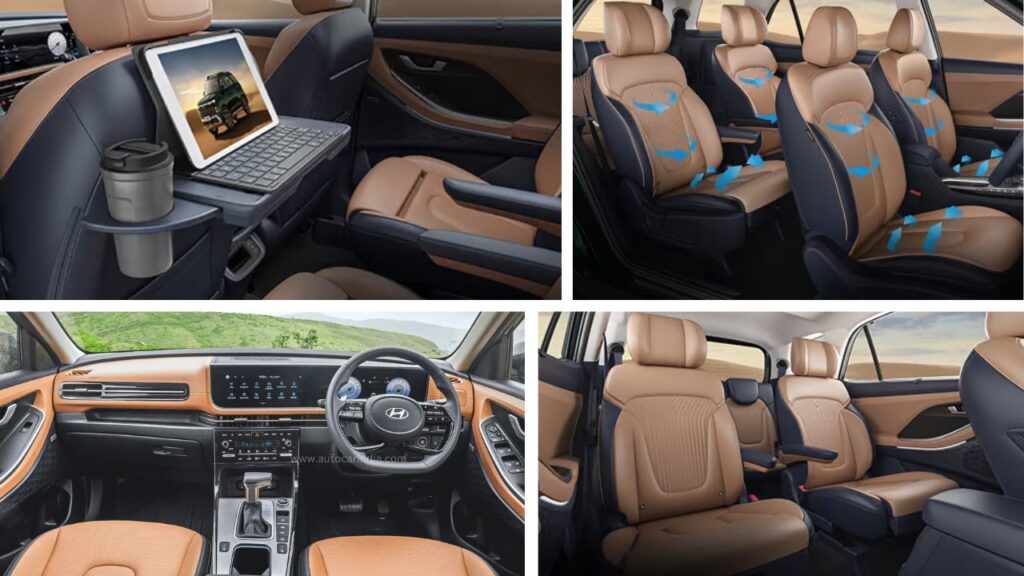
Step inside the cabin and you’ll soon realize that Hyundai hasn’t cheaped out on the creature comforts. The 10.25-inch infotainment system dominates the dashboard, now with wireless Android Auto and Apple CarPlay support through a new wired-to-wireless adapter. The all-digital 10.25-inch driver’s instrumentation cluster also gives that premium digital cockpit feel you would expect from a car that costs a lot more.​

Hyundai Alcazar Features That Feel Premium

In terms of comfort, the Alcazar indulges its passengers with dual-zone automatic climate control, ventilated seats for front and second row (in higher variants), an 8-speaker Bose audio system, and a voice-enabled panoramic sunroof. The second-row wireless charger and power-adjustable seats speak to Hyundai’s consideration of families taking long trips. 

Read More:-  Jay Leno’s Car Collection: A Passion That Goes Beyond the Garage

Safety and Advanced Technology

For modern buyers, the clear highlight of the car is its Level 2 ADAS (Advanced Driver Assistance System) package. It has adaptive cruise control which keeps a safe distance on the highway, lane-keeping assist that helps you from unintended lane drift, forward collision warning with brake assistance, plus blind-spot monitoring and rear cross-traffic alert to give you more confidence on the road and in parking lots.  

If you’re worried about highway safety and minimizing driver strain on long hauls, these features make the price premium over cheaper models worth it.​​

Outside of ADAS, there are six airbags for all variants with the option of two more in the top trim, hill-start assist, ESP, a 360-degree camera system and rain-sensing wipers. It’s an active-safety package that seems authentic, rather than thrown in just to meet a checklist. 

Dimensions and Practicality

Length  4,560 mm
Width 1,800 mm
Height  1,710 mm
Wheelbase  2,760 mm

These measurements equal to real comfort on all the three rows, making it sit six or seven occupants, with the option of captain seats in the middle row for more comfort.  

Hyundai Alcazar 2025

The 200-mm ground clearance takes care of all Indian road conditions quite well and a 50-litre fuel tank allows you to ride a long way between fuel stops. The 180-litre boot capacity is adequate for luggage for weekend trips, although you’ll need to fold seats for larger loads. 

Conclusion

The 2025 Hyundai Alcazar looks to be a compelling offer for Indian families seeking value for money with minimal compromises. Whether you want to opt for fuel efficiency with the diesel or refinement with the petrol, choose the convenience of the automatic or the involvement of the manual transmission, an Alcazar variant for your lifestyle and budget awaits you. 

With segment-leading safety technology and plush creature comforts usually found in premium vehicles, the Alcazar delivers more than expected making it truly worth your consideration. 

0

Discover the New Kia Telluride – Bold Design, Advanced Tech & Premium Comfort for 2025

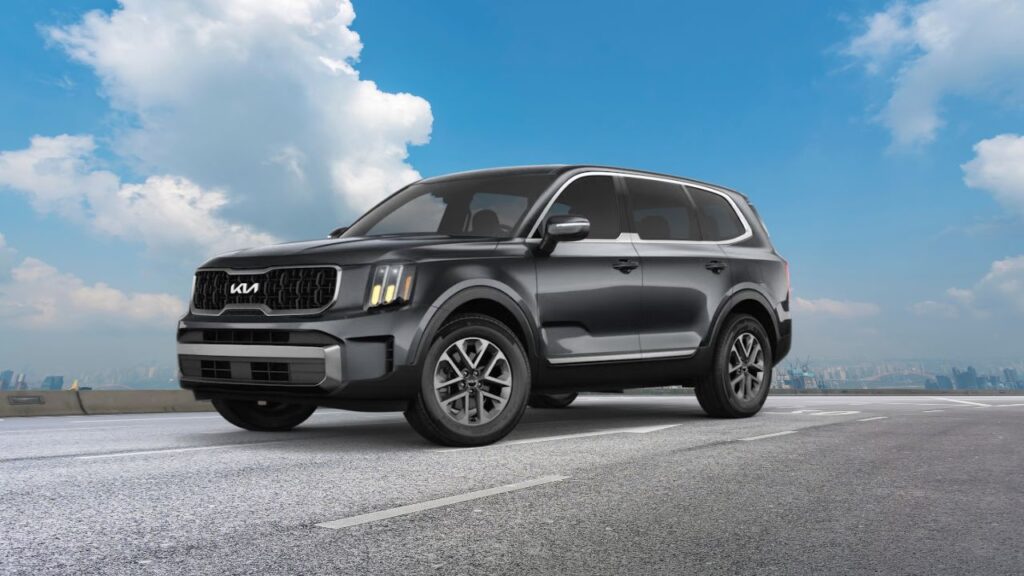
New Kia Telluride

Image credit: Badicar

The 2025 Kia Telluride is a strong contender in the midsize three-row SUV class, offering a great balance of eye-catching exterior design, cutting-edge technology, and real luxury in comfort. This all-in-one guide will take you through what makes the Telluride one of the best SUVs on the market today. 

Bold Exterior Design That Commands Attention

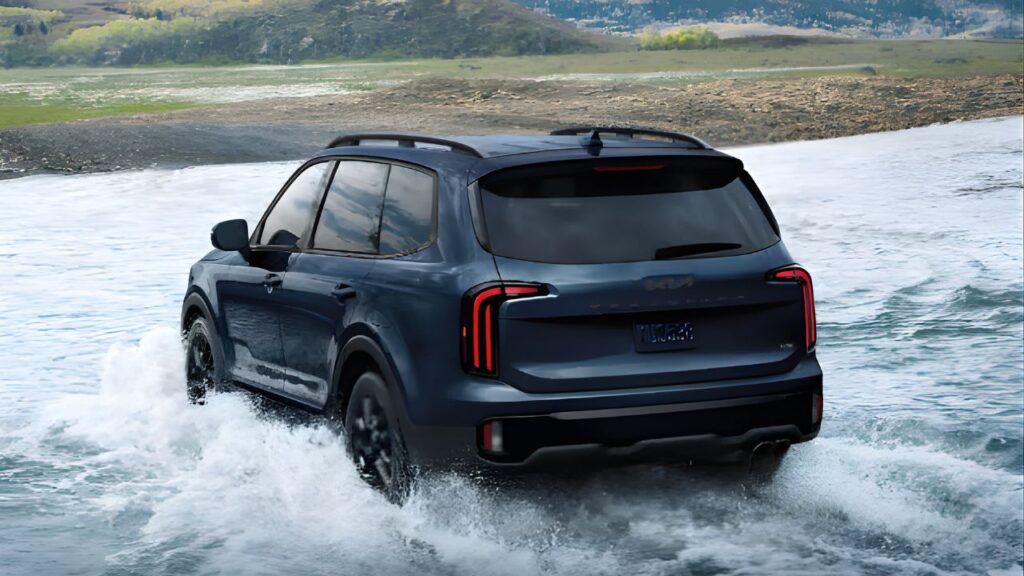
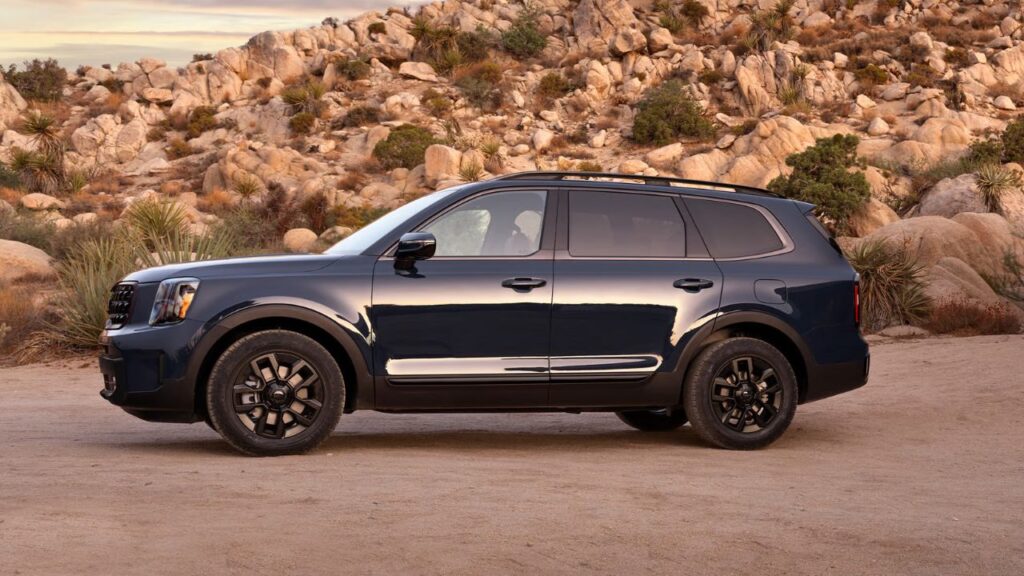
The 2025 Telluride strikes an unmistakable pose with a distinctive grille and an aggressive stance. The distinctive tiger-nose grille is now enhanced by a stronger and more sophisticated texture which enriches its premium feeling, flanked by elegant LED headlamps and optional fog lamps providing the optimum road visibility while keep up with the contemporary styling.  

Sculpted body lines and an upright stance The vehicle’s muscular profile has armoured body lines and an upright stance that radiates rugged confidence, yet doesn’t hide away behind elegance. The 18-inch standard alloy wheels make for a tough foundation, while the optional 20-inch wheels in black finish – especially on the X-Line and X-Pro versions – bring a touch of sportiness. The unique 18-inch all-terrain tires exclusive to the X-Pro improve off-road performance and adventure-ready design. 

Functional design details like the roof rails, available hands-free power liftgate, and power-folding side mirrors are a great mix of form and function. The vehicle also has increased ground clearance, up to 8.4 inches (213 mm) on the X-Line and X-Pro models, which makes it really adept at off-road conditions. 

Bold Exterior Design

Image credit: Kia

The colors are especially stunning of Kia Telluride, and there are eight bold exterior colors to choose from to fit any taste – Panthera Metal, Midnight Lake Blue, Wolf Gray, Ebony Black, and Silver. 

Premium Interior Comfort and Spaciousness

Step inside the 2025 Kia Telluride and you’ll find a cabin crafted for real comfort and utility.The cabin is finished in high-grade materials with well thought-out ergonomics and offers different seating arrangements to suit the requirements of today’s family. 

Seating and Space

The Kia Telluride has a variety of seating options, including up to eight passengers (with bench seating) or seven passengers with available captain’s chairs. More impressively, more legroom is provided in the Kia Telluride’s second row than in the first, ensuring that adults in every row will be comfortable on long journeys.

Cargo flexibility is excellent, with 21 cubic feet behind the third row, 46 cubic feet behind the second row, and as much as 87 cubic feet with both rear rows folded. While testing brought four carry-on bags behind the third row with both back rows collapsed to this spacious configuration. 

Premium Materials and Finishes

Premium Materials and Finishes

Image credit: Kia

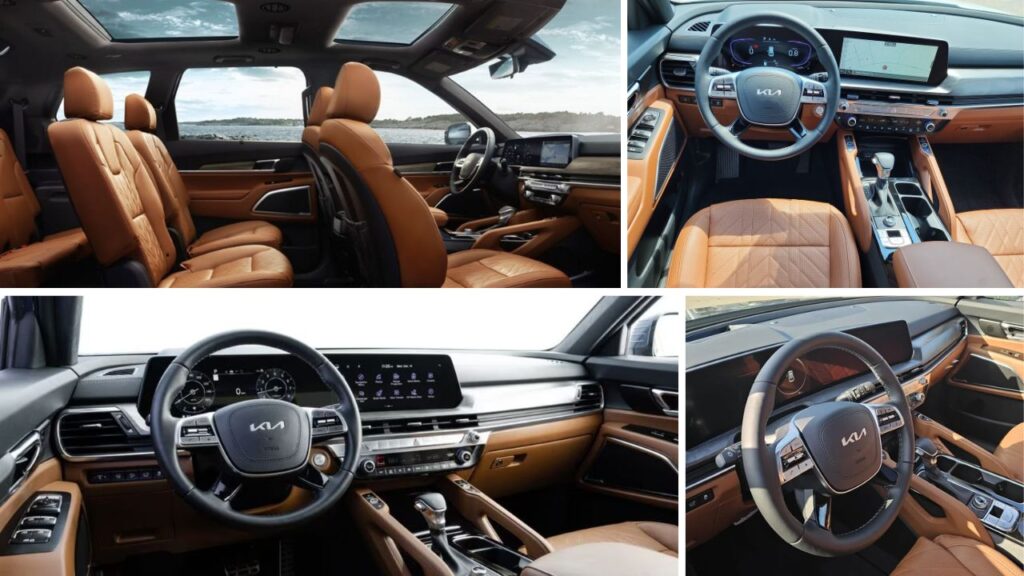
The upper level trims of Kia Telluride come with Nappa leather seats, real wood inlays, and suede-like materials on the headliner that bring the refinement up a notch. The available heated and ventilated second row captain’s chairs (with best-in-class legroom) guarantee comfort for passengers in the rear.Lower spec models have a good quality synthetic leather (SynTex) or leather substitute that still feels premium but without the luxury cost.

 Five sophisticated interior color options:​ Black, Gray, Gray & Navy, Mahogany, and Terracotta

Climate Control and Ambient Features

Standard Telluride models are equipped with dual-zone automatic climate control, and rear-seat climate control also comes with dedicated AC vents helping passengers in all three rows of seats remain comfortable. With the available 64-color customizable ambient interior lighting, drivers can personalize the cabin atmosphere while sound-absorbing windshield glass helps keep cabin noise to a minimum for a quiet driving experience. 

Advanced Technology and Connectivity

The 12.3-inch HD touchscreen is equipped with Wi-Fi hotspot, Apple CarPlay, Android Auto, and one controls integrated navigation. Panoramic 12.3in dual displays are available on higher trim levels. Concert-quality sound from the 10-speaker Harman Kardon premium audio system, available on 2.3T and 2.5T Limited models.

The standard 6-speaker audio system on base models. It also features Driver Talk, a function that lets drivers talk to rear-seat passengers without turning around by broadcasting the driver’s voice through the rear-row speakers. 

Every row is equipped with multiple USB-C fast charging ports to keep each passenger connected while on the road. A 110-volt household-style power inverter draws power from the vehicle’s battery to run standard electrical appliances (optional on upper trims). 

Performance and Driving Dynamics

New Kia Telluride Performance and Driving Dynamics

Image credit: Kia

All 2025 Telluride models come standard with a 3.8-liter V6 engine that makes 291 horsepower and 262 pound-feet of torque. This combination gives you snappy acceleration plus fuel economy that’s not shabby — 20 MPG city and 26 MPG highway.

The eight-speed automatic transmission strikes just the right balance between fuel economy and responsiveness, the power delivery feeling as smooth as ever when you need it. Drive Mode Select offers the driver a choice of four driving modes including Comfort, Eco, Sport and Smart modes and an additional Snow mode for Audi all-wheel-drive versions. 

All but the base LX trim level have an all-wheel-drive option, which adds $2,000 to the price and provides better traction and stability in bad weather. X-Pro models really are ready for adventure, with a towing capacity that’s been boosted to 5,500 pounds (5,000 pounds on regular models) and suspension tuning that’s geared for the outdoors. 

Comprehensive Safety and Driver-Assistance Features

The 2025 Telluride’s excellent crash-avoidance and occupant protection capabilities result in a 5-Star NHTSA rating and the IIHS Top Safety Pick+ award. With over 17 standard driver-assistance features, included on every model, it sets the bar for this category.  

Passive Safety

The vehicle is outfitted with nine strategically located airbags (dual front, side curtain, second row side, and driver knee) to help protect all occupants. Anti-Lock Braking System, Electronic Stability Control, Vehicle Stability Management, Hill-Start Assist and Traction Control are a standard combo that helps you maintain control when the going gets tough. 

Active Safety and Driver Assistance

Blind Spot Collision Warning employs steering assist technology that nudges the vehicle back into its lane if the driver begins a lane change with an occupied blind spot. Forward Collision Warning with Pedestrian, Cyclist and Junction-Turning Detection monitors the traffic ahead, giving visual and audible alerts when the risk of collision increases.

AEB: Auto Emergency Braking – the system brakes automatically to prevent or reduce the severity of collision with vehicles, pedestrians or cyclists. Pedestrian Cyclist Lane Keeping and Following Assist: It keeps the vehicle in the lane and corrects the steering wheel in a mild way if the vehicle strays unintentionally from the lane. 

Navigation-Based Smart Cruise Control with Stop & Go lets the vehicle speed vary by curves on the road and navigation information, decelerating when approaching curves and accelerating after passing them up to the preset speed. Available Highway Driving Assist 2 employs cameras, radar and navigation information to keep safe following distances and perform lane changes by using the turn signal. 

Traffic sign recognition, intelligent speed limit assistance, driver attention monitoring and more are among the additional features. The 360-degree Surround View Monitor helps simplify parking and maneuvering at low speeds by displaying an aerial view around the vehicle. ​ 

Kia Telluride Price According To Trim Levels

Trim Starting Price Range (USD) Drivetrain Option
Base and Mid-Level Trims
LX (FWD only) $36,390 – $37,805 Front-Wheel Drive (FWD) only
S $39,390 – $41,390 Available with AWD option
EX $42,090 – $44,090 Available with AWD option
Premium Trims
SX $46,190 – $48,190 Available with AWD option
SX Prestige Starting at $51,390 Standard AWD
Adventure-Oriented Variants
EX X-Line Starting at $46,485 Standard AWD
EX X-Pro Starting at $47,385 Standard AWD
SX X-Line Starting at $49,885 Standard AWD
SX-Prestige X-Line Starting at $52,785 Standard AWD
SX-Prestige X-Pro Starting at $53,685 Standard AWD

Read More 👉 New Tata Sierra 2025 – Price, Features, Launch Date, and Electric SUV Details

Conclusion

The 2025 Kia Telluride offers authentic luxury positioning, but not luxury pricing. The roomy three-row SUV offers a refined interior, modern technology, and a long list of safety equipment at a price that’s far below rivals such as the Lexus GX or premium trims of segment competitors.​

With its bold design statement, genuine premium comfort for up to seven or eight passengers, unsurpassed cargo versatility plus a comprehensive suite of advanced driver-assistance technologies, the Telluride once again proves that it’s the benchmark for families and thrill-seekers in need of a truly capable, connected, and comfortable three-row SUV experience. 

0

Maruti Suzuki September 2026 Offers: Save Money On Your New Car

Published Sep 7, 2026, 12:48 PM
Last Updated Sep 11, 2026, 10:42 AM

Maruti Suzuki

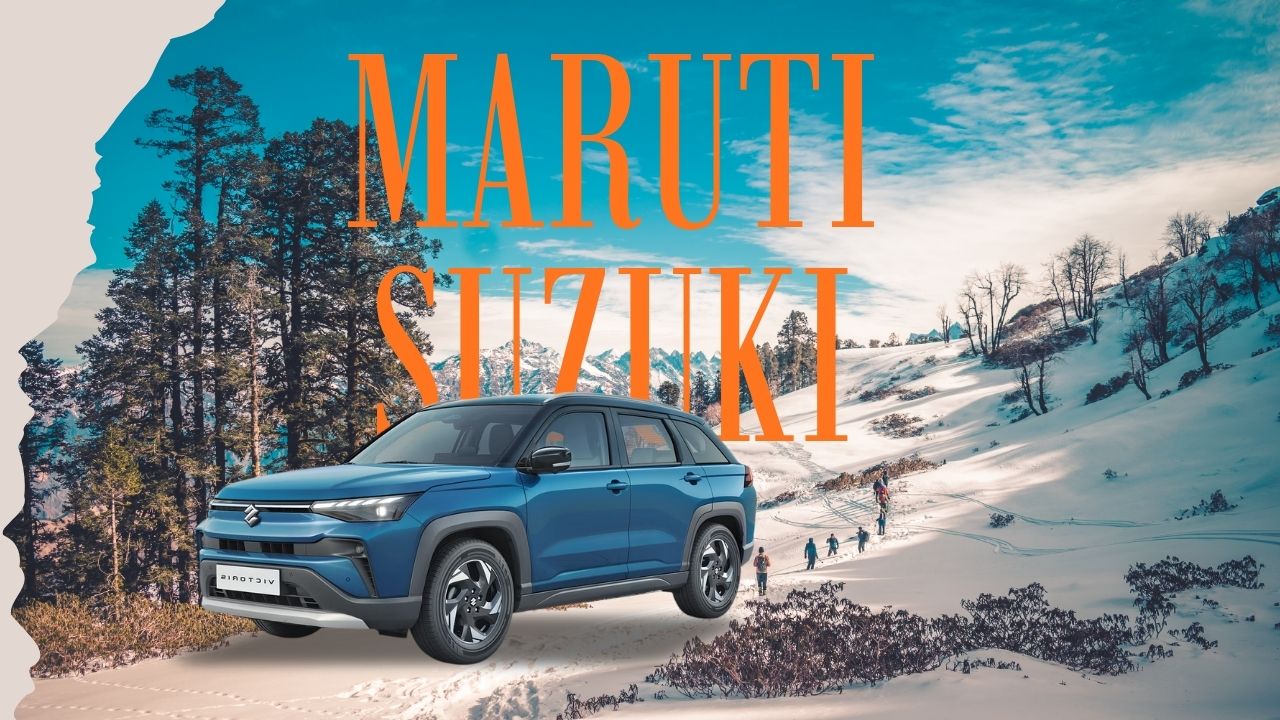
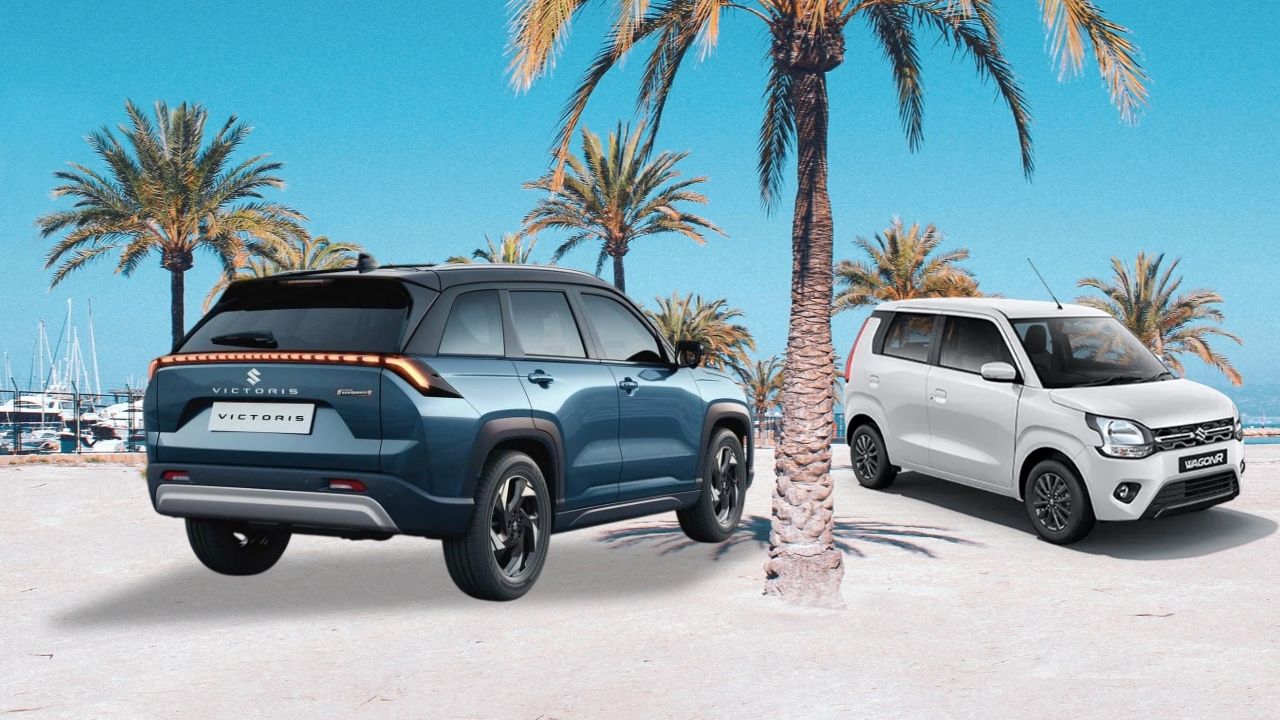
Maruti Suzuki September 2026 Offers are up to ₹1.35 lakh that’s the maximum benefit on the Victoris Strong Hybrid. It’s the biggest offer Maruti Suzuki is offering on an Arena model in months but this is not the only model which has a great offer. The entire Arena lineup is given up to ₹3.70 lakh benefit through consumer discounts, exchange bonuses, scrappage incentives, and corporate offers, and these don’t all stack together.

It’s best to grab this offer and save your money on a new car but understanding which model is worth buying right now under Maruti’s September scheme is a work you can do right now.

Maruti Suzuki September 2026 Offers: Model-Wise Breakdown

The current offer sheet covers the Arena range end to end. Here’s the maximum total benefit by model:

Model / Variant Maximum September 2026 Benefit
Victoris Strong Hybrid ₹1,35,000
Victoris Petrol / CNG ₹85,000
Tour H3 Petrol ₹60,000
WagonR Petrol ₹57,500
Alto K10 LXI (Petrol) ₹52,500
Tour H3 CNG ₹50,000
WagonR CNG ₹47,500
Swift Petrol ₹45,000
Alto K10 (other petrol variants) ₹42,500
Celerio (all fuel/transmission options) ₹42,500
Eeco Petrol ₹42,500
Eeco Cargo Petrol ₹40,000
Tour H1 Petrol ₹40,000
Alto K10 CNG ₹37,500
S-Presso Petrol ₹37,500
Eeco CNG ₹32,500
Swift CNG ₹30,000
Eeco Cargo CNG ₹30,000
Tour S Petrol / Tour H1 CNG / Tour V Petrol ₹25,000
Tour V CNG ₹20,000

Two things stand out immediately. First, this is a targeted push, not a blanket clearance sale — Maruti is putting real weight behind specific models rather than discounting everything equally. Second, the Brezza is sitting this month out entirely, if you were cross-shopping a Brezza against a Venue or Nexon this September, that’s worth knowing before you walk in expecting a deal.

Why the Maruti Suzuki Victoris Is Getting Maruti’s Biggest Push

Hyundai Creta and Toyota Urban Cruiser Hyryder biggest rival in the Indian market is Maruti Suzuki Victoris which was launched last year at ₹10.50 lakh to ₹19.99 lakh (ex-showroom). This is the brand’s strongest model due to its sales unit.

Victoris built on a strong-hybrid setup that combines a 1.5-litre petrol engine and factory-fitted S-CNG in underbody tank so the boot space will be free. It gives the 114 bhp of power, torque-converter automatic, and e-CVT gearboxes. 

With this powerful body, Maruti doesn’t compromise its safety features and mileage. ARAI-claimed mileage ranges from 19.07 kmpl on the AWD petrol to 28.65 kmpl on the strong hybrid, with the CNG variant rated at 27.02 km/kg.

Maruti Suzuki Victoris

The ₹1.35 lakh figure applies specifically to the Strong Hybrid line, built from a ₹20,000 consumer discount plus exchange, loyalty/upgrade, and scrappage-linked incentives layered on top — and the final number depends on which of those schemes you actually qualify for. The plain petrol and CNG versions top out lower, at ₹85,000. 

It’s also worth knowing that Maruti already trimmed Victoris petrol variant ex-showroom prices by up to ₹39,000 back in July 2026, so this month’s discount is stacking on top of a car that’s on top of an earlier price reduction — rather than being offset by a higher sticker price.  

If you’re eyeing a Strong Hybrid and have an old car to trade in or scrap, this is genuinely one of the stronger SUV deals on the market right now — not just relative to Maruti’s own lineup, but against what rivals are offering.

Buying an Alto K10, WagonR, or Swift Worth Right Now

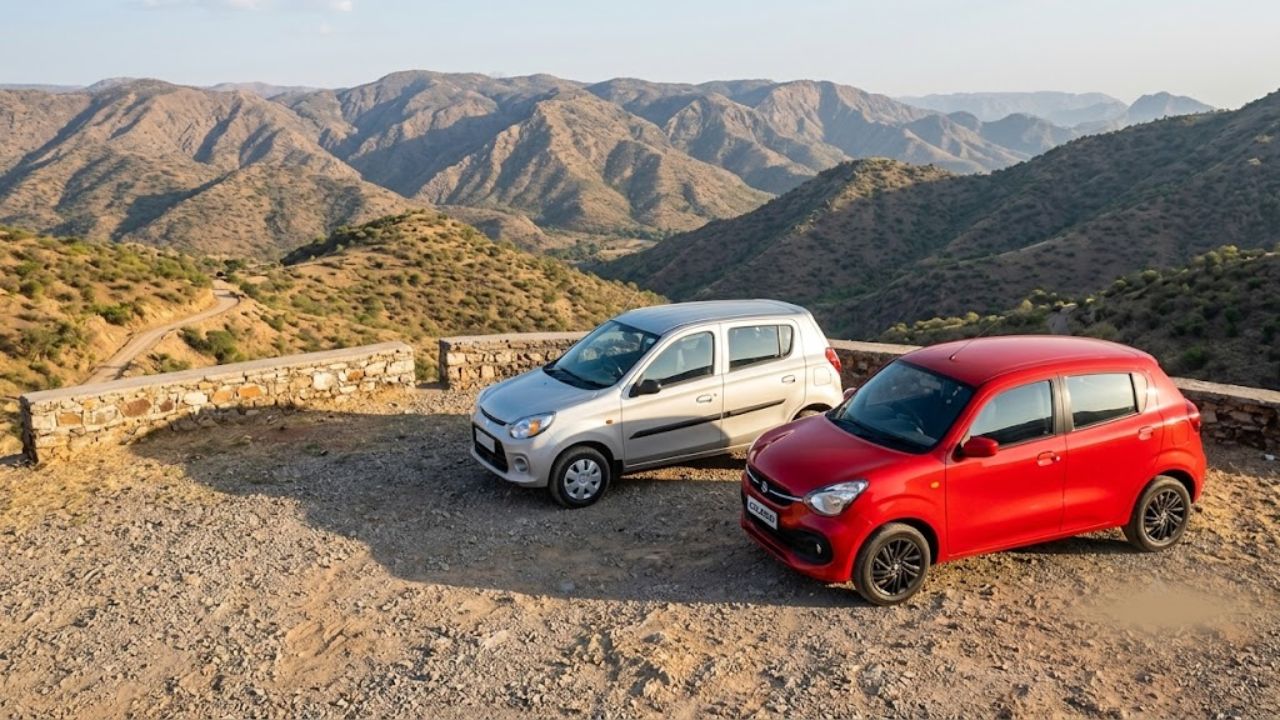
For buyers shopping at the entry level, the numbers are smaller in absolute terms but often larger as a share of the car’s price. The Alto K10, priced from ₹3.70 lakh to ₹5.45 lakh (ex-showroom) and rated at 24.9 kmpl petrol / 33.85 km/kg CNG, gets up to ₹52,500 off on the LXI petrol variant — a ₹25,000 consumer offer plus exchange, PCM, scrappage, and institutional benefits. That’s over 10% off the base price if you qualify for the full stack. Other Alto K10 petrol variants cap at ₹42,500, and the CNG version at ₹37,500.

The best mileage provider in India is WagonR, now gets up to ₹57,500 off on petrol variants which is the biggest offer among Maruti’s mass-market hatchbacks this month, built around a ₹30,000 consumer offer. The CNG version caps at ₹47,500. The hatchback ex-showroom price is roughly up to ₹6.95-7.24 lakh which offers 25.19 kmpl petrol, 34.05 km/kg CNG.

New-gen Swift petrol variant gets ₹45,000 in total benefits including a ₹15,000 consumer discount with other additional offers. While CNG variants get ₹30,000 benefit, with no direct cash discount listed in this month’s scheme. So the entire discount comes from exchange and scrappage options, it’s best if you have a car to trade. 

The Celerio and S-Presso offer nearly ₹42,500 and ₹37,500 respectively, both come with ₹10,000–15,000 consumer offers along with exchange and scrappage benefits.

The Alto K10’s direct rival, the Hyundai Grand i10 Nios, is carrying up to ₹70,000 in benefits on its own petrol variants this September, and ₹65,000 on CNG. That’s a bigger number than the Alto K10’s ₹52,500 ceiling. But practically, the Grand i10 Nios also starts from a higher base price, so the gap narrows once you look at the final on-road figure rather than the discount alone — a pattern that repeats across almost every segment this month.

Read More 👉  Buy Tata Curvv Series X At Rs. 9.99 Lakh With Advanced Features Pack

Fleet and CNG Buyers: The Eeco and Tour Range

The Eeco and Tour lineups don’t get as much attention in festive-season coverage, but they matter to a specific buyer: taxi operators, school-van fleets, and small businesses running high-mileage routes where fuel cost per kilometre decides the purchase, not badge value. 

The Eeco petrol passenger version’s ₹42,500 ceiling and the CNG version’s lower ₹32,500 might look backwards at first glance — CNG usually gets favoured incentives but it reflects the fact that CNG Eeco units already sell on running-cost economics alone and need less discount pressure to move. 

The Tour H3, Maruti’s higher-spec fleet offering, gets the largest benefit in the commercial range at ₹60,000 petrol / ₹50,000 CNG, likely because it’s positioned to compete directly with aggregator-preferred sedans and MUVs from rival brands in the app-based cab segment.

The NEXA Gap: Grand Vitara, Fronx, Baleno, Jimny, and Invicto

The confirmed September 2026 figures above cover Arena models only. Maruti’s premium NEXA channel which sells the Grand Vitara, Fronx, Baleno, Jimny, XL6, and Invicto — hasn’t had its September scheme independently verified at the time. 

The last confirmed NEXA numbers are from August 2026, when the Invicto (a rebadged Toyota Innova Hycross) carried benefits of up to ₹1.55 lakh, the Grand Vitara topped out around ₹1.30 lakh on the base Sigma petrol trim, the Jimny got a flat ₹35,000 cash discount across variants, the XL6 saw up to ₹50,000, the Baleno up to ₹30,000, and the Fronx up to ₹25,000.

The Grand Vitara’s August figures were split by variant rather than flat: the CNG line topped out around ₹1.05 lakh, meaningfully below the petrol Sigma trim’s ₹1.30 lakh, and select trims came bundled with a complimentary 5-year extended warranty on top of the cash benefit. That variant-by-variant spread is likely to carry into September in some form, so if a Grand Vitara is on your list, ask specifically about your target trim from your nearest dealer.

If you’re cross-shopping a NEXA model this month, treat those August figures as a reference point for what’s typically on offer rather than this month’s confirmed figure, and ask your dealer directly for the current September sheet — NEXA discounts tend to track closely with Arena’s month to month, but the exact numbers do shift.

Read More 👉 Kia Carnival Hybrid Price In India And Additional Cost For Accessories

Maruti vs Hyundai: Whose September Discount Actually Saves You More

If the Victoris is on your list, chances are the Hyundai Creta is too — and Hyundai has also rolled out an aggressive September 2026 scheme. The Creta’s petrol and N Line trims carry benefits of up to ₹1 lakh, iVT petrol variants up to ₹90,000, and the E Petrol up to ₹85,000 — but diesel Creta buyers get just ₹10,000, a far smaller cut than what Maruti offers across the Victoris’s own diesel-free, hybrid-and-CNG-focused lineup.

Maruti vs Hyundai

Line up the ceiling numbers and the Victoris Strong Hybrid’s ₹1.35 lakh edges out the Creta’s ₹1 lakh maximum. But the comparison isn’t purely about the discount — it’s about what you’re discounting from. The Victoris starts nearly ₹1.5–2 lakh below the Creta at the entry trim, so even with a smaller headline discount, the Creta can end up costing more out the door. If a sedan is more your shape, Hyundai’s Old Verna iVT trims get up to ₹95,000 this month, versus nothing directly comparable from Maruti’s own sedan-less-heavy Arena lineup right now — the Dzire wasn’t part of this month’s published Arena sheet.

The practical takeaway: don’t compare discount rupee-for-rupee. Compare the on-road price after the discount, because that’s the number that actually matters.

Why “Up To” Rarely Means “For You”

Every model above carries a maximum benefit built from several separate schemes — consumer discount, exchange bonus, scrappage bonus, corporate/institutional offer, and sometimes a loyalty or upgrade bonus. 

Two rules apply across nearly every Maruti September 2026 offer in the Indian market, you can claim either the exchange bonus or the scrappage bonus, never both, and not every scheme is available to every buyer. 

A first-time buyer with no car to trade in or scrap, and no corporate or government employment to claim an institutional discount, will typically only qualify for the base consumer offer — which, on several models here, is a fraction of the advertised maximum. On the Swift CNG, for instance, that consumer offer is literally zero.

Before you book, ask the dealership for a written breakdown of exactly which schemes apply to your specific situation, not just the headline “up to” figure on the brochure.

Should You Buy in September, or Wait?

September sits at the start of India’s festive buying season, and manufacturers typically use months like this to build showroom traffic ahead of larger festival-specific schemes in October. That cuts both ways. If you’re set on a Victoris Strong Hybrid and have a car to exchange or scrap, this month’s ₹1.35 lakh ceiling is already competitive, and waiting for a marginally better October scheme carries the risk that Maruti simply reallocates the incentive elsewhere next month, as it’s done with the Brezza this time around. 

If you’re shopping an Alto K10 or WagonR purely on cash discount with no trade-in, the difference between this month’s offer and next month’s is usually a few thousand rupees — not enough to delay a purchase you’re otherwise ready to make.

With zero listed benefit this month, there’s a reasonable chance Maruti reintroduces a discount once the festive push properly begins in October and there’s no cost to wait to find out. 

Read More 👉 Ceramic Coating vs PPF For Kia Carnival Hybrid 2026 

Conclusion

Maruti Suzuki September 2026 Offers gave every car buyer a chance to grab their favorite model at lowest price. If the offer price seems reasonable then don’t miss while waiting to have more great offers.

As this festive season, offers will come up but not on these vehicles. Right now, the biggest brand’s model Victoris Strong Hybrid round out the budget end is not gonna be topped up again.

Before book any Maruti Suzuki model, confirm the total on-road price after the discount and compare 2-3 models for the right one.

0

Which Car Is Best: Petrol or Diesel? Pros, Cons & Complete Comparison

Published Jun 10, 2026, 12:18 PM
Last Updated Nov 2, 2026, 5:17 PM

Petrol vs Diesel Car

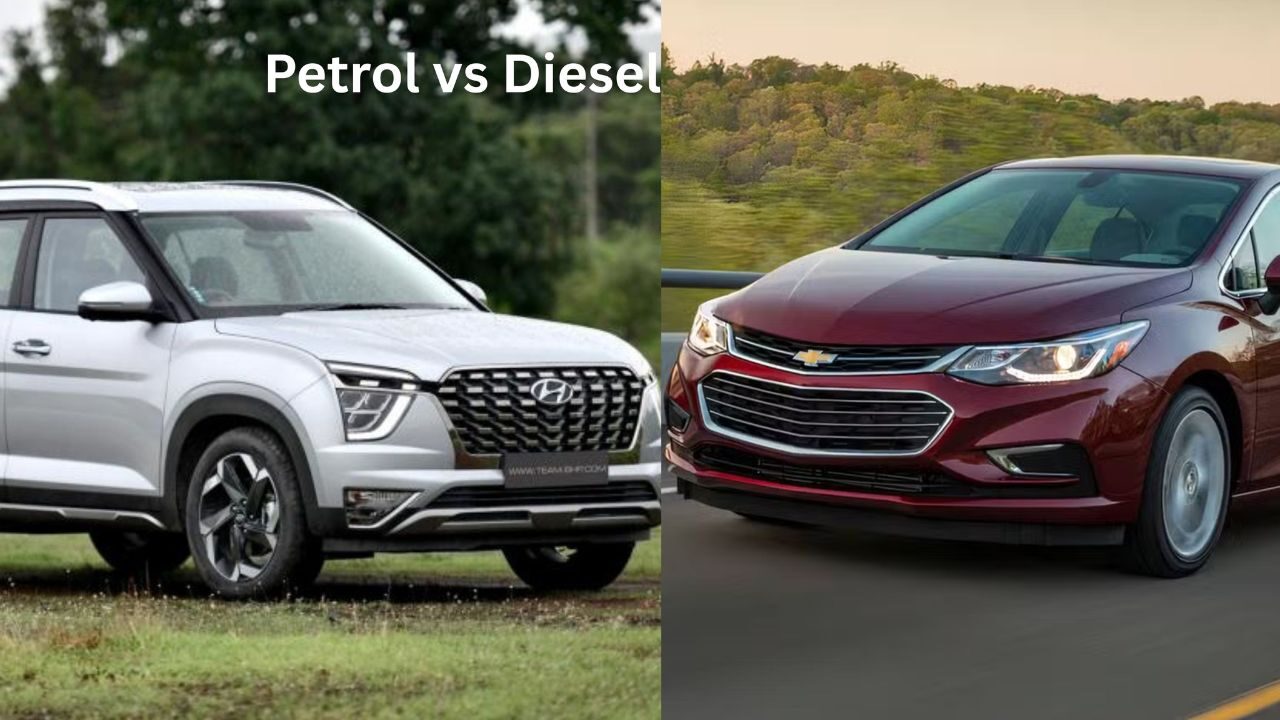
When you visit a showroom of Maruti, Honda, Tata or any brand, you probably get confused which car is best for you — Petrol vs Diesel Car? The generic answer is it depends on your usage and region but cars are also affected by many factors that make them different from each other. If you are not sure then continue reading to understand it properly.

Let’s Understand the Basics

Factor Petrol Car Diesel Car
Ignition Spark plug Compression ignition
Driving feel Smoother, quicker response at low speeds Strong torque, better at sustained speeds
Best usage City driving, short trips Highway driving, long-distance travel
Upfront price Lower Usually ₹1–2 lakh higher
Fuel cost Petrol is usually costlier per litre Diesel is usually cheaper per litre
Fuel efficiency Lower than diesel Usually 20–25% better
Maintenance Simpler and cheaper More complex and costlier
Best annual mileage Below 12,000–15,000 km Above 20,000 km
Resale value Improving, especially in small cars Traditionally strong, but affected by emission rules
Emissions More CO2 per km More PM2.5 and NOx

A petrol engine uses spark plugs to ignite a mixture of air and fuel. It runs smoother, quickly picks high speed, and feels more responsive mostly at lower speeds. This makes petrol engine cars preferable for smaller distances, city driving.

A car built on a diesel engine uses compression (high pressure) to ignite the fuel, not a spark plug. It generates more torque (that pulling power you feel when you accelerate), runs at lower RPMs, and uses less fuel on longer distances.

That’s the core difference — and it explains almost everything else about how they behave on the road.

The Cost Factor: Upfront vs Long-Term

Most buyers end their discussion on Petrol vs Diesel Car when it comes to the money. 

Same car but diesel variant cost around ₹1 lakh to ₹2 lakh which is more expensive petrol variant. Manufacturing cost drives the extra price of the car because diesel engines have more complex parts.

However, Diesel fuel is cheaper per litre than petrol in India (usually by ₹10–₹15 per litre). And that makes it more fuel-efficient — a diesel car might give you 20–25% better mileage than the petrol version of the same model.

So here’s the math that actually matters: the break-even point.

Driving in a city less than 10,000–12,000 km a year, it will take you 6–8 years to compensate for the extra cost you paid to the showroom owner for the diesel variant through fuel savings. By that time, you’re probably thinking about your next car anyway.

But if you’re clocking 20,000+ km a year — long highway runs, intercity travel, road trips — a diesel car will pay for itself in 2–3 years and save you a significant amount after that.

The simple rule: high mileage = diesel makes financial sense. Low to moderate mileage = petrol wins.

City Driving vs Highway Driving

City Commuting 

If you use a car mostly for city trips then choose Petrol engines as they love city driving. They’re more responsive at low speeds, gear shifting is very light, and the engine doesn’t need to warm up as much. Start-stop traffic — which is basically the story of driving in any Indian metro — suits petrol engines far better. 

In this traffic area, Diesel engines won’t cope up because they perform best at sustained speeds and consume less fuel. In city conditions, their fuel efficiency advantage largely disappears, and the engine can be reluctant at low revs.

On the Highway

The diesel engine wins here, that high torque means effortless overtaking, smooth cruising at 100+ km/h, and significantly better fuel economy over long stretches. A diesel car on the highway is a genuinely satisfying experience — particularly for long-distance drivers.

Petrol engines can also run on highways but for the run on higher speed they need more fuel to work harder.

The Maintenance Cost For Each Fuel Type

Diesel cars leave your wallet empty for maintenance as their parts are more complex. And diesel-specific components (like the fuel injectors and turbocharger) need time-to-time and attentive servicing.

Petrol cars are simpler under the hood. Routine servicing is cheaper, and mechanics are more familiar with petrol engines — particularly at smaller garages in Tier 2 and Tier 3 cities.

One important thing to understand is that diesel cars need to be driven regularly. If you left them in a garage like any showpiece, a diesel engine can develop issues. Petrol engines can sit without creating any problem for a long time, perfect if the car is a second vehicle or used only on weekends.

Environment and Emissions

Environmental considerations are increasingly playing a bigger role in the petrol vs diesel car debate. Diesel engines emit larger quantities of PM2.5 particles and nitrogen oxides (NOx), which are air pollutants that harm the environment and human health. Petrol engines produce more CO2 per kilometre, but they generate a fraction of the harmful particles. 

India’s BS6 emission rules have brought diesel engines much cleaner than before — but the gap hasn’t fully closed. Several Indian cities have placed restrictions on older diesel vehicles, and there are ongoing policy discussions to set more regulations in pollution-heavy metros.

There are few cities like Delhi and Mumbai where pollution is rising day-by-day and so are emission concerns. It is worth knowing the resale value of your car.

Read more:- How to Calculate Average of Car With Explained Methods and Formula

Resale Value of Diesel & Petrol Cars

Diesel cars have long had better resale values because buyers thought they were more cost-effective to operate. That narrative has been shifting.

The prices are rising and rules are tightening on using diesel cars to prevent air pollution. Petrol cars are increasingly competitive in the used car market and in some segments (hatchbacks, small SUVs), they actually hold value better than diesel equivalents.

You can check any model resale value at the used car market. The segment matters a lot here.

Which Fuel Type Suits You Better?

Let’s make this as simple as possible.

Your Situation Better Choice Why
Mostly city driving Petrol Better low-speed response and lower maintenance
Annual driving below 12,000–15,000 km Petrol Diesel’s higher price takes longer to recover
Car used only on weekends Petrol Handles idle periods better
Daily highway commute Diesel Better mileage and torque
Annual driving above 20,000 km Diesel Fuel savings recover the higher purchase cost
Large SUV or MUV buyer Diesel Strong torque and better long-distance economy
First-time small-car buyer Petrol Lower upfront cost and simpler ownership

Go petrol if:

  • You drive mostly within the city
  • Your annual mileage is under 12,000–15,000 km
  • You want lower upfront cost and simpler maintenance
  • The car will sit idle for days or weeks at a stretch
  • You’re buying a small hatchback or entry-level sedan

Go diesel if:

  • You regularly cover long distances — highway commutes, intercity travel
  • Your annual mileage crosses 20,000 km comfortably
  • You’re buying a larger vehicle (SUV, MUV, premium sedan) where diesel variants make more economic sense
  • You want strong torque and highway cruising ability

CNG and Electric Taking Over Larger Part in Fuel Economy

In 2026, you must understand that petrol vs diesel isn’t the only choice anymore. CNG has become a very practical third option for high-mileage city drivers. It gives more fuel efficiency than both Petrol or Diesel engines, and factory-fitted CNG kits in models like the Maruti Suzuki Alto K10 and Tata Tiago CNG are far more refined than they used to be.

Car manufacturers are making more Electric vehicles (EVs) as their demand is rapidly growing around the world. After petrol becomes more expensive, EVs seem to be the best option for you. Tata Nexon EV and MG Windsor making a compelling case for urban buyers.

But if you’re specifically choosing between petrol and diesel — the two questions to ask yourself are: how much do you drive, and where? The answers will almost always lead you to the right choice.

Conclusion

There’s no universally “better” fuel type. Petrol vs Diesel Car engines are optimised for different kinds of drivers and different kinds of roads.

If you spend around 800–1,000 km a month on the city roads, a petrol car will prove to be cheaper for you and involve fewer hassles. If you’re a long drive enthusiast, you regularly crisscross city limits – diesel will thank you for every kilometre you put on the odometer. 

Know your driving habits honestly, do the break-even math for the specific car you’re buying, and you’ll make the right call.

0

Gautam Singhania Car Collection 2026: Ferrari, Lamborghini, McLaren & More

Gautam Singhania Car Collection

Billionaire Gautam Singhania Car Collection is not just cars but it has a collection of supercars — he drives them at top speed, races them in Europe, drifts on the Mediterranean island of Malta and publicly criticizes billion-dollar companies when they let him down. 

Most people who shell out ₹8 crore for a car would keep it garaged. Take it out on Sunday mornings when traffic is light and then spend the next hour wiping off a layer of unseen dust. About the last person to live up to the name “gautam singhania” is the man himself.

The Raymond Group Chairman — the man behind India’s most recognisable suiting brand — has quietly put together possibly the most technically extreme automotive collection on the subcontinent. We’re talking LaFerrari hypercars parked in Dubai, a Nissan Skyline GT-R that runs sub-10-second quarter miles, a Ford Mustang that pushes 1,300 bhp, and a 37-storey Mumbai skyscraper with a multi-floor car park literally built into it. 

But what makes Singhania truly interesting is not just the wealth. That’s the attitude. He races. He drifts. He wins championships. And when a ₹8-crore Lamborghini breaks down on a highway bridge. Let’s break down the Gautam Singhania Car Collection to fill the curiosity of car lovers out there.

The Ferrari Obsession

We’ll start with Maranello because that’s clearly where Singhania’s heart resides. He’s a bonafide Tifosi — not just one of those people who slap on a red car cover with the Ferrari logo and call it a day, but one who actually races in the Ferrari Challenge Europe with Kessel Racing, putting up double podiums at Paul Ricard along with runs at Monza and Budapest.

The Ferrari Obsession

He became the very first person in the world to own a RHD (right hand drive) unit of the Ferrari 296 Speciale and not just any unit, but the first customer car. Finished in Giallo Modena, the same shade of yellow he used on the first 458 Italia he ever brought to India — this isn’t your run of the 296. It’s a track weapon twinned with a twin-turbo V6 PHEV making 880 bhp, runs 0-100 km/h in 2.8 seconds, and generates 435 kg of downforce at 250 km/h. Ferrari took the titanium connecting rods from the LaFerrari programme to develop it. 

“He’s never thought of supercars as Veblen goods for running climate-controlled simulations, but as precision tools that need driver inputs at the very edge.” 

That is followed by the 849 Testarossa, the new flagship of Ferrari, introduced in India in March 2026, reviving a legendary name with a tri-motor PHEV arrangement producing 1,035 hp and achieving 0-100 km/h in 2.2 seconds. India is no longer coming late for these cars. Singhania’s patronage is a large reason for that. 

The Lamborghini Drama

Singhania has many Lamborghini models parked in his garage not on their luxury looks or price but because of their products’ engineering.

Model Power Engine Type Price Notes
Lamborghini Revuelto 1,001 bhp V12 PHEV ₹8.89 cr Broke down at 15 days
Lamborghini Temerario 920 PS Twin-Turbo V8 PHEV ₹6 cr Bought anyway in 2026
Aventador SV 750+ bhp V12 NA – 1 of 600; UK import
Gallardo Twin-Turbo 1,600+ bhp Underground Racing build – Street legal

What followed next is now automotive internet legend. He publicly criticized the head of Lamborghini India and the head of Asia on social media, shared a video of yet another Revuelto warning of a ‘Transmission Malfunction’ while running at 300 km/h on the highway, and sarcastically remarked that Lamborghini’s bugs are turning into features. The company remained quiet. He got louder.

The Lamborghini

And then in an absolute curveball no one saw coming — he purchased the new Lamborghini Temerario in 2026 anyway. The next model from the brand in Gautam Singhania Car Collection, the Huracan successor with 920 PS. Caught on camera running through the streets of Mumbai with a police escort. The man who had spent weeks publicly excoriating Lamborghini ‘just bought one more’. If that isn’t an veryspecific type of car lover, then nothing is. 

The McLaren Assembly

In 2024 Singhania bought the brand new Marque Mclaren 750S for ₹5.91 crore (ex-showroom). The 750S, painted in a bright hi-vis orange with black accents in a dual-tone design, is the 720S’s iterative evolution. Singhania is also hav­ing one 720S after buying a limited edition version (one of 400 units world­wide) in 2017 for nearly ₹2 crore which he was occasionally bringing into India from Dubai. 

The McLaren Assembly

The tolerance engineering of the 750S is incredible. It is equipped with the M840T 4.0 liter twin-turbo flat-plane crank V8 engine. Flat-plane crankshafts enable higher RPM limits as well as faster exhaust scavenging when compared with traditional cross-plane V8s and lends to a higher pitched exhaust sound. With this package, the engine produces 750 PS and 800 Nm of torque at maximum levels. 

Carbon fibre seats with forged wheels and light center-exit exhaust system are ready for racing at high speed with less worry of exhaustion. The fastest speed it can give is 0-100 km/h in 2.8 seconds and 0-200 km/h in 4.4 seconds, 10% faster than the outgoing 720S in longitudinal acceleration. 

High-Stakes Motorsport in Gautam Singhania Car Collection

Skyline GT-R

In order to prevent the power from tearing the car apart, the whole driveline crafted with high tech ATTESA E-TS all-wheel-drive system included was “bulletproofed” to handle the enormous torque dump. It can go up to 100 km/h in just 2.5 seconds, so it inevitably can climb 200 km/h in 6.7 seconds.

Its greatest features are high-lift cams, and massive turbochargers; it offers a 1,000 bhp barrier. It’s a wild evolution for a car that left the factory chained to just 276 bhp in Japan’s well-known “gentlemen’s agreement.” 

Nissan S15 Silvia

Nissan S15 Silvia since it was prominently featured in his 2025 Valley Run appearance, this S15 has now undergone a highly desirable engine swap, the standard SR20DET four-cylinder has been replaced by the iconic RB26 inline-six engine from the Nissan GT-R. With a very responsive—526 bhp output—tuned engine, large rear wing for stabilize at high speed and skin in special white purple color with the sponsor logos of Raymond and SCCG. 

Drift-Specific Cars

BMW E46 M3 (LS3 Swap)

Showcasing a fusion of European chassis dynamics and American muscle, Singhania’s BMW E46 M3 has been gutted and stuffed with a Gen-5 LS3 V8 engine from General Motors. The LS pushrod V8’s torque-heavy, naturally stout output, along with the Magnaflow exhaust, and the 17-inch custom wheels deliver the right-low end throttle response to clutch-kick and keep the high-angle drifts up. 

Ford Mach-1 Mustang

An over the top version of the classic American muscle car platform, with a twin-screw supercharger setup that delivers a mind-boggling 1,300 bhp, it’s one of the most powerful cars you can slide around on four wheels in India. 

Honda S2000

Nearly all of it will go toward making a very naturally aspirated high-revving engine famous for its redline at 9,000 rpm. It has a custom color-shift wrap from orange to purple to blue depending on the refraction of the light and has become a staple at modern classic car rally. 

Read More:-  Scorpio-N vs XUV700 —- Battle of the Homegrown Mahindra Power SUVs

Benz 540K Cabriolet

When it comes to vintage car collection Mercedes-Benz 540K Cabriolet finds its place at the top of the list. As the 500K’s successor (and the experimental 580K’s close kin), this left-hand-drive beauty is equipped with a hefty supercharged “Kompressor” straight-eight engine. 

It has some 177.5 bhp and a hefty 431 Nm of torque, but it is the looks that make people halt-those undulating, sweeping wheel arches and it’s a regular participant at global Concours events.

1985 Mercedes-Benz AMG

Singhania doesn’t simply conserve history, he rewrites it through “Resto-Modding.” Noteworthy among his SCCG team is the “Resto-Mod” transformation of a 1985 Mercedes-Benz AMG 190E with eye-popping modifications. 

They actually chopped and stretched the body just enough to shoehorn in a high-voltage, modern 2015 AMG C63 engine. The result is the ultimate sleeper – a car that looks like a 30-year-old classic but has the power of today’s supercar. 

1932 Ford Coupe

And nothing adds a little bit of rough and tumble American to the mix like his 1932 Ford Coupe Hot Rod he calls the “Rebel.” This is not the classic Ford that your dad drove, the classic car has been gutted and outfitted with a snarling, exposed V8 designed for nothing but acceleration. It’s a crowd-pleaser at the Parx Supercar Show, a raw mechanical foil to the polished luxury of his European classics. 

The Maserati MC20 Evaluation

In August 2023, Singhania trashed the Maserati MC20 supercar, calling it the “worst” car he has ever driven and advising buyers to stay away from it due to active safety concerns. The main problem was the vehicle’s suspension tuning, which Singhania said led to hazardous, “football-like bouncing” on the uneven roads of India. 

Conclusion

The Gautam Singhania range is not just a stack up of metal, carbon fibre and internal combustion. It is a highly curated, multi-million dollar ecosystem that represents the pinnacle of mechanical engineering, historical preservation, and localized automotive innovation. From the 1,000 bhp drag strips to the heights of European GT racing, vertically integrated down to domestic coachbuilding and 37-story architectural display cases, it serves as the prototypical expression of ultra-high-net-worth automotive immersion in the breed era.