0

3 Affordable Full-Size Sedans Launching Soon You Should Wait For

Published Apr 27, 2026, 12:39 PM
Last Updated Apr 28, 2026, 12:37 PM

Sedans

For nearly 10 years, the automotive industry has been fixated on raising everything up on stilts. We observed automotive legends phased out or turned into SUVs, but now these 3 affordable full-size sedans launching soon are worth buying. 

To improve efficiency and range for a full-size car, automotive industries are focusing on better aerodynamics that make a huge comeback. If you’ve been clinging to your beloved old Toyota Avalon, Chevy Impala, or Chrysler 300, anxiously waiting for a competent successor that won’t require a second mortgage, you’re in luck.

We have a couple of sensational new sedans to follow for 2026 and beyond. So, let’s look further at these 3 affordable full-size sedans features and specifications. 

Why the Affordable Full-Size Sedans is Making a Comeback

After the market pivoted to SUVs, the manufacturers eliminated their full-size sedans because they were being pinched by midsize cars getting bigger and SUVs providing “commanding” ride heights. But here’s the 2026 reality check: plowing a heavy block of metal through the air kills your fuel economy and EV battery range. 

Sedans cheat the wind by definition. Sedans offer better aerodynamics and have a lower center of gravity which means smooth and comfortable ride as it gives better handling, a quieter cabin at highway speeds and substantially better fuel economy. What’s more, the contemporary EV-usable “skateboard” chassis design features a flat floor, with wheels pushed out to the extreme corners of the vehicle. This gives the forthcoming cars cavernous interiors that rival huge luxury SUVs, but at a fraction of the price. 

If you’re looking for big seats, big legroom, big road-trip cruising comfort, and a trunk you can really stuff things in all without the luxury tax hassles, these reasonably priced affordable full-size sedans are your golden ticket. 

1.The 2026 Dodge Charger 4-Door (SIXPACK & Daytona)

If you’re looking for big seats, big legroom, big road-trip cruising comfort, and a trunk you can really stuff things in all without the luxury tax hassles—these reasonably priced full-size sedans are your golden ticket. 

It’s giving vibes of no regrets, no apologies, a practical beast of burden. Dodge has basically built a minivan that wants to deck you. Keeping the old muscle body alive with an advanced platform (the STLA Large architecture). 

Features & Specifications

The biggest takeaway: You don’t have to go electric if you aren’t ready. The 2026 Charger is available in two distinct trims this time around from Dodge:

The Daytona (EV): The gas-car version that comes standard with all-wheel drive, a huge battery pack, and a “Fratzonic Chambered Exhaust” (yes, a fake exhaust system that’s as loud as a Hellcat V8).

THE SIXPACK (Gas): You can still have internal combustion too, in the form of a 3.0-litre twin-turbo I6, which Dodge are calling the Hurricane, and it’s going in this beast. It will come in Standard Output (about 420 horsepower) and High Output (more than 500 horsepower). 

The previous generation Charger was known for a small back seat despite its huge outside dimensions. The new 2026 platform corrects this problem entirely. The legroom in the back is said to be extraordinary, and with a rear liftgate (hatchback) configuration you will have SUV-like cargo space while maintaining a sleek sedan design.

Prices in the Base Gas models start in the low-to-mid $40,000s making it an affordable full-size car. It’s practical enough for school dropoffs and wild enough to make you smile on a deserted backroad. 

See Full Details: Hybrid Showdown: 2026 Honda Accord vs Toyota Camry hybrid

2.The 2026 Nissan Maxima (EV Rebirth)

Nissan’s “4-Door Sports Car” was nudged out quietly after a lengthy run, but its retirement is more of a hiatus. The 2026 Nissan Maxima is totally equipped with an electric motor to be Nissan’s flagship electric sedan.

The new Nissan Maxima is inspired by Nissan’s IMs concept that means it will drop a sleek and amazing design that could win your heart. Look for a clean, streamlined look — also referred to by designers as an “elevated sports sedan” which is a little higher off the ground than a traditional car but lower than a crossover. 

Features & Specifications

The 2026 Maxima will be built on the same platform that is used for the Nissan Ariya electric SUV which is a long-wheelbase version of the CMF-EV. 

Dual-Motor AWD: If you buy the higher trim, you can get up to 400 horsepower on this electric car with Ariya e-4ORCE all-wheel-drive system.

Range: It will be the real highway cruiser as Nissan expected to offer 300 miles range on a full charge. 

Charging: Expected to offer a 800-volt architecture to support super fast charging, making long trips easier. 

Up until now, it must be said that Nissan has nailed “affordable luxury” better than just about anyone when they set their minds to it. The previous Maxima was renowned for its super-comfy Zero Gravity seats and materials that were worthy of an Infiniti.

The new EV Maxima will carry that torch forward. Since electric motors occupy so little space, the new Maxima’s interior will be roomy. If a tranquil, whisper-quiet, tech-loaded executive sedan without an $80,000+ sticker for a Mercedes EQE or BMW i5 strikes your fancy, the seventh-generation Maxima seems like it could be your best bet in the full-size segment. 

See Full Detail: New BMW M4 2028 Coupe Digitally Enters The BMW Neue Klasse M4 Era

3.The 2026 Kia EV8 (The Stinger / K8 Successor)

Kia has been absolutely killing it lately. The EV6 and EV9 have scooped just about every major automotive award on the planet, but they’ve left a void in our hearts since the beloved Stinger and the Cadenza/K8 discontinuation. Enter the forthcoming Kia EV8 (internally referred to as Project GT1). 

Sleek and low, wide and quick to the point of menace. Looking at European models, Kia is becoming more affordable with its pricing policies. It’s easy to get a fastback roofline, distinctive LED lighting signatures and an outstanding look.

Features & Specifications

Now things are getting crazy. The EV8 is expected to be the first vehicle to be produced on Hyundai Motor Group’s new eM platform.

Massive Battery: Leaks suggest this phone will come with a massive 113.2 kWh battery. It’s larger than what you get in most full-size SUVs.

Crazy Range: The aerodynamic shape of the sedan combined with that giant battery pack has range estimates approaching 450 to 500 miles on the European cycle (expect a very realistic 370 to 400 miles on the EPA).

Power: The high-end GT model could potentially be over 600+ horsepower, the base RWD should have at least 200-300 horsepower, which is more than enough to achieve maximum range and low cost. 

Of the many new sedans scheduled for launch in 2026, the EV8 is expected to be the most high-tech. It’s not all about straight-line speed, eM is being designed with Level 3 autonomous driving capabilities and sports a software-defined architecture that will allow the vehicle to update and enhance itself over time via over-the-air updates.

If you want a tech-forward, hyper-efficient, long-range cruiser that provides executive-level a spacious space for less than $55,000, then the EV8 is the car to wait for. It’s going to be a lesson in how to combine cheap price & flagship-level features. 

Which Affordable Full-Size Sedans are Right for You?

Feature 2026 Dodge Charger (4-Door) 2026 Nissan Maxima (EV) 2026 Kia EV8
Best For… The muscle car enthusiast who needs family space. The tech-lover seeking a quiet, premium commuter. The road-tripper who suffers from range anxiety.
Powertrain Gas (Twin-Turbo I6) or EV EV (Single or Dual Motor) EV (Next-Gen eM Platform)
Vibe / Style Aggressive, retro-modern, muscular. Futuristic, elevated, sophisticated. Sweeping, aerodynamic, grand-tourer.
Estimated Base Price ~$40,000 (Gas) / ~$50,000 (EV) ~$45,000 ~$50,000
Standout Feature Fratzonic Exhaust & Hatchback practicality. Zero Gravity seats & lounge-like interior. Massive 113 kWh battery & crazy range.

How To Choose in These 3 Affordable Full-Size Sedans Over SUVs?

Still confused to decide which one is best in these upcoming cruisers? Here’s a quick rundown that may help you picture your choices. 

With the market being SUV-crazy right now, automakers are charging a premium for the “utility” body style. You can often get a well-equipped full-size sedan for the same price as a stripped-down mid-size SUV.

A car that is 6 inches lower to the ground will handle better, roll less and feel a whole lot more stable at 75 mph on the highway. People buy SUVs because they want space, but they never actually look at the real spec sheets. The back seat of a future Kia EV8 or Dodge Charger could actually have more room than a compact or mid-size SUV. 

If you are upgrading to an electric vehicle, drag coefficient is all that matters. SUVs are shoving a huge block of air out of their way. The new sedan launches 2026 cut through it. It takes you more miles, so you spend less time tethered to a plug on road trips. 

Conclusion

The era of the boring car is coming to an end. A long time ago, if you wanted a spacious, comfortable vehicle that didn’t cost an arm and a leg, your only real option was a crossover that handled like a soaked dish sponge.

The new sedan launches 2026 brought to bear are a sign that car manufacturers are at least somewhat hearing the pleas of drivers who want style, efficiency and driving dynamics without having to put horse power related passenger comfort. If you want to run tire-smoke like the Dodge Charger, or spend your commute in the lap of plush executive serenity like the Nissan Maxima, or believe you should be able to efficiently road-tip for days in a hyper environment friendly big car like the Kia EV8, the golden age of the big car is back.

Bipin Sharma

Bipin Sharma is a seasoned automotive content writer with over 10 years of hands-on experience in the world of cars. From the latest car news and reviews to in-depth maintenance tips and expert buying guides, Bipin covers everything that drives the automotive world. Writing about cars isn’t just his profession — it’s his passion. His deep industry knowledge and love for automobiles fuel every blog he creates, helping readers make informed decisions and stay updated on the fast-evolving auto landscape.

Leave a Reply

Your email address will not be published. Required fields are marked *

0

Hypothecation in Car Insurance: Everything You Need to Know

Hypothecation in Car

Bought a car on loan? Then Hypothecation in Car Insurance is already part of your insurance policy, whether you’ve noticed it or not. Most people only come across this term when they’re trying to sell their car or close a loan, and by then it’s often associated with confusing paperwork instead of what could have been a simple five-minute process.

This guide walks through what hypothecation actually means for your car insurance, why it exists, and how to deal with it at every stage — from adding it when you take a loan to removing it once you’ve paid the last EMI.

What Is Hypothecation in Car Insurance?

Hypothecation is the legal arrangement where your car acts as collateral for the loan you took to buy it. You own the car and drive it every day, but the bank or NBFC that financed it holds a legal claim over the vehicle until the loan is fully repaid. In car insurance, this shows up as a clause naming the financier — so if the car is damaged beyond repair or stolen, the insurer pays the claim to the financier first, not directly to you.

This is different from a car being fully owned outright. When hypothecation is active, your registration certificate (RC) and insurance policy both carry the financier’s name alongside yours.

How Does Hypothecation Work?

During an auto loan procedure, the lender won’t just give you cash to buy a vehicle and walk away. They add their interest according to the current percentage with the Regional Transport Office (RTO). That will be reflected in your car insurance policy. The hypothecation clause is added to your policy at the time of purchase or shortly after.

Once hypothecation is in place, any claim above a certain threshold — usually total loss or theft — routes through the financier. Minor repair claims are typically still paid to you or the garage directly. The arrangement stays active for as long as the loan is running, and it’s automatically renewed each year your policy renews, unless someone actively removes it.

Why Is Hypothecation Required?

Lenders need protection. Since there is no hypothecation, the bank can’t come after its money without your car if your car is stolen or totaled and you stop paying the loan. By associating their name with insurance and RC, they ensure that the insurance amount in case of total loss claim is first utilized to clear the loan amount and then the balance, if any, is paid to you.  

Hypothecation is not a formality the bank just adds to the paperwork, it is the fundamental mechanism that allows lenders to finance a borrowing against a depreciating asset such as a car. Without hypothecation, auto loans would carry far more risk for lenders, and interest rates would likely be higher.

Read More 👉  What is ORVM in a Car and How Does it Work?

Difference Between Hypothecation and Car Ownership

This is where a lot of car owners get confused. Hypothecation does not mean the bank owns your car. You are the registered owner (RO) on the RC, and you have full rights to drive, use, and maintain the vehicle. What the bank holds is a charge over the asset — a legal claim that activates only if you default on the loan or if the car is written off in an insurance claim.

Ownership means you control the asset day to day. Hypothecation means someone else has a financial stake in that asset until a debt is cleared. The two can — and usually do — coexist until the loan is closed.

Who Are the Parties Involved in Hypothecation?

Three parties are typically involved in a car insurance hypothecation arrangement:

  • The car owner (you): the person who bought the vehicle and is listed as the registered owner.
  • The financier or lender: the bank, financing company, or financial institution that financed the purchase and holds the hypothecation charge.
  • The insurance company: the insurance company that writes the policy and handles the claims, taking into consideration the hypothecation clause in the event when settling total-loss or theft claims.

Each party has a defined role — you drive and insure the car, the lender protects its loan exposure, and the insurer mediates claim payouts according to the hypothecation agreement.

When Is Hypothecation Added to a Car Insurance Policy?

Hypothecation is usually added at the very start — right when you buy the car on loan and the insurance policy is first issued. The dealer or financier typically handles this as part of the loan disbursement process, so most buyers never fill out a separate form for it.

There are also cases where hypothecation gets added later: if you take a loan against an already-owned car, or if you switch your loan to a new bank (a process called loan transfer or balance transfer), the new financier’s name needs to be added to your car insurance policy through a fresh hypothecation endorsement.

How to Check if Your Car Insurance Has Hypothecation

Checking this is straightforward. Pull out your car insurance policy document and look for a section usually labeled “Hypothecation,” “Financier Details,” or “Loan/Hypothecation to.” If a bank or NBFC name appears there, hypothecation is active on your policy.

You can also check your RC — hypothecated vehicles carry the financier’s name printed on the registration certificate itself. If both your RC and insurance policy show a lender’s name, the hypothecation clause is very much in effect.

Read More 👉  Best Cars for Daily Office Commute: Top Comfortable & Fuel-Efficient Cars

Documents Required to Add Hypothecation in Car Insurance

To add hypothecation to your car insurance, you’ll typically need:

  • Loan sanction letter from the bank or NBFC
  • Copy of the RC showing the financier’s name (if already updated)
  • A signed hypothecation form or endorsement request
  • Car insurance policy copy
  • Policyholder’s KYC documents (PAN, Aadhaar, or any other valid ID proof) 

Requirements while adding hypothecation in Car insurance may differ slightly from one insurer to another, so check the precise list of the 2-3 insurers before confirming it.

How to Add Hypothecation to Your Car Insurance Policy

Adding hypothecation to your car insurance policy usually involves these steps:

  1. Contact your insurer (or use their online endorsement portal) and request a hypothecation addition.
  2. Submit the loan sanction letter and other required documents listed above.
  3. Fill out the endorsement form specifying the financier’s exact name and branch.
  4. Pay any applicable endorsement fee, if the insurer charges one.
  5. Wait for the insurer to issue an updated policy document reflecting the hypothecation clause.

Most insurers process this within a few working days, and many now offer this as an online self-service option through their app or website.

How to Remove Hypothecation from Car Insurance

Once your loan is fully repaid, hypothecation doesn’t disappear automatically from your insurance policy — you need to request its removal. Skipping this step is one of the most frequent mistakes made by car owners and may cause problems down the road, particularly when you are going to resale it. 

To cancel hypothecation, you need to provide a No Objection Certificate (NOC) from your lender to the insurer along with a request to remove the hypothecation clause from your insurance policy. The insurer then issues a revised policy showing you as the sole owner with no financier listed.

Documents Required for Hypothecation Removal

For removing hypothecation from your car insurance, keep these documents ready:

  • No Objection Certificate (NOC) from the bank or NBFC confirming loan closure
  • Loan closure or foreclosure letter
  • Copy of the updated RC (if the hypothecation has already been removed from it)
  • Current car insurance policy copy
  • A written request or form for hypothecation removal, as specified by your insurer

Submitting all of these together usually speeds up processing and avoids back-and-forth with the insurer.

What Happens After Loan Repayment?

Paying off your car loan is only half the job. Two separate updates need to happen afterward: removing hypothecation from your RC through the RTO, and removing hypothecation from your car insurance policy through your insurer. These are handled by different authorities and neither one automatically updates the other.

Many people close their loan, get the NOC, and stop there — leaving both the RC and the insurance policy still showing the old financier’s name. This may lead to delays when the car is sold again or taken for an insurance claim, or even inspections, so it’s worth completing both updates as soon as the loan is closed.

Does Hypothecation Affect Car Insurance Premiums?

No, your car premium is not changed by hypothecation. Premiums are determined on the basis of the car’s insured declared value (IDV), make and model, city, add-on covers, and no-claim bonus — hypothecation does not factor into that calculation. 

What hypothecation does affect is how a claim payout is processed, not how much you pay for the policy. So whether hypothecation is active or removed, your premium stays governed by the usual rating factors.

Read More 👉 ROI of Commercial Vehicles in India: Costs, Profits & Business Returns

Can You Transfer Car Insurance with Hypothecation?

Yes, car insurance with an active hypothecation clause can be transferred, but the process needs a bit more care. If you’re selling the car, the new owner’s insurance policy will need the hypothecation clause carried forward if the loan hasn’t been closed, or removed first if you’ve paid it off before the sale.

In case of loan transfer, hypothecation entry on the RC, and in the insurance policy should be modified in the name of the new financier, if you are moving your loan from one bank to another. Skipping this update can lead to ownership conflicts later on, so it is better to take care of it prior to the transfer is completed. 

Common Mistakes to Avoid During Hypothecation

A few mistakes come up repeatedly with hypothecation in car insurance:

  • Not removing hypothecation immediately after loan closure, assuming it clears automatically
  • Selling a car without updating or removing the hypothecation clause first
  • Submitting mismatched financier names or loan details that don’t match RTO records
  • Forgetting that RC and insurance hypothecation removal are two separate processes
  • Not keeping the NOC and loan closure letter safe, which are needed for both removals

Avoiding these keeps your paperwork clean and prevents delays when you actually need to act on the policy.

Benefits of Removing Hypothecation on Time

Removing hypothecation as soon as your loan closes has real, practical benefits. It gives you full, unencumbered ownership on record, which matters a lot if you plan to sell the car later — buyers and used-car platforms often ask for a hypothecation-free RC and insurance policy before finalizing a deal.

It also simplifies future insurance claims, since payouts go directly to you without routing through a financier who no longer has any stake in the vehicle. And it just closes the loop cleanly — no old bank names sitting on your documents years after you’ve paid off the debt.

Read More 👉 How to Claim Car Insurance for Own Damage: A Step-by-Step Guide

Conclusion

Hypothecation in car insurance is a simple concept once you see how it fits together: it protects the lender’s stake in your car for as long as the loan is active, and it needs to be added and removed at the right points — loan start, loan transfer, and loan closure. The step people miss most often is removal after repayment, and that’s the one that causes the most hassle later. 

Keep your NOC and loan closure letter handy, update both your RC and your insurance policy, and hypothecation stops being a confusing clause and just becomes a box you’ve already ticked.

0

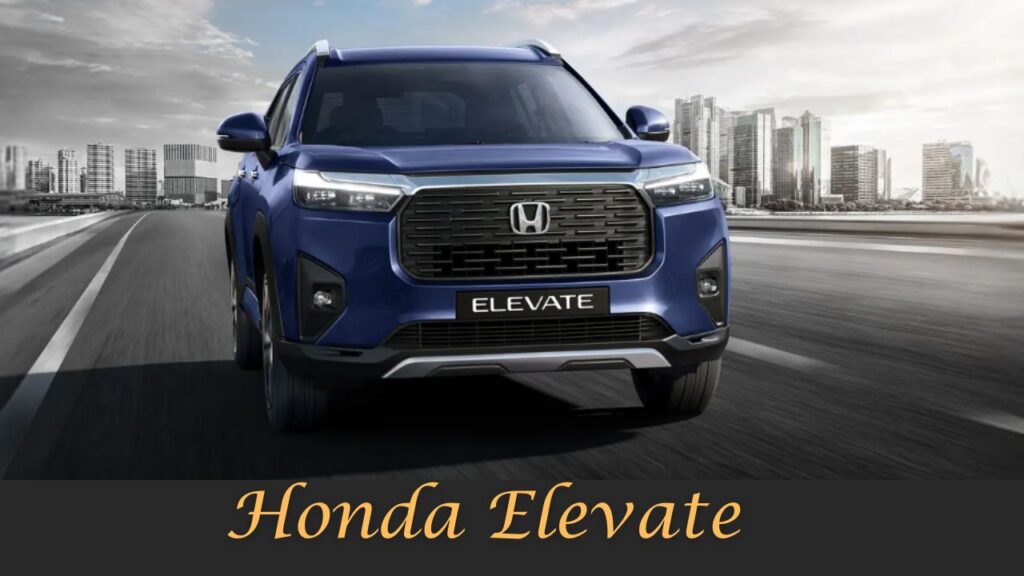
Honda Elevate – Price, Features, Mileage, and All You Need to Know

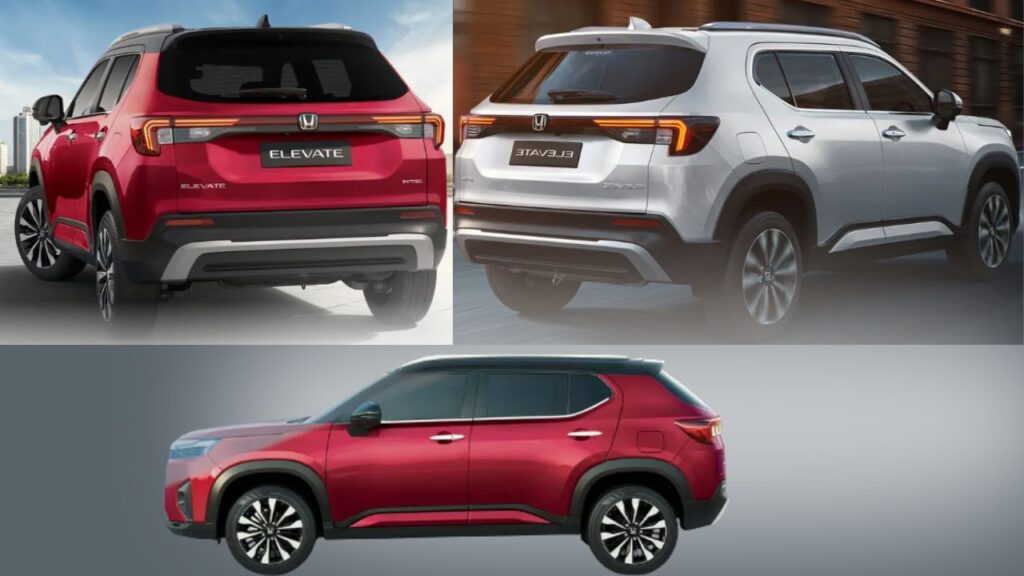
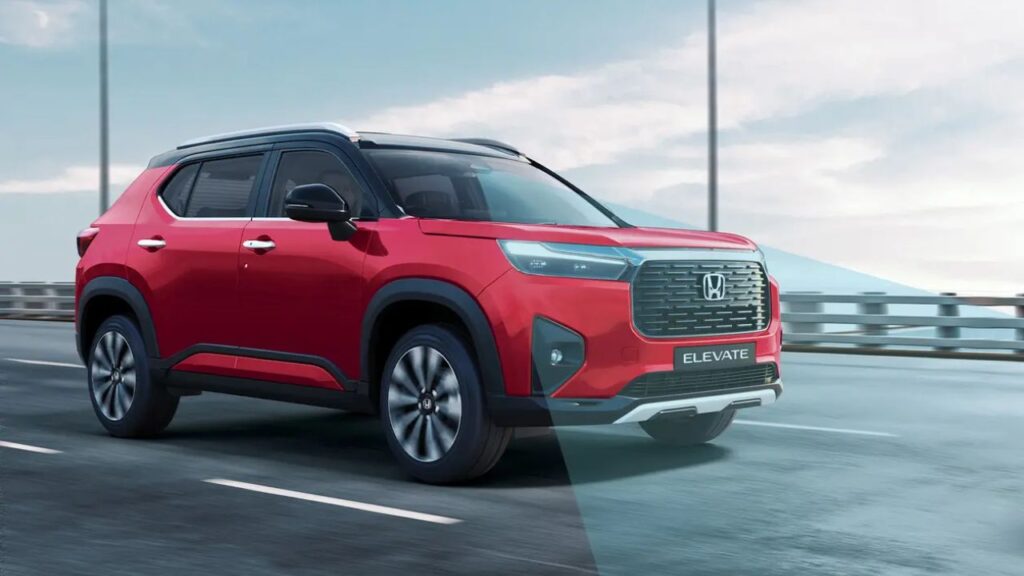
Honda Elevate

The India compact SUV market has seen drastic changes in recent years and Honda Elevate has established itself as a unique offering in this space. If you are a first-time car buyer venturing into the world of SUVs or a sedan owner looking to upgrade, the Honda Elevate brings you an interesting package of practicality, safety and value-for-money. So let’s take a closer look at why this vehicle is so good. 

Pricing and Variants To Understand What’s Right For You

The Honda Elevate is priced attractively from ₹11.00 lakh (ex-showroom) for the base SV manual variant and goes up to ₹16.67 lakh (ex-showroom) for the top-end variants. This pricing policy makes sure that all budgets are covered in the compact SUV segment. 

Manual Transmission Variants
SV MT ₹11.00 lakh
V MT ₹11.96 lakh
VX MT ₹13.61 lakh
ZX MT ₹14.88 lakh
Honda Elevate Pricing and Variants

Image credit: Hondacarindia

Automatic Transmission Variants
V CVT ₹13.12 lakh
VX CVT ₹14.77 lakh
ZX CVT ₹16.06 lakh

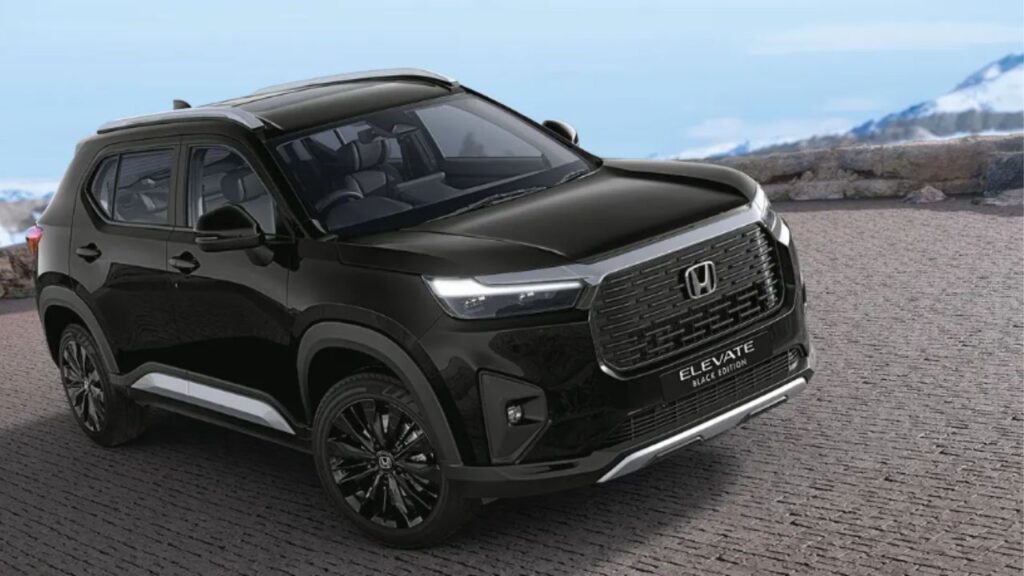
Honda also curates special editions like the Black Edition (₹15.51 lakh), Signature Black Edition, and the newly introduced ADV Edition (beginning at ₹15.29 lakh for the manual and ₹16.44 lakh for the CVT). 

Note: The price of different variants may change due to change of region or district, kindly check your nearest showroom to get accurate price details.

Engine Specifications and Performance

The Elevate is powered by a 1.5-liter naturally aspirated i-VTEC petrol engine. This four-cylinder engine produces 119-121 bhp. It also produces a peak torque of 145 Nm at 4300 rpm. Maybe that spec sounds meek compared to turbo competitors, but that’s still real power. Still, whatever such driving such power provides is a smooth, steady drive. It is good for city trips and road travel.  

The engine is springed to two transmission choices: a 6-speed manual transmission or a 7-step CVT automatic. CVT Interesting for those who often drive in stop and traffic stop: you get momentum flow with less fatigue as a driver. 

Mileage – Real-World Efficiency

Honda Elevate Mileage – Real-World Efficiency

Image credit: Hondacarindia

Elevate’s distinguishing features include good fuel efficiency. The ARAI mileage is 15.31 km/l for the manual version and 16.92 km/l for the CVT automatic version. These are respectable figures for a car in this class, and that goes to show Honda’s dedication to making its powertrains as efficient as possible. Real world mileage: 15 to 16 km/l depending on drive style, traffic and road conditions. 

Dimensions and Space: Is It Practical Enough?

The Elevate rides on practical dimensions. It is 4312 mm long, 1790 mm wide and 1650 mm tall with a wheelbase measuring 2650 mm. What makes this all the more impressive is how Honda has managed to cram all of that space into a genuinely roomy five-seater without making the vehicle feel like a hulking beast in city traffic. 

With 458 litres of boot space, there’s more than enough room for your weekly shop, or you could pack light for the weekend - or whatever the combination of the two might be. This also helps with the 220 mm ground clearance required for Indian roads and the speed breakers, and a few rough patches now and then shouldn’t hurt the underbody. 

Read More :-  Top New Midsize SUVs in 2025 – Stylish, Spacious & Performance-Packed Option

Feature-Rich Cabin

But Honda has not cut any corners on features even with the aggressive pricing. The Elevate is equipped with a 10.25-inch Advanced HD Touchscreen Display Audio with wireless Apple CarPlay and Android Auto. So smartphone integration works flawlessly, so you can listen to music, get directions and take calls – all hands free.​

Other Honda Elevate key features include a 7-inch HD Full Colour TFT instrument cluster, fully automatic climate control with MAX COOL function, a wireless smartphone charger, and a one-touch electric sunroof (in tops models). Brown and black two-tone interior The interior features soft-touched areas, giving the cabin a more premium feel than the price tag of the vehicle would indicate. 

Safety: A True Standout

The Honda Elevate received a 5-star rating in the Japanese NCAP crash safety test – a remarkable feat for a car built in India. It rated 90 percent on average with good scores in crash safety (86/100) and preventive safety (82.22/85.8). Especially, most impressive is the Level 5 rating for Autonomous Emergency Braking, which can prevent collisions with moving obstacles up to 60 km/h (speed limit of 37 mph)

Honda Elevate Safety A True Standout

Image credit: Hondacarindia

Six airbags, electronic stability control, ISOFIX child seat anchorages, and hill start assist are standard across the range for safety. Higher trims also get Honda’s Level-2 ADAS (Advanced Driver Assistance Systems) including Adaptive Cruise Control, Lane-Keeping Assist, and Lead Car Departure Notification. 

Conclusion

The Honda Elevate is the outcome of fine-tuning practicality, technology and value. It’s aimed at buyers who need reliability and safety, but who don’t really want any bells and whistles. If you’re shopping for your first SUV or just want a solid, straightforward family hauler, Elevate makes a strong argument, with Honda dependability behind it. 

0

How to Increase Your Car Resale Value Without Overspending on Maintenance

Published Jun 15, 2026, 10:32 AM
Last Updated Nov 2, 2026, 4:53 PM

Increase Your Car Resale Value

Everyone is hoping for a good resale value of their old cars. Looking to buy a new car, you must want to get the best car resale value but most cars depreciate at 10% more each year. So, if you are selling your used car after six years since the day you bought it, get halved of the value. Second-hand car valuation of less popular brands or models get more than half depreciation in a resale price.

Understanding what actually drives used Car Resale Value, helps you increase your car resale value up to Rs. 10000. So, take a look at ways on How to Increase Car Resale Value.

Understanding Car Resale Value 

Here’s the truth: In India, every car loses 15-20% of its value in one year alone which means the loss has already started right after it leaves the showroom. By year three, you’re typically looking at 40–50% depreciation. But there are many ways to maintain car value over time. Same cars but different owners can get resale value based on the condition of a car.

But not every car falls at the same rate if you look closely at this example, you will understand what it means:

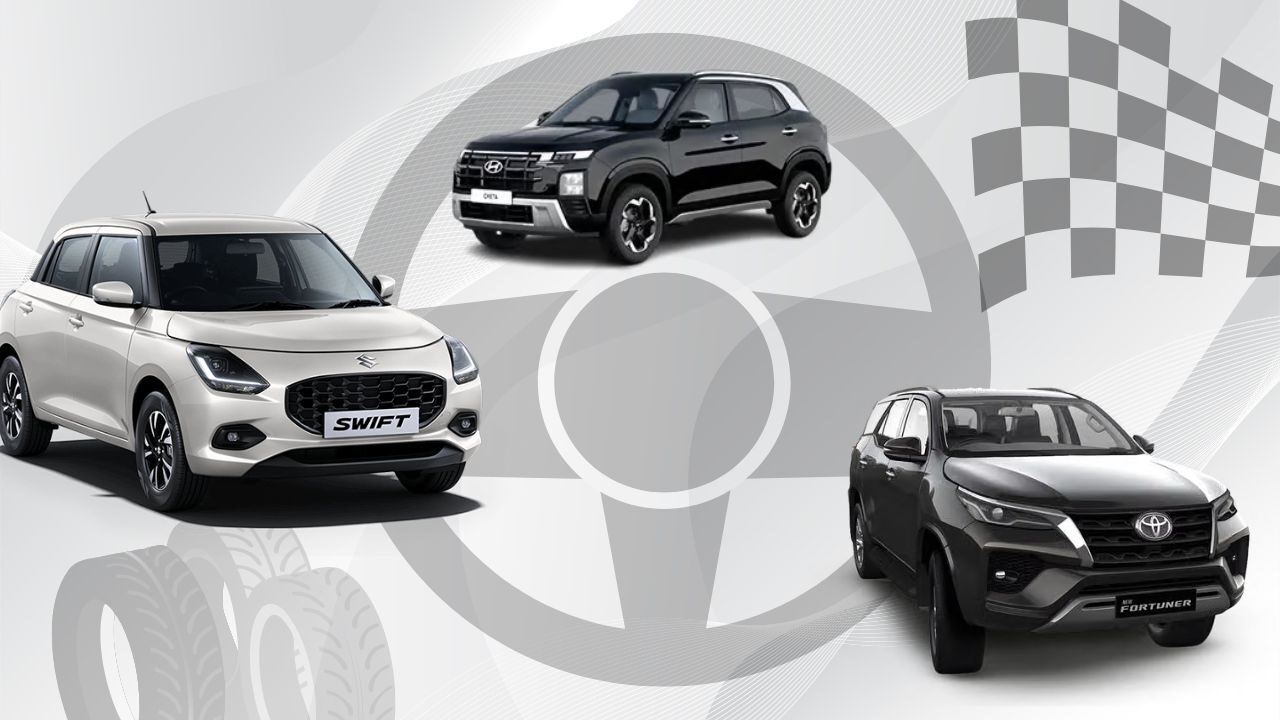
For instance, someone in Delhi buys a Maruti Suzuki Swift VXi at ₹7.50 lakh in 2022. After three years he sold it for approximately ₹5.60–5.80 lakh after driving about 12,000 km per year and maintained it time-to-time. gets it serviced at authorized centres, and sells it in 2025. He recovers nearly 77% of his purchase price because the brand holds the resale value around 75–80% in 3 years.

Car Resale Value 

Now compare that to a friend who bought a mid-range European sedan at ₹28 lakh. Same timeline, same condition. By year three, he’s looking at recovering maybe 45–50% — roughly ₹12.60–14 lakh — because luxury cars depreciate faster and have fewer buyers in the second-hand market.

The car you choose to buy is already a resale decision. Everything else is maintenance.

What Actually Determines Resale Value?

  • Brand reputation and service network — More service centres = more buyers willing to take the risk
  • Fuel efficiency — Petrol cars sell more easily in cities; diesel holds better in high-mileage use cases
  • Number of owners — Single-owner cars can fetch ₹50,000–₹1 lakh more than multi-owner equivalents
  • Colour — White, silver, and grey are safe. Bright orange is a personal choice that the resale market won’t thank you for
  • Accident history — Even a minor repair without documentation kills buyer trust
  • Service records — A complete service book from authorized centres is worth real money

How to Increase Car Resale Value: Practical Steps With Examples

These aren’t generic tips on How to Increase Car Resale Value. Each one comes with what it actually does to your price.

1. Service It On Time, Every Time — At Authorized Centres

This is the highest-leverage thing you can do. A complete, stamped service history from authorized dealers signals to any buyer that the car hasn’t been neglected. If you try to skip one or two services then the car will later show up the gap which makes it difficult for you to cover it in less spending. Experienced car buyers can tell the difference immediately.

Example: Two identical 2022 Hyundai Cretas. One has a complete Hyundai-authorised service record. The other was serviced at a local mechanic. The first one sells for ₹1–1.5 lakh more, all else equal.

Car Resale Value

2. Keep Mileage Reasonable

In India, the market generally accepts 10,000–15,000 km per year as normal. If you cross nearly 90,000 km on a 5-year-old car then its resale value will fall immediately. No matter how perfect your car condition is, you’ll face price resistance eventually.

Car Resale Tips: It’s best to plan your resale time according to the odometer, not a year, if you are using your car most of the time and hoping for the best resale value.

3. Avoid Modifications

Spending ₹40,000 to look cool (you may think) adds zero resale value. It often subtracts from it, because the buyer doesn’t know what’s been altered, what’s been drilled, or what original parts were changed. Stock is always safer for resale.

Adding minor accessories which are worth less and easily removable or changed would be fine. Minor accessories like dash cams, seat covers, and floor mats are fine. Structural or cosmetic modifications are a resale liability.

4. Address Dents, Scratches, and Interior Wear Before Selling

Spending ₹3,000–5,000 to polish your car with a new paint to make it shine like a new car can increase 20% of your car’s value. Recovering physical damage or scratches from a car before putting it on resale could recover ₹15,000–25,000 in negotiations. Buyers anchor on visible damage, and they always overestimate repair costs.

Before selling: Fix deep scratches and paint touch-up, clean the interior, replace old mats and covers with new ones, and ensure tech features are working properly. The car’s appearance is the buyer’s first emotional signal — and buyers negotiate hardest when something feels neglected.

5. Clear All Dues and Get the RC in Order

Unpaid challans, hypothecation (loan) not cleared from RC, or an address mismatch on the RC are deal-breakers. Get these sorted before you list the car. RC transfer issues are one of the biggest friction points in used car sales in India — remove that risk and you instantly become a more attractive seller.

Maintain your documents of regular servicing at a verified service center to make a buyer trust you. This is a necessary exercise in all the ways to maintain car value over time.

6. Choose the Right Time to Sell is Best Car Resale Tips

Reselling your car in the festive season (October–December) could get you the best resale value for a maintained and perfectly representable car. If you have followed ways to maintain car value over time then it won’t be so hard. The second-hand car value gets ₹20,000–40,000 less in the off season. So, choose the right month to resale your car. 

Which Car Brands and Models Have Good Resale Value in 2026?

You can get any car resale price at verified tools like Car24 at 3 years from purchase. The value of your old car depends on the car condition, model and how many kilometers it runs. From current market data, here is the estimated Used Car Resale Value of popular car models at 3 years from purchase with authorized service history, and 35,000–40,000 km driven.

Car model Ex-showroom price (November 2026) Resale estimate at 3 years (₹) Value retention Why it holds value
Maruti Suzuki Swift ₹5.84–8.89 lakh ₹4.50–6.70 lakh 75–80% Highest-volume hatchback; cheap parts, widespread service network, constant second-hand demand; base/mid variants sell within a week.
Hyundai Creta ₹11.00 lakh – ₹20.42 lakh ₹9.00–15.00 lakh 70–75% Leading mid-size SUV; frequent updates, wide service network, aspirational demand in Tier 2/3 cities; petrol automatic variant sells fastest.
Toyota Innova Crysta ₹19.99 lakh – ₹26.55 lakh ₹14.00 lakh – ₹21.00 lakh (3–4 yrs) 70–80% Strong commercial (cab/travel) demand keeps prices high even for high-mileage units; Toyota diesel reputation; easy to sell when well maintained.
Toyota Fortuner ₹34.76–50.46 lakh
₹26.00–40.00 lakh 72–78% Status symbol, Toyota reliability, limited supply of well-maintained units; older high-mileage examples still sell at premium.
Mahindra Thar LXT 4WD Diesel ₹16.43 lakh (MT); AT around ₹18 lakh
~₹12.00 lakh – ₹14.00 lakh ~71.8% Cult following, unique positioning, demand outpaces supply for new units; 4WD diesel variant retains exceptionally well.
Maruti Suzuki Baleno ₹5.99–9.99 lakh
₹5.20–7.50 lakh 72–76% Premium hatchback appeal, strong Maruti reliability perception, popular with first-time buyers (large buyer pool).

A Note on Luxury and EV Cars

Luxury cars (BMW, Mercedes, Audi) depreciate fast in India, often 45–55% in three years. The maintenance cost stigma suppresses second-hand demand. EVs are rapidly growing in the market so their resale mostly depends on durability of batteries. The market is still developing its pricing norms with time. If you own a Tata Nexon EV or Punch EV, check battery health certification before listing.

Read More:- Kendrick Lamar Car Collection is Classic Garage With Old & New Luxury Cars

Verified Tools to Check Car Resale Value in India

Don’t guess. Use data. Here are the platforms that give you real market-based estimates of Used Car Resale Value:

Car Resale Value

1. CarDekho Used Car Valuation

  • Enter brand, model, variant, registration year, and kilometres driven
  • Uses real-time market data and pricing trends from thousands of listings
  • No registration required; free to use
  • Best for: Quick estimates on popular models like Swift, Creta, City

2. CarWale AccuPrice

  • Powered by Machine Learning trained on data from over 5 lakh previous car listings
  • Factors in fuel type, transmission, mileage, age, and regional pricing
  • Trusted by over 1 crore users in India
  • Best for: Comparing market price ranges across variants before listing

3. Cars24 Valuation Tool

  • Updated for 2026 with EV battery health metrics included
  • Offers end-to-end selling — if you accept the valuation, inspection and payment can be completed within 24 hours
  • Includes seller protection (Kavach) during RC transfer period
  • Best for: Sellers who want speed and don’t want to deal with individual buyers

4. CarTrade Valuation

  • Uses data from verified buyers and sellers across India
  • Pricing engine updated regularly with live market data
  • Good for cross-checking estimates from other platforms

5. CarBike4u Free Car Valuation

  • Quick 2-minute estimate; no registration needed
  • Useful regional context — accounts for city-wise price variation (Delhi-NCR typically returns 5–8% higher than national average)
  • Best for: Understanding how your city affects your resale price

Pro tip: Run your car through at least two or three of these tools and compare. The range they give you collectively is more useful than any single estimate. If the market values your car at ₹6–7 lakh, that’s your negotiation floor — not your starting price.

Read More :- How Electric Cars Are Changing the Future of Transportation

Conclusion

If you’re reading this before your next purchase — you’re ahead. Choose a model with strong market demand, stick to popular colours, buy the petrol or diesel variant that matches your actual usage, and commit to authorized service from day one.

If you already own the car — stop waiting. The ways to maintain car value over time are not glamorous: service on schedule, fix visible damage, keep documentation clean, and don’t modify what doesn’t need modifying. Most of what destroys resale value is neglect, not damage. And when it’s time to sell, use the tools above to walk in with a number — not a hope.

How to Increase Car Resale Value before selling doesn’t require a checklist of 30 things. It requires consistency across three or four things done over years, not days. That’s both the boring truth and the profitable one.

0

Taylor Swift’s Luxury Car Collection 2025 – A Glimpse Inside Her Celebrity Garage

Taylor Swift's Luxury Car

Taylor Swift is not only a music icon but also a fashion queen, and Taylor Swift’s Luxury car collection absolutely proves that. For someone who’s always on the go—be it touring, recording, or making news—her rides are more than a means of transportation, they’re an extension of her personality. From sporty luxury cars to ultra-comfortable, private SUVs, Taylor’s rides are a reflection of her superstar status. But then it’s no surprise that the all-time top-selling artist known for her chart-topping hits and jaw-dropping fashion would have a garage with vehicles as iconic as she is. Whether she’s on her way to a red carpet event or just riding round the block, her cars always hit the spot, just like her music and style. 

We’ve compiled an aspirational and entirely speculative list of luxury cars that would go perfectly with the (Eras Tour) phenomenon. Prepare for a peek into a celebrity garage fit for a queen! 

The Ultimate Statement: Rolls-Royce Ghost

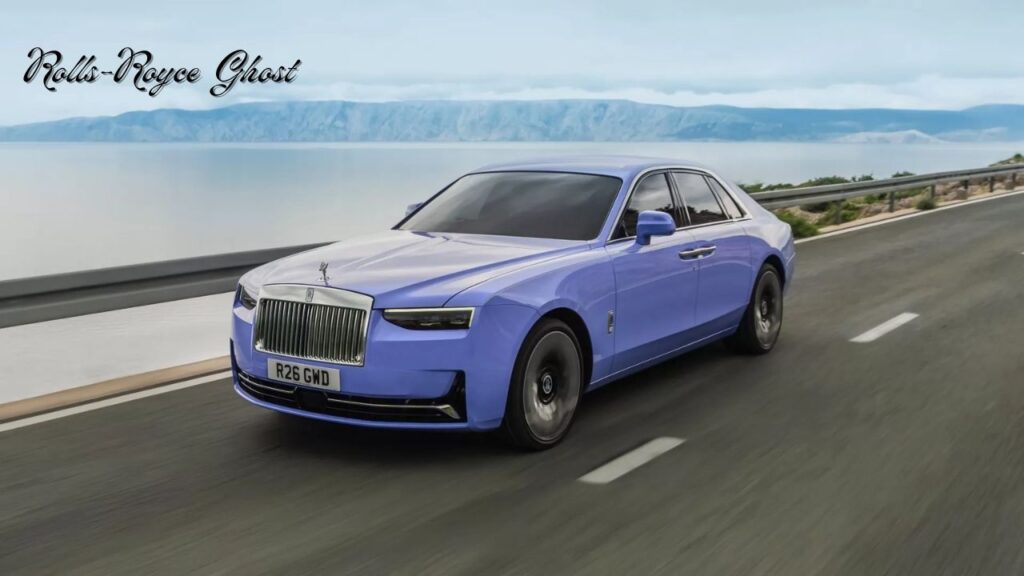
It fits Taylor’s mood for ultimate comfort, a ride so quiet you could hear a pin drop, and privacy like no other, your best bet is a Rolls-Royce. Discreet and yet unmistakably luxurious, it’s ideal for making an entrance at high-profile gatherings, or simply enjoying a quiet cruise far from the limelight. 

Rolls-Royce Ghost

Image credit: Rolls-Roycemotorscar

The 2025 Ghost offers a twin-turbo 6.75-liter V12 engine producing 563 horsepower in around $350,000 – $400,000. Its new model was expected to carry on the tradition of fine workmanship and appointed interior with bespoke options, starlight headliner and advanced suspension tailored for a “magic carpet ride.” 

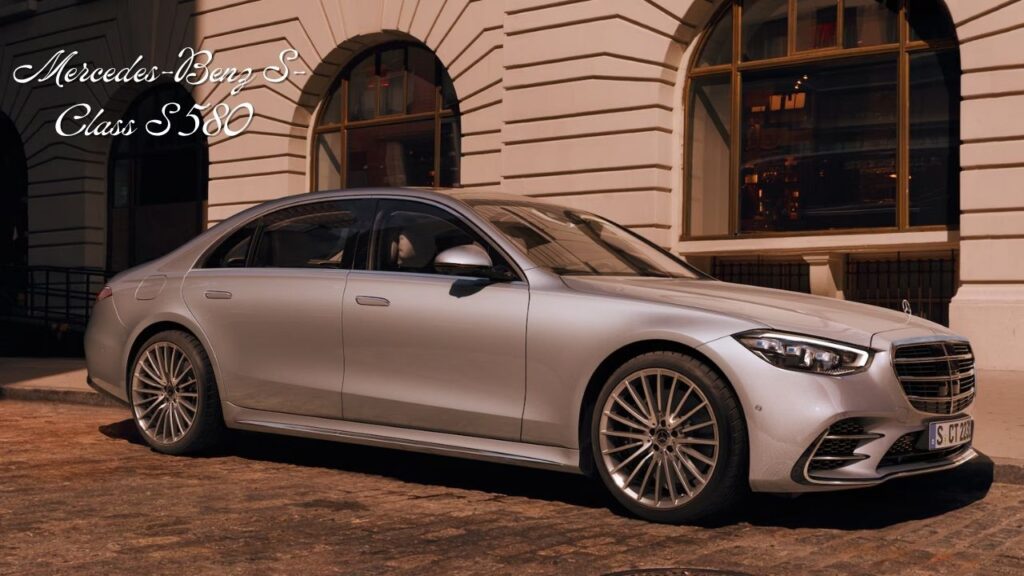
Mercedes-Benz S-Class S 580

Taylor Swift Mercedes is not her favorite but has become many other stars favorite too because of its high quality engine and technology system that is used inside the luxury sedan. It suits Taylor’s personality of a rockstar, Plenty practical, but also ridiculously lavish for daily commutes, business meetings, or runs to the airport. 

Mercedes-Benz S-Class S 580 

Image credit: Mercedes-Benz

The 2025 model will offer a 4.0-liter V8 engine to give 496 hp that could make your ride more powerful on every road. Expect a cabin full of big OLED screens, massage seats, full ADAS, and an air suspension that cruises over bumps in around 125,000 to 135,000. 

Read More:-  Inside Daniel Craig’s Garage: A Breathtaking Collection of High-End Automobiles

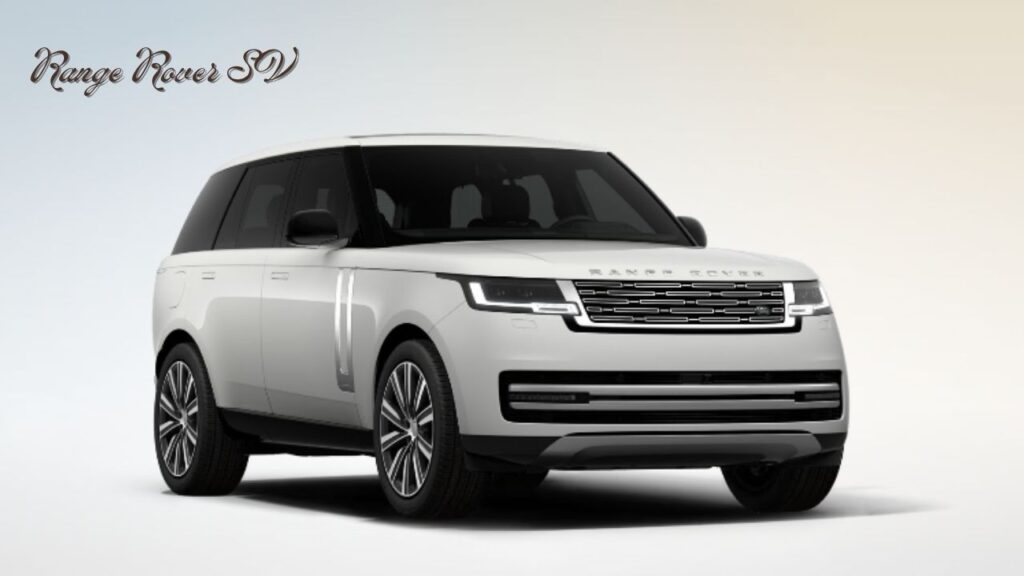
The Versatile Range Rover SV

Whether it’s for tennis star Novak Djokovic or rapper Drake, their SUV of choice is always a Range Rover and now Taylor also has the ultimate in luxury with the Range Rover SV (Special Vehicle). Dominant looks, unrivaled passenger comfort (and security), and the capability to go anywhere on any road, in any weather, make it the perfect new riding companion whether you’re rolling over mountains or tackling city streets. 

Range Rover SV

Image credit: RangeRover

4.4L twin-turbo V8 engine is to be expected in the 2025 Range Rover SV, churning out an estimated 606 horsepower. It offers within the range of $200,000 – $220,000 — a sanctuary of luxury inside with unique materials, two individually adjustable rear seats, integrated entertainment and you really are looking down on the road.

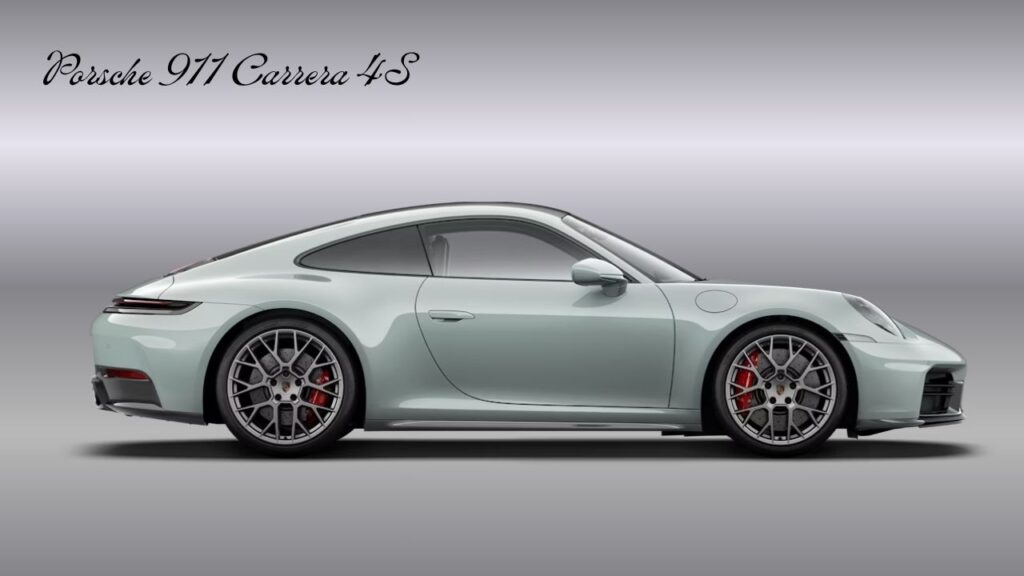
The Sporty Escape Porsche 911 Carrera 4S

Although Taylor isn’t usually spotted in blatant sports cars, the Porsche 911 is the quintessential driving experience that can also be used as a daily driver and has an iconic design. That makes it an ideal choice whether you’re looking for a fast, private getaway or just want to enjoy the thrill of the drive. 

Porsche 911 Carrera 4S

Image credit: Porsche

The 2025 Porsche 911 Carrera 4S is the ultimate model that drives you on a 3.0-liter twin-turbo flat-six engine that excites you more with roughly 443 horsepower. And the all-wheel drive means you have good traction regardless of road conditions within the range of $135,000 – $145,000. What you’ll find inside is a driver-focused cockpit designed to put you in control, with steering so razor-sharp it seems the car reads your mind. And that iconic Porsche growl — it’s music to the ears of any car enthusiast.  

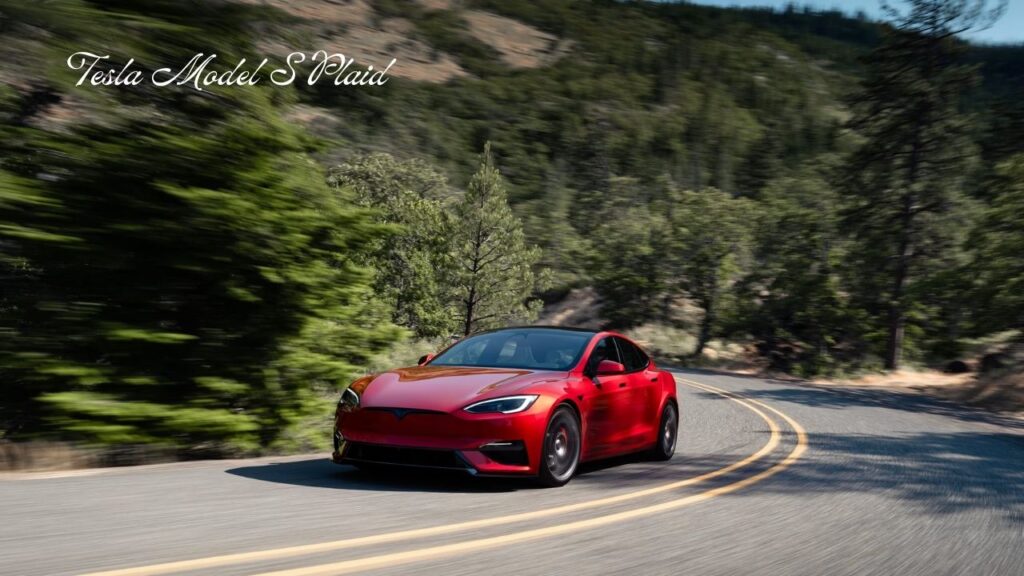
The Eco-Conscious Tesla Model S Plaid

As an icon of the present day, you can easily envision Taylor taking on the role of electric luxury. The Model S Plaid delivers blistering speed, futuristic features and a tip of the hat to being green, all in a suave, understated vehicle. The 2025 Model S Plaid looks set to be an absolute monster on the roads. Its powerful engine system of tri-motor all-wheel-drive gets you over 1,000 horsepower.

Eco-Conscious Tesla Model S Plaid

Image credit: Tesla

That will roll down easily from 0 to 60 mph in less than 2 seconds. A fascinating model isn’t good with exterior but it also offers signature minimalist aesthetic, with a smooth, clean design and a giant touchscreen serving as the focal point inside luxury with  $90,000 – $100,000. It’s not just about speed, though the long-range capabilities mean you can go farther without constantly looking for a charger. Along with the new Autopilot features, it kind of feels like you’re travelling straight to the future. 

Conclusion

Taylor Swift’s Luxury car collection offers a sleek mix of speed to comfort and stylish to luxury models that give a tour of the haven of automobiles. Each car presents a different face, mirroring the diverse life of a global superstar that needs to be the best in all areas of her world. Yes, we can only imagine the day these beautiful machines will be lined up side-by-side but the fact is, Taylor’s taste, much like her music, would be nothing less than legendary.   

0

BMW 5 Series Price in India: Latest Cost, Features & Buying Guide

BMW 5

The BMW 5 Series has been the defining executive sedan for years, striking that elusive balance of sports-car thrill and luxury cruiser. In the constantly growing Indian automobile industry, the 5 Series gets a big facelift. BMW 5 Series Price In India is worth the features to experience the real luxury ride. Understanding the Indian luxury car buyers unique requirements, — essentially they drive on weekends and get driven on weekdays, BMW has introduced the Long Wheelbase (LWB) model. 

This change in strategy changes the sedan’s value proposition entirely. If you have your eyes set on this Bavarian marvel, then it’s important that you know the BMW 5 Series Price In India, running costs and what makes it so special. 

This all-inclusive guide goes in depth on all the things you need to know before you spend your money. 

The BMW 5 Series Price in India

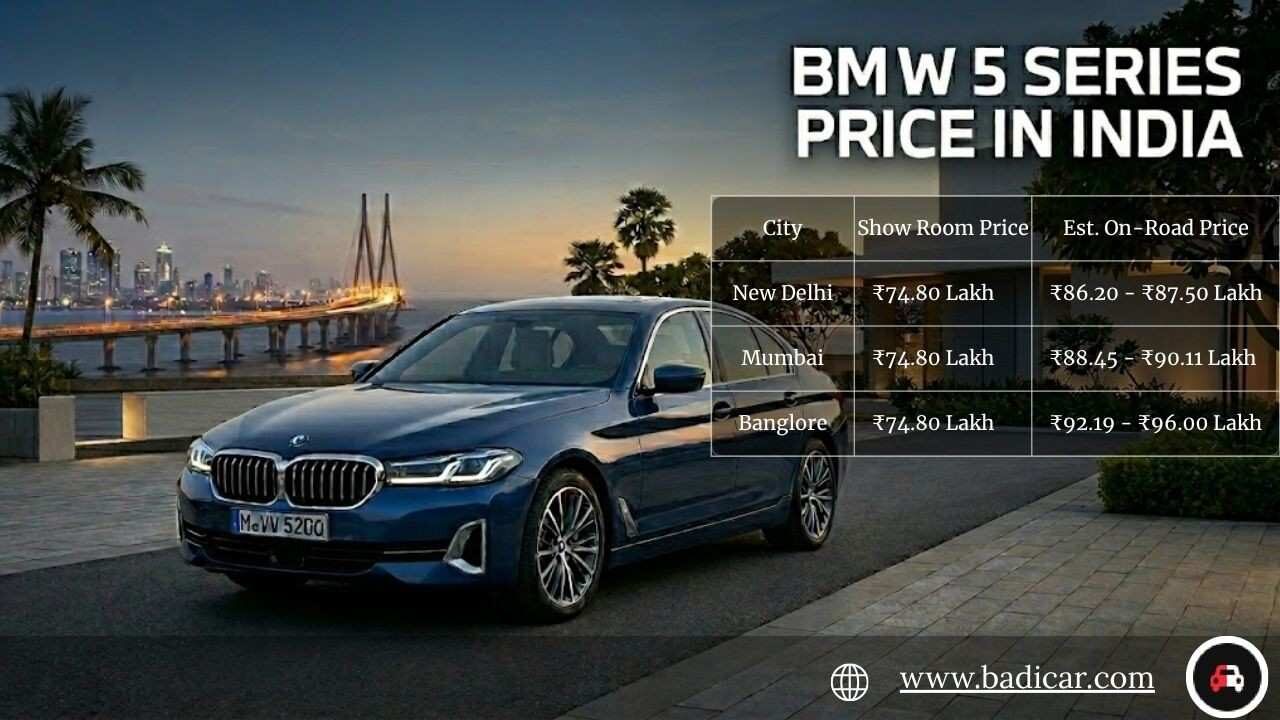
When shopping in the high-end car category, the price tag is just the beginning. From 2026, BMW 5 Series will be offered only in the very popular 530Li variant. The price (ex-showroom) for the BMW 5 Series in India is now ₹72.90 Lakh – ₹75.80 Lakh. 

Yet, the on-road price is a more accurate indication of what you have to spend, as it includes the RTO registration, road tax, insurance, and any handling charges. The taxes are ridiculous in some Indian states and the final amount you pay will depend largely on the state where you register the vehicle. 

Estimated On-Road Prices in Major Indian Cities

City Ex-Showroom Price Estimated On-Road Price
New Delhi ₹74.80 Lakh ₹86.20 Lakh – ₹87.50 Lakh
Mumbai ₹74.80 Lakh ₹88.45 Lakh – ₹90.11 Lakh
Bangalore ₹74.80 Lakh ₹92.19 Lakh – ₹96.00 Lakh
Chennai ₹74.80 Lakh ₹93.68 Lakh – ₹95.23 Lakh
Chandigarh ₹74.80 Lakh ₹86.03 Lakh – ₹87.00 Lakh

Under the Hood: Performance Meets Refinement

A BMW is ultimately defined by what lies under its bonnet, and the new BMW 5 Series LWB is no exception. The Indian market have seen a major focus move towards refined, high performance petrol engines. 

The BMW 5 series offers a 2.0-litre four-cylinder petrol engine that drives you with a super speed with quite punchy 255 bhp @ 4500 rpm power. It also offers 8-speed Steptronic automatic transmission to add ultra-smooth experience with rear wheels and a healthy 400 Nm peak torque from as little as 1600 rpm. 

It provides a smooth ride while accelerating high with LWB 530Li and takes you from 0 to 100 km/h in 6.5 seconds. For a big executive limousine that’s quite an achievement. Also, the fuel efficiency claimed by ARAI is a staggering 15.7 kmpl, however in the city you will get anywhere between 10-12 kmpl depending on the traffic and the way you drive.

See Also: New BMW M4  2028 Coupe Digitally Enters The BMW Neue Klasse M4 Era

Design and Features: The Luxury of Space

The move to a Long Wheelbase format is what sets the current 5 Series apart. The longer wheelbase results in rear-seat legroom that is simply enormous, encroaching on the space that is traditionally reserved for the 7 Series flagship. 

Exterior Styling

BMW has gone for a brave, modern look. The front of the car is dominated by the signature kidney grille which is also lighted with a soft illumination to give more presence at night. On top of the grille are sharp adaptive LED matrix headlights. The shape is clean with flush door handles and 19-inch alloy wheels as standard for a sleek, aggressive and refined look. 

Interior & Technology

The interior is first-class lounge which makes you experience the premium cabin comfort and style with: 

  • BMW Curved Display: It offers a large 12.3 inch driver display and 14.9-inch touchscreen makes it more convenient for every driver to take a care-free ride.
  • Panoramic Glass Roof: Making this car more like a home, BMW is not gonna leave a chance for a dislike. A glass roof lets you enjoy the sunshine and rain while you sit in the back.  
  • Rear seat comfort: Special contours have been developed for the rear seats to provide comfort and luxury with individual climate control zones and high-quality leather material and larger legroom. 
  • Technology: advanced design that supports wireless charging, all-round camera and a premium Harman Kardon audio system that make your ride more fun and ventilated front seats to make you comfortable.

Strong Focus on Safety and Sustainability

Mostly in the luxury vehicles, the focus is more on the performance but BMW keeps its brand more safe and sustainable with their well constructed model of new BMW 5 Series which holds an excellent safety rating. 

Key Safety Features include:

  • Maximum Airbags: Everyone inside the car will be protected with both front and rear seat airbags from various impact directions.
  • Active Safety Systems: More advanced control over safety is implemented with Traction control, EBD, and ESC which helps to keep the car balanced and avoid destruction particularly on abrupt turns or when braking suddenly. 
  • Advanced Driver Assistance Systems (ADAS): It’s one of the most advanced safety systems which detects sudden obstacles with cruise control, blind-spot alerts, and automatic emergency braking.

Besides, BMW is striving for sustainable production in an all-round way. The cabin is adorned in “Veganza,” a vegan material which is highly durable and akin to the texture and breathability of traditional leather but only results in a fraction of the typical leather carbon waste. 

Is the BMW 5 Series the Right Choice?

Spending more than ₹85 lakh for a car is a call that needs to be made after a lot of thought. The segment for luxury executive sedans does have a handful of very strong contenders, so deciding between them is a question of your priorities. 

BMW 5 Series Competition Check

  1. Mercedes-Benz E-Class LWB: A long-wheelbase model gives you a more comfortable ride. Most people who want to sit back and enjoy the ride while the driver is handling the streets then it’s best for them.
  2. The Audi A6: One of the luxurious cars everyone craves for as it offers modern hightech features to make you experience the true luxury. But it can’t match the 5 Series for commanding road presence or long-wheelbase composure.  
  3. Lexus ES: If you are more interested in mileage and hybrid engine to become eco-friendly then it is best but you can’t get the experience of sporty drive as the rear-wheel-drive BMW 5 Series.    

BMW 5 Series LWB strikes the elusive sweet spot. It’s the ideal car for the corporate executive with a chauffeur for the weekday grind and who loves to speed down the Sunday highway behind the wheel.

While considering BMW 5 Series Price in India, it is advisable to go for the BSI (BMW Service Inclusive) packages. These prepaid maintenance plans cover your service expenses for a certain number of years or kilometers and protect you against inflation and give you complete peace of mind. 

Conclusion

The BMW 5 Series is new again, and it raised the bar for what an executive sedan could be in India. With the 5 Series now available in a specifically designed Long Wheelbase version, BMW has perfectly met its customers’ needs for a chauffeur-driven car without betraying the “Ultimate Driving Machine” credo on which the brand rests.

If it’s the high-tech curved display, the expansive rear-seat space, or the relaxed punch of the 2.0-liter turbo-petrol engine that charms you, the 5 Series is a very well-rounded offering. Yes, the BMW 5 Series Price in India is beyond the reach of the segment, straddling the ₹90 Lakh mark on-road in many states. Still, for that kind of premium, you’re getting a car that refuses to make compromises—delivering a decked-out luxury experience and a thrilling ride on the weekends.