0

How to Calculate Average of Car With Explained Methods and Formula

Published Jun 9, 2026, 1:14 PM
Last Updated Jun 10, 2026, 4:21 AM

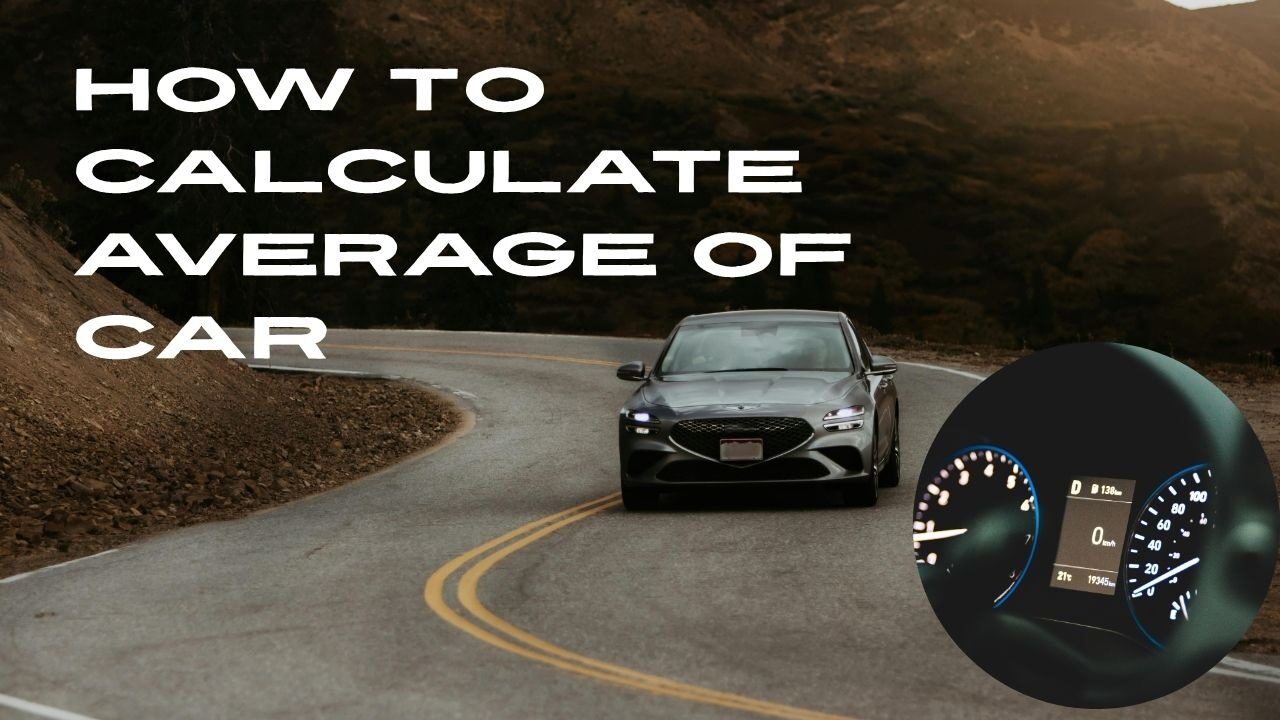
Knowing How to Calculate Average of Car will help you figure out why your car seems to gulp fuel way too fast or just wanted to know if your car provides good value or not. You don’t need a special divide or tool to calculate that, just follow easy steps with patience to find the exact car average. 

What Does “Car Average” Actually Mean?

Car Average means fuel efficiency, how many kilometres your car travels on 1 litre of petrol or diesel. So, here is an example, if your car gives 15 km/l, it means 1 litre of fuel lets you drive 15 kilometres. 

If the number is getting higher then your car is giving you great mileage and saving your money on fuel. Every car brand shows an “official” mileage figure but real-world average can be different because of your driving style and road conditions. That’s why calculating the average of a car by yourself is a good idea.

See Also: How to Remove Scratches from Car

How to Calculate Average of Car — The Formula


Mileage (km/l) = Distance Travelled ÷ Fuel Used

Example: You drove 450 km and used 9 litres → Average = 450 ÷ 9 = 50 km/l


A simple How to Calculate Average of Car Formula is enough to find the right numbers your car makes using distance and fuel used.

Tank-to-Tank Method 

1.Fill Your Tank Completely

Fill the tank to the top when you go to the petrol pump. Don’t let them stop filling until the nozzle clicks and stops automatically. 

2.Note Your Odometer Reading

Check your dashboard, it shows the total distance, write it down somewhere. For example: 12,500 km.

3.Drive Normally

Use your car as you did before whether city driving, highway, office trips. Let the fuel drop to lower before you return to the pump.

4.Fill Up Again Completely

Again fill the tank to the top with fuel at the petrol pump and note exactly how many litres were put in. For example: 9.5 litres.

5.Note the New Odometer Reading

Check the total distance on the dashboard (odometer) again. If it shows 12,950 km. subtract the first reading to the current reading and you get the travel distance to put into the formula.

6.Apply the Formula

Mileage = 450 km ÷ 9.5 litres = 47.4 km/l — that’s your real-world car average!

Useful: DIY Car Care Tips

Other Ways to Calculate Car Average

Trip Meter Method

Reset the trip meter to zero after a full tank fill. After refueling next time, divide the trip meter reading by litres added. Same formula, less maths.

Mileage Tracking Apps

Apps like Fuelio, Drivvo, and Road Trip track every fill-up and calculate your rolling average automatically over weeks and months.

Car’s MID Display

Maruti, Hyundai, Tata cars have a Multi-Information Display (MID) that shows mileage of the car. But it’s not an exact average number. 

Pro tip: For finding the most reliable results of the car’s average, calculate over 2-3 full tanks. A single tank result can give you wrong numbers because of unusual driving. One long highway trip or a week of only short city rides will give you totally different numbers.

What Affects Your Car’s Average?

You might calculate 17 km/l one month and only 12 km/l the next — without changing anything obvious. Here are the main factors that affect how to calculate average of car in real conditions:

Factor What Happens Impact
City vs Highway Stop-and-go city traffic burns more fuel than smooth highway driving High
AC Usage Running AC constantly can reduce mileage by 10–20% High
Tyre Pressure Under-inflated tyres burn more fuel to move forward while creating high resistance. Medium
Driving Speed Best efficiency is usually between 60 ⁣− ⁣80 km/h. It drops the mileage point after surpassing the 100 km/h. High
Engine Health Dirty air filter, old spark plugs, or low engine oil all reduce mileage Medium
Car Load More passengers or heavy luggage means the engine works harder Low–Mid
Gear Usage Driving in the wrong gear wastes fuel Medium
Fuel Quality Low-quality fuel reduces efficiency and can damage the engine Medium

How to Improve Your Car’s Average

Once you understand How to Calculate Average of Car then the next obvious thing you do is improve it. And these tips will help you to do that.

  • Service on Time: You can follow the regular check ups tips by yourself to keep the engine running efficiently.
  • Check Tyre Pressure: Your tyre pressure must meet the mentioned manufacturer’s recommended level (usually printed on the door frame).
  • Avoid Sudden Braking: Rapid acceleration and brake will cause more fuel to burn while the machine works hard to give sudden output. So, slow down gradually.
  • Use AC Wisely: Turn off AC when parked. At speeds below 40 km/h, opening windows is more efficient than AC. 
  • Constant Speed on Roadway: If your car gives cruise control, use it or keep at 70-80 km/h of speed on roadways. 
  • Remove Extra Weight: Don’t put unused items in a boot because every extra 50 kg reduces mileage slightly.

The City Mileage vs Highway Mileage

When you calculate the mileage of a car, it makes a huge difference from where you’re driving. The most popular car averages be like: 

Standard cars like Maruti Swift or Hyundai Grand i10 should give a mileage of 16 km/l in city and 22 km/l on highway. However, real mileage varies with driving style and road conditions. 

If your numbers are lower than the ARAI figure advertised by the company then it’s not a big surprise because it was tested in lab conditions. Real world driving always provides 20–30% lower than the official figure due to roads, traffic, and AC usage.

Conclusion of How to Calculate Average of Car

Understanding How to Calculate Average of Car is one of the simplest and most useful things you can do as a car owner. It takes less than 5 minutes and tells you a lot about your car’s health, your driving habits, and how much money you’re spending on fuel every month. Try it on your next full tank and see how your car is really doing.

Sharey Khan

Sharey Khan is an IT entrepreneur and petrol head & a car enthusiast. With a special focus on car-related content, he combines his deep passion for vehicles with a talent for crafting informative, engaging, and easy-to-understand content. His writing is driven by a genuine love for cars and he is committed to providing readers with accurate, up-to-date, and trustworthy information that empowers smarter driving decisions. 

Leave a Reply

Your email address will not be published. Required fields are marked *

0

Rolls Royce Unveils Custom Car Using Sea Snail Shells 

Published Sep 22, 2026, 1:03 PM
Last Updated Sep 26, 2026, 8:43 AM

The Phantom Extended

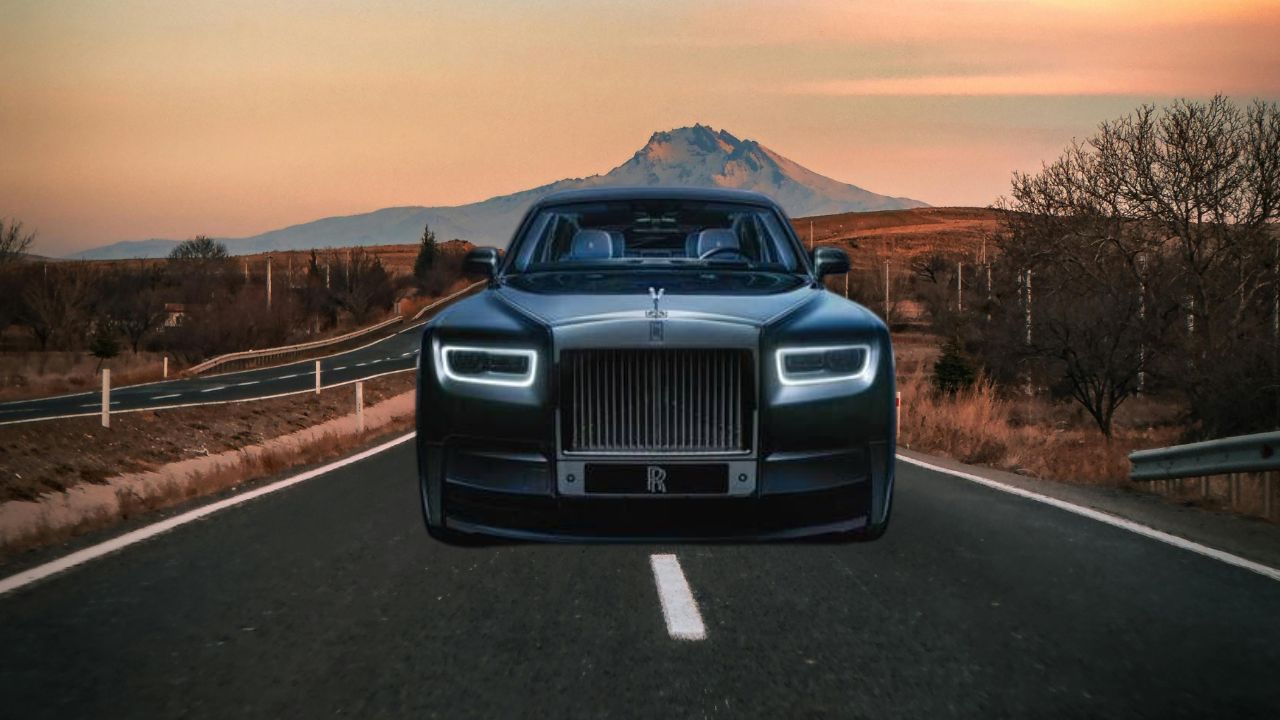
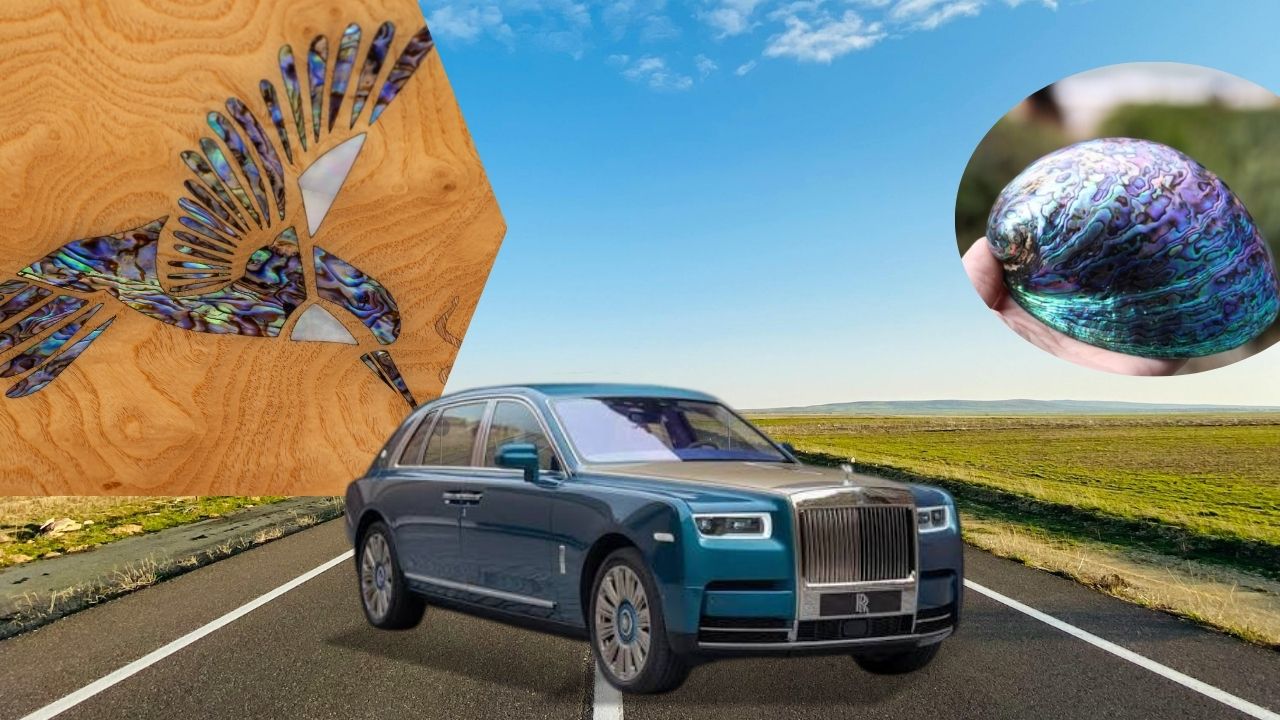
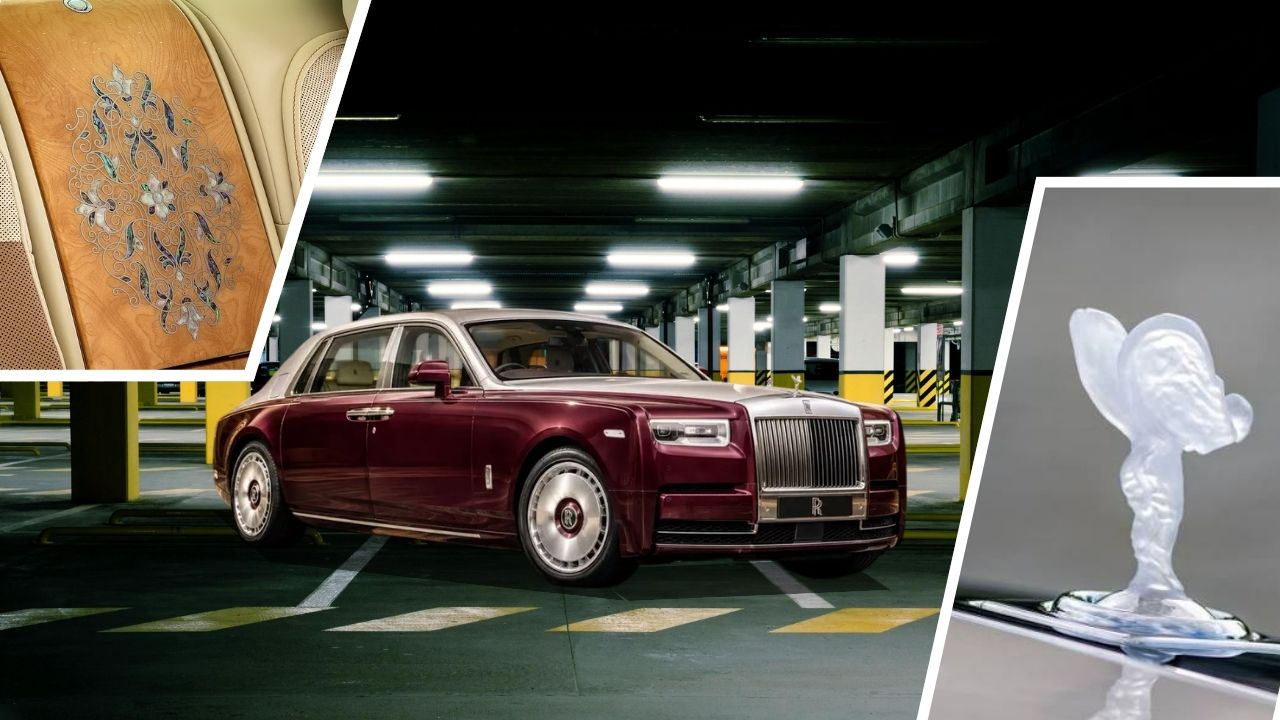
Rolls Royce is not just a luxury car brand, the authenticity of their work is remarkable. The Phantom Hummingbird, revealed in September 2026, is a one-off Private Commission built on the long-wheelbase Phantom Extended, and the first Rolls Royce with marquetry made from abalone, a marine snail with an iridescent shell. 

A Dubai client ordered it as a tribute to his wife. The shells aren’t the bodywork, and you can’t buy this car. But it shows what a ₹10-crore-plus Phantom actually is. Cut a shell 0.06 mm larger than its final size, then sand it by hand until it vanishes into the piece beside it. That is how a hummingbird ended up inside the newest Rolls Royce. 

How Rolls Royce Used the Sea Snail Shells

Rolls Royce took the blue-green pearly inner surface of abalone shells and combined it with mother-of-pearl to imitate a hummingbird’s feathers. The craftspeople used a decorative marquetry technique, where small pieces of abalone shell were carefully cut and fitted together to create a design on the rear picnic tables and the “Waterfall” panel. Ash burr veneer covers all three panels, while the picnic tables use silver birch taken from a single log. One report counts 53 shell pieces in the hummingbird and 84 in the flowers. 

Rolls Royce Used the Sea

Outside, the car wears a two-tone Wildberry and White Sands finish, a hand-applied White Sands coachline and a hummingbird painted along the flanks. The rest of the cabin uses Creme Light leather with Moccasin and Tan inserts, and Seashell carpets.

Why a Few Panels Took Nine Months

Abalone is unusually fine and brittle, and that is why this took so long. The design took over nine months to develop, through six iterations. The fix was to thin the pearl and abalone first, so each fragment could be set gently and then lacquered. Fitting and finishing the three panels then took 45 hours, roughly half of it spent on finishing touches. Rolls Royce says the hummingbird’s wings needed a human hand to get a fit with no visible seam.

Rolls Royce

Rolls Royce has form here. The brand has painted the Milky Way onto a headliner, commissioned an interior from designer Iris van Herpen, and even fitted a gold bar in a centre console. Wallpaper compared these commissions to one-off superyacht builds, where every detail is effectively a prototype.

Read More 👉   New Tata Safari EV Triple Screen Dashboard Spied – Launch Soon

The Phantom Extended Specification and Pricing

The Phantom Hummingbird specially designed in a 5,982 mm long body with a 3,772 mm wheelbase. The outstanding 563 bhp power comes from a 6.75-litre twin-turbo V12 engine and given 900 Nm torque makes a Phantom limitless on the road. It runs on a rear wheel drive through an 8-speed ZF automatic by reaching from 0 to 100 km/h in just 5.3 to 5.4 seconds.

The Phantom Extended

Phantom price starts at ₹8.99 crore in India where the Extended Wheelbase comes at a higher price up to ₹10.48 crore ex-showroom. The Phantom Hummingbird price is not published by Rolls Royce. Mileage figures vary by site, from about 7 kmpl to 9.8 kmpl, so be skeptical of any single number. No one buying this car is doing the fuel maths anyway.

Rolls Royce Phantom Extended vs Maybach S 680 and Bentley Flying Spur

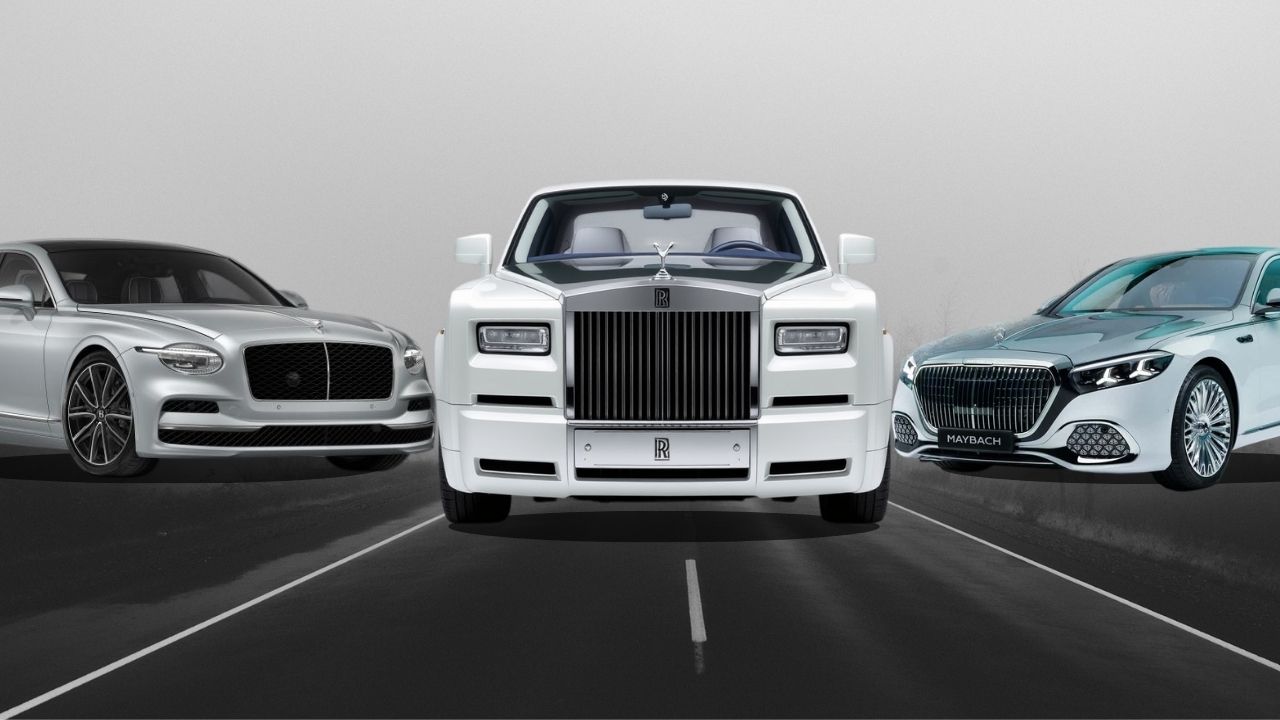
The Phantom’s real rival is the Mercedes-Maybach S 680 which runs on a 6.0-litre turbo V12 engine that costs ₹3.43 crore ex-showroom, so it’s about a third of the Extended’s price. The Maybach S 680 is 376 mm shorter than the Phantom Extended’s, the wheelbase is 3,396 mm. It offers the similar V12 and a chauffeur-friendly rear seat but the creativity and design of Hummingbird is something else.

Rolls Royce Phantom

The Bentley Flying Spur starts at ₹5.25 crore ex-showroom. Its Indian range now includes a V6 hybrid making 410 bhp and 550 Nm, and Bentley has dropped its W12 globally. It is a more driver-focused choice, while the Maybach puts rear-seat space and silence first.

Read More 👉   Top 10 MUVs in India: August 2026 Sales, Waiting Period and Easy Finance Option

Conclusion

The Phantom Hummingbird is less about the car itself and more about what Rolls-Royce is willing to do for a single customer. Using tiny pieces of abalone shell, matching wood from a single log and spending nine months perfecting the design turns an already expensive Phantom into something closer to a rolling piece of craftsmanship. 

You cannot buy this exact car, but the Hummingbird shows why a Rolls-Royce Private Commission can sit far beyond the price of a regular luxury car. In this case, the sea snail shells are not a gimmick; they are part of what makes this one-off Phantom impossible to replicate. 

0

How Often Should You Change Oil in Your Car? What Actually Matters in India

Change Oil in Your Car

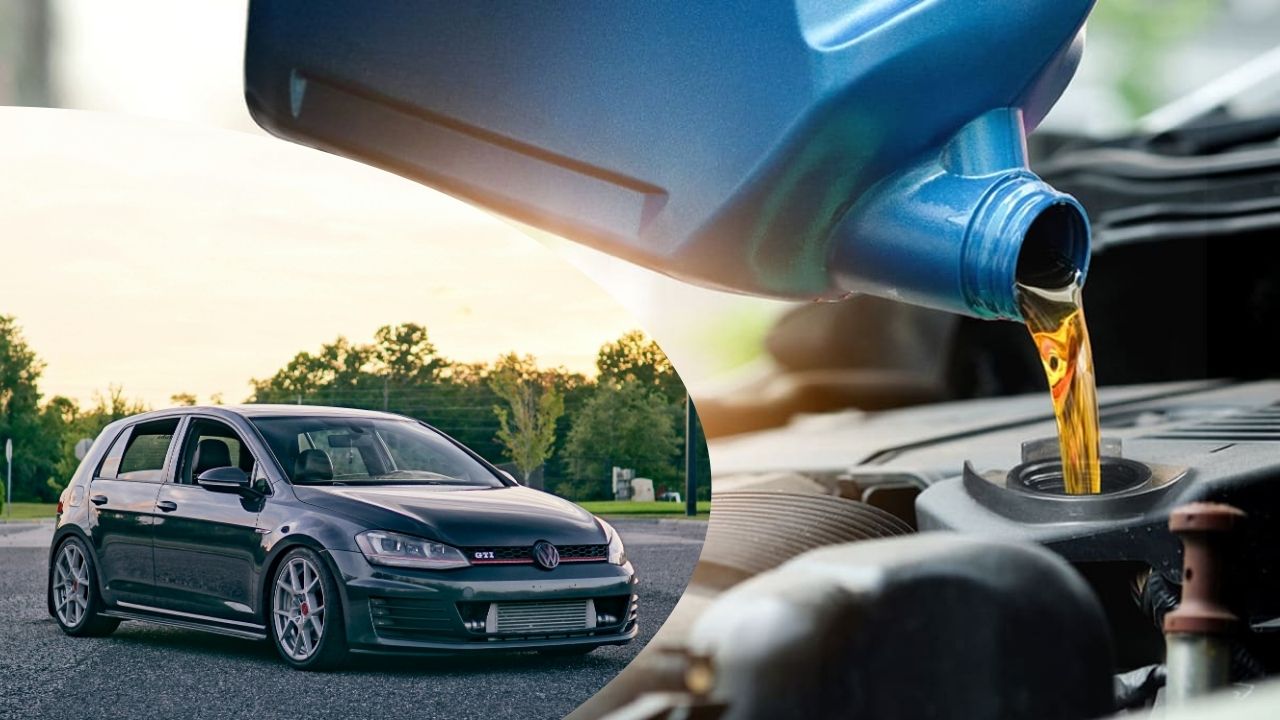
Your Swift covers 9,000 km and the service centre calls. Your neighbour is a strong believer in the “every 5,000 km no exceptions” rule as his father has been following since 1998. Your mechanic insists on seeing you every three months no matter what your owner’s manual says. None of the three are infallible, and How Often Should You Change Oil in Your Car is determined less by a fixed number and more by three things: what oil is currently in your engine, what kind of driving you really do, and how honest you’re willing to be about both. 

The Manufacturer’s Number Is a Starting Point, Not the Answer

Every car sold in India comes with a service booklet that lists an interval — usually tied to kilometres or months, whichever arrives first. That number assumes “normal” driving conditions as defined in a lab, not a Bengaluru signal-to-signal commute or a Delhi summer where cabin AC runs eight hours a day. 

Here Major brands currently stand On How Often Should You Change Oil in Your Car:

Brand / Segment Standard Interval
Maruti Suzuki (most models) 10,000 km or 12 months
Hyundai, Kia, Honda, Toyota, Mahindra 10,000 km or 12 months
Tata Motors (Punch, Nexon, Altroz) 15,000 km or 12 months
Volkswagen, Skoda 15,000 km or 12 months

If your vehicle is more than ten years old and it’s still on the old mineral oil era schedule, don’t assume it followed the newer 10,000 km norm, check your actual booklet for the year of your model. Take the precedent of the old Maruti 800s and early Zens, they used to get 5,000 km services because that’s all the mineral oil of that time could take before breaking down. 

The Oil Grade Changes the Number More Than the Car Does

This is the part that most owners skip over. The interval on your service sticker assumes a particular oil grade, and changing that grade alters the actual oil life: 

Change Oil in Your Car

  • The mineral oil is the most economical, priced around ₹280–380 per litre, and it also oxidises the fastest — most mechanics will still tell you to change it every 5,000–8,000 km no matter what a new manual says, because the base stock just doesn’t hold up longer than that. 
  • The semi-synthetic oil, available at a price of ₹420-550 per litre, splits the difference and can be used for 8,000-10,000 km. 
  • Full synthetic, which costs ₹650-900 a litre, is undoubtedly what allows modern engines to go 10,000-15,000 km between oil changes – the additive package survives thermal breakdown long enough to justify the premium cost. 

So if your car’s manual says 15,000 km but your mechanic filled your car up with a mineral oil last visit because that was the cheapest or is the one he has in stock, you are not really on a 15,000 km schedule anymore. You’re on whatever that oil can last, which is more like one third that distance. 

Why Indian Roads Push Every Interval Downward

Manufacturer intervals are written for “normal” use. Most Indian driving qualifies as “severe” use without the owner realising it — and severe-use schedules are usually 20–30% shorter than the standard ones printed in bold on the first page of the manual. 

Three conditions push you into that category almost automatically here: stop-and-go traffic in cities like Mumbai, Bengaluru, and Delhi NCR, where the engine idles more than it cruises; sustained heat above 40°C through summer months, which accelerates oil oxidation; and short trips under 15–20 minutes that never let the engine reach full operating temperature, so moisture and fuel residue never burn off properly. 

If two or more of these describe your daily driving, treat the printed interval as an outer limit, not a target — and lean toward the shorter end of whatever range your oil grade allows.

Read More:-  How Often Should You Service Your Car? | Complete Maintenance Guide

What Skipping a Change Actually Costs

A straightforward, on-schedule oil change in India runs about ₹2,500–4,500, oil and labour included. That number looks easy to postpone when the car “feels fine.” 

It stops looking easy once you see the other side of the ledger: a Swift owner who pushed one scheduled change from 30,000 km out to 45,000 km ended up facing ₹8,000–18,000 in cleaning and repair work from the sludge that built up in the meantime. Push it further and you’re looking at ₹15,000–40,000 in ring wear, bearing damage, or worse — four to nine times what the change itself would have cost. 

Engine oil in an Indian car is doing three jobs at once: lubricating, cooling, and carrying away contamination. Once it’s saturated with carbon and moisture, it stops doing all three, and the damage compounds quietly until something expensive fails.

Signs Your Oil Needs Changing Before the Odometer Tells You

Kilometres aren’t the only trigger if you are looking for How Often Should You Change Oil in Your Car. A car that’s driven rarely, under 3,000–4,000 km a year still needs an annual oil change even if it never comes close to the km limit, because oil oxidises with time and moisture exposure regardless of use. 

Change Oil in Your Car

Watch for oil that’s gone dark and gritty rather than amber and clear on the dipstick, a burnt smell inside the cabin, a noticeably rougher idle, or the oil warning light itself — none of these should be treated as optional information to act on “next weekend.”

The Practical Rule On How Often Should You Change Oil in Your Car?

Follow your manual’s kilometre or month interval, whichever comes first — but only if you’re certain the oil in your engine matches the grade that interval was written for. If you’re not sure what’s currently in the sump, or your driving is mostly city stop-and-go, shave 15–20% off the printed number and go with full synthetic if your budget allows it; the extra ₹1,000–1,500 per change is cheaper than one skipped interval turning into a repair bill. 

When in doubt, ask your service centre to show you the actual oil grade on the invoice, not just tick a box that says “oil changed.”

Read More:- How to Check Tire Pressure Correctly: Guide For Car Owners

Conclusion 

How Often Should You Change Oil in Your Car, depends on many factors, so there is no single perfect answer. The appropriate interval will vary based on the oil being used, how you drive and the conditions to which your vehicle is subjected daily. Although the owner’s manual is the best place to start, stop-and-go city traffic, short trips, extreme heat and using a lesser-quality oil can all shorten the life of the oil. 

The best policy is to follow the recommended service intervals, use the right oil grade, and adjust the interval if your driving conditions are “severe”. Spending a few thousand on timely oil changes is way cheaper than spending big money on engine repairs later. 

A modest routine of checking your oil level, verifying the oil grade at each service, and not putting off scheduled changes will help ensure a long-running, happy engine. 

0

Ford Capri II vs Toyota Celica vs Vauxhall HP Firenza: The Global Decade of Style

Ford Capri II vs Toyota Celica vs Vauxhall HP Firenza

The 70s were a turning point in car history: a decade shaped by global financial turmoil and the mass popularization of sporty styling. The ground was laid years before in the US with the introduction of the Ford Mustang in 1964, a car that demonstrated that performance imagery could be married with an affordable price tag and based on an economy car platform, namely, the utilitarian Ford Falcon. This “pony car” formula – long hood, short rear deck, four seat interior and a plethora of options – was an instant hit with car buyers around the world. 

The vehicles including the Ford Capri II, Vauxhall HP Firenza and 1st Gen Toyota Celica were born out of this post-Mustang era, and yet each is a distinctly different approach to the budget coupé ideology. 

Ford Capri II

Ford Capri II

The Capri II was a natural progression for Ford’s European pony car. Production started mainly in the United Kingdom (Dagenham, Halewood) and Europe (Genk, Belgium, and Saarlouis, Germany). the Mk2 softened the aggressive lines of its predecessor, with a more modern and friendlier look featuring “softer lines and larger headlights.” 

Engineering and Accessibility

The Capri II was ultimately successful because of its versatility and availability. Ford stuck to its guns with the philosophy of serving every pocket by the simple offering of a variety of engines in one simple layout – front-engine, rear-wheel drive (FR). For the budget-conscious buyer, the car had the I-4 1.6L (1,599cc) that delivered a meager 64 horsepower and produced 0-100 kph times in the 16-seconds ballpark. A somewhat more balanced choice was the 2.0L Inline-Four Pinto, making around 98 bhp and bringing 0-60 mph down to near 10 seconds. Up top, there was the potent V6 3.0L engine. 

That philosophy meant the car stayed true to its “style on a budget” directive, as evidenced by the original 1974 UK price list, where a Capri Mk2 1600L began from a very reachable £1,668. 

Read More:- Range Rover Reaches New Heights with the Astronaut Edition

Driving Experience and Legacy

Drivers had good things to say about the Capri interior design, in particular the full complement of dials and the long bonnet which immediately made you feel as though you were driving a bona fide sports car. Controls were said to be both light and direct. 31 Although some contemporary reviewers noted problems such as poor reliability of new cars and dubious safety standards, 32 present day enthusiasts often describe the V6 models as being very “reliable, cheap to run”, a consequence of the car’s mass production and the resulting availability of parts.

The straight-six engine, especially in the later 2.8i injection versions, had a “great sound from the engine and exhaust”. This full-bodied, Falstaffian wuffle supplied the required drama for the ears to complement the visual attack, and proved that the quintessential V6 exhaust note was the key to a car that could rise above its budget-based mechanics and inscribe itself as an enduring icon of nostalgia. 

The Contradiction in Current Value

Ford Capri II Current Value

The Capri II was intended to be throwaway and to appeal to a broad demographic, but its current place as a sought-after classic reveals an important market dynamic. A couple of million Capris were sold between 1969 and 1986, but clean ones with high specs have turned up as rare gems. Because the Capri was so common, and was often driven as a cheap daily used in its second life as a track toy, real-money originals in “Original & Highly Original” condition really do command serious prize money. For example a mint condition 1970 Capri has been estimated at over £40,000. 

Vauxhall HP Firenza ‘Droopsnoot’

Vauxhall HP Firenza 'Droopsnoot'

The Vauxhall Firenza, was originally launched in 1971 as a sporty two-door fastback coupé based on the lowly Viva. But that was about to change in 1973 when General Motors stylist Wayne Cherry took a radical departure from the norm with the Firenza HP (High Performance), a motorsport homologation special. 

Radical Styling and Advanced Engineering

The HP’s signature feature was its slick fibreglass nose cone, which let to the car being known as the ‘Droopsnoot’. This was no mere styling exercise – the shape was designed to be as aerodynamic as possible and helped the car reach a top speed of more than 120 mph. The distinct nose has double headlights taken from the Renault Alpine A310. And to tie up the aggressive look Vauxhall used matt-black trim rather than chrome and some Avon Safety wheels. Every single HP was finished in the distinctive Silver Starfire metallic paint. 

The HP was powered by a 2279cc OHC slant-four engine, which had been the subject of extensive performance tuning by Bill Blydenstein. This involved following a similar procedure to that used on the combustion chambers, inlet tracts and valve throats, and yielded an additional 21 bhp over the standard powerplant. The result was 131 bhp , and a broad torque band so the car was easy to drive. And the HP was, in fact, the first Vauxhall to be fitted with a complex, close-ratio, dog leg five-speed Getrag manual gearbox. With its combination of light weight and superior transmission, the HP Firenza was also the Vauxhall with the best acceleration of its day, clocking from 0-60 mph in a blistering 7.6 seconds. 

Market Paradox

Vauxhall HP Firenza Market Paradox

This severe scarcity is what governs its place in the classic market.Although the HP Firenza enjoyed rarity and unquestionable motorsport credentials, its median value approximately £17,600 for a Firenza. Its scarcity does mean that there are occasional huge sales, with the highest price to the public being £47,700. 

Toyota Celica (1st Generation)

Toyota Celica

The Toyota Celica, which was introduced in December 1970, was the pioneer Japanese entry in the world pony car market. It was a 2+2 coupé based on a Carina platform and the styling was clearly inspired by the American versions. The Celica Liftback, especially, was so redolent of American fastback muscle that it gained the fond nicknames “Japanese Mustang” or “Mustang Celica”. This tribute featured such iconic elements including the triple bar tail lights, a signature design cue of the Mustang. 

Technological Sophistication and Dynamic Appeal

Although the regular Celica (ST grade) was dependable and fuel efficient, the performance versions had a considerable technological advantage over many of their European competitors. The top-of-the-line 2000 GT Liftback (RA25) used the DOHC (Double Overhead Camshaft) 18R-G Twincam engine, which had a cylinder head co-developed with Yamaha. This sophisticated engine was rated at 134 hp/145 bhp maximum power. 

The Reliability Paradox 

The Reliability Paradox

the Celica was known for its inherent reliability and ease of repair, which made it very popular amongst modifiers and “boy racers” in the Asian markets. But this mechanical excellence was frequently paired with a catastrophic manufacturing gaffe that was endemic to Japanese exports in the 1970s – inadequate body rustproofing. 

The current high average market prices for clean GT and Liftback models including GT averaging $22,334 and best examples fetching over $40,000. 

Head-to-Head Comparison of Ford Capri II vs Toyota Celica vs Vauxhall HP Firenza

Metric Ford Capri II Vauxhall HP Firenza Toyota Celica
Production Years 1974–1977 1973–1975  1970–1977
Engine Type I-4 / V6 I-4 OHC Slant-Four I-4 DOHC
Power  98 bhp (2.0L) – 158 hp (3.0L)  131 bhp 134–145 hp 
0-60 mph 10.0 s 7.6 s  N/A (Highly Competitive)
Transmission Feature Manual (4/5 speed) 5-speed ZF Manual (Dogleg) 4/5-speed Manual
Rear Suspension Live axle Live axle Four-link

The Price Valuation and Market Dynamics

Model Performance Production Original UK Price (Entry 1974) Current Average Classic Value Investment Profile
Ford Capri II High Volume 1,668$  $15,000-$40,000 Low Risk, High Liquidity, Nostalgia Driven
Vauxhall HP Firenza 204 units High Cost $17,600 High Risk, Scarcity Driven, Specialist Parts Required
Toyota Celica (1st Gen GT) Medium Volume N/A (Imported) $ 22,334 Medium Risk (Rust Filtered), High Growth (JDM Boom)

Who is The Winner?

Winner for Everyday Practicality and Accessibility: The Ford Capri II. Ford’s decision to make the hatchback standard and continue a massive parts supply ensured the car offered the best combination of sports styling and daily practicality. Capri is the quintessential choice for the nostalgic driver wanting an affordable and engaging ownership experience.

Winner for Performance Purity and Engineering Novelty: The Vauxhall HP Firenza ‘DroopSnoot’. Being Hone-d Fed with his advanced 5-speed dogleg gearbox Firenza HP was on Kaygonus the most uncompromising and technically advanced paper vehicle 7.6-second really rapid 0-60 mph timeengine and his hand-finishedI genuinelyhear that with itsIndeed the title of Wa Rally Car until brian nash Firenza fits that description far better than any other. Its defeat was solely in the market place and not product quality.

Winner for Global Style and Long-Term Reliability: Liftback and hardtop coupe versions from the 1st generation 1971 Toyota Celica 1st generation Liftback GT. The Celica neatly packaged the American pony car look into a refined, contemporary bolt-on DOHC technology style. Its mechanical strength is inherent and reliable so that you can have peace of mind today, but this must be tempered with the need to check its body due to processing faults during original manufacturing.  

Conclusion

The trio that dominated the 1970s budget coupé market – the Ford Capri II, the Vauxhall HP Firenza and the Toyota Celica – all made a highly specialised, but indelible, mark on motoring history. Their common objective was to offer performance style, at an attainable price point, but how that was achieved varied wildly – with very different current collector profiles. 

0

Koenigsegg Cars: Fastest Models, Price, History and Top Hypercars

Published Mar 17, 2026, 12:43 PM
Last Updated Apr 6, 2026, 12:23 PM

Koenigsegg Cars

Let me tell you about a guy who as a kid in the 90s watched a Norwegian stop-motion film about a bike race and decided he was going to create the best sports car in the world. Christian von Koenigsegg was 22 when he established his company in 1994. While his friends were plotting their futures, he was ripping out pages from car magazines, teaching himself physics, and operating a strange trading business that involved importing misprinted plastic bags and — I am not making this up — frozen chickens. That poultry money? It would become the seed capital for what would ultimately supplant Ferrari, Porsche, and Bugatti.

Koenigsegg’s Fastest Creations

Jesko Absolut: Theoretical Velocity Champion

When Koenigsegg unveiled the Jesko Absolut back in 2019, they weren’t shy about making a sweeping statement: this would be their fastest car ever and could be the fastest production car ever. It takes its name from Christian’s father Jesko von Koenigsegg and features the ultimate expression of aerodynamic efficiency. Jesko Absolut’s drag coefficient is just 0.278 and maintaining very low frontal area and the Absolut creates only 40 kg of downforce at top speed – as opposed to around 1,400 kg generated by the Jesko on the track.

The Koenigsegg Jesko Absolut is a technical masterpiece, conceived to break new ground in terms of car performance.

Engine  twin-turbo V8
Power  1,600 horsepower on E85 biofuel
Transmission Koenigsegg’s Light Speed Transmission
Gear  nine-speed multi-clutch
Speed 330 mph

What makes this feat even more incredible is the engine is readily available. Koenigsegg’s V8, on the other hand, is a fairly compact unit compared to the monstrous W16—albeit elephantine in power levels and, really, it shouldn’t come as a surprise that it is also fairly massive. It’s over-efficiency meets excess, a marriage that encapsulates the brand. 

Regera: The Hybrid Game-Changer

The Rager made hybrid performance look easy prior to the Jesko Absolut taking the spotlight. This revolutionary machine, which was presented in 2015, combined 3 electric motors with a 5.0-liter twin-turbo V8 engine generating 1,500 horsepower. Yet it was the transmission — or more specifically, what the car didn’t have in the way of one — that was the real invention, not the power. 

Regera

Koenigsegg has cut out the gearbox altogether, with its new Koenigsegg Direct Drive system. All speeds are taken care of by a single fixed gear ratio and at low speeds electric motors compensate for the torque gap. Regera offers smooth acceleration from 0— 250 mph within the same gear and it goes from 0-250 mph in 20 seconds, this raw number is a reality that feels like a dream but it’s true power.. 

It became an example of Koenigsegg’s thriller hero. The “Autoskin” makes the car open and close all its doors and panels like a transformer would show pieces of metal choreography. It’s redundant, over the top and completely mesmerizing — exactly what a hypercar should be. 

Agera RS: The Record Breaker

Agera RS is the top design car that exists on this land which was introduced in 2015, its mind-blowing power and speed covered with tech is extreme.

Agera RS

Engine  Twin-turbocharged 5.0-liter V8
Power  1,341 horsepower 
Top speed 277.9 mph (447.19 km/h)

It holds a position to break multiple records on the ground, it proves its capabilities and power to stand out as the most powerful engineered car on the platform.

Koenigsegg CC850 

This car is produced on high demand to the 70 units as it is a reboot of the old CC850. The end result is a hypercar that blends such familiar forms with genuinely new technology. 

Key Specifications

  • It offers a 5.0-litre twin-turbo V8 powerful engine to make 1,280 horsepower.
  • That’s not it, with 1,106 pound-feet of torque and 1,385 horsepower on E85—it runs like hell. 
  • The transmission is a cutting edge 9-speed multi-clutch system with gated shifter, which gives driver ability to shift gears manually. 
  • Performance: approximately 2.4 seconds to 0–100 mph.
  • This layout recreates the touch & feel of a real stick-shift without the use of a clutch pedal while keeping the drive-line connected to the driver. 
  • Price: Approximately $3.65 million  

Visually, the CC850 is inspired by the classic CC8S yet it’s completely up to date under the bonnet. It has clean lines, modern mechanics and a removable targa top that improves the driving experience and the timeless look of the car.  

Gemera: Revolutionary Technology

The Koenigsegg Gemera has been touted as the world’s first Mega-GT. The Gemera is not an outlier in that sense, but rather a sign that hypercars can be both blisteringly fast and useful, two traditional requirements that rarely coexist, though that is now changing with more mainstream products resembling megacars.

Gemera

It’s got true four-seat space with comfort and still manages to deliver the mind-bending power Koenigsegg is renowned for. 

Two Powertrain Options:

Three-Cylinder Hybrid

The above engine is one which has been engineered to amazement with extraordinary approach and thinking and hence the innovation in the automotive industry. 

  • It is a 2.0-liter twin-turbo three-cylinder engine with advanced Freevalve technology, which does away with the traditional camshaft. 
  • It produces a respectable 592 horsepower from just the internal combustion engine.
  • When combined with Koenigsegg’s Dark Matter electric motor, the overall total output upgrades to mind-boggling 1,381 horsepower and 1,364 lb-ft of torque. 
  • Despite its small size and lightweight design at a mere 70 kg (154 lbs), this engine is the most powerful three cylinder engine ever made. Its blend of power, efficiency, and innovation establishes a new standard in hypercar performance. 

Efficiency: This technology reduces emissions while driving by about 15–20% and cold-start emissions by nearly 60%, making it marginally cleaner than most hypercars. 

Hot V8 (HV8)

The Koenigsegg car described is the height of engineered automotive perfection and performance. 

engine  twin-turbo-charged 5.0-liter V8
advanced  “Hot-V” turbo
power 1,479 horse power
Combination with Dark Matter, a radical new, high-tech electric motor (800 additional hp)
Power & Torque 2300 total, 2028 torque

 About Transmission: Both the engines are equipped with Light Speed Tourbillon Transmission (LSTT) – a 9-speed, 7-clutch automatic inspired by the Jesko’s LST. For an instant shift from input shaft to the crankshaft for instant shifts of the flywheel. 

Practical Features:

Feature Details
Drivetrain 4-wheel drive and 4-wheel torque vectoring 
Storage 200 liters of storage space
Family-Friendly Options Isofix child seat mounts and roof rack compatibility
Fuel Tank 115-liter capacity
Battery & Electric Range 14 kWh battery pack providing 31 miles of electric-only range
Infotainment & Comfort Apple CarPlay and heated, electrically adjustable seats
Price Starting at $1.7 million USD

The Dark Matter E-Motor

Gemera spearheads Koenigsegg’s “Dark Matter” electric motor is a radical feat of engineering that will shape the design of future automobiles:

  • Output: 800 hp and 922 lb-ft (1,250 Nm) of torque
  • Weight: At only 39 kg (86 lbs), lighter than a bag of cement
  • Design: “Raxial Flux” - a radial and axial flux designs hybrid that wasn´t known in the automotive vocabulary until Koenigsegg designed it.
  • Technology: 6-phase system (double the usual 3-phase) based on silicon carbide semiconductors allowing for faster switching and low heat dissipation,
  • Materials: Motor is up to 90% carbon fiber including rotor and stator structures with no insulator layer added – world first
  • Size: 383.3 mm H × 381.5 mm W × 135.5 mm D – small enough to slip in a backpack! 

Topped off with the “David” inverter (at 33 lbs, the inverter is capable of 1,300+ amps and 850 volts), this system is the bleeding edge of electric propulsion. 

What Excellence Costs

Being able to own a Koenigsegg means you have the matching financial capabilities to the car’s insane performance. The Jesko, in Attack and Absolut versions, costs $3 million prior to options. The Regera, capped at 80, started at $1.9 million but now trades for far more in the secondary market. Even Gemera – which is basically entry-level in the hypercar firm’s product range, being a four-seater hybrid with 1,700hp – has a list price of over $1.7 million.

Excellence Costs

This is all to say: these numbers all make sense. Build a Koenigsegg, it takes about 4,000 hours. The carbon fiber monocoques are baked in autoclaves, the engines are hand built — not by robots — and quality control involves measurements within tolerances gauged in microns. So when you’re making about 50 cars a year, total — from all models — there are no economies of scale. 

Koenigsegg, however, insists its prices represent value relative to the other players. A Bugatti Chiron Super Sport 300+ is around $4 million, and limited edition Ferrari and Lamborghini models regularly go beyond the $2 million mark, although they’re less impressive in terms of numbers. In the wacky hypercar world economics, Koenigsegg is the engineer’s choice — buy for function, not badge heritage. 

Read More:- Gautam Singhania Car Collection 2026: Ferrari, Lamborghini, McLaren & More

Conclusion

What started as an impossible dream for a 22-year-old is now a reality in automotive form. Koenigsegg, the world’s most prestigious manufacturer, shows that passion, mixed with true engineering innovation, can trump the availability of resources. These are not just quick cars – they make statements on what is capable for human, making us think that the established ways really are the only way forward.

Each and every Koenigsegg is a culmination of two decades of obsessively refining, making engineering breakthroughs beyond any conventional understanding and a stubborn belief that perfection remains worth chasing up and chasing down, despite being ultimately unattainable. 

In a business increasingly defined by corporate consolidation and regulatory compromise, Koenigsegg is a beacon that originally appeared on Quattroruote in Italian individual vision and mechanical purity. The Ghost Squadron is still flying, faster and more vibrantly than ever, a reminder that there remains a place for the rebel in the highest veins of automotive excellence. 

0

Best Car Accessories for Thar Roxx You Should Buy in 2026

Best Car Accessories for Thar Roxx

Three weeks into owning a Thar Roxx, most buyers notice the same two things: the beige or tan seat trim already has a water-bottle ring on it, and the floor mat that came in the box is doing nothing against monsoon mud. That’s usually the moment people start searching for the best car accessories for Thar Roxx — and there are only a handful of them worth buying before anything else.

Accessory prices for the Roxx swing a lot depending on brand, material and whether you’re buying genuine Mahindra parts or aftermarket. What’s below is priced from current listings across a mix of sellers, so treat these as representative ranges rather than fixed numbers — always check the live price before checkout, especially on anything leather or electronic.

What You Car Needs Protecting First

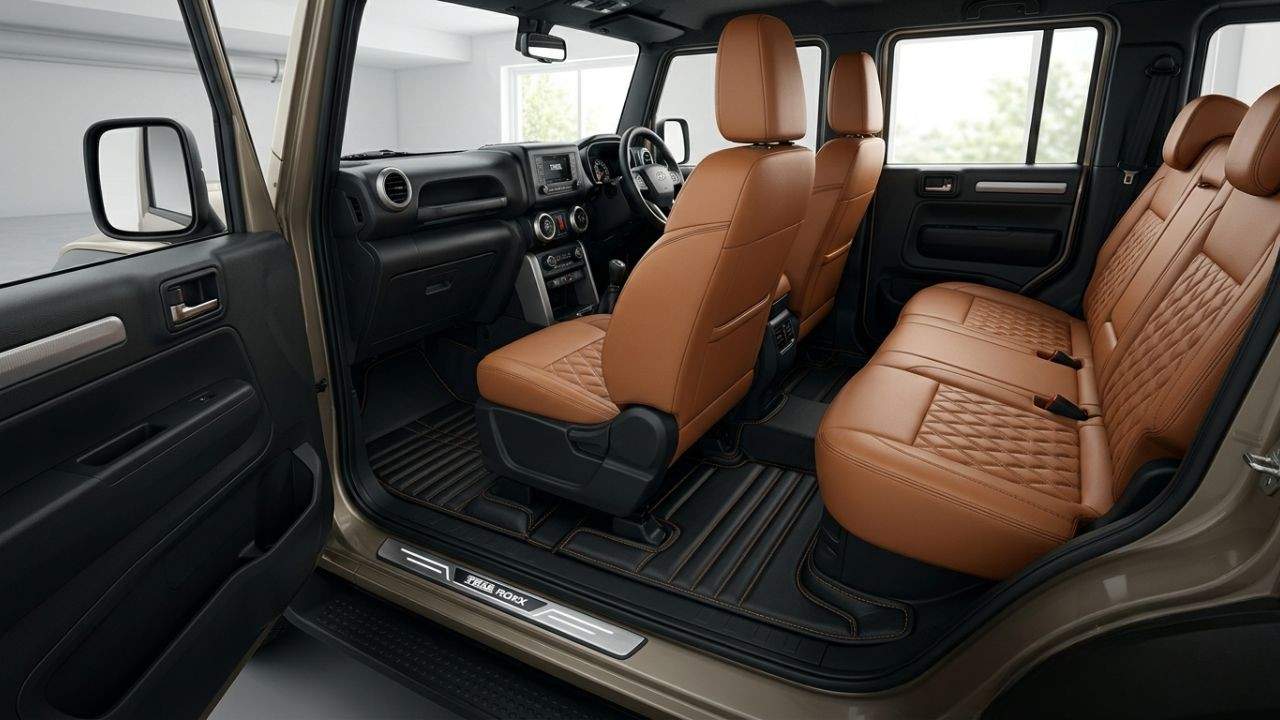
The Thar Roxx has two known weak points for new owners: the factory floor carpet, which isn’t built for Indian monsoons, and the seat upholstery, especially on lighter interior colours. Everything else — paint protection, dash cams, trackers matters, but it’s a second-wave purchase once the interior is covered.

So buying these best car accessories for Thar Roxx is not only for maintaining an interior look but also to protect before anything running it.

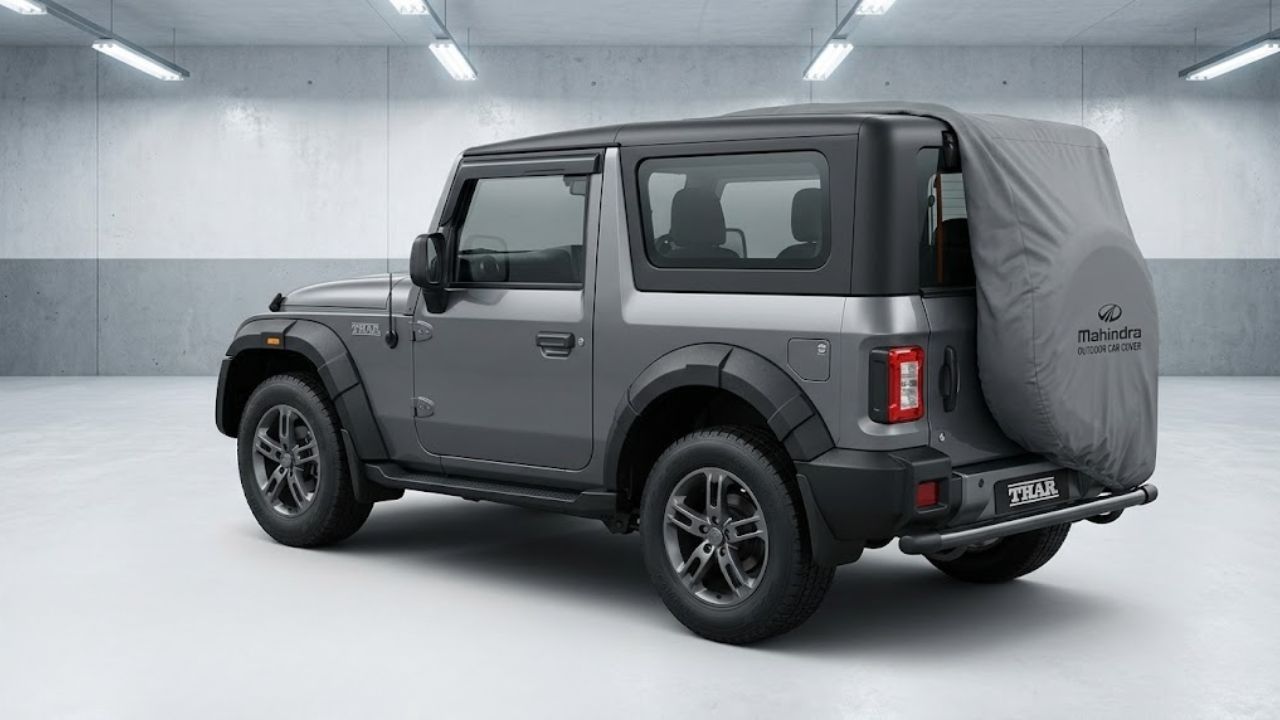
Best Car Accessories for Thar Roxx: Worth Buying Picks

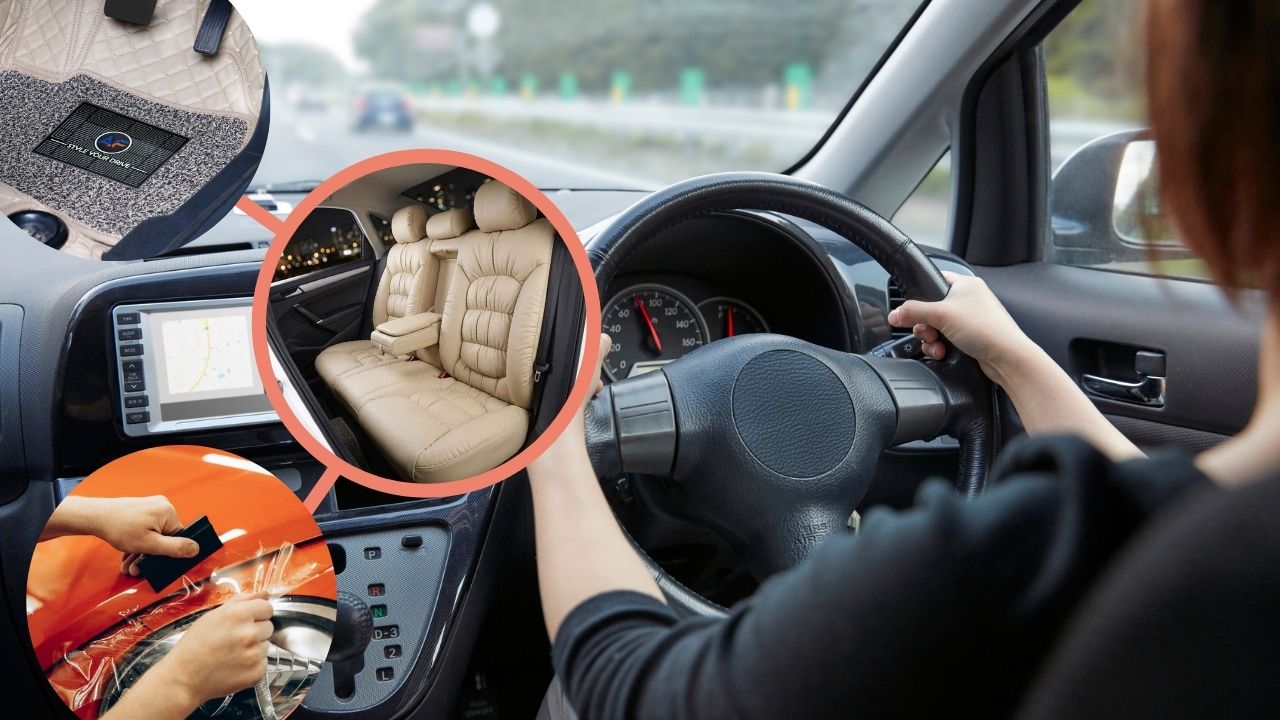
1. 7D Leather-Luxury Floor Mats — ₹4,999–₹9,999 

Custom-molded for the Roxx’s floor pan (manual and automatic get different mat shapes), with a detachable leatherette base and a grass-mat top layer, Velcro-backed to stay put. KVD’s version runs close to ₹4,999 on marketplaces like Autoclint; heavier 9D versions from AutoFurnish or Neodrift push toward ₹9,999. 

best car accessories for thar roxx

Full sidewall coverage means mud and spills never touch the actual carpet underneath. The trade-off: the grass-mat top needs regular vacuuming, or it starts trapping dust instead of catching it. 

Best for: buying in the first month of ownership, before daily grime sets in.

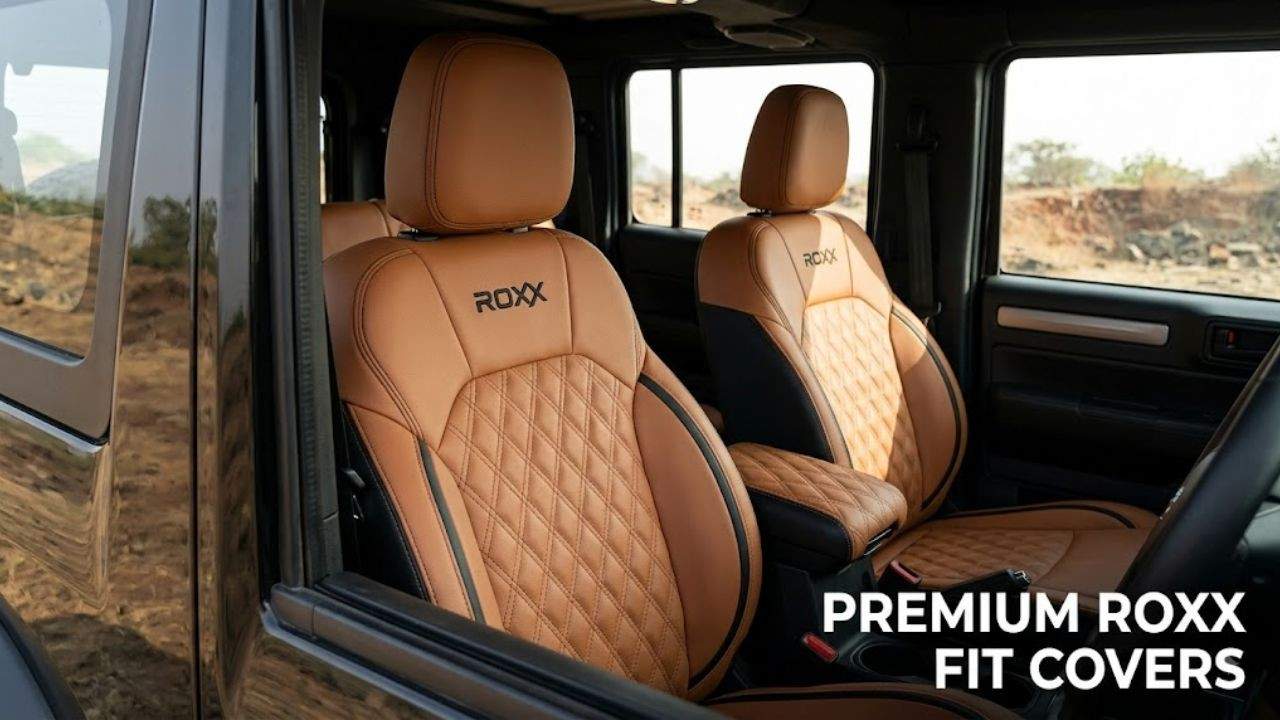
2. Seat Covers — ₹7,399–₹18,999 (Depending on Tier) 

Budget PU/art-leather covers (KVD Superior Leather and similar) sit around ₹7,399–₹8,399. Custom Nappa leather from boutique fitters like Jackspeed runs ₹18,360–₹18,999. Both are cut for the Roxx’s front captain-seat shape. The budget tier protects the factory seats for roughly a third of the premium price, but PU covers get noticeably hotter and stiffer under direct sun than real Nappa. 

Thar Roxx

Best for: anyone with the lighter (beige/tan) interior option, since it shows stains first.

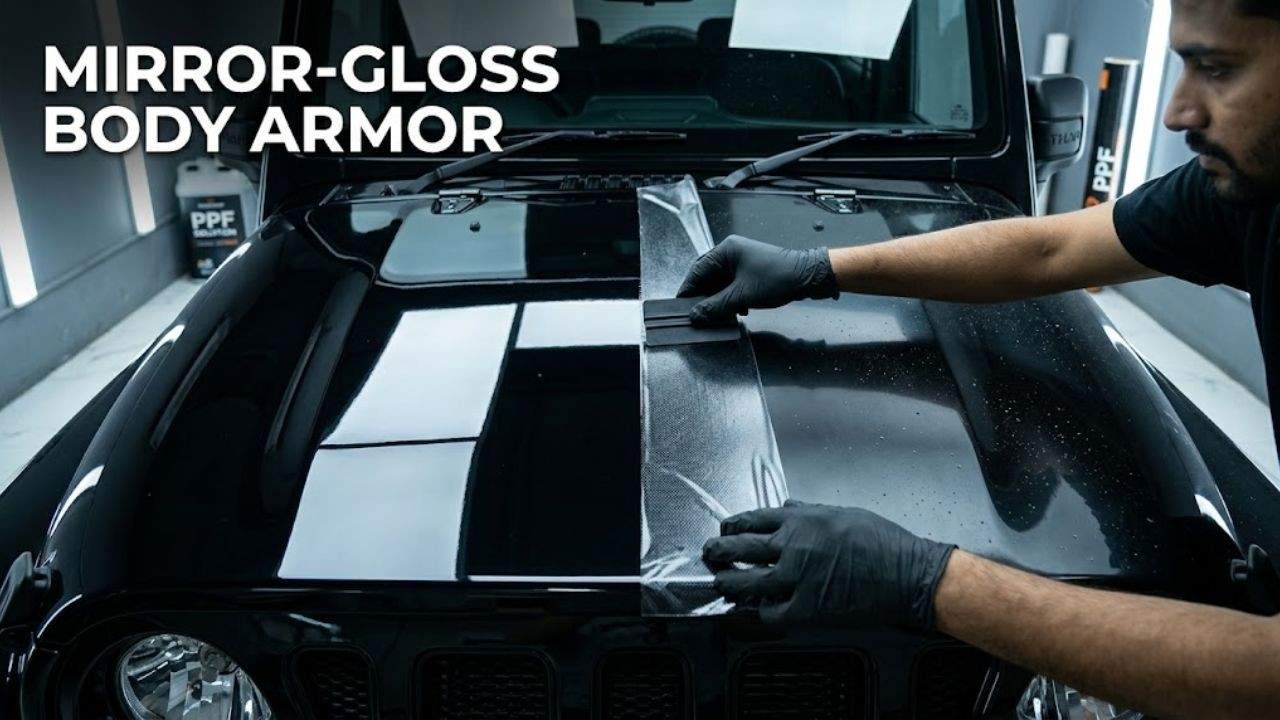
3. Paint Protection Film (8-year warranty) — ₹1.35 lakh 

Self-healing top coat, UV-stable, applied either to high-chip zones (bonnet, bumper, mirror caps) or the full body depending on the package. It protects resale value on a vehicle whose flat, boxy panels chip easily on highway drives. But the spend only makes sense if you’re keeping the car five-plus years — a short-term owner won’t recover the cost at resale. Shorter-warranty PPF packages exist for less, though exact current pricing on those wasn’t confirmed here. 

Thar Roxx

Best for: long-term owners prioritising resale value over upfront savings.

Read More:-  Top Car Insurance Plans to Buy in August 2026

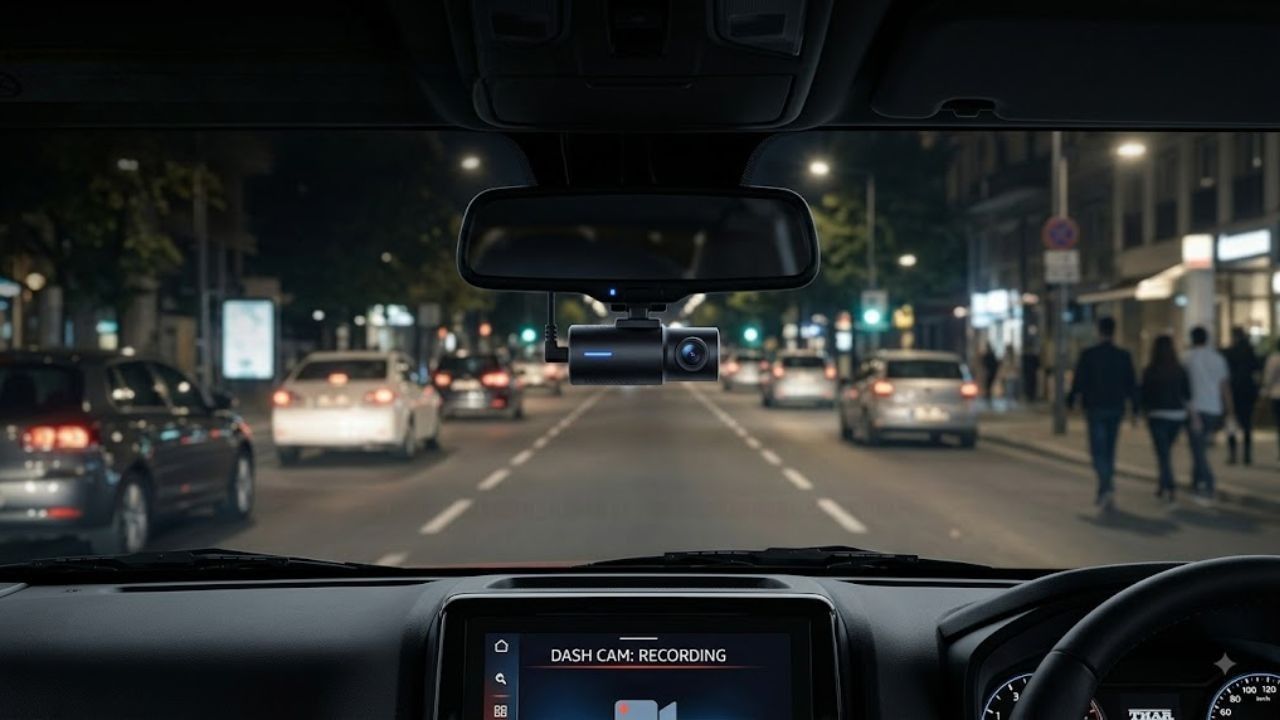
4. Dash Camera — approx. ₹25,000 

Front-and-rear dual-channel units with night vision, parking mode and loop recording land around this figure; front-only units cost meaningfully less. Treat ₹25,000 as a ceiling for a full dual-channel setup, not a fixed price. Real footage matters in hit-and-run or insurance disputes, and more Indian insurers are asking for it. Cheaper units without proper heat-resistant sensors tend to fail after a few summers parked in direct sun. 

Thar Roxx

Best for: daily commuters and highway drivers who want insurance-grade footage on file. This is one of the essential and best car accessories for Thar Roxx.

5. GPS Tracking Device — ₹12,499 

Real-time location via app, geofencing alerts, and ignition on/off tracking. It doubles as anti-theft and peace of mind if more than one person drives the car. The catch: most trackers need an active SIM or data plan, so the ₹12,499 hardware cost isn’t the full cost of ownership. 

Thar Roxx

This is the best car accessories for Thar Roxx because it’s good for multi-driver households, or parking regularly in high-theft areas.

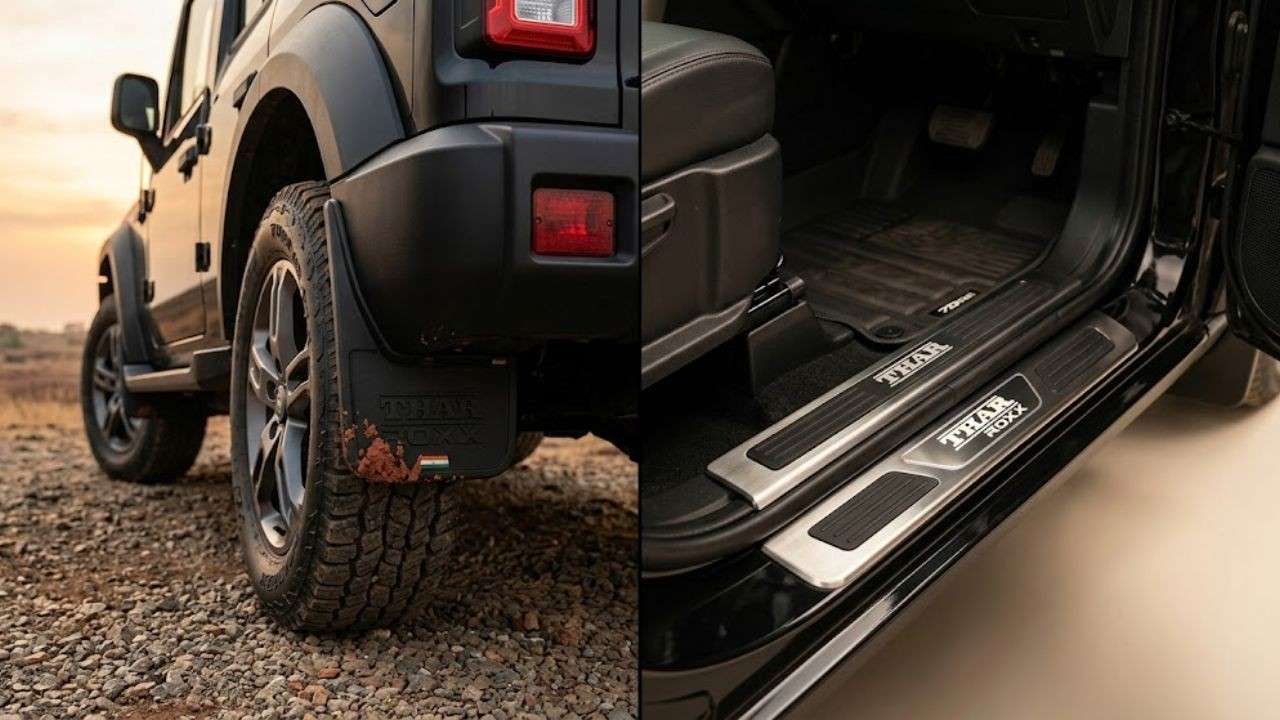
6. Door Sill Guards — ₹1,175 

Stainless steel or ABS plates covering the door sill/entry step, some with blue LED accents. It’s the cheapest item on this list solving a guaranteed problem — every passenger’s shoe scuffs that still eventually. It’s purely cosmetic and protective, with no functional upside beyond that. 

Thar Roxx

Read More :-  Best Car Battery for Your Vehicle: Top Picks & Buying Guide 

The best car accessories for Thar Roxx to one easy, low-cost win before committing to bigger purchases.

7. Waterproof Body Cover — ₹1,895–₹2,150

Triple-stitched, mirror-and-antenna-pocket covers built to fit the Roxx exactly (Kingsway, Autofurnish, and Drivestylish all sell versions in this range; MRP is usually listed near ₹4,400 but the real transaction price is the ₹1,895–2,150 band). Blocks UV, bird droppings, and tree sap for anyone parking outdoors without covered parking. This is one of the best car accessories for Thar Roxx but cheap covers trap moisture instead of shedding it, which can leave swirl marks if you don’t let the paint dry first.

Thar Roxx

Best for: owners without a garage or covered parking spot.

8. Mud Flaps (Set of 4) — ₹499–₹999

ABS plastic, OEM-fit, screw-in installation with no drilling. Autofurnish sells at the low end (₹499), RideoFrenzy and Techo sit closer to ₹990–999. Cheapest functional accessory on the whole list — stops mud and road spray from hitting the lower doors and undercarriage. Limitation is that the budget PP versions get brittle and crack in a couple of Indian summers, so this is one spot where paying slightly more (ABS over PP) actually matters.

Thar Roxx

Best for: anyone who drives on unpaved or waterlogged roads regularly.

Floor Mats vs. Seat Covers: Which Comes First?

7D Floor Mats Seat Covers
Starting price ₹4,999 ₹7,399
Protects against Daily, guaranteed damage — mud, water, spills Slower-building damage — stains, wear
Urgency Needed from week one, especially in monsoon states Matters most on light-colour interiors

Floor mats protect against damage that happens on day one of ownership; seat covers guard against wear that accumulates over months. If the budget only stretches to one, the mats come first — they cost less and cover the area that takes damage every single drive, rain or not.

Read More :-   Best Brake Pads for Cars: Top Options for Safe Driving

Conclusion 

These best car accessories for Thar Roxx comes under ₹6,200 combined, floor mats plus a sill guard cover the two spots on a Thar Roxx that show wear fastest. Once the budget clears ₹20,000, budget-tier seat covers close the interior-protection loop entirely. PPF and a dash cam are worth holding off on until two questions are answered: how long you’re actually keeping the car, and whether your insurer asks for dash-cam footage in the first place. Let those answers decide the spend — not the order on this list.