0

ROI of Commercial Vehicles in India: Costs, Profits & Business Returns

Published Jul 21, 2026, 9:23 AM
Last Updated Jul 21, 2026, 9:36 AM

ROI of Commercial Vehicles in India

Every vehicle owner remembers the first time they were tricked by a low EMI. The vehicle looked affordable, the loan tenure looked comfortable, and six months later the same person was staring at a fuel bill that had quietly become their biggest monthly expense. The ROI of Commercial Vehicles in India is not a purchase decision. It is a cash flow decision which comes along with a vehicle. And treating it any other way is how companies wind up with a money-losing asset rather than a money-making one. 

Prices of diesel are remaining at ₹96-₹98 per litre in most Indian cities while a few like Andhra Pradesh have crossed the ₹105 mark. For owners of trucks, tempos and pickups, that number has an immediate bearing on profitability, since fuel costs can make up 40 to 55% of a commercial vehicle’s lifetime operating cost. The initial purchase price, although significant, is generally a more fixed and predictable cost. That is why the first thing every buyer should assess isn’t the sticker price, it’s how much the car will cost to operate on a daily basis.  

What “Cost” Actually Means for a Commercial Vehicle

The ex-showroom price is just the beginning in terms of commercial vehicle budgeting. For instance, India’s best-selling mini truck for last-mile deliveries, Tata Ace, is priced from ₹3.99 lakh to ₹6.69 lakh (ex-showroom) based on the variant. The Ashok Leyland Dost range meant for heavier loads begins from ₹6.68 lakh to ₹ 10.34 lakh, with the ROI of Commercial Vehicles in India and ROI of Commercial Vehicles in India variant priced higher. 

However, the total cost you pay once after including the cost of the registration, insurance, and state roads taxes is higher. Additional charges like these typically add 8 to 12% to the sticker price, so it’s important to plan for more than the sticker price. 

Where ROI of Commercial Vehicles in India Lost

The bigger expense begins after the vehicle hits the road. Fuel, driver salaries, regular maintenance, tire replacement, insurance, permits and unforeseen repairs all contribute to the cost of monthly operations, and unlike EMI, these costs can fluctuate widely. 

Tires and engine components of long distance or heavy-duty vehicles are under greater stress and wear out faster. Therefore, a model with a lower purchase price may cost you more during the life of the product. This is why experienced fleet managers look at cost per kilometre rather than the bare purchase price, since it gives a more accurate sense of fuel efficiency, maintenance, depreciation and other operating costs.

Where the Profit Actually Comes From

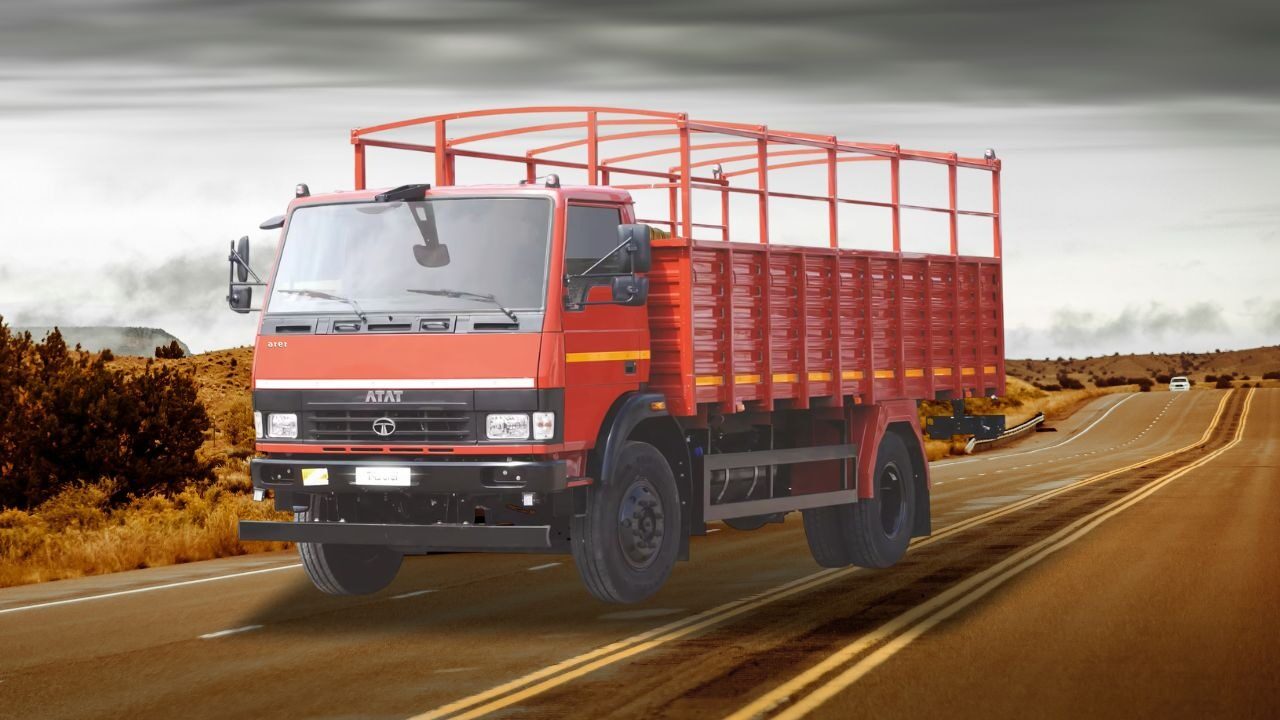
ROI of Commercial Vehicles in India is rarely about the freight rate alone. It comes from utilisation, which is a polite way of saying: how many days a month is the vehicle actually earning instead of sitting idle. A truck that runs 24 days a month will always beat a cheaper truck that runs 15 days a month, even if the second one has a lower EMI. Idle time is the single biggest silent killer of ROI of Commercial Vehicles in India, whether it’s caused by a breakdown, a driver shortage, or simply poor route planning.

The second lever is load efficiency. Businesses that consistently run at 60 to 70% of a vehicle’s rated payload capacity are effectively paying full fuel and maintenance costs for a fraction of the earning potential. Matching the vehicle class to the actual cargo pattern, rather than buying one size up “just in case,” is one of the most underrated ROI decisions a business owner makes. A Bada Dost bought for loads that a standard Dost could easily handle is dead capital sitting on four wheels.

The third lever, and the one almost nobody talks about, is resale value. Tata and Ashok Leyland vehicles tend to hold value better in the Indian secondary market simply because spare parts and service networks are everywhere, which matters enormously when a five-year-old truck needs to be sold to fund the next purchase. A vehicle that’s cheap to maintain throughout its life is also, almost always, the one that resells for a fair price later.

The Financing Trap Nobody Warns You About

Commercial vehicle loans in India typically run at interest rates a couple of points higher than passenger vehicle loans, reflecting the higher risk lenders associate with commercial use. A longer tenure lowers the EMI on paper but stretches interest payments across more months, which quietly increases the total cost of ownership. 

The smarter approach, and one that experienced fleet owners follow without exception, is to size the loan against realistic monthly earnings rather than against the maximum EMI a bank is willing to approve. Banks will always approve more than a business can comfortably repay, because the risk sits with the borrower, not the lender.

Note: Diesel prices, vehicle pricing, and interest rates change frequently and vary by state and lender. Always confirm current on-road prices, fuel rates, and loan terms with authorised dealers and banks before making a purchase decision.

BS6 Compliance and the Long-Term Cost Angle

Every new commercial vehicle sold in India today runs on BS6 emission regulation, which has pushed upfront vehicle costs compared to the older BS4 generation but has also improved fuel efficiency in most modern engines. 

For a business calculating ROI over a five to seven year holding period, this trade-off usually works in the buyer’s favour, since better mileage compounds into meaningful fuel savings over tens of thousands of kilometres. The mistake to avoid is buying an older, non-compliant vehicle secondhand purely to save on the initial price, since resale restrictions and rising fuel costs can erase that saving within a couple of years.

Read More:-  Best Cars for Daily Office Commute: Top Comfortable & Fuel-Efficient Cars

Diesel, CNG, or Electric: The ROI Angle, Not the Trend Angle

CNG variants of vehicles like the Dost and Ace are gaining traction in Indian cities specifically because CNG remains meaningfully cheaper than diesel per kilometre, even after accounting for the lower fuel efficiency compared to diesel engines. For businesses running fixed intracity routes with reliable access to CNG stations, this can genuinely lower the cost per kilometre. 

Electric commercial vehicles are still a smaller piece of the market, and while running costs are lower, the higher upfront price and patchy charging infrastructure outside major metros mean the ROI case only works cleanly for businesses with short, predictable routes and access to depot charging. This isn’t a case of one fuel type being universally better. It’s a case of matching fuel type to route pattern, which is the same discipline that governs every other part of this decision.

The Real Formula for Business Owners

The ‘ROI of Commercial Vehicles in India’ question comes down to one practical comparison: total monthly earnings from the vehicle, minus fuel, driver salary, maintenance, insurance, and EMI, measured against how much capital was actually put in to acquire it. 

A vehicle that looks expensive but stays on the road every working day, carries near its full rated load, and holds resale value will consistently outperform a cheaper vehicle that spends a third of its life in the workshop. 

In Indian commercial transport, the businesses that make money aren’t the ones that bought the cheapest truck. They’re the ones that bought the right truck for their actual freight pattern and ran it hard, every single day, for years.

Conclusion 

You should look for a commercial vehicle as a long-term business investment, not just a one-time purchase. The ROI could improve if you choose the right payload capacity, use recommended fuel, and try not to exceed the speed. Before making a decision, compare the total cost of ownership to understand the exact ROI of Commercial Vehicles in India. 

The most profitable commercial vehicle is the one which delivers lower cost per kilometre, spends more time on the road, and has strong resale value.

Sharey Khan

Sharey Khan is an IT entrepreneur and petrol head & a car enthusiast. With a special focus on car-related content, he combines his deep passion for vehicles with a talent for crafting informative, engaging, and easy-to-understand content. His writing is driven by a genuine love for cars and he is committed to providing readers with accurate, up-to-date, and trustworthy information that empowers smarter driving decisions. 

Leave a Reply

Your email address will not be published. Required fields are marked *

0

Mahindra XUV700 Facelift Arriving Soon with Stunning New Features!

Published Jul 4, 2025, 11:13 AM
Last Updated Apr 10, 2026, 7:21 AM

Mahindra XUV700 Facelift Arriving

Mahindra fans havе a big rеason to gеt еxcitеd. Thе Mahindra XUV700 facеlift is coming soon. This nеws is making a lot of buzz among car lovеrs. Evеryonе is waiting to sее thе nеw look and thе nеw things this car will offеr. 

Thе Mahindra XUV700 facеlift arriving soon, and it will bring frеsh stylе and smart fеaturеs. Lеt’s find out what is nеw and why you should kееp an еyе on this car. 

What is a Facelift?

A facelift means giving a car a makeover. The car company changes the look of the car. They add new features. They make the car look more modern. The Mahindra XUV700 facelift is getting this treatment. The car will look better and have more things for you to enjoy.

When Will the Mahindra XUV700 Facelift Launch?

When Will the Mahindra XUV700 Facelift Launch

Image Credit: YouTube

Thе Mahindra XUV700 facеlift is еxpеctеd to comе out in еarly 2026. Somе rеports say it could bе in January 2026. Thе company is tеsting thе car now. Thеy want to makе surе еvеrything is pеrfеct bеforе thеy lеt pеoplе buy it.

What is New in the Mahindra XUV700 Facelift?

The Mahindra XUV700 facelift will have many changes. Let’s look at the main ones.

New Look Outside

The car will have a new front grille. The grille will have vertical lines. This is a style that Mahindra uses in many cars. The headlights will also be new. The new headlights will have two LED projectors. This means better light at night and a more modern look. 

The car will also have new bumpers. The bumpers are the parts at the front and back of the car. The rear bumper will also be new. The tail lights will be updated. They will use LED lights.

The car will have new alloy wheels. Alloy wheels are the shiny wheels you see on cars. The new wheels will look different. There may be two designs. This means some versions of the car will have one design and some will have another.

New Features Inside

What is New in the Mahindra XUV700 Facelift

Image Credit: Mahindra

Inside, the car will have a new dashboard. The dashboard is the part in front of the driver. The new dashboard will have three screens. This is called a triple-screen setup. One screen will show the speed and other car info. 

Another screen will be for the music and maps. The third screen will be for the front passenger. This is a very modern feature. Many new cars do not have this.

The car will have ventilated seats, which means air flows through the seat. This keeps you cool in hot weather. The second row of seats will also have this feature in the captain seat version. 

The car will have a panoramic sunroof. This is a big glass roof. It lets in a lot of light and makes the car feel bigger.

The car will have a wireless phone charger. The car will also keep all the old features. It will support wireless Android Auto and Apple Car Play connectivity. This means you can connect your phone to the car easily. 

The car will have a 6-way powered driver seat. You can move the seat in many ways to be comfortable. The car will have dual-zone auto AC. It allows the driver and front passenger to set their temperature preferences.

The car will feature a 12-speaker sound system from Sony. This means great sound for music lovers.

Safety Features

Safety Features

Image Credit: Mahindra

The Mahindra XUV700 facelift will have many safety features. It will have 7 airbags. Airbags help protect you if there is an accident. The car will have electronic stability control. This helps keep the car steady on the road. It will have auto headlamps. 

The headlights turn on by themselves when it gets dark. The car will have a 360-degree camera. This helps you see all around the car while parking. 

The car will have a tyre pressure monitoring system. This tells you if your tyres have enough air. The car will have ISOFIX mounts. These are for child seats. The car will have an electronic parking brake. This is easy to use. The car will have advanced driver assistance systems. These help you drive safely.

Read More :- Best CNG Cars in India Under 10 Lakhs You Shouldn’t Miss in 2025!

Engine and Performance

The Mahindra XUV700 facelift will keep the same engines as before. It will have a 2.0-litre turbo-petrol engine. It will also have a 2.0-litre diesel engine. Both engines are strong and give good power. 

It will have a manual gearbox of 6-speed. It will also have a 6-speed automatic gearbox. This means you can choose how you want to drive.

How Much Will It Cost?

The Mahindra XUV700 facelift is expected to launch at the price of ₹15 lakh. This is a good price for a car with so many features. The price may change when the car is launched. You should check the latest price before buying.

Conclusion

Thе Mahindra XUV700 facеlift arriving soon is big nеws for car lovеrs. Thе car will havе a nеw look and many nеw fеaturеs. It will bе safеr and morе comfortablе. It will bе good for familiеs and pеoplе who lovе tеchnology. Thе pricе is good for what you gеt. If you want a nеw car, you should wait for thе Mahindra XUV700 facеlift.

1

What Salary Do You Need to Buy a Maruti Suzuki Swift in India?

Published Oct 26, 2026, 1:00 PM
Last Updated Oct 27, 2026, 11:31 AM

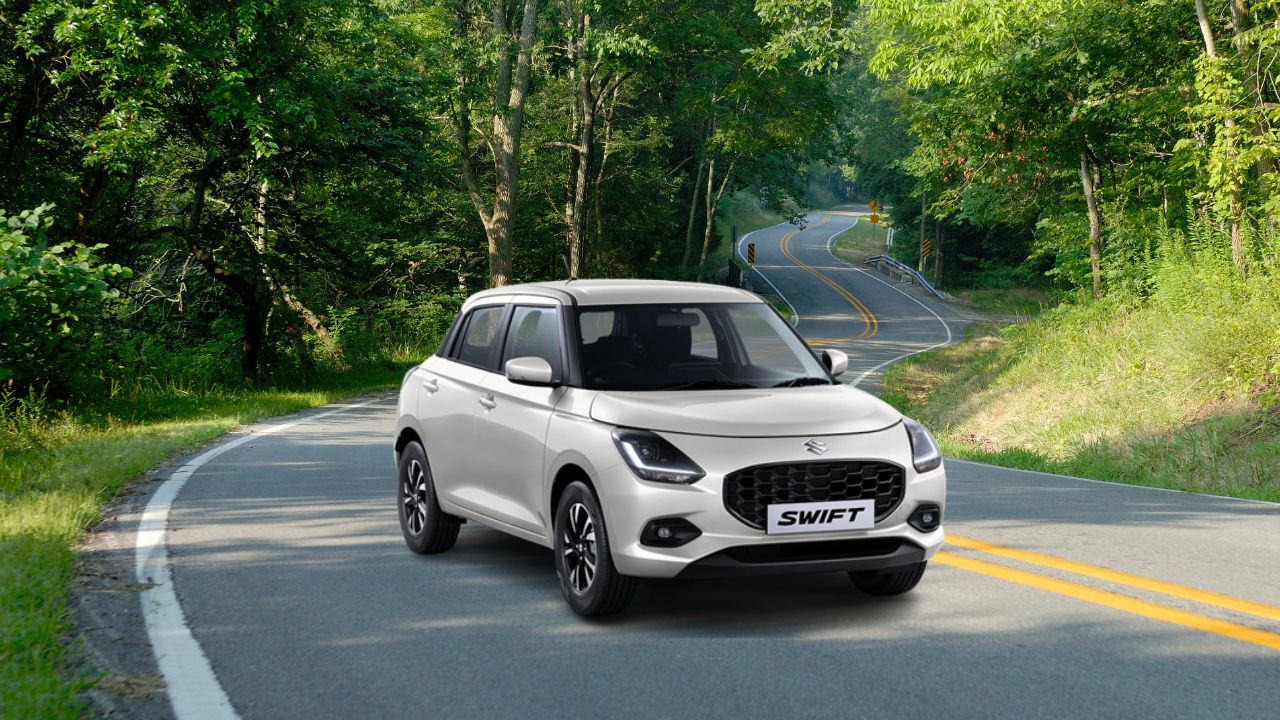
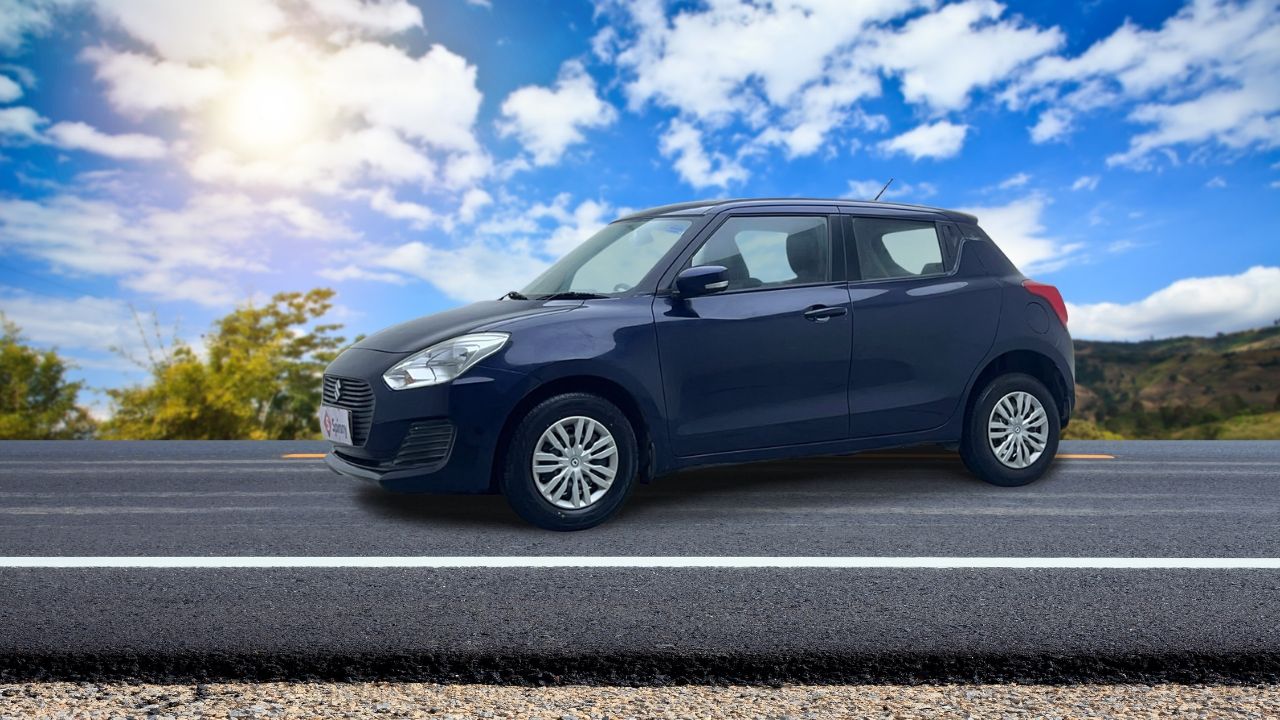
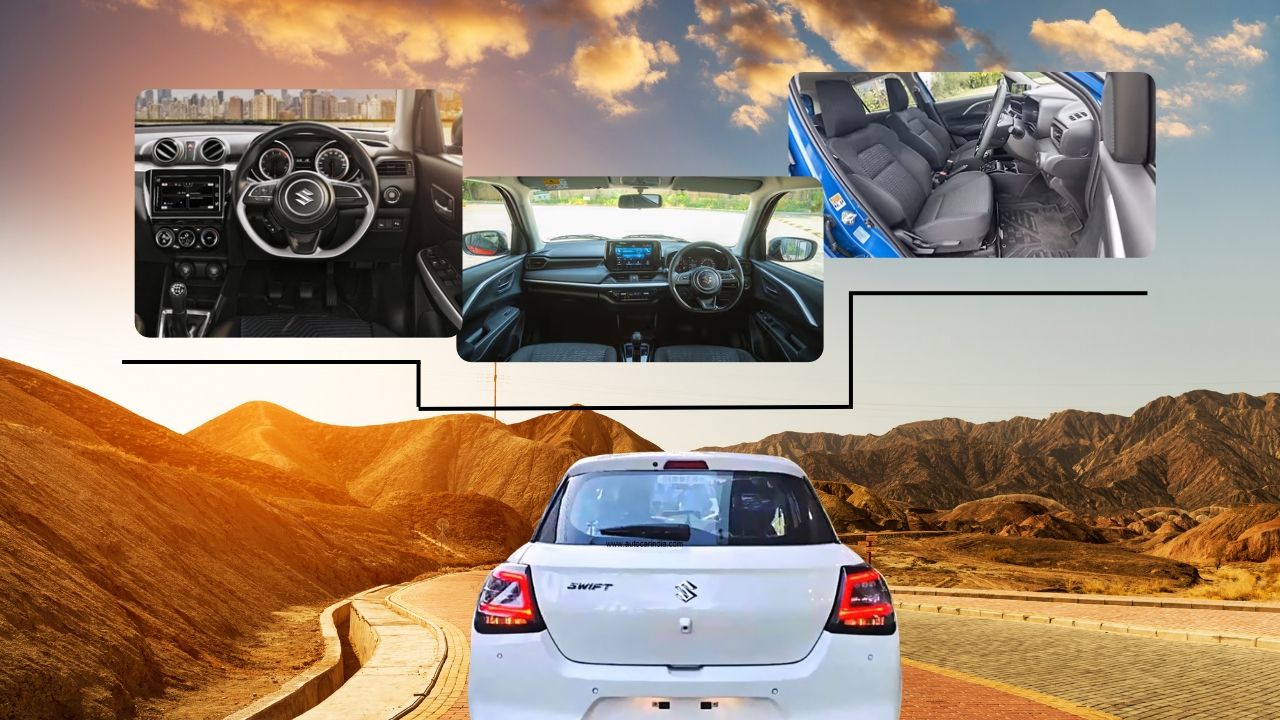
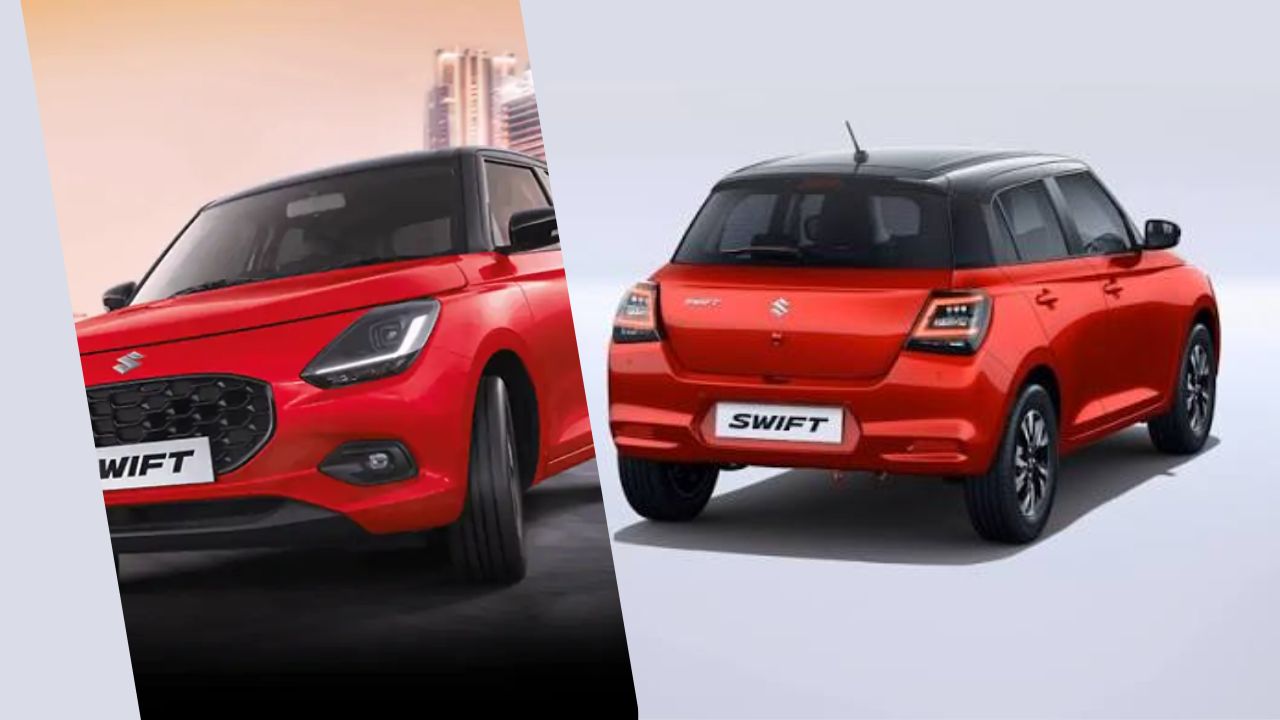
Maruti Suzuki Swift

Employees often get confused about what salary they need to buy a Maruti Suzuki Swift. Its on-road price provided by the dealer will be more than a sticker price, depending on the city charges and insurance. To buy it, take-home is ₹50,000 when an EMI of ₹11,200 is set to your account. That EMI already eats about 22% of your salary before fuel, insurance renewals or a single service bill.

So plan your swift according to your salary, understand how you can take up a loan that won’t squeeze your account.

What Salary Do You Need to Buy a Maruti Suzuki Swift

If your salary is around ₹50,000 to ₹60,000 a month excluding EPF and you make a reasonable down payment then you can easily purchase a Swift. If you have any major EMI to pay along with your car EMI, it could go rough on your daily expenses. If your salary is roughly ₹40,000 a month then it’s possible to buy a Maruti Suzuki Swift but you’ll need a bigger down payment and tight budget for the first couple of years.

Lenders are more generous than that. Many will approve a car loan of roughly three to four times your annual income, which means someone earning about ₹2.89 lakh a year could theoretically qualify for a Swift loan. Approval tells you what the bank will risk. It says nothing about what your month looks like after the EMI leaves your account.

Maruti Suzuki Swift On-Road Price

The ex-showroom price range of Swift is ₹5.79 lakh to ₹8.69 lakh for the top variant. There are a total 12 variants which also come in this price range. A 1.2 Petrol LXI is the base variant which can be easily bought. Check the price because it updates with time and ask your dealer the cost of a car because each city applies different charges.

Maruti Suzuki Swift On-Road Price

The base LXI is nearly cost around ₹6.69 to ₹10.04 lakh in Mumbai and ₹6.44 lakh in Delhi. For the math below I’ve used ₹6.7 lakh, the figure for an entry-level Swift in a metro. The CNG version price starts at ₹7.45 lakh ex-showroom in Delhi and the automatic variant costs around ₹7.04 lakh.

What EMI Is Comfortably Fit With Your Salary

Assuming a five-year loan with a 9.5% interest which works out to roughly ₹2,100 of EMI for every ₹1 lakh borrowed. The loan interest and tenure depends on your credit score and lender.

Monthly take-home Down payment Loan amount EMI EMI as share of salary Verdict
₹40,000 ₹2.0–2.5 lakh ₹4.2–4.7 lakh ₹8,800–9,800 22–24% Possible, but tight
₹50,000 ₹1.35 lakh ₹5.35 lakh ₹11,200 22% Manageable with few other expenses
₹60,000 ₹1.5–2.0 lakh ₹4.7–5.2 lakh ₹9,800–10,900 16–18% Comfortable
₹70,000+ ₹1.5–2.0 lakh ₹4.7–5.2 lakh ₹9,800–10,900 14–16% Comfortable, with room for running costs

The usual rule is to keep a car EMI within 15 to 20% of take-home pay, and closer to ₹8,000–₹10,000 if you pay rent or carry other loans. By that rule, the ₹50,000 row only works if you change the down payment. To bring the EMI under ₹10,000 on a ₹6.7 lakh on-road price, you’d borrow about ₹4.75 lakh, which means putting down nearly ₹1.95 lakh instead of ₹1.35 lakh. A larger down payment is the cheapest way to make the Swift fit a smaller salary.

The on-road price should sit within one year’s take-home income. At ₹6.7 lakh, that points to ₹56,000 a month, which agrees with the ₹50,000–₹60,000 range above.

The Running Cost of Swift That Skips From EMI Calculator

Say you drive about 1,000 km a month. At roughly 18 to 20 km per litre in real city conditions and petrol near ₹100 a litre, that’s around ₹5,000 for fuel. These are my estimates, not tested figures, and both the mileage and the petrol price vary by city and driving style. Add a monthly reserve for servicing and insurance renewal, perhaps ₹1,500–₹2,000, and you’re near ₹7,000 a month on top of the EMI.

Running Cost of Swift

If your salary is ₹50,000 a month and total car cost (running plus EMI) near ₹18,000 that leaves 36% of take-home. If you earn ₹60,000 and EMI is ₹10,000 then the total is about ₹17,000 that leaves 28% of take home. That gap is why the salary needed to buy a Swift comfortably sits closer to ₹60,000 than ₹50,000. Parking, tolls and tyre replacement are extra, and they matter a lot in India.

Maruti Swift Specs at a Glance

Spec Details
Engine (petrol) 1.2-litre Z-series, 3-cylinder, 82 hp, 112 Nm
Engine (CNG) Same 1.2-litre, 70 hp, 102 Nm
Gearbox Manual or AMT (CNG is manual only, going by the listed trims)
Claimed mileage 24.8 kmpl (manual) to 25.75 kmpl (AMT); CNG 32.85 km/kg
Safety Six airbags, ESC, ABS with EBD (confirm variant-wise with the dealer)
Ex-showroom price ₹5.79–₹8.69 lakh 


You have to pay ₹1.5 lakh extra to purchase a CNG but you can save on fuel if you drive more. So it will recover your purchase cost in a few years. If the CNG station is fewer in your region then you can face a difficulty. Its always depends on your driving pattern and area.

Swift vs Tata Tiago vs Hyundai Grand i10 Nios

The Swift’s two nearest rivals are the Hyundai Grand i10 Nios and the Tata Tiago. Both start cheaper, though listings disagree on by how much. Tiago ranges between ₹4.70 and ₹5.60 lakh ex-showroom and the Nios between ₹5.47 and ₹5.98 lakh, so check current dealer prices.

The Nios uses a 1.2-litre Kappa petrol with around 82–83 hp, almost identical to the Swift’s output. Hyundai’s cabin is a little more polished, but the Nios has only a 2-star Global NCAP rating under the older protocol. The Tiago’s 1.2-litre Revotron is the least efficient at about 19 kmpl, and its pitch is safety and value rather than fuel economy. The Swift’s claimed 24.8 kmpl beats both comfortably.

For a stretched budget, the arithmetic helps. Choosing a Tiago over a Swift cuts the loan by about ₹1 lakh or more, which saves roughly ₹2,100 a month in EMI. Over five years that is about ₹1.26 lakh. If your take-home sits near ₹45,000, that difference matters more than the Swift’s better mileage. If you’re at ₹60,000 and want the stronger resale value and mileage, the Swift is the easier choice.

What Are The Monthly Running And Fuel Costs

The fuel is about ₹4,000–₹7,000 in India and other charges like insurance, servicing, repair needed then the total amount to run for new petrol Maruti Suzuki Swift would be around ₹6,500–₹11,000. EMI is not included in this amount.

Maruti Swift

The current Swift petrol returns an ARAI mileage of about 25.35 kmpl (manual) to 26.25 kmpl (AMT). This is the claimed mileage of a car and the real-world city mileage is usually lower. 

Conclusion

If you don’t have any other major EMI to pay on a ₹60,000 salary then purchasing a Swift is a great option. If you are below that salary then you have to be careful about your expenses and running cost of a Swift to make a purchase. 


Before you sign, run one test. Multiply your take-home by 12 and compare it with the on-road price from your dealer. If the price is higher, raise the down payment until the EMI drops below 20% of your monthly salary. If you can’t get there without draining your savings, you’ve found your answer.

0

Sundar Pichai Car Collection 2026: A Look Inside His Garage

Published Jun 5, 2025, 8:19 AM
Last Updated May 9, 2026, 12:49 PM

Sundar Pichai’s Stunning Car Collection Revealed

Sundar Pichai Car Collection is one of the best luxurious garages. Pichai’s taste in cars reflects his personality and life as he is the CEO of Google with a net worth of $1.3 billion. He owns superfast Maybach, BMW and practical horses like Benz V-Class and HiAce which makes his collection far more interesting and exciting than any other businessman.

Unlike other billionaires who prefer to buy supercars, big SUVs, and ultra-luxurious sedans, Sundar Pichai car collection focuses on more practicality, comfort and decency which perfectly match his calm and sophisticated personality. His collection proves that luxury is not always showing off loud cars but it can be classy, comfortable, and advanced engineering.

Sundar Pichai Car Collection That Blow Your Mind

Mеrcеdеs-Maybach S650

Mеrcеdеs-Maybach S650

Sundar Pichai owns an ultra luxury private jet on four wheels, it becomes one of the finest cars in his garage. Mercedes-Maybach S650 is a complete power packed vehicle which offers tremendous features that can blow your mind. He owned it, showed his taste in automobile engineering and smart lifestyle. 

The Maybach S650 is the pinnacle of top-level luxury advanced vehicles which is worth around $200,000 (₹3.2 crore for in India). Its body is designed like an elongated Mercedes sedan but not manufactured as flashy which defines its aura at the next level. Without putting an effort to be flashy, it becomes a true luxury. Inside looks and comfort is something else far more elegant than any other luxury cars. 

Engine

6.0-liter Twin-Turbo V12

Speed

0 to 60 mph in 4.6 seconds

Horsepower

621 hp

Price

Rs 3.2 Cr

It provides reclined leather seats with massaging feature, soundproofed cabin, powerhouse of 621 horsepower. It builds on 6.0-liter Twin-Turbo V12 engine that drives the car at a superfast speed from 0 to 60 mph in just 4.6 seconds. But it doesn’t make you feel like you’re jumping on the road because of the car’s smooth suspension.

Seats 

Reclining Leather with massage function

Soundproofed cabin

Near-silent at highway speed

Suspension

Body control smooth suspension

Wheelbase 

Extended for rear comfort

Sound system

Burmester 3D 

BMW 730LD

BMW 730LD

Pichai also owns the legendary BMW 7 Series as it stands for Long Wheelbase, which makes it comfortable if you sit on the back seat. It builds for long highway miles with balancе of spееd and comfort. It costs around $100,000 (about Rs 1.35 crore). 

The 730LD is packed with futuristic features. BMW provides high-end tech like gesture controls, tablet-like key fob that allows you to remote-park the car from the outside, infotainment screens, and ambient lighting that can switch according to your mood. Pichai’s tech-forward luxury sedan is not only a superfast car but its long wheelbase precision gives an excellent riding experience.

Engine

3.0 Litre I-6 

Horsepower

261 HP

Price

Rs 1.35 Cr

It’s a power packed german engineering with executive comfort. It delivers smooth and effortless power of 261 horsepower from the 3.0-liter turbocharged inline-six diesel engine.

Gesture control

Change music with wave

Remote Parking

Tablet-like Key

Wheelbase 

Extended rear legroom

Infotainment system

iDrive 7

Ambience

Customizable

Suspension

Adaptive for highway

Mеrcеdеs V-Class

Mеrcеdеs V-Class

Mercedes-Benz V-Class is essentially a VIP lounge on wheels. This ultimate luxury minivan valued around $75,000 (roughly Rs 71 lakh). It features heavy leather captain’s rotating chairs in the back that can be turned to face each other, perfect vehicle for a family guy like Pichai.

Seats 

8 passenger, leather 

Body 

Stealth 

Doors 

Sliding door

Sound 

Burmester system

Interior 

Roomy, classy 
Price

Rs 71 Lakh

The interior is great with a fold-out conference table in the center, Burmester surround sound which is good to go on a trip with family, and sliding doors for easy access in and out. The most comfortable ultimate “stealth” vehicle that provides comfort and avoids untrained eyes from the outside.

Toyota HiAcе 

Toyota HiAcе 

Pichai’s collection has also included Toyota HiAce which is valued around $50,000. It is spacious, reliable, and incredibly unassuming that’s why it is assumed as a practically indestructible titan for the road.

The 2026 HiAce starts at the base LWB Van model with $51,880 ending at the range-topping SLWB Commuter GL at $80,656. It is equipped with a 2,8-litre 1GD-FTV turbo-diesel engine and fuel consumption is 7.4L/100km up to 8.1L/100km. It generates 220 horsepower to go for that fastest ride. 

Engine 

2.8 L I-4 1GD-FTV turbo-diesel 

Power 

220 hp

Seats 

12 passenger, leather 

Fuel Economy 

7.4—8.1 litres per 100 km

Safety

Emergency brake, line departure alert, indestructible body quality

Space 

6.2 cubic metres of cargo space 

wheelbase  

Super long 

Price

$51,880 LWB Base  →  $80,656 SLWB Commuter GL 

It also provides excellent security features with autonomous emergency braking, lane departure alert, and improved stability control. The interior is large and can provide 12-passengers to sit and extra 6.2 cubic metres of space for luggage. 

Also Read : Top 7 Cars from MS Dhoni Car Collection That Will Blow Your Mind in 2026

Conclusion

Sundar Pichai Car Collection has every high-end vehicle which shows his choices along with his lifestyle. He is a family guy, having large minivans, big vehicles shows how much he preferred practicality over luxury sedans and SUVs. Superfast Maybach, BMW and Mercedes are perfect choices of luxury cars. All these cars reflect Mr. Pichai’s tastе for luxury, spееd, and spacе.

1

5 Lowest-Priced Maruti Suzuki Cars Featuring Automatic Transmission in India

Published Oct 5, 2026, 11:42 AM
Last Updated Oct 13, 2026, 6:41 AM

Maruti Suzuki Cars

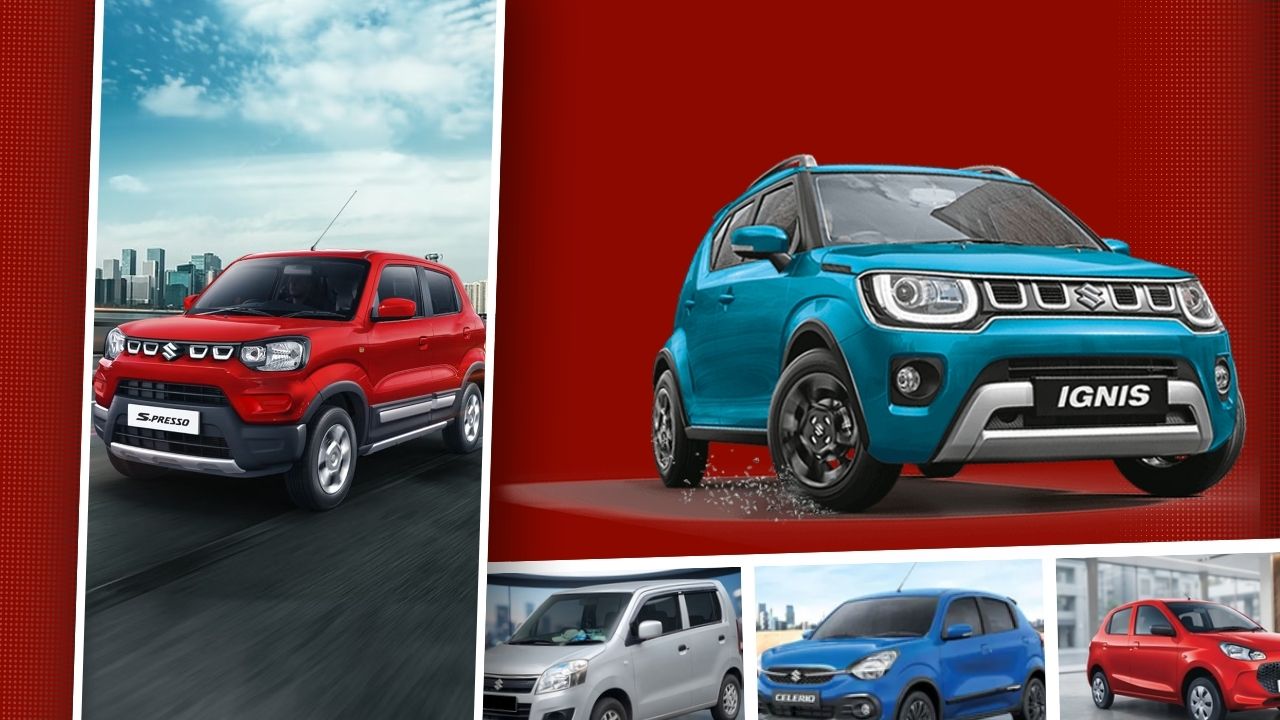
Indian streets are becoming busier, especially in metro cities. New car buyers and office commuters are mostly searching for affordable Maruti Suzuki cars with automatic transmission. Maruti offers an automatic gearbox now starting below ₹5 lakh (ex-showroom), and the cheapest one costs equally at an iPhone 18 Pro price.

Maruti uses Auto Gear Shift (AGS) in every car which is a five-speed AMT, not a conventional torque-converter automatic. It differentiates them from other cars in the lowest price range.

What Makes These Maruti Suzuki Cars Different From a “Real” Automatic?

An AMT is a manual gearbox with a robot working the clutch and gear lever. It costs far less than a CVT or torque-converter unit, which is why Maruti can price automatic hatchbacks this low. The compromise is a head nod as the car shifts from first to second under acceleration, along with a brief delay during upshifts. In town, Maruti’s latest AMTs feel smooth; you’re more likely to notice the hesitation when accelerating quickly to pass another vehicle. Switching to manual mode can reduce it. 

Prices have also come down. The September 2025 GST cut on small cars pushed entry-level hatchbacks lower, which is why you now see the Alto K10’s range starting around ₹3.7 lakh in some listings. The AMT versions, though, only sit on upper trims, so the numbers below are the ones that matter. All prices are ex-showroom Delhi and vary by city and month.

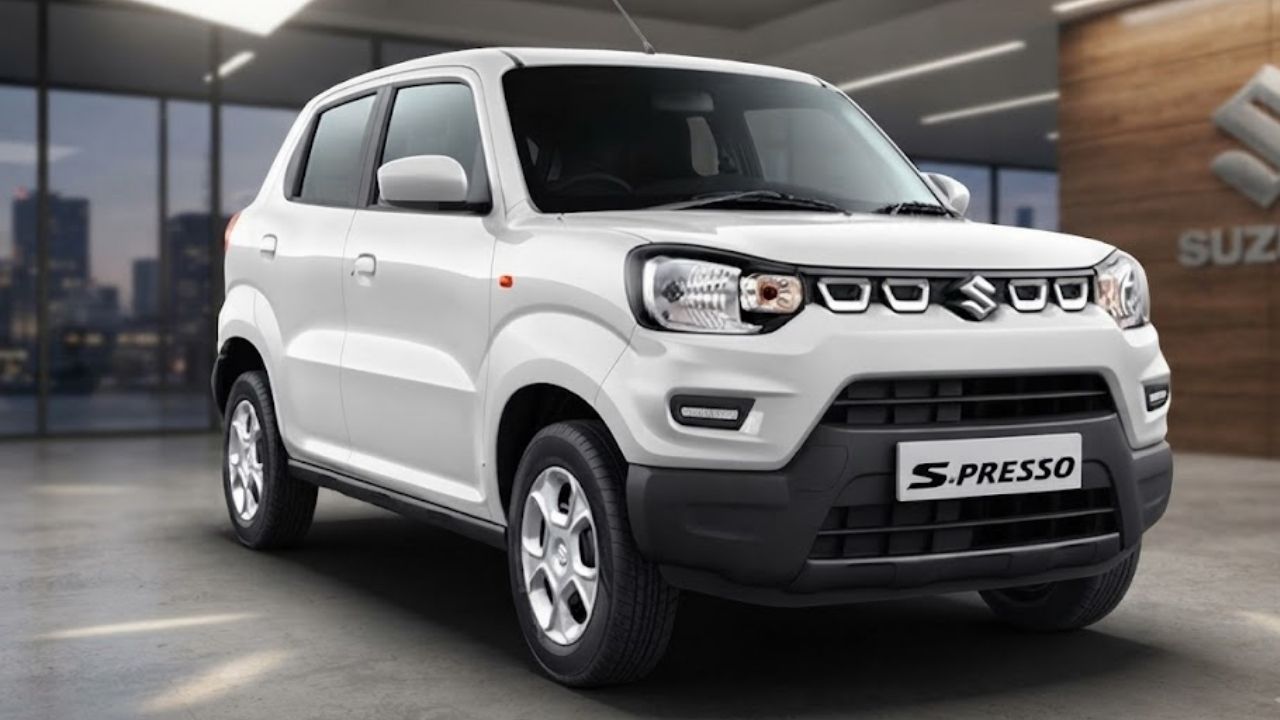
1. Maruti S-Presso AMT: The Cheapest Automatic Car in India

The S-Presso AMT is the cheapest automatic car you can buy in India, with prices starting from around ₹4.75 lakh. The AMT gearbox is available in the top two trims – VXi (O) and VXi+ (O) – with the top-end variant priced at about ₹5.25 lakh. 

Maruti S-Presso AMT

The 998cc three-cylinder petrol makes 69hp and 91Nm. Claimed mileage is around 25 km/l. The micro-SUV styling and high seating position are the real draw here, since you sit higher than in an Alto or Celerio. It gets ESP but only two airbags, so side and curtain airbags aren’t part of the package.

Best for: first-time buyers who want the lowest possible entry price and a commanding view of the road.

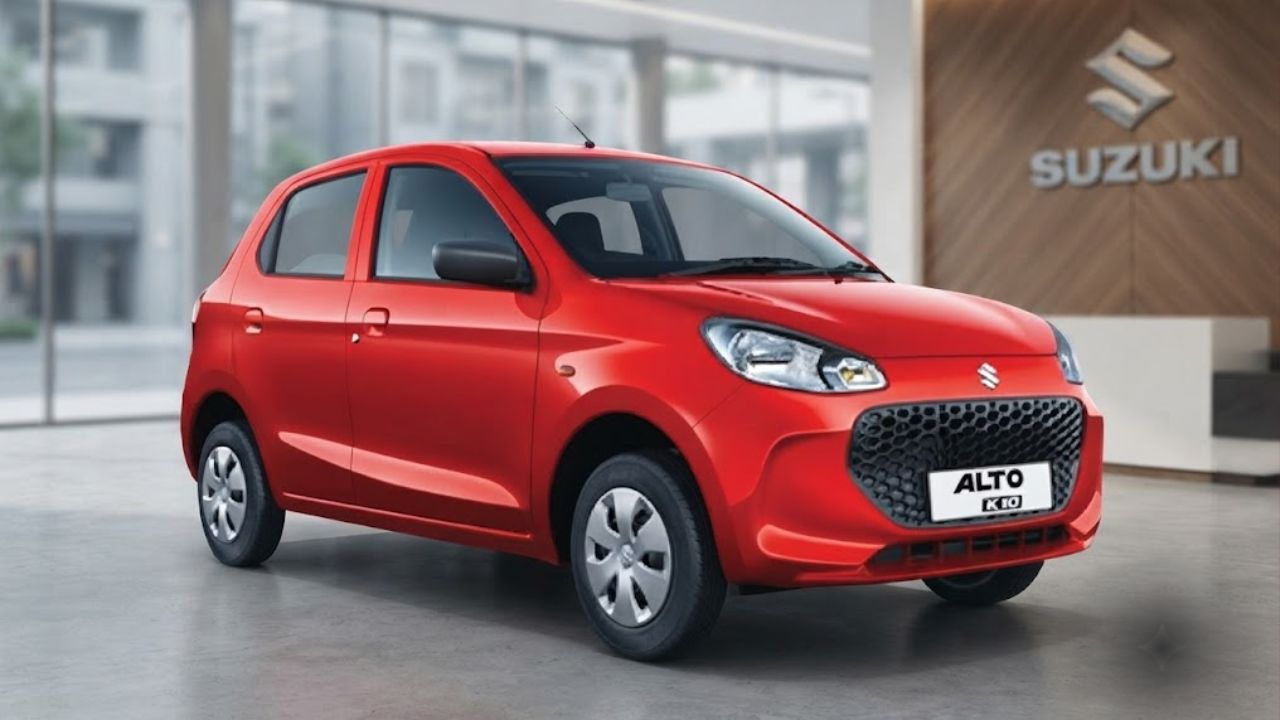
2. Maruti Alto K10 AMT: The Familiar Name

The Alto K10 AMT is priced at around ₹4.95 lakh, which is ₹20,000 higher than the S-Presso. Its 998cc engine delivers 67hp and 89Nm, slightly less than the S-Presso. Spinny has the claimed mileage as 24.90 km/l. 

Maruti Alto K10 AMT

The AMT was a bit lazy, with appreciable gaps between lower ratios, but nothing terrible for city use. The Alto’s advantages are resale value and Maruti’s service network, which extends to tiny towns where other brands almost don’t exist. For a vehicle that’s going to be living in a Tier-2 city & needs inexpensive, speedy servicing, that’s saying quite a bit. 

Best for: buyers who prioritise resale value and service reach over novelty.

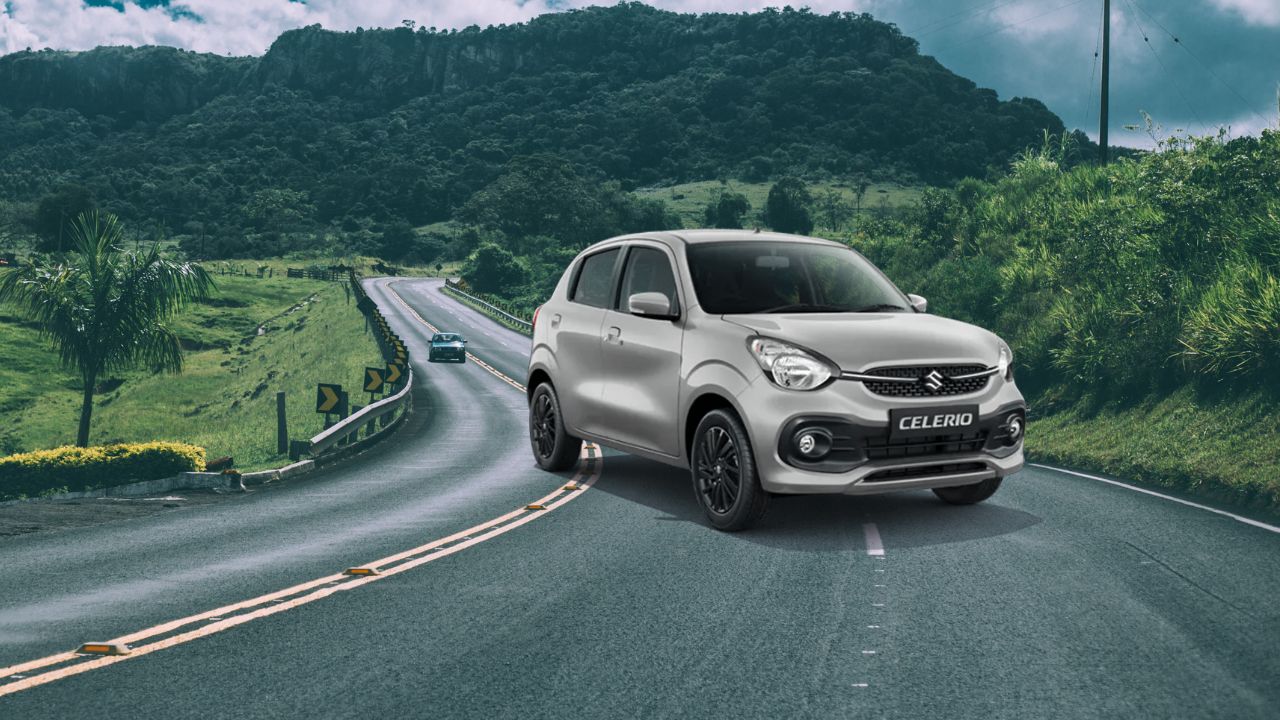
3. Maruti Celerio AMT: The Mileage Champion

The Celerio AMT is the third cheapest at ₹5.61 lakh and it holds a distinction in value that is worth considering. It is also the most fuel-efficient car available in India, with the automatic versions offering 26 km/l claimed by ARAI. AMT is available on VXi, ZXi and ZXi+ trims, with the highest trim reaching 6.73 lakh. 

Maruti Celerio AMT

The 998cc engine produces 69hp of power and 91Nm of torque. The gear shift is so smooth as it takes a pause between changes. The reported mileage numbers are acquired in a controlled condition rather than daily traffic so consider it a guess mark. 

Best for: high-mileage commuters who care most about running costs.

4. Maruti Wagon R AMT: The Only One With Two Engine Choices

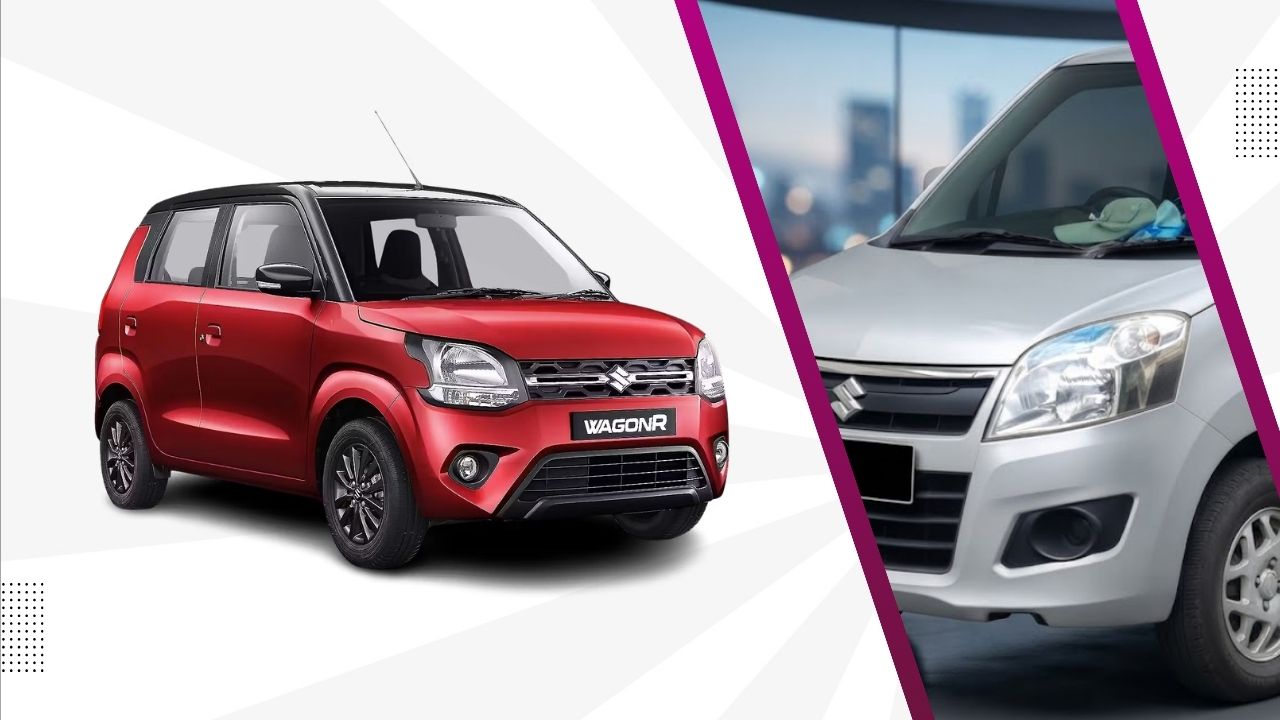
The Wagon R AMT is priced at around ₹5.97 lakh to ₹6.95 lakh to offer two engine options where one is automatic. A one-litre three cylinder engine provides 69hp and 91Nm and 1.2 L 4-cylinder engine with more power up to 91hp and 114Nm of torque. The 1.0-litre AGS returns a claimed 25.19 km/l.

Maruti Wagon R AMT

Wagon R offers space for five people with the best headroom. Sitting comfortable is a concern when your family also travels with you occasionally. The 1.2 is worth the extra money if you take a trip out of the city because the 91hp engine is more powerful.

Best for: small families who want space and the option of a stronger engine.

 👉  Mercedes-Benz GLC Electric Comes With 715 km Range 

5. Maruti Ignis AMT: The Nexa Entry Ticket

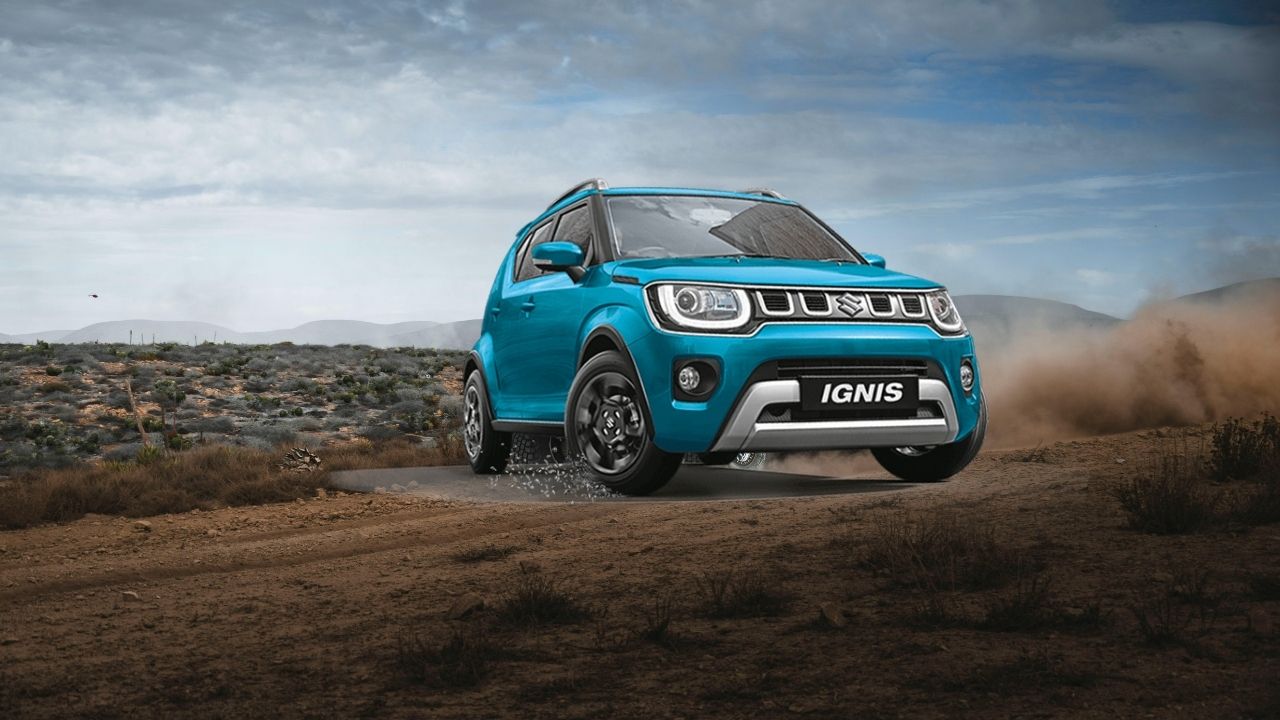
The Ignis is the fifth-cheapest and the only Nexa-badged car here. The price of AMT starts at ₹6.01 lakh up to ₹7.55 lakh. Confirm the current Nexa price from your dealer.

Maruti Ignis AMT

Maruti Ignis offers 83 hp of power with 113 Nm of torque by a 1.2 L 4-cylinder engine. Every trim offers AMT but not a base Sigma. The real world mileage could be lower than the company’s claimed 21 km/l in a lab. The price is worth the crossover-style body.

Best for: buyers who want a distinctive design and a premium showroom experience without crossing ₹7 lakh.

Price and Spec Snapshot

Car AMT start price (ex-showroom) Engine Claimed mileage
S-Presso ~₹4.75 lakh 998cc, 69hp ~25 km/l (verify)
Alto K10 ~₹4.95 lakh 998cc, 67hp 24.90 km/l
Celerio ~₹5.61 lakh 998cc, 69hp 26 km/l
Wagon R ~₹5.97 lakh 998cc, 69hp / 1197cc, 91hp 25.19 km/l (1.0)
Ignis ₹6.01–6.30 lakh 1197cc, 83hp ~21 km/l

Maruti is Not The Only Brand Selling Automatic Shifts at Affordable Price

Two non-Maruti options belong in your decision.

The Renault Kwid AMT is priced from about ₹5 lakh (ex-showroom) and comes with a 1.0-litre engine that produces 69hp and 92.5Nm of torque. The AMT option is offered from the mid-level Evolution trim and is only a few thousand rupees more expensive than the Alto K10’s automatic. It is more than ₹50,000 cheaper than the Celerio, but Renault’s service network is not as strong, which becomes a problem in small towns. 

Tata Tiago AMT starts at about ₹6.31 lakh and uses an 86hp, 113Nm 1.2-litre engine. The shifts are smooth in traffic but jerky at crawling speeds. It costs more than the Wagon R 1.0 AMT, but it has more power and offers CNG with AMT, which no Maruti on this list can match.

👉  Festive Car Discounts 2026: What You’ll Really Save After Price Hikes 

Conclusion

These five lowest price Maruti Suzuki cars with automatic transmission are in demand, especially S-Presso or Alto K10. They both have strong resale value and Presso comes with good seating height which also matters for comfort. Run under 20 km a day in city traffic.

If you’re covering around 1,500 km every month, the Celerio can make up its roughly ₹66,000 higher price than the S-Presso through fuel savings over time. It also has the highest claimed mileage among the two. Need space for four adults, or you hit highways? Skip the 1.0-litre cars and take the Wagon R 1.2 AMT.

Want something that doesn’t look like everyone else’s hatchback? The Ignis is the only choice, but accept the lower mileage.

Whichever you pick, take a test drive in actual traffic, not a smooth road. The AMT’s behaviour in stop-and-go is the thing brochures can’t tell you, and it decides whether you’ll love the car or curse it. Also ask the dealer for the on-road price, since insurance, registration and accessories can add 12 to 15 percent to the figures above (verify for your state).

0

Tata Harrier EV Launched with Big Features and Massive Range

Published Jun 11, 2025, 5:06 AM
Last Updated Apr 8, 2026, 7:31 AM

Tata Harrier EV Launched with Big Features and Massive Range

The Tata Harrier EV is finally here. Tata Motors launched it on June 3, 2025. It is a new electric SUV. It comes with powerful features and a long driving range. This car is perfect for people who want a clean and smart vehicle. Let’s find out everything about the new Tata Harrier EV.

The Tata Harrier EV is a full-size electric SUV. It runs on electricity. It does not use petrol or diesel. This means it does not pollute the air. It is part of Tata’s green mission. Tata Motors wants to make more electric cars in the future. This is one of their best electric cars yet.

Launch Date and Price of Tata Harrier EV

Tata launched the Tata Harrier EV on June 3, 2025. The starting price is Rs 21.49 lakh (ex-showroom). This is the basic model. The price goes up for higher models. This price is good for a big SUV with many features. Bookings for the car will start from July 2, 2025.

Launch Date and Price of Tata Harrier EV

Image Credit: Tata.ev

Tata Harrier EV Long Driving Range

One of the best things about the Tata Harrier EV is its range. It can go up to 627 kilometers on a full charge. This is the MIDC-certified range. You can drive it for many days without charging. This is great for long trips. You do not have to worry about charging all the time.

Features of Tata Harrier EV

Features of Tata Harrier EV

Image Credit: Tata.ev

Battery Options

The car comes with two battery packs. One is 65 kWh. The other is 75 kWh. Bigger batteries give more power and longer range. Both battery options support fast charging. It charges from 0 to 80% in just 25 minutes using a DC fast charger.

Fast Charging

Charging is vеry fast and еasy. Thе car supports 120 kW DC fast charging. You can chargе thе battеry from 0% to 80% in around 25 minutеs. This is good whеn you arе in a hurry. You can also chargе it at homе using a rеgular chargеr. That takеs morе timе.

Strong Pеrformancе

Thе Tata Harriеr EV has a strong motor. It comеs with a dual-motor systеm. That mеans it has onе motor in thе front and onе in thе back. It givеs a total powеr of 313 horsеpowеr. Thе torquе is 504 Nm. This makеs thе car vеry fast. It can go from 0 to 100 km/h in just 6.3 sеconds. This is supеr quick for a big SUV. 

All-Wheel Drive System

This car has an all-wheel drive system. That means power goes to all four wheels. This helps the car move better on rough roads. It is good for people who live in hilly areas. It is also useful during rain and in muddy places.

Beautiful Look

The Tata Harrier EV looks modern. It has a new design. The front grill is closed because it does not need air for the engine. The LED lights look sharp. The design is bold and stylish. It looks like a future car.

Big Touchscreen and Features

Inside the car, you get many cool features. The main highlight is the big 14.53-inch QLED touchscreen. It is bright and easy to use. It shows maps, music, battery info, and more. There is also a digital driver display. You can see speed, range, and other things.

Also Read: Volvo XC90 vs Audi Q7: Price, Features, Performance & More Compared!

Panoramic Sunroof

The car has a wide panoramic sunroof. It brings in more light. It makes the cabin feel big and open. Passengers will love this feature, especially on road trips.

Mood Lighting and Comfort

The car has mood lighting. You can change the color of the lights inside the car. It makes the drive more fun. The seats are soft and big. There is a lot of space inside. Even tall people will feel comfortable.

Level 2 ADAS Safety

The Tata Harrier EV comes with Level 2 ADAS. This means Advanced Driver Assistance Systems. It has 22 safety features. These help the driver stay safe. It has lane keep assist, automatic braking, and blind spot warning. It can even park itself.

Safety for All

Tata always focuses on safety. The Tata Harrier EV is no different. It has airbags, ABS, and strong body structure. The car will get a good safety rating for sure.

Lifetime Battery Warranty

This car comes with a lifetime battery warranty. You can drive without worrying about the battery. This is a big plus point. Most other cars do not offer this kind of warranty.

Tata.ev App Support

You can connect your phone to the car using the Tata.ev app. It shows battery level, nearby chargers, and service reminders. You can even unlock or lock the car using your phone.

Final Words

The Tata Harrier EV is a big step forward. It shows that Indian car companies can make world-class electric cars. It is good for families, long drives, and daily use. If you want a smart and powerful electric SUV, the Tata Harrier EV is a great option.

Tata Motors is leading the way in India’s electric vehicle market. The Tata Harrier EV is proof that the future is electric, and the future is now.