0

Self-Driving Cars in 2026: What Can They Really Do?

Self-Driving Cars

Fully Self-Driving Cars in 2026 are real, but only as taxi services in specific cities, mostly in the US and China. Cars available to Indian buyers still require drivers to keep their eyes on the road. Industry Standards for Driving Automation Division to Six Levels, Level 0 (no automation) to Level 5, a car capable of driving itself anywhere and anytime without human intervention.

Between Level 2 and Level 4, assisting and steering acceleration comes at Level 2 but the driver must be attentive all the time. A car handling all driving tasks in specific areas without requiring human supervision comes at Level 4.

What Can Driverless Cars Really Do?

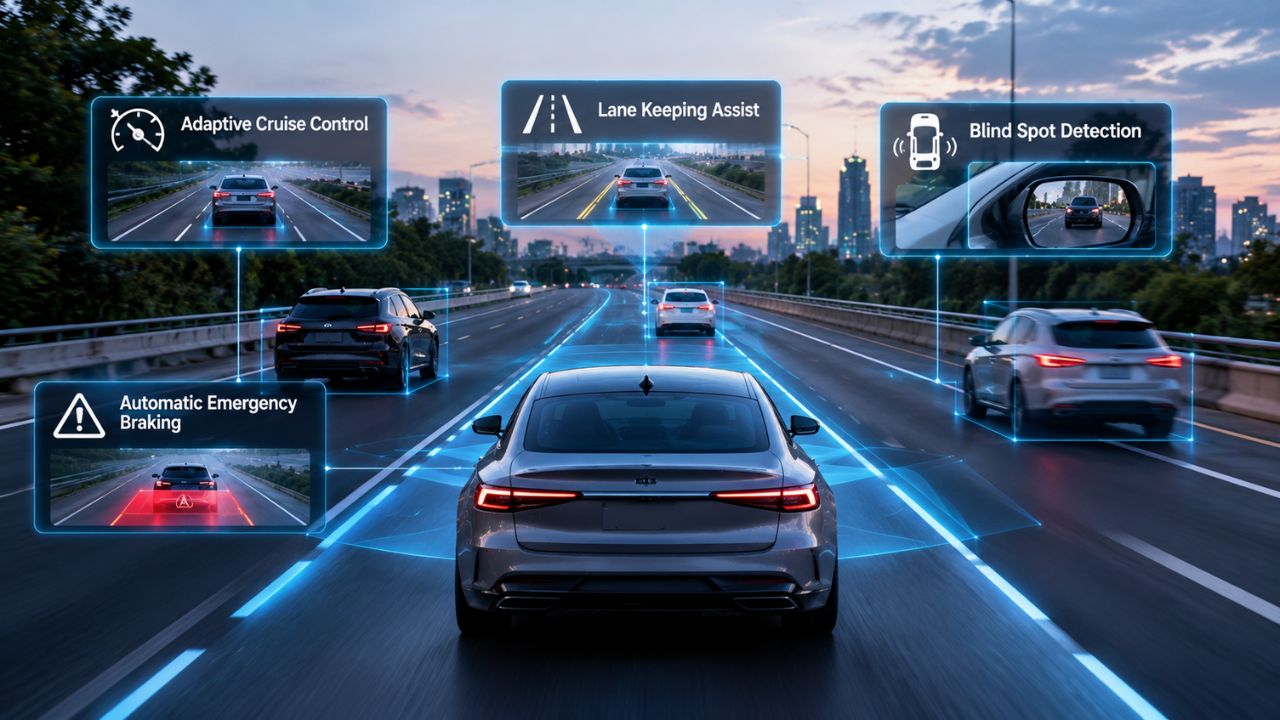
The new cars offer advanced features such as cameras, radar, lidar, maps and AI software which detect what’s ahead of the car and give you signals. These features also keep track and plan route, control acceleration and braking with steering control which helps you in:
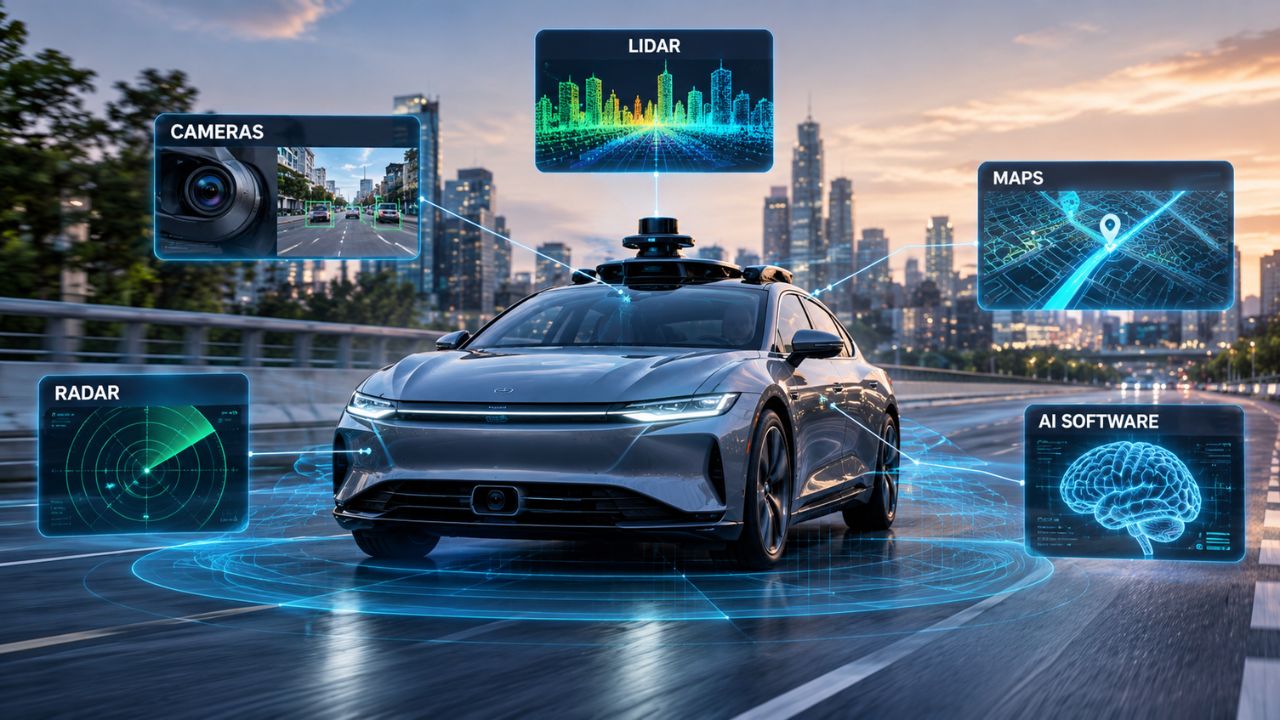
Driverless Cars Really Do

Warn and Intervene: Collision alerts, blind-spot detection, automatic emergency braking, and lane-keeping assistance.

Assist with Driving: Highway assistance, lane monitoring, and adaptive cruise control, while the driver remains in control.

Driverless in Limited Region: robotaxi services running without any human driver but only inside a mapped route with passengers.

React Consistently: software doesn’t get tired or distracted, which is one reason the safety numbers below look as they do.

Reporting cited by Electrek says its Robotaxi service runs unsupervised rides in six US metros: Austin, Dallas, Houston, Miami, Orlando and Tampa. That is a real milestone.

Robotaxis: Where Driverless Cars Actually Work

Waymo, owned by Alphabet, is the clearest example. The company launched paid public rides in Denver, San Diego and Tampa in 2026 along with 14 US cities. There are 500,000 paid rides a week on more than 4000 vehicles. 

China is also moving. One industry roundup puts Baidu’s Apollo Go at over 22 million cumulative rides across 27 cities worldwide as of May 2026. 

Are Self-Driving Cars in 2026 Safer To Go With?

Waymo’s record is positive over 270 million autonomous rides with 82% fewer damage from smaller crashes and 95% fewer injuries from serious crashes than human drivers. These figures show that Self-Driving Cars are thriving and going to take over Indian roads very soon in the future.

Self-Driving Cars in 2026 Safer

The damage of the car is smaller, Insurance Institute for Highway Safety (IIHS) found 81% fewer damage to the vehicle concluded from a test about 50 million driverless miles. Waymo vehicles had 68% fewer police-reportable crashes but IIHS also cautioned that monitoring automated vehicles by the federal system should improve since Austin wasn’t given positive results.

The Self-Driving Cars in 2026 are safer so far in limited areas according to data but still needs improvement to monitor before launching publicly.

👉  How AI in Cars Changing the Future Driving Experience

What Driverless Cars Still Can’t do 

A vehicle that can handle every road, weather condition and situation without human will was never addressed to consumers. The US safety regulator NHTSA says no vehicle for sale is fully automated or “self-driving” and no car sold in the US can be driven without the full attention of a driver at all times. 

Capability Today’s reality
Highway driving assistance Common, but the driver must supervise and take over
Driverless urban rides Possible in limited robotaxi service areas, not broadly available
All-weather, anywhere autonomy Not yet reliable or commercially available
Replacing human judgment Still limited by rare, unpredictable situations

These systems are strongest at repetitive, well-mapped driving in favourable conditions.

What About Cars You Can Actually Buy?

The only other approach extended beyond level 2 is level 3, the car runs in a world of certain and you can do other things until it says you have to look back. Mercedes leads here. Its Drive Pilot runs up to 95 km/h in Germany, but remains limited to 60 km/h in the United States. It is a luxury option, not a mainstream feature.

Self-driving cars cannot be used on Indian roads. Level 2 automation is the highest level of automation available, and drivers are still responsible when ADAS is functioning. Think of it as having a co-pilot, not an autopilot. 
Cars You Can Actually Buy

The policy mood has also been cautious. In 2017, Nitin Gadkari said India would not allow driverless cars, citing drivers’ jobs. That stance has softened, but only partly.

What is improving is ADAS. Level 2 features are now available in cars priced no more than ₹15 lakh, and the 2026 Renault Duster comes with 17 ADAS features. The brand-new Kia Seltos offers a level-2 suite of 21 safety features, including full collision avoidance and adaptive cruise control stop and go. 

Indian roads pose a challenge to ADAS: faded lane markings, two-wheeler traffic, cattle and pedestrians. Check your system, keep your hands on the wheel and make sure everything works before spending extra. 

 👉  Most Anticipated Cars of 2027: What Buyers Should Know

Conclusion

In 2026, self-driving is real but narrow. Waymo and a few rivals run driverless taxis in mapped cities. Tesla is still expanding and still missing its own deadlines. In India, the realistic benefit is better safety assistance, not a car that drives for you. Buy ADAS for the extra protection, not for hands-free promises.

Alok Kabir

Alok is an experienced SEO Specialist skilled in blogging and SEO-friendly content creation. He also specializes in Content Optimization and Technical SEO, including website optimization, crawlability, indexing, site speed, and on-page improvements to enhance search rankings and online visibility.

Leave a Reply

Your email address will not be published. Required fields are marked *

0

How to Check Tire Pressure Correctly: Guide For Car Owners

  How to Check Tire Pressure

Most drivers check tire pressure only when a tire already looks flat — which is exactly the wrong time to check it. By then you’ve likely been driving on underinflated rubber for weeks, burning extra fuel and wearing the edges of your tread down faster than the center. Understanding how to check tire pressure correctly can save your fuel.

What makes it tricky is that you can’t tell if a tire is under-inflated by simply looking at it. It changes with temperature and must be measured with a gauge. It’s a quick check that only takes a few minutes, and it can increase your gas mileage and tire life. 

Why Correct Tire Pressure Is Essential for Better Mileage 

A tire that is only 15% underinflated can reduce its life by thousands of kilometers and increase fuel consumption by 3 to 4%, the U.S. The Department of Transportation’s NHTSA quotes this data. Overinflated tires aren’t better as they shrink the contact patch with the road, which reduces grip and makes the ride harsher when you run over potholes. 

There’s a tight range that’s actually correct for your car and that size isn’t the number that’s printed on the sidewall of the tire. That figure is the tire’s maximum pressure rating, not the recommended one for your vehicle. 

The correct number resides in two places: a label inside the driver’s door jamb and the owner’s manual. Splitting the number is often given as two numbers – one for the front axle and one for the rear, as the rear often carries a different load. A normal Sedan tyre is inflated to around 30-35 PSI (approx. 2.1-2.4 bar) and for SUV/4X4 or heavier vehicles are usually recommended to be inflated 2-4 PSI more. 

When to Check Tire Pressure for the Best Results 

Tire pressure needs to be measured when they are “cold” — when the car has been stationary for at least three hours or if you haven’t driven more than two miles. Driving causes the air in the tire to heat up, and heat causes air to expand, which reads higher by 4-5 PSI or more depending on how long you’ve been driving. Check pressure immediately after a long drive and you’ll get a number that looks fine but isn’t — the tire will read low again once it cools overnight. 

The best time is early morning, before the car has moved, and before the sun has had a chance to warm the tires either.

Read More :-  How to Improve Gas Mileage: 15 Proven Tips That Actually Save Fuel

Accuracy Starts With the Right Gauge

Gas station pressure gauges on the air pump are well known for being inaccurate — they can be off by 3-5 PSI or more in either direction. A simple digital tire pressure gauge is very inexpensive and well worth having on hand; it eliminates guesswork and provides a consistent reading every time. Pencil-style gauges work too and are cheap and pocket-sized, but they’re harder to read precisely and tend to drift out of calibration faster than digital ones.

If your vehicle comes equipped with a Tire Pressure Monitoring System (TPMS), don’t use it as your sole check. In fact, the warning levels for TPMS are set to announce a single drop of approximately 25% from the recommended tire pressure – meaning that a tire can already be very under-inflated when the dashboard says something. 

Checking Tire Pressure Step by Step

  1. Take off the tire valve cap and place it in a safe place where you won’t lose it. 
  2. Press the gauge down on the valve stem until the hissing stops and you get a steady reading — a brief, uneven press results in an inaccurate reading. 
  3. Compare the reading with the number on the door jamb label for that particular axle (front and rear boots can be different). 
  4. If it’s low, pump in air in short bursts, checking between each — it’s easy to go too far. 
  5. If the pressure is too high, briefly press the small pin inside the valve stem to let some air out, then check again.
  6. Replace the valve cap. It’s not just cosmetic — it keeps out dirt and moisture that can lead to slow leaks, over time. 

Do this for all of the regular tires, and the spare if you have one. The spare is perpetually neglected and often the flattest tire in the vehicle when you actually require it. 

Temperature Changes Pressure More Than People Expect

Tire pressure drops roughly 1 PSI for every 10°F (about 5.5°C) drop in outside temperature. This matters a lot for drivers in North India or anywhere with a real winter — a tire set correctly in October can be noticeably underinflated by December without a single leak involved. 

The reverse happens in peak summer heat, especially in places like Dubai, where tires can run several PSI higher on hot asphalt purely from ambient heat, not overinflation. Checking pressure with the seasons, not just when something feels off, catches both problems before they become a blowout risk or an uneven wear pattern.

Signs You’ve Been Ignoring the Problem

Uneven wear on the outer edges of the tread usually points to underinflation; wear concentrated in the center strip points to overinflation. A car that pulls slightly to one side, feels softer than usual in corners, or seems to be drinking more fuel than it used to are all pressure symptoms before they’re anything else. None of these show up overnight — the build slowly enough that most drivers adjust to the change without noticing it.

The Habit That Actually Works

Checking tire pressure once a month, and always before a long highway trip, catches almost every problem before it becomes expensive. It takes less time than filling a fuel tank and costs nothing beyond the gauge sitting in your glovebox. 

The number on the door jamb is correct for a reason — trust that over the sidewall, over the gas station gauge, and over how the tire happens to look.

Read More :- How to Transfer Car Ownership in India: A Step-by-Step RTO Guide (2026)

Conclusion 

Properly checking tire pressure is one of the simplest and most beneficial maintenance routines. Among other things, it improves gas mileage, prolongs tire life, increases braking and handling, and minimizes the chance of an unplanned tire failure on the road. 

The trick is to measure the pressure when the tires are cold; use a good-quality gauge; and go by the PSI value on your car’s door jamb , not the number on the sidewall of the tire. 

Three minutes once a month can save your money on gas, extend the life of your tires and make every trip safer. For the typical car owner, it’s a small habit that can prevent a lot of bigger expenses down the road, not just something to think about when a warning light comes on. 

Keep a tire-pressure gauge in your glovebox, check all four tires and the spare on the reg, and make correcting tire pressure a normal step in your car-care routine. 

0

Manny Khoshbin Car Collection: Luxury & Hypercars Garage

Published Jan 9, 2026, 9:45 AM
Last Updated Jan 9, 2026, 9:46 AM

Manny Khoshbin Car Collection

Manny Khoshbin was just 14 years old when he came to the United States from Iran, and his family had very little. At one point, they were even living in a Datsun station wagon. Fast forward to today and that same boy now owns one of the most mind-blowing car collections on the planet, at $250 million. The Manny Khoshbin Car Collection is not only about cars—it is the pursuit of the American Dream in the most unrelenting form, and his garage is the ultimate testament of that journey. 

If anything distinguishes Manny Khoshbin from the rest of the billionaire car collector pack, it’s his forward-thinking collaboration with Hermès, the iconic French luxury brand. This isn’t your typical car customization. Manny went all-in with three separate Hermès Edition hypercars, each costing millions and taking years to complete. 

Pagani Huayra Hermès Edition

First on the block is the 2016 Pagani Huayra Hermès Edition. It is now worth about $5 million, the same as what its launch price was of $2.5 million. The Partnership was twofold, both in the factories and on the race track The Pagani and the Hermès house teams worked together in perfect union. 

Pagani Huayra Hermès Edition

The rich exterior heritage brown color is complemented by laser-etched Hermès ‘H’ logos on the grills; the entire interior is wrapped in Hermès leather; even the trunk is dressed, with a seven-piece Hermès luggage set that can be custom-fitted to it.

McLaren Speedtail

Then there was the $3m 2021 McLaren Speedtail Hermès Edition. Manny received the 24th Speedtail off the line and dispatched it to Hermès for an 18-month customization odyssey. It is in abyss blue with Hermès ‘H’ logos embossed along the door lines.

McLaren Speedtail

Even the side-view mirrors bear the precise latitude and longitude coordinates of the Hermès and McLaren factories. The Hermès factor had added $1 million to the base of $2.5 million and a few weeks out of the shop, Manny was offered $5 million for it. 

Bugatti Being a Crown Jewel — Chiron

Bugatti Chiron is also owned by Manny and is worth around $5 million as the most expensive Chiron ever made. Everything was thought through to the finest details during almost five years of work and Manny even canceled the design twice to get the whole thing absolutely perfect.

Bugatti Being a Crown Jewel — Chiron

The exterior shines in Hermès Craie paint, and the interior is wrapped in bespoke cream-colored Hermès leather.This car has logged less than 300 miles, and as for Manny’s car, that has hardly moved because, well, It’s just too precious. 

Mercedes SLRs

Manny doesn’t just buy one car he loves-he buys them in groups. His Mercedes-Benz SLR McLaren addiction is mythic among collectors. He has owned nine of these breathtaking machines, both coupe and roadster variants, starting his collection in 2008-2009 with a 2009 SLR 722 Edition Roadster. At the time he snatched up a handful of these cars for half the original MSRP, with shockingly low miles. 

Mercedes SLRs

Each one now commands over $1 million. The Mercedes-Benz SLR HDK with the High Downforce Kit by McLaren Special Operations Just 12 units were made.

Porsche 911 Sport Classic, Porsche 911 GTS Cabriolet American Edition & Porsche 935

But more recently Manny has moved his attention towards Porsche and now particularly the iconic 911 family. His collection boasts such vehicles as the 2023 Porsche 911 Sport Classic, the breathtaking Porsche 935 in mythical Martini Racing livery (named “Moby Dick”), the 2023 Porsche 911 Dakar and the eye-popping Porsche 911 GTS Cabriolet American Edition. He’s got his sights set on even more variants.  

Read More :- Tata Harrier & Safari Petrol Launched In India at Rs. 12.89 Lakh

The Hypercar Hall of Fame: McLarens, Bugattis, and Beyond

Aside from the Hermès collabs, Manny’s collection is a who’s who of hypercar royalty. His 2014 McLaren P1 in Carbon Black is one of just twenty full-carbon build cars ever produced – a true engineering and aesthetic masterpiece. He has several Bugatti Veyrons including a very rare 2014 Bugatti Veyron Rembrandt Edition, of which three units are all that exist across the planet. And then there’s the Bugatti Bolide, limited to 40 pieces worldwide for a jaw dropping $4 million.

Manny Khoshbin Car Collection Overview

Car Name Brand Special Edition Approx Value Why It’s Special
Pagani Huayra Pagani Hermès Edition $5 Million Full Hermès leather interior, custom luggage – truly an ultra-luxe hypercar. 
Speedtail McLaren Hermès Edition $5 Million designed over 18 month, hermès embossed logos, limited edition production 
Chiron Bugatti Hermès Custom $5 Million Most expensive Chiron, Craie paint, ultra-low mileage
SLR McLaren Mercedes-Benz 722 / HDK Editions $1M+ each Rare collector cars, only 12 units of the HDK were built
P1 McLaren Full Carbon $2 Million One of just 20 full carbon fiber builds
Veyron Bugatti Rembrandt Edition Multi-Million Only 3 units in the world
Bolide Bugatti Track-Only Hypercar $4 Million Limited to 40 cars worldwide
911 Sport Classic Porsche Limited Edition $300K+ Retro design, heritage-inspired 911
935 “Moby Dick” Porsche Martini Racing Livery $3 Million Track-focused, motorsport icon
911 Dakar Porsche Rally Edition $250K+ Off-road-ready 911, rare spec
911 GTS Cabriolet Porsche American Edition $200K+ USA-exclusive styling, convertible performance

Conclusion

The Manny Khoshbin Car Collection is not the dollars—it’s the story behind each purchase. Each car represents a moment in his career, either as a result of collaboration with a luxury brand or a vehicle so special that owning one is an honour. From the Tesla Model X he regularly drives to the million-dollar hypercars he lovingly maintains, Manny’s garage is a testament to the fact that ambitions, when pursued, have no limits.   

0

Volkswagen Confirms Plans to Launch New Sub-4-metre SUV by 2027

Volkswagen

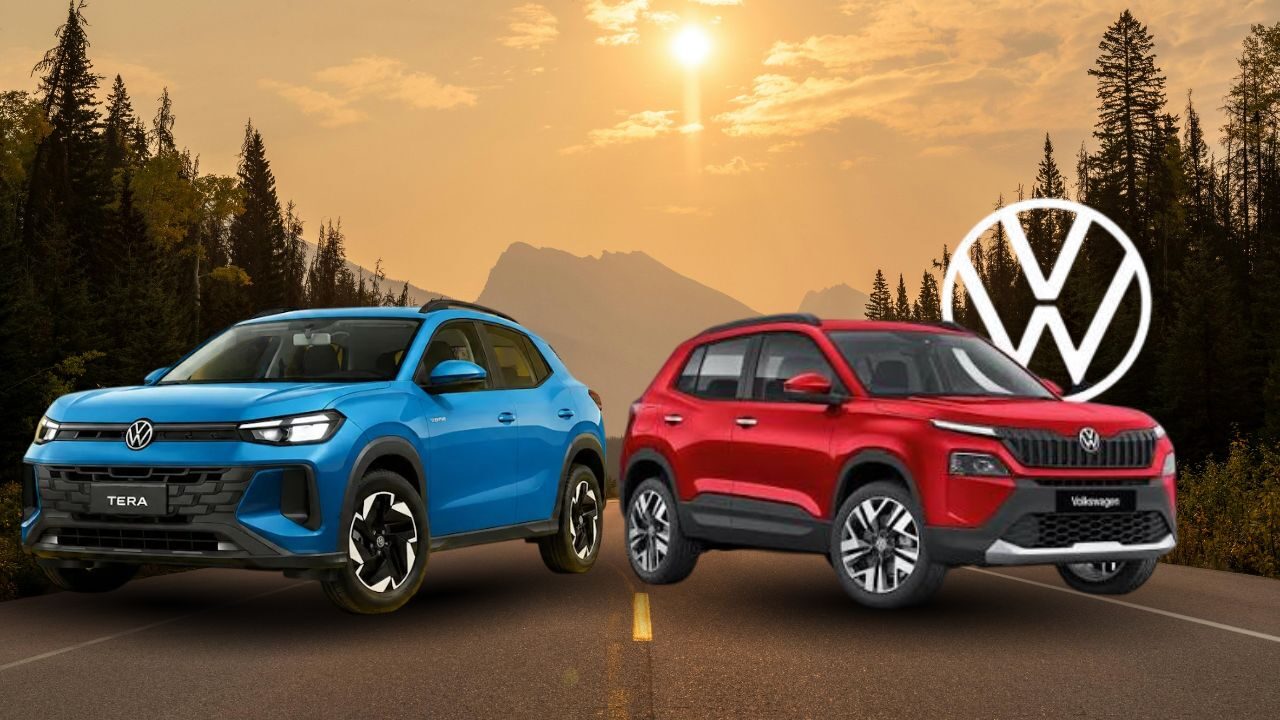
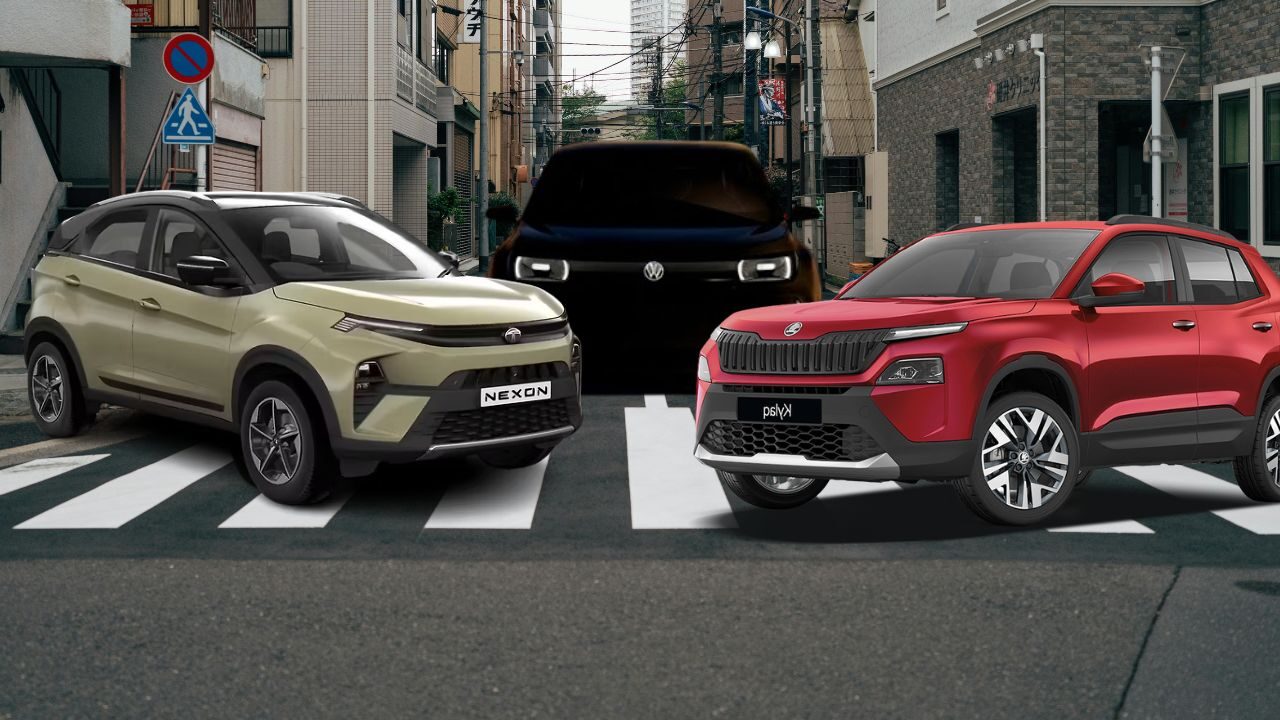
Volkswagen confirms plans to launch a new sub-4-metre SUV for India in 2027 and it is the first b-segment SUV of the brand. It will be placed below the Taigun, beginning at approximately ₹12 lakh. This new model of VW is a direct competitor of Tata Nexon, Maruti Brezza, Hyundai Venue and Kia Sonet, while avoiding a segment that ‘actually moves volume’. It will share most of its mechanical components with the Skoda Kyiaq, but Volkswagen might equip it with a different bodywork, interior and driving feel.  

Scheduled to be launched in November 2024 and opened for bookings that December, Skoda’s Kyla crossed 10,000 bookings within its first ten days on sale. That figure is a strong response that changed Volkswagen Group India’s approach. After discontinuation of Polo and Ameo, VW retreated from the sub-4-metre segment. 

This is what we currently know about the next compact VW SUV – powertrain, size, features and where it will fit within the VW lineup. 

Why Volkswagen Is Finally Entering the Sub-4-Metre Race

The sub-4-metre SUV segment is where the volume is in India. The tax regime keeps these compact SUVs more affordable than their larger counterparts, and vehicles such as Tata Nexon, Maruti Brezza, Hyundai Venue, Kia Sonet and Mahindra XUV 3O off these have been topping the monthly sales charts consistently.Volkswagen had this one idled for years, with the Taigun and Virtus serving as its points of entry instead and both clocking in way above what most first-time SUV buyers in India actually pay. 

Volkswagen Is Finally

That strategy capped how many people could realistically consider a Volkswagen. The new SUV changes that by sitting below the Taigun, giving VW its first genuine mass-market play in the country since the Polo era. It also allows the Skoda Auto Volkswagen India plant in Chakan to run at a higher capacity as the car will share tooling and components with the Kylacq and will not require a separate production line. 

Read More:-  Personal Loan vs Car Loan: What is the Better Choice for Buying a Car? 

Volkswagen Expected Engine, Dimensions and Performance 

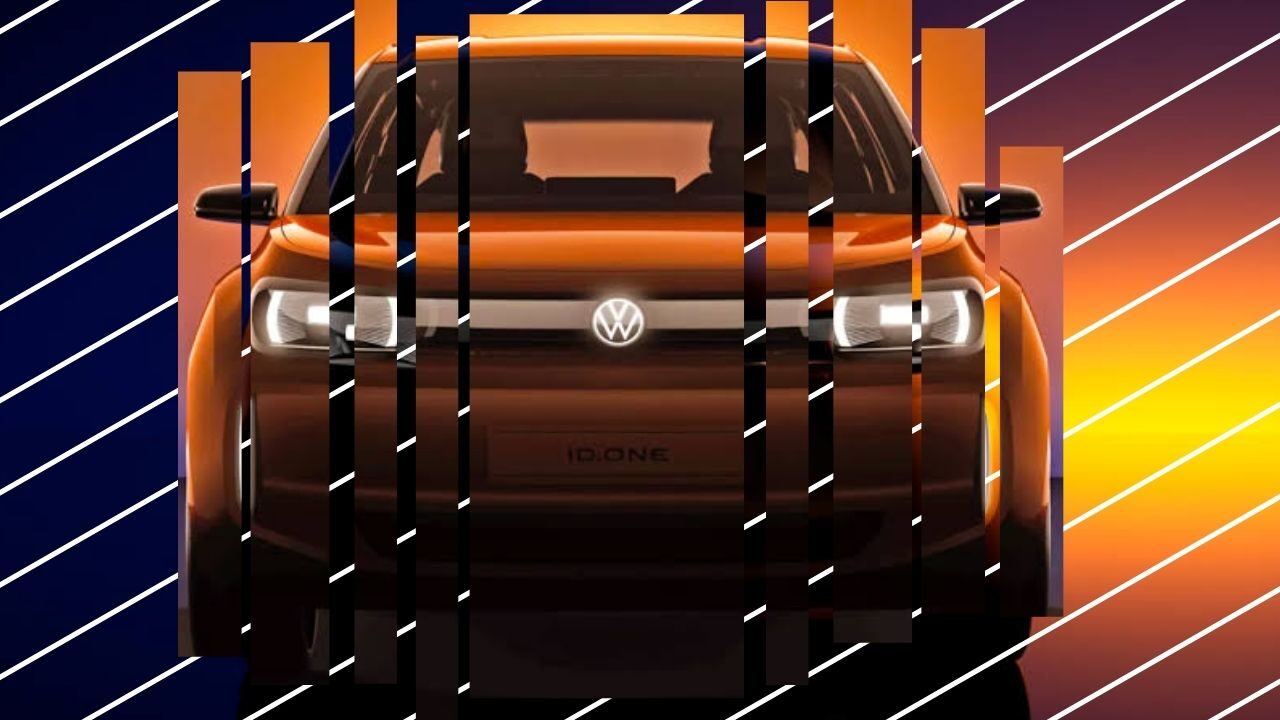
Volkswagen has yet to announce a name, styling images or a final spec sheet, so consider some of this an educated guess as to what’s confirmed versus what’s probable. 

The SUV is based on the MQB-A0-IN platform, and will be produced in India. It targets its launch in 2027, with most reports indicating a mid-year launch rather than a January or Q1 date. It’s also confirmed to sit below the Taigun as VW’s new entry-level SUV in India. 

Power will come from the familiar 1.0-litre TSI turbo-petrol three-cylinder engine, producing 115 PS and 178 Nm of torque — the same unit working in the Kylaq, Kushaq, and Taigun today. A 6-speed manual gearbox is the expected base option. Volkswagen may fit an 8-speed torque converter automatic rather than carrying over the Kylaq’s 6-speed unit, which would be a genuine point of differentiation. 

Volkswagen Expected Engine

Dimensions should land close to the Kylaq’s 3,995mm length and 2,566mm wheelbase, since staying under 4 metres is the entire point of the tax bracket this car is built for. The design is rather than a straight Kylaq clone, Volkswagen is expected to give the car a distinct front and rear, inspired from the Volkswagen Tera, a related model already sold in Brazil. 

Expect a new grille, revised bumpers, and a different lighting signature, following the same playbook VW used to differentiate the Taigun from the Kushaq. 

Pricing is expected in the range between ₹9-16 lakh on-road Mumbai range, but that’s a media estimate, not a Volkswagen number, and on-road figures swing by state due to registration and road tax. Don’t plan a budget around it yet.

How It Stacks Up Against the Competition

Volkswagen SUV vs Skoda Kylaq 

Since both share the MQB-A0-IN platform and, in all likelihood, the same 1.0-litre TSI engine, the Kylaq is your clearest preview of what VW’s new SUV will feel like to drive. The Kylaq measures 3,995 mm in length with a 2,566 mm wheelbase, and its adult occupant safety score of 30.88 out of 32 in Bharat NCAP testing gives an early indication of the safety baseline the VW version should meet or beat. 

Where the two are expected to differ is transmission choice and cabin finish, with Volkswagen typically pitching its Group cars as the sportier-driving option compared to Skoda’s more feature-loaded value pitch.

Volkswagen SUV vs Tata Nexon 

The Nexon continues to be the benchmark in the segment, based on Tata’s tried and tested X1 platform powered by a 1.2-litre turbo petrol producing 120 PS and a 1.5-litre diesel variant that VW’s petrol-only line-up won’t get. Tata is also selling an electric Nexon, which Volkswagen’s ICE-centric entry couldn’t compete with directly.

What VW brings instead is badge value and a European driving character that Nexon buyers moving up from a hatchback often say they want but can’t get at this price point today. 

Read More:-  BMW X1 LWB vs Audi Q3 vs Mercedes GLA: Which Entry-Luxury SUV Actually Makes Sense in 2026?

Conclusion 

Volkswagen’s new sub-4-metre SUV might also enable the brand to tap into India’s largest SUV segment more effectively. With Kylaq already showcasing what the platform can offer, a Volkswagen variant with the familiar TSI engine, unique styling and competitive pricing could possibly pose a real threat to the Nexon, Brezza, Venue and Sonet. 

Let’s wait and see how aggressively will VW price and position it when the SUV hits the market in 2027. 

0

Top 10 Cars of H1 FY27: Maruti Fills Six Slots, Tata Punch Steals the Growth Story

Published Oct 22, 2026, 12:32 PM
Last Updated Oct 24, 2026, 11:45 AM

Top 10 Cars

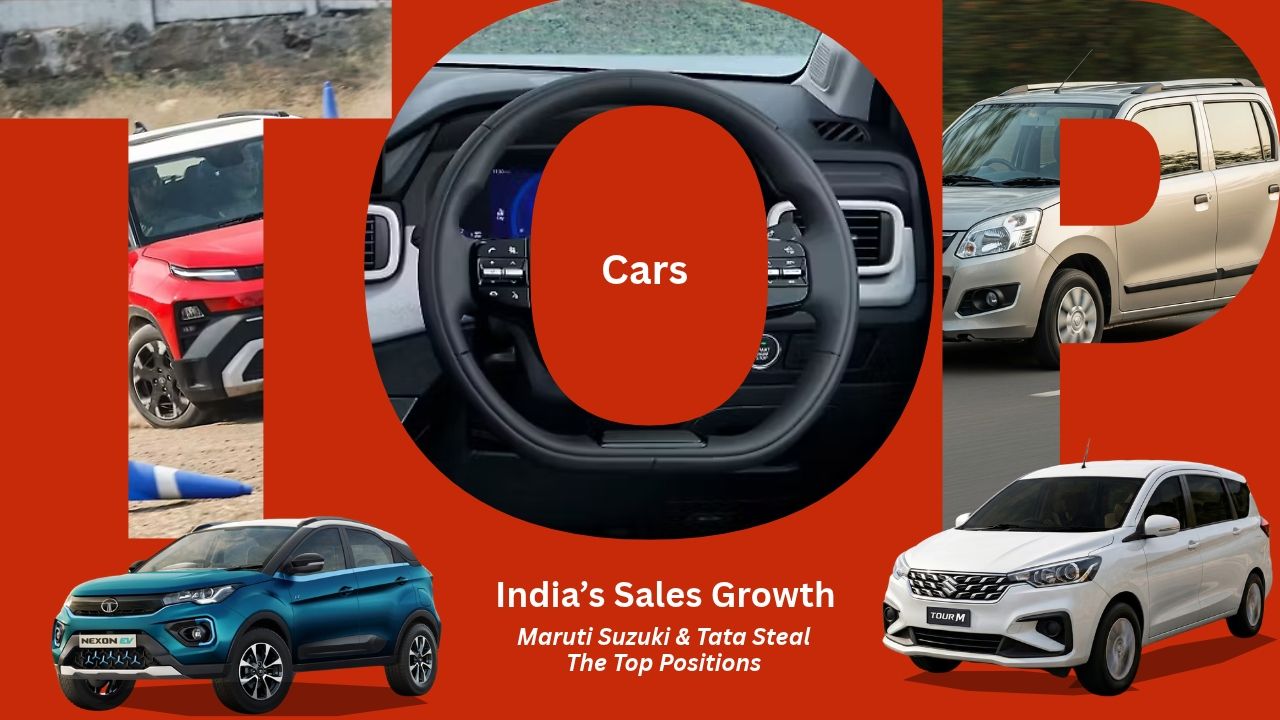
Two cars separated by 2,701 units led India’s sales chart in the first half of FY27, and one of them was a far smaller player a year ago. The top 10 cars of April to September 2026 sold 11,01,031 units, up 27.13% from 8,66,070 in the same period last year. The Maruti Suzuki Dzire finished first with 1,25,988 units. The Tata Punch, which sold 73,455 in H1 FY26, closed at 1,23,287.

Top 10 Cars in H1 FY27 

Rank Model H1 FY27 H1 FY26 YoY
1 Dzire 1,25,988 1,08,006 16.65%
2 Punch 1,23,287 73,455 67.84%
3 WagonR 1,16,029 84,942 36.60%
4 Ertiga 1,12,557 93,214 20.75%
5 Nexon 1,11,919 89,557 24.97%
6 Fronx 1,10,135 76,805 43.40%
7 Swift 1,09,332 84,123 29.97%
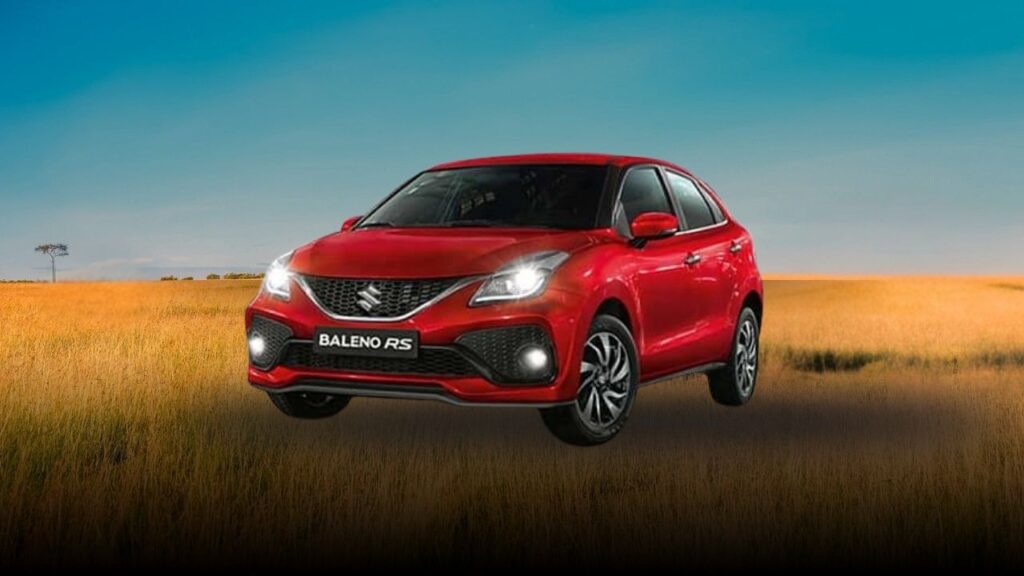
8 Baleno 1,08,569 71,989 50.81%
9 Scorpio (incl. Scorpio N) 93,488 84,634 10.46%
10 Creta 89,727 99,345 -9.68%

Positions three to eight are packed. The Fronx, Swift and Baleno finished within 1,566 units of each other, so a good month for any one of them reshuffles the middle of the table.

How Maruti Suzuki Took Six of The Top Eight Places

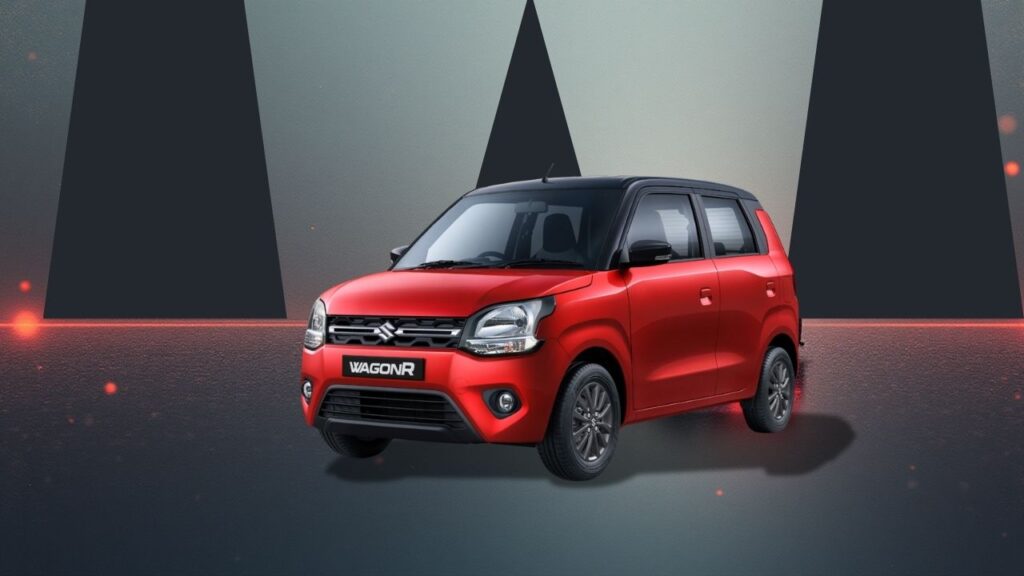
Maruti holds most positions in the Top 10 Cars ranking with its top models like Dzire, WagonR, Ertiga, Fronx, Swift and Baleno. All six models together sold 6,82,610 units, increasing 62% sales growth. No other car brand comes near this figure. Maruti takes over in every segment whether its sedan or SUV or hatchbacks, if one body style falls out, there’s another to cover for its sales.

Maruti Suzuki

Tata Motors has two entries, the Punch and Nexon, with 2,35,206 units between them, about 21% of the table. Mahindra’s Scorpio and Hyundai’s Creta hold the last two places.

One caution on the Scorpio. The 93,488 units combine the Scorpio Classic and Scorpio N but it flatters the nameplate’s rank compared with single-model entries.

Why Tata Punch Recorded The Highest YoY Gain

The Tata Punch added 49,832 units, a 67.84% jump, the biggest gain in both percentage and absolute terms. It nearly caught the Dzire from a much lower starting base. The January 2026 facelift also helped strengthen Punch to gain its ground. The updated model comes with a turbo-petrol engine option at a price of ₹5.59 lakh (ex-showroom). Tata offers more options such as petrol, CNG and electric versions, which attract every kind of buyer.

The Maruti Suzuki Baleno increased with 50.81% becoming the second-highest selling car. Its sales grew from 71,989 units to 1,08,569 units. The Fronx and WagonR also performed well in the market because both increased with 43.40% and 36.60%, respectively. The numbers are round-off but demand for these Maruti Suzuki models is still strong.

The monthly numbers show momentum shifting. The Tata Punch sales increased by 99% YoY and became India’s best-selling car in August, with 21,320 units sold which shows the demand is higher. The Maruti Suzuki Baleno took over the position with 25,392 units sold and changed the ranking in September, it increased by 93% YoY. 

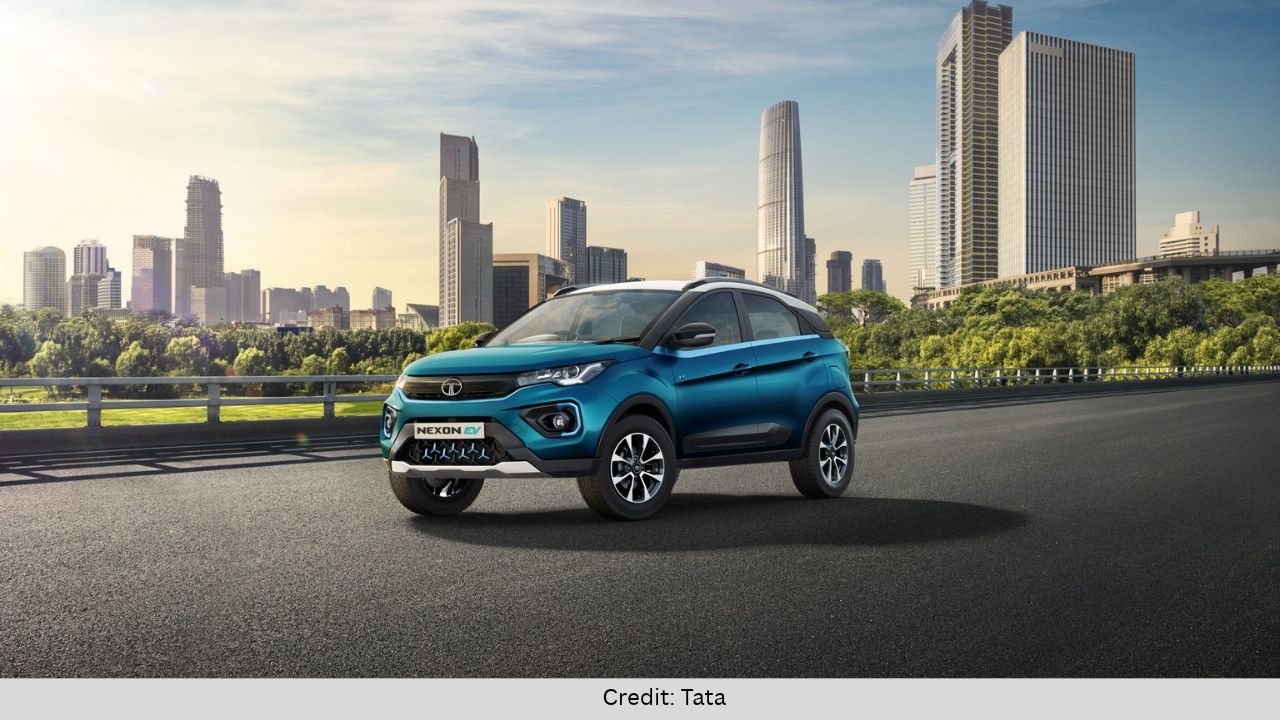
Tata Nexon

Punch came in third position with 20,333 units, recording 28% year-on-year growth and the second position is filled by the Tata Nexon. Monthly figures are dispatched from factories to dealers, so they track retail sales only loosely. Punch’s growth is slowing partly because last year’s base has caught up.

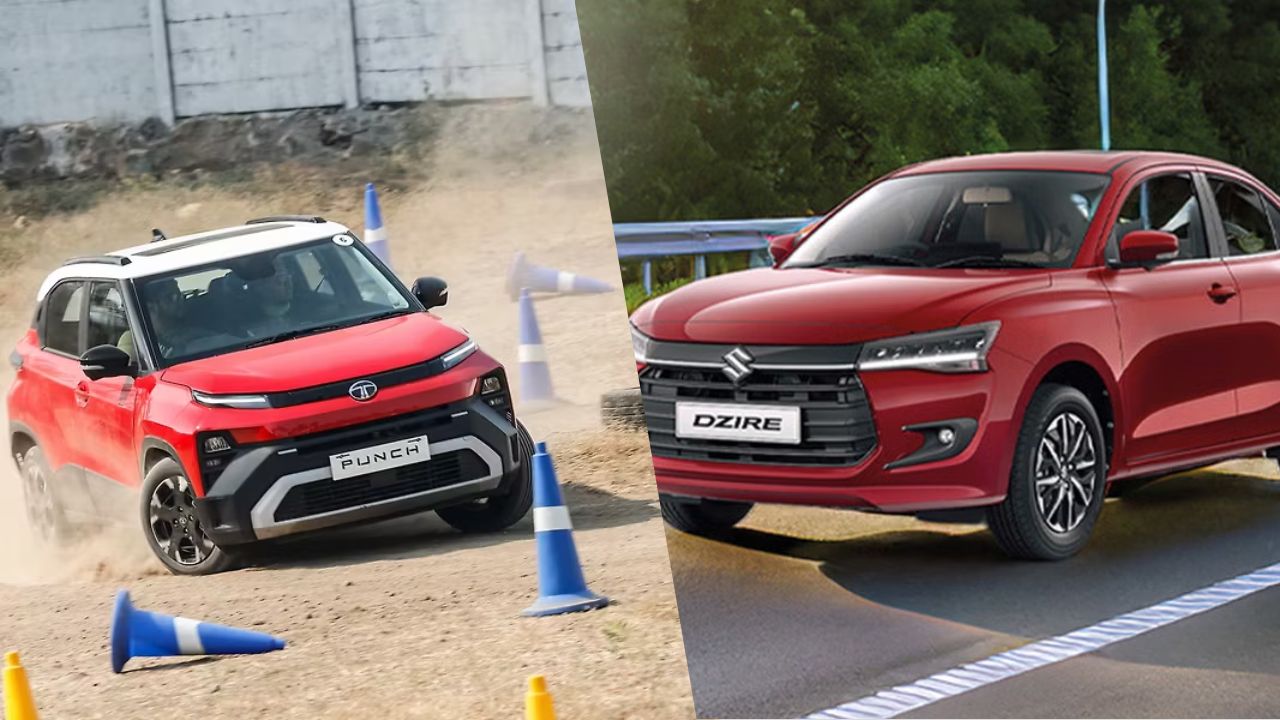
Dzire vs Punch vs Fronx: Which One Should You Buy?

The top two cars are different kinds of vehicle, so the Top 10 Cars chart can’t tell you which suits you.

The Dzire is the sensible pick for a family that wants a sedan with low running costs. It is a 1.2-litre three-cylinder petrol, with a CNG version, and starts around ₹6.26 lakh. Its claimed mileage is in the mid-20s kmpl on petrol. Choose it for efficiency and a proper boot.

The Punch is the pick if you want an SUV’s seating height and ground clearance at hatchback money. It starts at ₹5.59 lakh and gives you more powertrain choices than the Dzire, including an EV. The trade-off is a smaller boot than a sedan offers.

Dzire vs Punch

The Fronx costs more, from about ₹6.85 lakh, but offers a 1.2-litre petrol and a 1.0-litre turbo-petrol. It sold 1,10,135 units against the Punch’s 1,23,287. Buy it over the Punch if you want a coupe-style roofline and more punch from the turbo engine, and accept paying about ₹1.3 lakh extra at the entry level.

The Nexon, starting around ₹7.40 lakh, is the step up. It sits fifth, up 24.97%, and it was second in September, so Tata’s mid-size SUV isn’t fading as the Punch rises.

The Creta was the only model to shrink: 89,727 units, down from 99,345 (-9,618 units, -9.68%). The reason for the drop is still unconfirmed from the officials. A single half-year doesn’t make a trend, but a 10% fall in a segment that grew 27% overall is worth watching.

Conclusion

If you want the lowest running cost, shortlist the Dzire. If you want an SUV for the least money, shortlist the Punch. Both are within 2,701 units of each other, so sales volume won’t help you choose. Check these Top 10 Cars current ex-showroom prices and festive-season discounts at a dealer before you decide, since both change month to month.

0

Hatchbacks Make a Comeback as GST 2.0 Tax Relief Boosts Demand in India

Hatchbacks Make a Comeback

Hatchbacks Make a Comeback due to drastic policy change in late 2025 which turned around the Indian auto industry. With the changed GST rules alleviating the tax on small cars, affordability once again took centre stage, especially for middle class buyers. With the prices settling and the value for money improving, these small, functional cars again became the go-to cars for first time car lovers and city commuters in the whole nation. 

A Major Tax Reform

The industry’s moment of truth came on September 22, 2025. The Indian GST Council announced a big tax slash to make small cars more affordable to middle class. 

Key Changes in Taxation

Earlier, small cars were weighed down by a complicated tax regime. The new regime simplified this to a great extent:

  • Old Tax Rate: Shipment of goods was 28% GST and additional 1% to 2% cess which took the total tax burden to about 30%. 
  • New Tax Rate: 18% GST fixed rate with no additional cess.
  • The car should be under 4 metres in length and must have an engine capacity of not more than 1200cc in the case of petrol models or 1500cc for the diesel variants. 

Direct Impact on Car Prices

The cut in tax resulted in a nearly instantaneous fall in prices at the showroom. For a lot of families, that just made owning a car went from a distant dream to something they could really afford.

Hatchbacks Make a Comeback

Price Comparison of Popular Models

The tabulation below shows how some of India’s favourite hatchbacks were impacted on-road by the tax reduction: 

Car Model Previous Price (Approx.) New Price (Approx.) Total Savings
Maruti Suzuki Swift ₹8.44 Lakh ₹7.66 Lakh ₹78,000
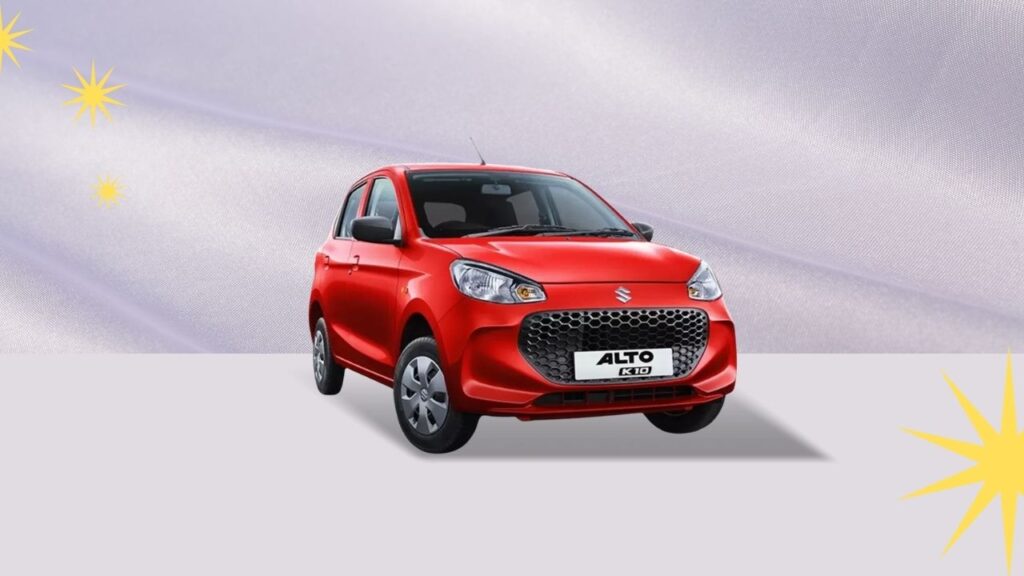
Maruti Alto 25-30% Reduction ₹3.70 Lakh Significant
Maruti S-Presso 25-30% Reduction  ₹3.50 Lakh Significant

Market Performance and Sales Growth

The post-reform numbers tell of a swift turnaround. Fourth Quarter (oz 2025 Nail Hatch) Hatchbacks recorded a significant rise in market share.

  • Market Share Gain: Hatchbacks accounted for 24.4% of total vehicle sales, up from 23.5% earlier this year.
  • Growth on the year-over-year basis remained robust with the top-selling models Hyundai i20 and Tata Altroz witnessing sales growth of 20% over the same period last year. 
  • New Buyers: First-time buyers have risen by 5% at Maruti Suzuki, indicating that the tax relief was well targeted at those graduating from two-wheels. 

The Maruti Suzuki Success Story

Maruti Suzuki which is the undisputed leader in the small car segment witnessed the most dramatic results. In December 2025, these entry level models alone saw a growth of 91.8% year-on-year. The surge was so high that the waiting period for new cars reached up to six weeks in a few cities. 

The Maruti Suzuki Success Story

Why the Resurgence Matters

It is a retaliation that is more than just about slashing prices and it is in fact addressing the basic Indian consumer psyche. With stringent safety and emission norms pushing up car prices, the middle class had started worrying if it would be able to afford one, and the tax relief significantly brought back these and other consumers. 

At the same time, removing the cascading tax—tax on tax—allowed the entire production line to become more efficient and less costly. But more than anything, it revived the long-nurtured “first car” dream since hatchbacks are the most viable and easiest means to become a four-wheeler owner for lakhs of two-wheeler users across the country. 

Is the Comeback Sustainable?

Although the pace of growth is impressive now, experts are cautiously optimistic. The biggest challenge continues to be the long-term change in consumer taste away from cars and towards SUVs, which a large number of customers consider to be safer or more upscale. 

Outlook for 2026:

  • Tata Motors anticipates its hatchback portfolio to grow in the range of high-teens to 20% in the next few months.
  • Market Correction: analysts are keenly eyeing the January–March 2026 quarter to determine whether this represents the start of a permanent correction in the market or just an over-reaction to the price declines. 

Read More:-  Sultan Hassanal Bolkiah Car Collection: Inside the World’s Largest Garage

Conclusion

The GST 2.0 clarification has breathed new life into the hatchback segment. After killing the small car segment in the navy, the government has stimulated the engine of the Indian car industry by making small cars accessible once again. Can hatchbacks make a full comeback and retake the title from SUVs is yet to be seen, but they are definitely back in the race, for now.