0

Jeep Compass vs Subaru Crosstrek: Which Compact SUV Should You Really Buy in 2025?

Published May 29, 2025, 6:00 AM
Last Updated Apr 13, 2026, 12:33 PM

Subaru Outback vs Jeep Grand Cherokee Don’t Buy Until You Read This!

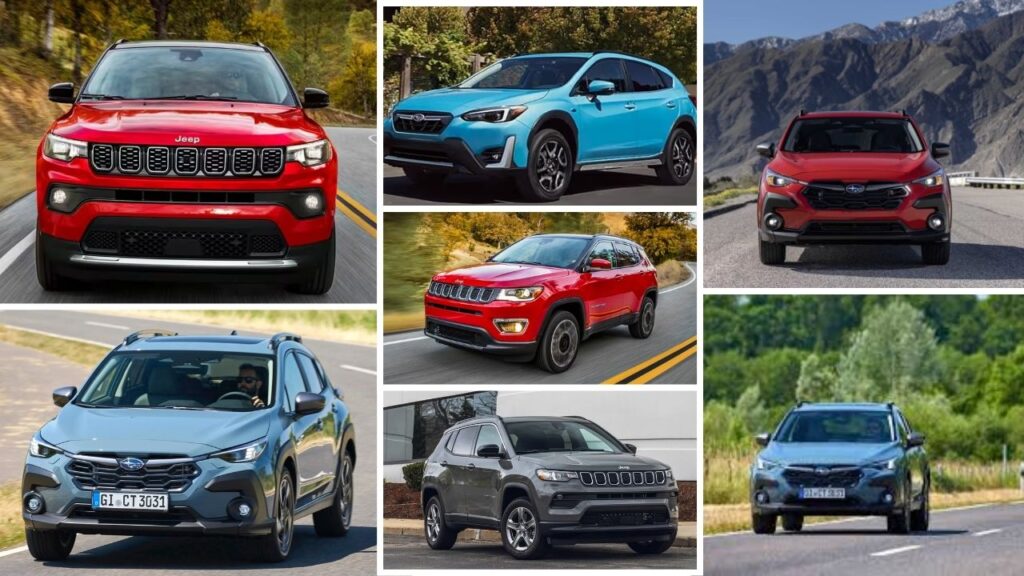
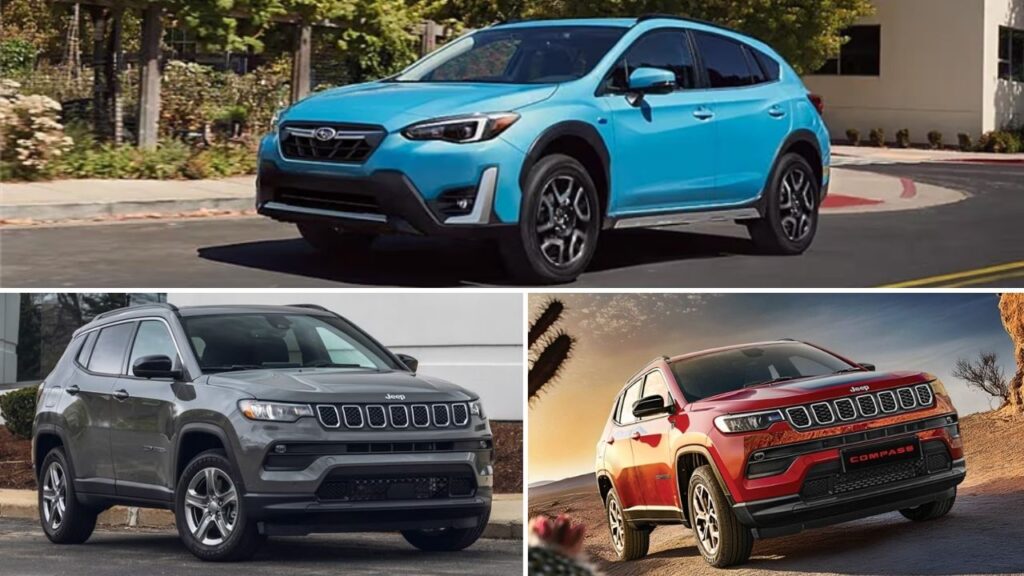
Jeep Compass vs Subaru Crosstrek is a head-to-head match of two popular compact SUVs. Both cars promise good looks, comfy seats, and daily use ease. 

We look at design, power, fuel use, price, space, and safety. By the end, you can pick the right SUV for you.

Design and Comfort of Jeep Compass vs Subaru Crosstrek

The Jeep Compass sports a bold front grille and round headlights. It gives a sturdy feel. Inside, you sit a bit higher than in many cars. You get a clear view of the road. The cabin uses hard plastic and some soft touch spots. The seats feel firm. They give good support on short and long drives.

The Subaru Crosstrek shows off a rugged look. The Crosstrek sits on a lifted suspension. You get about 8.7 inches of ground clearance. The cabin has a simple layout. The dash holds big knobs for climate controls. You also get a touchscreen that sits tall on the dash. The seats in the Crosstrek feel soft. They soak up bumps well. Overall, both SUVs give a comfy ride. The Compass leans more urban, while the Crosstrek leans more adventure.

Engine and Performance of Jeep Compass vs Subaru Crosstrek

The Jeep Compass features a 2.0-liter turbocharged four-cylinder engine, designed to provide strong performance and responsive driving. It makes 200 horsepower. Jeep pairs it with an eight-speed automatic gearbox. The Compass steers with ease in city roads. It also takes dirt roads with a firm grip. The Compass offers four-wheel drive. You can choose it on higher trims like the Trailhawk. It also tows up to 2,000 pounds. This boost helps if you need to pull a small trailer.

Jeep Compass vs Subaru Crosstrek

The Subaru Crosstrek comes standard with a 2.0-liter boxer engine that makes 152 horsepower and 145 lb-ft of torque . You can upgrade to a 2.5-liter boxer engine. This engine makes 182 horsepower. The CVT gearbox offers smooth shifts. The Crosstrek holds the road well in rain and snow. It also handles light off-road tracks. The two engine options give you a choice between better fuel use (with the 2.0-liter) or more power (with the 2.5-liter).

Fuel Economy

The Jeep Compass shows modest fuel numbers. It offers up to 24 mpg in the city and 32 mpg on the highway. You get a combined 27 mpg. These numbers hold for all trims. The Trailhawk trim can dip a bit under heavy load. Overall, the Compass keeps its thirst at bay for its size.

The Subaru Crosstrek outshines the Compass in fuel use. The base Crosstrek with the 2.0-liter engine scores up to 27 mpg in the city and 34 mpg on the highway. That gives about 29 mpg combined. Even the more powerful 2.5-liter engine still hits about 27 city and 33 highway mpg on most trims. The Wilderness trim, built for rough trails, drops slightly to about 25 city and 29 highway mpg. For daily travel, the Crosstrek gives better range and fewer stops at the pump.

Space and Cargo

Jeep Compass offers up to 59.8 cubic feet of cargo room with the rear seats folded. With seats up, you get about 27.2 cubic feet. The Compass holds a good amount of gear for a weekend trip. The boxy shape helps stack items. Rear seat passengers get 39.6 inches of legroom.


The Subaru Crosstrek offers a maximum cargo capacity of up to 55.3 cubic feet when the rear seats are folded down. Upright, you see about 20.8 cubic feet of space. You also get a flat load floor, making it easy to slide heavy items in. Rear legroom sits at 36.5 inches. The Crosstrek can carry bikes on its roof and handle gear in the back.

Price and Value of Jeep Compass vs Subaru Crosstrek

The 2025 Jeep Compass starts at $25,900 for the base Sport trim. The top Trailhawk trim runs about $32,990. Most buyers choose the Latitude or Limited trims in the $27,000–$30,000 range. Jeep packs in Uconnect 5 NAV with a 10-inch touchscreen and an Alpine premium audio system on higher trims.

The 2025 Subaru Crosstrek base trim starts at $26,560. The Premium trim is about $27,810. Higher trims like Limited and Sport go up to $32,000 or more. Subaru adds EyeSight Driver Assist, STARLINK multimedia, and dual-function X-MODE on select trims. The Crosstrek comes with all-wheel drive as standard. This is a plus if you live in a place with snow or rain.

Safety and Tech

Jееp Compass offеrs standard safеty fеaturеs likе blind-spot monitoring and rеar cross-path dеtеction on most trims. Highеr trims add adaptivе cruisе control and lanе dеparturе warning. You also gеt trailеr sway control.

Subaru Crosstrеk shinеs in safеty. It scorеs 5-Star Ovеrall Vеhiclе Scorе from NHTSA and еarns top picks from Consumеr Rеports. Thе standard EyеSight Drivеr Assist systеm includеs advancеd fеaturеs such as adaptivе cruisе control, prе-collision braking, and lanе kееp assist to еnhancе safеty and drivеr confidеncе. STARLINK Safеty and Sеcurity adds automatic collision notification and stolеn vеhiclе rеcovеry. 

Which One Should You Pick?

Both SUVs aim at buyers who want a small, easy-to-drive SUV. The Jeep Compass wins if you want a more polished cabin and a turbo engine feel. It also tows more and has a higher cargo volume. The Subaru Crosstrek wins if you want standard all-wheel drive, better fuel use, and top safety scores. The Crosstrek also sits higher from the ground, making it more ready for light off-roading.

Conclusion

Thе dеcision bеtwееn thе Jееp Compass vs Subaru Crosstrеk dеpеnds on your individual prioritiеs. Thе Compass offеrs grеatеr еnginе powеr and morе cargo spacе, making it a strong option for thosе who valuе pеrformancе and utility. The Crosstrek brings better fuel use and off-road guts. Both stand strong in safety and comfort. 

Pick the Compass if you need a city-friendly ride with towing ease. Pick the Crosstrek if you want more miles per gallon and a trusty all-wheel drive system. In the end, either SUV will serve you well on roads and trails alike.

Sharey Khan

Sharey Khan is an IT entrepreneur and petrol head & a car enthusiast. With a special focus on car-related content, he combines his deep passion for vehicles with a talent for crafting informative, engaging, and easy-to-understand content. His writing is driven by a genuine love for cars and he is committed to providing readers with accurate, up-to-date, and trustworthy information that empowers smarter driving decisions. 

Leave a Reply

Your email address will not be published. Required fields are marked *

0

Tata Nexon EV vs MG ZS EV: Choose the Electric SUV That Fits Your Lifestyle

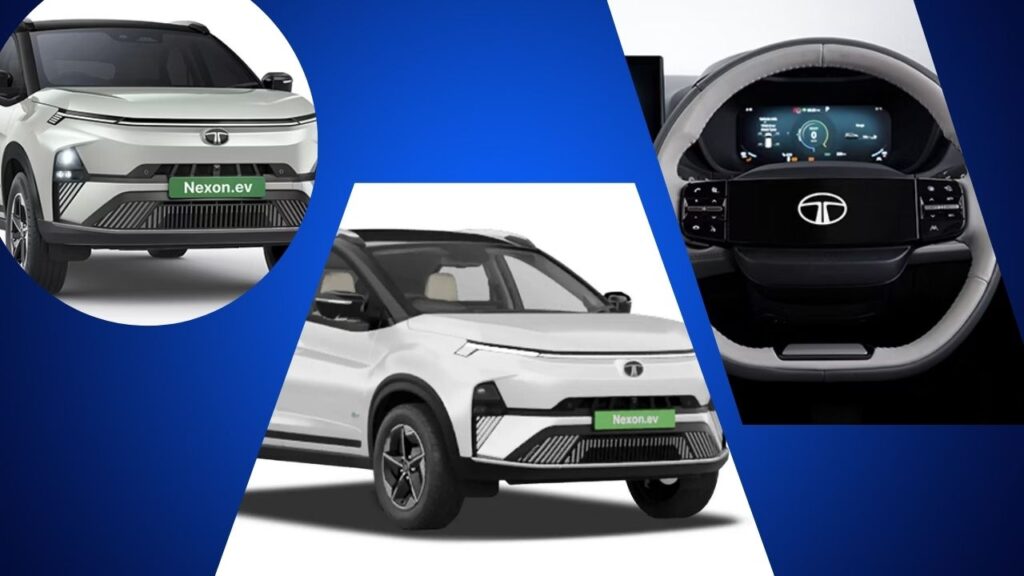
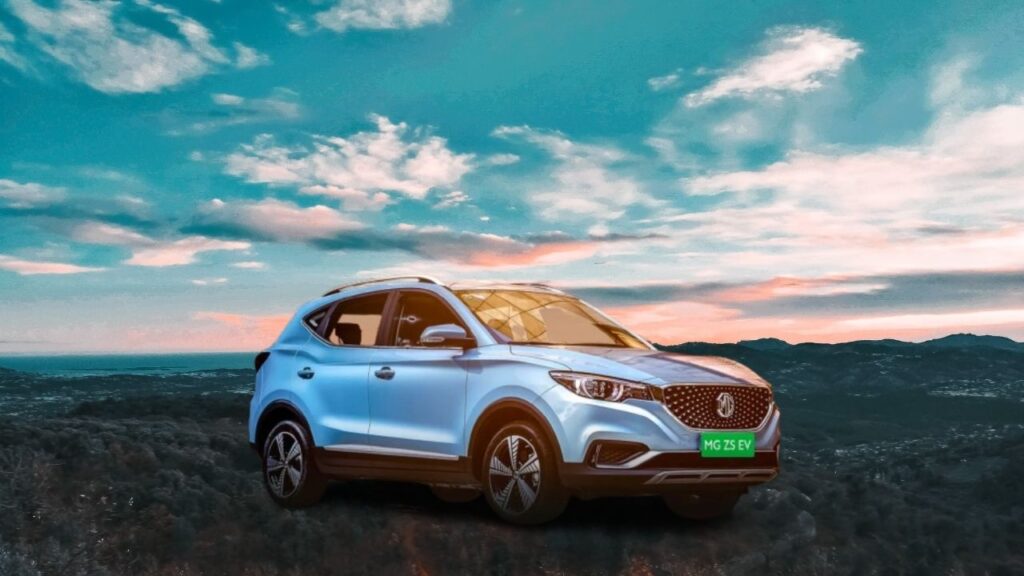
Tata Nexon EV vs MG ZS EV

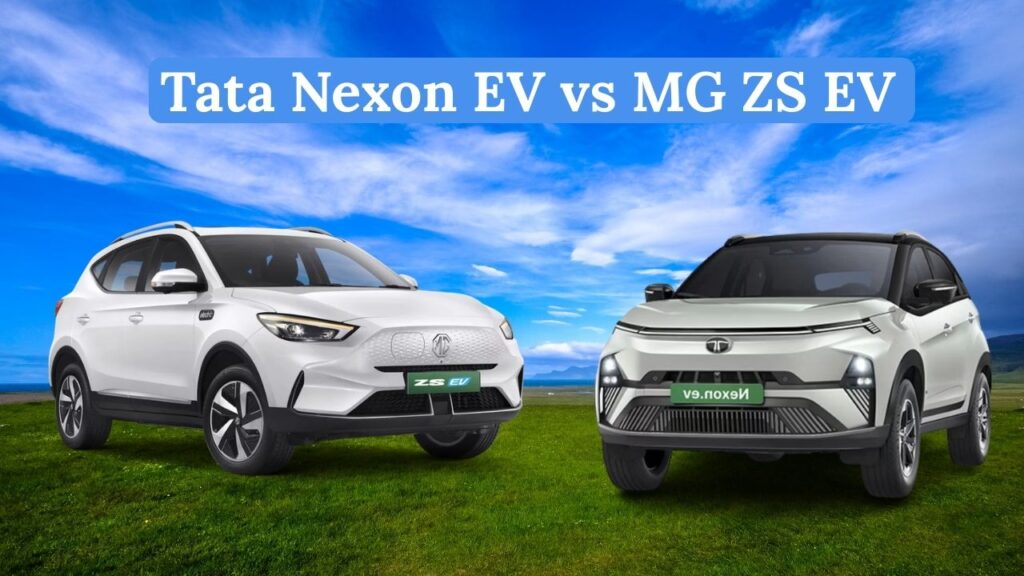
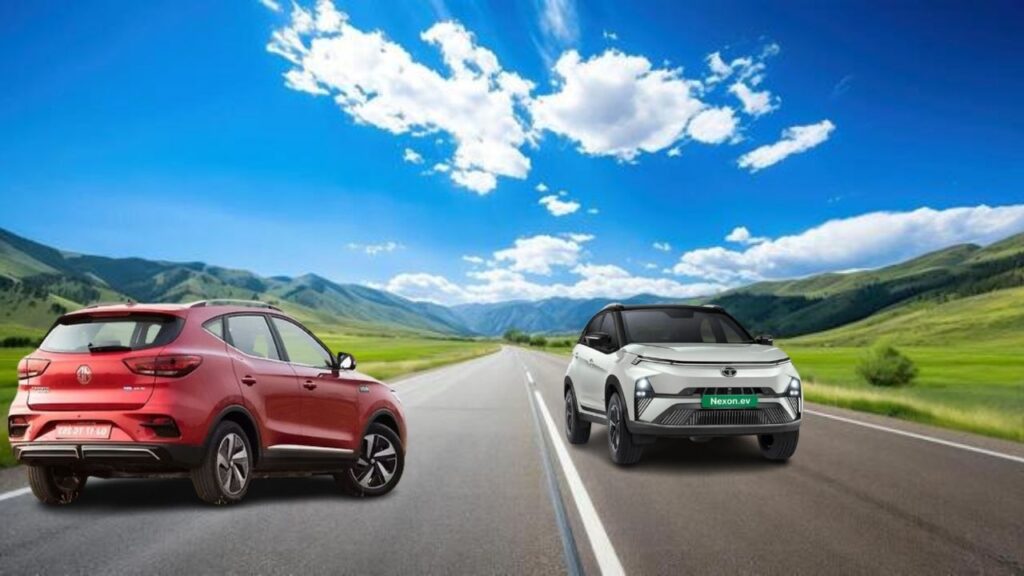
If you’re considering an electric SUV this decision can be hard to make and exciting at the time. Do you opt for maximum value and ease on the budget, or do you splurge a little for a modicum of premium comfort, tech and punch? That’s where this comparison Tata Nexon EV vs MG ZS EV has a clear interesting factor.

Tata Nexon EV vs MG ZS EV are two of India’s best electric vehicle contenders, however, they are dual solutions for very different kinds of buyers. One is about intelligent functionality and mass market access, the other is about refinement, power and high-end aspirations. Let’s take a real, no BS look at them and help you decide which one really fits your life. 

Pricing: The Accessibility Factor

This is where the entire equation changes. The Tata Nexon EV starts at a very affordable ₹12.49 lakh (ex-showroom) for the Creative Plus Medium Range variant, making it one of the cheapest premium electric SUVs in the country. Even the fully loaded Empowered Plus A 45 Dark Edition tops out at ₹17.49 lakh, and for what it is, that doesn’t seem too bad at all.

The Accessibility Factor

In contrast, the MG ZS EV is more of a premium offering. Prices begin from ₹17.99 lakh for the Executive variant and go up as high as ₹20.50 lakh for the Essence variant. That’s a big jump, roughly a difference of ₹5.5 lakh already at the base level. And honestly, that difference in price could be all it takes to sway thrifty customers who want to squeeze the most value for their money, but aren’t looking to go too far.  

Battery & Range: Two Different Philosophies

Tata provides a pair of battery choices for its cars: a 30 kWh Medium Range (MR) pack, whose range has been certified by ARAI as 325 km and a 45 kWh Long Range (LR) variant that offers a range of 489 km. The MR models pack a 127 bhp motor while the LR versions offer more power with a 143 bhp motor. 

Two Different Philosophies

MG adopts a one-size-fits-all solution, with a 50.3 kWh prismatic cell battery offering 461 km of range and 174.33 bhp that way more power than even the Nexon EV’s top trim. For the highway buffs, the ZS EV’s extra grunt and uniform range across all variants is an eye catcher. 

Variant Breakdown: Choices vs. Simplicity

Brand Trim/Variant Price (₹ Lakh, ex-showroom) Key Features
Tata Curvv EV Creative Plus MR 12.49 Smart digital DRLs, LED headlamps, 6 airbags, 17.78 cm touchscreen
Fearless (range) 13.29 – 14.99 26.03 cm cinematic display, wireless Android Auto/Apple CarPlay, 16-inch alloys
Empowered (range) 14.79 – 17.49 360° camera, panoramic sunroof, ventilated seats, JBL sound, ADAS Level 2 (on Empowered Plus A)
MG Executive 17.99 50.3 kWh battery, Smart featuring technology with good interior
Excite Pro 18.50 (Builds on Executive; specifics not detailed)
100 Year Edition 19.50 (Special edition; builds on lower trims)
Exclusive Plus 19.50 360° cameras, leather seats, 6-way power driver seat, wireless charging
Essence 20.50 Everything for safety in ADAS 2

Connecting Experience with Great Features

Tata Nexon EV vs MG ZS EV have tech to talk up. Tata Arcade.ev suite of applications delivers OTT streaming, games and navigation to the 31.24 cm touchscreen on higher variants. Special features include Vehicle-to-Load (V2L) and Vehicle-to-Vehicle (V2V) charging – run your home appliances or aid another EV owner. The Red Dark Edition also features exclusive carbon black exteriors with red-themed interiors for ₹17.19L–₹17.49L.

Connecting Experience with Great Features

MG follows up with i-SMART 2.0 with 75+ connected features. The dual paned panoramic sky roof, JBL audio(DLR fitment) and digital Bluetooth key are the noticeable additions. What differentiates MG is the uniformity across the board — the 50.3 kWh battery and 461 km range are standard on all variants, while Tata’s lowest rung buyers must make do with 325 km. 

Top Safety

Tata Nexon EV vs MG ZS EV makers focus on safety. The Nexon EV also has 5-star Bharat NCAP ratings, 6 airbags as standard across variants, ESP with i-VBAC, and ADAS in the top trims .MG matches with 6 airbags, ABS+EBD and a suite of advanced MG Pilot driver aids even includes lane departure warning and blind-spot detection on higher variants. 

Read More:-  2026 Isuzu V-Cross Launched at ₹25.50 Lakh, 4×2 Trims Discontinued

Conclusion

Go for the Tata Nexon EV if content with the best electric mobility bang for your buck. At ₹12.49L, it’s almost ₹5.5L cheaper than MG’s threshold, and the variety of variants means you can purchase just what you need. The 45 kWh Long Range variant at ₹13.99L (Creative 45) has a range of 489 km — a clear winner against MG’s 461 km — for ₹4L lesser than the ZS EV Executive.

Choose the MG ZS EV if the performance and premium feel matter to you. The 174 bhp power output smashes Tata’s 143 bhp, and the uniform 50.3 kWh battery means you now have range anxiety irrespective of variant. ADAS Level 2 suite on Essence variants is said to be more feature-rich than Tata’s variant.

Nexon EV makes electric mobility a mass market product; the ZS EV pleasures those with more money to spend on continuous refinement. Tata Nexon EV vs MG ZS EV are the face of India’s EV revolution – just at different price-points. 

1

Maruti Suzuki Cars Are Coming To India by 2027 

Published Sep 24, 2026, 12:54 PM
Last Updated Sep 26, 2026, 8:42 AM

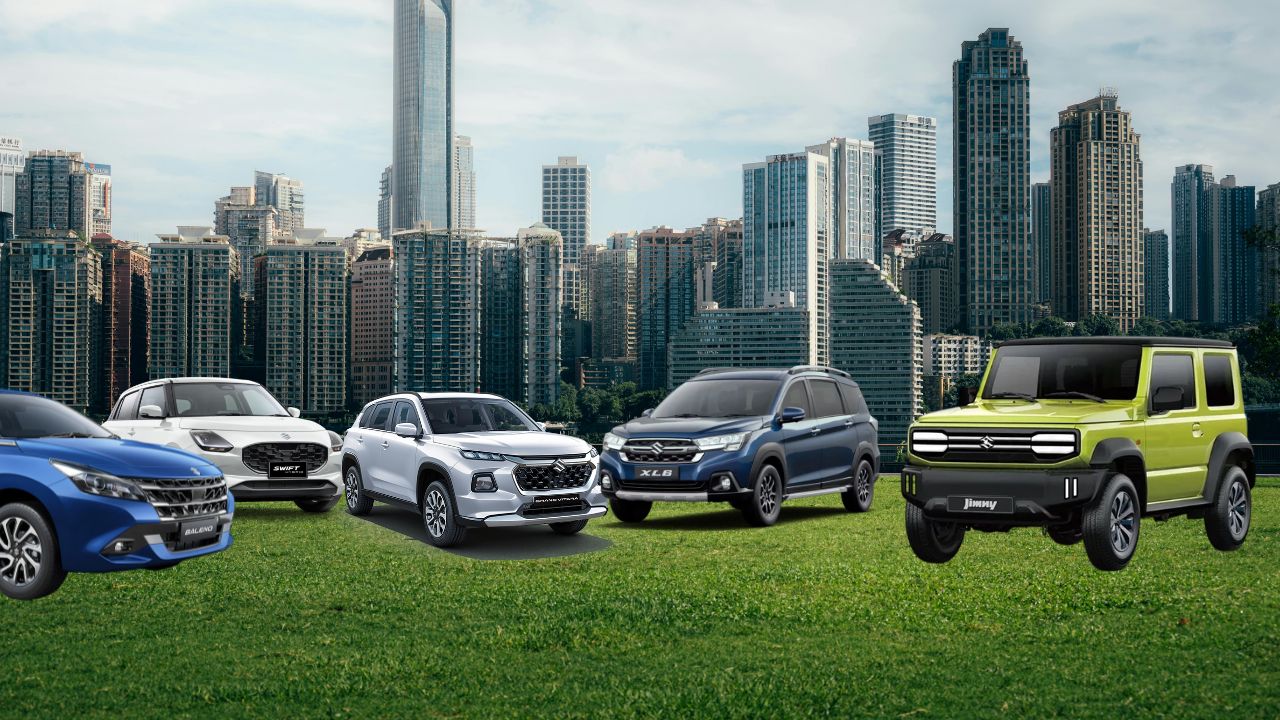
Maruti Suzuki Cars

Maruti has spent years being accused of moving slowly on electrification while rivals like Tata and Mahindra grabbed EV headlines. Ahead of 2027, the Maruti Suzuki Cars maker is lining up a mix of facelifts, hybrid upgrades, and proper EV expansion. The country’s largest carmaker keeps the promise of affordability, high-volume electric vehicles (EVs), and strong-hybrid powertrains to Indian buyers.

The Facelifts: Familiar Faces, New Tech

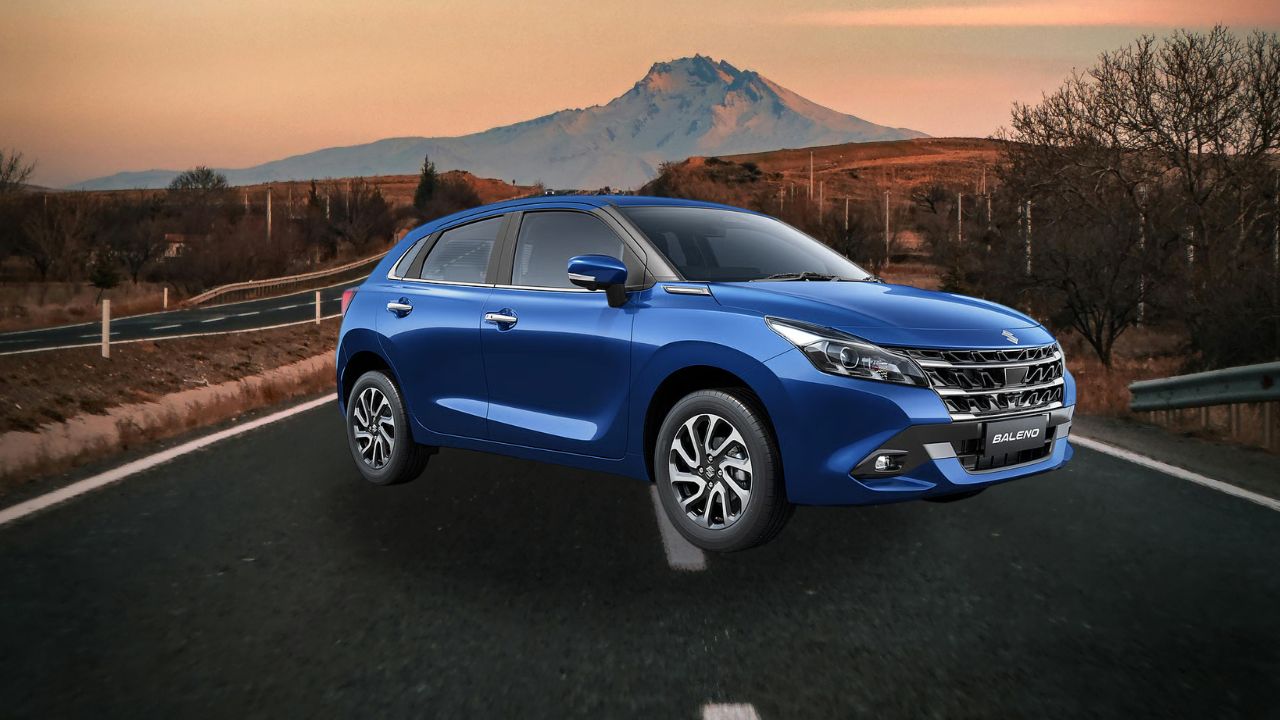
Maruti Baleno Facelift 

Maruti Suzuki introduced the updated Baleno base Sigma variant in September 2026 at ₹6.10 lakh, followed by a post-launch price correction down to ₹5.98 lakh (ex-showroom).

Maruti Baleno

Across its broader lineup, the Baleno spans an estimated price range of ₹6.00 lakh to ₹9.50 lakh (ex-showroom) depending on the trim and powertrain setup.

Powertrain Baleno Offers:

The new Baleno facelift offers 83 PS of power and 112.4 Nm of torque by the natural 1.2L Z12E 3-cylinder petrol engine. It runs with a 5-speed manual transmission on a mileage of 23.8 kmpl but assume these numbers as a guess point because it’s ARAI-claimed not a real world driving range. But reports say there has been an improvement of ~1.45 kmpl in the AMT version. 

The upper variant offers the same transmission with torque converter automatic options. CNG options are available, take a look at other variants in a table:

Variant Petrol MT Petrol AMT CNG MT CNG AMT
Sigma ₹5.99 lakh – – –
Delta ₹7.00 lakh ₹7.50 lakh ₹7.92 lakh ₹8.32 lakh
Zeta ₹8.00 lakh ₹8.50 lakh ₹8.92 lakh ₹9.32 lakh
Alpha ₹9.10 lakh ₹9.60 lakh – –
Alpha+ (O) ₹9.50 lakh ₹9.99 lakh – –

CNG offers the same engine but  power of 70 PS and 102 Nm of Torque. The mileage has increased up to 33.61 km/kg, that’s what makes people buy the CNG variant.

The design of Baleno facelift is noticeably changed to represent the Maruti evolution. On the front, a revised grille with new pattern and chrome accents, top trims offer LED DRLs, projectors along with a larger air dam and fog‑lamp.

New 15‑inch diamond‑cut alloy wheel design making a vehicle more aesthetic with minor tweaks to cladding on the sides. The back of Baleno facelift is extra attractive — New LED combination tail‑lamps with updated light signature. These new updates don’t make the car lose real value, it keeps silhouette, dimensions and ground clearance remain broadly similar to the pre‑facelift Baleno.

Upcoming Baleno Brings Safety & Comfort

Blue-and-grey dual-tone cabin with fabric seats to make the passenger comfortably sit. It comes with 318L boot space and 37L fuel tank. Any new car owners will drive it comfortably with updated safety standard — 6 airbags, Electronic Stability Control (ESC), ABS with EBD, Hill-Hold Assist, ISOFIX child-seat mounts, and reverse parking sensors.

Inside the Cabin, additional convenience features are given including a big display and connectivity. 

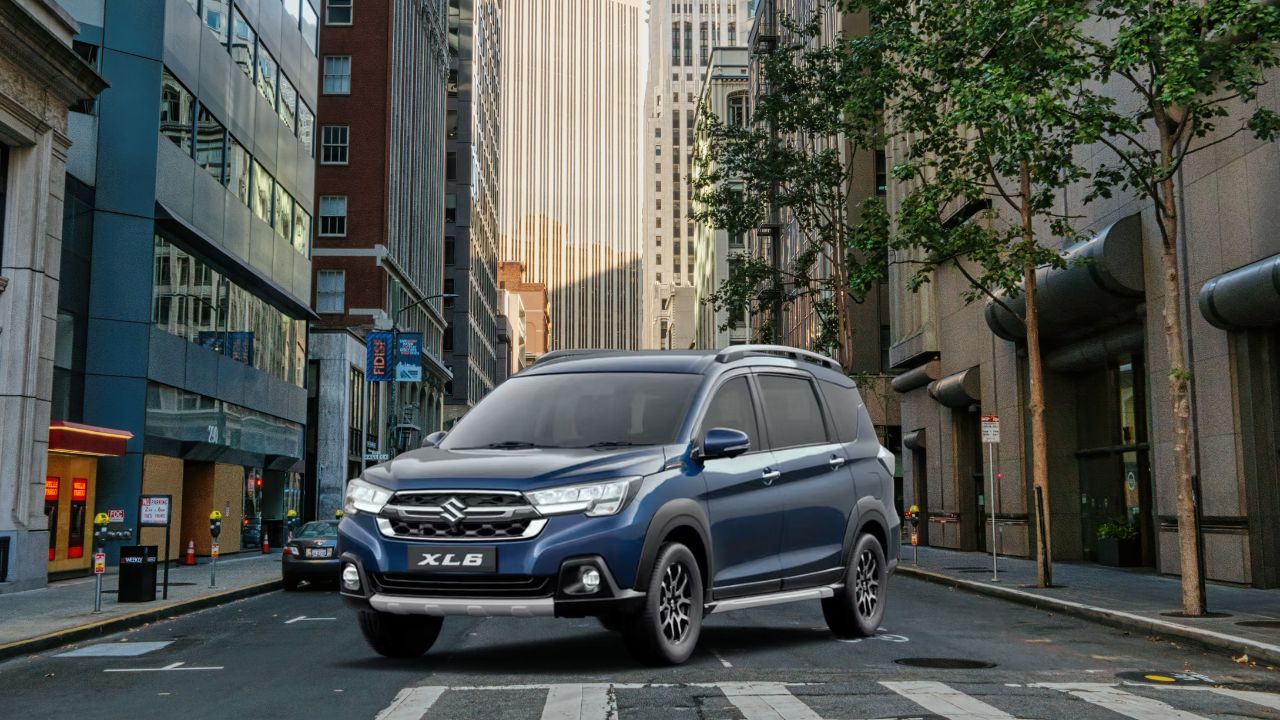
XL6 facelift Is Coming With More Features 

XL6 facelift is expected to come in festive season 2026 based on various reports on a price range of ₹11.50 — 14.50 lakh (ex‑showroom). The XL6 facelift follows the Suzuki XL7 facelift design language so it has a more SUV-like look. But body size and 6-seater layout is unchanged. 

XL6 facelift

Power Maruti Suzuki XL6 facelift is Offering

XL6 facelift offers the same 1.5L K‑series naturally aspirated petrol engine to both petrol and CNG variants. But the power range is different, petrol produces 103 PS of power and 139 Nm of torque while CNG gives 88 PS of power and 121 Nm of torque. Petrol base is ARAI claimed around 20.27–20.97 kmpl with torque‑converter automatic and CNG is given around 26.32 km/kg.

Exterior and Interior of XL6 facelift

The upright grille is bolder, new pattern and chrome accents, having a sleek DRL signature which sets a premium look on a SUV-like hatchback. Maruti also redesigned the front bumper with larger air dam and fog‑lamp housings in higher trims. A 16-inch wheel driving a XL6 facelift with an updated LED tail‑lamps and new light graphics.

The interior also updates with enhancing voice commands and connected car tech power. A digital display for infotainment, push‑button start, auto climate control, cruise control improves the connectivity convenience. 

There are safety measure including 6 airbags, ABS with EBD, ISOFIX child seat mounts

which secure the passengers from any crash along with more additional features like Electronic Stability Program, Rear parking sensors, and TPMS. The higher trims give more ADAS safety features. 

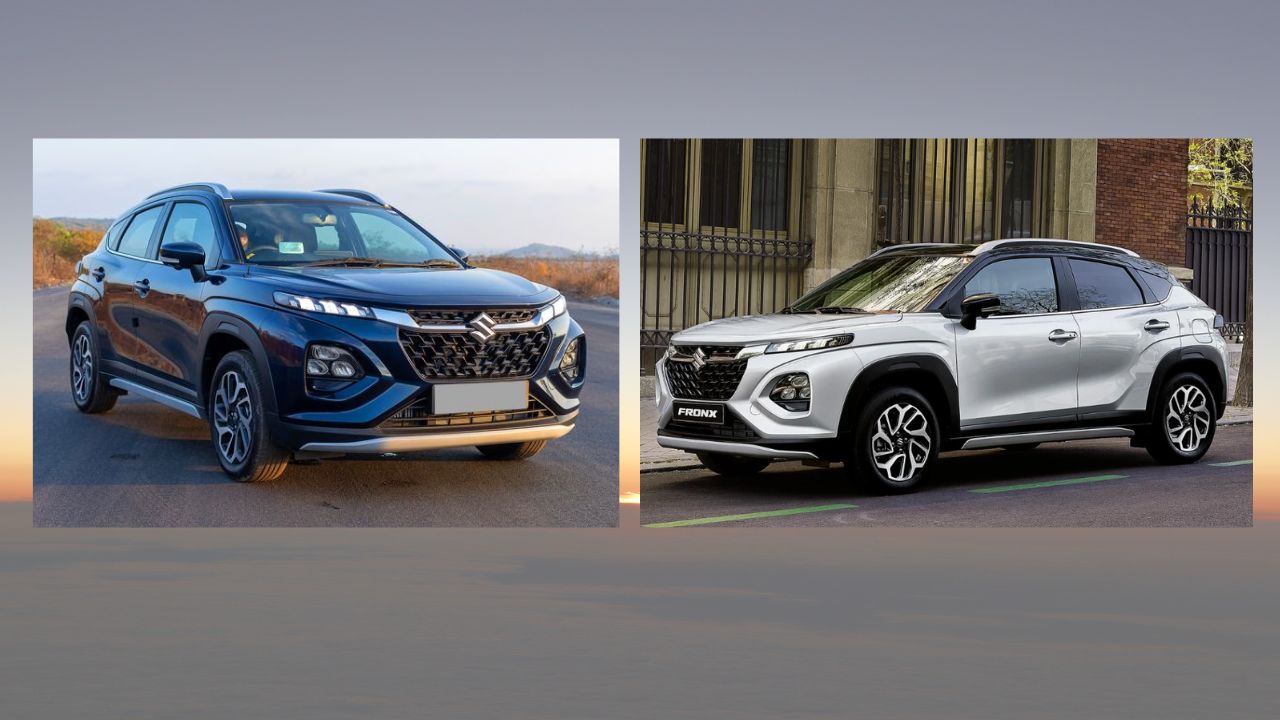
Fronx facelift Arriving 2026 End

Fronx facelift, arriving sometime between November 2026 and early 2027, priced between ₹12 lakh and ₹14 lakh. This one’s more interesting because it’s expected to bring both mild and strong hybrid options to the table — a genuine step up in powertrain sophistication for what’s currently a straightforward petrol crossover.

Fronx facelift

The Fronx EV is positioned as an affordable mass‑market EV under the e‑Vitara. The specification and fuel efficiency is remarkable, with 35 kWh battery capacity it runs around 300 km then you have to charge it again. Fronx brings the engine power of 100 bph with 220 Nm of torque and the top speed  is given around 140 km/h on a front wheel drive with single transmission. 

The body design, safety kit and interior is almost the same as petrol one. There’s speculation that it comes with a DC fast charging option which changes the Fronx at 40–50 minutes. This would be Maruti’s second dedicated EV after the e-Vitara, and a born-electric three-row MPV is not something the Indian market has really seen from a mass-market brand yet.

Next Gen Bigger Arrival of Maruti Suzuki Cars

Here’s where things get genuinely exciting. Maruti’s electric journey started with the e-Vitara, but 2027 is when the company appears ready to build out an actual EV lineup rather than a single showcase model.

The Grand Vitara Goes Bigger

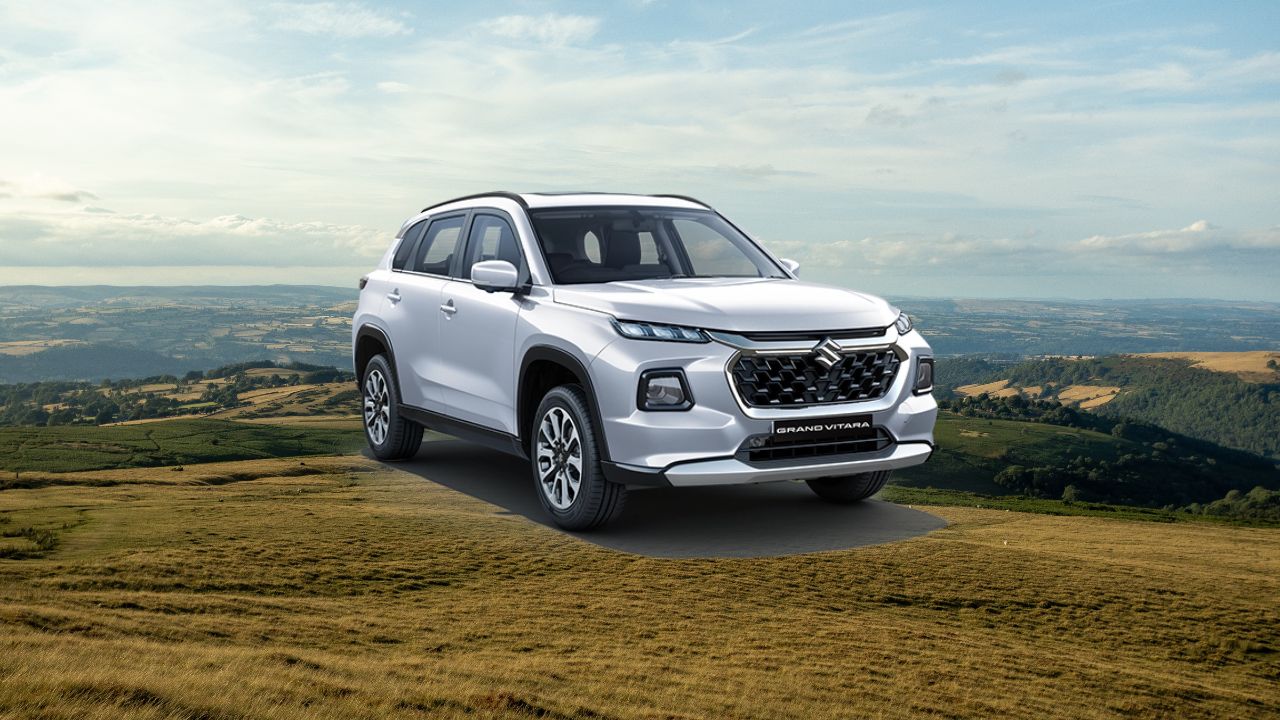
One of the more anticipated updates is the Grand Vitara’s hybrid refresh and new 7-seater variant, expected between December 2026 and early 2027, priced from around ₹11.5 lakh up to ₹23 lakh at the top end. 

The strong-hybrid powertrain already gives the Grand Vitara excellent efficiency numbers, and stretching it into a three-row layout (reportedly under the internal codename Y17) opens it up to family buyers who currently have to look elsewhere — think Hyundai Alcazar or Tata Safari territory — for a three-row SUV from a trusted brand.

The Grand Vitara Goes Bigger

Powertrain and Body Style of Vitara

Grand Vitara’s Strong‑hybrid system offers 1.5L Atkinson‑cycle petrol (3‑cylinder) + electric motor which produces 116 PS of power and 141 Nm of torque. The ARAI claimed is 27 kmpl which is not a real world number but the e-CVT automatic transmission will try hard to make those numbers possible. 

A few exterior changes are expected on the front, side, and rear. grille  design becomes bolder and bumper updates with larger air dam. New LED and 17‑inch diamond‑cut alloy wheels mark its presence on the road.

With other comfortable functions of safety, connectivity, and quality materials, making hybrid trims enhance the driver and passenger experience with a more premium and tech‑heavy SUV. 

Read More 👉  Rolls Royce Unveils Custom Car Using Sea Snail Shells 

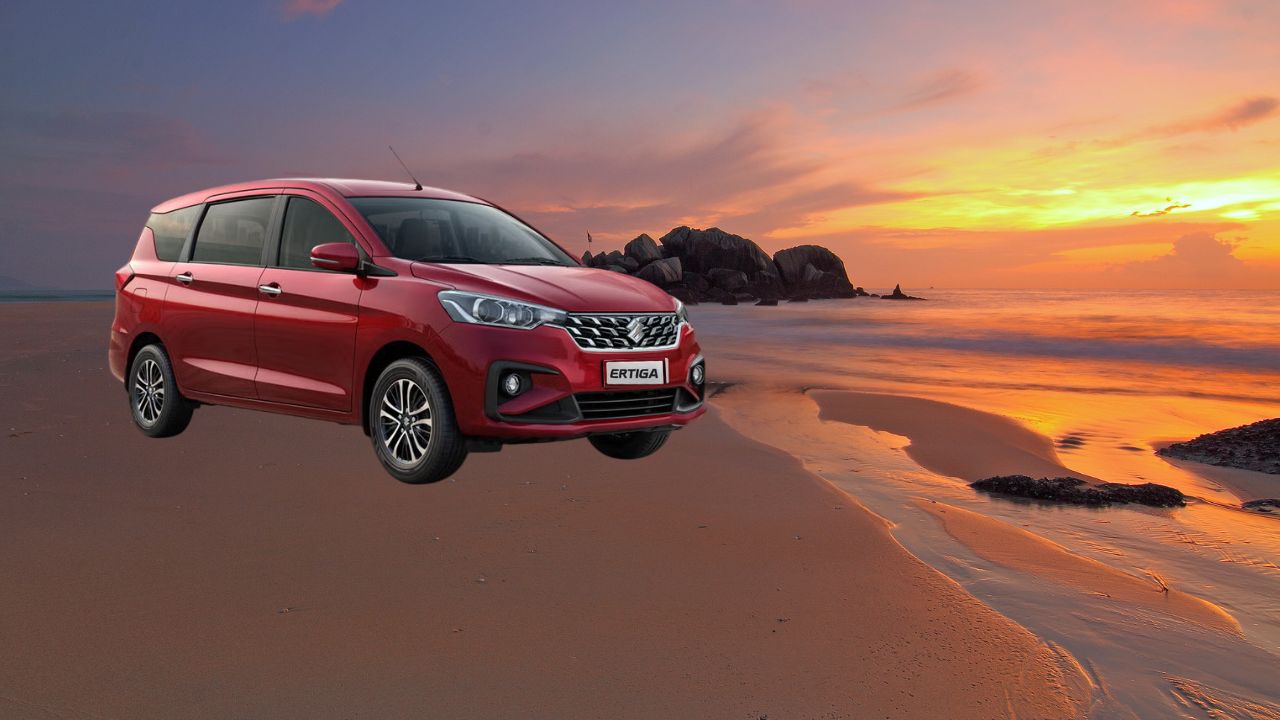
A Redesigned Ertiga

Maruti’s evergreen MPV isn’t being left behind either. The next-generation Ertiga comes in a more SUV-like design along with upgraded cabin, better safety but the same 1.5L petrol/CNG powertrains. This all‑new 7‑seater MPV is expected to arrive around February 2027, price of ₹8.90–13.04 lakh (ex‑showroom). 

It brings a mild-hybrid petrol setup but Maruti will try to keep it competitive against Carens, Innova (used), and XL6, even though it has been dominant in the MPV segment for years. The new model may grow slightly in length/width and get a taller stance but running on the same core engine of 1.5L K‑series petrol with mild‑hybrid tech, plus a CNG option. The next-gen Maruti Suzuki Cars come with a great efficiency in mileage. 

Ertiga also comes with a 26.11 km/kg mileage in a CNG variant with updated design and comfort features which gives excellent experience.

A Redesigned Ertiga

Not Forgetting the Swift — or the Jimny

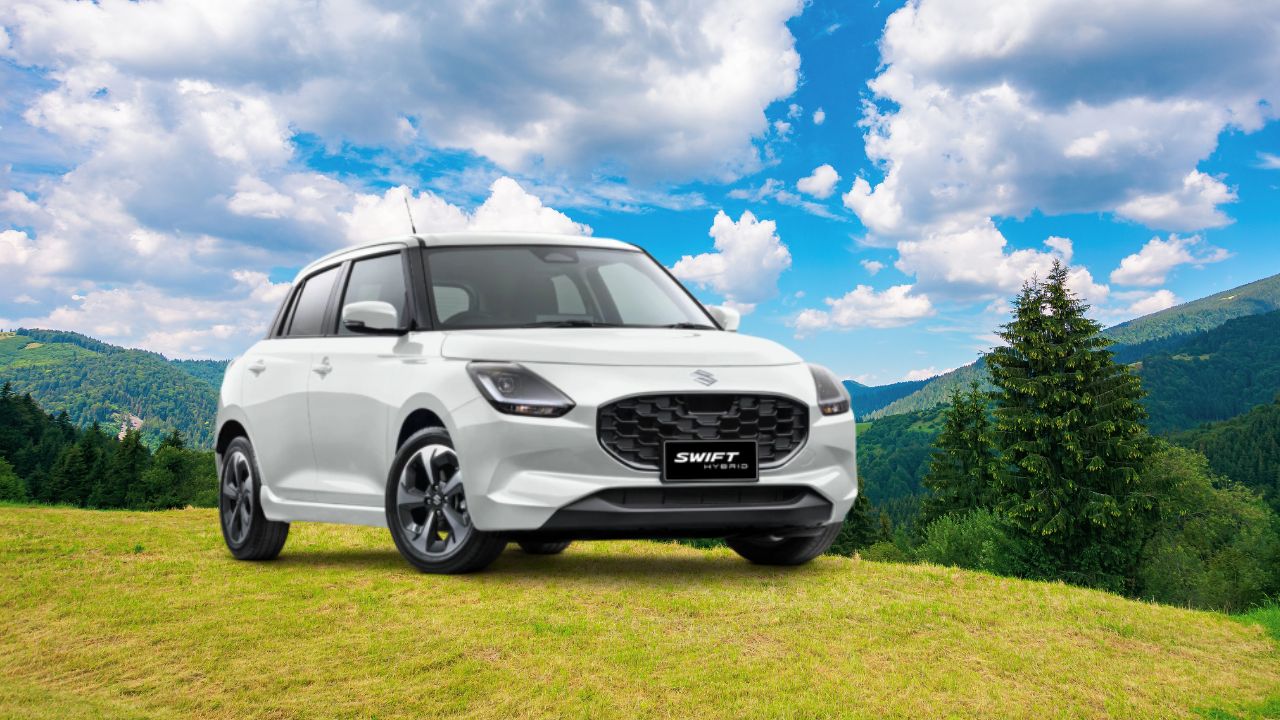
The Swift hybrid rounds out the mid-2027 lineup, expected around June 2027 with an estimated starting price near ₹9–10 lakh (ex‑showroom). It uses Maruti’s new 1.2L Z‑series 3‑cylinder engine with 12V mild‑hybrid tech to provide more efficiency and refinement as Swift has always been about fun-to-drive.

swift

And then there’s the wildcard: a Jimny EV, which remains speculative for now, possibly landing in 2028 with an estimated starting price of roughly ₹17–18 lakh. Maruti is targeting 300–400 km/charge for Jimny which would be fascinating. Jimny EV is expected to run on a dedicated EV platform with a sizable battery to support off‑road and highway use. It is also speculated that it brings dual‑motor setup with all‑wheel drive which makes Maruti Suzuki Cars enthusiasts more excited. 

Read More 👉   Why Salaried Indians Are Buying Mercedes Cars

Conclusion

If you’ve been holding off on buying a new Maruti Suzuki, then your wait is worth it because the new Maruti Suzuki Cars are redefining their model segments entirely. Maruti repositioning itself in a hybrids and EVs market without compromising core strength: affordable, dependable, high-volume vehicles that most of India actually buys.

Buying just before a hybrid or EV variant lands could mean missing out on better efficiency or lower running costs down the line. On the other hand, if your needs are immediate, today’s lineup is still solid — these updates are refinements, not replacements.

By the time 2027 wraps up, Maruti Suzuki’s showroom will look meaningfully different from the one we see today. Whether that’s enough to keep pace with a fast-moving EV market remains the real question — but at least the intent, and the roadmap, are finally there.

0

Mahindra XUV 7XO Specs and Features: Engine, Mileage, Safety, Interior Details Overview

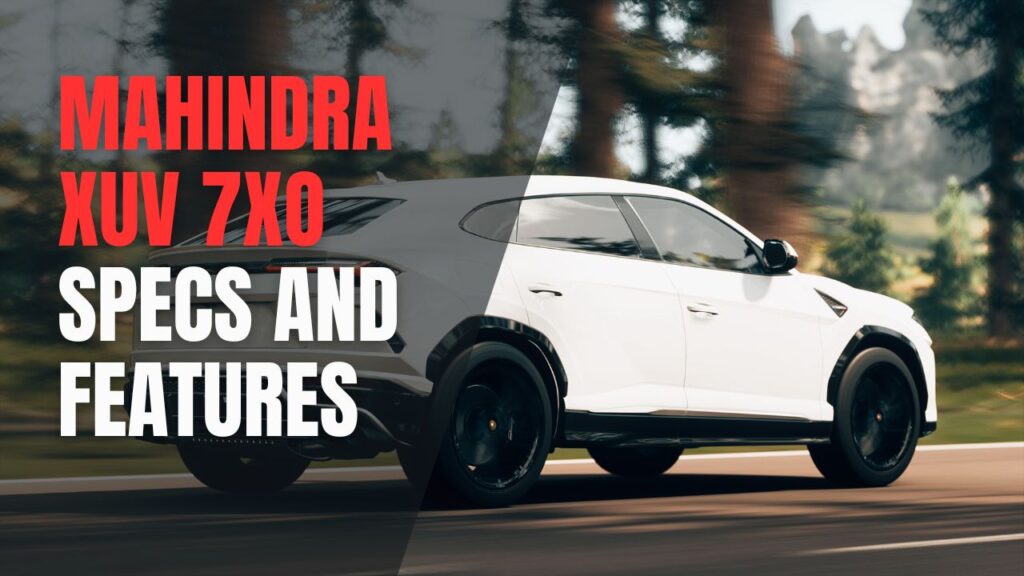
Mahindra XUV 7XO Specs and Features

It’s December 2025 and if you’ve been tracking the Indian SUV market, you’re aware that the iconic XUV700 is going to hand over the mantle. Entering the Mahindra XUV 7XO – a name that sounds futuristic and a car that will be even sharper.

The official global launch is on January 5, 2026, and the bookings have already started, the XUV 7XO is the talk of the town. Whether you’re a dyed-in-the-wool Mahindra enthusiast or just a person in the market for a luxury SUV that’s not going to cost an arm and a leg, this redesign is a pretty big deal.

So let’s get inside what makes the new XUV 7XO so great, from its refreshed aggressive exterior to the tech-laden cabin we’ve been waiting for. 

Quick Specs Overview

Feature Petrol Variant Diesel Variant
Engine 2.0L mStallion Turbo 2.2L mHawk Turbo
Power 200 BHP 185 BHP
Torque 380 Nm 420 – 450 Nm
Transmission 6-MT / 6-AT 6-MT / 6-AT
0-60 km/h ~5.0 Seconds ~5.8 Seconds
Drive Type FWD FWD / AWD (Optional)

Exterior: Sharper, Bolder, and Unmistakably Mahindra

The XUV700 already looked stunning as is but the 7XO takes that “Cheetah-inspired” styling and slaps on a modern, electric-age layer of paint.

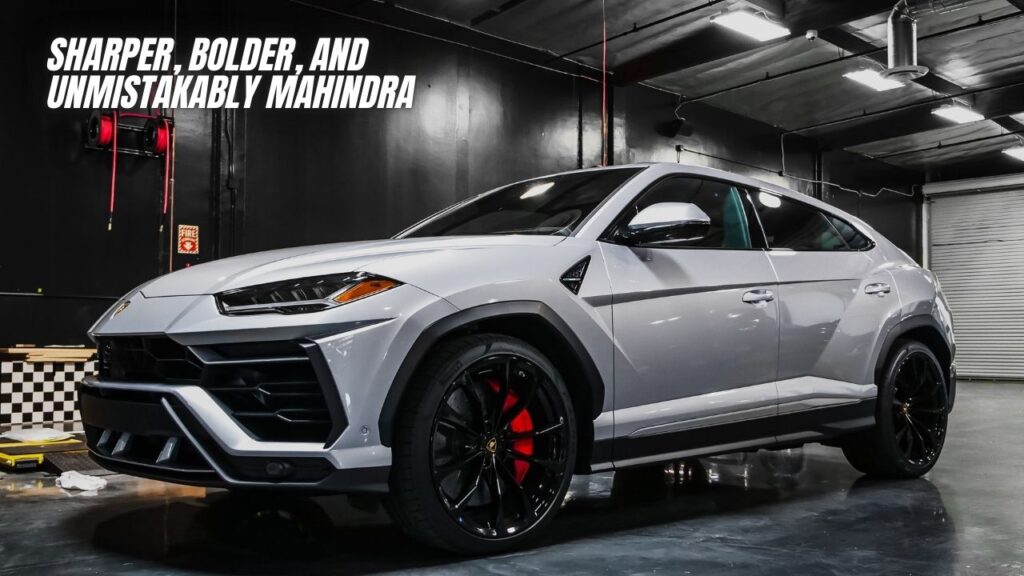
The most noticeable change is the face. The C-shaped DRLs are now long gone, instead, the 7XO sports a more aggressive inverted L-shaped LED DRL configuration that lend a menacing look to the car, especially at night. It definitely shares DNA with its electric relatives such as the XEV 9S. The grille has been blacked out and features slim silver slats, the bulky chrome has been removed for a more athletic, stealthier look.

Sharper, Bolder, and Unmistakably Mahindra

Dropping back, the linked LED tail lights are the centerpiece. They run across all the width of the tailgate and give the car a wider, plusher look. Add a sharpening set of diamond-cut alloy wheels on top and you have an SUV that turns heads when you wait for lights. 

Interior That Leaves a Stunning Impression

If you were impressed with the two-screen layout in the earlier version, just wait till you see the XUV 7XO. Mahindra has spared no effort to make this cabin feel more like a lounge.

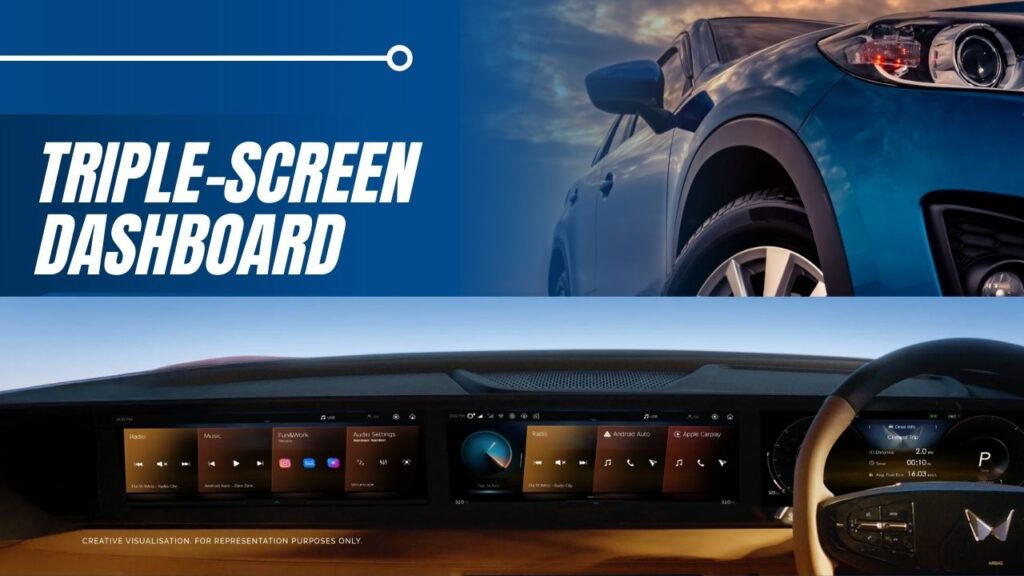
The new feature here is the Triple-Screen Dashboard. Like high-end luxury EVs, the 7XO is equipped with three seamless screens—one for the driver’s instrument cluster, a massive central infotainment hub, and a dedicated screen for the co-driver. Maybe it’s the tech lover’s dream.

Interior That Leaves a Stunning Impression

Outside the two screens, the cabin is fancier. Soft-touch materials on the dash, a new two-spoke steering wheel (which looks really nice), and upgraded ventilated seats that now come with a “Boss Mode” for the back passenger — just in case you’re feeling like getting driven around for a change. 

Engine & Performance

Mahindra clearly understands the value of not fixing something that isn’t broken. The XUV 7XO comes with the powerhouse engines that made the XUV a highway king. Punch of Petrol or Torque of Diesel: If you are interested in getting the best out of power of petrol or torque of diesel with 7XO, you are good to go.

Engine & Performance

  • 2.0L mStallion Turbo Petrol: This engine is a rocket. With 200 BHP on tap, it is still the most powerful petrol engine in the segment. The refinement is buttery smooth and when you step on the gas it pulls like a freight train.
  • 2.2L mHawk Diesel: That’s the cruiser. It’s rumored to be available in two configurations, with the top-spec kicking out 185 BHP and 450 Nm of torque. Doing the lambada around lorries is child’s play and so is keeping the revs high in this surprisingly fuel efficient little car.

Both are expected to come with the smooth 6-speed manual and the responsive 6-speed automatic torque converter. 

Safety is Buyer’s First Priority

Safety is a stronghold for Mahindra and the XUV 7XO further builds on that. They anticipate the ADAS (Advanced Driver Assistance Systems) to be upgraded to Level 2+ with better calibration for Indian traffic conditions. That translates to an adaptive cruise control that runs smoother and a lane-keep assist that is more reliable.

Passive safety is also robust, and 7 airbags may become standard on more variants. The quality of the construction is still tank-like, bringing the 5-star safety legacy forward. 

Read More :-  Ishan Kishan’s Luxury Car List: Price, Models & Exclusive Collection

Conclusion

The Mahindra XUV 7XO is not just a facelift, it’s an enhancement to an already great package. It rectifies the few niggles people had with the previous generation (like the dated infotainment system) and adds equipment that are normally reserved for vehicles costing twice as much. With costs likely to be in the ₹15-Lakh to ₹26-Lakh range, it continues to deliver mind-boggling value for money. So if you need a family SUV that’s safe, strong and full of tech, hanging on until January 5 may be the best decision you make all year. 

0

New BMW M4 2028 Coupe Digitally Enters The BMW Neue Klasse M4 Era

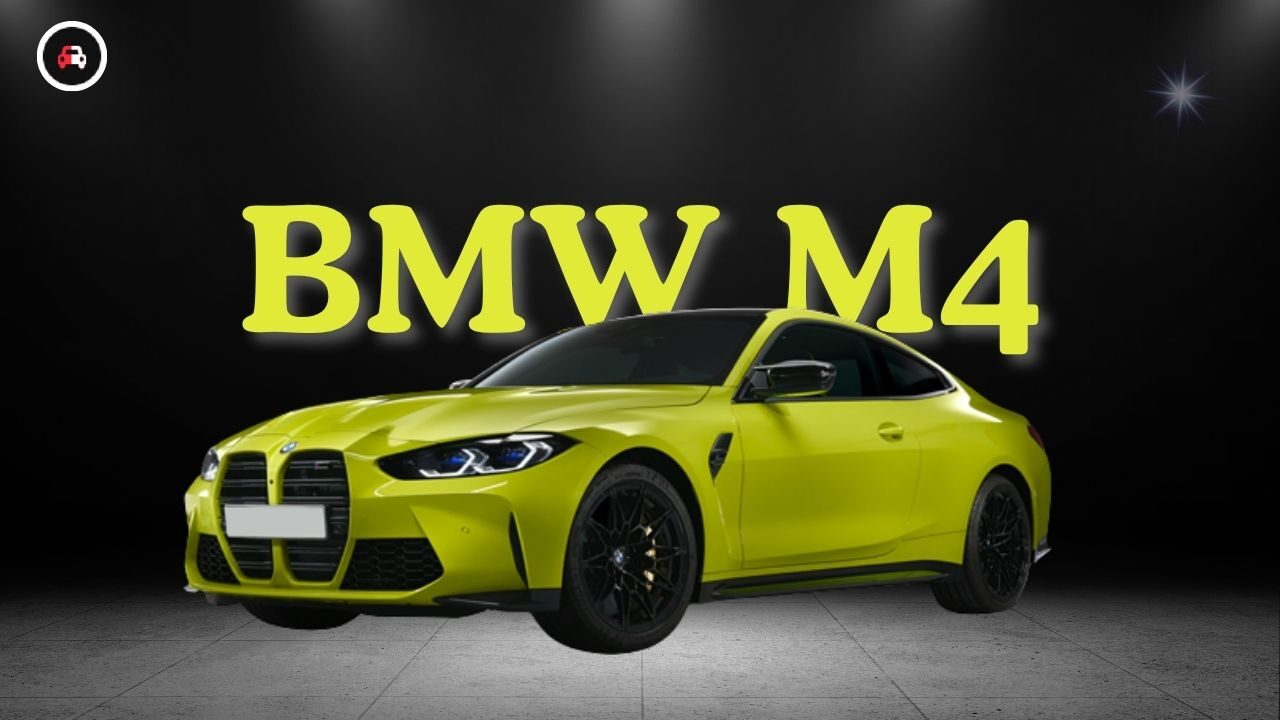
BMW M4

The new BMW M4 2028 is feeling the heat more than ever during a time when the automotive industry is in the throes of a major transformation. High-performance coupe has been judged for many years with the M3 and now the M4 which offers both track-ready handling and the ability to be used every day. 

And now, the BMW M4 Coupe 2028 has been brought to life digitally, giving us a first glimpse of what the future of M Division performance could look like as it explores the futuristic BMW Neue Klasse M4 architecture in great detail. 

Recently, a digital artist and automotive visionary have collaborated and combined leaked design patents, rumors, and BMW’s own concept vehicles to visualize the new BMW M4 2028. What these HD CGI mods show us is a car that honours its high-octane history but is not afraid to go full throttle into a radical new age in car design and engineering. When it comes to the Ultimate Driving Machine, this is more than a refresh, it’s a complete rethinking of what the Ultimate Driving Machine can be in the late 2020s. 

Demystifying the BMW Neue Klasse M4

Before getting behind the digital wheels of the BMW Neue Klasse M4, we need to know what it is based on. The phrase “Neue Klasse” (New Class) is a wink to BMW’s past. The 1960s original Neue Klasse midsize sedans not only bankrupted and then saved the company and its hardcore, driver focused identity that BMW is known for today. 

With the new BMW Neue Klasse M4 today, this amounts to a similar resurrection. It is a purpose-built highly adaptable vehicle architecture engineered from the ground up for electric drivetrains, advanced digital connectivity, and circular sustainability. This new era’s design language features: 

Monolithic Minimalism: a radical change from the complex, heavily folded designs that have defined the past ten years. The surfaces are flush, generous, and duct-taped-smoothed.

The Reimagined Kidney Grille: Ditching the divisive vertical “bucktooth” grilles from the current G82 M4, the BMW Neue Klasse M4 design merges the grille with the headlights as a singular, coherent, horizontal digital band.

The Shark Nose Revival makes the car look fierce and hungry like a shark even when it is not moving via its forward-leaning front end, a design cue borrowed from classic BMWs from the 70’s and 80’s. 

Looking at the BMW M4 Coupe 2028 CGI images reveals that the artists managed to combine the clean retro-futuristic Neuen Klasse design language with the muscular, flared-arch aggression of a M car. 

New BMW M4 2028 At a Glance

Aspect Details
Platform Neue Klasse (electric-focused, dedicated EV architecture)
Launch Year 2028 (ZA2 iM4 Coupe; current G82 production may extend to 2029) 
Body Style 2-door Coupe (convertible uncertain; lower, tighter profile with flared arches) 
Powertrain All-electric quad-motor AWD (>1,000 hp possible; Gen6 batteries for 20% more density, 30% faster charging); no confirmed ICE/hybrid for M4 (unlike M3) 
Transmission/Drivetrain 8-speed automatic AWD standard; manual likely retired
Performance Tech “Heart of Joy” control unit (10x faster integration of motors, suspension, traction; enables torque vectoring for superior handling)
0-100 km/h ~3s estimated (based on current M4 Competition at 3.5s; EV torque advantage)

Decoding the Digital Bodywork

What, then, is the new BMW M4 2028 looking like in these virtual worlds? The digital versions that are driving automotive forums crazy depict a very interesting view.

The renderings show a wide, angry-looking front end. The digital grille is more than just an air intake — though cooling is still critical for battery thermal management and high-performance braking, it is an interactive digital canvas. The headlights are pierced into this far reaching bar and they include the renowned double-halo design, but with a sharper look composed by glowing LED slashes. 

As we progress along the side, the traditional coupe profile remains, but it is lower and tighter. 

  • The classic Hofmeister neck at the C-pillar is more aggressive and pronounced. 
  • Digital artists have added flush door handles, aero-optimized carbon fiber side sills and aggressive, deep concave Y-spoke wheels cradling large carbon-ceramic brake rotors. 
  • The backside is perhaps the most eye-catching digital make over. 
  • The taillight is designed as ultra slim 3D sculptured OLED modules, and stretches across the full width of the rear, highlighting the wide stance of the vehicle. 
  • A substantial ducktail spoiler – a tribute to the iconic E46 M3 CSL – is integrated into the trunk lid. 
  • The conventional quad exhausts are gone from the electric variant, instead there is a large, menacing rear diffuser meant to direct air efficiently and pull the car to the ground. 

However, for potential hybrid ICE versions artists have still drawn the beloved quad tailpipes, showing that the M community holds on to the old ways. 

The Powertrain Paradigm: Electrons, Inline-Sixes, or Both?

The BMW Neue Klasse M4’s aesthetic modifications are only half the story. The true revolution lies in the beating heart of this machine. Industry insiders and digital forecasters are split on what exactly will propel the BMW M4 Coupe 2028, indicating an interesting period of transition for the M Division. 

The Ultimate Electric Machine

The most extensive revision will be an all-electric M4, probably built on a clean sheet Neue Klasse platform. For future M vehicles, BMW has spoken openly about a quad-motor electric powertrain that could produce well over 1,000 horsepower. No I.C. engine would be able to match the immediate, neck-snapping torque that the dual-motor version of the BMW Neue Klasse M4, if we can call it that so early in the game, would be able to deliver at over 600 horsepower. 

BMW’s new Gen6 round cells should deliver 20% more energy density and 30% faster charging. So the electric M4 won’t be just a drag strip bruiser, it should deliver for sustained track use without falling victim to the rapid thermal degradation that seeps through earlier generations of EVs. 

The Last Stand of the Inline-Six

After the electric push, “there are strong rumours that the internal combustion engine is not quite dead yet.” The new BMW M4 2028 could be based on a dual-platform strategy. In addition to the electric version, it is likely that we will get a version of the current S58 3.0-liter twin-turbo inline-six. 

But the technology engine is not about to stop running. It is very likely that the BMW M4 Coupe 2028 ICE variant would come equipped with mild hybrid technology to comply with the strict emissions norms. This may send the power figure soaring to 560 horsepower. 

Unfortunately for the purists, this digital age also spells the probable demise of the manual transmission. With power levels scaling ever higher, hybridization becoming mandatory and the classic six-speed stick likely being retired in favor of lightning-fast 8-speed automatics, the rear-biased all-wheel-drive system is going to be standard across the board. 

Inside the new BMW M4 2028: A Panoramic Vision

BMW Neue Klasse M4 exterior is something truly a revolution then its interior is more than that. You can say that is an utter revelation. Digital images of the interior portray a setting that seems more at home on a spacecraft than a conventional sports coupe. 

To help the driver stay focused on the road, the new BMW M4 2028 offers Panoramic Vision which shows navigation, speed, and lap time which is vital when driving a vehicle capable of supercar-level performance. 

  • The traditional, button-filled center stack will be greatly simplified. 
  • A central touchscreen, tilted sharply towards the driver, will be the focal point for most infotainment and climate functions, running on the next generation of BMW’s operating system. 
  • Interestingly, the much loved iDrive rotary controller is said to be on its way out in the Neue Klasse era, a decision that already has people debating furiously, digitally and journalistically speaking on both sides of the camp. 

This new BMW M4 2028 interior’s covered with unlacquered carbon fiber, sustainable plant-based leather, and recovered fishing nets. This indicates that it follows sustainability without losing a luxury touch. 

Don’t Miss:  Lexus RX vs BMW X5: Which Luxury SUV Dominates 2025?

Driving Dynamics: The “Heart of Joy”

Concern for the soul of the BMW M4 Coupe 2028 has long been the thing to worry about among fans, now especially the electric versions. What’s the way for a chunky, quiet EV to re-create the visceral excitement of a screaming inline-six?

BMW’s answer is software, in the form of a revolutionary control unit codenamed the “Heart of Joy.” This one, ultra-intelligent super-brain combines powertrain software and vehicle dynamics in a single, centralized solution. It runs up to 10x faster than existing separate systems. 

When it comes to the BMW Neue Klasse M4, the Heart of Joy will seamlessly harmonize the electric motors, adaptive suspension, active roll stabilization, and traction control like never before. If it has a quad-motor setup, the car could spin its outside wheels faster than the inside wheels through a corner, effectively turning the car around the apex with no understeer. 

It spells a level of nimbleness and chassis command that you just can’t get with a normal combustion engine and mechanical diff. It may not say old M4, but it will turn out like nothing you’ve ever seen before. 

The BMW M4 Coupe 2028 Competitors 

The new BMW M4 2028 is entering a far more challenging and competitive sport coupe market, as rival manufacturers are quickly moving up on a world scale.

  • Porsche is readying an all-electric 718 Cayman replacement that will demonstrate EVs can still be lightweight, high performance fun to drive. 
  • Meanwhile, Audi has its own electrified performance coupe lineup in the works.
  • Mercedes-AMG is placing greater emphasis on advanced plug-in hybrid technology to reshape its performance line. 

For BMW, getting the BMW M4 Coupe 2028 right is going to be tricky. It has to adapt to the intricate digital and electrical system of the Neue Klasse platform, and at the same time it must not compromise the raw, pulse-racing driving experience that an M car is. 

Rival Key Traits Differentiation
Porsche 718 Cayman EV Lightweight EV fun, mid-engine layout BMW emphasizes AWD torque and “Heart of Joy” software edge
Audi Performance Coupe Electrified AWD lineup BMW’s quad-motor >1,000 hp potential outpowers
Mercedes-AMG Hybrids Plug-in tech focus Fully electric Neue Klasse vs. hybrid transition

Featuring next-generation battery technology, the new “Heart of Joy” software, and a design that fuses heritage with a futuristic vibe, BMW is setting the M4 up to spearhead this new generation of performance. 

The Role of Digital Art in Automotive Evolution

Where we get our automotive news now is interesting to think about. Cars are “digitally born” years before they are officially introduced to the public. Skilled CGI artists utilizing CAD programs and extensive knowledge of brand design languages, develop the new BMW M4 2028 long before the first test mule hits. 

These digital representations allowed enthusiasts to dream, argue and ultimately help define that shows how designs are radically changed just like BMW Neue Klasse M4 design language to a classic coupe silhouette. This is a modern strategy for these automotive manufacturers.

Conclusion

The Neue Klasse coming is the most pivotal moment for BMW M history. The digital images of the BMW M4 Coupe 2028 gives an amazing insight into what happens when Bavarian engineering skill combines with unrestricted digital creativity. 

It’s powered by a heavily electrified inline-six or a physics-defying quad-motor electric setup, the BMW Neue Klasse M4 is set to raise the bar for the high-performance coupe segment. Rumours suggest that it offers incredible features such as more faster, smarter, and more capable than any M car before it. May we miss its manual transmission but the new BMW M4 2028 looks set to deliver a thrilling, tech-forward future. 

0

JLR Landing a Land Rover Defender Pickup Truck In US 

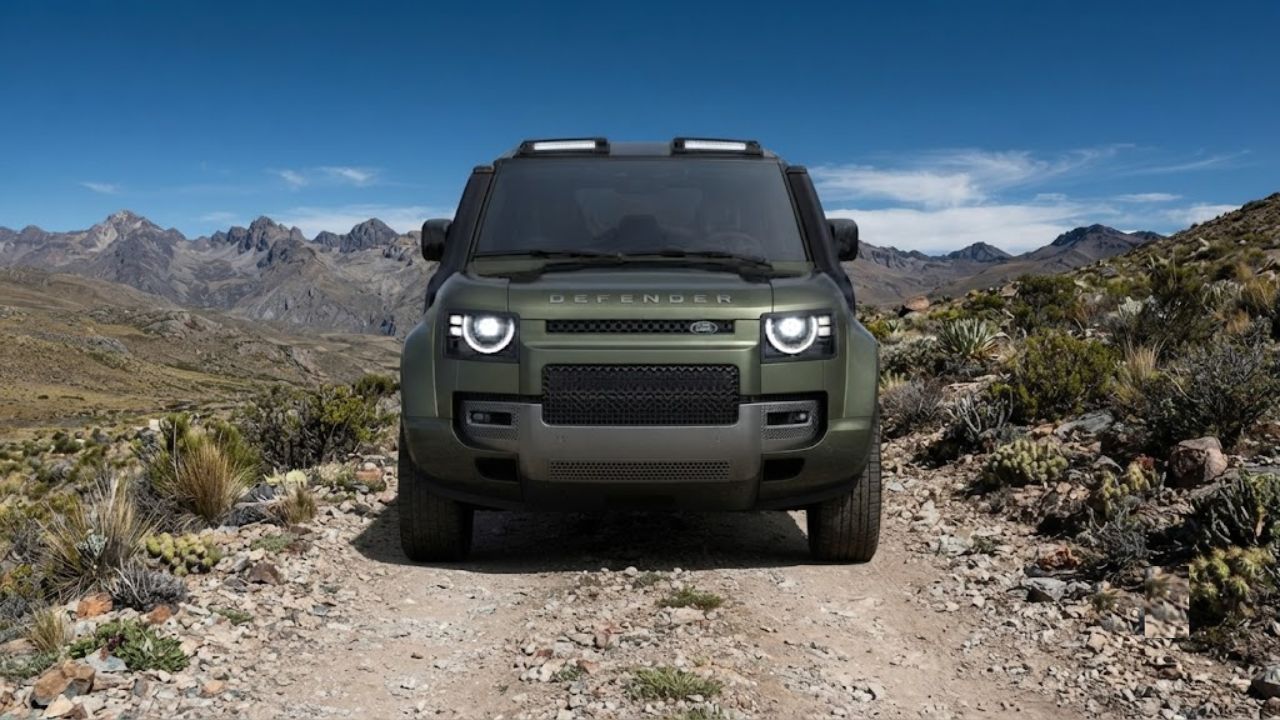
Land Rover Defender Pickup Truck

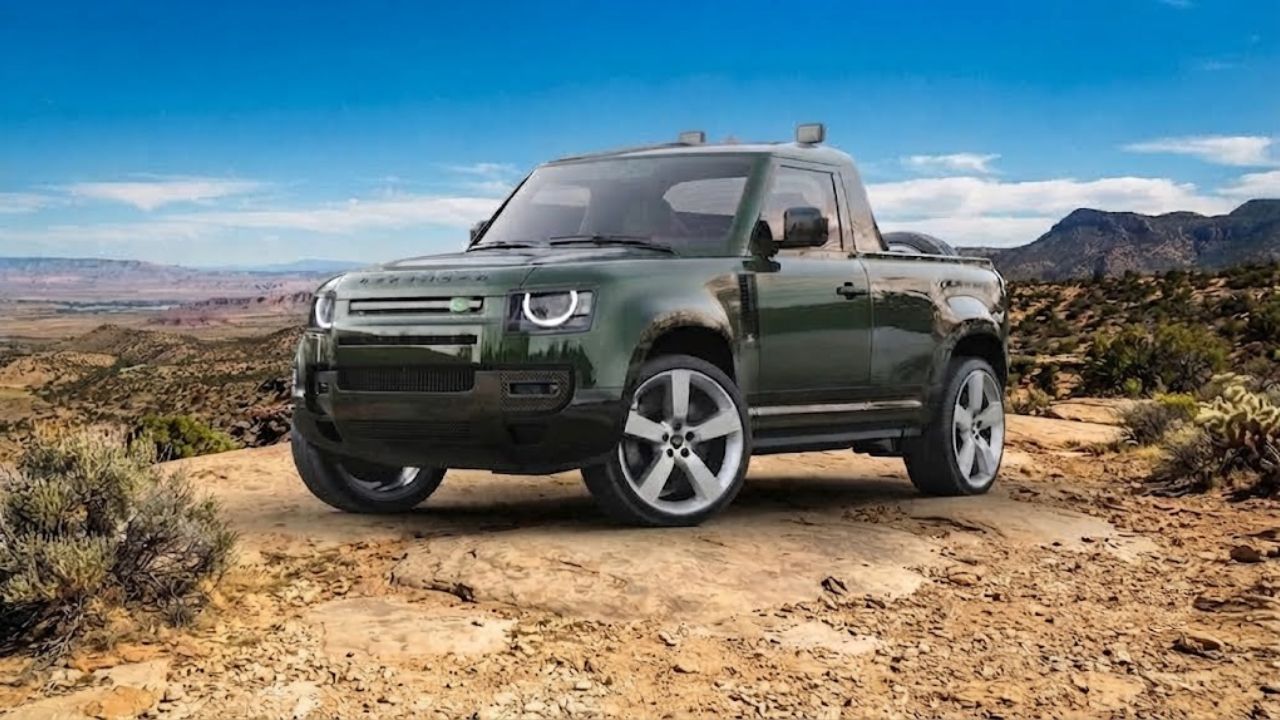
For years, Defender fans have asked why Land Rover keeps teasing a pickup version and never builds one. Now, Jaguar Land Rover (JLR) is working with Stellantis to build a Land Rover Defender pickup truck in the United States — and the reason has less to do with off-road capability and more to do with import tariffs.

The specifications are still not confirmed. This is the first product of collaboration so expecting great tech and reliability of a pickup truck is the first thing to think about.

The Official Agreement Between JLR and Stellantis on Product Development

Back in May 2026, JLR and Stellantis signed a non-binding memorandum of understanding (MoU) to “explore opportunities to collaborate on product development” in the US, along with shared manufacturing capacity. At the time, neither company named a specific vehicle.

That changed in September 2026, when Automotive News reported that the first product out of this alliance would be a Land Rover Defender pickup truck built for the US market. JLR’s Chief Financial Officer, Richard Molyneux, confirmed on an earnings call that the two companies intend to finalize the broader agreement by the end of 2026. JLR’s CEO, PB Balaji, has separately said the goal is to grow JLR’s US business to eventually match the size of its entire global business — a genuinely ambitious target.

JLR and Stellantis

Stellantis has acknowledged joint discussions are underway, but neither company has publicly confirmed “pickup truck” as the specific output. 

Why Land Rover Defender Pickup Truck Has to Be Built in America

This is really a tariff story wearing a product story’s clothes.

Every Defender sold in the US today — the 90, 110, and 130 — ships in from JLR’s plant in Nitra, Slovakia. Passenger vehicles built in the UK and EU already face added US import tariffs. But trucks get hit worse: American light trucks and pickups imported from abroad face the 25% “Chicken Tax,” a tariff that’s been on the books since the 1960s and makes shipping a European-built truck to the US financially unworkable.

Building the pickup on US soil with Stellantis sidesteps that tariff entirely. North America now accounts for roughly 30% of JLR’s global sales, while China — once its biggest market — has fallen to under 7%. A pickup built for Americans, by an American-based partner, is JLR reading the room.

If it happens, it would also mark JLR’s first vehicle assembly in the US, and the first Land Rover-badged pickup sold there since British Leyland shipped over Series I and Series II trucks in the 1960s and early ’70s.

Read More 👉  This Used Luxury Car Costs the Same as a Top-Spec Maruti Fronx

The Engineering Behind Defender

The current Defender is a unibody vehicle. Stellantis’s American trucks — the Ram 1500, Ram Heavy Duty, and Jeep Gladiator — are body-on-frame. Those are different structural philosophies, and no one has said which way a Defender pickup would go. 

Land Rover Defender

Stellantis does have unibody experience through the Jeep Grand Cherokee and Dodge Durango, so a unibody truck isn’t off the table, but it’s not confirmed either.

Powertrain is just as open. Shipping Defender’s European engines to the US would trigger its own tariffs, but slotting in an off-the-shelf Stellantis engine might not fit a vehicle Land Rover wants to sell at premium prices. 

Size, trim strategy, launch year, and pricing haven’t been disclosed by either company. Any number you see for engine output, mileage, or price right now is a guess dressed up as a leak.

Land Rover Defender Pickup Truck Rivals Already In The Market

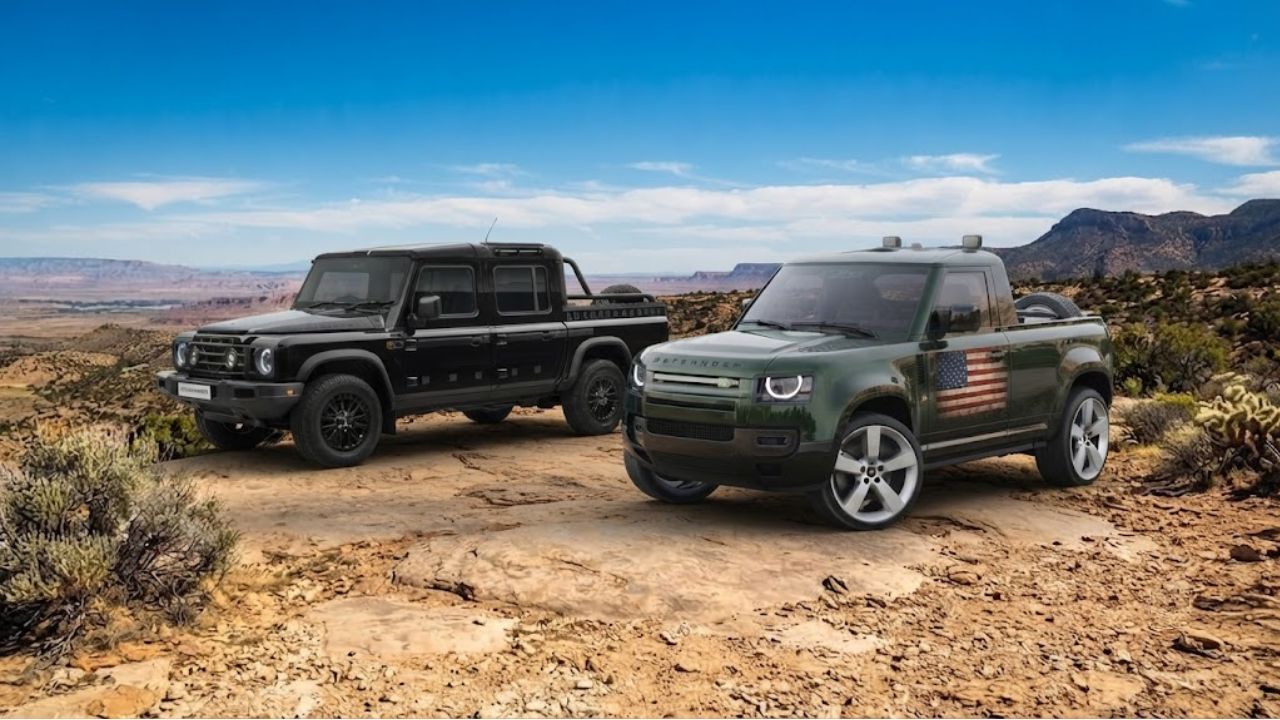
The Ineos Grenadier Quartermaster as the closest natural rival — a body-on-frame, old-school off-roader with genuine pickup credibility and a similar niche, premium-utility positioning. The Jeep Gladiator gets the hook too, though as a lower-priced, less luxury-focused alternative rather than a direct match.

Beyond that, a Defender pickup would land in the same rarefied air as loaded trim levels of the Ford F-150 Platinum and GMC Sierra Denali — trucks that compete less on payload bragging rights and more on cabin quality and brand cachet. If JLR positions this as a genuine luxury pickup rather than a rebadged Stellantis product, that’s the shelf it’s aiming for.

Read More 👉 Get New Maruti Premium Hatchback at Lower Price

Expected Specification and Size of Land Rover Defender Pickup Truck 

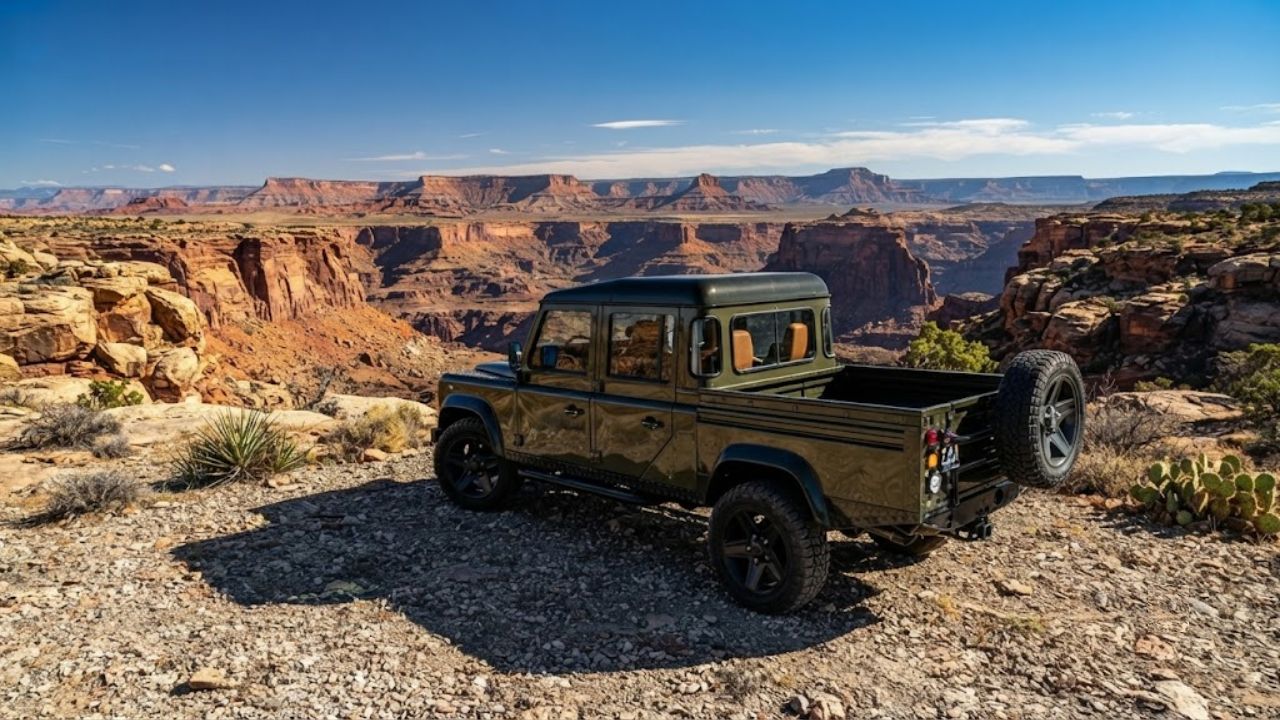
Land Rover Defender Pickup are using the Defender 110 as the donor vehicle since it’s the volume model closest to a crew-cab truck’s proportions. The current Defender 110 measures around 5,018mm in length including the rear-mounted spare wheel and uses a 3,022mm wheelbase. The most-floated build approach isn’t a clean-sheet truck at all — it would keep the 110’s front section, four doors and five-seat cabin, and simply replace the rear luggage compartment with an open load bed. 

Land Rover Defender

Unlike traditional pickups, the Defender uses JLR’s aluminium D7x monocoque architecture rather than a separate ladder-frame chassis. Stellantis’s US trucks (Ram 1500, Ram HD, Gladiator) are body-on-frame. But still it’s unconfirmed.

The current lineup runs from a 296-hp turbocharged four-cylinder to a 626-hp twin-turbo V8, but European-built JLR engines would face import tariffs if shipped over for US assembly. An off-the-shelf Stellantis engine dodges that, but risks feeling wrong in a truck JLR wants to price at a premium. 

Read More 👉 BMW i5 LWB On Road Price Is Lower Than What Buyers Expected

Conclusion

If the deal is finalized by the end of 2026 as JLR’s CFO suggested, the realistic next milestone to watch for is an official confirmation of the vehicle itself. Concept reveals, platform confirmations, and pricing typically trail an MoU finalization by a year or more in projects like this.

For now, JLR wants an American-built Land Rover Defender Pickup Truck badly enough to partner with a rival automaker to get around a 60-year-old tariff law. Everything past that — what it looks like, what it costs, whether it ever reaches a market outside the US is still an open question.