0

Mercedes-Benz GLC Electric Comes With 715 km Range 

Mercedes-Benz GLC Electric

The Mercedes-Benz GLC Electric coming to India on 4 November 2026, it reaches faster than usual right after six months of its European debut. Bookings are expected to open in the first week of October, with local assembly at its Chakan plant in Pune. If you’re weighing a ₹80-lakh-plus electric SUV, first understand a few factors. Does it look like it’s worth the money, does it go far enough, and is it better than what BMW is about to bring?

Mercedes-Benz GLC Electric Design: A German Luxury Car Rethought

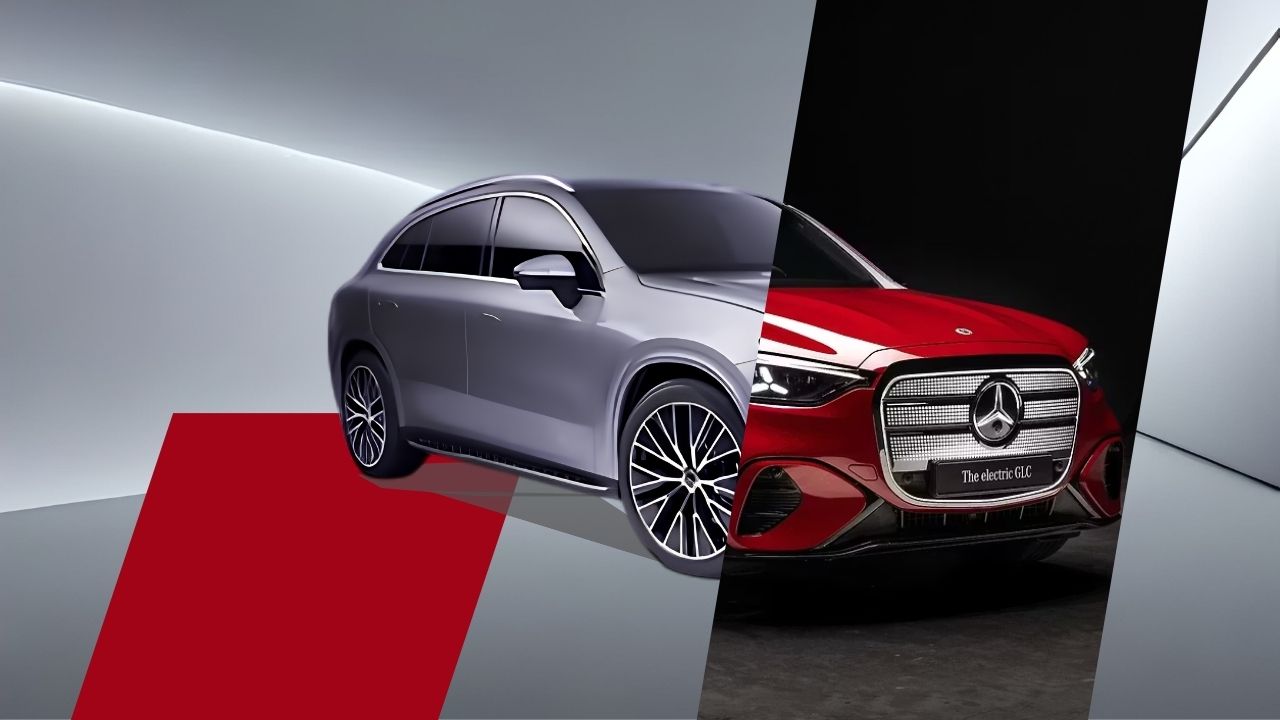
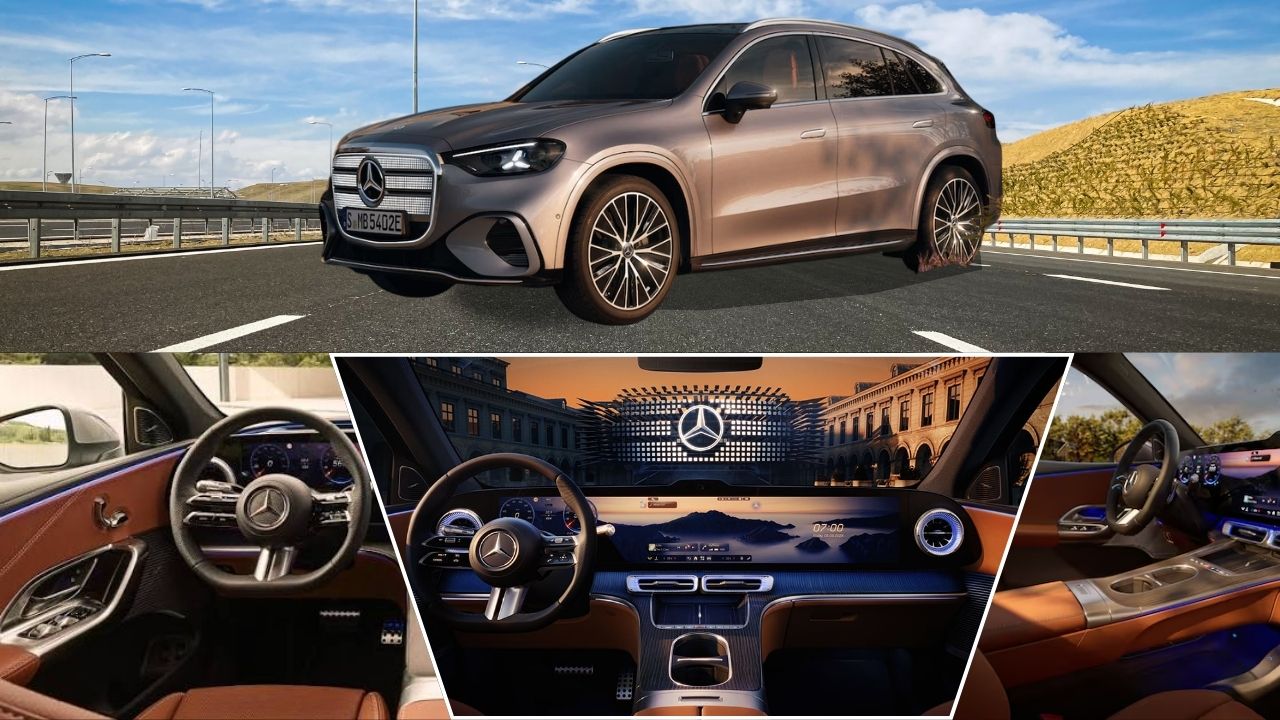
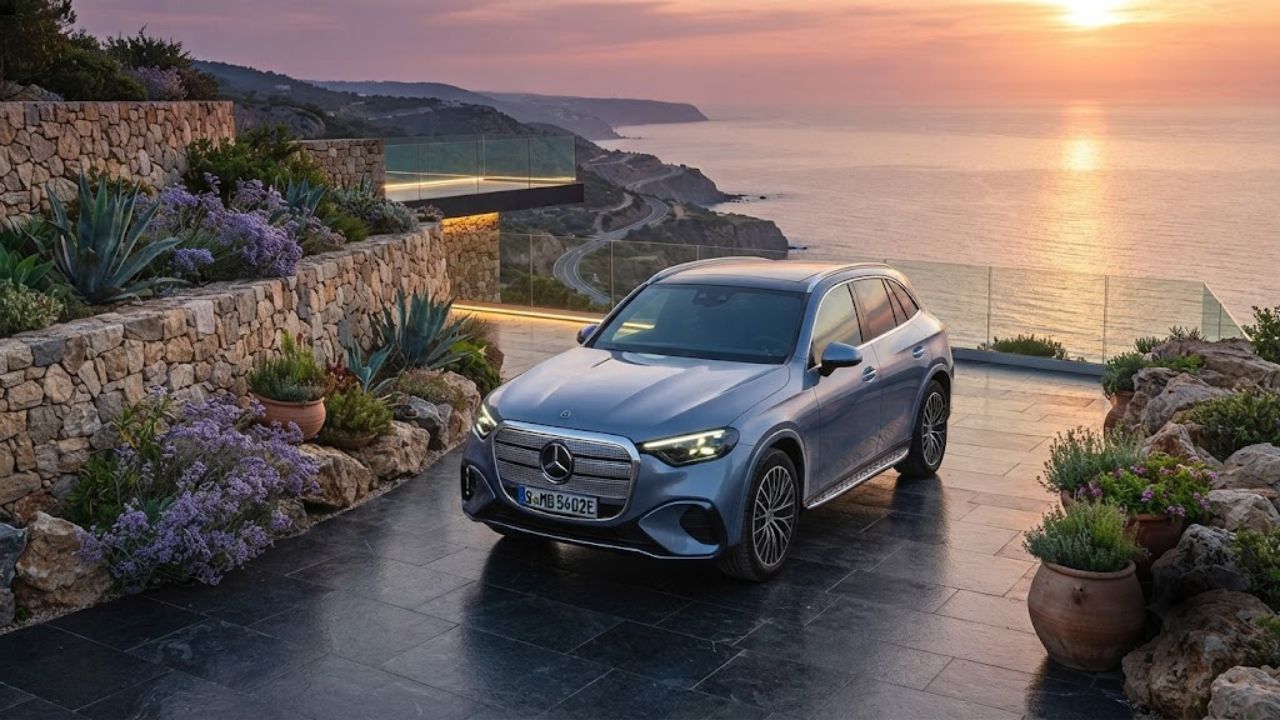
The GLC Electric carries Mercedes’ newest design language. The front gets a reworked grille and the rear gets a full-width light bar. The proportions stay familiar for an SUV, which matters commercially: this is a stylish car that still reads as a GLC from 50 metres away. It measures 4,845 mm long, 1,913 mm wide and 1,644 mm tall. India gets the standard-wheelbase version, with a 2,972 mm wheelbase.

The cabin leans hard on screens. A MBUX Hyperscreen spans the dashboard, though sources disagree on its size. It is somewhere between 33.1—39 inches, so check Mercedes’ India brochure. The India-bound variant listing shows a Burmester sound system, front-only massage seats, a fixed glass sunroof, over-the-air updates and blind spot monitoring. Treat that as the expected equipment list until Mercedes publishes the final one.

Electric Performance: Power, Range and Charging

The GLC 400 4Matic version is coming to India which runs on all-wheel drive and two motors. This Mercedes luxury vehicle delivers 483 hp of power and 800 Nm of torque, reaching over a 100 km/h time of 4.3 seconds. It offers a 360 kW with two-speed transmission sitting on the rear axle only.

A 4.3-second sprint puts an SUV of this size in performance-car territory, and it is quicker than any petrol GLC below the AMG versions.
Mercedes-Benz GLC Electric Design

The battery is 94 kWh, good for a claimed 715 km on the WLTP cycle. Two caveats apply. That is a European test figure, and the US EPA rating is a lower 300 miles (about 480 km). India’s ARAI number, which we don’t have yet, will be what Mercedes advertises locally. Real highway range with the AC on will be lower still.

Charging is where the 800-volt architecture pays off. Peak DC charging is 330 kW, and Mercedes quotes 10 to 80 percent in about 22 minutes on a compatible 800V charger. On a 400V charger, speed is capped at around 100 kW. Most Indian public fast chargers won’t deliver anything close to 330 kW, so in practice you’ll charge slower than the headline. At home, the 11 kW AC onboard charger takes roughly 8.5 hours for a full charge. That suits overnight charging in a house or society with a dedicated point.

Read More 👉  Renault Duster Hybrid Launches in India on 17 October 

Mercedes-Benz GLC Electric Price in India

Mercedes has not announced a price. Most outlets expect ₹80 to ₹90 lakh ex-showroom, while Autocar India’s estimate runs higher, at ₹87 to ₹95 lakh. Local assembly should help. For reference, European pricing starts at €71,281. The final figure will be confirmed on 4 November, so treat everything above as an estimate.

GLC Electric vs BMW iX3: The Rival That Matters
GLC Electric vs BMW iX3

The BMW iX3 is the obvious comparison, and on paper it is the stronger EV. It has a 108.7 kWh battery and up to 805 km of WLTP range with 400 kW charging. The GLC counters with more power and a quicker sprint. The iX3 50 xDrive makes 469 bhp and 645 Nm and reaches 100 km/h in 4.9 seconds.

GLC 400 4Matic iX3 50 xDrive
Power / torque 483 hp / 800 Nm 469 hp / 645 Nm
0-100 km/h 4.3 s 4.9 s
Battery 94 kWh 108.7 kWh
WLTP range 715 km up to 805 km
Peak DC charging 330 kW 400 kW
India status Launch 4 Nov 2026 Expected 2027

The iX3’s India timing and price are unclear. Expected for a February 2027 launch at ₹65 to ₹70 lakh, the long-wheelbase version arrives in 2027. The BMW may end up cheaper and longer-legged, but Mercedes will have a few months on sale before it arrives.

Read More 👉  Tata Launches BaaS Across Its Whole EV Range: Is the Lower Price Real?

Conclusion 

If you are planning to book a Mercedes-Benz GLC Electric in early October, and the price announcement is on 4 November. Book only after you’ve seen the ARAI range figure and the final variant equipment list.

You’ll get a Mercedes badge and cabin, have a reliable home charger, and mostly drive in and around a city. The GLC Electric is more of a family SUV than a luxury sedan. If a sedan was on your shortlist, its extra ride height and boot space are the trade.

Wait if you regularly do long highway runs. The 330 kW peak charging speed is unlikely to be usable on most Indian routes, and the iX3 may offer more range for less money.

Bipin Sharma

Bipin Sharma is a seasoned automotive content writer with over 10 years of hands-on experience in the world of cars. From the latest car news and reviews to in-depth maintenance tips and expert buying guides, Bipin covers everything that drives the automotive world. Writing about cars isn’t just his profession — it’s his passion. His deep industry knowledge and love for automobiles fuel every blog he creates, helping readers make informed decisions and stay updated on the fast-evolving auto landscape.

Leave a Reply

Your email address will not be published. Required fields are marked *

0

The 2025 Volvo XC90 Review, Safety Ratings and Pricing in Detail — Best Trims for Families

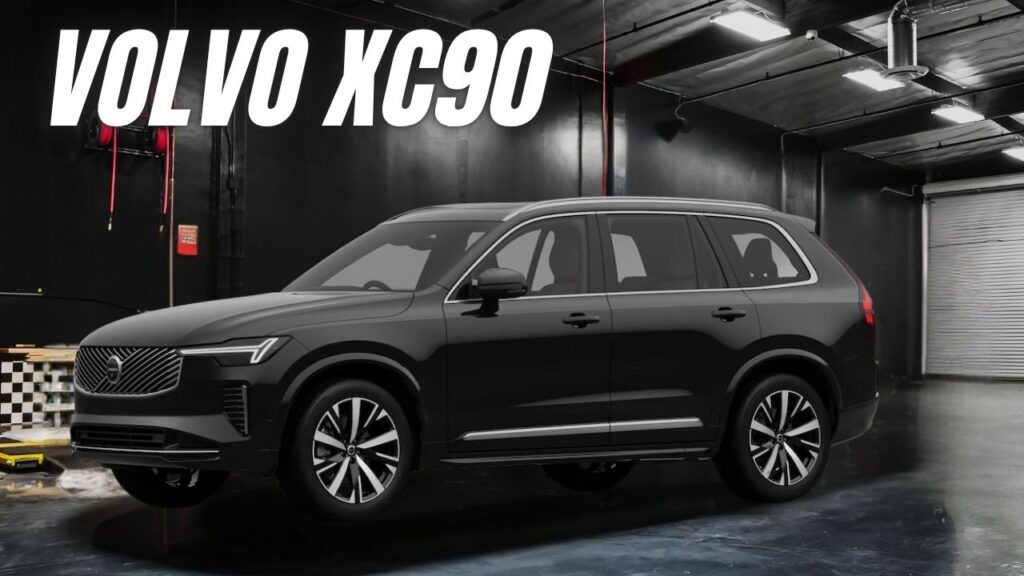
Volvo XC90 2025

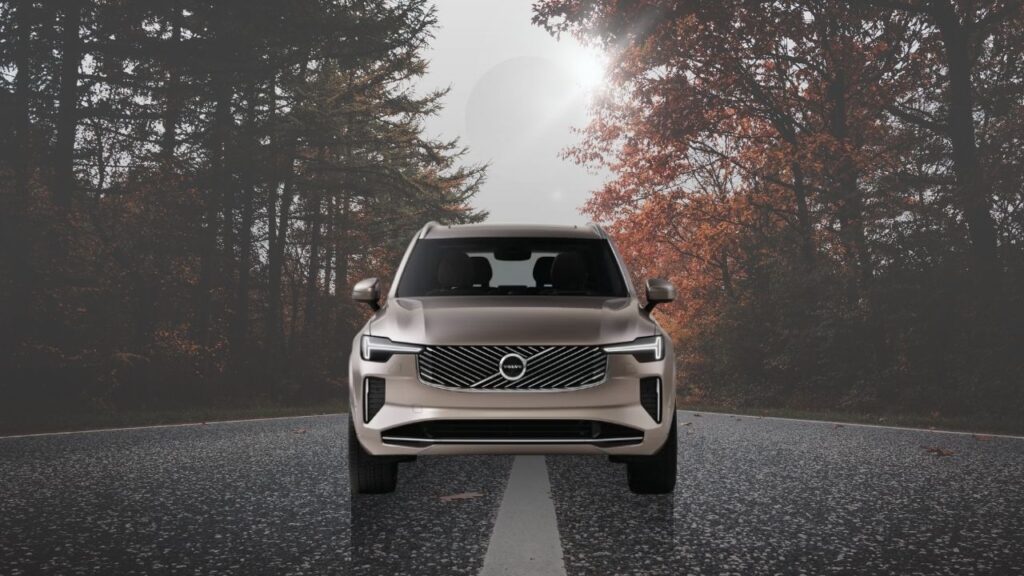
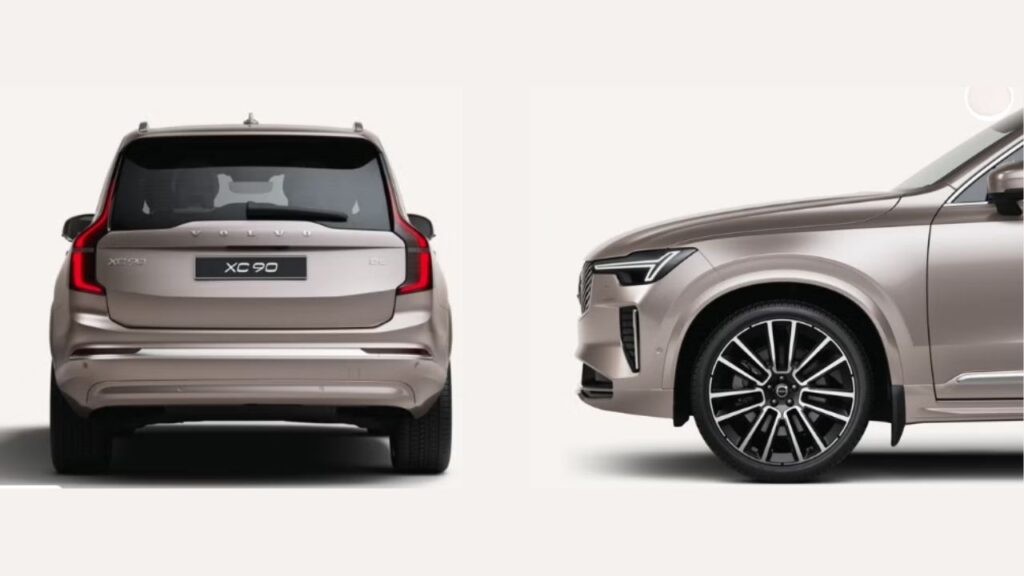
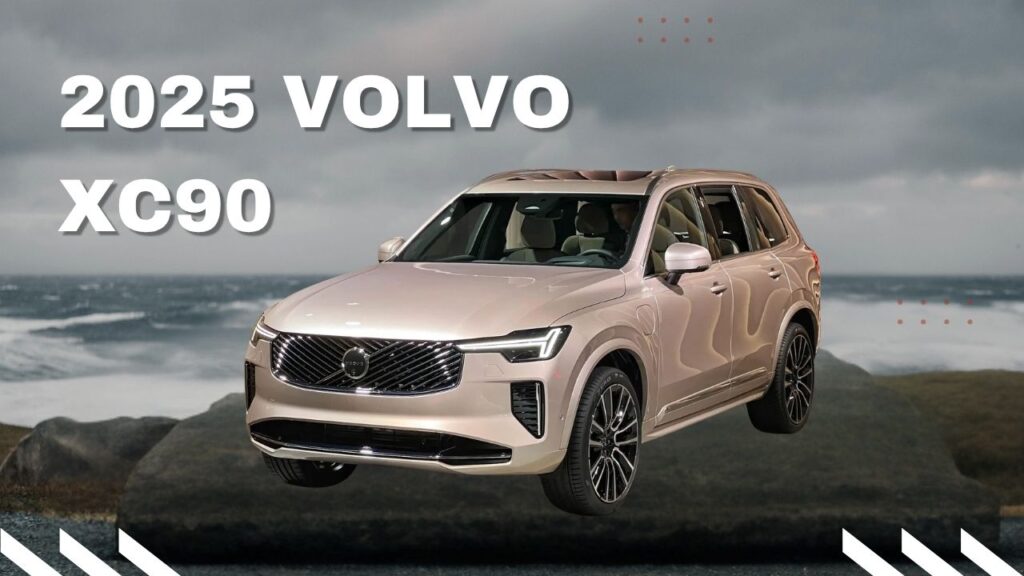
Scandinavian design and family-friendly practicality are two things that really should be synonymous in the luxury SUV segment — and the 2025 Volvo XC90 is still one of the best-rounded vehicles in that space on the market today. With its impeccable safety heritage, hybrid efficiency, and tranquil cabin design, the XC90 still sets the standard for what a luxury SUV for the family should be. Here’s a closer look at the performance, safety, features, pricing, and which trims are the best for families this year. Now the exterior features the familiar elegant lines of Volvo and a slightly revised front grille with LED signature headlights and updated cabin materials.

Inside it’s a different story: warm and inviting Scandinavian minimalism complemented by high-quality leather and wood that exudes comfort and class. The XC90 received IIHS Top Safety Pick+ status and a perfect five-star rating from the NHTSA. With Good ratings in all the crash tests, as well as a range of standard active safety features that include automatic emergency braking, blind-spot warnings, lane keep assist, and adaptive cruise control with lane centering.

Those excellent safety scores — along with Volvo’s free maintenance (3 years/36,000 miles) and strong warranty — make the XC90 a persuasive pick for safety-conscious families seeking peace of mind. 

Powertrain and Solid Performance Built

Volvo provides the XC90 with two 2.0L inline-four turbocharged engines, both 48V mild hybrids and a plug-in hybrid. The base “B5” makes 247 hp while the “B6” adds a supercharger and produces 295 hp. Both models come with AWD as standard, plus an 8-speed auto. When driving, the B5 was snappy enough for daily use, though a few testers say the new B5 “lacks the punch” of its competitors. For more power the B6 is even sharper with 0–60 in about 6.8 s and the XC90’s 5,000 lb maximum towing capacity is reserved for B6 models only (B5 tops out at 4,000 lb).

Volvo XC90 Powertrain and Solid Performance Built

Volvo’s premier T8 Plug-In Hybrid now returned to the original “T8” naming couples the turbo I4 with an electric motor for a total of 455 hp and about 33 miles of EV driving. The T8 accelerates briskly from low 5s to 60 and allows the XC90 to run on electric power for daily commutes. All three versions lean more toward comfort than sporty handling, and they boast a composed ride: “The XC90 continues to lean toward comfort rather than outright performance — which is exactly what a family SUV should do. 

The B5 has fairly solid fuel efficiency, the EPA estimates it gets about 26 mpg combined. If you’re looking at the B6, it’s a little bit less at 23 mpg. The T8, however, is the exception with a range of 33 miles on electricity and a fuel economy rating of 58 MPGe, so if you want something a little greener it’s definitely worth a look. 

Interior Comfort and Cabin Space

The redesigned XC90 has a roomy cabin that’s crafted to an incredibly high standard. Driver and passenger front-seat occupants benefit from a comfortable amount of legroom and support, the second row offers close to 37 inches of legroom both in 6- and 7-seat configurations.

Its is fairly roomy, although the optional third row (31.9″ of legroom) lends itself more for toddlers and short trips than for adults on long journeys. Volvo’s minimalist dash is dominated by the tall 11.2″ center display with Android Automotive/Google based and a 12.3″ digital gauge cluster. The more salient points of the cabin — open‑pore wood trim, matte-finish trim, and available ambient lighting — give it a luxury-minded look.

Families will like functional features such as multiple cupholders, the new sliding center console storage and a wireless charging pad (now repositioned). There’s plenty of cargo room as much as about 85.7 cu ft behind the front row because of its tall, beefer box shape. In general, the car’s interior is lauded as “a masterpiece of restraint” with a warm atmosphere”, even as they remark that Volvo still went mostly with touch controls.

Read more:- The Nissan Tekton Engineered for Superior Comfort on Rough Roads

Top Safety and ADAS Features 

Safety and driver assistance features are among the best. Beyond its 5-star crash-test ratings, the XC90 includes as standard equipment a suite of aids: automated emergency braking with pedestrian/cyclist detection, lane-departure warning and lane-keep assist, and adaptive cruise control with lane centering.

Volvo XC90 Safety and ADAS Features

Headlight performance differs by model — some Good, some Acceptable. But blind-spot monitors and rear automatic braking come with every trim level. Volvo even throws in three years of free scheduled maintenance and an 8-year/100k-mile battery warranty on the hybrids.

Pricing and Value of midsize luxury SUV XC90 

Trim  Engine Power Starting Price
XC90 B5 Core 2.0L Turbo hybrid 247 hp $58,695
XC90 B6 Plus 2.0L Turbo  295 hp $66,195
XC90 B6 Ultra 2.0L Turbo  295 hp $71,395
XC90 T8 Core (PHEV) Plug-in Hybrid 455 hp, 33 mi EV $73,195
XC90 T8 Ultra (PHEV) Plug-in Hybrid  455 hp, 33 mi EV $80,895

Best Trims for Families  

Experts prefer the mid-level Plus trim for the B6 engine with a seven‑seat bench configuration. The car’s Plus trim level incorporates practical amenities, including a panoramic sunroof and upgraded LED headlights, on top of the base Core model without making the vehicle too expensive. 

Volvo XC90 Best Trims for Families

Loaded out Ultra adds luxuries premium Bowers & Wilkins audio, ventilated massaging seats, four-zone climate control, multi-color ambient lighting, but Volvo’s kid-friendly safety kit comes stocked well even in lower trims. 

In general, prices are on the high side: the XC90 B5 Core starts at about $58,695, and the top PHEV T8 Ultra is below $82,800 (prior to discounts). With best-in-class safety, seating that flexes in six or seven configurations, and features that make life easier, the XC90 is a very good buy for families. 

Conclusion

The 2025 Volvo XC90 still shines as a family-friendly luxury SUV. It has a quiet, comfortable ride, an upscale and roomy cabin, and excellent safety scores and a long list of standard driver aids.The XC90 owes a lot of its value proposition to that segment, and now it excels there, particularly in the mid-grade Plus /Ultra trims with the B6 or plug-in powertrain, making it really easy to recommend for any family that needs three rows and a solid, safe vehicle. 

0

How to Check Tire Pressure Correctly: Guide For Car Owners

  How to Check Tire Pressure

Most drivers check tire pressure only when a tire already looks flat — which is exactly the wrong time to check it. By then you’ve likely been driving on underinflated rubber for weeks, burning extra fuel and wearing the edges of your tread down faster than the center. Understanding how to check tire pressure correctly can save your fuel.

What makes it tricky is that you can’t tell if a tire is under-inflated by simply looking at it. It changes with temperature and must be measured with a gauge. It’s a quick check that only takes a few minutes, and it can increase your gas mileage and tire life. 

Why Correct Tire Pressure Is Essential for Better Mileage 

A tire that is only 15% underinflated can reduce its life by thousands of kilometers and increase fuel consumption by 3 to 4%, the U.S. The Department of Transportation’s NHTSA quotes this data. Overinflated tires aren’t better as they shrink the contact patch with the road, which reduces grip and makes the ride harsher when you run over potholes. 

There’s a tight range that’s actually correct for your car and that size isn’t the number that’s printed on the sidewall of the tire. That figure is the tire’s maximum pressure rating, not the recommended one for your vehicle. 

The correct number resides in two places: a label inside the driver’s door jamb and the owner’s manual. Splitting the number is often given as two numbers – one for the front axle and one for the rear, as the rear often carries a different load. A normal Sedan tyre is inflated to around 30-35 PSI (approx. 2.1-2.4 bar) and for SUV/4X4 or heavier vehicles are usually recommended to be inflated 2-4 PSI more. 

When to Check Tire Pressure for the Best Results 

Tire pressure needs to be measured when they are “cold” — when the car has been stationary for at least three hours or if you haven’t driven more than two miles. Driving causes the air in the tire to heat up, and heat causes air to expand, which reads higher by 4-5 PSI or more depending on how long you’ve been driving. Check pressure immediately after a long drive and you’ll get a number that looks fine but isn’t — the tire will read low again once it cools overnight. 

The best time is early morning, before the car has moved, and before the sun has had a chance to warm the tires either.

Read More :-  How to Improve Gas Mileage: 15 Proven Tips That Actually Save Fuel

Accuracy Starts With the Right Gauge

Gas station pressure gauges on the air pump are well known for being inaccurate — they can be off by 3-5 PSI or more in either direction. A simple digital tire pressure gauge is very inexpensive and well worth having on hand; it eliminates guesswork and provides a consistent reading every time. Pencil-style gauges work too and are cheap and pocket-sized, but they’re harder to read precisely and tend to drift out of calibration faster than digital ones.

If your vehicle comes equipped with a Tire Pressure Monitoring System (TPMS), don’t use it as your sole check. In fact, the warning levels for TPMS are set to announce a single drop of approximately 25% from the recommended tire pressure – meaning that a tire can already be very under-inflated when the dashboard says something. 

Checking Tire Pressure Step by Step

  1. Take off the tire valve cap and place it in a safe place where you won’t lose it. 
  2. Press the gauge down on the valve stem until the hissing stops and you get a steady reading — a brief, uneven press results in an inaccurate reading. 
  3. Compare the reading with the number on the door jamb label for that particular axle (front and rear boots can be different). 
  4. If it’s low, pump in air in short bursts, checking between each — it’s easy to go too far. 
  5. If the pressure is too high, briefly press the small pin inside the valve stem to let some air out, then check again.
  6. Replace the valve cap. It’s not just cosmetic — it keeps out dirt and moisture that can lead to slow leaks, over time. 

Do this for all of the regular tires, and the spare if you have one. The spare is perpetually neglected and often the flattest tire in the vehicle when you actually require it. 

Temperature Changes Pressure More Than People Expect

Tire pressure drops roughly 1 PSI for every 10°F (about 5.5°C) drop in outside temperature. This matters a lot for drivers in North India or anywhere with a real winter — a tire set correctly in October can be noticeably underinflated by December without a single leak involved. 

The reverse happens in peak summer heat, especially in places like Dubai, where tires can run several PSI higher on hot asphalt purely from ambient heat, not overinflation. Checking pressure with the seasons, not just when something feels off, catches both problems before they become a blowout risk or an uneven wear pattern.

Signs You’ve Been Ignoring the Problem

Uneven wear on the outer edges of the tread usually points to underinflation; wear concentrated in the center strip points to overinflation. A car that pulls slightly to one side, feels softer than usual in corners, or seems to be drinking more fuel than it used to are all pressure symptoms before they’re anything else. None of these show up overnight — the build slowly enough that most drivers adjust to the change without noticing it.

The Habit That Actually Works

Checking tire pressure once a month, and always before a long highway trip, catches almost every problem before it becomes expensive. It takes less time than filling a fuel tank and costs nothing beyond the gauge sitting in your glovebox. 

The number on the door jamb is correct for a reason — trust that over the sidewall, over the gas station gauge, and over how the tire happens to look.

Read More :- How to Transfer Car Ownership in India: A Step-by-Step RTO Guide (2026)

Conclusion 

Properly checking tire pressure is one of the simplest and most beneficial maintenance routines. Among other things, it improves gas mileage, prolongs tire life, increases braking and handling, and minimizes the chance of an unplanned tire failure on the road. 

The trick is to measure the pressure when the tires are cold; use a good-quality gauge; and go by the PSI value on your car’s door jamb , not the number on the sidewall of the tire. 

Three minutes once a month can save your money on gas, extend the life of your tires and make every trip safer. For the typical car owner, it’s a small habit that can prevent a lot of bigger expenses down the road, not just something to think about when a warning light comes on. 

Keep a tire-pressure gauge in your glovebox, check all four tires and the spare on the reg, and make correcting tire pressure a normal step in your car-care routine. 

1

Pre-Book Limited-Edition Mini Cooper S Comes With 3-Door Entry

Published Oct 8, 2026, 12:44 PM
Last Updated Oct 13, 2026, 6:41 AM

Pre-Book Limited-Edition

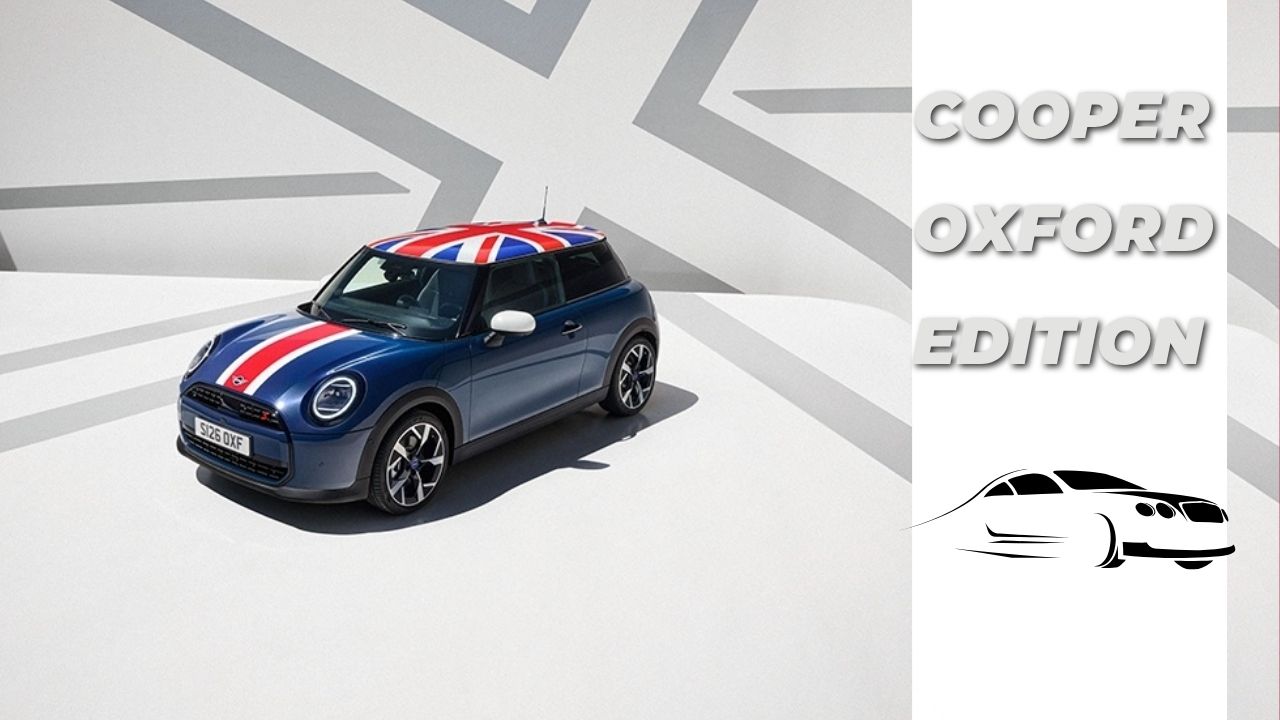
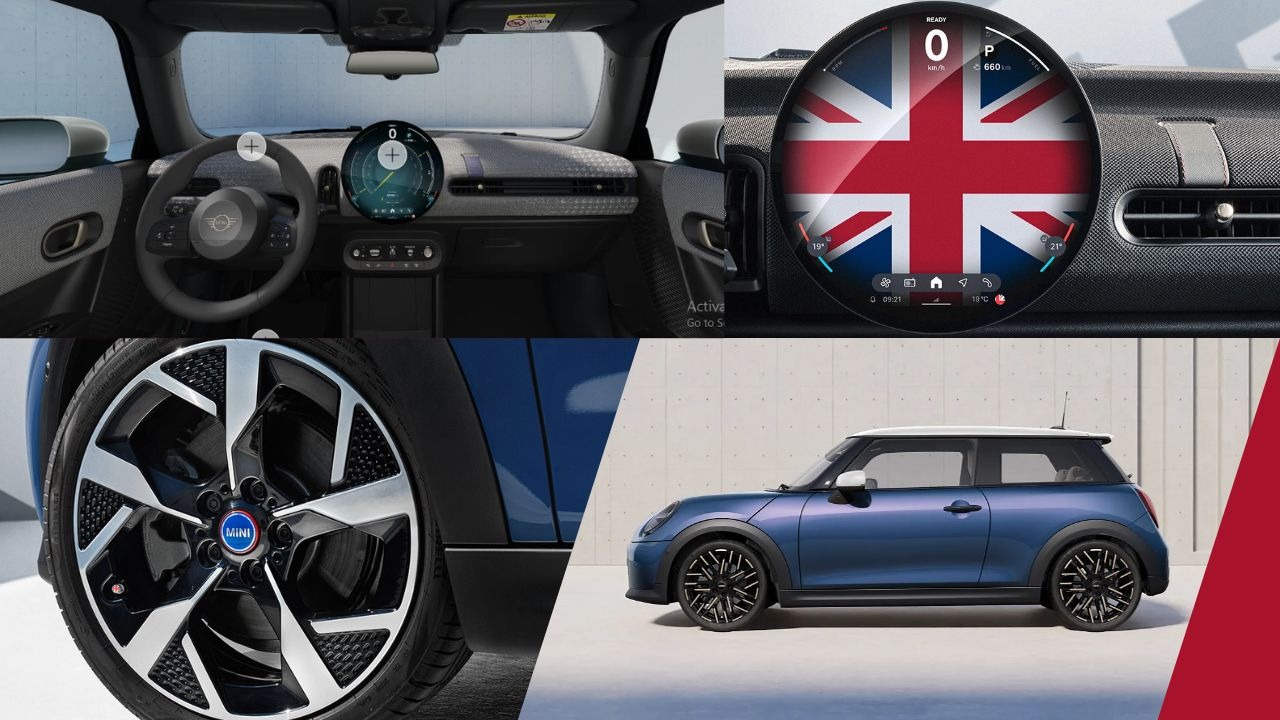
Mini India is launching Limited-Edition Mini Cooper S, it gets Union Jack-inspired styling which pays tribute to the brand’s British heritage. On 8 October 2026, the brand opened pre-launch bookings for the Cooper Oxford Edition, a limited run built on the Mini Cooper S 3-door, and the interesting thing is that the car underneath stays exactly the same, but the Mini didn’t announce a price yet.

It’s worth knowing the styling and interior updates comes with this Oxford Edition before booking through authorised MINI dealerships. You can show interest on the company’s official website.

Mini Cooper S Oxford Edition Pre-Booking

Mini India opened pre-launch bookings across 17 cities via authorized dealerships. Buyer from Delhi NCR, Mumbai, Bengaluru can check out but the price isn’t confirmed yet. You can also show your interest if you’re from Chennai, Hyderabad, Pune and Kochi or request a call back. 

Mini Cooper S Oxford Edition Pre-Booking

Mini has not announced the ex-showroom price which is more important than the colour palette. It has not announced a delivery schedule. And “limited quantities” is the only volume figure on offer, with no unit count. We could not find a booking amount either, so confirm that with your dealer before you transfer anything.

It’s not just a new car launch, it’s a tribute to Oxford in the UK, where original Mini production began and BMW Group started building the modern Mini.

Why This Mini Cooper S Is a 3-Door Only Affair

The “3-door entry” in the headline is less a feature than a format. The Oxford Edition is a special edition of the Cooper S 3-door, the classic short-wheelbase hatchback, and nothing in Mini’s announcement points to a five-door or convertible version.

That shapes who this car is for. Cooper S 3-door offers a tight rear seat and long front door that suggest a person buying for themselves. If your household needs easy rear access every day, the Oxford Edition is the wrong place to spend money regardless of how it looks.

Cooper Oxford Edition Design: Union Jack Graphics 

The styling speaks louder with a large Union Jack graphic and matching stripes running down the bonnet and boot which clearly says the special message. The tailgate gets British flag decals, the wheel hub caps are Oxford-specific, and even the valve caps carry the flag.

Mini Cooper S Oxford

Two body colours are listed: Indigo Sunset Blue and Chilli Red, both paired with white mirror caps. The car runs smoothly without compromising the hard physical body and elements. It sits on 18-inch Slide Spoke two-tone alloys wheels which also uses circular LED headlights and it is customisable with daytime running light signatures.

The interior looks cozy and futuristic with a central OLED display which seems perfect for the hatchback. The theme continued to follow inside too, Union Jack badge on the steering wheel and digital Personal Mode background inspired by the flag is something which makes it a special edition. 

Engine and Performance: Same Heart as the Regular Cooper S

Mini says the mechanical package matches the standard Cooper S sold in India, so there is no extra power for the extra money. It performs well with a power of 204 hp and 300 Nm of peak torque from the same 2 L engine that uses petrol. Cooper S power goes to the front wheels through a 7-speed DCT automatic with the torque available between 1,450 and 4,500 rpm.

The car runs in 6.6 seconds from zero to 100 km/h and gives a mileage of 16.82 kmpl but the claimed fuel efficiency number is extracted from the lab test not on the city road with real conditions. 

Earlier Indian-spec Cooper S models were rated at around 189–192 hp, so check the spec sheet or confirm from the dealer about the output figures because it might move over the years.

 👉 Skoda Slavia Facelift Comes With Automatic Shift & More Features

Oxford Edition Premium Cabin and Tech 

The cabin is where the Cooper Oxford Edition earns most of its justification. It uses Mini’s Favoured trim with JCW sport seats in black, a beige and grey knitted dashboard, silver interior accents and an anthracite headliner.

There are advanced features accessible in the car including a circular OLED touchscreen, backed by a head-up display, and a sound system (Harman Kardon) which also gives car owners a quite fun ride. Cooper S also has a panoramic glass roof and heated steering wheel to enjoy the experience of premium driving.

Oxford Edition Premium

The driver gets a special feature: electrically adjustable seats that’s a sign of true luxury. There is wireless charging, an interior camera and multiple digital display modes are also on the list

Connectivity covers wireless Apple CarPlay and Android Auto, Digital Key Plus and remote software updates. Parking help comes from front and rear sensors, a reversing camera and a parking assistant, and automatic climate control and cruise control with braking function are included.

Safety and Driver Assistance

The luxury features and comfort doesn’t mean- no reliability. The safety package in a Limited-Edition Mini Cooper S offers ADAS functions which are new and tested. The car runs with its open sensors which gives collision warning, lane departure warning, speed warning. 

Cooper Oxford Edition doesn’t just protect you while after the crash, but before the crash. Beginners will also drive well with driver attentiveness monitoring, reversing assistant, dynamic stability control, and cornering brake control. And most of the time people don’t get to notice maintenance, so it’s easy with tyre pressure monitor, a run-flat indicator and emergency call functionality.

Traction control and ABS and brake assist also comes along with Mini. We have not seen a crash-test rating published for this specific configuration, so do not read the equipment list as a safety score.

Mini Cooper S Oxford Edition Price

The official price is not out. There was a previous Mini Oxford Edition in India. It launched on 22 October 2018 at Rs 44.90 lakh ex-showroom, limited to 25 units, sold exclusively through Amazon India. At the time, the base Cooper S 3-door was listed at Rs 33.9 lakh, which means that edition carried a premium of roughly Rs 11 lakh. It also used a 192 hp version of the same engine and an earlier-generation cabin.

Cooper Oxford Edition

The 2026 car is a different launch with different equipment, so the 2018 numbers describe a precedent, not a forecast. A regular Cooper S 3-door is currently listed around Rs 42.70 lakh ex-showroom on a dealer-aggregator site, and that figure is unconfirmed by Mini, so verify it locally. Even a premium half the size of the 2018 one would push the Oxford Edition toward the upper forties. That is arithmetic to plan your budget around, not a price Mini has given.

On-road costs add registration, insurance and other charges on top, and they vary a lot by state.

How to Pre-Book the Cooper Oxford Edition

Go through an authorised Mini dealership, or register interest on the website and wait for the call back. Before you commit, ask the dealer four things:

  1. What is the booking amount, and is it refundable if the final price disappoints you?
  2. How many Cooper Oxford Edition units is the dealer allotted?
  3. What is the expected delivery window?
  4. Which of the listed features are standard on this edition and which are paid options?

The refund question is the one that protects you. Pre-launch bookings of Cooper Oxford Edition are placed before the price exists.

👉  5 Lowest-Priced Maruti Suzuki Cars Featuring Automatic Transmission in India

Conclusion

Pre-book if you want the Cooper Oxford Edition specifically, you can accept a three-door body, and you are comfortable committing before the price is known, as long as the booking is refundable. Collectors and Mini loyalists are the natural buyers.

Wait if you care about performance per rupee. A regular Cooper S gives you the same engine and most of the same character, and the Golf GTI gives you more power and five doors once the Mini’s price is announced. Do not pay a limited-edition premium until you have seen the number, and do not let the word “limited” hurry you.

0

Tata Nexon EV vs MG ZS EV: Choose the Electric SUV That Fits Your Lifestyle

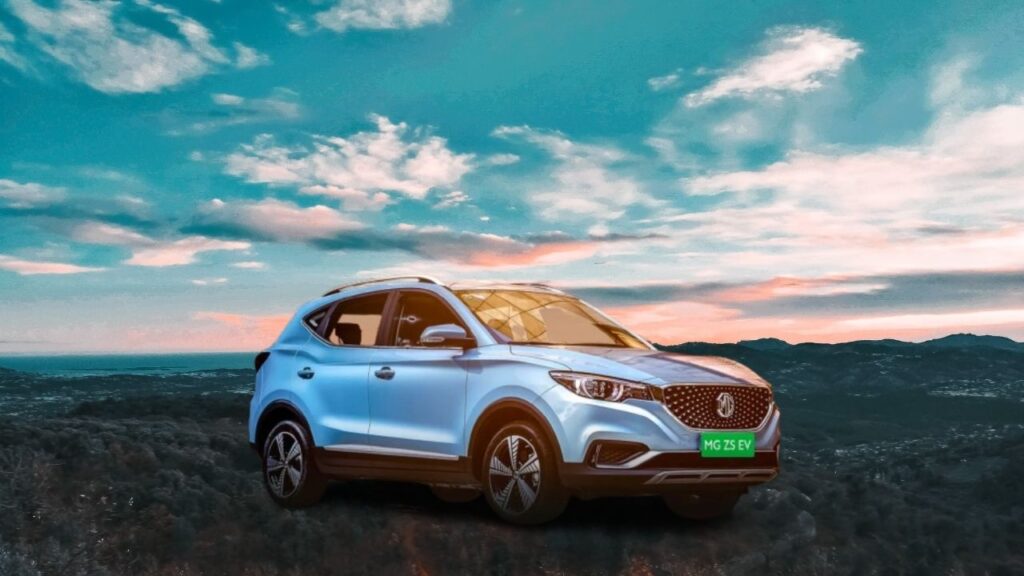
Tata Nexon EV vs MG ZS EV

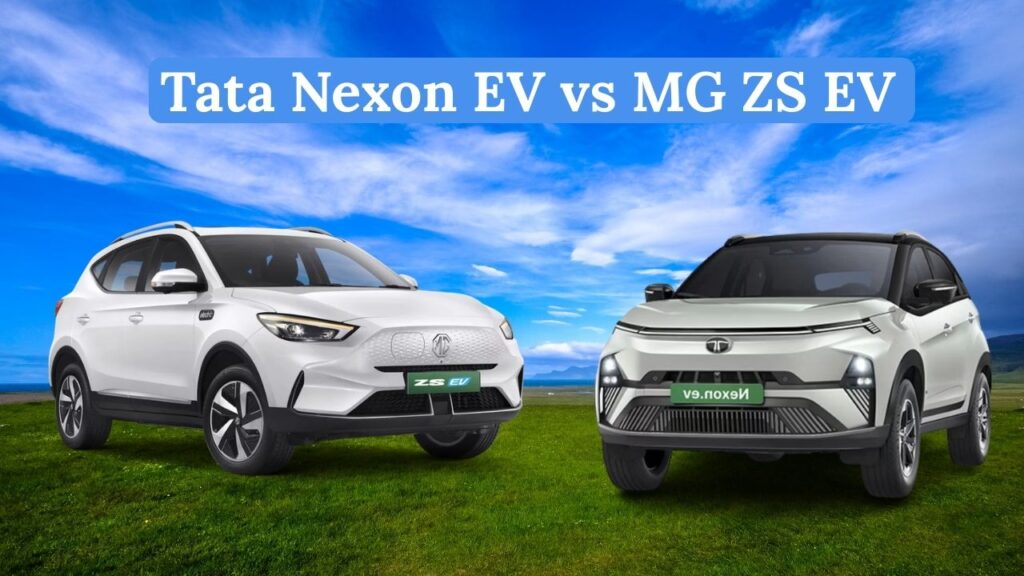
If you’re considering an electric SUV this decision can be hard to make and exciting at the time. Do you opt for maximum value and ease on the budget, or do you splurge a little for a modicum of premium comfort, tech and punch? That’s where this comparison Tata Nexon EV vs MG ZS EV has a clear interesting factor.

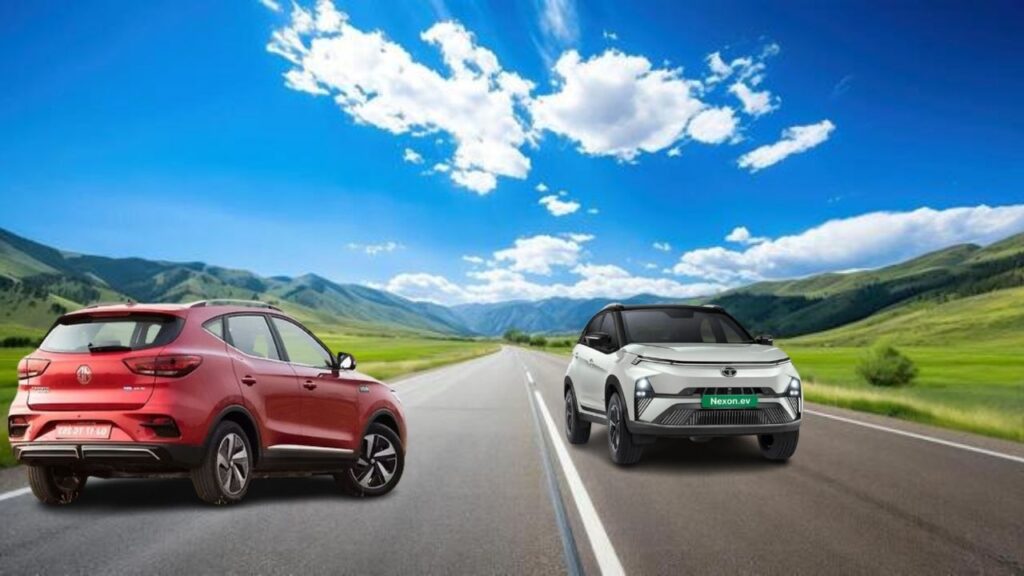
Tata Nexon EV vs MG ZS EV are two of India’s best electric vehicle contenders, however, they are dual solutions for very different kinds of buyers. One is about intelligent functionality and mass market access, the other is about refinement, power and high-end aspirations. Let’s take a real, no BS look at them and help you decide which one really fits your life. 

Pricing: The Accessibility Factor

This is where the entire equation changes. The Tata Nexon EV starts at a very affordable ₹12.49 lakh (ex-showroom) for the Creative Plus Medium Range variant, making it one of the cheapest premium electric SUVs in the country. Even the fully loaded Empowered Plus A 45 Dark Edition tops out at ₹17.49 lakh, and for what it is, that doesn’t seem too bad at all.

The Accessibility Factor

In contrast, the MG ZS EV is more of a premium offering. Prices begin from ₹17.99 lakh for the Executive variant and go up as high as ₹20.50 lakh for the Essence variant. That’s a big jump, roughly a difference of ₹5.5 lakh already at the base level. And honestly, that difference in price could be all it takes to sway thrifty customers who want to squeeze the most value for their money, but aren’t looking to go too far.  

Battery & Range: Two Different Philosophies

Tata provides a pair of battery choices for its cars: a 30 kWh Medium Range (MR) pack, whose range has been certified by ARAI as 325 km and a 45 kWh Long Range (LR) variant that offers a range of 489 km. The MR models pack a 127 bhp motor while the LR versions offer more power with a 143 bhp motor. 

Two Different Philosophies

MG adopts a one-size-fits-all solution, with a 50.3 kWh prismatic cell battery offering 461 km of range and 174.33 bhp that way more power than even the Nexon EV’s top trim. For the highway buffs, the ZS EV’s extra grunt and uniform range across all variants is an eye catcher. 

Variant Breakdown: Choices vs. Simplicity

Brand Trim/Variant Price (₹ Lakh, ex-showroom) Key Features
Tata Curvv EV Creative Plus MR 12.49 Smart digital DRLs, LED headlamps, 6 airbags, 17.78 cm touchscreen
Fearless (range) 13.29 – 14.99 26.03 cm cinematic display, wireless Android Auto/Apple CarPlay, 16-inch alloys
Empowered (range) 14.79 – 17.49 360° camera, panoramic sunroof, ventilated seats, JBL sound, ADAS Level 2 (on Empowered Plus A)
MG Executive 17.99 50.3 kWh battery, Smart featuring technology with good interior
Excite Pro 18.50 (Builds on Executive; specifics not detailed)
100 Year Edition 19.50 (Special edition; builds on lower trims)
Exclusive Plus 19.50 360° cameras, leather seats, 6-way power driver seat, wireless charging
Essence 20.50 Everything for safety in ADAS 2

Connecting Experience with Great Features

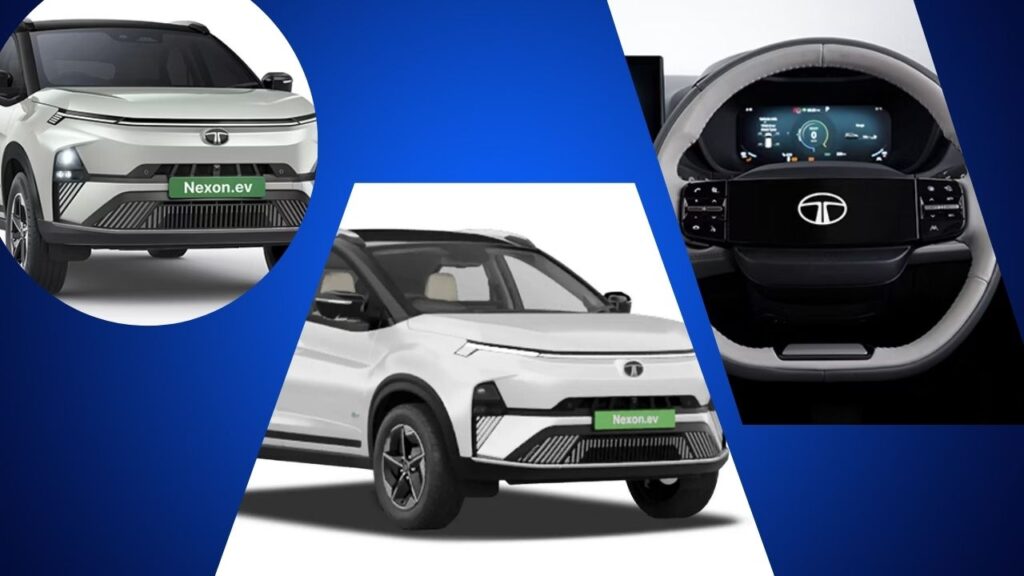
Tata Nexon EV vs MG ZS EV have tech to talk up. Tata Arcade.ev suite of applications delivers OTT streaming, games and navigation to the 31.24 cm touchscreen on higher variants. Special features include Vehicle-to-Load (V2L) and Vehicle-to-Vehicle (V2V) charging – run your home appliances or aid another EV owner. The Red Dark Edition also features exclusive carbon black exteriors with red-themed interiors for ₹17.19L–₹17.49L.

Connecting Experience with Great Features

MG follows up with i-SMART 2.0 with 75+ connected features. The dual paned panoramic sky roof, JBL audio(DLR fitment) and digital Bluetooth key are the noticeable additions. What differentiates MG is the uniformity across the board — the 50.3 kWh battery and 461 km range are standard on all variants, while Tata’s lowest rung buyers must make do with 325 km. 

Top Safety

Tata Nexon EV vs MG ZS EV makers focus on safety. The Nexon EV also has 5-star Bharat NCAP ratings, 6 airbags as standard across variants, ESP with i-VBAC, and ADAS in the top trims .MG matches with 6 airbags, ABS+EBD and a suite of advanced MG Pilot driver aids even includes lane departure warning and blind-spot detection on higher variants. 

Read More:-  2026 Isuzu V-Cross Launched at ₹25.50 Lakh, 4×2 Trims Discontinued

Conclusion

Go for the Tata Nexon EV if content with the best electric mobility bang for your buck. At ₹12.49L, it’s almost ₹5.5L cheaper than MG’s threshold, and the variety of variants means you can purchase just what you need. The 45 kWh Long Range variant at ₹13.99L (Creative 45) has a range of 489 km — a clear winner against MG’s 461 km — for ₹4L lesser than the ZS EV Executive.

Choose the MG ZS EV if the performance and premium feel matter to you. The 174 bhp power output smashes Tata’s 143 bhp, and the uniform 50.3 kWh battery means you now have range anxiety irrespective of variant. ADAS Level 2 suite on Essence variants is said to be more feature-rich than Tata’s variant.

Nexon EV makes electric mobility a mass market product; the ZS EV pleasures those with more money to spend on continuous refinement. Tata Nexon EV vs MG ZS EV are the face of India’s EV revolution – just at different price-points. 

0

How to Calculate Average of Car With Explained Methods and Formula

Published Jun 9, 2026, 1:14 PM
Last Updated Jun 10, 2026, 4:21 AM

Knowing How to Calculate Average of Car will help you figure out why your car seems to gulp fuel way too fast or just wanted to know if your car provides good value or not. You don’t need a special divide or tool to calculate that, just follow easy steps with patience to find the exact car average. 

What Does “Car Average” Actually Mean?

Car Average means fuel efficiency, how many kilometres your car travels on 1 litre of petrol or diesel. So, here is an example, if your car gives 15 km/l, it means 1 litre of fuel lets you drive 15 kilometres. 

If the number is getting higher then your car is giving you great mileage and saving your money on fuel. Every car brand shows an “official” mileage figure but real-world average can be different because of your driving style and road conditions. That’s why calculating the average of a car by yourself is a good idea.

See Also: How to Remove Scratches from Car

How to Calculate Average of Car — The Formula


Mileage (km/l) = Distance Travelled ÷ Fuel Used

Example: You drove 450 km and used 9 litres → Average = 450 ÷ 9 = 50 km/l


A simple How to Calculate Average of Car Formula is enough to find the right numbers your car makes using distance and fuel used.

Tank-to-Tank Method 

1.Fill Your Tank Completely

Fill the tank to the top when you go to the petrol pump. Don’t let them stop filling until the nozzle clicks and stops automatically. 

2.Note Your Odometer Reading

Check your dashboard, it shows the total distance, write it down somewhere. For example: 12,500 km.

3.Drive Normally

Use your car as you did before whether city driving, highway, office trips. Let the fuel drop to lower before you return to the pump.

4.Fill Up Again Completely

Again fill the tank to the top with fuel at the petrol pump and note exactly how many litres were put in. For example: 9.5 litres.

5.Note the New Odometer Reading

Check the total distance on the dashboard (odometer) again. If it shows 12,950 km. subtract the first reading to the current reading and you get the travel distance to put into the formula.

6.Apply the Formula

Mileage = 450 km ÷ 9.5 litres = 47.4 km/l — that’s your real-world car average!

Useful: DIY Car Care Tips

Other Ways to Calculate Car Average

Trip Meter Method

Reset the trip meter to zero after a full tank fill. After refueling next time, divide the trip meter reading by litres added. Same formula, less maths.

Mileage Tracking Apps

Apps like Fuelio, Drivvo, and Road Trip track every fill-up and calculate your rolling average automatically over weeks and months.

Car’s MID Display

Maruti, Hyundai, Tata cars have a Multi-Information Display (MID) that shows mileage of the car. But it’s not an exact average number. 

Pro tip: For finding the most reliable results of the car’s average, calculate over 2-3 full tanks. A single tank result can give you wrong numbers because of unusual driving. One long highway trip or a week of only short city rides will give you totally different numbers.

What Affects Your Car’s Average?

You might calculate 17 km/l one month and only 12 km/l the next — without changing anything obvious. Here are the main factors that affect how to calculate average of car in real conditions:

Factor What Happens Impact
City vs Highway Stop-and-go city traffic burns more fuel than smooth highway driving High
AC Usage Running AC constantly can reduce mileage by 10–20% High
Tyre Pressure Under-inflated tyres burn more fuel to move forward while creating high resistance. Medium
Driving Speed Best efficiency is usually between 60 ⁣− ⁣80 km/h. It drops the mileage point after surpassing the 100 km/h. High
Engine Health Dirty air filter, old spark plugs, or low engine oil all reduce mileage Medium
Car Load More passengers or heavy luggage means the engine works harder Low–Mid
Gear Usage Driving in the wrong gear wastes fuel Medium
Fuel Quality Low-quality fuel reduces efficiency and can damage the engine Medium

How to Improve Your Car’s Average

Once you understand How to Calculate Average of Car then the next obvious thing you do is improve it. And these tips will help you to do that.

  • Service on Time: You can follow the regular check ups tips by yourself to keep the engine running efficiently.
  • Check Tyre Pressure: Your tyre pressure must meet the mentioned manufacturer’s recommended level (usually printed on the door frame).
  • Avoid Sudden Braking: Rapid acceleration and brake will cause more fuel to burn while the machine works hard to give sudden output. So, slow down gradually.
  • Use AC Wisely: Turn off AC when parked. At speeds below 40 km/h, opening windows is more efficient than AC. 
  • Constant Speed on Roadway: If your car gives cruise control, use it or keep at 70-80 km/h of speed on roadways. 
  • Remove Extra Weight: Don’t put unused items in a boot because every extra 50 kg reduces mileage slightly.

The City Mileage vs Highway Mileage

When you calculate the mileage of a car, it makes a huge difference from where you’re driving. The most popular car averages be like: 

Standard cars like Maruti Swift or Hyundai Grand i10 should give a mileage of 16 km/l in city and 22 km/l on highway. However, real mileage varies with driving style and road conditions. 

If your numbers are lower than the ARAI figure advertised by the company then it’s not a big surprise because it was tested in lab conditions. Real world driving always provides 20–30% lower than the official figure due to roads, traffic, and AC usage.

Conclusion of How to Calculate Average of Car

Understanding How to Calculate Average of Car is one of the simplest and most useful things you can do as a car owner. It takes less than 5 minutes and tells you a lot about your car’s health, your driving habits, and how much money you’re spending on fuel every month. Try it on your next full tank and see how your car is really doing.