0

Top 10 Cheapest Electric Cars in India – See Which EV Tops the List!

Published May 19, 2025, 7:11 AM
Last Updated Nov 5, 2026, 4:24 PM

Top 10 Cheapest Electric Cars in India (2025) – See Which EV Tops the List!

India is steadily shifting toward a cleaner and greener future. With fuel prices going up year after year, more and more people are showing interest in electric cars as a smarter, eco-friendly choice. These cars help save money and protect the environment. But still, many people ask, Which is the cheapest electric car in India?

In 2025, we finally have many affordable electric cars in India. In this article, I have listed the top 10 Cheapest Electric Cars in India in 2026. All the cars in this list cost under ₹15 lakhs (ex-showroom). I will tell you the features, battery range, price, and why they are worth buying. Let’s begin!

1. MG Comet EV – Compact and Stylish

MG Comet EV – Compact and Stylish

Image Credit: MG Motors

If you live in a city and need a small car, the MG Comet EV is perfect. It was launched on April 26, 2023. It is only 2,974 mm long, which means you can park it easily in tight spots. It has two 10.25-inch screens and a smart voice system that understands Hinglish. You can even use an app to lock your car from your phone. I think it’s great if you want a tech-friendly and cheap EV.

  • Price: ₹7.00 lakh
  • Range: 230 km
  • Battery: 17.3 kWh
  • Seating: 4
  • Power: 41 bhp / 110 Nm

2. Baojun E100 – Tiny But Powerful

Baojun E100 – Tiny But Powerful

Image Credit: New Atlas

The Baojun E100 is the smallest EV in this list. It’s only 2,488 mm long. It is best for single people or couples. It is simple but has everything you need for a daily city ride. It has smooth electric steering and LED lights. It’s a good option if you want something small and budget-friendly. And yes, this one answers your question — which is the Cheapest Electric Cars in India?

  • Price: ₹6.50 lakh
  • Range: 155 km
  • Battery: 14.9 kWh
  • Seating: 2
  • Power: 39 bhp / 110 Nm

3. Tata Tiago EV – Reliable and Trusted

Tata Tiago EV – Reliable and Trusted

Image Credit: Tata Motors

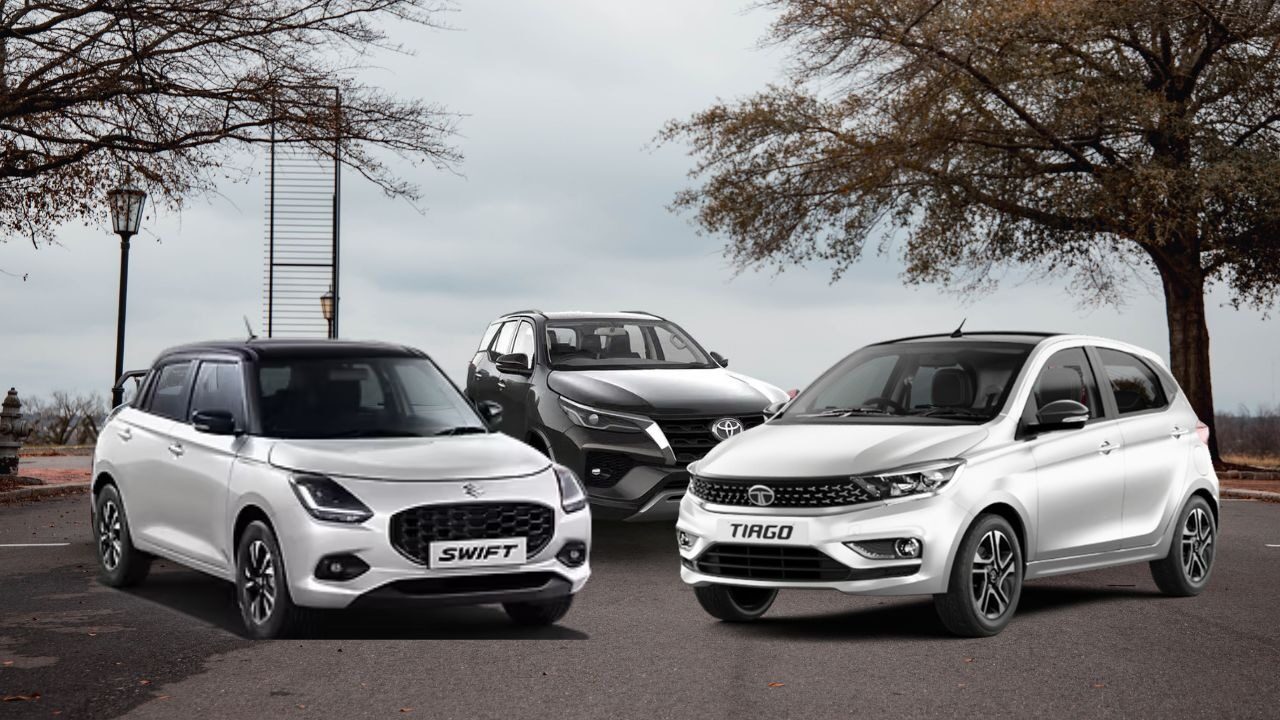
On 28 September 2022, Tata Motors launched the Tiago EV. It is a small hatchback with a strong car body. It has stylish looks and many color options. The ZConnect app lets you control the AC from your phone. It also supports smartwatch connection. I recommend it for families who want a strong EV.

  • Price: ₹7.99 – ₹11.89 lakh
  • Range: 250 to 315 km
  • Battery: 19.2 kWh / 24 kWh
  • Seating: 5
  • Power: 60 bhp / 110 Nm and 74 bhp / 114 Nm
  • Safety Rating: 4 stars (Global NCAP)

4. Mahindra eKUV100 – Small SUV Feel

Mahindra eKUV100 – Small SUV Feel

Image Credit: EV Duniya

This car looks like a mini SUV. The Mahindra eKUV100 comes with remote controlling features such as tracking and cabin pre-cooling. If you like Mahindra and want an SUV-style electric car under ₹9 lakh, this is for you.

  • Price: ₹8.25 lakh
  • Range: 147 km
  • Battery: 15.9 kWh
  • Seating: 5
  • Power: 54 bhp / 120 Nm

5. Mahindra eVerito – Budget Electric Sedan

Mahindra eVerito – Budget Electric Sedan

Image Credit: The Financial Express

The eVerito is one of India’s first electric sedans. It has a simple design with a big 510-litre boot space. It supports Eco and Boost drive modes. If you want a basic electric sedan for daily use, this can work for you.

  • Price: ₹9.12 – ₹9.46 lakh
  • Range: 110 km
  • Battery: 18.5 kWh
  • Seating: 5
  • Power: 41 bhp / 91 Nm

6. Tata Punch EV – Small SUV with Style

Tata Punch EV – Small SUV with Style

Image Credit: Tata Motors

Launched on 5 January 2024, Tata Punch EV is India’s first Gen 2 EV. This electric vehicle is based on the Acti.ev platform. It has a split headlight and new alloy wheels. Tata Punch EV comes with two 10.25-inch screens and a 360° camera. It feels modern and stylish. I think this is the best option if you want a micro-SUV that is safe and smart.

  • Price: ₹9.99 – ₹14.29 lakh
  • Range: 315 km
  • Battery: 24 kWh
  • Seating: 5
  • Power: 74 bhp / 114 Nm
  • Safety Rating: 5 stars (Bharat NCAP)

7. Citroën eC3 – French Style in Budget

Citroën eC3 – French Style in Budget

Image Credit: Citroen

Citroën launched the eC3 in India on February 27, 2023. It looks like its petrol version but has electric power inside. Citroen efficiently supports wireless Android Auto and Apple CarPlay. It also lets you track your car using the Citroën Connect app. It gives a smooth driving experience.

  • Price: ₹11.61 – ₹13.35 lakh
  • Range: 320 km
  • Battery: 29.2 kWh
  • Seating: 5
  • Power: 56 bhp / 143 Nm

8. Tata Tigor EV – Safe Sedan

Tata Tigor EV – Safe Sedan

Image Credit: Tata Motors

Tata Tigor EV: This sedan was launched in August 2021. It looks premium and comes with blue accents. It has many comfort features. It comes with a 7-inch screen and climate control. The app helps in remote lock, tracking, and checking car health. If you want a safe sedan, go for this.

  • Price: ₹12.49 – ₹13.75 lakh
  • Range: 315 km
  • Battery: 26 kWh
  • Seating: 5
  • Power: 74 bhp / 170 Nm
  • Safety Rating: 4 stars (Global NCAP)

9. Tata Nexon EV – Most Popular Choice

Tata Nexon EV – Most Popular Choice

Image Credit: Tata Motors

The Nexon EV is one of the best-selling electric cars in India. It is strong, spacious, and stylish. It comes with a closed grille and bold design. It supports ZConnect, climate control, and smart parking features. I think this is best for people who want more range and comfort.

  • Price: ₹14.74 – ₹19.99 lakh
  • Range: 325 to 465 km
  • Battery: 30.2 kWh / 40.5 kWh
  • Seating: 5
  • Power: 127 bhp / 245 Nm
  • Safety Rating: 5 stars (Bharat NCAP)

10. Mahindra XUV400 – Power Packed SUV

Mahindra XUV400 – Power Packed SUV

Image Credit: Mahindra

The XUV400 is Mahindra’s first electric SUV. It looks modern with projector headlamps and a two-tone color option. It also has 60+ connected features. If you want a bigger SUV and can spend a bit more, this is worth checking out.

  • Price: ₹15.49 – ₹19.39 lakh
  • Range: 375 to 456 km
  • Battery: 34.5 kWh / 39.4 kWh
  • Seating: 5
  • Power: 148 bhp / 310 Nm

Final Words: Which One Should You Pick?

If you want to know which is thе Cheapest Electric Cars in India, thе Baojun E100 and MG Comеt EV arе thе chеapеst in 2025. Thеy arе compact, pеrfеct for city drivеs, and savе a lot of fuеl monеy. If you nееd morе spacе and safеty, go for Tata Tiago EV, Punch EV, or Nеxon EV.

Elеctric cars arе not just good for thе еnvironmеnt, thеy also hеlp you savе in thе long run. I hopе this list hеlps you choosе thе bеst onе for your nееds and budgеt.

 

Bipin Sharma

Bipin Sharma is a seasoned automotive content writer with over 10 years of hands-on experience in the world of cars. From the latest car news and reviews to in-depth maintenance tips and expert buying guides, Bipin covers everything that drives the automotive world. Writing about cars isn’t just his profession — it’s his passion. His deep industry knowledge and love for automobiles fuel every blog he creates, helping readers make informed decisions and stay updated on the fast-evolving auto landscape.

Leave a Reply

Your email address will not be published. Required fields are marked *

0

Best Second Hand Cars to Buy in India – Used Car Buying Guide

Best Second Hand Cars

Car pricing is rising constantly in India and right now, cars are becoming an essential part of everyone’s life. Buying a Second Hand Cars is becoming a smart option because every new model of car value depreciates after two or three years, so most people secure themselves by spending over on a new one when they can get that model at half of price. Used cars are also a great option for first time buyers.

But it’s not that simple, you must know that the used cars market is in large numbers and choosing the right one is difficult. Every seller wants to pass off the car by saying “fully maintained”, “good condition”, and present it in an excellent condition without telling you the truth. They won’t tell you if there’s any flood-damaged or accident-repaired. That’s why buying a used car requires more than just finding a good deal. 

Let’s look into this guide to understand how you can buy a Second Hand Cars and which models can be good to pick in 2026. 

Why Second Hand Cars Are a Smart Choice in 2026

There is a financial reason for buying Second Hand Cars. A new car loses its value around 15–20% in the first year after it leaves the showroom. So buying a two or three-year-old car instead, you avoid that major depreciation which was faced by first hand car owners. While you get a well-maintained vehicle at a much lower price. 

A few other reasons second hand cars are gaining popularity in India:

  • Lower upfront cost means smaller loan amounts and lower EMIs.
  • Better insurance premiums since the insured declared value (IDV) is lower than a new car.
  • Access to higher segments – don’t pick five/six years old models to buy, choose a used premium sedan or SUV for the price of a brand-new entry-level hatchback.
  • Certified used car programs like Maruti True Value, Mahindra First Choice, clear your mind and help you to choose the right car. There are other brands that offer such programs like Hyundai Promise, and Toyota U Trust, these have made the process far more trustworthy than it used to be.
  • Online platforms also provide inspection reports, warranties, and even doorstep delivery for second hand cars. You can check OLX autos and CarDekho to find out. 

Those days were long gone when buying a second hand cars was a mistake because the market has now matured enough to make it a sensible financial decision rather than a compromise.

Best Second Hand Cars to Buy in India by Category

Not every used car is a good used car. There are few models that offer reliability, better value and easier to maintain over time. So let’s check out which second hand cars are best to buy.

Best Second Hand Hatchbacks

Hatchbacks are usually the easiest entry point into car ownership, and they remain extremely popular in the used car segment because of low maintenance costs and great fuel efficiency.

  • Maruti Suzuki Swift – Arguably India’s most popular used car. Strong resale value, easy availability of spare parts, and a massive service network make it a safe choice.
  • Hyundai i20 – It offers more premium features that let you feel excellent drive, a good pick if you want something a notch above the basics.
  • Maruti Suzuki Baleno – Ideal for those who are looking for a hatchback that offers good fuel economy, and decent resale value.
  • Tata Tiago – Tata is number one in safety rating, proved in many real accidents. Some variants build on solid structure, appealing to safety-conscious buyers.

Best Second Hand Sedans

If you want more comfort on long drives and a bit more road presence, a used sedan is worth considering.

  • Honda City – Known for being a driver’s car with smooth performance and excellent reliability. A used City is almost always a safe bet.
  • Maruti Suzuki Ciaz – Best to buy if you want a spacious cabin, low maintenance costs, and reasonable fuel economy.
  • Hyundai Verna – Offer best features and comfort drive that let you have a premium experience.
  • Skoda Rapid / Volkswagen Vento – Great for those who want a more “European” driving feel, though maintenance costs can be a bit higher.

Best Second Hand SUVs and Compact SUVs

New SUVs and compact SUVs attract everyone these days with their comfort and reliable nature. The Second Hand SUV market has grown rapidly as a result. 

  • Maruti Suzuki Brezza – Brezza is easy to maintain so it’s the top pick in the used compact SUV list. It offers good fuel efficiency that also makes it the best choice.
  • Hyundai Creta – Most buyers wanted a powerful SUV with advanced features and safety suite and Creta is the best option in used SUV.
  • Kia Seltos – If you want to buy a stylish second hand SUV loaded with tech then Seltos is the best option.
  • Mahindra XUV300 – Good safety ratings and a punchy engine, a strong contender if you want something rugged.
  • Tata Nexon – Excellent safety scores and solid built quality, often available at attractive used prices.

Best Second Hand Premium Cars

If your budget allows and you’re chasing a more luxurious driving experience, certain premium used cars offer incredible value because of how steeply they depreciate.

  • Toyota Fortuner – Holds resale value better than most SUVs in its class, but always gets a thorough inspection given its heavy usage profile in many cases.
  • Honda Civic / Honda Accord (older generations) – Solid build Honda Civic offer smooth and excellent ride but maintenance is costly. 
  • Mercedes-Benz C-Class / BMW 3 Series (5+ years old) – Before buying these cars, check their maintenance history. The value of these cars depreciates massively, so a 5-6 year old model can be available at a fraction of the original price. 

Read More :- How to Increase Your Car Resale Value Without Overspending on Maintenance

What to Check Before Buying a Used Car

Don’t rush here because regretting later can give you nothing but a headache. Because these parts are essential to consider while buying a Second Hand Cars. 

1. Verify the Paperwork First

Before you even look at the car, check the documents. check the registration certificate and match the used car engine number. If the car is registered in a different state, ask for a No Objection Certificate (NOC). There are also insurance documents and PUC certificates along with these documents. Also, check that the loan is cleared if the previous car owner made a purchase on loan.

2. Check the Service History

If the previous car owner follows regular service then it becomes trustworthy because gaps in service cause problems in engine parts quickly. Ask them to show records or documents of previous servicing of a car from authorized centers.

3. Inspect for Accident or Flood Damage

Look closely at the car exterior, if you see mismatched paint or even panel gaps that may indicate a car was involved in an accident. If you wanna check flood damage, take a look under the carpets for rust. If there is a smell when you open the doors that suggest a water exposure. then check the tyres for uneven wear which could point to alignment or suspension issues from an accident.

If you’re not confident inspecting this yourself, it’s worth paying for a professional pre-purchase inspection. Several services now do this for a few hundred rupees and can save you from a very expensive mistake.

4. Take It for a Proper Test Drive

Take a test drive on different routes at different speeds to test its engine and transmission. It also lets you know how smoothly it runs. Check AC cooling capacity, and other features while driving. Any sound from a car, loose brake, or suspension must be checked carefully. Steering must turn right and left smoothly.

5. Compare the Asking Price With Market Value

Visit offline used car markets or visit online platforms like Cars24, or OLX Autos to check and compare the specific model price. If the kilometers are exceeded, you can negotiate with the sellers to lower the price. Do not trust on anyone’s word, use your inspection process to negotiate if the car is lacking something but check the least compared value of the second hand car to negotiate logically.

Read More:-  Car Maintenance Tips That Save Money And Valuable Time

Buying Used Cars Through Dealers vs Buying Privately

Both routes have their pros and cons, and the right choice depends on how much risk you’re comfortable with.

Buying from a certified dealer  Buying from a private seller
Comes with a warranty and inspection report. No inspection report or guarantee
Price is higher Lower price from dealers
Documents and transfer process is easy Paperwork and transfer handled by yourself
No hidden issues Buy with experienced car owners or check by yourself for hidden issues

Beginners must consider buying from a certified dealer or platform rather than directly as this is generally the safer choice, even if it costs a little more.

Financing a Used Car in India

Most banks give used car loans but with higher interest rates. That typically ranges between 9% and 14% depending on the lender, the car’s age, and your credit profile. You can compare those rates with other lenders and try to give higher down payment for less EMI burden. The older the car, the higher the interest rates. Always compare the price before finalizing it.

Common Mistakes to Avoid When Buying Second Hand Cars

  • Looks, avoid making choices based on shiny exterior but buy based on working of the car under the hood. 
  • Test drive is non-negotiable for buying any car
  • Car papers are more important than anything as multiple ownership in a short span indicates a red flag.
  • Kilometers matters for every used cars so check the odometer
  • Do not rush, take your time and check everything carefully.

Read More :- Manual vs Automatic Cars — Which One Should You Buy?

Conclusion

Buying Second Hand Cars in India was not that easy a few years ago but because of certified dealers it has become possible to buy used cars that don’t give you a headache later. It is a more smart and practical choice these days as the car market is massively growing but still checking carefully every corner of the car is your duty. Spend time checking the paperwork, get the car inspected, compare prices across used cars in the same segment, and don’t let urgency cloud your judgement.

Whether you’re eyeing a budget-friendly hatchback like the Swift, a feature-loaded SUV like the Creta, or a luxury sedan that’s depreciated nicely, the right used car is out there — you just need to buy smart, not fast.

0

Subaru Outback vs Jeep Grand Cherokee: Don’t Buy Until You Read This!

Published May 10, 2025, 5:18 AM
Last Updated Apr 22, 2026, 11:39 AM

Subaru Outback vs Jeep Grand Cherokee

If you are deciding between an SUV or something more wagon-like, you may find yourself in the battle: Subaru Outback vs Jeep Grand Cherokee. Both are adventure-capable, AWD-equipped, and family comfy. But they are wildly different in price, power, and purpose. In this article, we dissect the two and their main differences to give you an idea of which SUV would be perfect for you.

Cost, space, safety, performance, fuel use, towing, off-road ability, tech features. Whether you’re road-tripping or gear-hauling, this guide will help you pick your next vehicle.

Subaru Outback vs Jeep Grand Cherokee Pricing Comparison

The Subaru Outback is cheaper than the Jeep Grand Cherokee. A 2024 base Outback begins at about $30,000. Even top trims such as the Wilderness or the Touring XT don’t crest the $45,000 mark.

Subaru Outback

The Jeep Grand Cherokee, however, begins at $38,000. The top models, such as those with the Summit or Trailhawk trim, can go for as much as $65,000 or more. If price is your primary concern, the Outback is your winner. It offers solid features and AWD without the luxury price tag.

Size and Interior Space

The Jeep Grand Cherokee is larger all over. It measures about 193 inches long, and stands more than 70 inches tall. The Subaru Outback is a few inches shorter, at 191 inches long and 66 inches tall. It also makes the Outback easier to park and more car-like to drive.

Both SUVs seat five people. The Outback even has a smidgen more rear legroom compared to the Jeep. Both also have a particularly robust cargo area: 75.6 cubic feet in the Outback and about 70.8 cubic feet in the Grand Cherokee.

If you need more room inside and expect to haul a lot of stuff, they’re both excellent—but the Outback uses space a little more efficiently.

Safety: Who Is the Safest?

Both vehicles are extremely safe, though the Subaru Outback is a stand-out in this area. It received a five-star overall safety rating from the NHTSA. All come with Subaru’s EyeSight safety suite, which incorporates lane-keep assist, auto emergency braking, and adaptive cruise control.

The Jeep Grand Cherokee also possesses modern safety aspects. Those include blind-spot monitoring, forward collision warning, and emergency braking. That said, some security options are restricted to pricier trims.

If you value safety more and want it standard, the Outback is the better choice.

Performance and Engine Options of Subaru Outback vs Jeep Grand Cherokee

The Subaru Outback is available with two engines. The base 2.5L engine produces 182 horsepower, while the turbo version provides 260 horsepower. It’s smooth to drive and quick enough, especially with the turbo.

2025 Jeep® Grand Cherokee - The New Legendary Full Size SUV

The Jeep Grand Cherokee starts with a 293-horsepower V6 engine. There’s also a stout V8 option with up to 357 horsepower and a 4xe hybrid model that has 375 horsepower and far better torque.

If you are after stronger acceleration and more muscle for hauling, the Grand Cherokee has you covered. For daily driving and comfort, however, the Outback leaves little wanting for most people.

Fuel Economy: Save on Gas

This is where the Subaru Outback comes in. The base engine is good for up to 33 miles per gallon (mpg) on the highway, and approximately 26 mpg in the city. Even the turbo engine gets decent gas mileage, around 30 mpg highway.

The Jeep Grand Cherokee is heavier and uses more fuel. The V6 achieves around 22 mpg combined; the V8, 17–18 mpg. The 4xe hybrid is a fuel saver, if you charge it often, but it’s much more expensive.

Keep your Subaru on the road, not at the pump, for those long hauls.

Towing Power

The Jeep Grand Cherokee has way more strength if you need it for towing a trailer or boat. The V6 iteration can tow up to 6,200 pounds, while the V8 can pull as much as 7,200 pounds.

The Subaru Outback pulls a maximum of 3,500 pounds with its turbo engine. The base engine is rated to tow only about 2,700 pounds.

So if you’re planning to tow—say, go camping with a big trailer—the Grand Cherokee would be the wise choice. But for light hauling, the Outback will be fine.

Off-Road Ability

Both crossovers are proficient on dirt, snow, and trails. The Subaru Outback has all-wheel drive as standard and a feature called X-Mode, which aids traction on slippery surfaces. It also has about 8.7 inches of ground clearance, or 9.5 inches in the Wilderness version.

The Jeep Grand Cherokee, however, is more serious about off-roading. It has a number of 4×4 systems, high-clearance air suspension, and Trailhawk trims able to tackle rocky terrain and deep mud. It also offers sand, snow, and rock settings, among others.

If your weekend involves challenging trails or serious off-roading, the Jeep is the better choice. But the Outback is perfectly capable of snow, gravel tracks, and light off-road fun.

Technology Features

Both cars are tech-savvy. In higher trims, the Subaru Outback sports a supersize 11.6-inch touchscreen, Apple CarPlay, Android Auto, and a premium sound system.

4xe Plug-in Hybrid & Electric SUV Lineup _ Jeep®

The Jeep Grand Cherokee is also available with high-end technology. It features a 10.1-inch touchscreen, wireless smartphone features, and even an optional screen for the front passenger. High-end trims are equipped with a premium McIntosh sound system and other luxury tech.

If it’s top-tier gadgets you crave, the Grand Cherokee has you covered. But the Outback provides all the essentials most drivers need.

Read Also : Mistakes to Avoid When Buying a Car: A Must-Read Guide Before You Sign Anything

Dependability and Long-Term Costs

The Subaru Outback has a strong reliability history. It’s known to last long with fewer costly repairs. Insurance and maintenance are also less expensive than for most midsize SUVs.

The Grand Cherokee is capable, but it’s generally more expensive to maintain. And it may even face more issues down the road. So for longer-term ownership, the Outback might be the more reliable pick.

Final Word: Which SUV is the Best Buy?

Who comes out on top in this Subaru Outback vs Jeep Grand Cherokee match-up?

Choose the Subaru Outback if:

  • You want a lower price
  • Fuel savings matter to you
  • You don’t have to pull heavy trailers
  • You’re looking for a dependable, safe SUV for daily driving
  • You enjoy light off-road adventures and winter driving

Go for the Jeep Grand Cherokee if:

  • You need serious towing power
  • Off-road trails are part of your lifestyle
  • You want more luxury and stronger engine options
  • You’re okay spending more for premium features

Both the Subaru Outback and Jeep Grand Cherokee have their strengths. One offers smart value and efficiency. The other delivers brute power and off-road might. It all comes down to your driving needs and what features you value most.

Now that you’ve read the information, you decide!

0

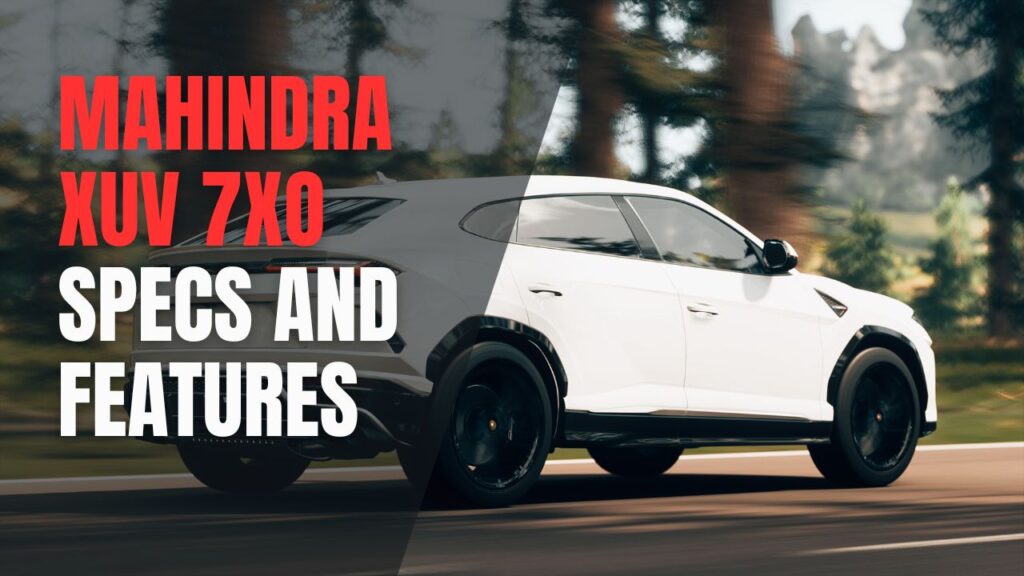
Mahindra XUV 7XO Specs and Features: Engine, Mileage, Safety, Interior Details Overview

Mahindra XUV 7XO Specs and Features

It’s December 2025 and if you’ve been tracking the Indian SUV market, you’re aware that the iconic XUV700 is going to hand over the mantle. Entering the Mahindra XUV 7XO – a name that sounds futuristic and a car that will be even sharper.

The official global launch is on January 5, 2026, and the bookings have already started, the XUV 7XO is the talk of the town. Whether you’re a dyed-in-the-wool Mahindra enthusiast or just a person in the market for a luxury SUV that’s not going to cost an arm and a leg, this redesign is a pretty big deal.

So let’s get inside what makes the new XUV 7XO so great, from its refreshed aggressive exterior to the tech-laden cabin we’ve been waiting for. 

Quick Specs Overview

Feature Petrol Variant Diesel Variant
Engine 2.0L mStallion Turbo 2.2L mHawk Turbo
Power 200 BHP 185 BHP
Torque 380 Nm 420 – 450 Nm
Transmission 6-MT / 6-AT 6-MT / 6-AT
0-60 km/h ~5.0 Seconds ~5.8 Seconds
Drive Type FWD FWD / AWD (Optional)

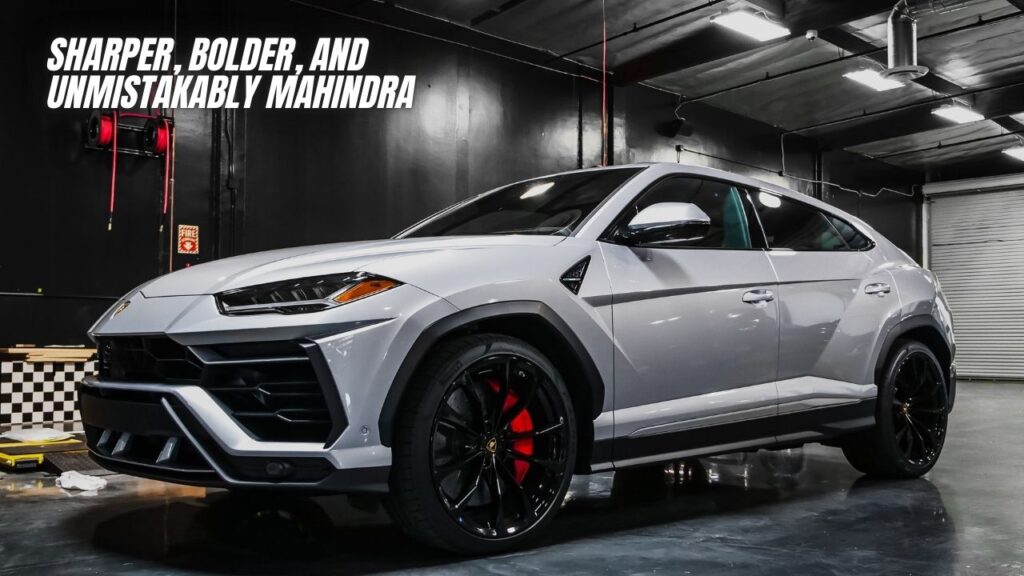
Exterior: Sharper, Bolder, and Unmistakably Mahindra

The XUV700 already looked stunning as is but the 7XO takes that “Cheetah-inspired” styling and slaps on a modern, electric-age layer of paint.

The most noticeable change is the face. The C-shaped DRLs are now long gone, instead, the 7XO sports a more aggressive inverted L-shaped LED DRL configuration that lend a menacing look to the car, especially at night. It definitely shares DNA with its electric relatives such as the XEV 9S. The grille has been blacked out and features slim silver slats, the bulky chrome has been removed for a more athletic, stealthier look.

Sharper, Bolder, and Unmistakably Mahindra

Dropping back, the linked LED tail lights are the centerpiece. They run across all the width of the tailgate and give the car a wider, plusher look. Add a sharpening set of diamond-cut alloy wheels on top and you have an SUV that turns heads when you wait for lights. 

Interior That Leaves a Stunning Impression

If you were impressed with the two-screen layout in the earlier version, just wait till you see the XUV 7XO. Mahindra has spared no effort to make this cabin feel more like a lounge.

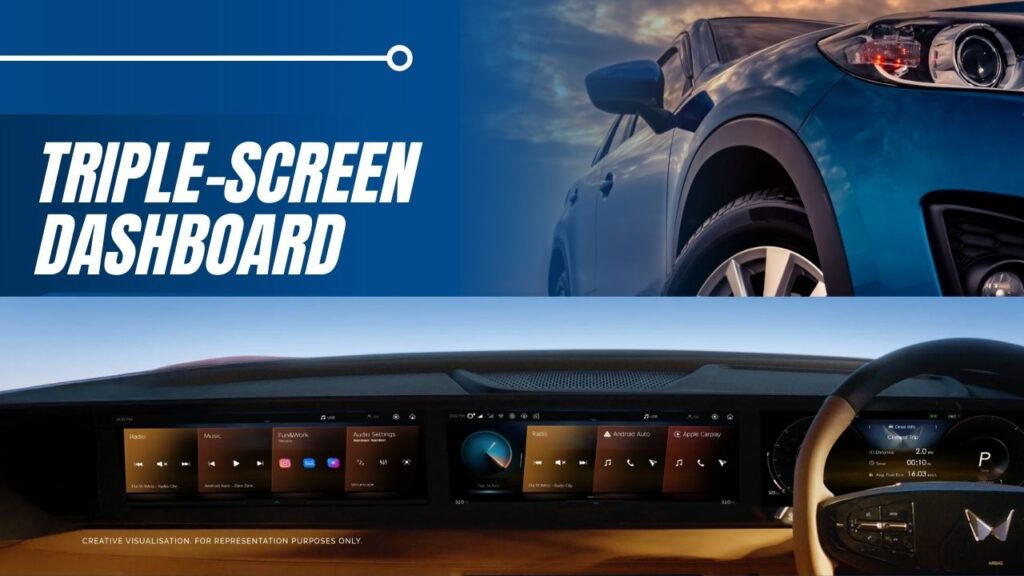
The new feature here is the Triple-Screen Dashboard. Like high-end luxury EVs, the 7XO is equipped with three seamless screens—one for the driver’s instrument cluster, a massive central infotainment hub, and a dedicated screen for the co-driver. Maybe it’s the tech lover’s dream.

Interior That Leaves a Stunning Impression

Outside the two screens, the cabin is fancier. Soft-touch materials on the dash, a new two-spoke steering wheel (which looks really nice), and upgraded ventilated seats that now come with a “Boss Mode” for the back passenger — just in case you’re feeling like getting driven around for a change. 

Engine & Performance

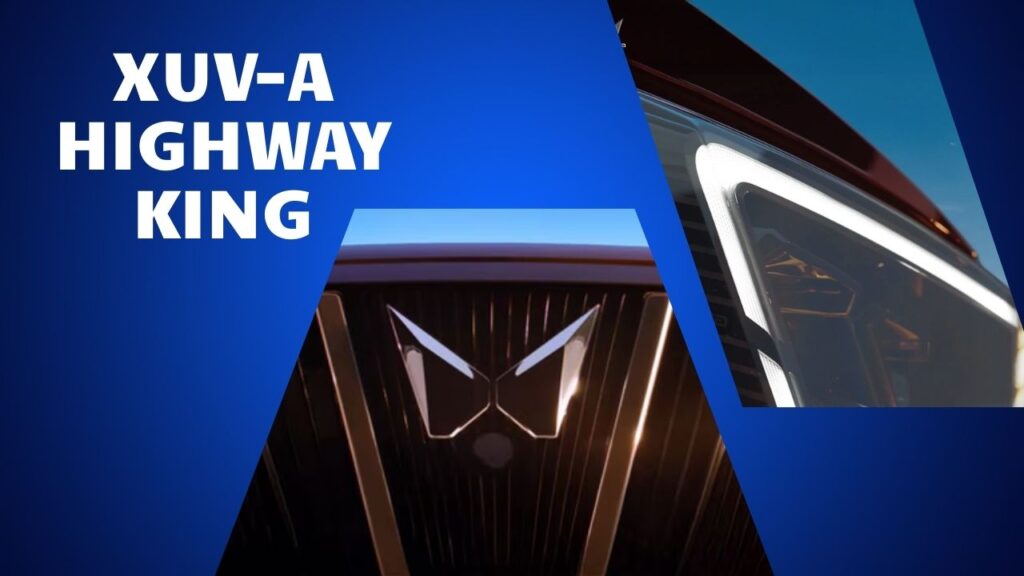
Mahindra clearly understands the value of not fixing something that isn’t broken. The XUV 7XO comes with the powerhouse engines that made the XUV a highway king. Punch of Petrol or Torque of Diesel: If you are interested in getting the best out of power of petrol or torque of diesel with 7XO, you are good to go.

Engine & Performance

  • 2.0L mStallion Turbo Petrol: This engine is a rocket. With 200 BHP on tap, it is still the most powerful petrol engine in the segment. The refinement is buttery smooth and when you step on the gas it pulls like a freight train.
  • 2.2L mHawk Diesel: That’s the cruiser. It’s rumored to be available in two configurations, with the top-spec kicking out 185 BHP and 450 Nm of torque. Doing the lambada around lorries is child’s play and so is keeping the revs high in this surprisingly fuel efficient little car.

Both are expected to come with the smooth 6-speed manual and the responsive 6-speed automatic torque converter. 

Safety is Buyer’s First Priority

Safety is a stronghold for Mahindra and the XUV 7XO further builds on that. They anticipate the ADAS (Advanced Driver Assistance Systems) to be upgraded to Level 2+ with better calibration for Indian traffic conditions. That translates to an adaptive cruise control that runs smoother and a lane-keep assist that is more reliable.

Passive safety is also robust, and 7 airbags may become standard on more variants. The quality of the construction is still tank-like, bringing the 5-star safety legacy forward. 

Read More :-  Ishan Kishan’s Luxury Car List: Price, Models & Exclusive Collection

Conclusion

The Mahindra XUV 7XO is not just a facelift, it’s an enhancement to an already great package. It rectifies the few niggles people had with the previous generation (like the dated infotainment system) and adds equipment that are normally reserved for vehicles costing twice as much. With costs likely to be in the ₹15-Lakh to ₹26-Lakh range, it continues to deliver mind-boggling value for money. So if you need a family SUV that’s safe, strong and full of tech, hanging on until January 5 may be the best decision you make all year. 

0

How Often Should You Service Your Car? | Complete Maintenance Guide

How Often Should You Service Your Car?

There is one number on your windshield that has a label that tells you. Your owner’s manual says something else. The mechanic around the corner herbalists a third. And your neighbor who’s been driving the same model for the past six years without a single breakdown, laughs its all three. So How Often Should You Service Your Car? 

For the majority of vehicles, a general service every 5,000 to 10,000 kilometers (or about every six months) is a good starting point. But that number is a moving target based on the age of your car, how you drive, the type of oil it uses, and what the manufacturer actually recommends. So let’s get into the details, rather than relying on a one size fits all rule. 

Start With Your Owner’s Manual, Not the Internet

It could be saying the obvious, but this is the step that most people ignore. Each car has its own maintenance schedule specific to the engine, transmission and model’s quirks. A turbocharged engine has different requirements than a naturally aspirated engine. A vehicle using full synthetic oil can pretty much go longer between oil changes than one using conventional oil. 

Manufacturers devote a lot of time and testing to determining these intervals, so using the manual as your baseline rather than an afterthought will help you avoid overpaying for unnecessary services or skipping ones that are important. 

The Two Types of Servicing You Should Know About

Car maintenance generally falls into two buckets, and understanding the difference helps you plan both your time and your budget.

Minor service is normally more common and more simple: changing engine oil and oil filter, inspection of brake pads, refilling of fluids, tyre checks and a quick visual of belts and hoses. It’s a normal tune-up that makes your car drive right every day. 

Minor service and Major services

How Often Should You Service Your Car?

Major services are definitely more in depth, maybe once a year or 9,300 to 12,400 miles under most conditions. This involves changing the air filter, spark plugs, brake fluid, coolant, and occasionally the timing belt (subject to mileage). It’s more thorough, takes longer and of course costs more, but it’s not having it done that people seem to really run into trouble later on. 

Mileage Matters, But So Does Time

Even if you’re not behind the wheel of your car very often, it still needs maintenance. Oil deteriorates chemically over time, not just as a result of use. Rubber seals become dry, brake fluid takes in moisture from the air, and batteries drain by sitting idle. 

Being parked in your driveway for half a year because you went full-time work-from-home doesn’t mean your car is fine just because you didn’t move the odometer. A vehicle that is left to sit is usually in worse condition than a vehicle that is driven regularly and serviced according to the schedule. 

Read More:- How to Check Tire Pressure Correctly: Guide For Car Owners

How Your Driving Habits Change the Equation

Not all driving is the same, and this is where most general advice falls down. If you’re among those who drive under so-called “severe driving conditions,” your vehicle requires more frequent maintenance than the average advice indicates. This includes: 

  • Frequent short trips, especially under 10 minutes, which don’t let the engine reach optimal temperature
  • Stop-and-go city traffic on a daily basis
  • Driving in extreme heat, cold, or dusty environments
  • Towing trailers or carrying heavy loads regularly
  • Driving on unpaved or rough roads often

If two or more of these apply to your daily routine, it’s probably best to service nearer the shorter end of your manufacturer-recommended interval, or maybe even a little sooner. 

Signs Your Car Is Telling You Something, Regardless of Schedule

A good maintenance schedule still has limitations. Cars usually send out warnings when something is about to go wrong and it’s worth listening. 

How Often Should You Service Your Car?

Listen for any changes in the engine noise, particularly knocking, ticking or rattling sounds. A burning odor from oil, rubber, or something electrical is never to be dismissed. If your vehicle drifts to one side when you brake, or the steering feels looser than normal, then it’s telling you it needs some attention. The dashboard warning light is the clearest indicator, but even a small decrease in fuel efficiency or a rougher idle could be a sign of something that needs looking at before it becomes costly. 

Trust your body’s signals more than a rigid timeline. A car that’s making noise and needs to be serviced in three weeks shouldn’t wait three weeks. 

The Cost of Skipping Service (It’s More Than Money)

It’s easy to defer a service, especially when finances are tight or you have a busy life. But maintenance deferrals tend to compound. The small oil change you skip may cause more engine wear, which leads to a much more costly repair down the road. Skimping on worn brake pads can also put damage rotors, turning a simple brake pad replacement into a bigger (and pricier) ordeal. And beyond cost, there’s the safety aspect: brakes, tires and steering parts are not places you want surprises. 

Regular car maintenance is not just to keep your car running; it’s also to help with resale value. When you decide to sell off the car, both in terms of price and in how quickly the car sells.

Building a Simple Routine for How Often Should You Service Your Car?

The best maintenance schedule is the one that you can actually keep up with. Some practical tips: 

Keep a little notebook or a note on your phone with the date and mileage of your last service. Mark a recurring calendar alert to peek at fluid levels and tire pressure every six months, even when you’re not due for service. Find a mechanic you trust and stay with them—they get to know your car’s history and notice trends you might not catch. 

Read More:-  How to Improve Gas Mileage: 15 Proven Tips That Actually Save Fuel

Conclusion 

There is no ideal frequency of How Often Should You Service Your Car? that applies to every vehicle and owner, but there is a smart approach: Use the baseline value recommended by the manufacturer. Modify this according to your real driving habits/conditions, and never ignore the signs your car gives you on the way. 

Treat servicing as an investment rather than an expense, because a well-maintained car isn’t just more reliable, it’s safer, more efficient, and worth more when it’s time to let it go.

0

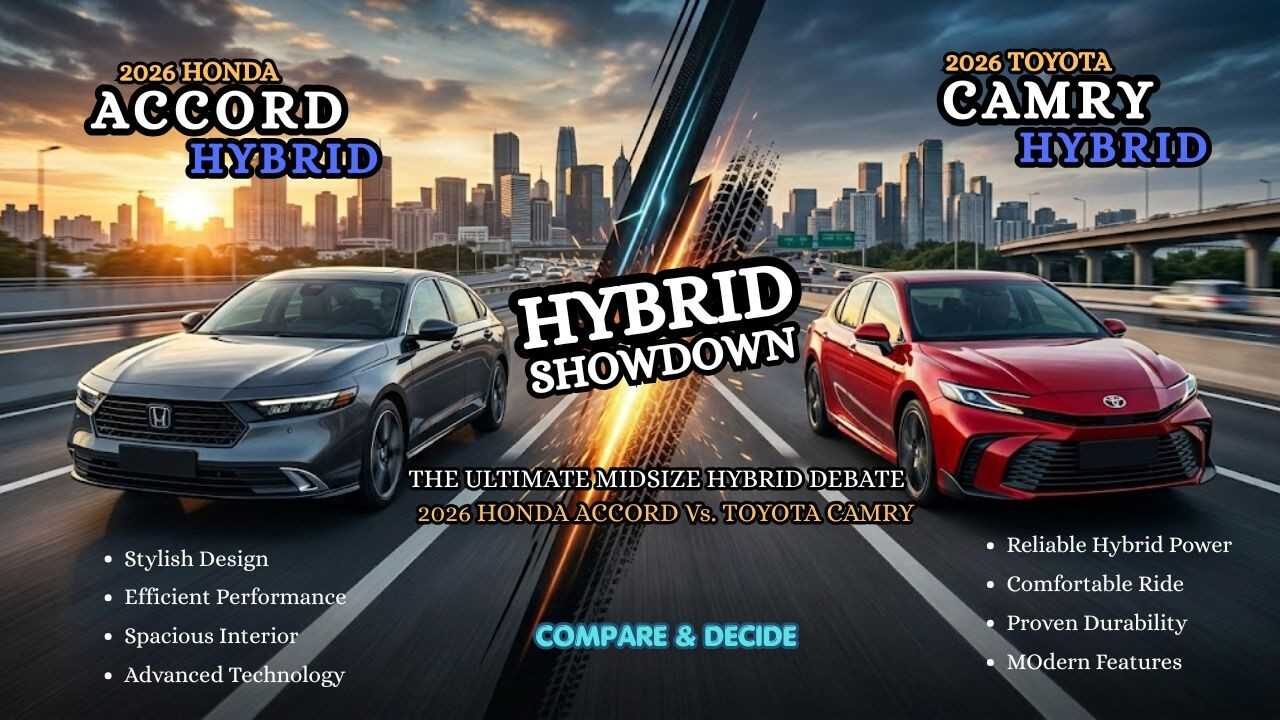
Hybrid Showdown: 2026 Honda Accord vs Toyota Camry hybrid

Honda Accord Vs. Toyota Camry

Deciding between the Honda Accord vs Toyota Camry hybrid is difficult when you want to buy a midsize sedan which is perfect for you and your family. Whether you want to hang-out with your friends or take a tour trip with your family, both are outstanding variants which are great for running anywhere with you.

Let’s compare 2026 Honda Accord vs 2026 Toyota Camry variants in detail so you will get to know everything before making a choice. Both followed ‘going green’ goals with electrification gaining momentum. The premium trims of Honda’s Accord come with premium-feeling twin-motor hybrids, and Toyota is making the entire 2026 Camry range hybrid-only. 

They offer high-end tech features without compromising its sleek design. Now you can save time and fuel with hybrid kings. Well, which hybrid king deserves a place in your garage?  

Engine Specifications and Powertrain

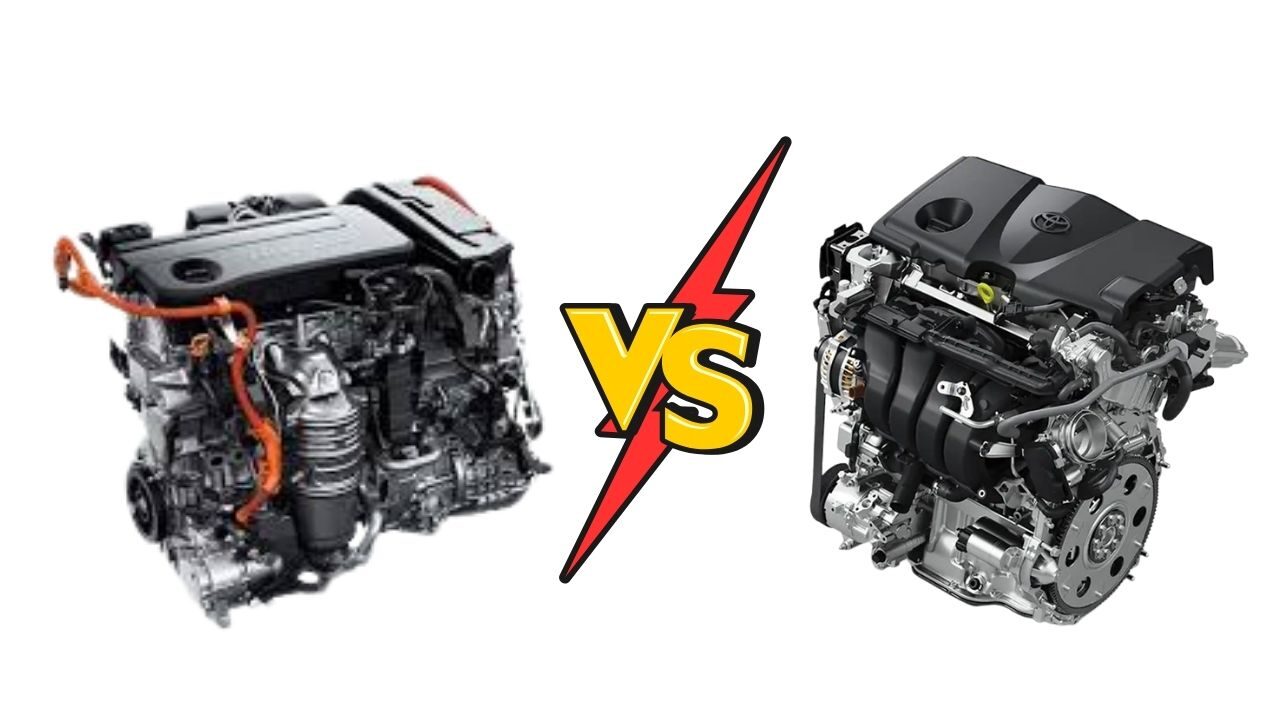
The 2026 Toyota Camry vs Honda Accord comparison begins with some similarities in their engines which provide superpowers to the car. They both offer hybrid systems, combining gas engines with electric motors for smooth, efficient power, but they don’t drive the same.

Camry drives on 225 horsepower in front-wheel drive (FWD) or 232 horsepower in all-wheel drive (AWD) with 5th-gen combined 2.5L four-cylinder and electric motors engine. It provides an amazing ride and automatically engages on slick roads without driver’s intervention.

Accord provides two-motor 2.0L 4-cylinder engines to run with 204 hp and 247 lb-ft of torque. This 4th-gen Honda gives a feel free ride on FWD and excellent features.

There e-CVT transmission of both cars give gear-free acceleration to switch smoothly and take seamless driving experience. Take a sports reverse vibe and it features let you shine in snow or rain.

Feature 2026 Toyota Camry Hybrid 2026 Honda Accord Hybrid
Engine 2.5L 4-cyl + electric 2.0L 4-cyl + two motors
Horsepower (FWD) 225 hp 204 hp
Torque ~200 lb-ft 247 lb-ft
Drivetrain FWD or AWD FWD only
Transmission e-CVT e-CVT simulated shifts

Fuel Efficiency of Honda Accord vs Toyota Camry Hybrid

A real challenge of Honda Accord vs Toyota Camry hybrid begins with their super variants fuel efficiency. It supports the long run without worrying about your money on fuel. 

Toyota Camry hybrid offers 51 MPG combined base model, 44-47 MPG on other (XLE/XSE or AWD) variants which provides excellent rides. If we compare these variants then there is not much difference shown. It has three modes: ECON, Sports and Normal. 

Accord 2026 gives 48 MPG on combined engine in Ex-L variant and 44 MPG on sports vibe variant with larger wheels. 

But they both roll up in silent, EV-only mode for short distances, ideal for your daily commute in stop-and-go city traffic. 

Trim/Model Camry Combined MPG Accord Combined MPG
Base (LE/EX-L) 51 48
Upper (XSE/Sport) 44-47 44
AWD Option 44-47 N/A

Exterior Design and Styling Updates for 2026 Honda Accord vs 2026 Toyota Camry

The days when the “practical” family sedan was a bland design basket case are long behind us. Both brands bring their 2026 versions to the plate with a serious attitude.

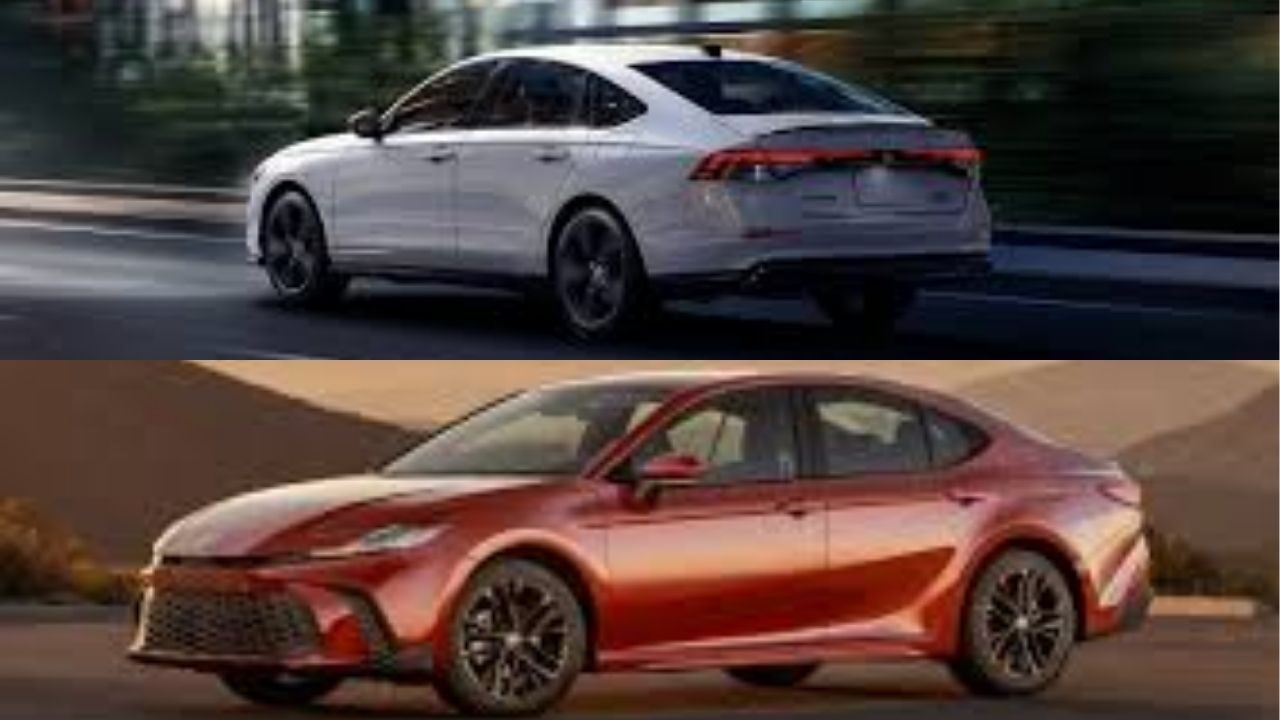
The Honda Accord has grown up pretty well into a good looking, sleek fastback. It appears to be a remarkable supercar with its sleek design that makes people remember forever. The smooth functioning slopes down the roofline and active shutter grille is unique and fascinating. 

To support the best driving experience and mark its presence Honda engineers fit dual low-beam LED headlamps and covered in a gloss-black mesh to the new Honda Accord for taking the center stage.

The 2026 Accord Sport models are quite a bit sportier inside with window highlights, a redesigned rear diffuser, more aggressive blacked-out exterior badging that ties the athletic stance together without being too flamboyant. 

Toyota is going in a more aggressive direction with the 2026 Camry. The front-end has a distinctive “hammerhead” look that exudes breadth and power when viewed on the road. The addition of the new Nightshade edition for 2026 adds a further layer of flair, complete with a black rear spoiler, 19-inch black alloy wheels and an eye catching new Dark Cosmos paint color. 

If you like your cars more refined and mature as the Accord delivers or more bold and sharply creased like the Camry comes down to personal preference, but both will ensure you have a modern and eye catching presence. 

Interior Comfort, Technology, and Cabin Space

Both have upgraded with major features and luxury materials in their cabin so you would have fallen for these two models as well as get confused in 2026 Honda Accord vs Toyota Camry hybrid.

  • Room like cabin, perfectly structured with hidden vents behind sleek metal. Its shape is horizontal, looks clean and dashing. 
  • Seats are more comfortable and supportive for driver and passengers on each level variant, just a slight upgrade on higher trims.
  • 12.3 inch touchscreen display which is amazing for fun rides and supportive feature for beginners with connectivity availability (wireless Apple CarPlay/Android Auto).
  • Premium features like a 12-speaker audio system and AI assist are also provided.
  • Passengers on the rear seat get comfortable space so it becomes ideal for adults.

The 2026 Toyota Camry has an equally impressive technology offering. An 8-inch screen is standard. The other trims quickly jump to a stunning 12.3-inch central screen and a fully digital 12.3-inch gauge cluster. The Camry’s infotainment system is quick to respond and offers standard wireless smartphone integration on all but the base model. 

The interior noise level is further reduced with acoustic noise dampening glass (standard on XLE and XSE), isolating you from wind and road noise. Toyota also has an extremely well regarded JBL audio system and a Head-Up Display which can be Optioned, that Display projects important driving information on the windshield. 

Both are safe bets for resale value. As we know that both are new models with upgraded safety features like Toyota Safety Sense 3.0 which provide: 

  • Pre-Collision System, 
  • Full-Speed Range Dynamic Radar Cruise Control, 
  • Blind Spot Monitoring 
  • Rear Cross-Traffic Alert 

And it gives all levels of Toyota Camry so be relaxed while you drive. When someone crashes onto you, this car will protect you with all its features.

On the other hand, Honda’s Sensing suite takes you safely to your destination, it boasts Adaptive Cruise Control with Consistent speed and Traffic Assist. They’re built with your family’s safety in mind, but Toyota holds a slight price edge since blind-spot monitoring is standard on every model. 

Tata Sierra EV 2026: Price, Range, Features & Launch Details

Cargo Space and Everyday Practicality

A mid-size sedan needs to be an all-around capable daily driver. 2026 Honda Accord vs 2026 Toyota Camry Cargo Space While comparing cargo space of Honda Accord vs Toyota Camry hybrid, both companies have employed clever engineering that their hybrid batteries don’t intrude on utility. 

Historically, hybrid batteries took up a large portion of trunk space. But the problem has been solved now with practically both Honda and Toyota packaged, their battery replaced from the trunk and packs under the back seat. 

The 2026 Honda Accord provides 16.7 c.f space to lift bulky luggage. The wide opening of the trunk makes it easier to lift everything with self-opening of the gate. Additionally, the Accord has a 60/40 split folding rear seat as standard you can slide longer goods right into the cabin. 

The 2026 Toyota Camry has a decent trunk space of 15.1 cubic feet. Camry trunk is deep and tall, so useful that even if the published dimensions make it smaller than the Accord’s, it doesn’t feel that way. A 60/40 split folding rear seat is standard as well. Camry cleverly offers more cabin storage with large door pockets and center console bin which makes it superior for overall cargo and rear seat space.

New BMW M4 2028 Coupe Digitally Enters The BMW Neue Klasse M4 Era

Driving Dynamics: Ride, Handling, and Comfort

Both Honda Accord and Toyota Camry offer more than just specs, you can experience the comfort & reliability once you take a ride on these titans. 

While Toyota Camry is more user-friendly and easy on a daily traffic road. It is also the best option for rough roads because of its well-balanced suspension, you don’t have to feel the potholes. It stands firmly to hold the balance on rough roads and responsive steering provides flexibility. 

The Honda Accord engineered with more engaging and dynamic features to handle all kinds of roads to give excellent driving experience. Its steering allowed it to handle corners with its sharp and precise movements and also wheel-mounted deceleration selectors. Accord minus the chances of panic in braking because of regenerative braking to slow down the car. If you enjoy a car that feels connected to the road, the Accord is the standout choice.

Conclusion

Honda Accord vs Toyota Camry hybrid is a huge battle for car lovers. As both serve excellent driving experiences and build on a powerful system that represents 2026 Honda Accord vs 2026 Toyota Camry highly debated on the stage. It has been popular for decades thanks to unmatched highway fuel efficiency and a fundamental package of safety. 

But if you place a higher value on sleek, polished looks, best-in-class cargo space, and a hint more involving, sporty driving experience with some punchy electric torque on the line, the 2026 Honda Accord Hybrid is worth a look.

At the end of the day, whichever you drive off the lot in, the nimble Accord or the reliable Camry, you’re buying an exquisitely engineered, highly efficient vehicle that will provide years of dependable service. The real winner in this hybrid battle is the buyer, who can select from two outstanding machines.