0

Best 7 seater cars in India for 2026 – Comfortable, Budget-Friendly & Perfect for Families

Published May 30, 2025, 6:02 AM
Last Updated Nov 5, 2026, 4:14 PM

Best 7 Seater Cars in India for 2025 – Comfortable, Budget-Friendly & Perfect for Families

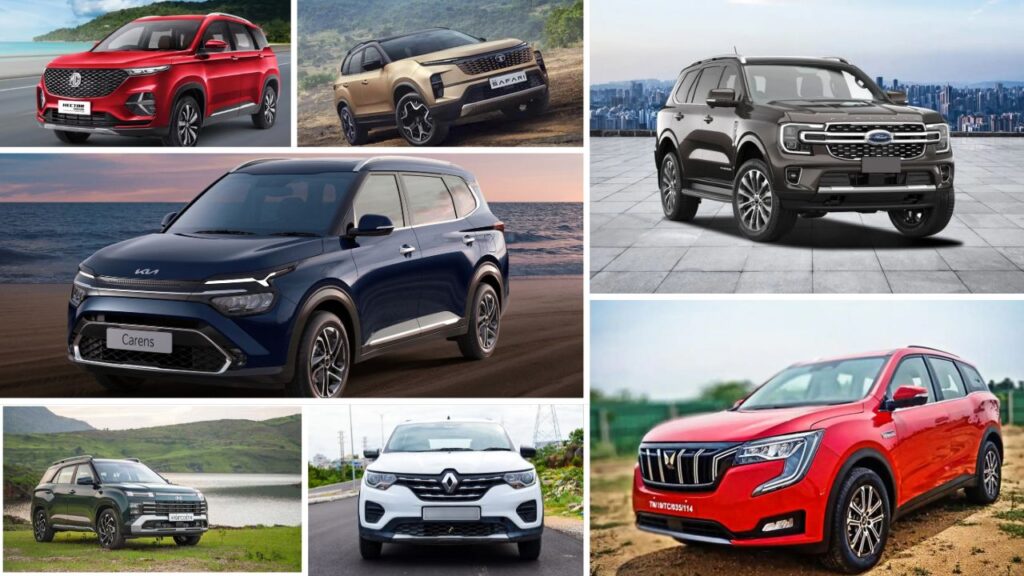
When you are in the market for a new car, it can be hard to find the right one. And one of the greatest solution is a 7-seater car, enough space for everyone and maximum comfort for the entire family. Looking to purchase a 7 seater cars in India for 2026? You are at the right place. This article goes through some of the best of such general outstanding cars with comfort, affordability, and reliability.

Toyota Innova HyCross
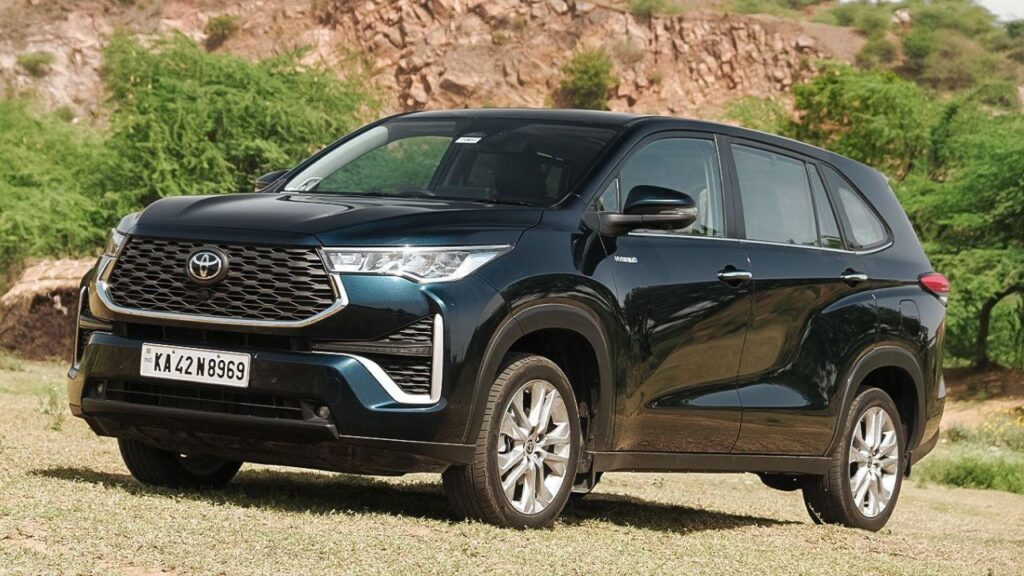
Toyota Innova HyCross

The Toyota Innova was the stuff of households in India for many years, and the new HyCross only further heightens its status. You get a car that is equipped with a hybrid engine with a fuel efficiency and reduced emissions which means a lot if you are into that eco stuff. The expansive cabin ensures your whole family travels in comfort, and the high-end amenities add a touch of elegance. Its reliability has been consistently solid and Toyota’s reputation explains why it remains so popular among families.

It’s got a high fuel-efficiency hybrid engine, a 10-inch touchscreen, a panoramic sunroof, and state-of-the-art safety options. Toyota Innova HyCross Price The Toyota Innova HyCross is priced at ₹22-30 lakh (ex-showroom) tagged along with inviting maintenance as a well (as discussed in our previous sections)?It is guaranteed to serve register monster turnover.

Mahindra XUV700
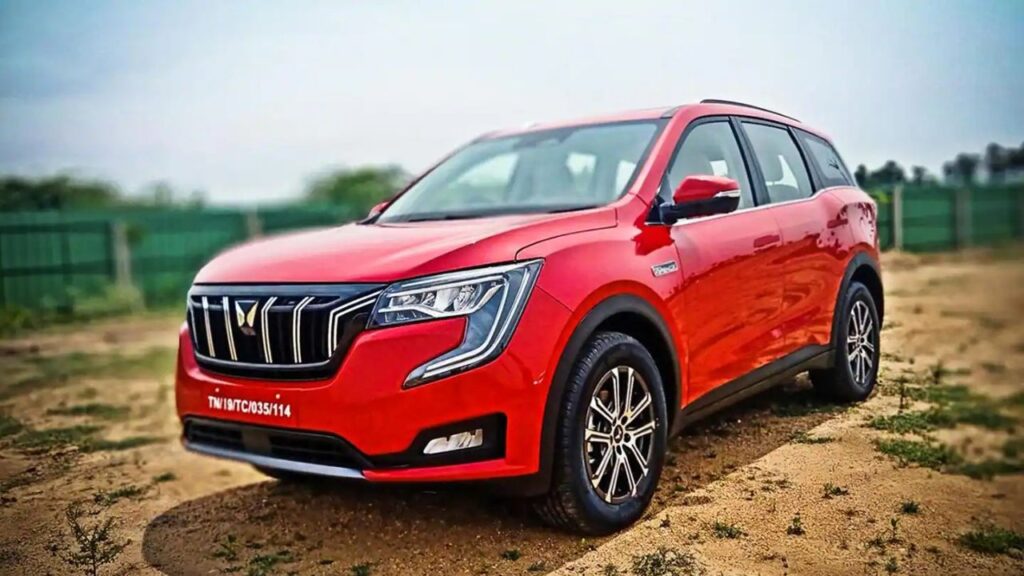
Mahindra XUV700

The Mahindra XUV700 is another great choice if a luxurious SUV with breath-taking performance is what you seek. Luxury This vehicle includes a luxurious cabin with a strong engine. The XUV700 also gets cutting-edge technology, including the Adrenox connected car tech, and Level 2 ADAS (Advanced Driver Assistance System) for added convenience and safety. It is great for families who desire an approach to luxury mixed with functionality.

Mahindra XUV700 price range is expected to be between ₹15 lakh and ₹25 lakh (ex-showroom), making it a value proposition for enthusiasts wanting a premium, high-tech ride at an inexpensive price.

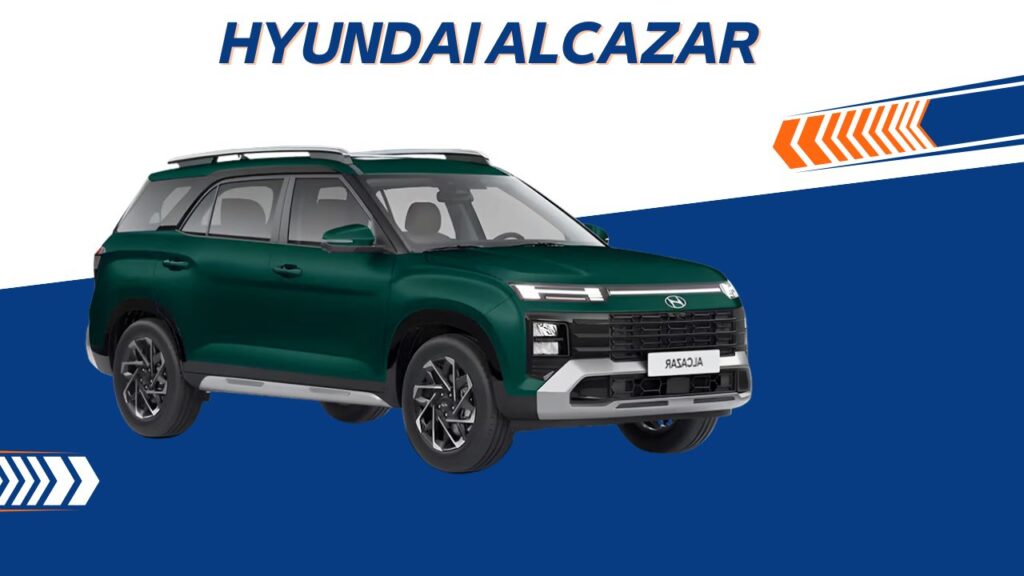
Hyundai Alcazar
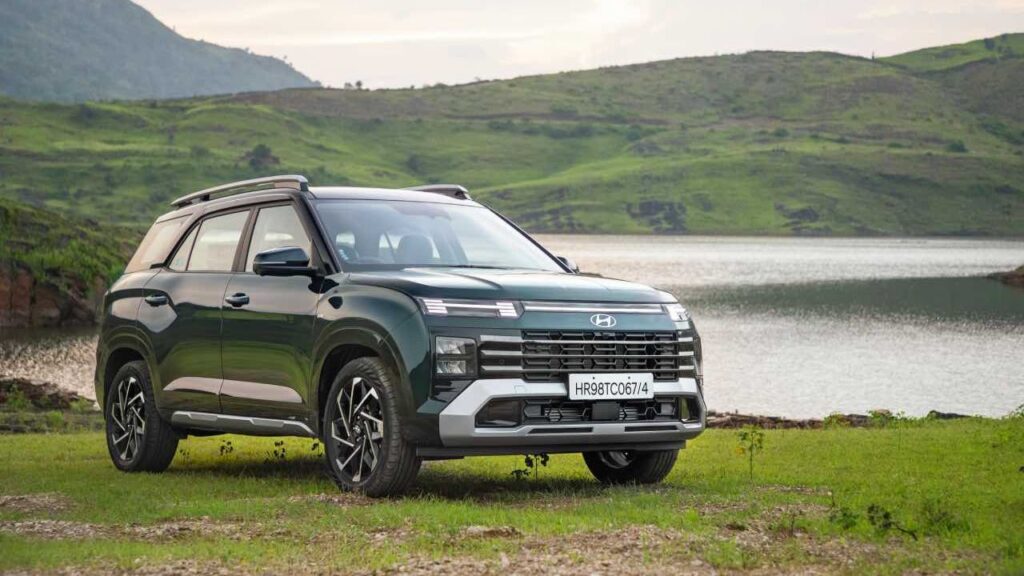
Hyundai Alcazar

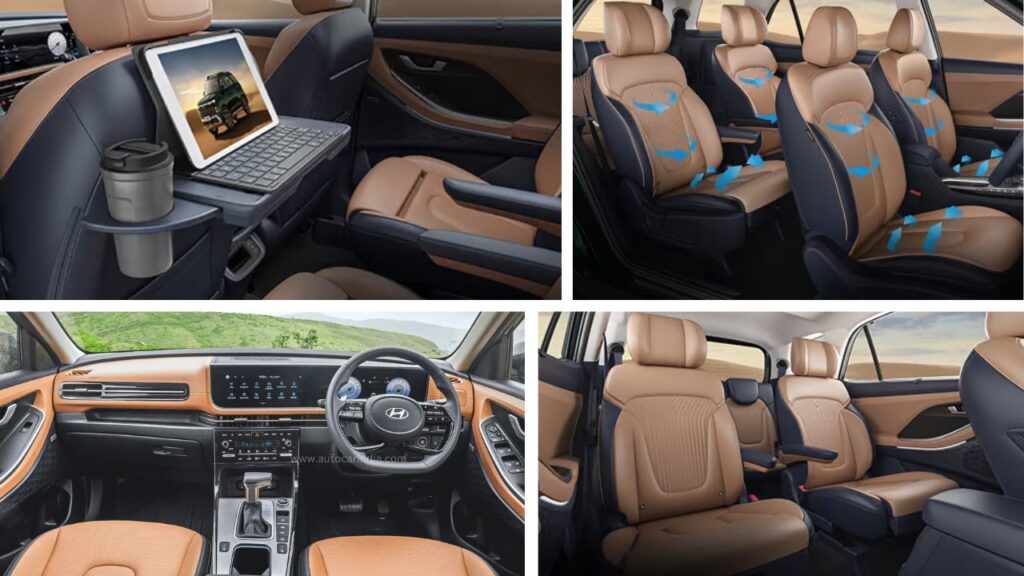
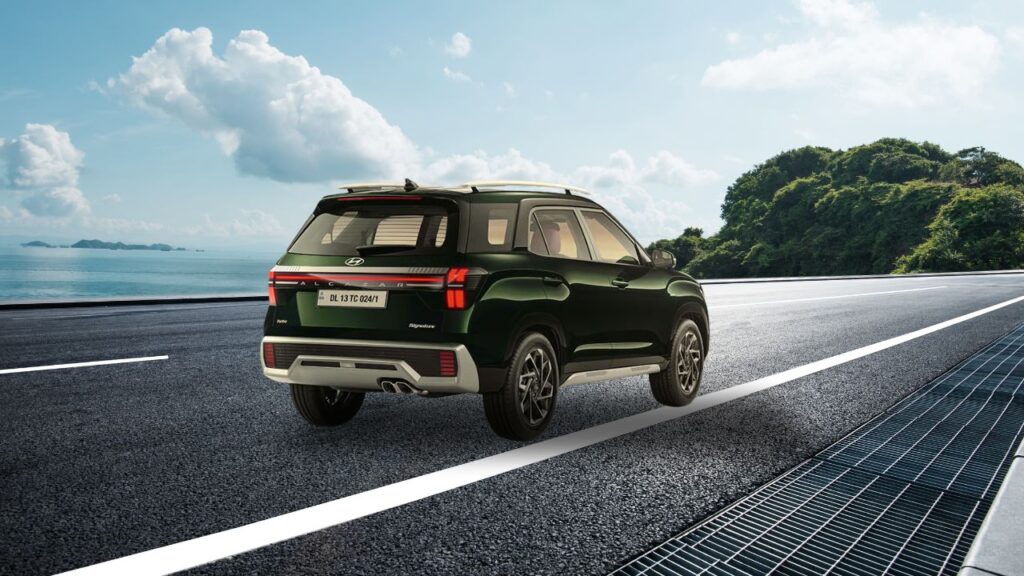
The Hyundai Alcazar is a handsome, feature-loaded 7-seater SUV, Pictured: Hyundai SUV 7-seater. Famous for its smooth ride and its plush interior, this car is a solid deal for any family who wants a mix of comfort and tech. Among the features are a 10.25-inch touchscreen, ventilated seats, wireless charging and BlueLink connected car technology. Hyundai is also famous for its unbeatable post-sales service that enhances the Alcazar’s desirability.

The Hyundai Alcazar price will range between ₹16-22 lakh (ex-showroom) and is ideal for a family looking for a premium yet affordable in SUV.

Tata Safari
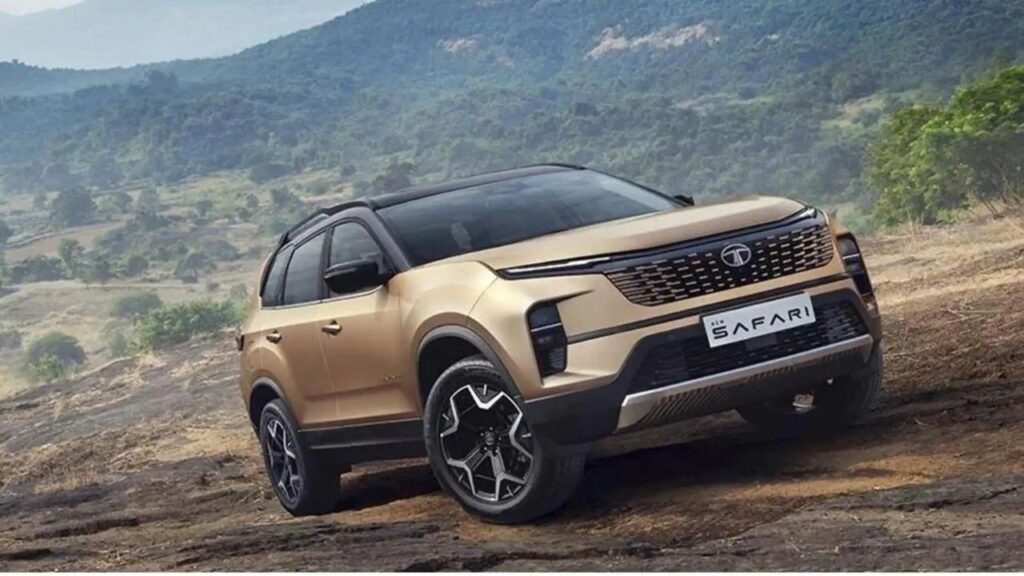
Tata Safari

The Tata Safari is an elegant and rugged SUV that is suited for urban streets and occasional off road trips. It’s a striking looking vehicle with contemporary touches in the form of iRA connected car tech, sunroof and, naturally, a decnet six airbags for safety. Families who like getting outdoors need something like the Safari – which is rugged and offers plenty of space.

Starting at ₹16 lakh and going up to ₹25 lakh (ex-showroom), the Tata Safari is a cost-effective stylish option for families that love to take trips.

Kia Carens
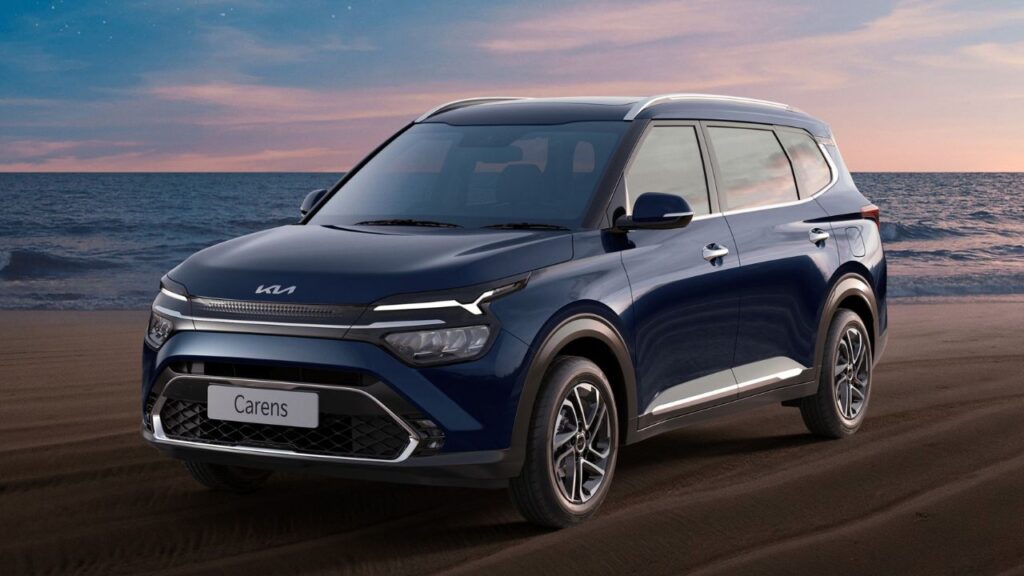
Kia Carens

If you’re after a cheap and cheerful MPV, consider the Kia Carens. This vehicle gets you a lot of car for your money with lots of space and utility. The Carens is a great drive, with seating options to suit your lifestyle. It’s created for the type of families that want a mix of room, comfort and affordability.

Kia Carens is priced between ₹10-18 lakh and is comparatively one of the more affordable cars on this list without compromise on features and comfort.

MG Hector Plus
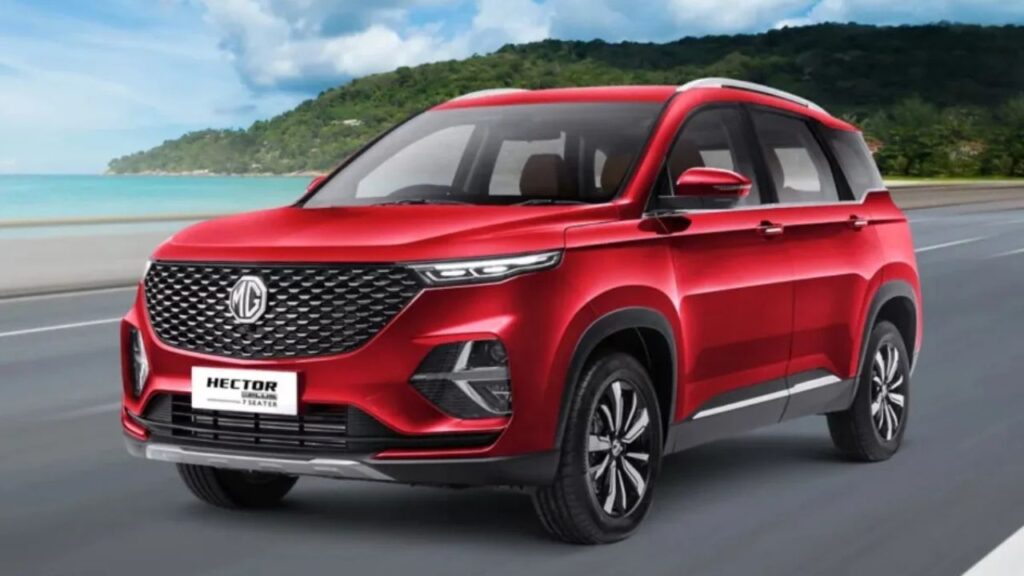
MG Hector Plus

A large and fully-loaded family SUV that is even larger and more fully-loaded after its Plus treatment. It’s designed for those who like tech and comfort, with a large 14-inch touchscreen and a panoramic sun roof, and features the i-Smart connected car technology. Sheer Driving Pleasure : Hector Plus offers a comfortable ride & is ideal for family road trips.

With a price tag ranging between ₹18-25 lakh (ex-showroom), the MG Hector Plus is a fan favorite in the 7-seater SUV segment offering good balance of tech, comfort and space.

Maruti Suzuki Ertiga
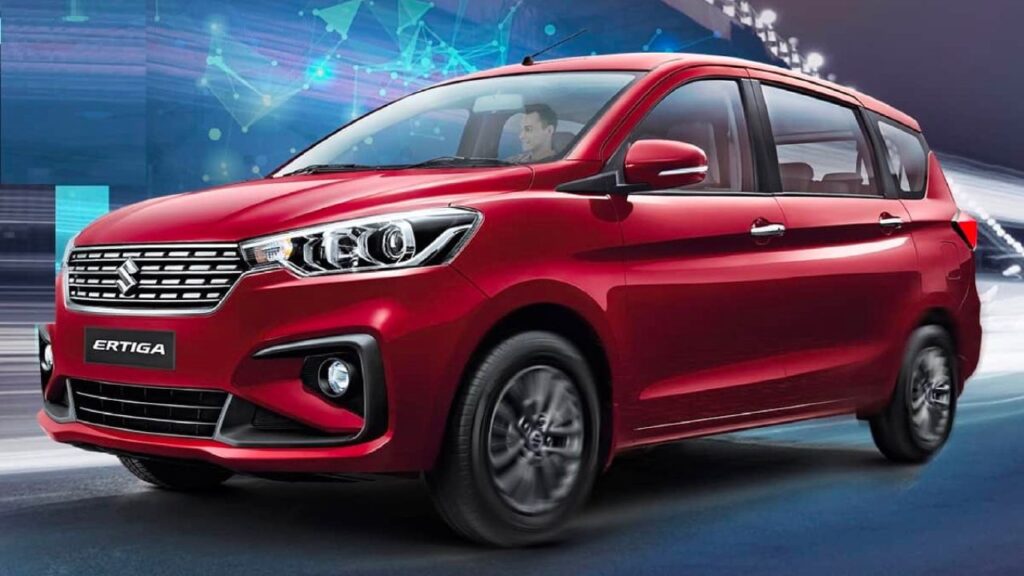
Maruti Suzuki Ertiga

The Maruti Suzuki Ertiga is one of the cheapest 7 seater cars in India. It’s a popular model with superior fuel efficiency and reduced maintenance expenses, with high degree of reliability. There’s plenty of room inside, so your family will easily travel in it, yet the car comes at an affordable price, which is just great news for anyone after value for money.

Maruti Suzuki Ertiga The Maruti Suzuki Ertiga comes in the price range of ₹9-13 lakh (ex-showroom) and brings a value-for-money solution for families who are in need of a 7-Seater car under a budget.

Honda BR-V
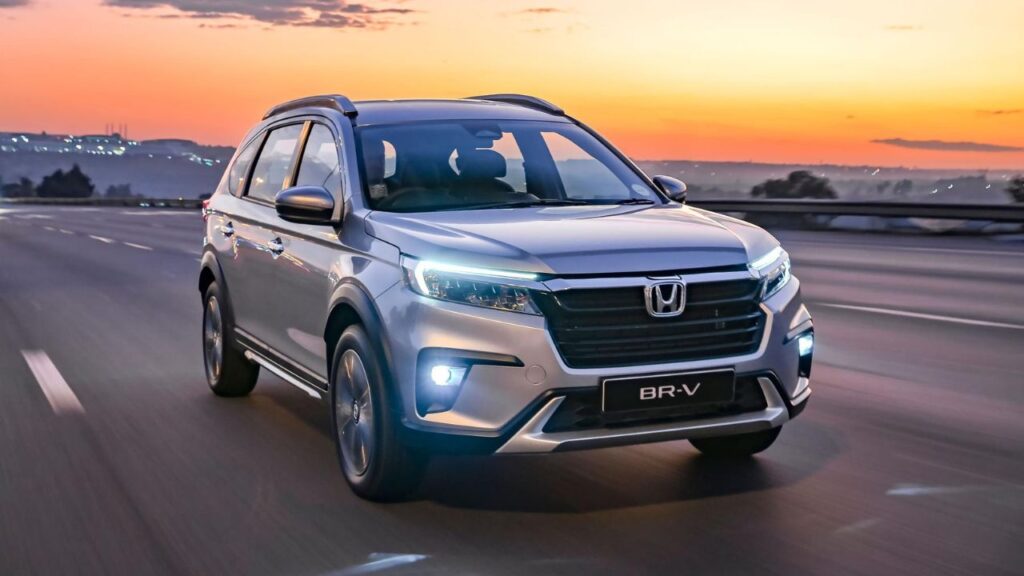
Honda BR-V

An affordable compact 7-seater SUV in the form of the Honda BR-V available in the market today. It has a decent performance and comfortable ride and is a great option for families that are in the market for a budget friendly and reliable car. The BR-V has a touchscreen for its infotainment, rear AC vents and Honda’s well known trustworthiness in engines.

Priced between ₹10-15 lakh (ex-showroom), the Honda BR-V is ideal for families keen on a smaller SUV but still large enough for long drives.

Renault Triber
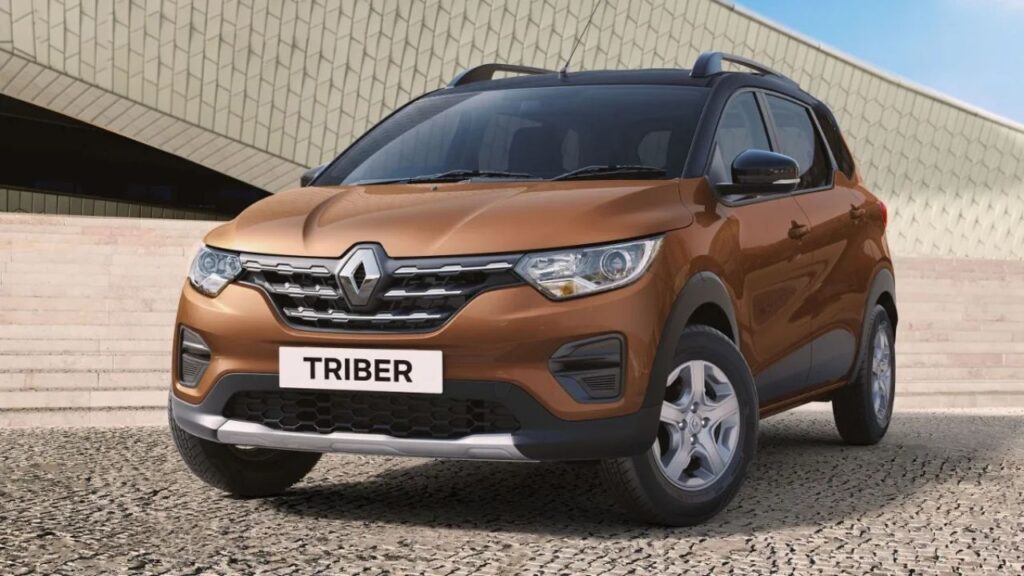
Renault Triber

The Renault Triber is a great compact MPV option that is surprisingly spacious and flexible – ideal for small families. Definitely a go-to for the people that require a 7-seater car yet would rather not drive with the proportions of a conventional SUV. The Triber boasts modular seating, an 8-inch touchscreen and great fuel consumption to be practical and economical.

The Renault Triber is the cheapest of the 7 seater cars in India market right now It’s the small price bracket of ₹6-10 lakh (ex-showroom) that Renault’s Triber fits in and is best suited for a family on a budget.

Ford Endeavour
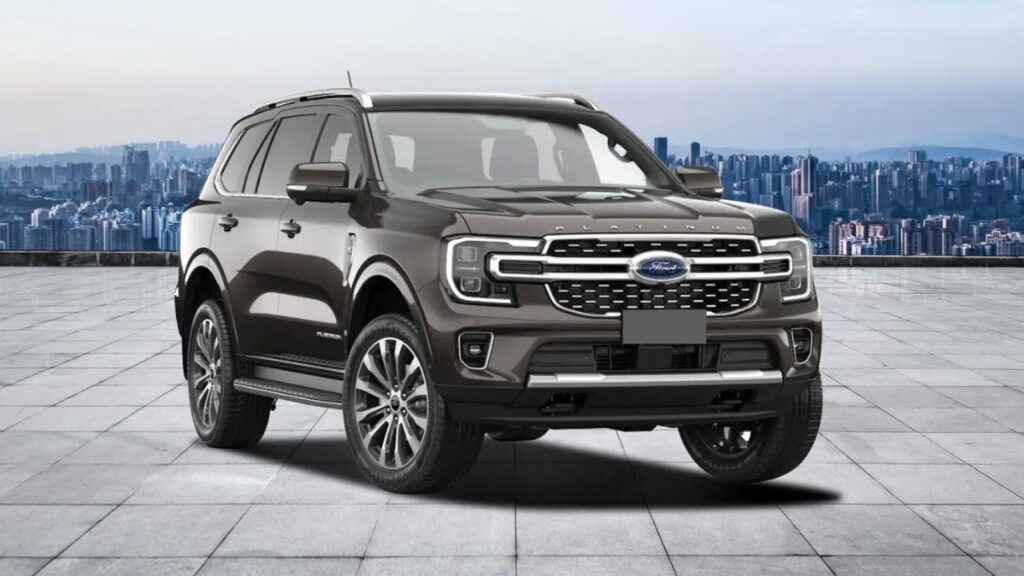
Ford Endeavour

Ford Endeavour will certainly be among the ones leading the pack in 7-seater SUVs. With its tough looks, strong diesel motor and plush insides, the Endeavour is perfect for a family that loves to go places and is also looking for something that can take the rough with the smooth. There’s even a 4WD option for these who like to test the suspension off-road.

Priced in the range of ₹35-40 lakh (ex-showroom), the Endeavour is a premium SUV designed for families who love adventure and luxury.

Conclusion

Thе 7 seater cars in India for 2026 offеr a variеty of options that catеr to diffеrеnt budgеts and prеfеrеncеs. Whеthеr you arе looking for a fuеl-еfficiеnt hybrid, a luxury SUV, or a rеliablе family car, thеrе’s somеthing for еvеryonе. I hopе this list hеlps you find thе pеrfеct car that mееts your family’s nееds and fits your budgеt. No mattеr which onе you choosе, thеsе cars will offеr you comfort, spacе, and rеliability for yеars to comе!

 

Sharey Khan

Sharey Khan is an IT entrepreneur and petrol head & a car enthusiast. With a special focus on car-related content, he combines his deep passion for vehicles with a talent for crafting informative, engaging, and easy-to-understand content. His writing is driven by a genuine love for cars and he is committed to providing readers with accurate, up-to-date, and trustworthy information that empowers smarter driving decisions. 

Leave a Reply

Your email address will not be published. Required fields are marked *

0

Ralph Lauren Car Collection: Iconic Classics, Ferraris & Hypercars

Published Mar 26, 2026, 11:35 AM
Last Updated Apr 1, 2026, 9:58 AM

Ralph Lauren Car Collection

Ralph Lauren Car Collection is the most desirable collection in the world and even It is admired by experts such as historians and designers for its exceptional and iconic cars. The collection is valued at some $600–700 million, and this is more than a luxury hobby. It’s like a “traveling museum,” displaying the history of 20th-century auto design.

For Ralph Lauren, these are not cars to be shown or driven. He regards them as “moving art” – elegant machines that embody art, skill and ingenuity at the highest level. 

Ralph Lauren Car Collection History

Ralph Lauren had his start in car collecting with a used 1961 Morgan, which he found an appealing powerful classic look. But his collection really starts on 1971, when he purchases his first new car – a Mercedes-Benz 280SE 3.5 Cabriolet. 

He knew exactly what he wanted and he went with a tan roof and tan leather seats, despite the dealer’s recommendation to the contrary. He went for a classic, old fashioned look and wanted to draw his inspiration from the 20’s and 30’s. This early on showed that he used his enthusiasm for design and details. 

And as Lauren grew in the fashion industry, so did his car collection. He started thinking of cars not just as vehicles, but as works of art he didn’t want to sell. Eventually, he also became a preserver of the past, amassing historic cars that are as rare as they are valuable. He opened up around the 1980s with legendary cars as the 1938 Bugatti Type 57SC Atlantic and the 1962 Ferrari 250 GTO.  

Ralph Lauren Iconic Collections 

1938 Bugatti 

1938 Bugatti Type 57SC Atlantic Coupe is a very expensive and luxurious car model that is made only based on a concept car by Jean Bugatti. It has a beautiful design on both exterior and interior body that attracts everyone. 

Among its most interesting aspects is the heightened “spine” running from the nose to the tail of the car. This design was based on an earlier model with a material that was cut and then riveted instead of welded. Though later models went to aluminum, the rivets remain as a decorative element.

Ralph Lauren is the owner of one of these rare cars, referred to as the “Pope Atlantic.” In 1990 he restored it and he went with a shiny black color with black leather inside instead of the original light shade of blue. He felt black added elegance and strength to a car’s form.

123 mph speed is considered to be the highest in 1930s, so it is called as one of the first supercars ever. 

1930 Mercedes-Benz SSK 

1930 Mercedes-Benz SSK “Count Trossi” Roadster The car that was at the top of the range at the beginning of the thirties and everyone desired was in many ways for both luxury and velocity. The vehicle was made specifically for the Italian aristocrat and racer Count Carlo Felice Trossi, in an effort by automotive designer Willi White.

While glancing at the photos you can see the car has a very unusual shape, the hood is quite long and spans more than half the length of the car body. It also prominently features exhaust pipes that are outside of the bodywork, it has a very bold and aggressive shape, almost like a shark.

1930 Mercedes-Benz SSK 

Its huge 7.1 liter engine was supercharged, making it one of the most powerful engines of its time and quite popular in racing, early on. Ralph Lauren’s is unique and has taken the top prize at Pebble Beach.

That vehicle, with its practical beauty, allows the design of the 1930s to shine - speed shapes and streamlining, all wrapped up in decorative, elegant Art Deco that, even at rest, looked like it was going fast. 

1929 Bentley Blower

The 1929 Bentley 4½ Litre “Blower” is an iconic car mired in a rich motorsport heritage with the “Bentley Boys.” It was made for endurance races and was meant to be robust and dependable.

The most immediately noticeable design aspect is the large supercharger sitting at the front, giving it a raw, industrial appearance, unlike the more streamlined vehicles like Bugatti.

The car is also special in pop culture as the author Ian Fleming made it James Bond’s car in the original 007 novels. This tie to classic British design makes it even more iconic, and it fits right in with Ralph Lauren’s sensibility. 

Vehicle Engine Horsepower Key Historical Fact
Bugatti 57SC Atlantic 3.3L Inline-8 200 hp Only 2 authenticated survivors.
Mercedes-Benz SSK 7.1L Inline-6 250 hp (Supercharged) One-off design by Count Trossi.
Bentley Blower 4.4L Inline-4 175-240 hp Iconic Le Mans racer; Bond connection.

Ralph Lauren Ferrari Collection

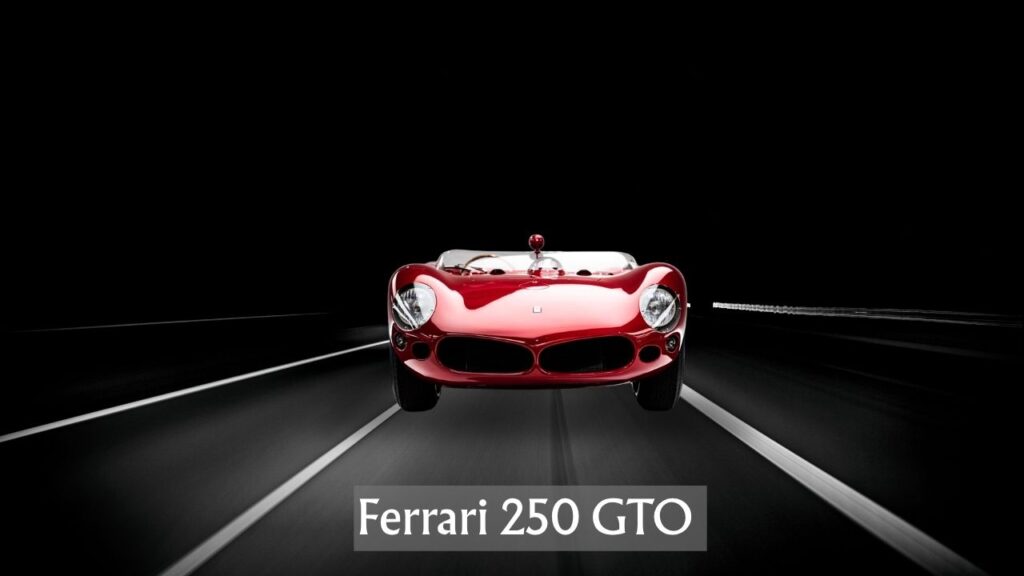
The 1962 Ferrari 

Most goated car of the century, Ferrari 250 GTO were produced just 36 from 1962 to 1964. Ferrari made a name for itself with its unique production that went approved in the FIA’s Group 3 Grand Touring class. Gran Turismo Omologato is GTO for short. #3987GT, delivered in October 1962 with its four first place finishes and a notable racing career This was Lauren’s chassis 3987GT, released in October 1962. 

The 1962 Ferrari 

The GTO offers a 3.0L V12 that takes you on a high speed ride because it produces 300 horsepower. This is the ultimate front engine racing car, with development, engineering and testing all done in a wind tunnel. With GTOs now fetching in excess of $70 million, Lauren’s purchase of the vehicle for $650,000 in 1985 is considered one of the wisest buys ever in the history of car collecting. 

The 1958 Ferrari 

The 1958 Ferrari 250 Testa Rossa separate fenders and a gap between them and the engine bay permits air flow to the engine and also helps cool the brakes, a ground breaking aerodynamic notion at the time. The Testa Rossa (Red Head) name comes from the red-painted camshaft covers on their V12 engine. Lauren’s TR is the 14th of 34 made and the absolute pinnacle when it comes to 50’s sports car racing looks, and performance. 

The 1954 Ferrari 

1954 Ferrari 375 Plus offers 4.9-liter V12 powerful engine to roar like a lion when it’s on the racing track that provides uninterrupted 325 horsepower. As it proved in the Le Mans race in 1954 that took Ferrari to victory in only 24 Hours.

This aluminum based hand-crafted vehicle made five of these cars. Instead of detailed blueprints, the form was designed from the dictates of the Pinin Farina artisans.

For its rarity and past, one of these cars went for $18.3 million in 2014, proving just how valuable and special it is. 

British and German Engineering 

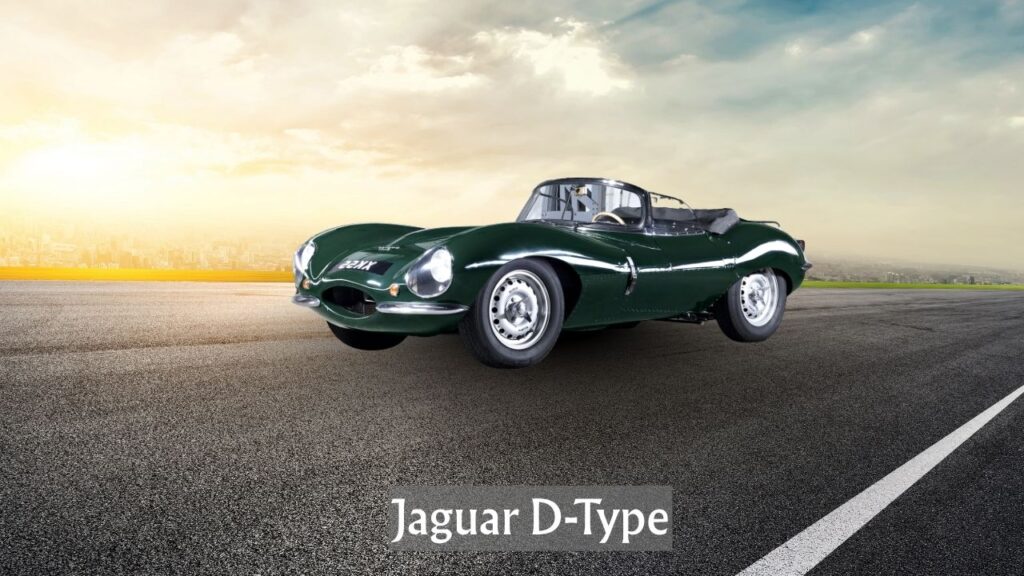
The Jaguar D-Type and XKSS

Jaguar D-Type is a perfect model that is influenced by aircraft to make it run like hell. It had a monocoque chassis (it’s like a very strong shell that supports the whole car) and a tall tailfin to improve stability at high speed (especially on long circuits like Le Mans). Ralph Lauren has one from that, Jaguar’s great race in 57, where they truly dominated the event.

The Jaguar D-Type

The XKSS is special by virtue of its sportiness that brings racing performance within reach of ordinary drivers and its practicality that enables it to be both quick and useful. 

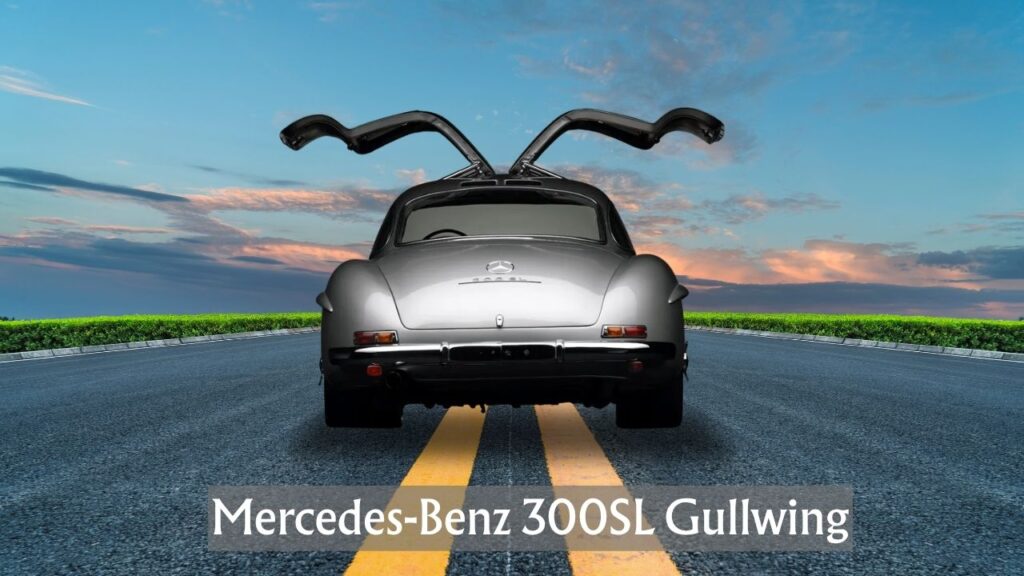
The 1955 Mercedes-Benz 

Mercedes-Benz 300SL Gullwing is designed particularly for sporting and its body is unique as the sides of the car’s contours were tall and because of this, Gullwing has doors that open up, rather than out. 

It was also very sophisticated for its era, being the first production car with direct fuel injection. This made it the fastest car of its time.

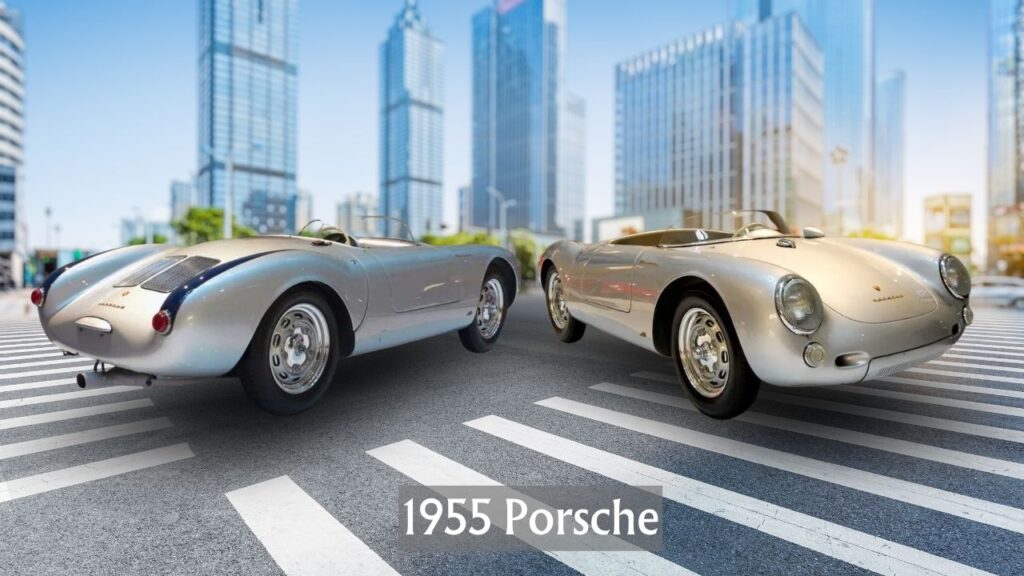
1955 Porsche 

Ralph Lauren’s 1955 Porsche 550 Spyder is a highlight of his globally-recognized collection of automobiles and is the subject of its own “cerebral” minimalist design.

1955 Porsche

Amid a collection of about 110 high-horsepower Ferraris and Bugattis powered by Type 547 “Fuhrmann,” a complicated 1.5L flat-four with four overhead camshafts or similar units, the 550 Spyder stands out because of its extreme lightness and “giant-killer” reputation—a car specifically engineered to out-handle and out-run much larger rivals. 

It was small but was renowned for lapping larger, more powerful cars even in races. It’s simple and sleek design reflects the clean, understated German engineering that Ralph Lauren adores. 

Ralph Lauren Modern Hypercars

Ralph Lauren’s passion for design extends beyond vintage age. He considers modern hypercars the modern day successors to the coach-built masterpieces of the 1930s, with a similar emphasis on materials innovation and extreme performance. 

Read More:-  Toyota Land Cruiser FJ: India’s Unsung Off-Road Legend

The McLaren F1 and F1 LM

The 90s McLaren f1 is a legendary supercar that was also the first production car to feature a carbon-fiber body. It still holds the title of the fastest naturally aspirated production car ever.

Ralph Lauren has two regular F1′s and a very rare F1 LM. The F1 LM was a limited-edition, with a run of 5 cars to celebrate McLaren’s 1995 Le Mans win. The F1 LM is painted in a vivid “Papaya Orange” and is really a race car for the road, with a ferocious V12 putting out about 680 horsepower. 

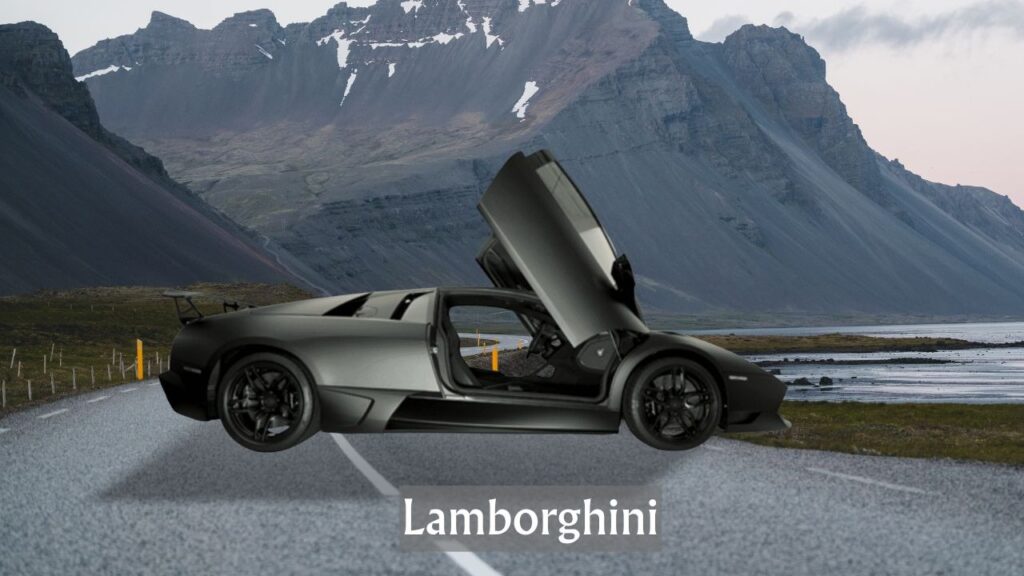
The Lamborghini Reventón

F-22 Raptor fighter jet is an inspiration for the manufacturer of this car as it was prepared on a boast speed engine. Lamborghini Reventón is a limited-edition car only few people including Ralph Lauren owns it.

The Lamborghini Reventón

Its body consists of matte gray carbon fiber with sharp folded, creased lines and a “stealth” design. Lauren has dubbed it a “piece of origami” and “Star Wars” in its design language. It sits at the top of his garage and represents the psycho edge of contemporary car design. 

Hybrid Hypercars

Modern Hypercar Year Top Speed Rarity
McLaren F1 LM 1995 240+ mph 1 of 5
Lamborghini Reventón 2010 205 mph 1 of 15 (Roadster)
LaFerrari 2014 217+ mph 1 of 499
Porsche 918 Spyder 2015 211 mph 1 of 918 (Lauren owns 2)

Conclusion

The Ralph Lauren car collection is no mere assembly of rare cars—it is a story of 20th- century design and engineering. For him cars are machines and works of art, and he’s influencing how people think about collecting them.

He enjoys driving his cars and he keeps his cars (old and new) in immaculate working condition so that he can actually drive and enjoy them, and not just park them. That’s why he calls them “moving art.” 

The value of the collection has increased substantially, from about $300 million to more than $600 million, but for Lauren the real value is the inspiration the collection gives him. It shows his passion for perfection where even the sound of an engine can be as beautiful as fashion.

Even as he has aged, people are still curious as to what will happen to the collection, but it is already firmly established as the greatest car collection in the world. 

0

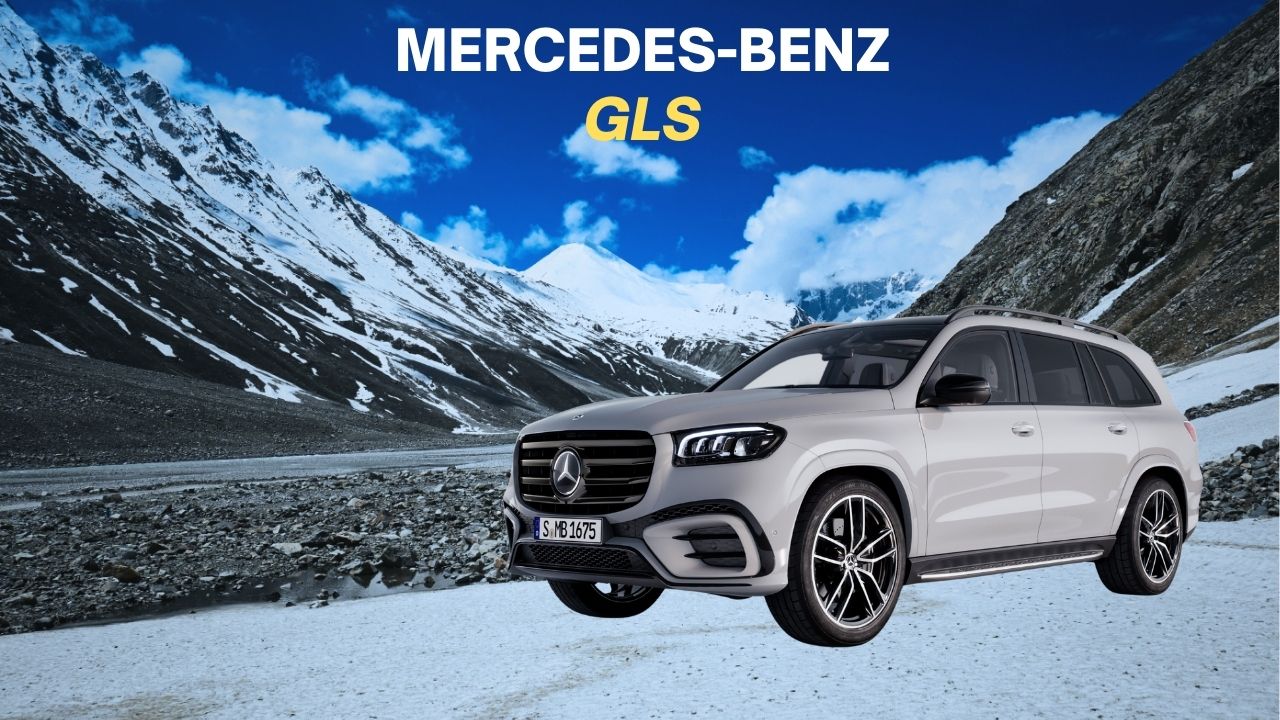
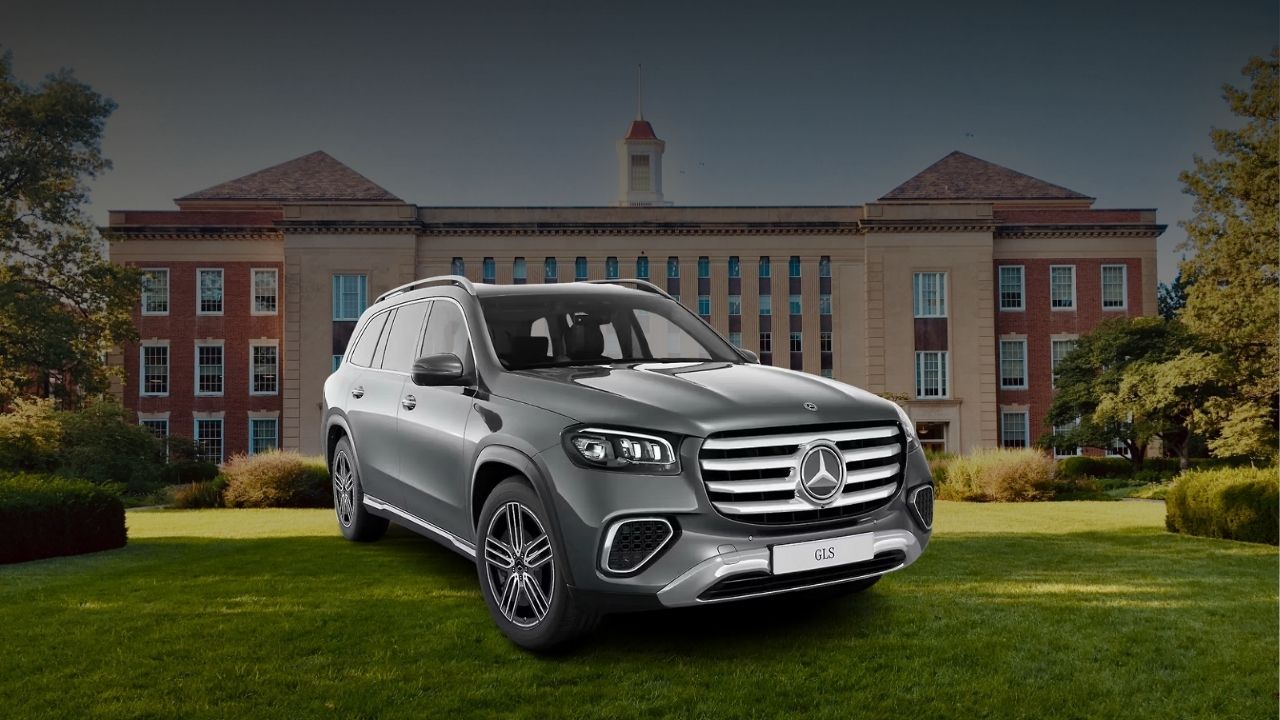
Mercedes-Benz GLS SUV Impact on the Global Automotive Industry

Mercedes-Benz GLS SUV

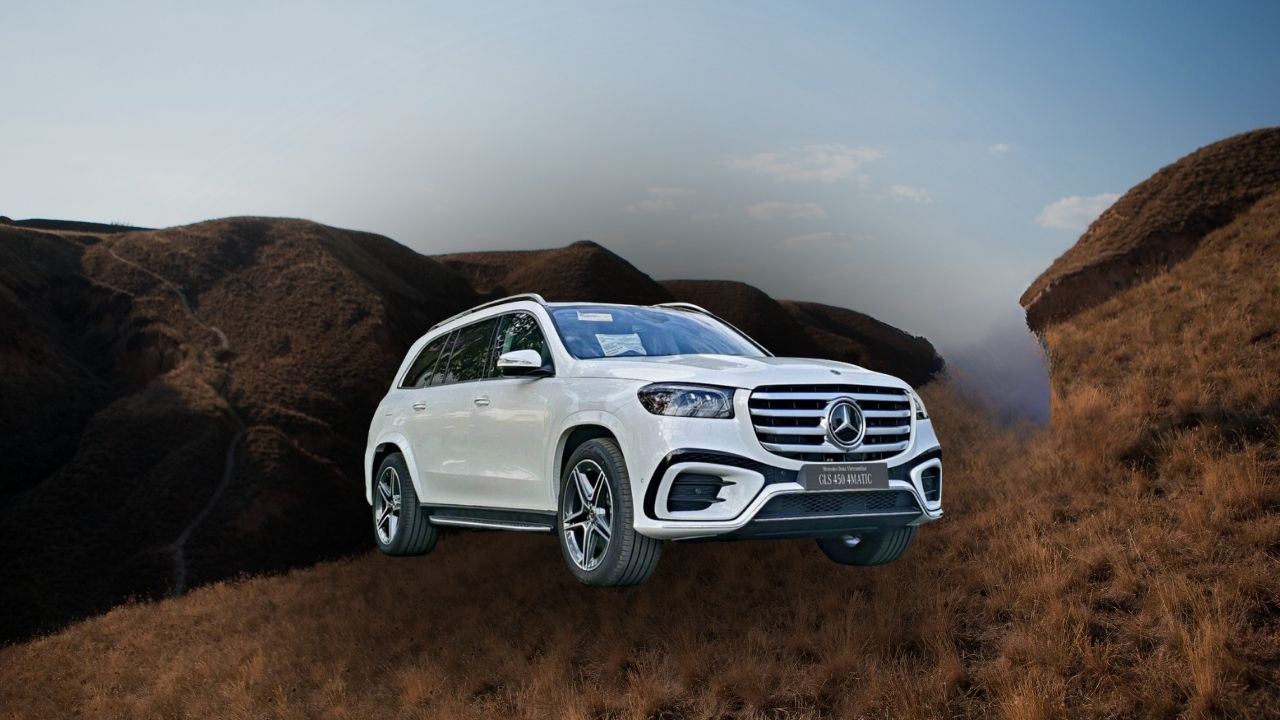
The Mercedes-Benz GLS SUV is the benchmark for luxury full-size SUVs by virtue of its advanced design, engineering excellence and boundless roominess. The GLS replaces the GL-Class in that role, and not only has it established itself as the flagship model in the Mercedes lineup, but as a global automotive leader. It’s not just superficial, it revolutionizes the way SUVs are constructed and what customers expect in a luxury SUV. This evolution embodies the creativity with which Mercedes-Benz continually leads in luxury, and once again. 

How the Mercedes-Benz GLS Redefined Luxury SUV Standards Worldwide

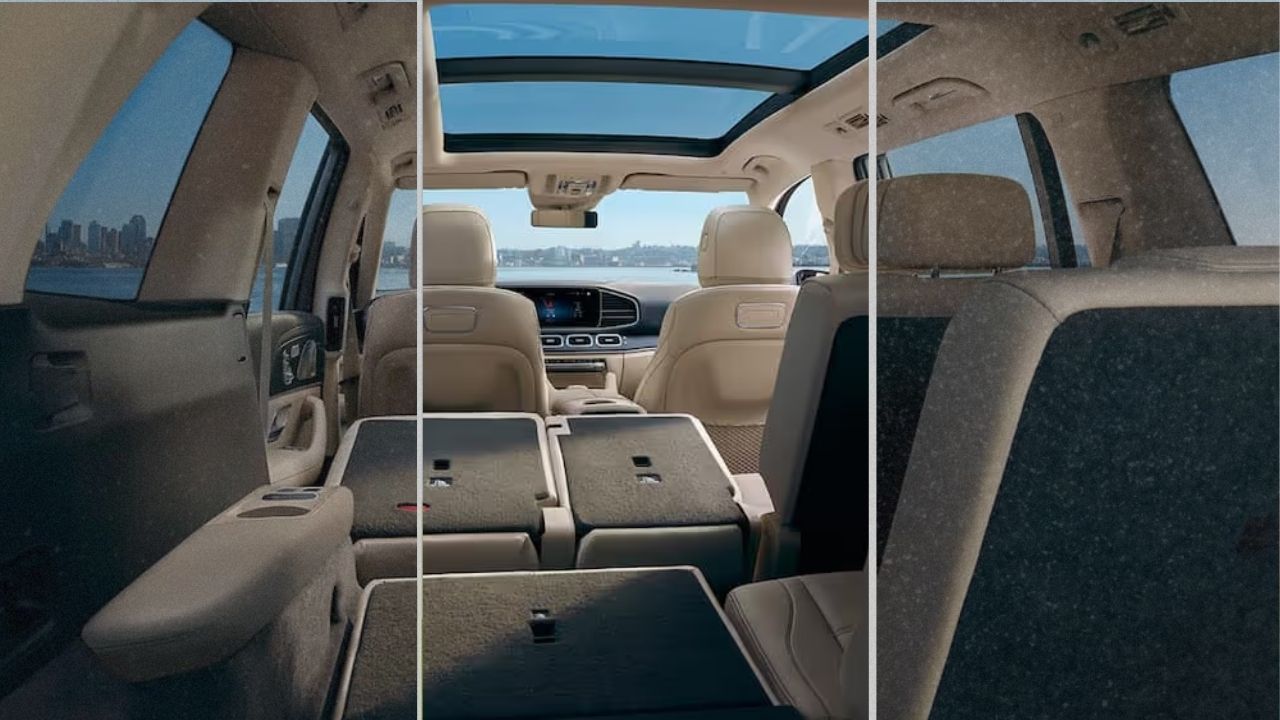
The GLS, originally known as the GL-Class and rebranded in 2016, raised the bar for full-size luxury crossovers with three rows of seating for seven passengers. Sitting atop the GLE, it delivers imposing presence alongside state-of-the-art Airmatic air suspension (AIRMATIC) and luxurious interiors adorned with Nappa leather and wood veneers. Worldwide, it set higher standards for SUVs for competitors like the BMW X7 and the Cadillac Escalade to live up to in terms of refinement and technology suites, such as MBUX infotainment with dual 12.3-inch displays. 

This vehicle established the term “S-Class of SUVs” as a category label, mixing limousine comfort with off-road capability through 4MATIC all-wheel drive. Sales that surpassed expectations – more than 20,000 Maybach versions every year around the world – revealed the appetite for such flagships, shaping shifts in the industry towards the ultra-premium. 

Reshaping Global Manufacturing Hubs

A landmark 2026 decision also allowed India to become the first market outside the US to manufacture the Mercedes-Maybach GLS locally at the Chakan facility near Pune. That hammered prices by more than ₹40 lakh, from ₹3.17 crore to ₹2.75 crore ex-showroom, making ultra-luxury achievable in the midst of India’s surging affluence. India’s ascent to a top-five global Maybach market in 2025, with 2024 sales surpassing 500 units (predominantly GLS), proved “Make in India” for premium autos. 

There are two things to watch here: first, a growing focus on developing rather than developed economies as the centers of production. The localization of Mercedes diminishes import duties, waiting time and the carbon foot from shipping, which has Volkswagen and Audi considering similar tactics in Asia. It strengthens India’s auto eco system, generating skilled employments and local supplier network for customised components. 

Driving Innovation and Technology Adoption

The GLS introduced features that are now industry standard, such as adaptive cruise control with lane-keep assist and 360-degree surround cameras, years before they were required by law. Its mild-hybrid powertrains (3.0L I6 or 4.0L V8) offer the right mix of performance (up to 550 hp in Maybach) and efficiency, pushing rivals toward electrification—EV penetration in Mercedes’ high-end climbed 20% by 2026. The air suspension with off-road programs and up to 36mm ground clearance set a new standard for SUV flexibility. 

Driving Innovation and Technology Adoption

Safety-wise, PRE-SAFE Impulse Side and the transparent hood technology with camera raise the bar, also influencing Euro NCAP standards. On a global level, GLS demand pushed luxury brands to more R&D on hyperscreens and Level 2+ autonomy. 

Mercedes-Benz GLS Market Growth and Its Impact on Global SUV Competition

Reliable, practical and comfortable, this helped Mercedes to take the lead in the luxury SUV segments, putting pressure on Range Rover. It sold more than its rivals in the US and China—two key markets—and recent 100%+ year-on-year Maybach growth in India for Maybach in 2024 signals growing dominance. This forced BMW and Audi to bring their flagships up to a higher level, creating a virtuous cycle of innovation.

Mercedes-Benz GLS Market Growth

GLS, meanwhile, gives Mercedes a handsome margin (Maybach 2019 over 20,000 units/year) and halo effect to bring buyers into to the most basic models. In an environment where luxuries are forecast to grow at single digit in 2026, it maintains its premium pricing power. 

Cultural Influence of the Mercedes-Benz GLS SUV

Behind the specs, the GLS is wrapped in aspirational packaging, showing up in Bollywood films and CEO garages that lends Mercedes some brand prestige. 

Aspect GLS Impact Competitor Response
Pricing Strategy India localization drops ₹40L+  BMW eyes Asia plants
Sales Growth India top-5 Maybach market  Audi ramps X8 production
Tech Features MBUX, AIRMATIC standards  Escalade adds Super Cruise
Production Hubs India 2nd after US  VW explores India EVs

Its massage-equipped, chauffeur-friendly rear executive seats serve global elites, helping to change perceptions away from tough SUVs and toward mobile offices. Environmentally, logistics emissions are reduced by producing locally, in line with sustainability drives. 

Read More:-  Ramesh Babu Car Collection: India’s Biggest Luxury Rental Garage

Conclusion

While looking ahead for Mercedes-Benz GLS SUV hybrids and EVs by 2027, its legacy continues in redefining luxury mobility. From Tuscaloosa roots to Pune production, GLS exemplifies the engineered versatility that propels the industry. With a 2025 re-election for President Trump driving US-India trade negotiations, more such cross-border successes are on the cards. 

0

Thar Roxx Accessories to Buy Online That Actually Worth Buying in 2026 

Published Aug 13, 2026, 12:59 PM
Last Updated Aug 31, 2026, 6:55 AM

Thar Roxx Accessories

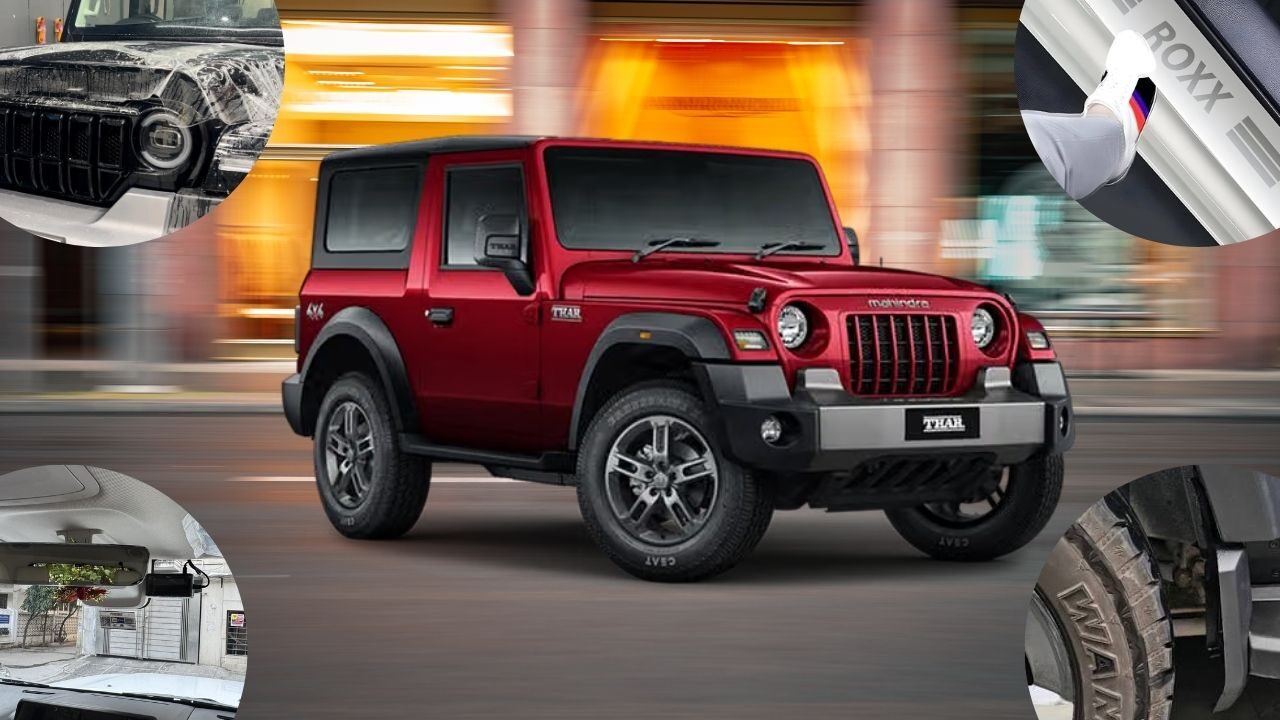
Walk into a Mahindra dealership after booking a Thar Roxx and someone will hand you an accessories catalogue before you’ve even signed the delivery paperwork. You should check Thar Roxx Accessories to buy online because they offer you a long list — everything from a ₹300 alloy wheel hub cap to a ₹1.35 lakh paint protection job and almost nobody explains which of it actually matters. 

Add in the aftermarket sellers online pushing “off-road bumper guards” that are quietly illegal, and shopping for Thar Roxx accessories turns into a research project you didn’t sign up for. This guide sorts through what’s genuine in Thar Roxx Accessories Online to buy and what’s worth skipping.

Mahindra Genuine vs. Aftermarket Accessories: How to Spend Smart on Upgrades 

Mahindra sells its own accessory range through its dealer network and its official m2ALL online store. These are engineered to bolt onto the Thar Roxx without cutting or drilling anything, and they don’t touch your warranty. The trade-off is price — genuine parts routinely cost double or triple what a comparable aftermarket version runs.

That’s where sellers like Drivestylish, Carhatke, Elegantautoretail, and Automods.in come in. They stock everything from seat covers to LED light kits at lower prices, with faster shipping and a bigger range of styling options than any dealership carries. The catch is consistency — quality swings from vendor to vendor, and “genuine OEM” claims on aftermarket sites aren’t always verifiable, so it’s worth asking for a proper GST invoice before you pay.

Which route makes more sense partly comes down to which Thar Roxx you actually bought. The lineup runs six variants — MX1, MX3, AX3L, MX5, AX5L, and AX7L — priced roughly between ₹12.99 lakh and ₹23.09 lakh ex-showroom. Buyers on a loaded AX7L already have most creature comforts built in and are usually shopping for styling extras. Buyers on the MX1 or MX3 are often filling real gaps — floor mats, mud flaps, basic protection — that higher trims get standard.

Read More:-  Best Car Accessories for Thar Roxx You Should Buy in 2026

The Accessory Everyone Sells That You Legally Can’t Fit

Search “Thar Roxx accessories” on any marketplace and bull bars show up constantly, sometimes relabeled as “off-road bumper guards” to dodge the obvious red flag. They’re illegal. The Ministry of Road Transport and Highways banned bull bars and crash guards outright in a December 2017 circular, and fitting one violates Section 52 of the Motor Vehicles Act, 1988. Fines run ₹1,000 for a first offence up to ₹5,000 for repeat violations or for the seller who fitted it, under Sections 190 and 191.

The engineering reason matters more than the fine. A bull bar is bolted straight to the chassis, which means a collision transfers force directly into the frame instead of letting the factory crumple zone absorb it — and it can interfere with front airbag sensors. 

Several insurers will refuse or dispute a claim if a bull bar is fitted at the time of an accident. If what you actually want is protection for the bumper on gravel trails, a skid plate or a bumper-specific PPF section does the job without the legal exposure.

Best Thar Roxx Accessories to Buy in 2026

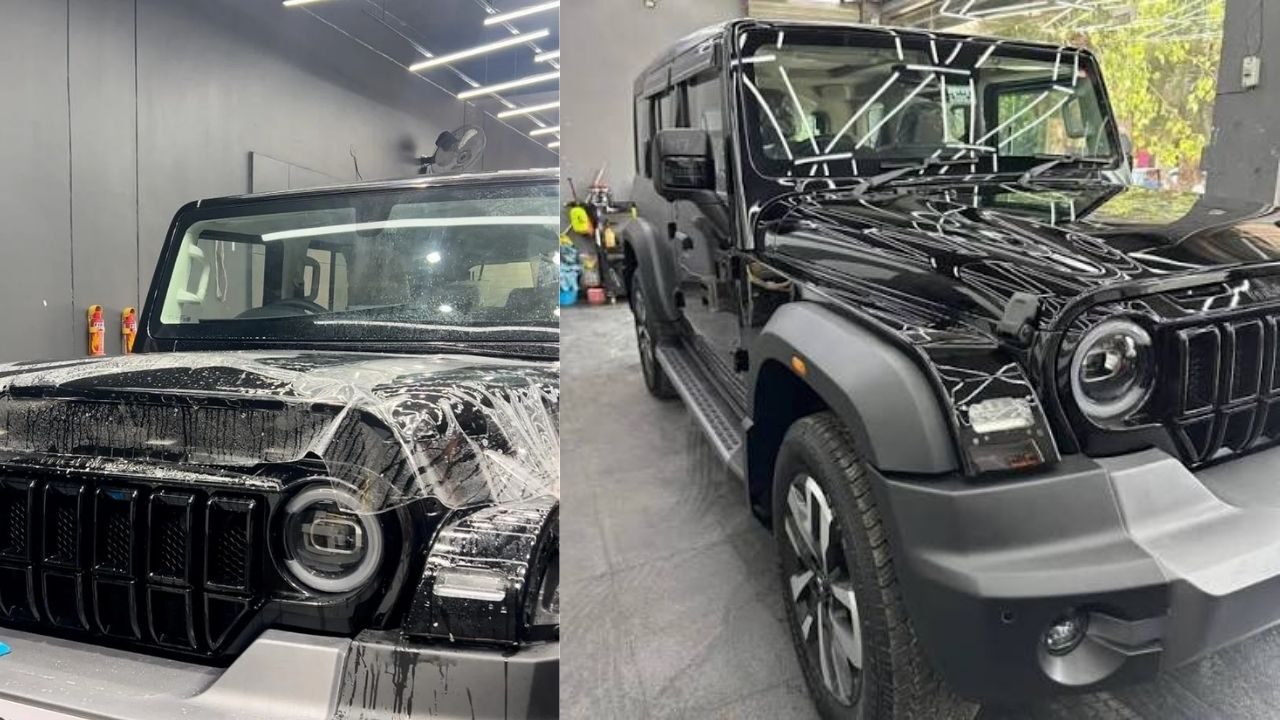
1. Paint Protection Film (PPF) — ₹1.35 lakh (8-year warranty) 

Thar Roxx Accessories

Full-body ceramic-infused film with a self-healing top coat. Genuinely protects resale value on a vehicle known for picking up stone chips on its flat panels and wheel arches — but at over a tenth of the base model’s price, it only pays off if you’re keeping the Roxx for five years or more.

Best for: owners planning a long-term hold.

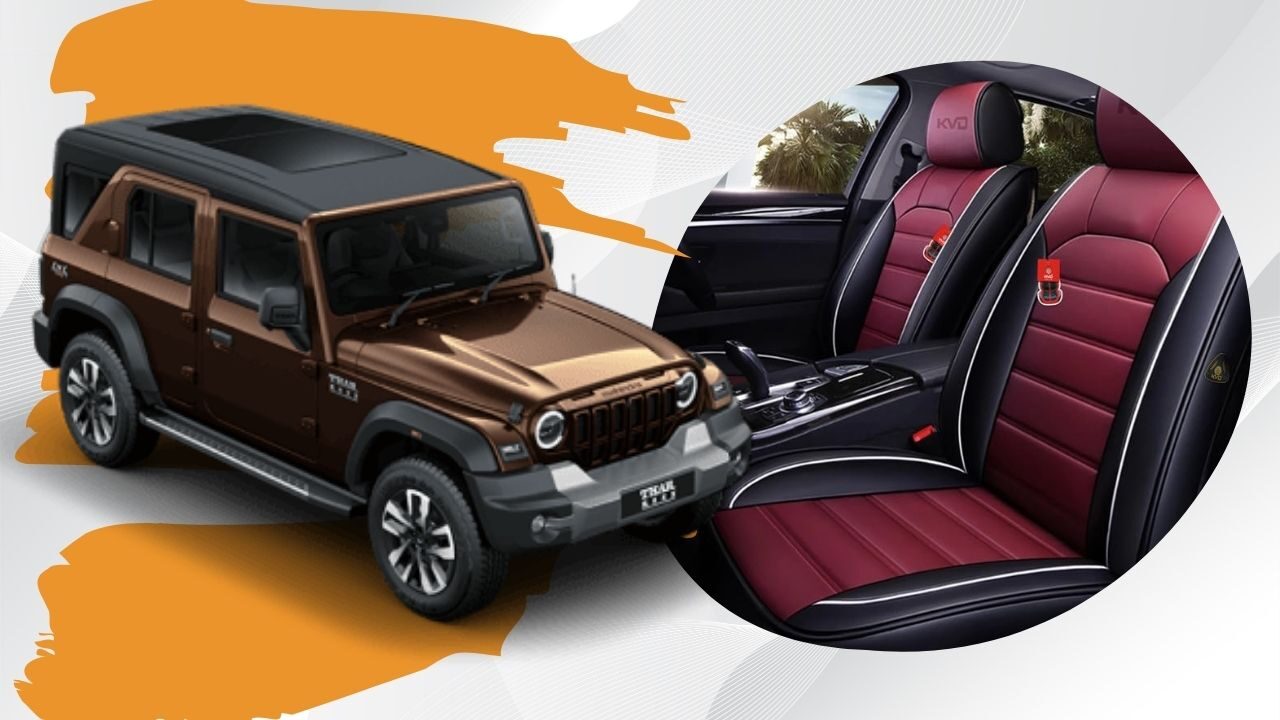
2. Bucket Seat Covers — ₹20,000 

Thar Roxx Accessories

Tailored fit, breathable fabric, factory-accurate stitching. The fit is a level aftermarket covers can’t quite match — but aftermarket seat covers run ₹2,000–₹10,000 for similar comfort if exact fit isn’t a dealbreaker for you.

Best for: buyers who don’t want any compromise on how it looks from the driver’s seat.

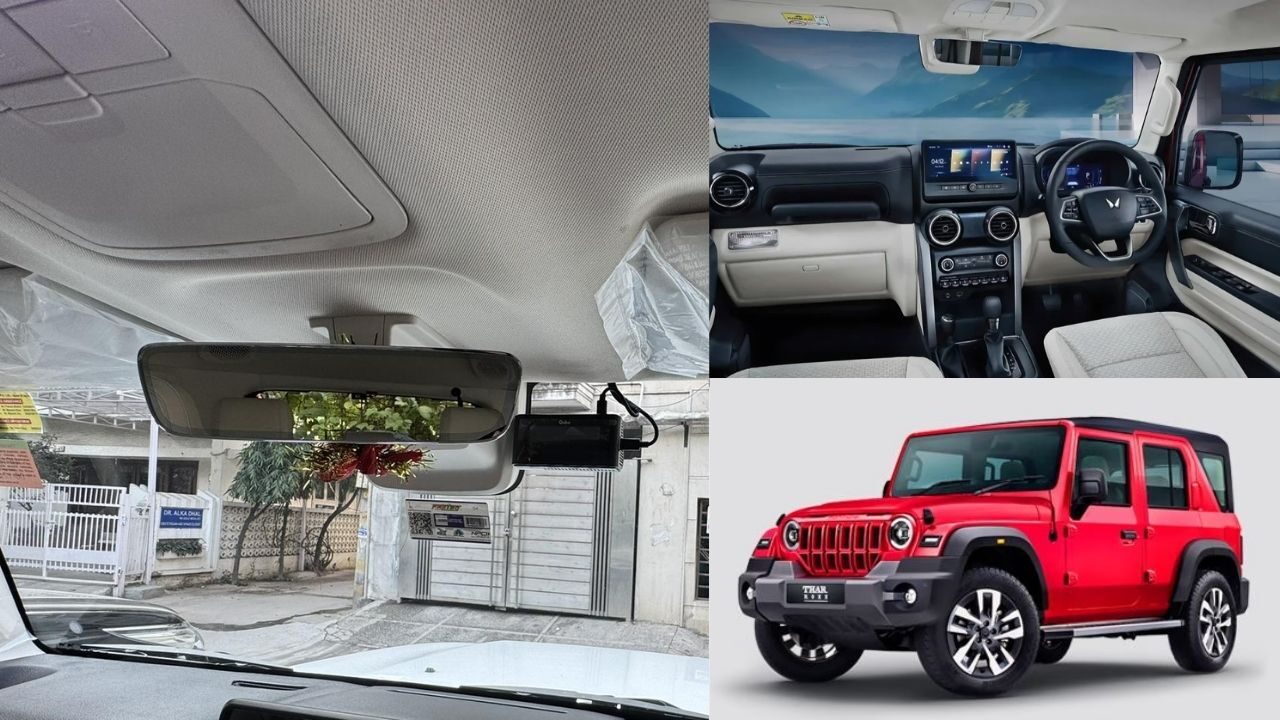
3. Dash Camera — ₹25,000  

Dash Camera

Integrated wiring, factory-fit mounting, no visible cables. Clean installation and solid footage for insurance disputes — though standalone aftermarket dash cams do the same core job for ₹3,000–₹8,000, just with a visible cable run.

Best for: daily commuters who want accident evidence without a wiring mess.

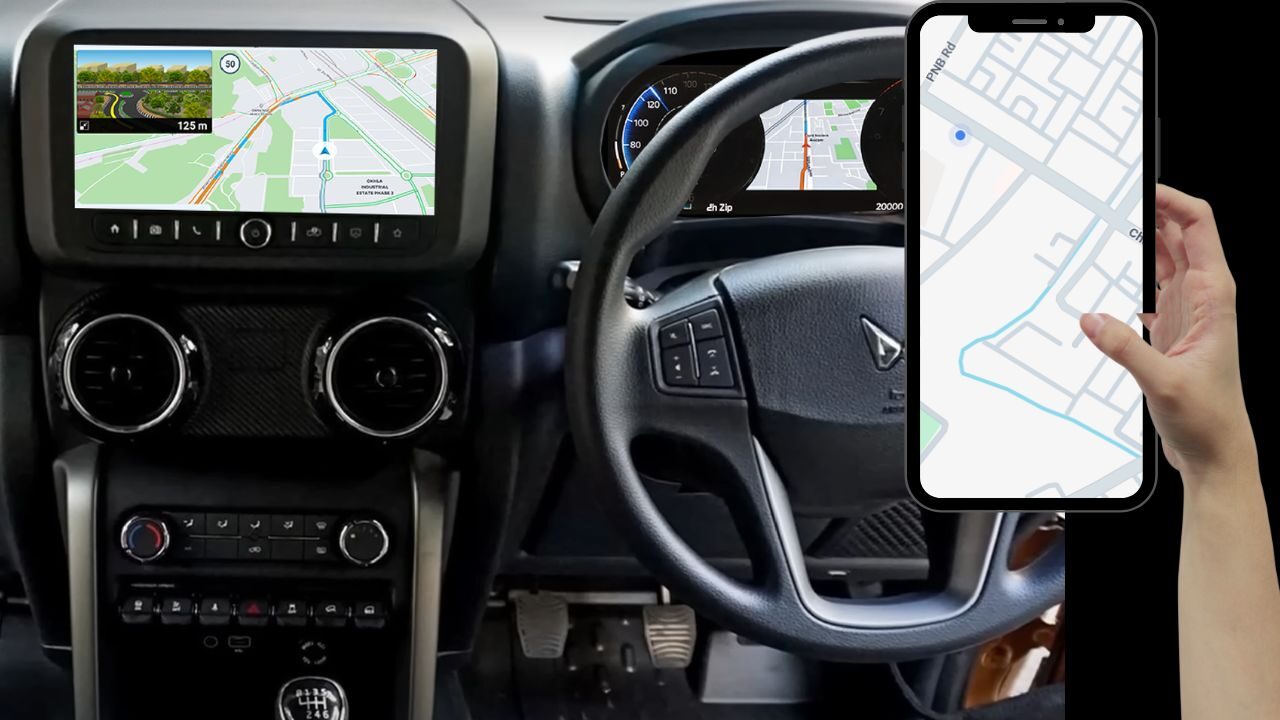
4. GPS Tracking Device — ₹12,499  

GPS Tracking Device

Real-time location tracking, geofencing. Useful if the vehicle gets shared across family members or parked in a theft-prone area — confirm whether there’s a recurring subscription fee before buying, since that’s not always advertised upfront.

Best for: shared vehicles or high-risk parking situations.

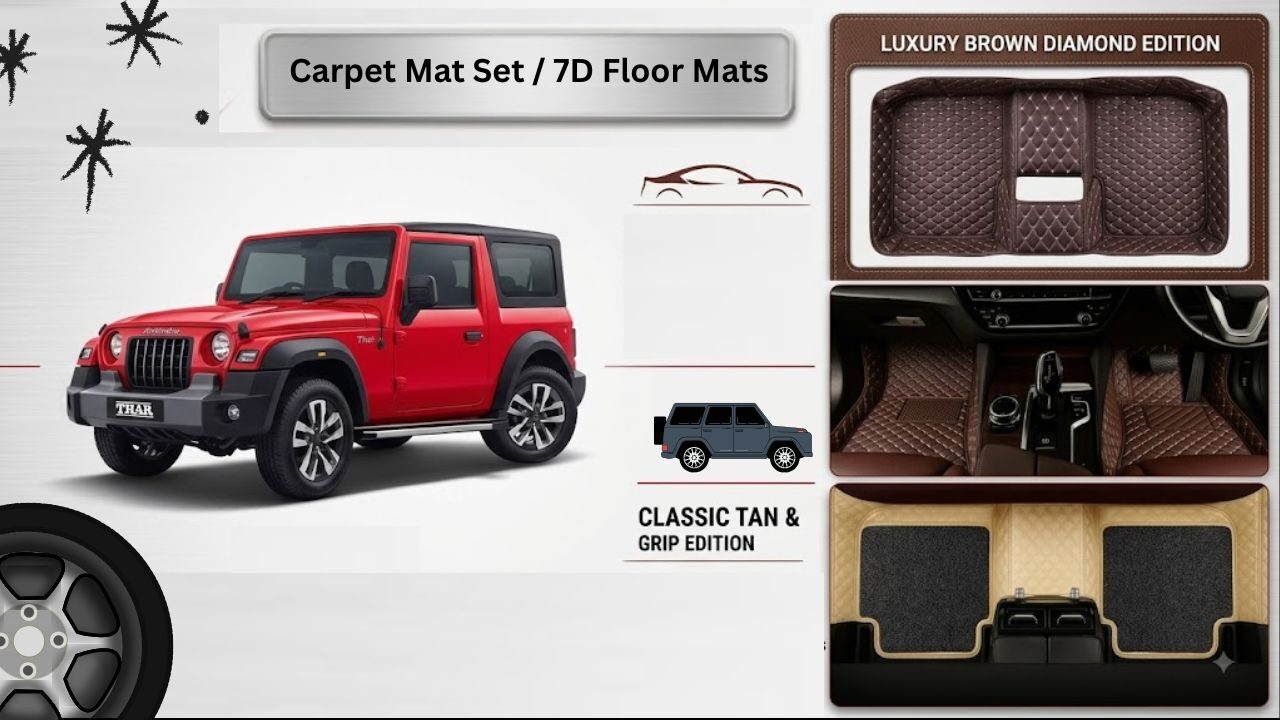
5. Carpet Mat Set / 7D Floor Mats — ₹3,950–₹9,999 

Carpet Mat Set

Raised edges, waterproof backing, model-specific fit. Real protection during monsoon months, which matters more on a vehicle that regularly sees mud and standing water — cheap aftermarket 7D mats can trap moisture underneath if the backing isn’t genuinely waterproof, so check reviews before buying the bargain option. 

Best for: monsoon-heavy regions.

Read More:-  Best Brake Pads for Cars: Top Options for Safe Driving

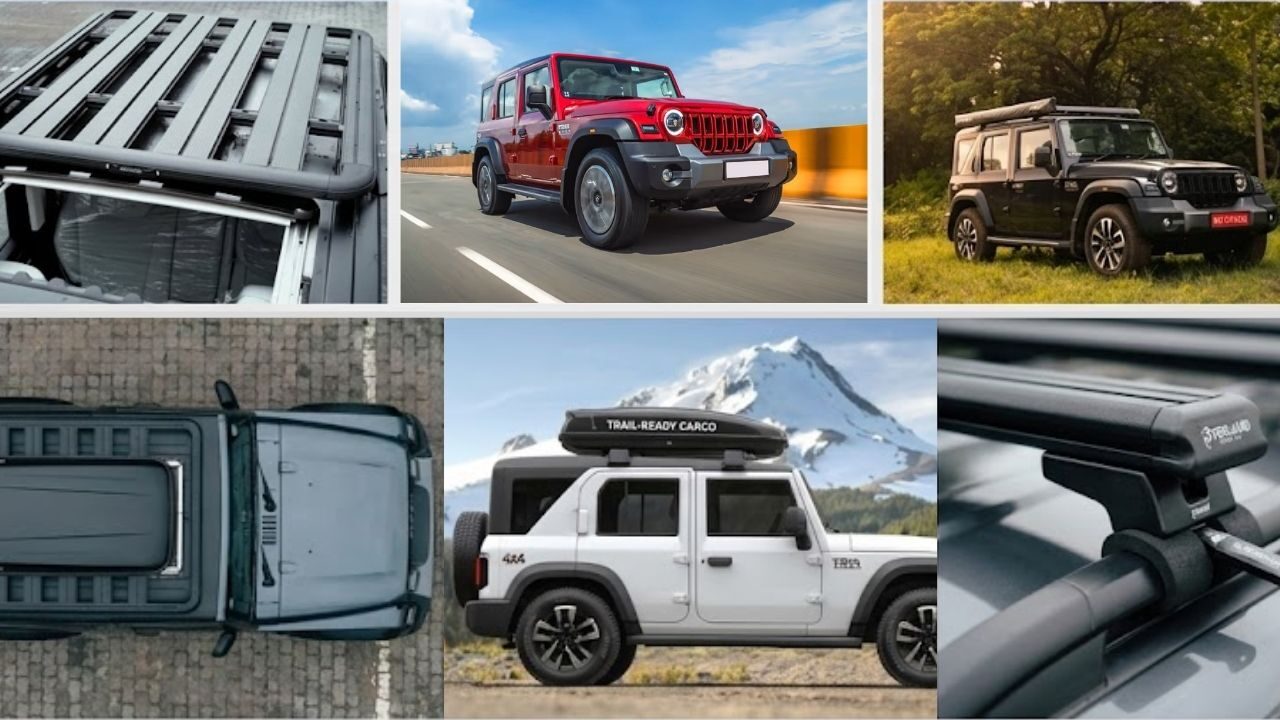
6. Roof Rails and Roof Carrier — indicative ₹10,000–₹30,000 (aftermarket range, confirm before buying) 

Roof Rails and Roof Carrier

Static or dynamic load-rated bars mounting to factory roof points. Turns the Roxx into a real camping and road-trip vehicle but load ratings vary a lot between sellers, so verify the actual rated capacity for your specific variant before strapping down gear. 

Best for: road-trippers and weekend campers.

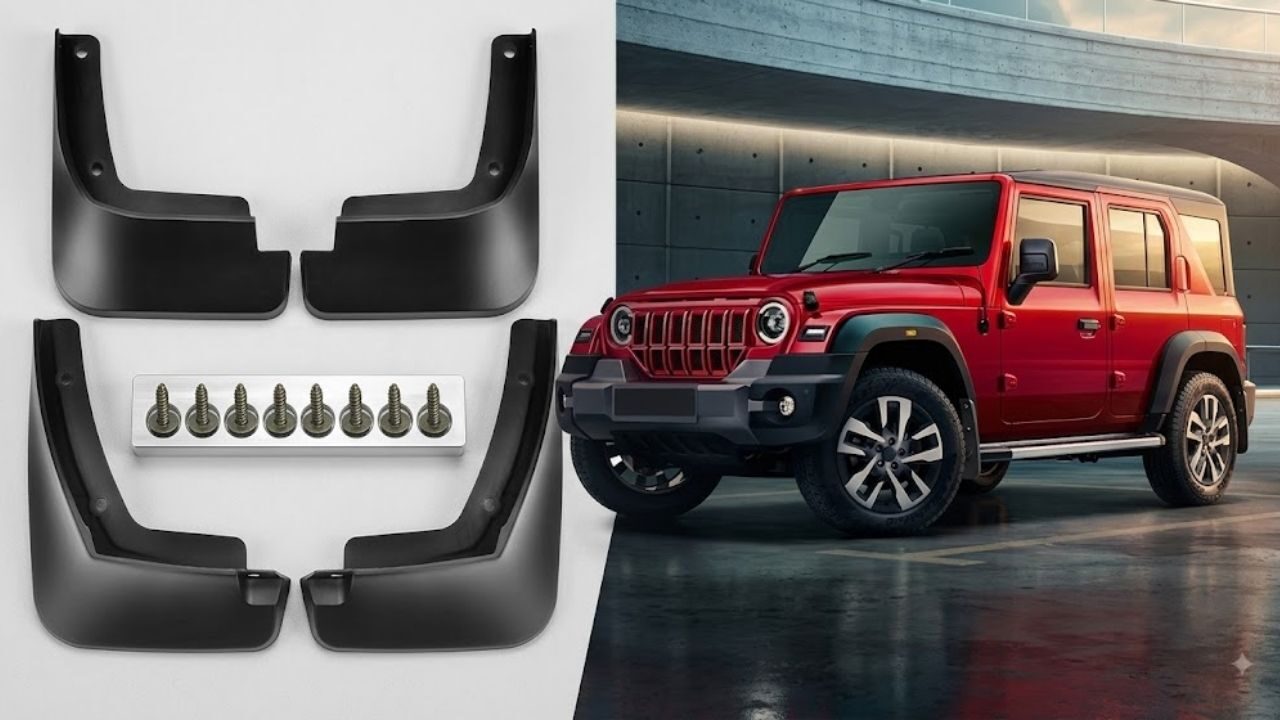
7. Mud Flaps — ₹500–₹3,000 

Mud Flaps

Front and rear sets, OEM or vehicle-specific fitted design. Cheap, effective protection against underbody rust from mud and rain splash — genuine Mahindra units cost noticeably more than near-identical fitted aftermarket versions from sellers like Carhatke or Techo. 

Best for: rural or muddy road driving, and as a low-cost first purchase.

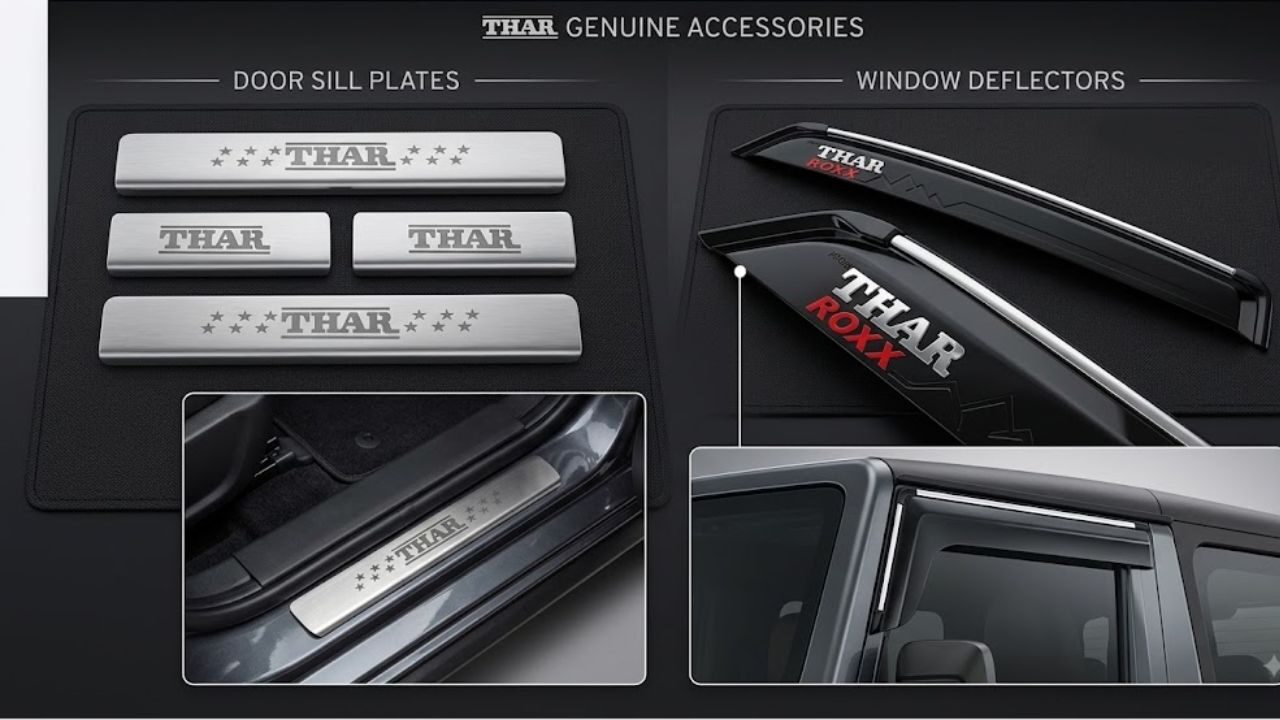
8. Sill Guards — ₹1,175  

Sill Guards

Brushed-finish scuff protection along the door sills. Mostly cosmetic, but it’s an affordable way to stop shoe scuffs from wearing down the paint at the door edge. 

Best for: budget buyers who want one cheap, low-effort upgrade.

PPF vs Ceramic Coating: True Comparison For Best Paint Protection

These two get lumped together as “paint protection,” but they solve different problems.

Paint Protection Film Ceramic Coating
Price ₹1.35 lakh (genuine, 8-yr warranty) Roughly ₹15,000–₹40,000 depending on tier — get an exact quote, pricing varies a lot by shop
What it actually does Physical film barrier — absorbs stone chips and scratches Adds gloss and a hydrophobic layer — doesn’t stop physical impact
Best suited to Regular gravel or off-road driving Mostly city and highway driving

If you’re taking the Roxx onto gravel trails or rough terrain often, PPF’s physical protection is doing real work. If it’s mostly tarmac and you want the shine, ceramic coating gets you most of the visual benefit for a fraction of the cost.

Where to Actually Buy Thar Roxx Accessories Online

For anything that touches warranty — seat covers, dash cams, tracking devices — go through your dealership. For styling and protection extras, Drivestylish, Carhatke, Elegantautoretail, and Automods.in all stock Thar Roxx–specific parts with home delivery across India. 

Prices for the same item can differ meaningfully between these sellers, so for anything above ₹5,000, it’s worth checking at least two listings before you buy.

Which Thar Roxx Accessory Should You Actually Buy First?

If your budget is under ₹3,000, start with mud flaps and sill guards — cheap, functional, and genuinely useful on Indian roads. Between ₹3,000 and ₹15,000, floor mats and an aftermarket Dash Cam cover the two things most owners regret not having within the first year. 

From ₹15,000 to ₹50,000, seat covers, ceramic coating, or roof rails are where personal use cases should decide — road-trippers go roof rails, everyone else probably wants seat covers. Above ₹50,000, PPF only makes sense if you’re planning to keep the vehicle long enough to see the resale benefit.

And regardless of budget: skip the bull bar, no matter how many sellers have it listed as a “must-have.” It’s not protecting anything — it’s a fine waiting to happen.

Read More:-  How Often Should You Change Oil in Your Car? What Actually Matters in India

Conclusion

The best Thar Roxx accessories aren’t necessarily the most expensive ones. And you don’t have to buy everything you see online so here is the list that contains the genuine Thar Roxx accessories to buy online which can make your car more sensible. Practical upgrades like mud flaps, quality floor mats and a dash cam, are standard materials to buy when you buy Thar Roxx. 

All other accessories depend on your driving needs, PPF is worth it for owners who consistently take their vehicles off-road, whereas ceramic coating is the better value for average city and highway drivers. Roof rails and seat covers have everything to do with how you use the Roxx and nothing to do with what the dealership tells you you need. 

Compare original and aftermarket prices, check fitment and warranties, and avoid illegal bull bars altogether. 

0

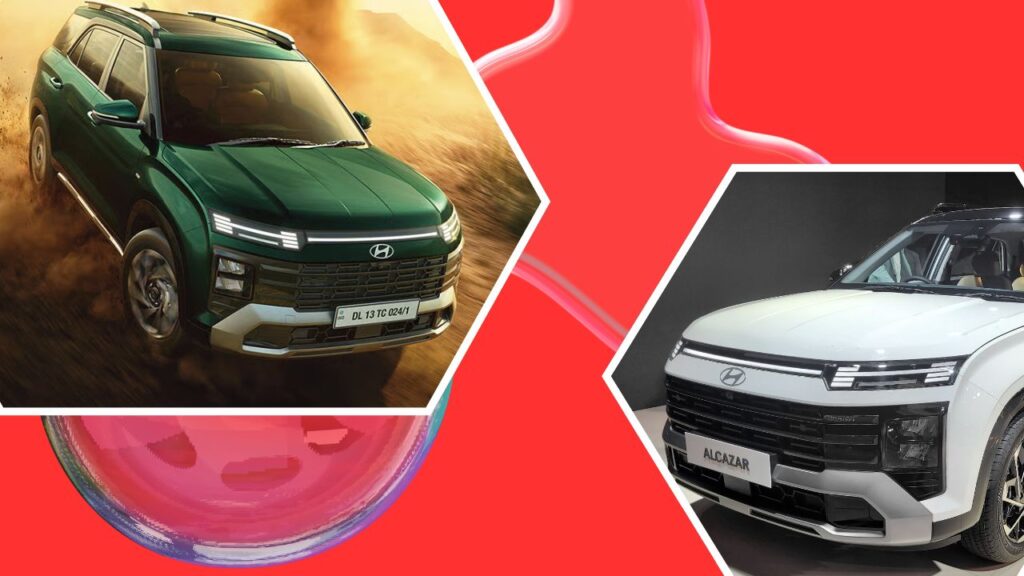
Hyundai Alcazar 2025: Latest Price, Specifications, Features, Mileage and Engine Details

Hyundai Alcazar 2025

Purchasing a family SUV in India usually requires you to balance space, features, mileage, and budget — all at the same time. Most offerings promise one thing, but ask buyers to compromise on another. The Hyundai Alcazar 2025 is a good-balanced offering catering to the folk who are not ready to pay premium SUV prices but need the comfort and practicality of a three-row SUV. 

Now with revised pricing, a range of fuel-efficient petrol engine options, modern technology and best-in-class safety features, the Alcazar tries to strike that sweet spot between cost-effective and premium. So, without further show, this is a complete review on what 2025 Hyundai Alcazar has in store for you as a midsize SUV option.  

Price Range For Hyundai Alcazar

The Alcazar is surprisingly well within reach, beginning at a pocket-friendly ₹14.47 lakh (ex-showroom) for the base Executive variant with a petrol engine and 6-speed manual transmission. 

The pricing is symmetrically designed for all variants with an upper-limit of ₹21.10 lakh for the diesel automatic high-spec Signature 6 seater variant. Hyundai has also announced price cut of up to ₹75,000 in line with new GST 2.0 rates from September 2025, which would make this SUV even more appealing to prospective buyers. 

Engine Options

The 2025 Alcazar offers a real choice between two very different powertrains, each with its own personality. The 1.5 litre turbo charged petrol engine is a fast moving engine which produces 160 PS at 5500 rpm and a good 253 Nm Torque over 1500-3500 rpm. It’s polished, reactive and works wonderfully with a 6-speed manual or a sophisticated 7-speed dual-clutch automatic gearbox. If refinement and city-friendly everyday drivability are what you’re looking for, this is the engine to get.​

Hyundai Alcazar 2025

On the other hand, the 1.5-litre diesel engine is more practical, offering 114 PS at 4,000 rpm along with 250 Nm of torque in the 1,500-2,750 rpm rev band. Though not as powerful, diesel has that signature low-end torque that many Indian buyers love for highway cruising and towing. You are offered either a 6-speed manual or a 6-speed torque converter automatic transmission here. 

Real-World Mileage

This is the right place where the alcazar truly shines for tightfisted families. The diesel manual version offers a superlative 20.4 kmpl making it one of the best options for long highway drives. Even the diesel auto is well under way with a decent 18.1 kmpl. 

Diesel Manual 20.4 kmpl Long highway drives & maximum fuel savings
Diesel Automatic 18.1 kmpl Comfortable cruising with good efficiency
Petrol Manual 17.5 kmpl Balanced performance and daily usability
Petrol Automatic 18.0 kmpl Smooth driving with refined performance

The petrol variants are slightly less thirsty and return 17.5 kmpl with the manual and 18.0 kmpl with the automatic, but if you consider the performance and refinement they offer, these figures are still miles ahead of almost anything else in the segment.  

Features That Feel Premium

Step inside the cabin and you’ll soon realize that Hyundai hasn’t cheaped out on the creature comforts. The 10.25-inch infotainment system dominates the dashboard, now with wireless Android Auto and Apple CarPlay support through a new wired-to-wireless adapter. The all-digital 10.25-inch driver’s instrumentation cluster also gives that premium digital cockpit feel you would expect from a car that costs a lot more.​

Hyundai Alcazar Features That Feel Premium

In terms of comfort, the Alcazar indulges its passengers with dual-zone automatic climate control, ventilated seats for front and second row (in higher variants), an 8-speaker Bose audio system, and a voice-enabled panoramic sunroof. The second-row wireless charger and power-adjustable seats speak to Hyundai’s consideration of families taking long trips. 

Read More:-  Jay Leno’s Car Collection: A Passion That Goes Beyond the Garage

Safety and Advanced Technology

For modern buyers, the clear highlight of the car is its Level 2 ADAS (Advanced Driver Assistance System) package. It has adaptive cruise control which keeps a safe distance on the highway, lane-keeping assist that helps you from unintended lane drift, forward collision warning with brake assistance, plus blind-spot monitoring and rear cross-traffic alert to give you more confidence on the road and in parking lots.  

If you’re worried about highway safety and minimizing driver strain on long hauls, these features make the price premium over cheaper models worth it.​​

Outside of ADAS, there are six airbags for all variants with the option of two more in the top trim, hill-start assist, ESP, a 360-degree camera system and rain-sensing wipers. It’s an active-safety package that seems authentic, rather than thrown in just to meet a checklist. 

Dimensions and Practicality

Length  4,560 mm
Width 1,800 mm
Height  1,710 mm
Wheelbase  2,760 mm

These measurements equal to real comfort on all the three rows, making it sit six or seven occupants, with the option of captain seats in the middle row for more comfort.  

Hyundai Alcazar 2025

The 200-mm ground clearance takes care of all Indian road conditions quite well and a 50-litre fuel tank allows you to ride a long way between fuel stops. The 180-litre boot capacity is adequate for luggage for weekend trips, although you’ll need to fold seats for larger loads. 

Conclusion

The 2025 Hyundai Alcazar looks to be a compelling offer for Indian families seeking value for money with minimal compromises. Whether you want to opt for fuel efficiency with the diesel or refinement with the petrol, choose the convenience of the automatic or the involvement of the manual transmission, an Alcazar variant for your lifestyle and budget awaits you. 

With segment-leading safety technology and plush creature comforts usually found in premium vehicles, the Alcazar delivers more than expected making it truly worth your consideration. 

0

ROI of Commercial Vehicles in India: Costs, Profits & Business Returns

ROI of Commercial Vehicles in India

Every vehicle owner remembers the first time they were tricked by a low EMI. The vehicle looked affordable, the loan tenure looked comfortable, and six months later the same person was staring at a fuel bill that had quietly become their biggest monthly expense. The ROI of Commercial Vehicles in India is not a purchase decision. It is a cash flow decision which comes along with a vehicle. And treating it any other way is how companies wind up with a money-losing asset rather than a money-making one. 

Prices of diesel are remaining at ₹96-₹98 per litre in most Indian cities while a few like Andhra Pradesh have crossed the ₹105 mark. For owners of trucks, tempos and pickups, that number has an immediate bearing on profitability, since fuel costs can make up 40 to 55% of a commercial vehicle’s lifetime operating cost. The initial purchase price, although significant, is generally a more fixed and predictable cost. That is why the first thing every buyer should assess isn’t the sticker price, it’s how much the car will cost to operate on a daily basis.  

What “Cost” Actually Means for a Commercial Vehicle

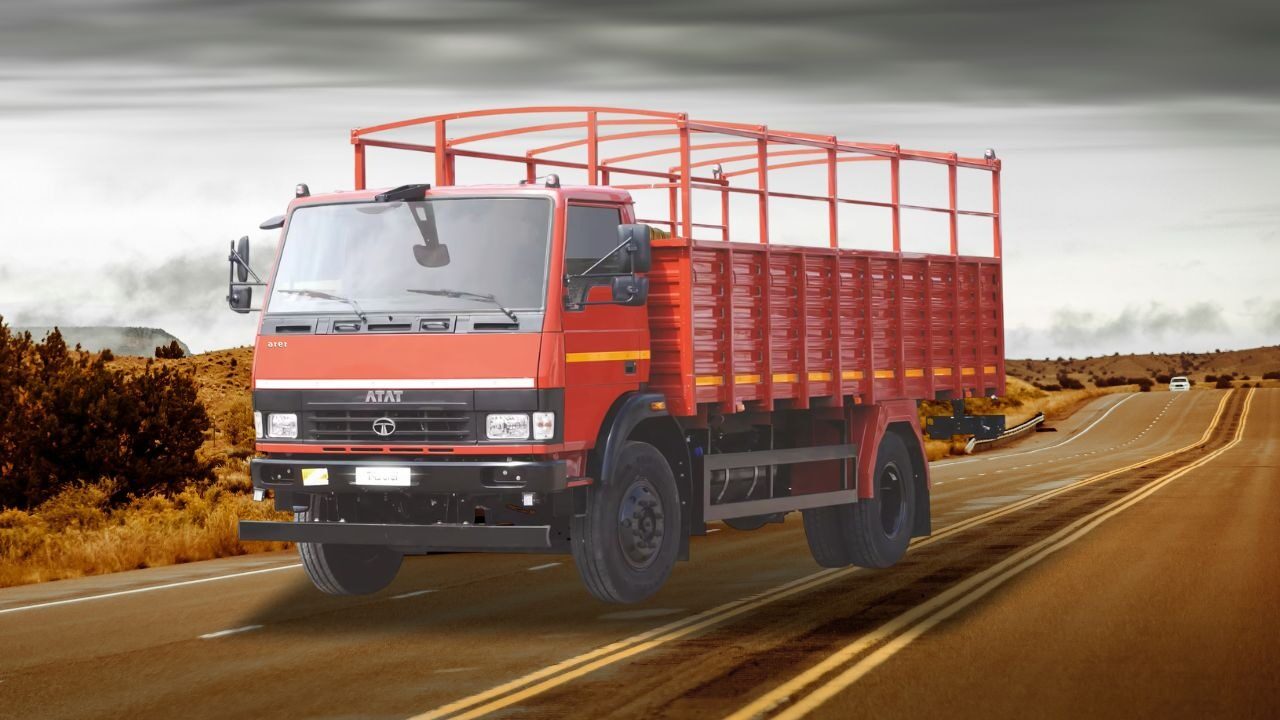
The ex-showroom price is just the beginning in terms of commercial vehicle budgeting. For instance, India’s best-selling mini truck for last-mile deliveries, Tata Ace, is priced from ₹3.99 lakh to ₹6.69 lakh (ex-showroom) based on the variant. The Ashok Leyland Dost range meant for heavier loads begins from ₹6.68 lakh to ₹ 10.34 lakh, with the ROI of Commercial Vehicles in India and ROI of Commercial Vehicles in India variant priced higher. 

However, the total cost you pay once after including the cost of the registration, insurance, and state roads taxes is higher. Additional charges like these typically add 8 to 12% to the sticker price, so it’s important to plan for more than the sticker price. 

Where ROI of Commercial Vehicles in India Lost

The bigger expense begins after the vehicle hits the road. Fuel, driver salaries, regular maintenance, tire replacement, insurance, permits and unforeseen repairs all contribute to the cost of monthly operations, and unlike EMI, these costs can fluctuate widely. 

Tires and engine components of long distance or heavy-duty vehicles are under greater stress and wear out faster. Therefore, a model with a lower purchase price may cost you more during the life of the product. This is why experienced fleet managers look at cost per kilometre rather than the bare purchase price, since it gives a more accurate sense of fuel efficiency, maintenance, depreciation and other operating costs.

Where the Profit Actually Comes From

ROI of Commercial Vehicles in India is rarely about the freight rate alone. It comes from utilisation, which is a polite way of saying: how many days a month is the vehicle actually earning instead of sitting idle. A truck that runs 24 days a month will always beat a cheaper truck that runs 15 days a month, even if the second one has a lower EMI. Idle time is the single biggest silent killer of ROI of Commercial Vehicles in India, whether it’s caused by a breakdown, a driver shortage, or simply poor route planning.

The second lever is load efficiency. Businesses that consistently run at 60 to 70% of a vehicle’s rated payload capacity are effectively paying full fuel and maintenance costs for a fraction of the earning potential. Matching the vehicle class to the actual cargo pattern, rather than buying one size up “just in case,” is one of the most underrated ROI decisions a business owner makes. A Bada Dost bought for loads that a standard Dost could easily handle is dead capital sitting on four wheels.

The third lever, and the one almost nobody talks about, is resale value. Tata and Ashok Leyland vehicles tend to hold value better in the Indian secondary market simply because spare parts and service networks are everywhere, which matters enormously when a five-year-old truck needs to be sold to fund the next purchase. A vehicle that’s cheap to maintain throughout its life is also, almost always, the one that resells for a fair price later.

The Financing Trap Nobody Warns You About

Commercial vehicle loans in India typically run at interest rates a couple of points higher than passenger vehicle loans, reflecting the higher risk lenders associate with commercial use. A longer tenure lowers the EMI on paper but stretches interest payments across more months, which quietly increases the total cost of ownership. 

The smarter approach, and one that experienced fleet owners follow without exception, is to size the loan against realistic monthly earnings rather than against the maximum EMI a bank is willing to approve. Banks will always approve more than a business can comfortably repay, because the risk sits with the borrower, not the lender.

Note: Diesel prices, vehicle pricing, and interest rates change frequently and vary by state and lender. Always confirm current on-road prices, fuel rates, and loan terms with authorised dealers and banks before making a purchase decision.

BS6 Compliance and the Long-Term Cost Angle

Every new commercial vehicle sold in India today runs on BS6 emission regulation, which has pushed upfront vehicle costs compared to the older BS4 generation but has also improved fuel efficiency in most modern engines. 

For a business calculating ROI over a five to seven year holding period, this trade-off usually works in the buyer’s favour, since better mileage compounds into meaningful fuel savings over tens of thousands of kilometres. The mistake to avoid is buying an older, non-compliant vehicle secondhand purely to save on the initial price, since resale restrictions and rising fuel costs can erase that saving within a couple of years.

Read More:-  Best Cars for Daily Office Commute: Top Comfortable & Fuel-Efficient Cars

Diesel, CNG, or Electric: The ROI Angle, Not the Trend Angle

CNG variants of vehicles like the Dost and Ace are gaining traction in Indian cities specifically because CNG remains meaningfully cheaper than diesel per kilometre, even after accounting for the lower fuel efficiency compared to diesel engines. For businesses running fixed intracity routes with reliable access to CNG stations, this can genuinely lower the cost per kilometre. 

Electric commercial vehicles are still a smaller piece of the market, and while running costs are lower, the higher upfront price and patchy charging infrastructure outside major metros mean the ROI case only works cleanly for businesses with short, predictable routes and access to depot charging. This isn’t a case of one fuel type being universally better. It’s a case of matching fuel type to route pattern, which is the same discipline that governs every other part of this decision.

The Real Formula for Business Owners

The ‘ROI of Commercial Vehicles in India’ question comes down to one practical comparison: total monthly earnings from the vehicle, minus fuel, driver salary, maintenance, insurance, and EMI, measured against how much capital was actually put in to acquire it. 

A vehicle that looks expensive but stays on the road every working day, carries near its full rated load, and holds resale value will consistently outperform a cheaper vehicle that spends a third of its life in the workshop. 

In Indian commercial transport, the businesses that make money aren’t the ones that bought the cheapest truck. They’re the ones that bought the right truck for their actual freight pattern and ran it hard, every single day, for years.

Conclusion 

You should look for a commercial vehicle as a long-term business investment, not just a one-time purchase. The ROI could improve if you choose the right payload capacity, use recommended fuel, and try not to exceed the speed. Before making a decision, compare the total cost of ownership to understand the exact ROI of Commercial Vehicles in India. 

The most profitable commercial vehicle is the one which delivers lower cost per kilometre, spends more time on the road, and has strong resale value.