0

Top 10 Most Expensive Cars in Mukesh Ambani’s Collection with Price

Published Jul 2, 2025, 12:51 PM
Last Updated Jul 3, 2025, 6:54 AM

Top 10 Most Expensive Cars in Mukesh Ambani’s

Mukesh Ambani, the name is mentioned in discussions among the wealthiest men. He is famous for his big business and his love for luxury cars. The Mukesh Ambani car collection is large and the collection has very luxurious cars. It has some of the most expensive and beautiful cars you can imagine. These cars are not just for show. They are also very safe and have the latest technology. Learn about Mukesh Ambani’s Top 10 most expensive cars, know about their prices, and features. 

Why Is Mukesh Ambani’s Car Collection Famous?

Mukesh Ambani’s lavish lifestyle is incomplete without his 150 expensive car collection. Each car is picked with care. They are all top brands. Many of them are custom-made. Some are even bulletproof. The Mukesh Ambani car collection showcases power, luxury, and safety. People all over the world talk about his cars.

Top 10 Most Expensive Cars in Mukesh Ambani’s Collection

Here are the top 10 most expensive cars in Mukesh Ambani’s collection. You will also find their prices and what makes each one special.

1. Rolls‑Royce Cullinan Black Badge

Rolls‑Royce Cullinan Black Badge

Image Credit: Rolls Royce

Mukesh Ambani owns a Rolls‑Royce Cullinan Black Badge SUV, gifted to his wife for Diwali at ~₹10 crore ex‑customization, with on-road cost reaching ₹9–10 crore. It runs on a 6.75‑liter twin‑turbo V12 engine tuned to about 600 PS and 900 Nm torque, capped at 250 km/h. The cabin is high-tech, with a fibre-optic “Shooting Star” roof and carbon-fibre details. It’s the most capable Cullinan and combines power and elegance. Ambani’s version includes unique wraps and a VIP ‘555’ plate.

2. Bulletproof Rolls‑Royce Cullinan (Standard)

Bulletproof Rolls‑Royce Cullinan

Image Credit: YouTube

Ambani’s custom bulletproof Cullinan costs over ₹13 crore with armour and military-grade tyres. Built on a base price of ₹7.99 crore, it has a 6.75‑liter twin‑turbo V12 making 563 bhp and 850 Nm torque. It has bullet‑ and grenade‑resistant glass, underbody armour, and run‑flat tyres. The inside is luxurious, seating five in peace, security, and quiet. Ambani became the first in India to own a bulletproof Cullinan, a highlight of safety and luxury.

3. Rolls‑Royce Phantom VIII EWB

Rolls‑Royce Phantom VIII EWB

Image Credit: Rolls Royce

The Phantom VIII EWB is Ambani’s ultra‑long, ultra‑luxury flagship. This car combines with 563 bhp and torque of 900 Nm, powered by a roaring 6.75-liter V12 engine. Extra length gives more legroom and a grand, limousine-style ride. Its interior features handcrafted leather and wood. The car is worth about ₹13.5 crore . It sits high in his garage, a royal symbol. This beast rides smoothly, sliding on the roads which symbolizes his status as India’s richest man.

4. Mercedes‑Maybach S680 Guard

Mercedes‑Maybach S680 Guard

Image Credit: Mercedes Benz

Mercedes‑Maybach S680 Guard: This heavily armoured sedan offers high security and refined ride. It has VR10 protection, bulletproof body, and a 6.0‑liter V12 engine. It costs roughly ₹12 crore. Inside, you’ll find yourself in a serene haven, featuring tinted windows and cushioned leather seats. The Guard version protects from bullets and bombs. When it comes to safety and comfort, Ambani is ready to go ride with it.

5. Mercedes‑Maybach S600 Guard

Mercedes‑Maybach S600 Guard

Image Credit: Mercedes Benz

A sister to the S680, the S660 is another armoured luxury. It sports the same V12 engine and VR10 security. Price: ₹10.5 crore. It gives plush interiors, thick leather, and tinted shields. This car is shorter and sportier than the S680, with similar protection. Ambani uses it when he wants a combination of sportiness, luxury, and safety.

6. Mercedes‑S600 Guard

Mercedes‑S600 Guard

Image Credit: YouTube

The S600 Guard is a strong and well-armoured luxury sedan with a V12 engine. It offers high security, impeccable running speed which makes an incredible model. Its price is close to ₹10 crore. This model also shields from bullets and explosions. It runs smoothly in silence, and offers an enjoyable ride. Luxurious taste from the inside, with leather and a calm ride. Ambani and his family often use it on important journeys.

7. BMW 760Li Security

BMW 760Li Security

Image Credit: BMW

Ambani’s bulletproof BMW 760Li costs ₹8.5–8.9 crore. It uses V12 power (544 bhp, 750‑880 Nm torque), armored doors, windows, and a self‑sealing fuel tank. Underbody protection keeps it safe from bombs. Yet it drives smoothly and quietly. Leather seats and modern controls sit inside. Despite its heavy security, it remains a refined luxury sedan for secure travel.

8. Ferrari SF90 Stradale

Ferrari SF90 Stradale

Image Credit: Ferrari

Ambani’s Ferrari SF90 Stradale is a really expensive hybrid supercar. Together they generate 769–986 bhp and 800 Nm torque, hitting 0–100 km/h in 2.5 s and top speed of 340 km/h . Its carbon‑fibre body and F1‑inspired tech deliver blistering speed and advanced features. This Ferrari is powerful, fast, and full of modern tech worth ₹7.5 crore.

9. Rolls‑Royce Phantom Drophead Coupe

Rolls‑Royce Phantom Drophead Coupe

Image Credit: YouTube

This convertible Rolls‑Royce is rare and elegant. Ambani’s model is worth ₹7.6 crore. This model gives you the prime look with a soft folding roof and a 6.75‑liter V12 engine. This car offers open-air driving with supreme luxury. Inside is plush leather, wood trim, and custom amenities. The Drophead fits special occasions when Ambani wants style and grace under the sky.

10. Ferrari 812 Superfast

Ferrari 812 Superfast

Image Credit: YouTube

Ferrari 812 is a fantastic beast which is superfast with petrol V12 GT. It costs around ₹5.2 crore. It uses a 6.5‑liter V12 engine revving high to deliver 340 km/h. The fast and thrilling car is ready to go on. It has no hybrid system or extra weight. Its design is sleek, angular, and sporty. Ambani adds this car for raw speed and classic supercar feel.

Read More :- Elon Musk Car Collection: A Glimpse Into His Garage

Famous Cars Not in the Top 10

Mukesh Ambani collection has also included most of the famous cars including the Ferrari SF90 Stradale, Bentley Continental Flying Spur, and Tesla Model S. These cars are also very expensive and special. Want to feel Hybrid supercar ride? The Ferrari SF90 Stradale will give you that feel. It is very fast and uses electric power but not only that, It is very comfortable and stylish. It is very fast and has the latest technology.

Conclusion

Mukesh Ambani’s car collection is one of the best in the world. It has the most expensive and luxurious cars. Each car is special in its own way. The collection is a mix of speed, safety, and comfort. It shows the best of what cars can be. If you love cars, the Mukesh Ambani car collection is a dream come true.

Bipin Sharma

Bipin Sharma is a seasoned automotive content writer with over 10 years of hands-on experience in the world of cars. From the latest car news and reviews to in-depth maintenance tips and expert buying guides, Bipin covers everything that drives the automotive world. Writing about cars isn’t just his profession — it’s his passion. His deep industry knowledge and love for automobiles fuel every blog he creates, helping readers make informed decisions and stay updated on the fast-evolving auto landscape.

Leave a Reply

Your email address will not be published. Required fields are marked *

0

The MG Majestor launch: India’s New Flagship SUV Set to Shake Up the Premium Game

Published Jan 29, 2026, 12:40 PM
Last Updated Jan 31, 2026, 8:33 AM

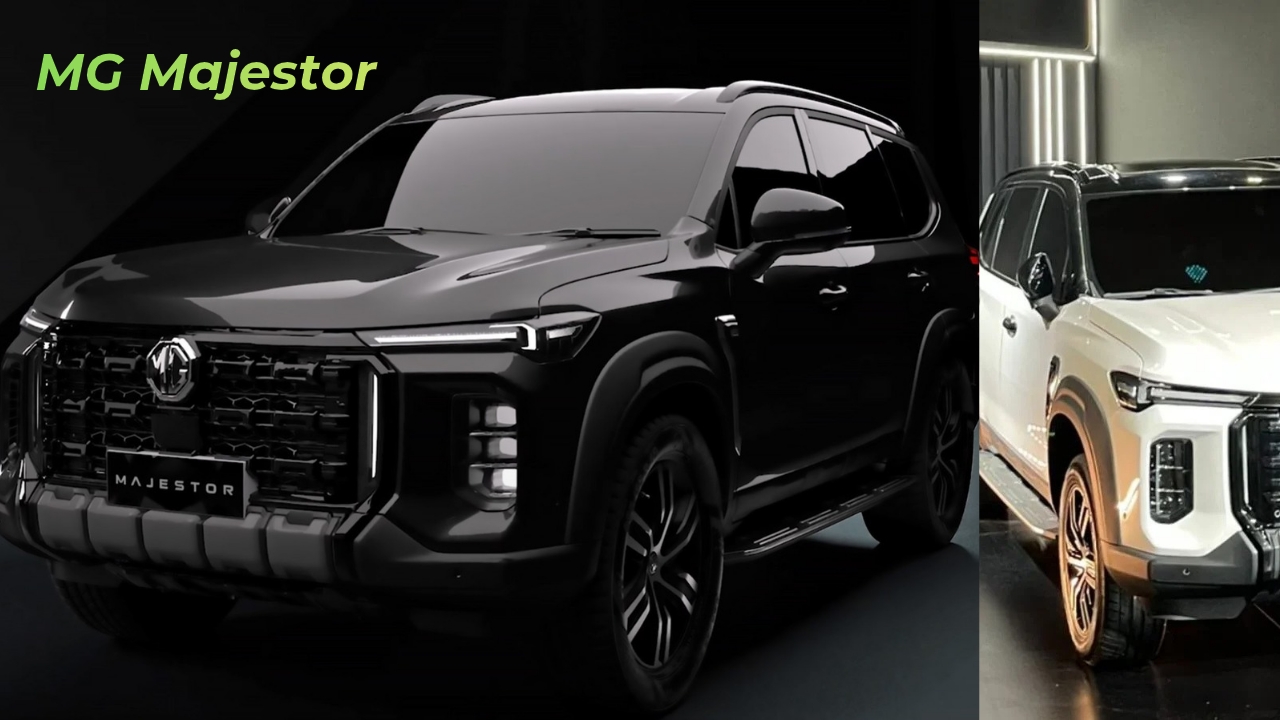
MG Majestor launch

Picture yourself on the busy roads of India in an SUV more rugged than the Fortuner yet sleeker than the Kodiaq. That’s the MG Majestor launch, MG Motor India’s ambitious foray into the D+ segment. Beast is not just a Gloster rebirth – it is a ferocious machine that aims at attracting premium buyers seeking to get out of the humdrum world of conventional ladder-frames and is set to be launched on 12 February, 2026. 

Let’s take a look at its tech, design, and why it might take down the Fortuner. 

MG’s Smart Play in the SUV Wars

MG is all set now. Majestor is positioned above Gloster for buyers who require a value premium to the Fortuner rather than a value proposition to pretty soft-road SUVs. Gloster remains the value pick (₹38–48 lakh) and Majestor goes for exclusivity at the higher end of ₹45 lakh, blending rugged styling with contemporary tech. MG’s unambiguous push to reimagine value luxury. 

Exterior Design: Majestic Muscle on Wheels

Bold Front Fascia That Demands Respect

Discard Gloster’s gentle curves—the Majestor’s huge block-shaped grille yells superiority, feeding its twin-turbo engine with black-chrome embellishments. Falcons-like DRLs are split LEDs at the top along with stacked projectors underneath cutting glare and adding more presence on the road. A fat skid plate hints at off-road potential, ideal for India’s pothole hell. 

Dimensions of the SUV

  • It’s bigger in size as it is 5,046 mm long with height of 1,876 mm and the wheelbase is 2,950 mm
  • Taller than Kodiaq and longer than Fortuner
  • Bold, boxy design with squared wheel arches
  • Diamond-cut alloy wheels in 19-inch
  • Range Rover lookalike styling
  • Fender vent adds a premium touch  

Color Options of MG Majestor launch

Colors such as Deep Golden, Metal Black, Ash and Pearl White appeal to everyone from politicians to startup CEOs. 

Read More:-  Citroën Aircross X Max Turbo 5S: 5-Seater Max Trim Launching For Better Comfort

Interior: Tech-Luxe Haven for Long Hauls

There is a stylish dual 12.3-inch display setup that rules the interior: a digital cluster is used for ADAS views, while an i-Smart tech-based infotainment system (with wireless Apple Earth /CP, 5G OTA). 

Seating Comfort for a Long Rides

Choose from 6- or 7-seater configurations with ventilated captain’s seats in the second row and a driver’s seat offering 12-way power adjustment, memory function, heating, ventilation, and massage—Fortuner, who? Tri-zone AC, PM2.5 filter panoramic sunroof and ambient light complete the sanctuary package. ANC and acoustic glass mute the diesel drone for tranquil takata. 

Engine and Powertrain Features

The twin-turbocharged 2.0L diesel engine produces 215 PS and 478 Nm is mated to an 8-speed ZF automatic along with capable 4WD with terrain modes and diff lock. 

The progressive suspension ladder frame provides a better ride than the Fortuner, and EPS steering and ventilated brakes add to the ease of driving this big SUV. 

MG Majestor launch with Upgraded Safety and ADAS

Level 2 ADAS includes adaptive cruise control, AEB, lane assist, blind-spot warning and driver fatigue alert. Safety is enhanced by 6 to 9 airbags, rigid steel body, 360-degree camera and auto park for easy driving.  

Conclusion 

MG Majestor launch is biggest launch in India. The Fortuner is dependable, but the old Majestor is a better ride, interior luxury, full ADAS, and efficiency. Higher power per litre gives an edge to Toyota’s 2.8L, at a more aggressive price. 

MG’s building that with JSW muscle. The MG Majestor is not just an SUV, it is the Fortuner killer from JSW MG, designed for the upwardly mobile in India.

0

Most Anticipated Cars of 2027: What Buyers Should Know

Anticipated Cars of 2027

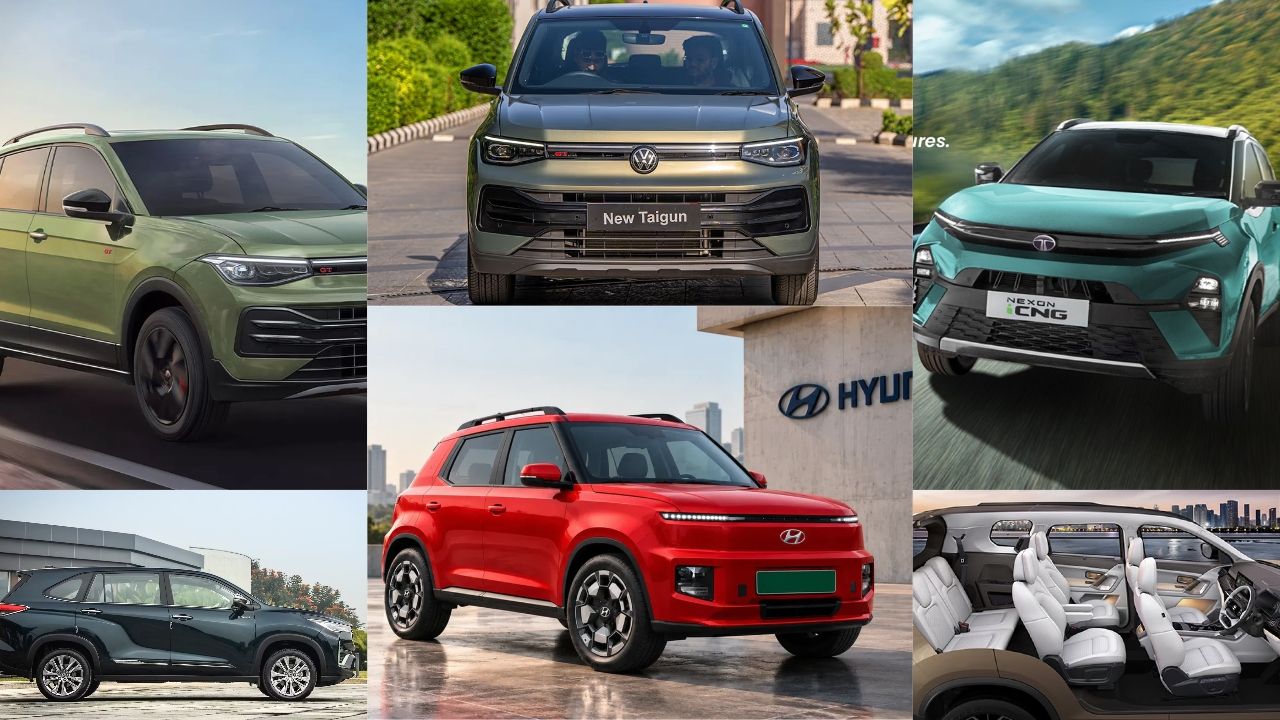
If you’re about to sign a car loan, the question that matters is whether the car you want is about to be replaced. The Most Anticipated Cars of 2027 are arriving in a crowd, and a few of them will make this year’s showroom models look dated.

Waiting costs money, though, and not every launch is worth it. Early 2027 is packed in India. The Bharat Mobility Expo runs from 4 to 9 February in New Delhi, and several of the launches below are expected to appear around it. 

Expo reveals are not showroom availability. A car shown in February can easily reach dealers months later, so a debut date shouldn’t be mistaken for a buying date.

The Tata Safari EV: The One Everyone’s Watching

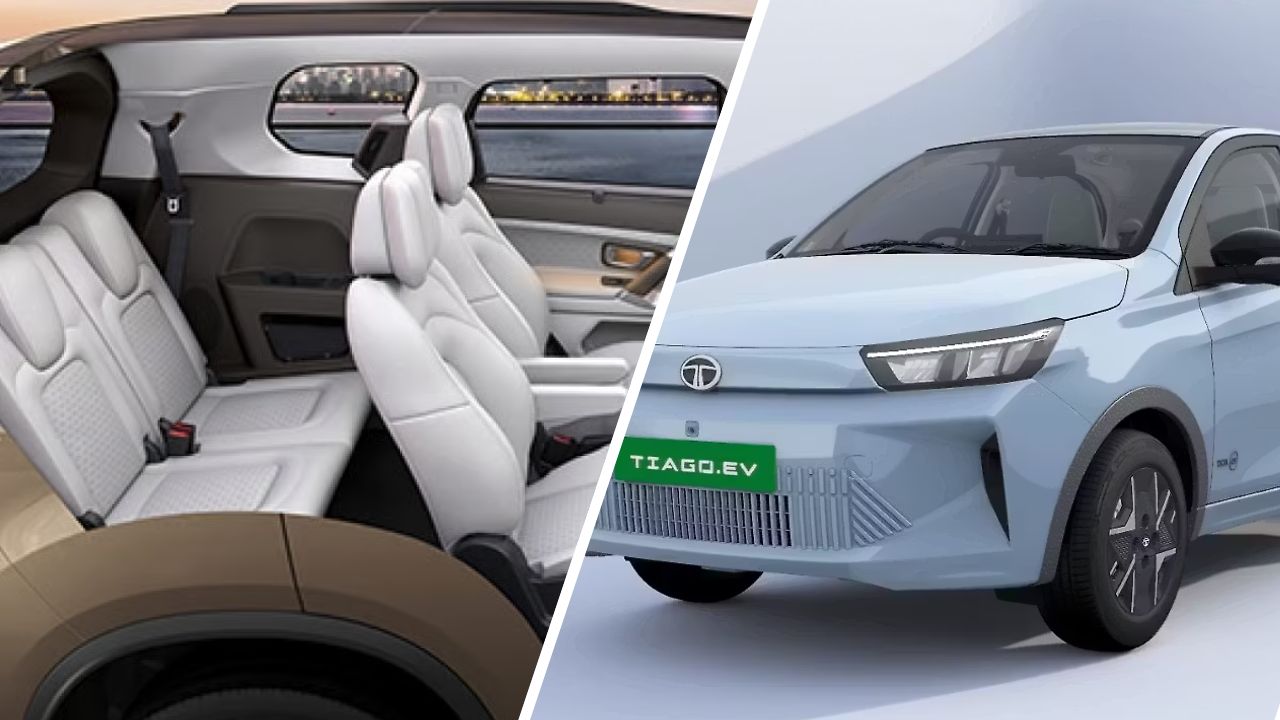
Tata’s electric 7-seater is the clearest case of hype running ahead of facts. It is expected to launch in Diwali 2026 with 65-75 kWh packs of battery. This battery excites most buyers which offers up to 600 km claimed range and optional AWD but this is not officially confirmed yet.

Tata Safari expected specs include a triple-screen dashboard similar to the Sierra’s. The SUV could give over 500 km of mileage with Harrier EV’s battery pack on a price range of Rs. 25 lakh and Rs. 32 lakh (ex-showroom).

The Tata Safari EV

Its natural rival is the Mahindra XEV 9S. If you want a three-row electric SUV, the Tata Safari EV is the one to hold out for. Claimed range is a lab number, though. Real-world mileage will be noticeably lower when you run this car so don’t take the brochure number as your real mileage.

The Affordable End: Nexon, Ioniq P And The Small-EV Scramble

Anyway, an above Rs 20 lakh spend-will be lesser than majority of Indian audience and here’s where 2027 gets fired up. 

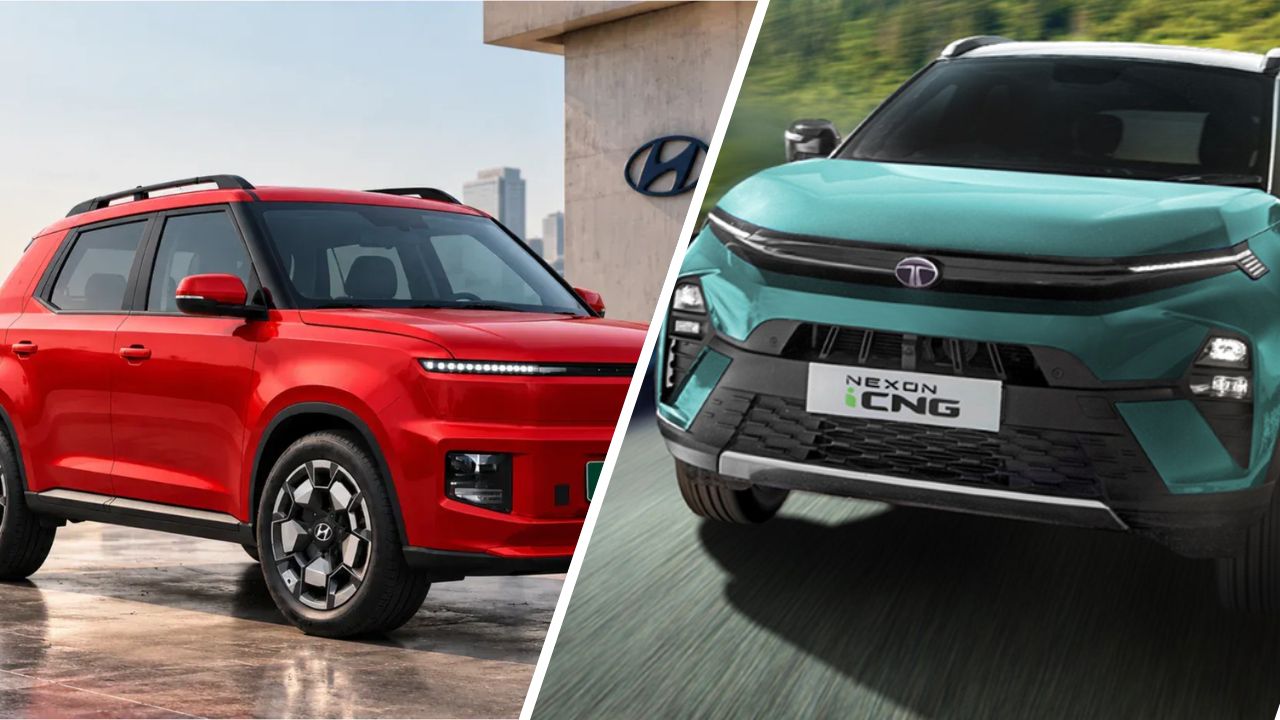
The next-generation Tata Nexon will arrive in 2027, possibly at the Expo. The petrol and diesel are expected to cost from Rs 8 lakh to Rs 15.5 lakh and rouble 14.5 lakh to Rs 19.5 lakh for the EV. It’s expected to move to a revised architecture with Level-2 ADAS. Those are estimates, not announcements.

Hyundai’s answer is the Ioniq P, a compact electric SUV scheduled for the first quarter of 2027 to take on the Nexon EV and Kia Syros EV. Reports suggest 40-50 kWh battery options and a claimed range of 450 km. If that holds, it puts Hyundai in direct conflict with Tata’s strongest EV seller.

Nexon, Ioniq P And The Small-EV Scramble

Tata has the incumbent’s advantage: service reach, a known product and a refreshed Nexon on the way. Hyundai has the newer platform, but a new nameplate carries first-year risk on software and service. For most people, the Nexon EV is the safer buy. The Ioniq P is the better bet if you can wait for reviews.

Hyundai’s Bigger Moves: Creta And The 7-Seater

Hyundai plans to bring the third-generation Creta and a new 7-seater MPV to India before the end of 2027. The MPV, reported as the Neira, is slated to launch in the first half of 2027 after an Expo showing. If you’re about to buy a current Creta, a generation change is a good reason to ask dealers about discounts, or to wait.

Creta And The 7-Seater

Toyota, Volkswagen and Renault: The Quieter Launches

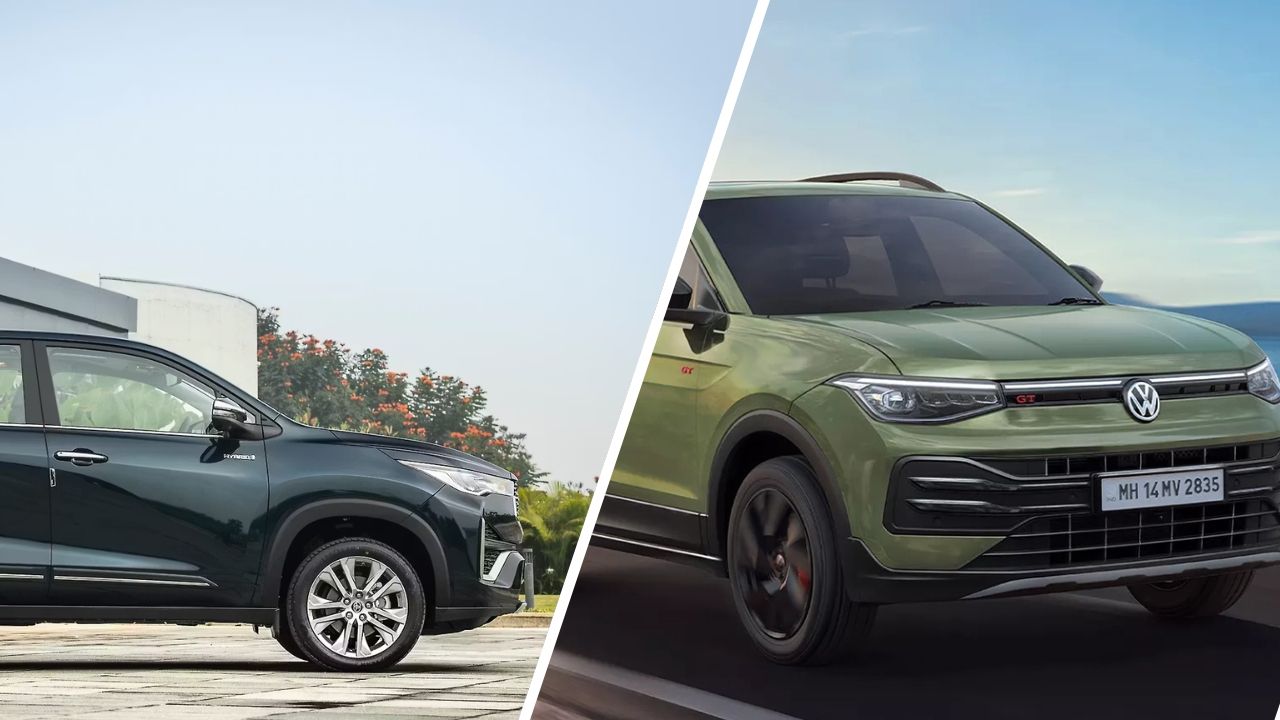
Toyota’s list is long. The Innova Hycross facelift, a next-generation Fortuner and an electric MPV with an expected range of 525 km are all on it. The Fortuner is the one to watch if you’re considering an SUV purchase, since the new model is expected to bring updated styling, a modern cabin and improved safety features.

Volkswagen is preparing a sub-4 metre SUV positioned below the Taigun, with a 1.0L TSI and an 8-speed automatic, and Renault has the Bridger lifestyle SUV on the 2027 calendar. Neither has a confirmed price.

A Warning About Launch Dates

Compare any two “upcoming cars” and you’ll see your answer. The Mahindra Vision S is listed as expected by January 2027 on one site, with an expected price of Rs 10-13 lakh. Just the same car but listed seven months apart. These posts are estimates until the manufacturer posts a date. 

For buyers, the inevitable trend is different regional availability and specs in each country. Contact your local dealer before you plan around a launch. 

 How AI in Cars Changing the Future Driving Experience

Conclusion

Hold on, if your current car is still operational, you want a three-row EV (Safari EV) or compact EV (Ioniq P or the new Nexon), and you can postpone your purchase because you don’t need it right away.  Buy now if you need a car this quarter, and negotiate hard on any model facing a generation change, because run-out stock is where the discounts are.

Before you commit, check the manufacturer’s own announcement for the date, and get the on-road price in writing from at least two dealers.

0

Best Car Accessories for Thar Roxx You Should Buy in 2026

Best Car Accessories for Thar Roxx

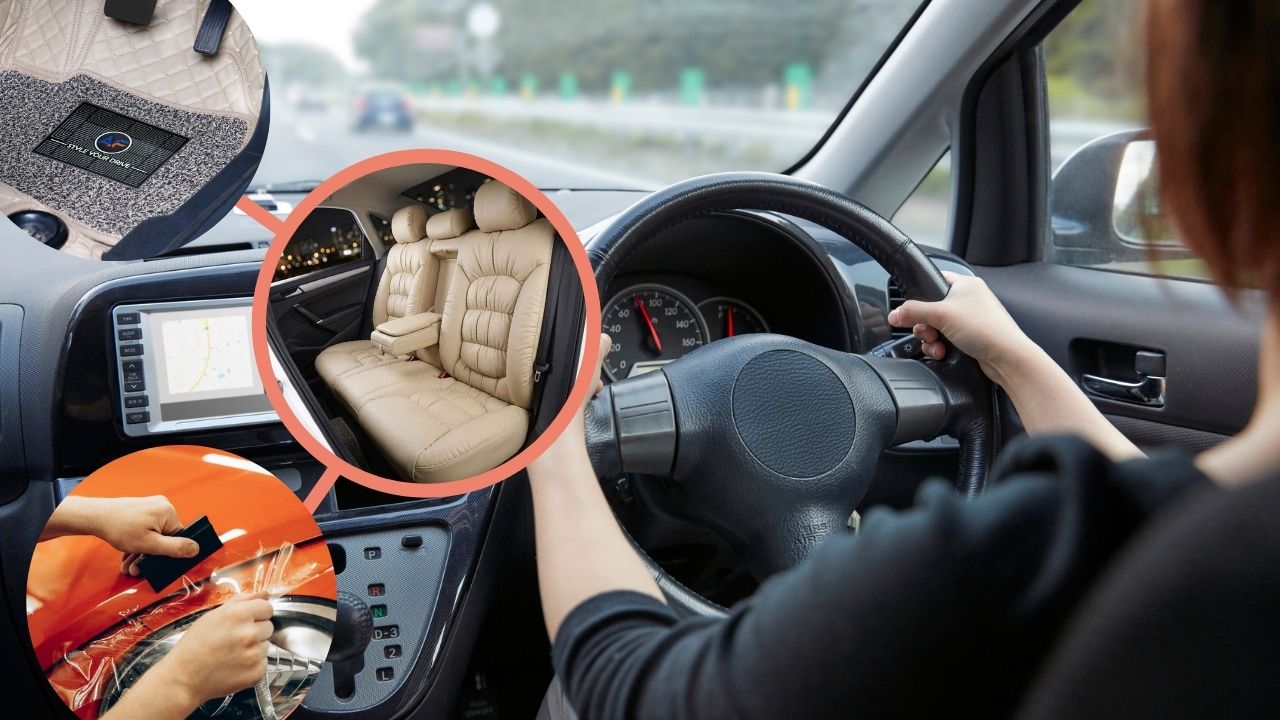
Three weeks into owning a Thar Roxx, most buyers notice the same two things: the beige or tan seat trim already has a water-bottle ring on it, and the floor mat that came in the box is doing nothing against monsoon mud. That’s usually the moment people start searching for the best car accessories for Thar Roxx — and there are only a handful of them worth buying before anything else.

Accessory prices for the Roxx swing a lot depending on brand, material and whether you’re buying genuine Mahindra parts or aftermarket. What’s below is priced from current listings across a mix of sellers, so treat these as representative ranges rather than fixed numbers — always check the live price before checkout, especially on anything leather or electronic.

What You Car Needs Protecting First

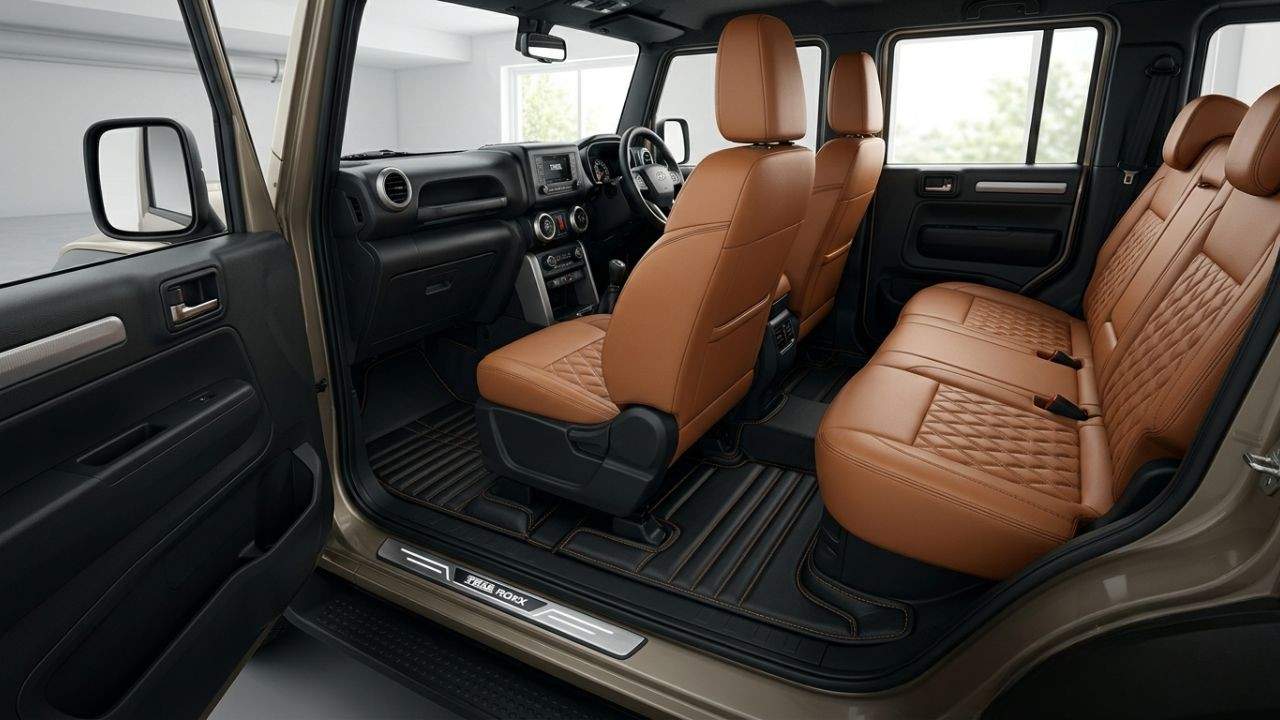
The Thar Roxx has two known weak points for new owners: the factory floor carpet, which isn’t built for Indian monsoons, and the seat upholstery, especially on lighter interior colours. Everything else — paint protection, dash cams, trackers matters, but it’s a second-wave purchase once the interior is covered.

So buying these best car accessories for Thar Roxx is not only for maintaining an interior look but also to protect before anything running it.

Best Car Accessories for Thar Roxx: Worth Buying Picks

1. 7D Leather-Luxury Floor Mats — ₹4,999–₹9,999 

Custom-molded for the Roxx’s floor pan (manual and automatic get different mat shapes), with a detachable leatherette base and a grass-mat top layer, Velcro-backed to stay put. KVD’s version runs close to ₹4,999 on marketplaces like Autoclint; heavier 9D versions from AutoFurnish or Neodrift push toward ₹9,999. 

best car accessories for thar roxx

Full sidewall coverage means mud and spills never touch the actual carpet underneath. The trade-off: the grass-mat top needs regular vacuuming, or it starts trapping dust instead of catching it. 

Best for: buying in the first month of ownership, before daily grime sets in.

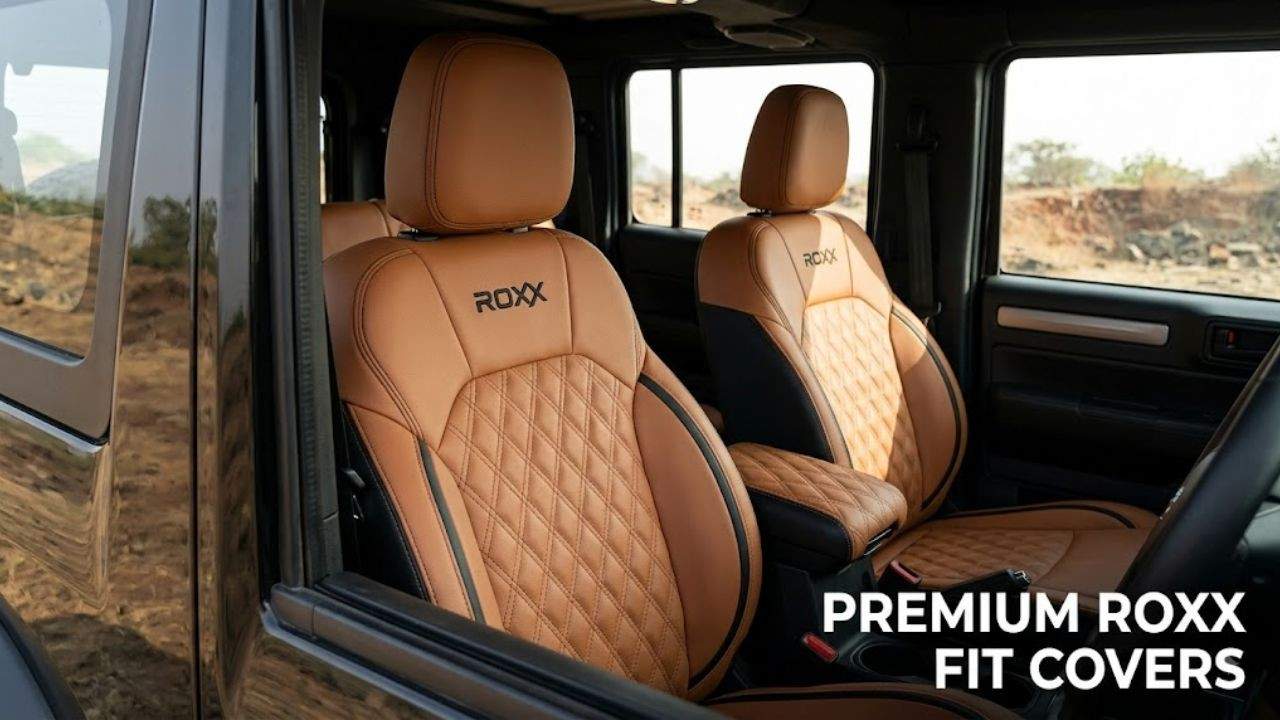
2. Seat Covers — ₹7,399–₹18,999 (Depending on Tier) 

Budget PU/art-leather covers (KVD Superior Leather and similar) sit around ₹7,399–₹8,399. Custom Nappa leather from boutique fitters like Jackspeed runs ₹18,360–₹18,999. Both are cut for the Roxx’s front captain-seat shape. The budget tier protects the factory seats for roughly a third of the premium price, but PU covers get noticeably hotter and stiffer under direct sun than real Nappa. 

Thar Roxx

Best for: anyone with the lighter (beige/tan) interior option, since it shows stains first.

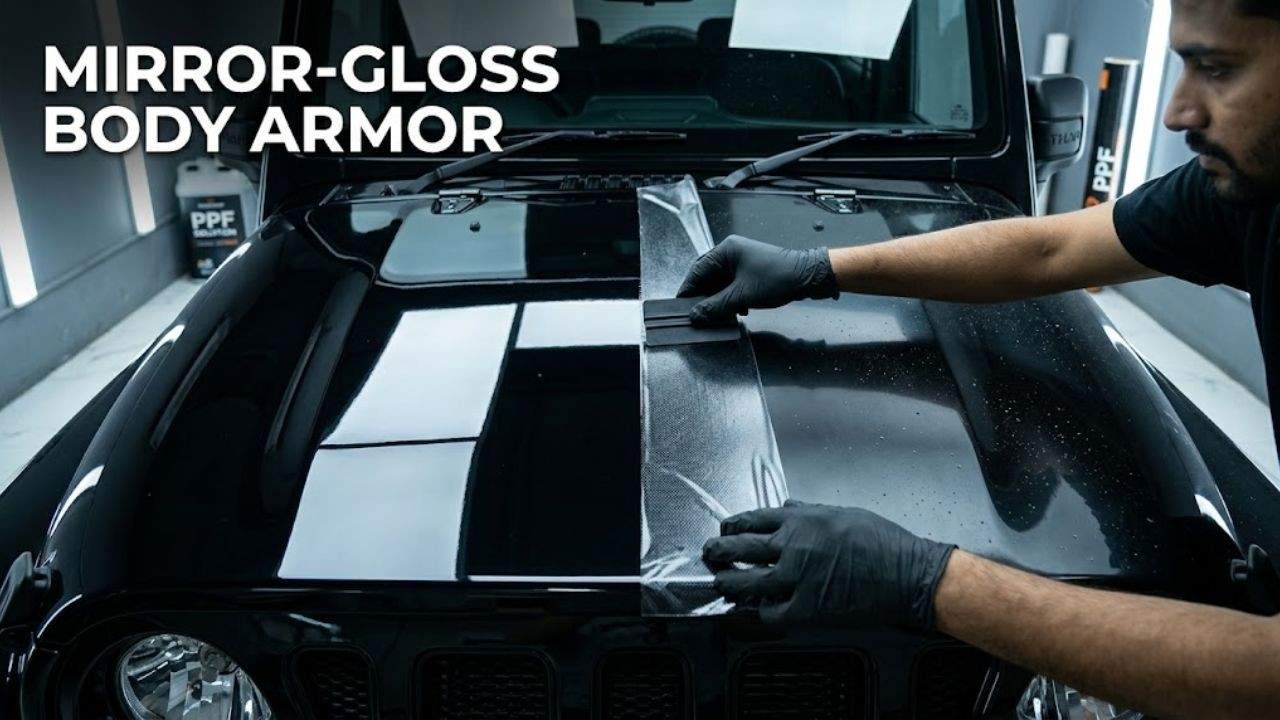
3. Paint Protection Film (8-year warranty) — ₹1.35 lakh 

Self-healing top coat, UV-stable, applied either to high-chip zones (bonnet, bumper, mirror caps) or the full body depending on the package. It protects resale value on a vehicle whose flat, boxy panels chip easily on highway drives. But the spend only makes sense if you’re keeping the car five-plus years — a short-term owner won’t recover the cost at resale. Shorter-warranty PPF packages exist for less, though exact current pricing on those wasn’t confirmed here. 

Thar Roxx

Best for: long-term owners prioritising resale value over upfront savings.

Read More:-  Top Car Insurance Plans to Buy in August 2026

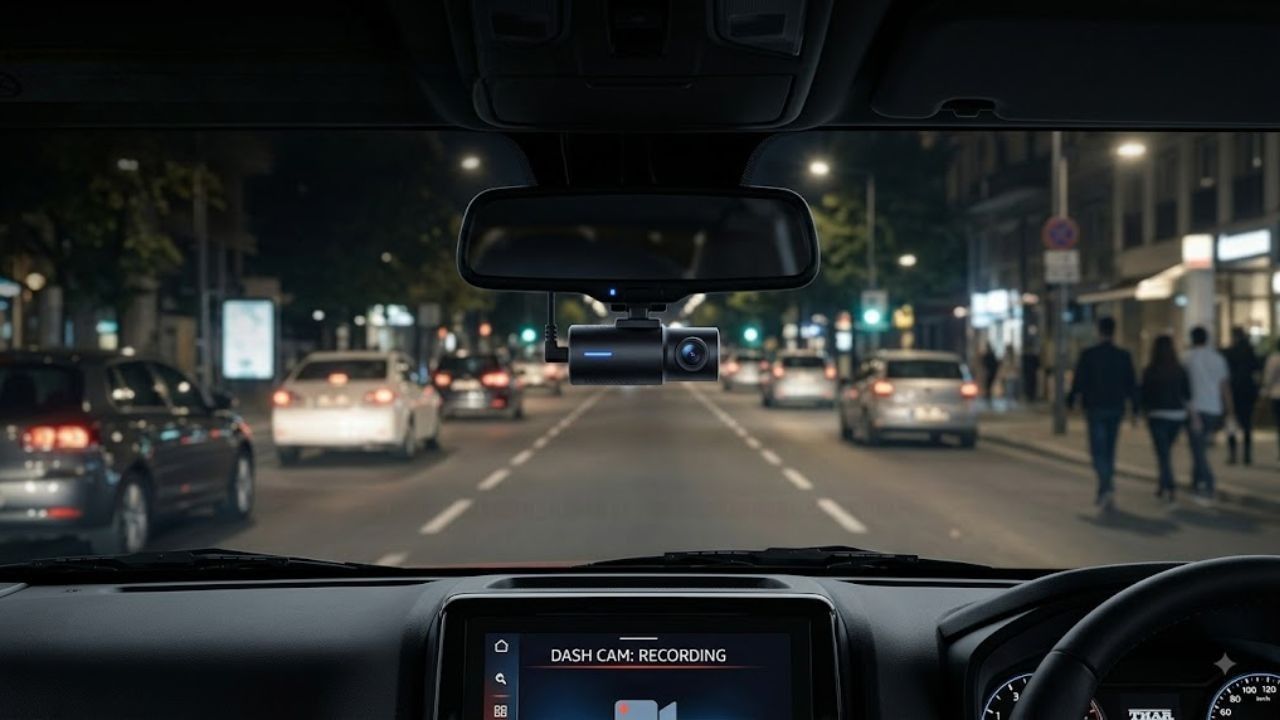
4. Dash Camera — approx. ₹25,000 

Front-and-rear dual-channel units with night vision, parking mode and loop recording land around this figure; front-only units cost meaningfully less. Treat ₹25,000 as a ceiling for a full dual-channel setup, not a fixed price. Real footage matters in hit-and-run or insurance disputes, and more Indian insurers are asking for it. Cheaper units without proper heat-resistant sensors tend to fail after a few summers parked in direct sun. 

Thar Roxx

Best for: daily commuters and highway drivers who want insurance-grade footage on file. This is one of the essential and best car accessories for Thar Roxx.

5. GPS Tracking Device — ₹12,499 

Real-time location via app, geofencing alerts, and ignition on/off tracking. It doubles as anti-theft and peace of mind if more than one person drives the car. The catch: most trackers need an active SIM or data plan, so the ₹12,499 hardware cost isn’t the full cost of ownership. 

Thar Roxx

This is the best car accessories for Thar Roxx because it’s good for multi-driver households, or parking regularly in high-theft areas.

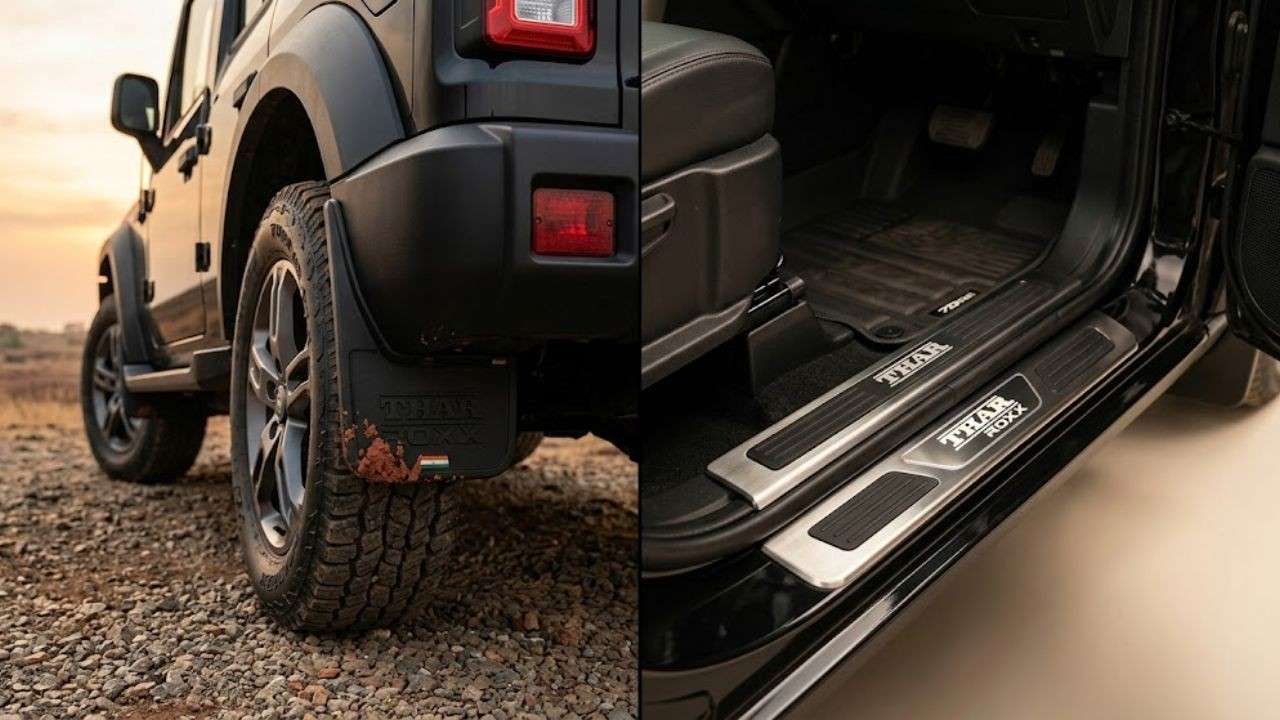
6. Door Sill Guards — ₹1,175 

Stainless steel or ABS plates covering the door sill/entry step, some with blue LED accents. It’s the cheapest item on this list solving a guaranteed problem — every passenger’s shoe scuffs that still eventually. It’s purely cosmetic and protective, with no functional upside beyond that. 

Thar Roxx

Read More :-  Best Car Battery for Your Vehicle: Top Picks & Buying Guide 

The best car accessories for Thar Roxx to one easy, low-cost win before committing to bigger purchases.

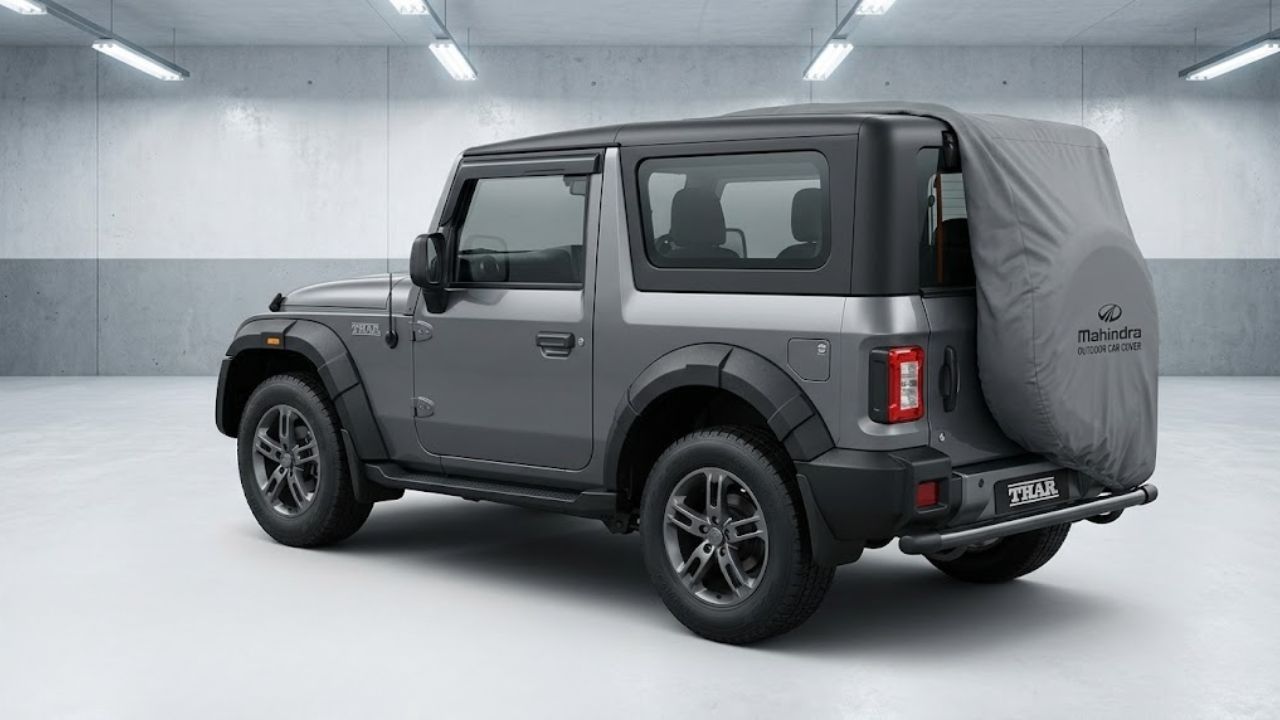
7. Waterproof Body Cover — ₹1,895–₹2,150

Triple-stitched, mirror-and-antenna-pocket covers built to fit the Roxx exactly (Kingsway, Autofurnish, and Drivestylish all sell versions in this range; MRP is usually listed near ₹4,400 but the real transaction price is the ₹1,895–2,150 band). Blocks UV, bird droppings, and tree sap for anyone parking outdoors without covered parking. This is one of the best car accessories for Thar Roxx but cheap covers trap moisture instead of shedding it, which can leave swirl marks if you don’t let the paint dry first.

Thar Roxx

Best for: owners without a garage or covered parking spot.

8. Mud Flaps (Set of 4) — ₹499–₹999

ABS plastic, OEM-fit, screw-in installation with no drilling. Autofurnish sells at the low end (₹499), RideoFrenzy and Techo sit closer to ₹990–999. Cheapest functional accessory on the whole list — stops mud and road spray from hitting the lower doors and undercarriage. Limitation is that the budget PP versions get brittle and crack in a couple of Indian summers, so this is one spot where paying slightly more (ABS over PP) actually matters.

Thar Roxx

Best for: anyone who drives on unpaved or waterlogged roads regularly.

Floor Mats vs. Seat Covers: Which Comes First?

7D Floor Mats Seat Covers
Starting price ₹4,999 ₹7,399
Protects against Daily, guaranteed damage — mud, water, spills Slower-building damage — stains, wear
Urgency Needed from week one, especially in monsoon states Matters most on light-colour interiors

Floor mats protect against damage that happens on day one of ownership; seat covers guard against wear that accumulates over months. If the budget only stretches to one, the mats come first — they cost less and cover the area that takes damage every single drive, rain or not.

Read More :-   Best Brake Pads for Cars: Top Options for Safe Driving

Conclusion 

These best car accessories for Thar Roxx comes under ₹6,200 combined, floor mats plus a sill guard cover the two spots on a Thar Roxx that show wear fastest. Once the budget clears ₹20,000, budget-tier seat covers close the interior-protection loop entirely. PPF and a dash cam are worth holding off on until two questions are answered: how long you’re actually keeping the car, and whether your insurer asks for dash-cam footage in the first place. Let those answers decide the spend — not the order on this list.

1

Mercedes-Benz GLC Electric: Premium Performance Meets Practical Compromises

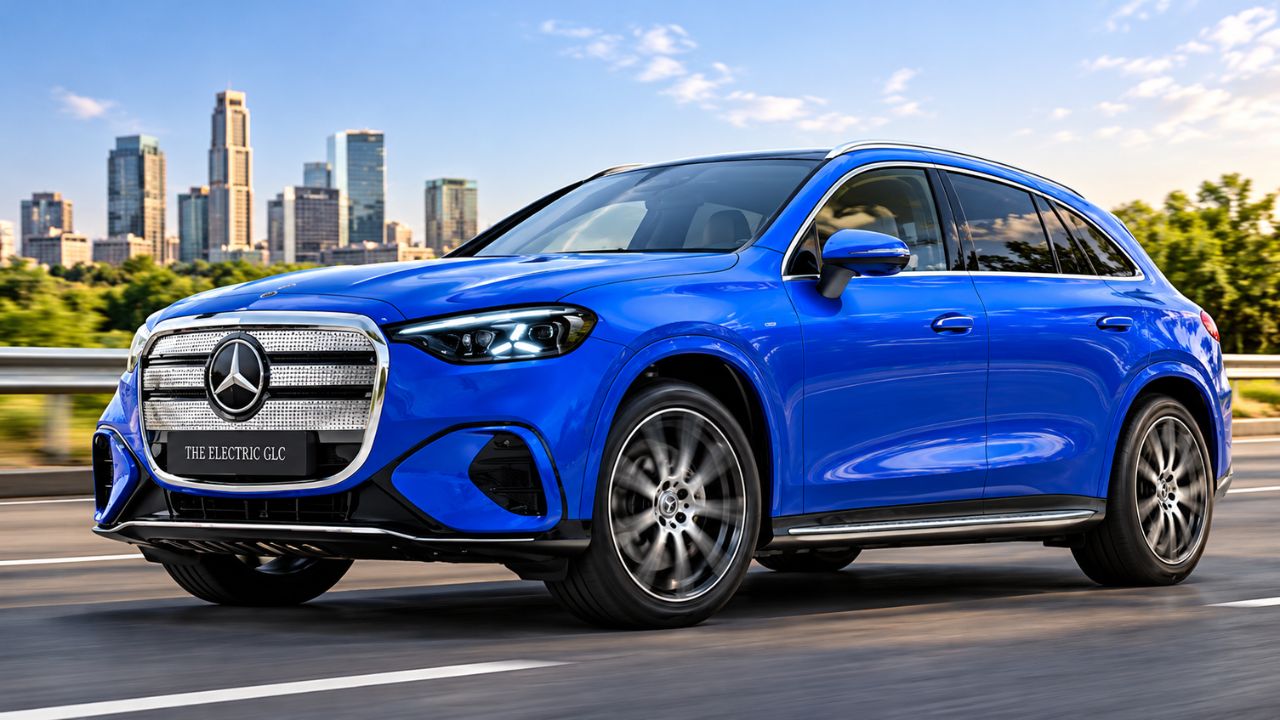
Mercedes-Benz GLC Electric

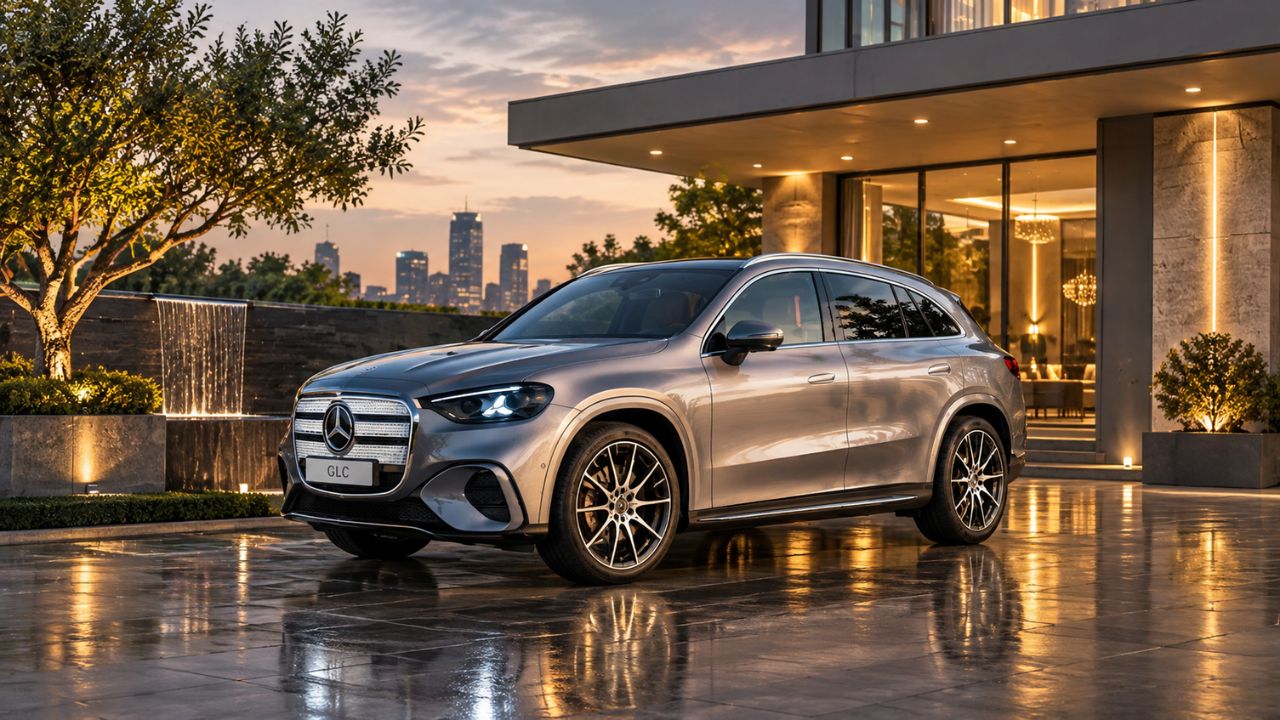
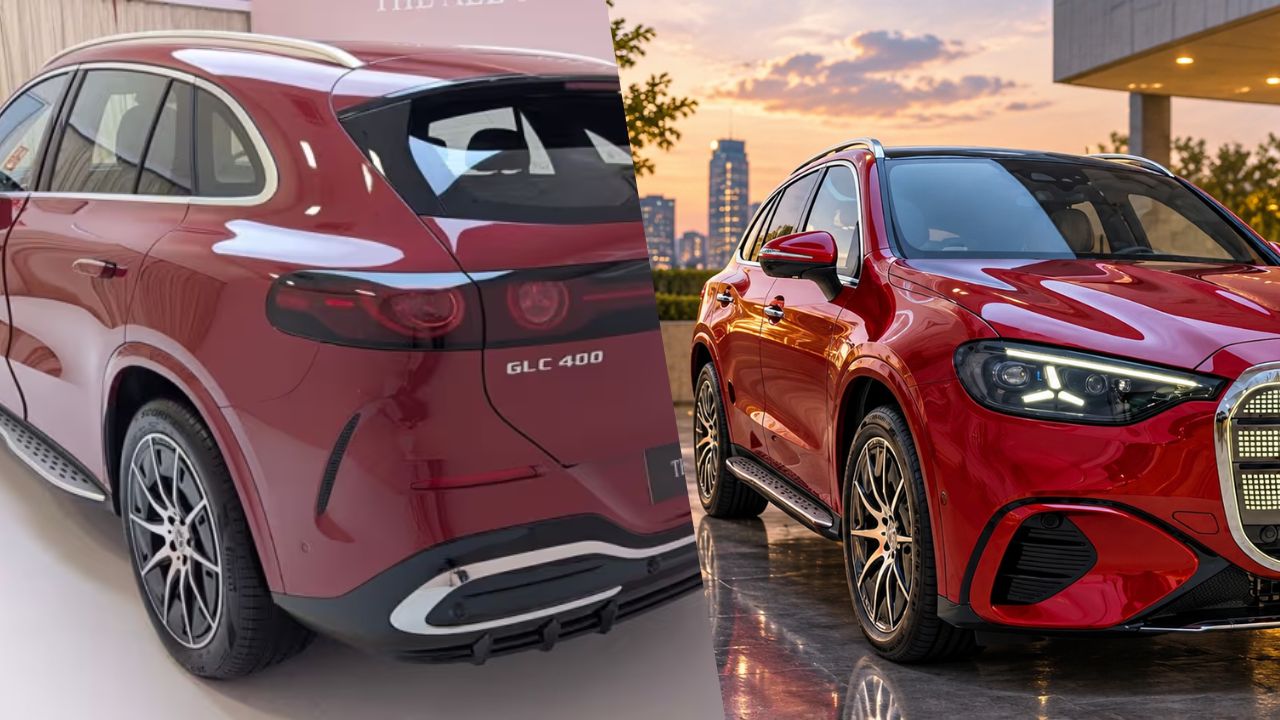
Mercedes-Benz has just lowered the entry price for its electric SUVs in India. The GLC Electric is priced at Rs 78.5 lakh (ex-showroom), is assembled locally, and is now the entry point to Mercedes-Benz GLC Electric SUV line-up here. It is built at the Chakan plant in Pune from completely knocked-down kits. 

Price and availability

Only one variant is on sale, the top-spec GLC 400 4Matic. CarDekho reports it works out nearly Rs 8.95 lakh cheaper than the combustion GLC on-road. Demand looks strong. Mercedes says it has over 1,000 bookings, the car is sold out till March 2027, and deliveries start around Diwali.

Battery, range and performance

The Mercedes-Benz GLC 400 offers a 94 kWh battery and two motors for all-wheel drive. Together they make 490 hp and 800 Nm, and Mercedes claims 0-100 kph in 4.3 seconds. That is quick for a family SUV that weighs nearly 2.5 tonnes.

Mercedes-Benz GLC Electric Battery, range and performance

Real-world range of Mercedes-Benz GLC Electric might be lower than a claimed 711 km WLTP-certified range, depending on speed, AC use and traffic.

Charging is also worth a closer look. A 22 kW AC charger comes as standard, and a 330 kW DC charger can add 300 km in 10 minutes. That fast figure needs a very powerful charger, so check what is actually available on your usual routes.

Inside the cabin

The centrepiece is a 39.1-inch hyperscreen that stretches across the dashboard as one continuous panel. The trade-off is that there are barely any physical controls, even for the climate system. Some drivers will love that, others will miss real buttons.

The equipment list is long:

Comfort & Interior

  • 15-speaker Burmester 3D surround-sound system with Dolby Atmos
  • Panoramic glass roof with illuminated stars and electronically adjustable opacity
  • Two wireless smartphone chargers
  • Front seats with massage and heating
  • No front-seat ventilation
  • Multi-colour ambient lighting
  • Powered tailgate and power-folding rear seats

Safety & Driver Assistance

  • Level 2 ADAS
  • 8 cameras and 5 radars
  • 9 airbags
  • 360-degree surround-view camera
  • Automated parking assistance

Mercedes-Benz GLC Electric Practicality

  • 570-litre boot
  • 128-litre front trunk (frunk)
  • Total luggage capacity: 698 litres

What you don’t get

This India-spec car has no rear-wheel steering or air suspension and instead rides on passive dampers. There is no sunshade on the roof, Mercedes-Benz GLC Electric cloudiness is electronically controlled. 

Mercedes-Benz GLC Electric Practicality

Who is it for?

At launch the Mercedes-Benz GLC Electric has no direct rival in India, though the BMW iX3 is due next year. If you want to own a Mercedes of a particular type, a big screen, phone integration, and a long claimed range, this is the cheapest route to that. If you cannot charge the car at home, it’s best to plan this one first. 

Category Details
Model Mercedes-Benz GLC 400 4MATIC Electric
Position in line-up Entry point to Mercedes-Benz India’s electric SUV range
Mercedes-Benz GLC Electric Price ₹78.5 lakh, ex-showroom
Assembly Locally assembled at Chakan, Pune, from completely knocked-down kits
Variants One variant only: top-spec GLC 400 4MATIC
Value vs petrol/diesel GLC About ₹8.95 lakh cheaper on-road than the combustion GLC, as reported by CarDekho
Bookings / availability Over 1,000 bookings; sold out until March 2027; deliveries expected around Diwali
Battery 94 kWh
Drivetrain Dual-motor all-wheel drive
Power / torque 490 hp / 800 Nm
0–100 kph 4.3 seconds, claimed
Claimed range 711 km, WLTP-certified; real-world range will likely be lower
AC charging 22 kW charger standard
DC fast charging Up to 330 kW; claimed 300 km added in 10 minutes, subject to charger availability
Infotainment 39.1-inch Hyperscreen spanning the dashboard
Controls Very few physical controls, including for climate functions
Audio 15-speaker Burmester 3D surround system with Dolby Atmos
Roof Panoramic glass roof with illuminated stars and electronically adjustable opacity; no separate sunshade
Phone charging Two wireless smartphone chargers
Front seats Massage and heating; no ventilation
Ambience / convenience Multi-colour ambient lighting, powered tailgate, power-folding rear seats
ADAS Level 2 ADAS
Sensors 8 cameras and 5 radars
Airbags 9
Cameras / parking 360-degree surround-view camera and automated parking assistance
Boot space 570 litres
Frunk 128 litres
Total luggage capacity 698 litres
Not available in India Rear-wheel steering, air suspension, front-seat ventilation, and a physical roof sunshade
Suspension Passive dampers
Rivals No direct rival at launch; BMW iX3 expected next year
Best suited for Buyers wanting a locally assembled Mercedes EV with a large screen, strong performance, long claimed range, and premium features
Key caveat Home charging access and reliable high-power DC charging on regular routes should be checked before buying

Conclusion

Mercedes-Benz GLC Electric caters mostly to the buyers who want a luxurious, quick, and technologically advanced Mercedes EV and can charge it at home. With 1,000 bookings and out of stock until March 2027, early demand shows that it has made a significant impact in the Indian premium EV market. 

0

New Hyundai Flagship Models Arriving Soon to Dominate Indian SUV Market

Published Sep 25, 2026, 11:10 AM
Last Updated Sep 26, 2026, 8:03 AM


New Hyundai Flagship Models

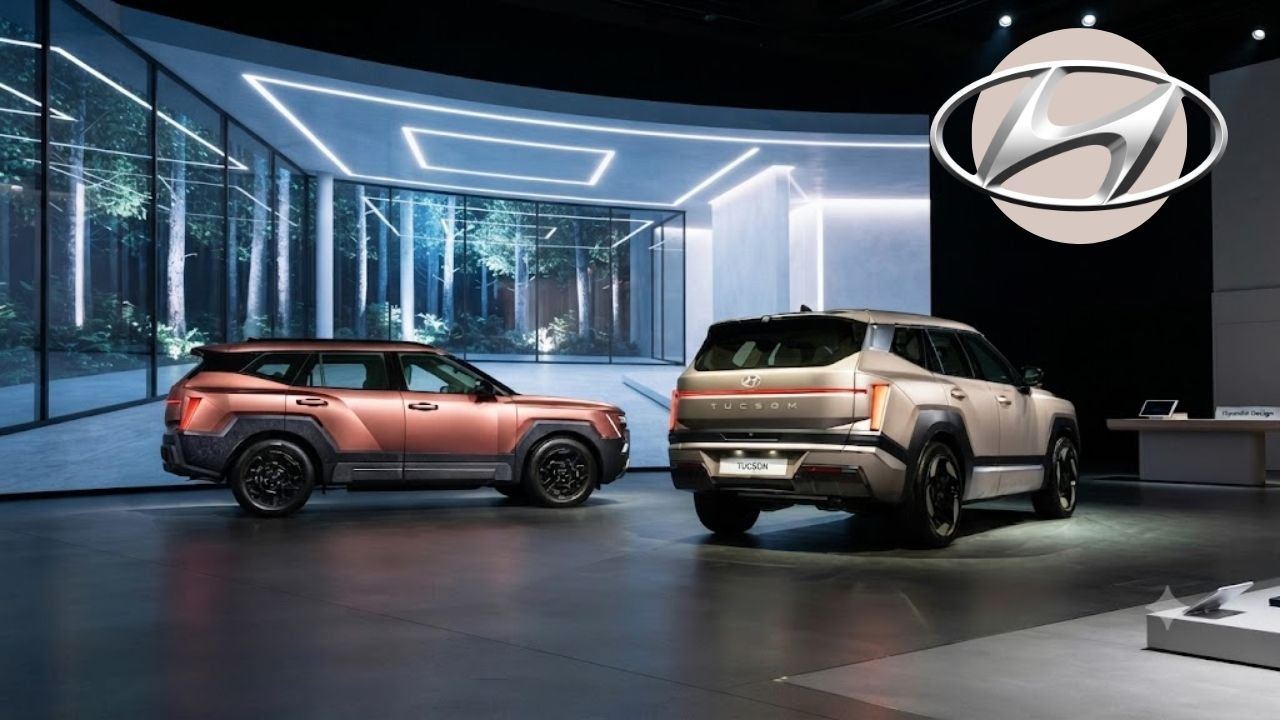
The New Hyundai Flagship Models are preparing to dominate the Indian SUV market. The 2026 end and 2027 is holding off the new vehicle purchase for both cars. The New 2027 Hyundai Tucson and Hyundai Bayon are going to be in every car buyer’s radar. However, Tucson lunch date is unconfirmed so early buyers should reconsider it.

One is a massive generational shift for Hyundai’s premium offering, pushing hard into luxury territory. The other is a compact crossover meant to bring European styling to the sub-15 lakh bracket. Here is exactly what you get with both models, how they stack up against the competition, and whether you should actually wait for them.

Why the Tucson Is Coming Back at All

The current Tucson stopped coming in the market in 2025 because it doesn’t hold its foot against premium D-segment rivals. It seems like a second chance for the model to return rather than a routine update. Hyundai clearly thinks the formula needs to change, because what it has revealed globally is not a mild facelift — it’s a full fifth-generation redesign.

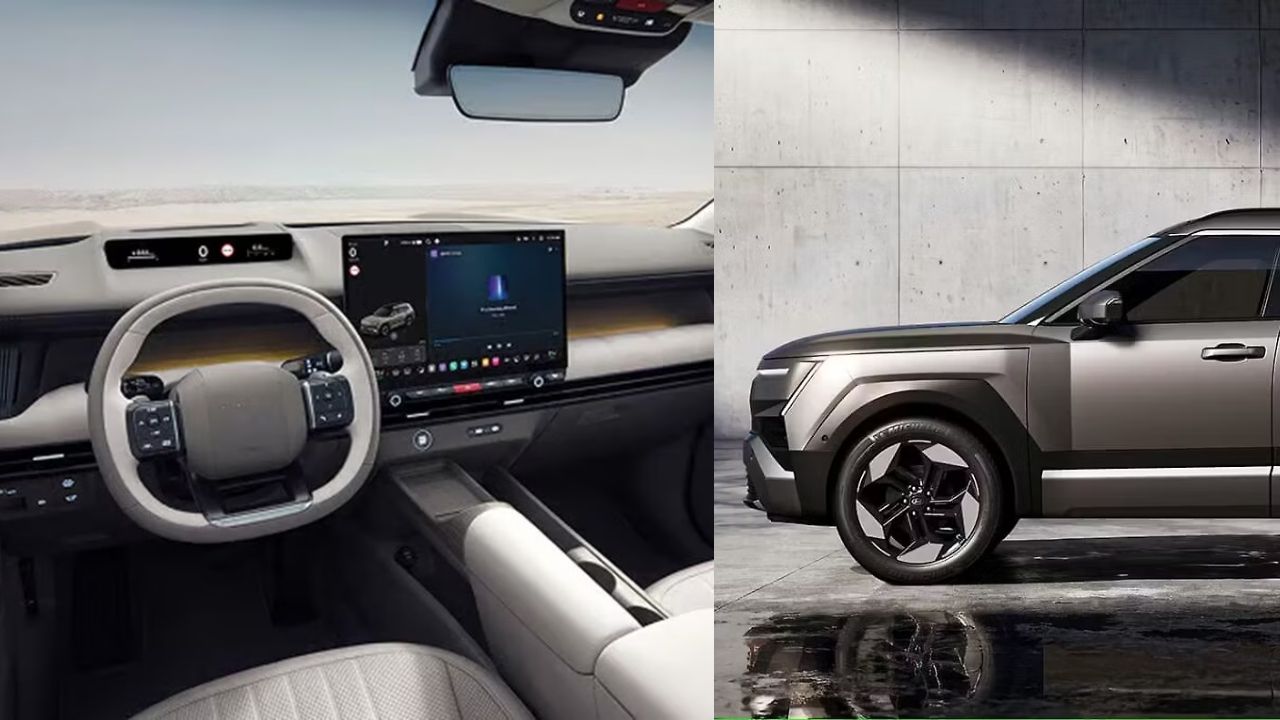
The new-gen Tucson has been revealed with a radical boxy design, larger dimensions and Hyundai’s new Pleos infotainment system, and it could also preview future India-bound models. That last part matters for Indian buyers specifically, because Hyundai has a habit of trickling design language down from global flagships into mass-market SUVs — the current Creta’s styling cues borrowed heavily from the previous Tucson and Santa Fe, and this cycle looks set to repeat.

Read Also 👉  Maruti Suzuki Cars Are Coming To India by 2027 

2027 Hyundai Tucson: Boxier, Bigger, & Hybrid-Powered

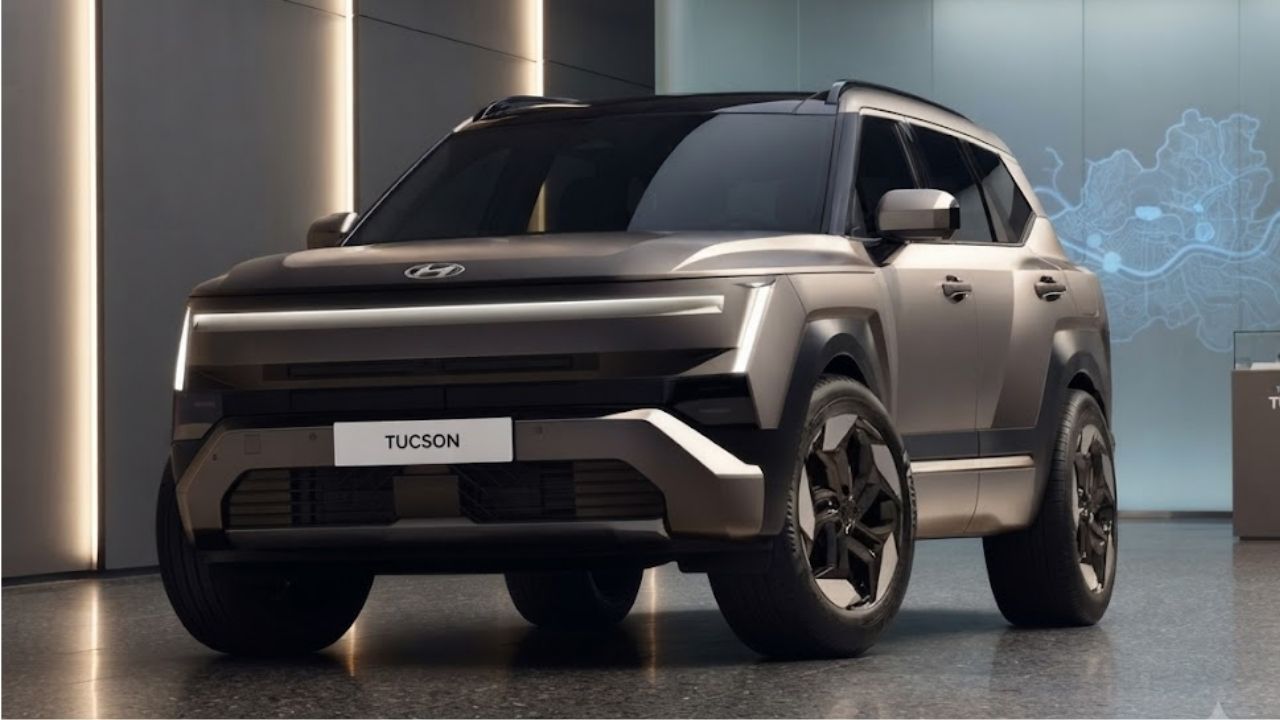
The confirmed specification of the fifth-generation Tucson is revealed in South Korea but Hyundai hasn’t announced India specific technical details yet. Current model has sharp flowing lines but 2027 Tucson adopts the “Art of Steel” design language. The design is boxy, upright, and rugged more like a scaled-down Palisade.

2027 Hyundai Tucson

Tucson Dimensions: Growing in Every Direction

The 2027 Hyundai Tucson model is significantly larger, up to 4.7 meters long, 40mm wider and 20mm taller than the outgoing model. It’s coming with more wheelbase — 30mm to 2,785mm.

So it resolves the current model rear-seat space problem with extra 29mm of height which gives more headroom to sit in the back seat comfortably. The rear doors are now changed with an 83-degree angle to provide easier access. Tucson is behaving like a full-size SUV lion who accomplished its territory. 

Powertrain: The Hybrid Push

The specifications are still unconfirm for the Indian model but global model reveal highlights a major shift toward hybridization. Its petrol engine of 1.6L is producing 193 bph of power and 265 Nm of torque. It runs on an 8-speed automatic transmission which combined with a next-generation hybrid system for a total output of 245hp. 

For a Hybrid set up, a 1.6-litre turbo-petrol combined with a next-generation hybrid system for a total output of 245hp on a 8-speed automatic transmission. The power like this in a hybrid is absolute engineering. Hyundai claims an impressive fuel efficiency figure of 17.4kpl for this setup.

Tucson Dimensions

Tech and Cabin Upgrades

The cabin receives a massive overhaul, centered around the new Pleos Connect infotainment system running built-in Gleo AI. The central touchscreen will be available in massive 12.9-inch or 17-inch sizes depending on the trim. Hyundai smartly retains physical controls for essential functions, avoiding the trap of hiding climate settings in endless touchscreen menus.

Safety gets a boost with 9 airbags as standard, an updated navigation-based adaptive cruise control, and a memory-based reverse assist that can automatically steer the car backward along its previous path.

Read Also 👉 Why Salaried Indians Are Buying Mercedes Cars

Tucson Competitor Comparison: The Luxury SUV Battle

The current Tucson rivals in the Indian markets are Jeep Compass and VW Tiguan but the new model is extended its size and hybrid powertrain which also raises the price and pushes it into entry-level luxury SUVs.

Feature 2027 Hyundai Tucson (Global Spec) Jeep Compass Volkswagen Tiguan
Engine 1.6L Turbo / 1.6L Hybrid 2.0L Diesel 2.0L Turbo Petrol
Power 193hp / 245hp 170hp 190hp
Dimensions (LxWxH) 4700 x 1905 x 1685 mm 4405 x 1818 x 1640 mm 4509 x 1839 x 1665 mm
Key Tech 17-inch screen, Reverse Assist 10.1-inch screen 8-inch screen

Hyundai Bayon: The Premium Compact Crossover

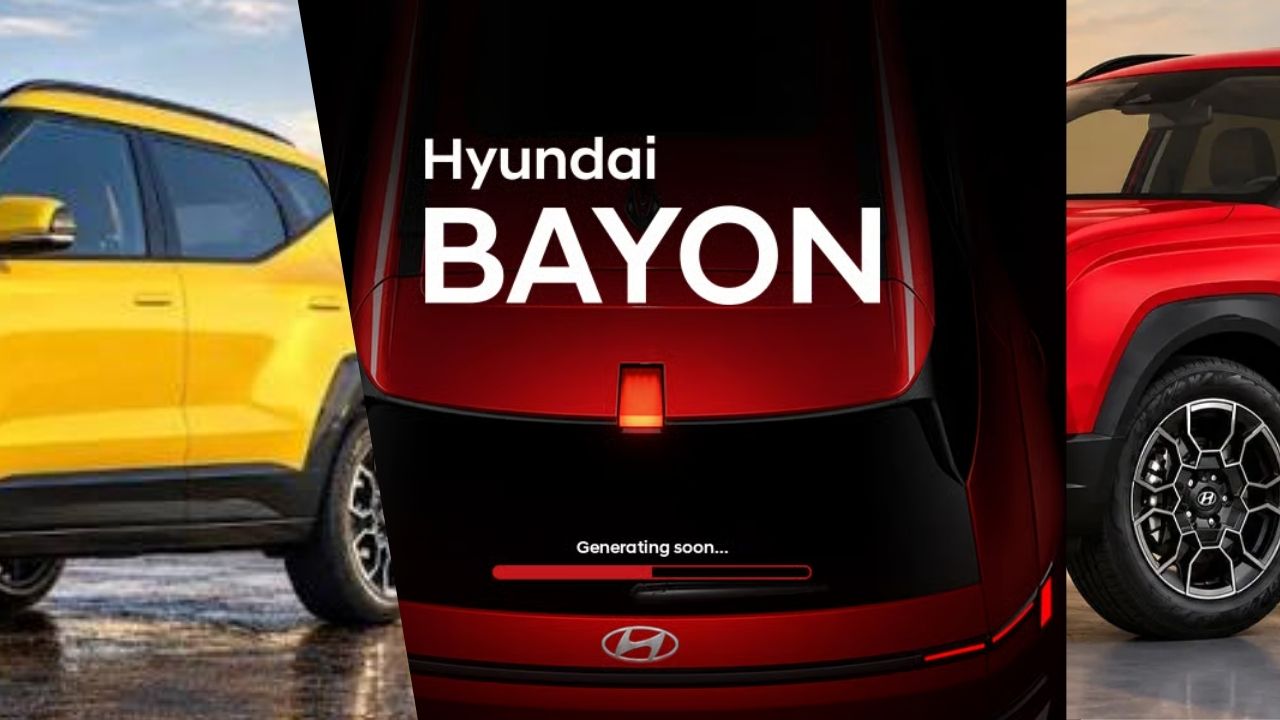
While the Tucson goes upmarket, the Hyundai Bayon aims to fill a gap in the highly competitive compact SUV segment. Bayon will arrive in the festive season of 2026 at a price range of ₹10 lakh — ₹15 lakh (ex-showroom). It is basically a crossover version of the i20 platform designed specifically for the European market.

The Hyundai Bayon specifications for the Indian model is based on the international Bayon’s underpinnings. It is a compact SUV positioned between Venue and the next-generation Creta, not too small, not too expensive. Hyundai opened bookings across dealerships and its website on September 23, 2026. 

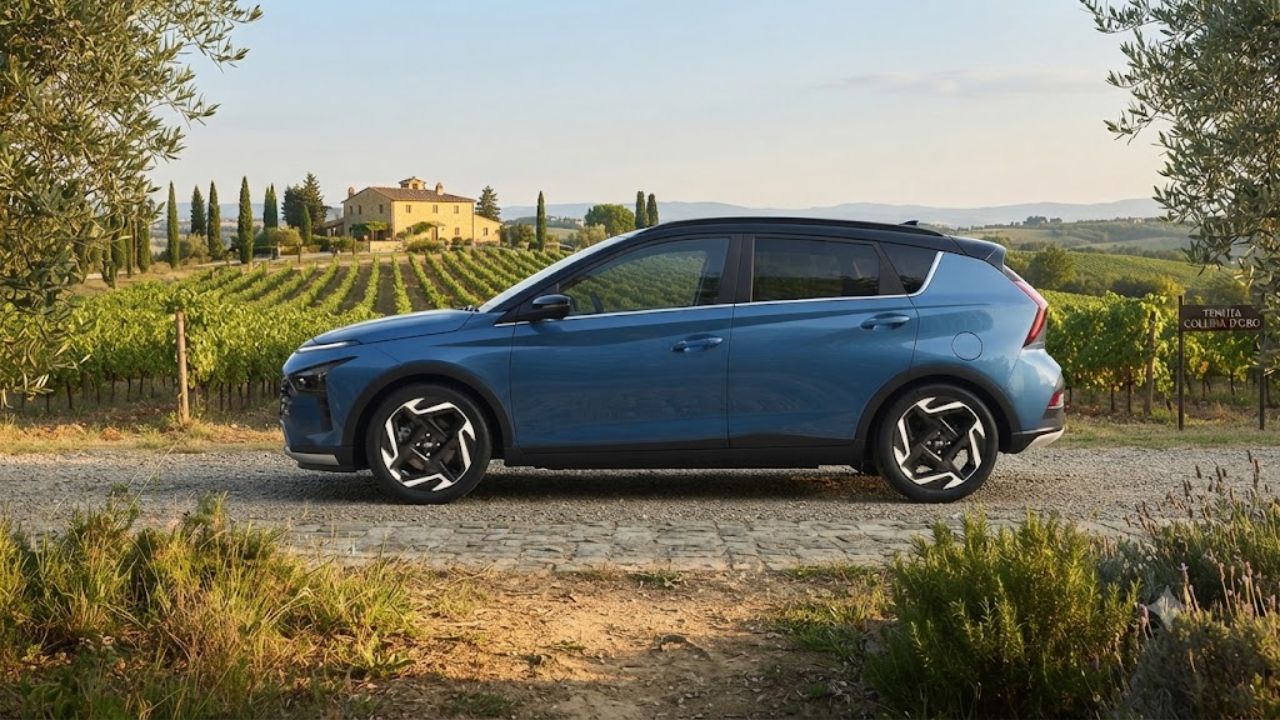
Hyundai Bayon

Bayon’s Engine That Aim High

The current model carries a 1.0L petrol engine which gives 90 bhp of power and 172 Nm of torque. The transmission is up to 7-speed DCT automatic while the upcoming model brings 6-speed manual and CVT automatic options. It extended the engine to 1.5L 4-cylinder petrol producing 115PS of power and 144Nm of torque. This is the same engine set up that Creta and Verna uses.

But Bayon is the first Hyundai model engineered with a factory-fitted CNG option in a 4.3 metres long vehicle. It expects to use a 1.5L Hy-CNG dual-cylinder setup.

Features That Sets Hyundai Bayon Apart

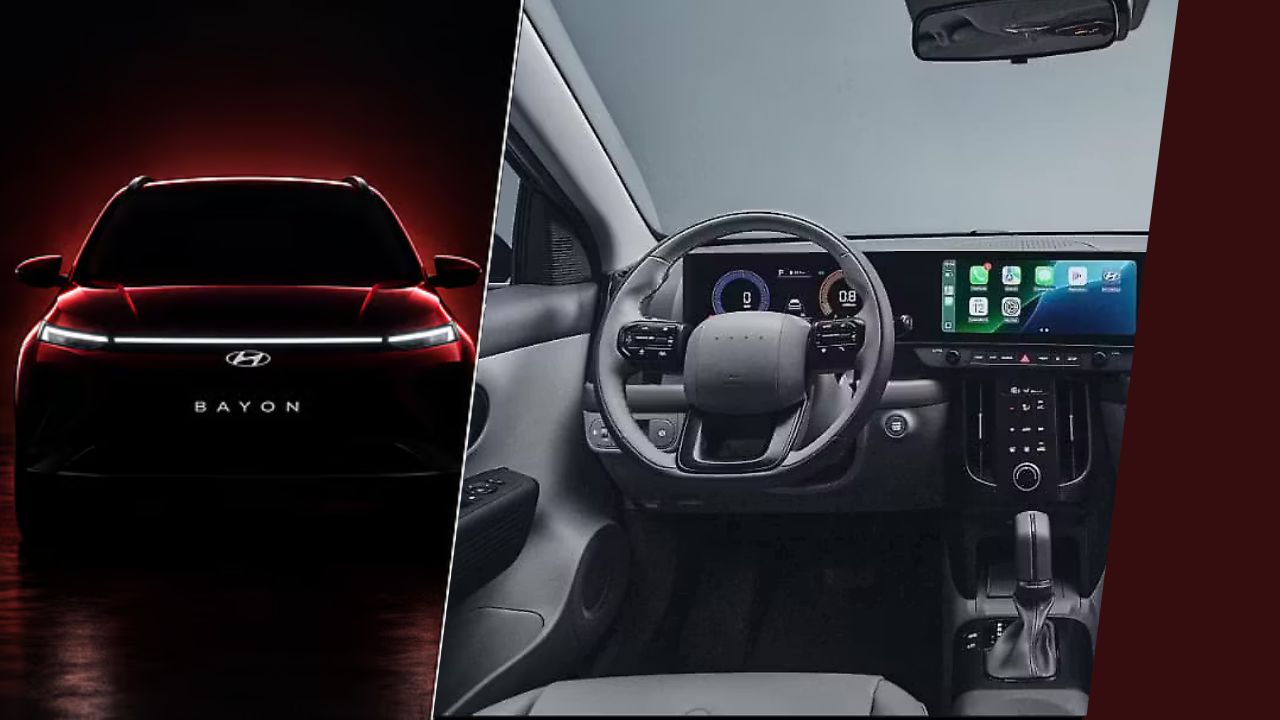
Hyundai is known for packing its cars with features, and the Bayon is no exception. It brings a full convenient setup — a dual 10.25-inch screen for infotainment and digital cluster. It offers full experience to admire nature with a panoramic sunroof, and ventilated seats. The connectivity is reliable, providing wireless Android Auto/Apple CarPlay. View all corners outside the car with a 360-degree camera. The Bayon is a full-packed flagship segment that offers a premium experience.

Features That Sets Hyundai Bayon Apart

With advanced features, Hyundai never compromising on the safety of their customers. Expect a Level 2 ADAS suite and 6 airbags as standard, meeting the growing demand for safety tech in the Indian market. 

Hyundai has confirmed the Bayon uses the Art of Steel language featuring sculpted surfaces and sharp character lines. Inside, the cabin takes heavy inspiration from the Brazil-spec fourth-generation i20. Hyundai also teased the Wheel specifics, it offers 17-inch dual-tone machine-cut alloy wheels wrapped in 215/55-section tyres.

Hyundai Bayon Rivals: The Crowded Compact Segment

The Bayon will battle the Maruti Suzuki Fronx, Tata Nexon, and even its sibling, the Venue.

Feature Hyundai Bayon (Expected) Maruti Suzuki Fronx Tata Nexon
Engine 1.0L Turbo Petrol 1.0L Turbo / 1.2L NA 1.2L Turbo / 1.5L Diesel
Max Power ~88.5 bhp 100 bhp / 89 bhp 118 bhp / 113 bhp
Price (Estimated/Current) ₹10 – 15 Lakh ₹7.51 – 13.04 Lakh ₹8.00 – 15.50 Lakh
ADAS Yes (Level 2 Expected) No No (Only basic features)

How the Hyundai Bayon Stacks Up Against the Victoris

The most bigger rival is Maruti Suzuki Victoris since it already occupies the space the Bayon is aiming for and uses the same powertrain strategy. Victoris mild-hybrid petrol price starts at Rs 10.50 lakh for base variant and goes up at Rs 19.22 lakh for the top AWD automatic variant.

While the pricing for CNG and strong Hybrid variants can rise up to Rs 14.57 lakh and Rs 19.99 lakh respectively. Check the dealership price at your location because the total price depends on the additional charges of your city. 

Hyundai Bayon Stacks Up Against the Victoris

If the Bayon really does launch at Rs 9–14 lakh, its top-spec CNG or automatic variant would undercut the Victoris’s equivalent trims by a meaningful margin, while offering a smaller footprint. The trade-off is obvious: the Victoris gets a strong-hybrid option and AWD, neither of which the Bayon is expected to offer at launch. 

If fuel efficiency and hybrid tech matter more to you than price, the Victoris still has the edge on paper — but if you want CNG practicality in a package smaller and cheaper than a full-size Creta rival, the Bayon is shaping up to be the more sensible buy.

Should You Wait for the Tucson or Buy Now?

This is really two different buyer conversations, because the Tucson and Bayon aren’t competing for the same money.

Hyundai has not announced the new 2027 Hyundai Tucson price and specification details for India. Nobody knows the actual launch date yet so treating any number online is a guess. Wait for this boxier Art of Steel design and the promise of a proper generational leap in refinement and tech, if you are not in a hurry to buy a vehicle this year. Buying any — a Skoda Kodiaq, Tata Harrier, the same segment makes more sense.

If you’re shopping in the Rs 10–15 lakh compact SUV space, the Hyundai Bayon is a much more actionable wait. Bookings have already opened, the festive-season launch window is real and near-term, and the CNG option addresses a genuine gap that the Victoris and Kushaq don’t fully cover at this price point. Unless you need a car immediately, holding off a few weeks to see final Bayon pricing and variant specifics is a low-risk decision — you’re not waiting on a car that might slip by a year, you’re waiting on one that’s already taking bookings.

Read Also 👉  Rolls Royce Unveils Custom Car Using Sea Snail Shells 

Conclusion 

These New Hyundai Flagship Models are expanding the company’s territory in the powerful SUV segment. The new 2027 Hyundai Tucson is coming back with refined components to deliver an excellent driving experience. On the other hand, Hyundai Bayon is launching in this year’s festive season with a CNG option, a direct rival to Victoris, Fronx, Nexon. Indian buyers who are looking for a new vehicle in a range of Rs 10 lakh can consider this flagship model to buy.