2

What Monthly Salary Is Required to Buy a Tata Nexon?

Published Oct 27, 2026, 11:48 AM
Last Updated Oct 28, 2026, 12:40 PM

Tata Nexon

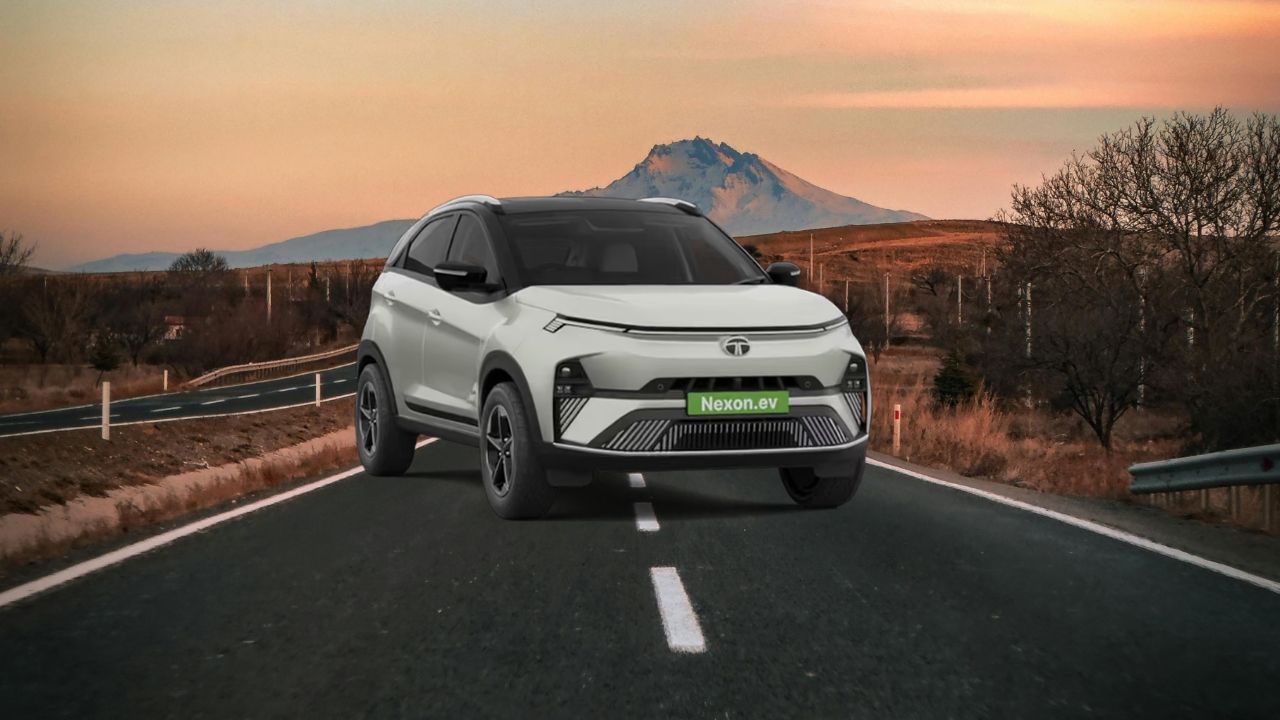
When you settle down with a stable job and wondering What Monthly Salary Is Required to Buy a Tata Nexon? Either you want to commute to the office daily or to go out with your family, both need a car which is reliable and gives better fuel efficiency. The Tata Nexon is one of the cheapest and reliable options in India. 

So you open a car website, see “Nexon from ₹7.4 lakh” and search for options to buy a Tata Nexon without wrecking your budget. The sticker price doesn’t answer that. The EMI does, and so does everything else the car costs you every month. Let’s figure out how.

What Monthly Salary Is Required to Buy a Tata Nexon?

To buy a base Nexon, your monthly salary needs to be around ₹35,000 to ₹40,000 for getting car loan approval, even if you get a personal loan the bank says yes after analyzing your credit score and take-home pay. If you already have another major EMI running then it could be difficult for you to pay car EMI. 

To afford it without feeling the pinch, you want closer to ₹70,000. Buying a mid-range Nexon which costs around ₹13 lakh on-road needs about ₹55,000 salary for approval and ₹1.1 lakh salary for your mind’s comfort. You can easily buy a Tata Nexon  fully loaded diesel automatic if you have more than 1 lakh salary in your hand monthly. 

These figures come from a 20% down payment, a 5-year loan at 9% interest. Banks approve your loan when your car EMI and other EMIs stay under 40% of your salary and the other 60% is going into your daily expenses. Financial planners prefer the car EMI to stay near 20% so it won’t be a burden for you.

Tata Nexon Price in 2026: Ex-Showroom vs On-Road

Tata Nexon base model comes at ₹7.40 lakh. This is the petrol manual variant and the top diesel variant is nearly ₹14.40 lakh ex-showroom, Fearless + PS Red #Dark AMT. Confirm the actual cost from a dealer in writing

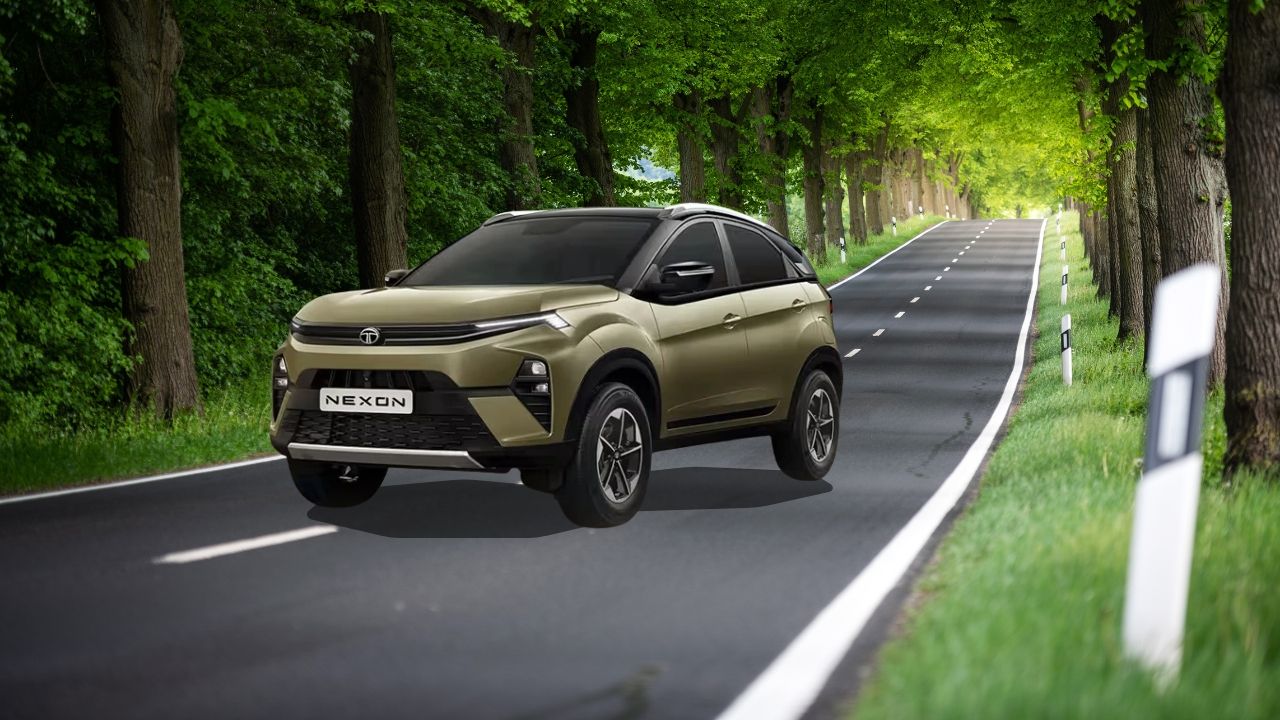
The price you see on the Tata website isn’t what you pay, the on-road price of Tata Nexon is  ₹8.55 lakh to ₹17.29 lakh depending on registration, road tax, insurance, handling charges and variants. In Lucknow or Delhi, expect to add roughly 15% to the ex-showroom figure. Always base your salary math on the on-road number.
Tata Nexon Price

One variant matters for budget buyers. In May 2026 Tata launched the Pure+ PS at ₹9.59 lakh ex-showroom, billed as the cheapest car in India with a panoramic sunroof. It’s a sensible step up from the base trim for anyone who wants the feature-heavy Nexon without paying Fearless money.

You can plan to buy Tata Nexon when there’s a discount period. In March, Tata offered discounts of ₹55,000 and up to ₹75,000 this October. So ask your dealer for a current cash discount because other offers are valid only if you are eligible. Even ₹30,000 off trims your loan and nudges the required salary down.

Tata Nexon Features and Specs

Tata Nexon comes in petrol, diesel and factory-fitted CNG variants which affects the buyer choice. Both purchase price and running cost matters for an average class buyer.

Petrol Diesel CNG
Engine 1.2L turbo 1.5L 1.2L turbo
Power ~120 PS 115 hp ~100 PS
Gearbox 5/6-speed MT, AMT 6-speed MT, 6-speed AMT MT
Claimed mileage 17.0–17.4 kmpl ~23–24 kmpl (ARAI) 24 km/kg

The base Smart trims are bare-bones. The mid variants add the touchscreen, connected-car tech and better safety kit. Higher variants add a 360-degree camera, ADAS and TPMS. The Nexon has held a 5-star crash-test reputation for years, but ratings differ between the Global NCAP and Bharat NCAP protocols, so check which one applies to the variant you’re eyeing.

Tata Nexon EMI Options: Variant-Wise Numbers

Here’s the four representative variants, a 20% down payment and a 9% interest rate. At 9%, it’s ₹12,067 a month for a ₹7.5 lakh loan over 7 years on the base car. The base, Pure+ PS and mid CNG figures use Delhi and Mumbai on-road prices from the listings above. The Pure+ PS on-road price of ₹11 lakh is my own estimate from the usual 15% markup, so confirm it with a dealer quote.

Variant On-road (approx.) Down payment (20%) EMI, 4 yrs EMI, 5 yrs EMI, 7 yrs
Petrol Smart MT (base) ₹8.37 lakh ₹1.67 lakh ₹16,700 ₹13,900 ₹10,800
Petrol Pure+ PS (est.) ₹11.0 lakh ₹2.2 lakh ₹21,900 ₹18,300 ₹14,200
CNG Creative+ S MT ₹13.06 lakh ₹2.61 lakh ₹26,000 ₹21,700 ₹16,800
Diesel Fearless+ PS Red Dark AMT ₹17.29 lakh ₹3.46 lakh ₹34,400 ₹28,700 ₹22,300

Rates vary more than people expect. At 10.5%, lender rate sheets for EVs show roughly 8.25% to 8.9% at major banks, and ICE car loans usually sit in a similar band. A CIBIL score above 750 gets you the lower end. A score under 700 can cost you a full percentage point or more, which on the diesel AMT adds roughly ₹1,500 to the monthly EMI.

How Tenure and Down Payment Change the Maths

Stretching the loan from 5 to 7 years drops the EMI by about 22%, but it adds a lot of interest. On the CNG Creative+ S, the 7-year loan costs roughly ₹3.6 lakh in interest against about ₹2.6 lakh on the 5-year loan. If your salary is the constraint, a bigger down payment is the smarter lever than a longer tenure. Every extra ₹1 lakh you put down cuts the 5-year EMI by about ₹2,080.

The Salary Rules Banks and Planners Use

Banks look at something called the fixed obligation to income ratio. Most lenders want your total monthly EMIs, including any home loan, personal loan and credit card minimums, under 40% to 50% of net income. Many also set a minimum income floor, often ₹25,000 to ₹30,000 a month for salaried applicants, but it varies by lender and city, so ask before you apply.

Divide the 5-year EMI by 0.40 and you get the “approval” salary. Divide it by 0.20 and you get the “comfort” salary.

Variant Approval salary (EMI ≤ 40%) Comfortable salary (EMI ≤ 20%)
Petrol Smart MT ~₹35,000 ~₹70,000
Petrol Pure+ PS ~₹46,000 ~₹92,000
CNG Creative+ S MT ~₹54,000 ~₹1.08 lakh
Diesel Fearless+ PS AMT ~₹72,000 ~₹1.44 lakh

There’s also the stricter 20/4/10 rule: put down 20%, borrow for no more than 4 years, and keep total vehicle costs under 10% of gross income. Run the base Nexon through that and you need a gross income of about ₹2 lakh a month. Almost nobody buys a Nexon that way, and you don’t have to. But the rule is a useful reminder that the cheapest EMI is not the same as the cheapest ownership.

Notice how steeply the required salary climbs. Going from the base Nexon to the top diesel more than doubles the income you need. That’s the main reason to look hard at the middle of the range.

What the Car Costs After the EMI

An EMI is only one line in the budget. Once the car is in your parking spot, three more costs show up.

Fuel is the big one. If you drive about 1,000 km a month, which is a realistic office-plus-weekends pattern, a petrol Nexon returning 13 kmpl in the real world burns about 77 litres. At roughly ₹95 to ₹100 a litre, that’s ₹7,500 or so. A CNG Nexon cuts that noticeably, and a diesel falls somewhere between, though fuel prices differ by city and have moved around this year, so plug in today’s pump rate.

Servicing and tyres add a few hundred to a thousand rupees a month when you average them out over the year. Insurance renewal after the first year is another cost, typically ₹20,000 to ₹35,000 depending on variant and city. Parking, tolls and the odd repair make up the rest.

Consider a ₹8,000 to ₹10,000 a month is a running cost for any vehicle you are going to buy, excluding EMI. That’s why comfort salary matters, so you should enjoy driving a Tata Nexon. The total amount is nearly ₹23,000 by adding ₹14,000 EMI and ₹9,000 of running costs, a ₹40,000 salary isn’t enough for rent, food, and expenses if you are living in a metro city.

Tata Nexon vs Brezza vs Venue vs Sonet: Where It Sits

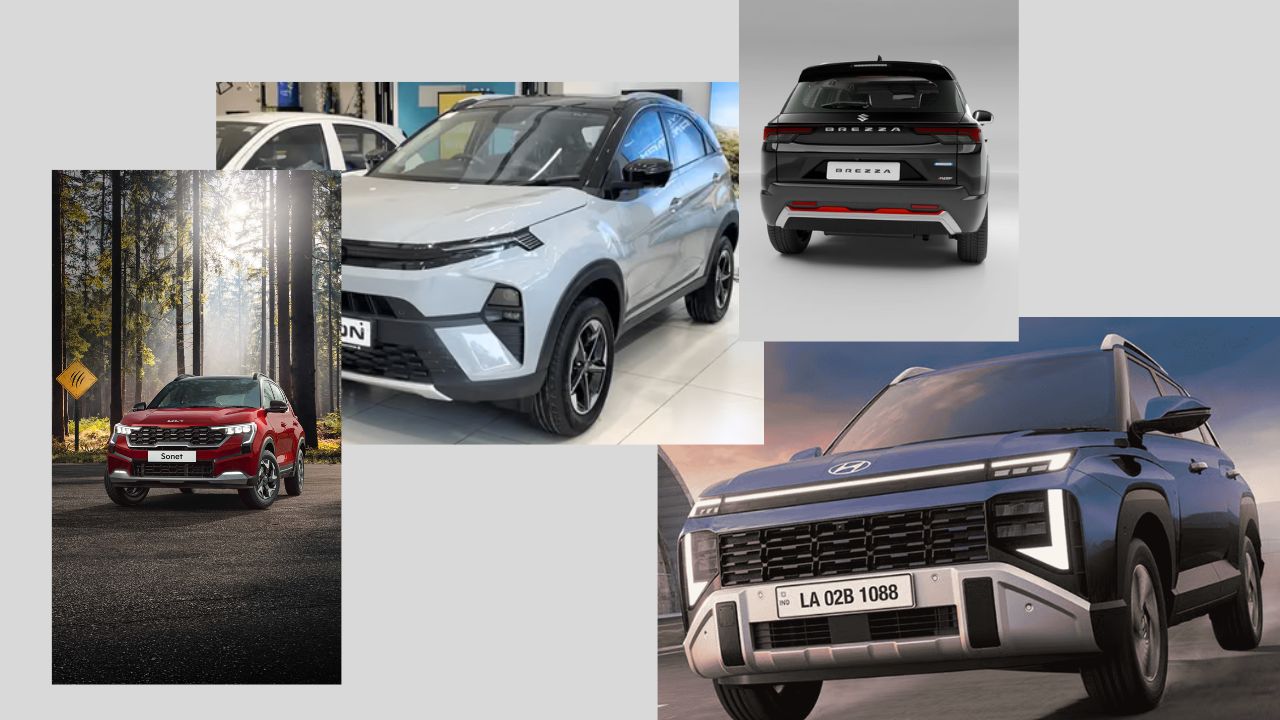
The choice of fuel types makes Nexon beat its rivals. The 2026 Maruti Brezza starting price is ₹7.4 lakh and the higher is ₹13.55 lakh ex-showroom. Its new 1.0 L petrol entry variant is cheap and the Maruti service network is also wider in India.
Tata Nexon vs Brezza vs Venue vs Sonet

The Hyundai Venue is listed at ₹8 lakh to ₹15.65 lakh, and the Kia Sonet at ₹7.41 lakh to ₹13.8 lakh. The Venue costs more to enter and gets the more advanced kit. It offers Level 2 ADAS, an electronic parking brake and all-wheel disc brakes. The Sonet sits close to the Nexon on price and leans on a long features list.

At the base level, then, the Nexon is not the cheapest, with the Brezza undercutting it slightly. Where it wins is breadth. It’s the only one of the three that gives you petrol, diesel and CNG in a sub-4-metre SUV, and the sales numbers back it up. The Nexon was the second highest-selling car in India in June 2026. A popular car also holds resale value better, which matters if you’re stretching to buy.

👉  What Salary Do You Need to Buy a Maruti Suzuki Swift in India?

Conclusion

Take-home under ₹35,000: skip the loan for now. Save for a larger down payment, or look at a used compact SUV instead. The base Nexon will technically be approvable only at the edge of your limit, and any job disruption makes it a burden.

Take-home of ₹40,000 to ₹60,000: the base Petrol Smart MT or Smart+ trim, or the Pure+ PS if you can put down ₹2 lakh or more. Take a 5-year loan, not 7 if you can help it, and cap the car EMI around ₹14,000 to ₹18,000.

Take-home of ₹60,000 to ₹1 lakh: this is the sweet spot. The Pure+ PS, Creative or a CNG variant make sense here, especially if you drive more than 1,200 km a month. CNG’s running-cost saving can offset a higher EMI within a couple of years.

Take-home above ₹1.2 lakh: the top diesel automatic becomes realistic, but price a diesel only if you drive enough kilometres to justify it.

Before you sign, do three things this week. Get the on-road quote in writing from two Tata dealers. Check your CIBIL score, because it decides your rate. And run the EMI at both 9% and 11%, so a rate surprise doesn’t blow up your plan. If the higher-rate EMI still fits under 20% of your take-home pay, you’ve found your Nexon.

Alok Kabir

Alok is an experienced SEO Specialist skilled in blogging and SEO-friendly content creation. He also specializes in Content Optimization and Technical SEO, including website optimization, crawlability, indexing, site speed, and on-page improvements to enhance search rankings and online visibility.

2 Comments

Leave a Reply

Your email address will not be published. Required fields are marked *

0

Top 10 Most Fuel-Efficient Cars in India Under ₹10 Lakhs You Must See in 2025

Published Oct 3, 2025, 9:23 AM
Last Updated Apr 24, 2026, 11:19 AM

The 2025 Indian sub-₹10 Lakh automotive market is driven by ultra-low running costs, making CNG cars being the most popular option as they cost 50-60 percent less on fuel compared to petrol. Maruti Suzuki Celerio (34.43 km/kg) and Wagon R (34.05 km/kg) are two such models that set the efficiency benchmark.

Good hybrids (Grand Vitara, Urban Cruiser Hyryder) provide great mileage however are beyond this price range as they are priced above ₹10 Lakh.

Value shoppers must choose between:

  • Most Mileage Cars (Celerio, WagonR, AltoK10) Are Economical But Have Poor Safety Ratings (0–2 Stars).
  • Safer modern alternatives (Maruti Dzire – 5 star, Tata Tiago – 4 star) are a bit costlier, but they offer vital occupant safety.

Fuel Efficiency is Shaped By Two Key Realities:

ARAI vs Real-World Mileage

Since ARAI certified figures are laboratory tested and are doubtful.

City mileage in real life is relatively up to 47% lesser (Wagon R CNG claims 34 km/kg, but its real life mileage is 22 to 26 km/kg).

Efficiency needs to be calculated a little differently: km per litre for petrol/diesel, km per kg for CNG and the true financial metric is Cost per km (CpK) – and in terms of CpK, CNG comes out as the winner for the fuel is dirt-cheap.

Market Barrier for Hybrid Technology in India

Decent hybrids (like Grand Vitara, Urban Cruiser Hyryder) may come close to high mileage (28 kmpl) but still are out of reach in this segment, with prices commencing well over ₹10 Lakh (generally ₹17 Lakh+ on-road).

So, in the sub ₹10 Lakh buyers have to bank on CNG to get significant savings, with sophisticated hybrid efficiency being available only at the upper end of the cost spectrum. 

For the value-conscious consumer CNG is still the only viable option to really achieve Total Cost of Ownership (TCO) savings though that can really cash in only if consumers temper their expectations to the reality in real world mileage and not inflated ARAI figures. 

The Top 10 Fuel Efficiency Cars (Under ₹10 Lakhs)

Factory-fitted CNG variants, which come with the highest certified mileage figures, take the top spot in the the conclusive list of the most fuel-efficient cars under ₹10 Lakhs. The list below has been prepared on the basis of highest ARAI-certified efficiency figure of a single variant in all the cars available under the price cap of ₹10 Lakhs Ex Showroom for major metros.

Model/Variant Fuel Type ARAI Certified FE (km/unit) Ex-Showroom Price (₹ Lakhs)
Maruti Suzuki Celerio CNG 34.43 km/kg ₹ 6.65 – 8.64 Lakhs
Maruti Suzuki Wagon R CNG 34.05 km/kg ₹ 6.80 – 8.96 Lakhs
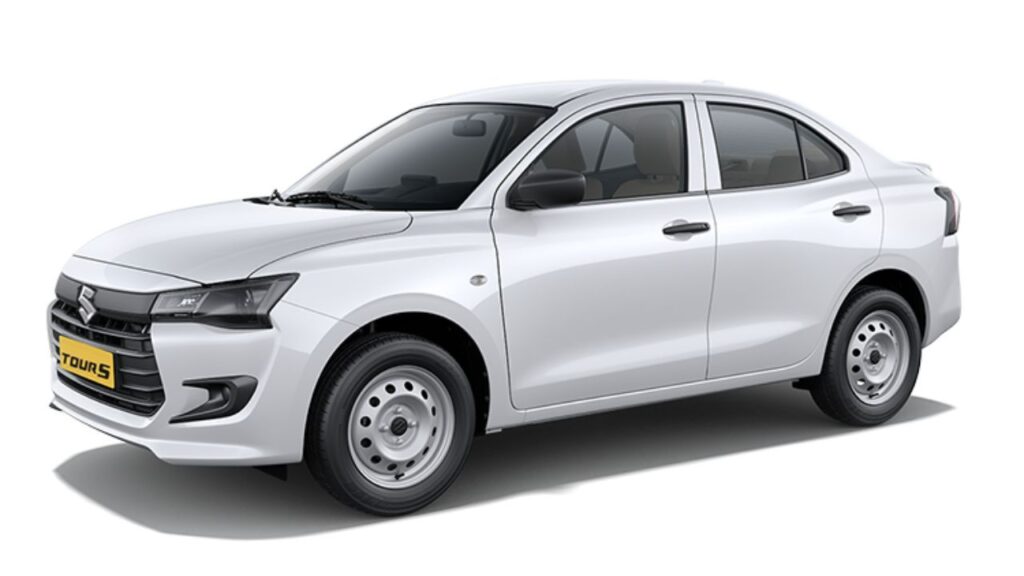
Maruti Suzuki Dzire Tour S  CNG 34.3 km/kg ₹ 7.19 – 9.00 Lakhs
Tata Tigor CNG 33.1 km/kg ₹ 6.49 – 8.90 Lakhs
Maruti Suzuki Alto K10 CNG 31.59 km/kg ₹ 5.50 – 7.18 Lakhs
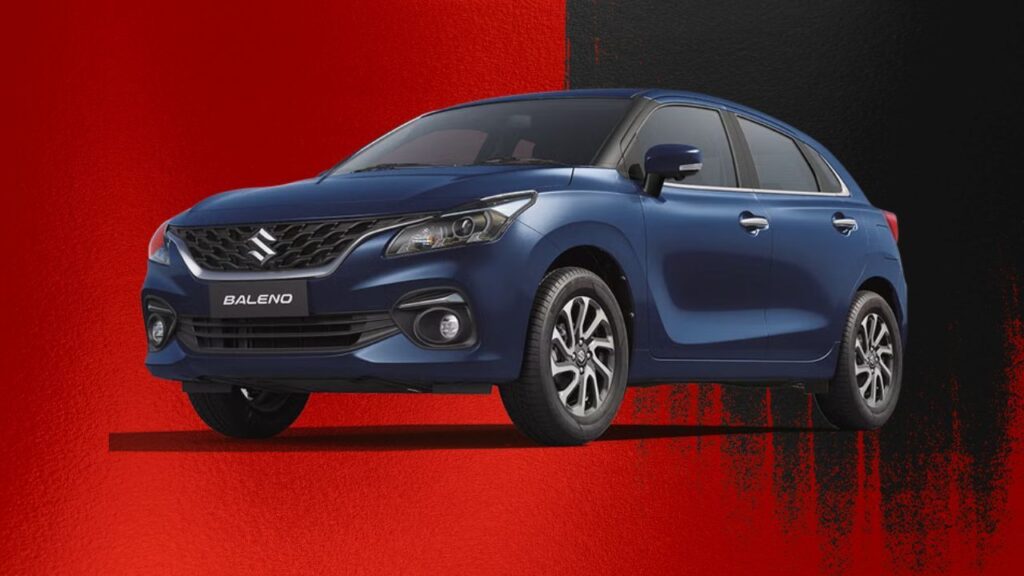
Maruti Suzuki Baleno CNG 30.61 km/kg ₹ 7.70 – 9.10 Lakhs
Hyundai Aura  / Grand i10 Nios  CNG 28.0 km/kg ₹ 8.00 – 9.00 Lakhs
Tata Tiago  CNG 26.49 km/kg ₹ 6.15 – 8.00 Lakhs
Maruti Suzuki Swift Petrol 25.75 kmpl ₹ 6.49 – 9.64 Lakhs
Honda Amaze Petrol 25.0 kmpl ₹ 7.92 – 9.50 Lakhs

The clearest feature of this list is the undeniable dominance of Maruti Suzuki: it takes 7 places out of the top 10. This widespread presence especially in the top CNG high-efficiency slots cements Maruti’s strategy of Efficiency as Core value Proposition. The company holds an edge to this day in its unique engineering of small displacement, highly tuned engines and integrated factory fitted CNG solutions.

The final two spots are taken by none other than Maruti Suzuki Swift and Honda Amaze. It shows that even a highly tuned petrol engine cannot objectively compete with the volumetric efficiency, cost efficiency and performance offered by MCNG. Pure petrol variants are becoming a second option to mileage-conscious buyers and more for those living in areas that are not that well connected with CNG refilling infrastructure. 

Read More:- EV vs Petrol vs Hybrid: Which Car Type Is Perfect for You in 2025?

In-Depth Profiles of the Top Cost-Efficiency Leaders

Maruti Suzuki Celerio

The Maruti Suzuki Celerio is a good hatchback in the Maruti range and has been one of the highest selling from the segment largely due to its fuel-efficient engines, especially the CNG version. It offers 1.0-litre three cylinder petrol engine paired with 5-speed manual or AMT gearbox, power steering, front power windows, keyless entry and a 7-inch touchscreen infotainment system.

Image credit: MarutiSuzuki

It provides maximum cabin space, while the size of the exterior is kept to a minimum. Dual front airbags are offered along with ABS with EBD, rear parking sensors and more.

Maruti Suzuki Wagon R

The Maruti Suzuki Wagon R is a tallboy hatchback which is known for its spacious cabin and tall roofline. It has two powertrain options: 1.0-litre and 1.2-litre petrol engines, both with the choice of manual and AMT transmission. It is also available in a factory fitted CNG variant for more mileage efficiency.

Image credit: MarutiSuzuki

It comes with provisions such as 7-inch touchscreen, steering-mounted audio controls, power adjustable mirrors, rear seats that split-fold. Standard safety provisions on the hatchback include two airbags, ABS with EBD, rear parking sensors and it is well poised to attract new car buyers in the urban Indian market.

Maruti Suzuki Dzire Tour S

The Dzire Tour S is focused on commercial and taxi purposes. It comes with a 1.2-liter petrol engine with CNG and petrol variants and a 5-speed manual gearbox. The sedan is also appreciated for having a large boot (378 liters) and for its economy, more so when running on CNG.

Image credit: MarutiSuzuki

The most important specifications are front power windows, central locking, manual air conditioning, 2 airbags with ABS. Its rear seat is road-trip viable and it continues to be a preferred selection among fleet purchasers.

Tata Tigor

The Tata Tigor is a small sedan that runs a 1.2-litre three-cylinder petrol engine, it competes in CNG and petrol variants. “It boasts with being a coupe-like styled vehicle, 419-liter boot capacity, has safety with 4-star GNCAP crash rating.

Image credit: TataMotors

Includes – touchscreen infotainment system with Android Auto and Apple CarPlay, climate control, projector headlamps, rear parking camera. Tigor pays focus on structural safety and cabin comfort, so it’s safe for your family and strong enough for your day to day.

Maruti Suzuki Alto K10

Alto K10 is one of India’s bestselling entry-level hatchbacks. It is powered by a 1.0-liter three-cylinder petrol engine and is also offered with a factory-fitted CNG kit.

Image credit: MarutiSuzuki

Basic power steering, front power windows, manual air conditioner and a rudimentary infotainment system on the higher variants are the key features. There are dual airbags but safety is minimal. Alto K10 is light and nimble making it a great city car for new car buyers and daily users.

Maruti Suzuki Baleno

The Baleno is a premium hatchback from Maruti Suzuki and is powered by 1.2-litre petrol engine and comes with an optional CNG kit. Transmission options include a manual and an AMT automatic. Highlights of the specifications: 9-inch SmartPlay Pro+ infotainment, LED projector headlamps, 360-degree camera, cruise control.

Image credit: MarutiSuzuki

Six airbags in top models, ESP, hill hold assist, and rear parking sensors all come as standard safety features. The Baleno is also revered for its spacious cabin and refined ride quality and is very popular among small families.

Hyundai Aura  / Grand i10 Nios 

The Hyundai Aura is small sedan and the Grand i10 Nios is a hatchback, however both vehicles share the same platform and 1.2 liter engine in petrol, CNG and diesel forms. The highlight features include an infotainment touchscreen with smartphone connectivity, automatic climate control, wireless charger, and rear AC vents.

Image credit: Hyundai

Both are good for comfortable riding and they also provide practical boot space for a hatchback and compact sedan respectively. Safety consists of dual front airbags, ABS with EBD, and stability control on the higher variants, making it a value-for-money choice for those looking for practical needs.

Tata Tiago 

Tata Tiago, a compact hatchback, is equipped with a 1.2 liter three-cylinder petrol engine and the variants on offer are petrol and CNG. It boats robust build quality with 4 star GNCAP safety rating. Additional features are an infotainment touchscreen, dual zone climate control, 8-speaker Harman audio, reverse parking sensors and two airbags.

Image credit: TataMotors

The Tiago is lauded for its fun-to-drive dynamics, safety and youthful design, making it a great choice for small families and city runs.

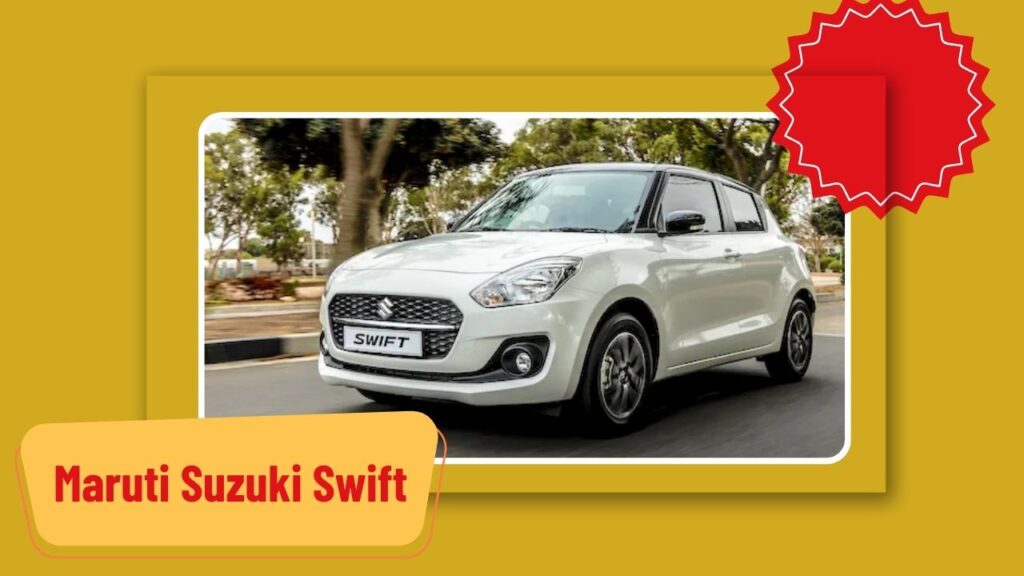
Maruti Suzuki Swift

The sporty Maruti Suzuki Swift hatchback comes with a 1.2-liter petrol engine and AMT option. Highlights of the car are LED headlamps, 7-inch touchscreen, automatic climate control, and push-button start.

Image credit: MarutiSuzuki

It manages to be fuel efficient yet delivers peppy performance and is equipped with dual airbags, ABS, and ISOFIX mounts for safety. The Swift is known to add a youthful and energetic charm to the general object of its ownership.

Honda Amaze

Honda Amaze is a petrol-powered compact sedan with a 1.2-litre engine and CVT automatic now available as an option. It’s all about comfortable seating and sensible space, with a 420-litre boot.

Image credit: Honda

Highlights of the vehicle are its 7-inch infotainment system with Android Auto/Apple CarPlay, dual-zone climate control, cruise control, and rear camera.Safety kit Standard a – dual airbags, ABS with EBD and rear parking sensors. Its refined engine and smooth ride make it the best family sedan in India.

Conclusion

Maximizing ROI in 2025 The Best Financially Prudent Option In 2025 For High Usage Indian Consumers With A Budget Of Under ₹10 Lakh Is A Stock CNG Car. The difference in running costs is so great that the initial extra outlay is quickly recovered. Now for the discerning customer would be when choosing the contemporary, structurally safe CNG options (Dzire, Baleno, Tiago/Tigor) that blend best in class operational efficiency with high safety standards to deliver end to end maximum value for money and protection in the long run.

1

Renault Duster Strong Hybrid E-Tech 160 Is Yours at ₹21,000

Published Oct 10, 2026, 10:23 AM
Last Updated Oct 13, 2026, 6:40 AM

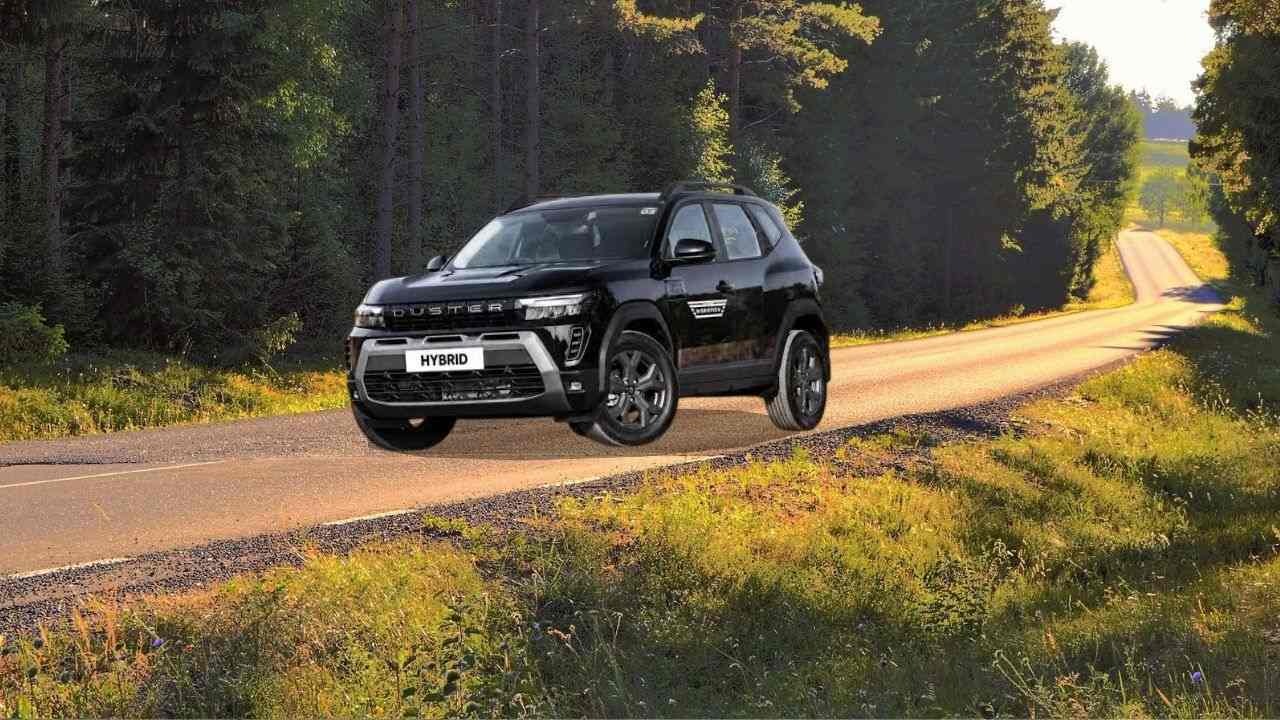
Renault Duster Strong Hybrid is now available to book at ₹21,000 through its website and dealerships, and the full reveal comes on October 17, 2026. This figure is a deposit for the car to own but the showroom price is still not shared by Renault  and no variant list either.

Bookings officially opened on October 9, 2026, you are reserving a place in the delivery queue, not locking a price. The refund policy for the token amount hasn’t been published in anything, so ask the dealer to put it in writing before you pay.

The timeline is already fairly clear. The strong hybrid was promised by October 2026 at the time when turbo-petrol Duster was launched. Now this reveal fits that report perfectly before the Diwali. Expect deliveries around the festive season, though Renault hasn’t confirmed dates.

Renault Duster Strong Hybrid Specs: What Sits Under the Bonnet

This is Renault’s first E-Tech model in India, and the hardware is more sophisticated than most mid-size SUVs here. The Duster strong hybrid E-Tech 160 pairs a 1.8-litre petrol engine with two electric motors and a 1.4 kWh battery. The transmission is a multi-mode automatic. It isn’t a CVT, and it isn’t a conventional torque-converter automatic. Renault’s European hybrids use a clutchless dog-box design, and I’d confirm the India-spec details at the reveal.

Spec Duster Strong Hybrid E-Tech 160
Engine 1.8-litre petrol, hybrid
Electric motors Two
Battery 1.4 kWh
Combined output 160 PS (about 158 bhp)
ARAI mileage 29 km/l
Charging Self-charging, no plug
Dimensions (Duster, all variants) 4,343 mm long, 1,813 mm wide, 1,659 mm tall, 2,657 mm wheelbase
Price Not announced

The 160 PS figure is a combined output, and the pieces aren’t official yet. Expect a power range of 109 bhp, but one source shared a 49 bhp served by electric motor and 20 bhp through starter generator. Treat that as reported rather than confirmed until Renault publishes the breakdown. Also, hybrid power figures aren’t simply added together in real driving, so 160 PS doesn’t tell you how the car will feel at 100 km/h.

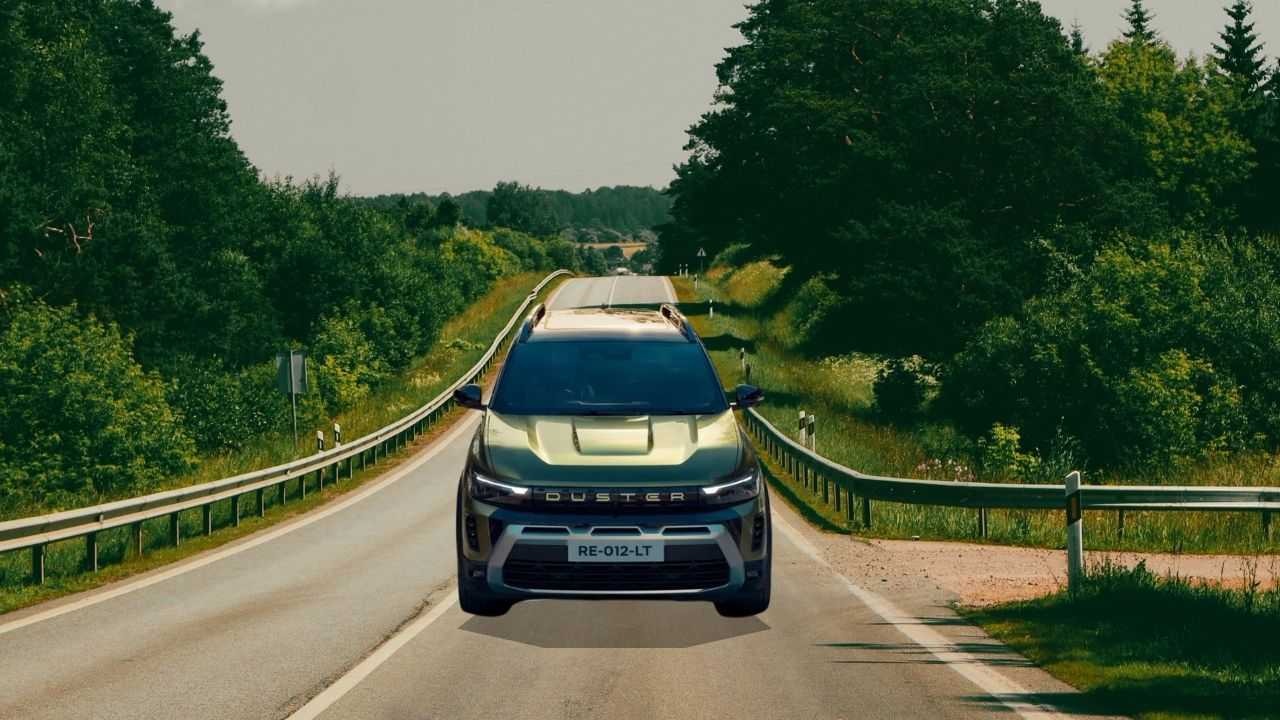
Renault Duster

The 1.4 kWh battery is small, and that’s deliberate. You don’t plug it in, so the car recharges through braking and the engine, and you’ll find the electric-only stretches are short, mostly crawling traffic and gentle cruising. It also means no change in your routine. You fill up at the same pump you always used.

Renault is building the car locally. Production is at its Oragadam plant near Chennai, backed by roughly 638 sales and service touchpoints across India. That network matters for a hybrid, because a technology this new needs dealers who can actually service it. 

The 29 kmpl Claim: Real Number or Brochure Number?

Renault announced an ARAI-certified 29 kmpl. ARAI figures come from a controlled lab cycle, so your Lucknow-to-Kanpur or Mumbai to Pune reality will differ. Expect the real-world number to land well below 29, and nobody has road-tested this car yet, so any “real-world mileage” claim you see before October 17 is speculation.

Suppose a petrol price is ₹100 per litre and your drive count is 15,000 km in a year. At 29 kmpl means 517 litres or roughly ₹51,700 a year. Now compare with Duster’s own turbo-petrol which gives 18.45 kmpl (claimed ARAI figure) which costs about ₹81,300 at the same 15,000 km. The gap is roughly ₹29,600 a year technically.

The 29 kmpl Claim

That gap decides whether the hybrid makes sense for you. Divide the extra price you’d pay for the hybrid over the equivalent turbo-petrol by about ₹30,000. A premium of ₹3 lakh takes around ten years to recover through fuel alone. It takes 5 years to cover Rs 1.5 lakh price difference, you can try this calculation replacing with your own annual driving kilometers and exact petrol price. 

Mileage is crucial because this is one thing which matters when it comes to saving. That’s why hybrids become a healthier option for everyone. Hybrid owners who mostly drive in city traffic may recover the extra cost sooner, but on highways it will take more time to take effect.

👉  Pre-Book Limited-Edition Mini Cooper S Comes With 3-Door Entry

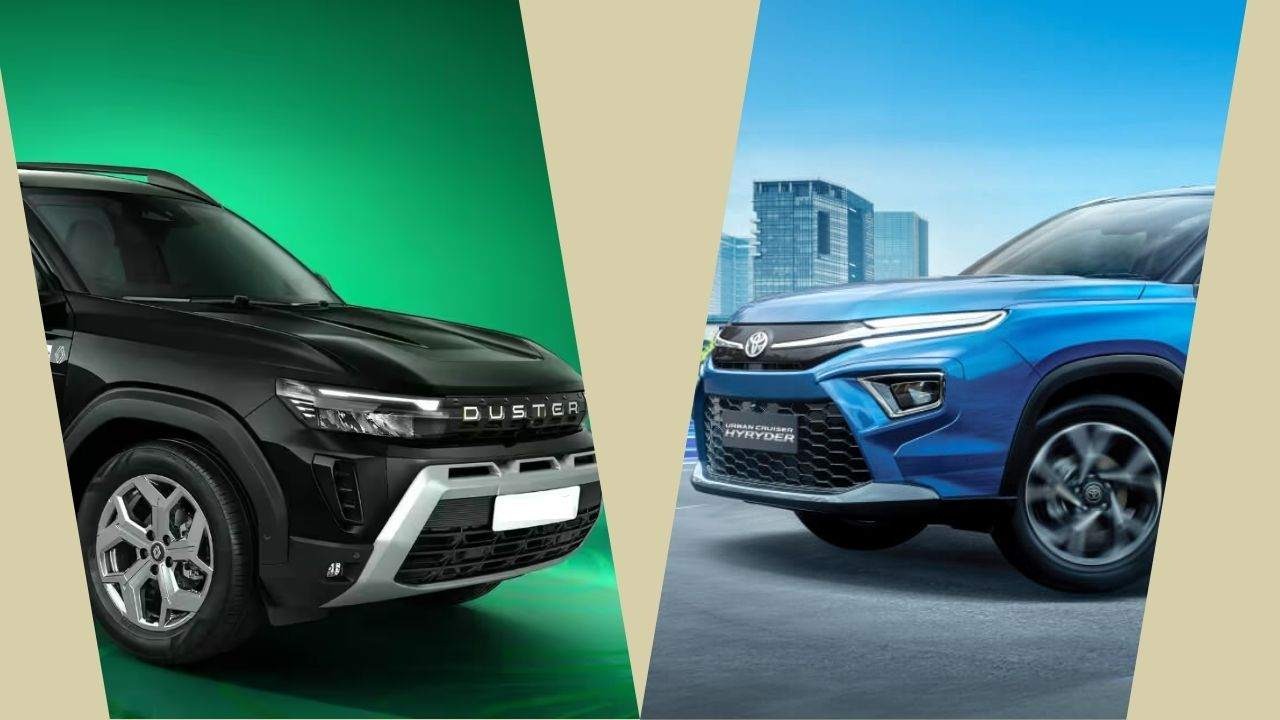
Renault Duster Hybrid vs Toyota Hyryder: The Rival That Matters

Renault’s own positioning is aimed at people who might otherwise buy a diesel SUV. It’s pitched at customers considering alternatives to diesel SUVs. Diesel isn’t the real competition here, though. The strong-hybrid SUV you can buy today is the Toyota Urban Cruiser Hyryder, and its twin, the Maruti Suzuki Grand Vitara. The Hyryder is a badge-engineered sibling of the Grand Vitara and Victoris.

Renault Duster Hybrid Toyota Hyryder Strong Hybrid
Engine 1.8-litre petrol + 2 motors 1.5-litre Atkinson petrol hybrid
Combined output 160 PS 115 bhp (at launch)
ARAI mileage 29 km/l 27.97 km/l
Ex-showroom price Not announced ₹16.46 lakh to ₹19.76 lakh
Length / width / wheelbase 4,343 / 1,813 / 2,657 mm 4,365 / 1,785 / 2,600 mm

On paper the Duster wins on power and claimed efficiency. It’s about 4% better on the mileage claim, and the output gap is larger. The Hyryder wins on proof: it’s been on sale for years, its strong-hybrid system has an established record, and it comes with a known price list. 

Renault Duster Hybrid vs Toyota Hyryder

The Duster is also slightly wider with a longer wheelbase, which could mean more cabin room, but Renault hasn’t published boot space, and the Hyryder’s own hybrid has a reputation for a limited boot, so check that number when it lands. The Hyryder’s strong-hybrid trim list is limited to the S, G(O) and V variants, so a Duster hybrid with a wider variant range would change the equation.

Hyundai’s Creta and Kia’s Seltos haven’t offered a hybrid so far. The Creta/Seltos pair uses a 158 bhp 1.5-litre turbo-petrol, which means the Duster Hybrid’s 160 PS lines up with their power while promising far better efficiency.

How Much Will the Duster Hybrid Cost? 

Renault hasn’t published a price. Here is what exists:

  • The turbo-petrol Duster launched at ₹10.49 lakh to ₹18.49 lakh ex-showroom.
  • Pre-launch estimates on Autocar India’s city pages showed the hybrid at roughly ₹23 to ₹24 lakh on-road, which is an estimate rather than a Renault figure.
  • The Hyryder strong hybrid runs ₹16.46 lakh to ₹19.76 lakh ex-showroom, which is the ceiling Renault has to beat or justify.

The hybrid will cost materially more than the top turbo-petrol. It carries two motors, a battery and a hybrid transmission, so expect it above ₹18.49 lakh ex-showroom, and the question is how far above. If it opens near the Hyryder’s top trim, it’s a real contest. If it lands at ₹20 lakh or more, the fuel savings stop covering the premium for most buyers.

 👉  Mahindra Sold 64,092 SUVs in September 2026: What Drove Up Mahindra Sale From 14% 

Conclusion

Book Renault Duster Strong Hybrid now if you plan to buy before the festive period ends and want your place in the queue, and you can get a written refund promise. Book now too if you do over 15,000 km a year in a city, since that’s where this powertrain pays back fastest.

Wait for the October 17 reveal if you haven’t set a firm budget, because ₹21,000 is small next to a price gap of several lakh. Wait if you want the manual-style driving feel, because Renault Duster Strong Hybrid car doesn’t offer a clutch pedal. And wait if boot space or rear-seat room matters to your family, since neither figure is out.

0

How to Check Tire Pressure Correctly: Guide For Car Owners

  How to Check Tire Pressure

Most drivers check tire pressure only when a tire already looks flat — which is exactly the wrong time to check it. By then you’ve likely been driving on underinflated rubber for weeks, burning extra fuel and wearing the edges of your tread down faster than the center. Understanding how to check tire pressure correctly can save your fuel.

What makes it tricky is that you can’t tell if a tire is under-inflated by simply looking at it. It changes with temperature and must be measured with a gauge. It’s a quick check that only takes a few minutes, and it can increase your gas mileage and tire life. 

Why Correct Tire Pressure Is Essential for Better Mileage 

A tire that is only 15% underinflated can reduce its life by thousands of kilometers and increase fuel consumption by 3 to 4%, the U.S. The Department of Transportation’s NHTSA quotes this data. Overinflated tires aren’t better as they shrink the contact patch with the road, which reduces grip and makes the ride harsher when you run over potholes. 

There’s a tight range that’s actually correct for your car and that size isn’t the number that’s printed on the sidewall of the tire. That figure is the tire’s maximum pressure rating, not the recommended one for your vehicle. 

The correct number resides in two places: a label inside the driver’s door jamb and the owner’s manual. Splitting the number is often given as two numbers – one for the front axle and one for the rear, as the rear often carries a different load. A normal Sedan tyre is inflated to around 30-35 PSI (approx. 2.1-2.4 bar) and for SUV/4X4 or heavier vehicles are usually recommended to be inflated 2-4 PSI more. 

When to Check Tire Pressure for the Best Results 

Tire pressure needs to be measured when they are “cold” — when the car has been stationary for at least three hours or if you haven’t driven more than two miles. Driving causes the air in the tire to heat up, and heat causes air to expand, which reads higher by 4-5 PSI or more depending on how long you’ve been driving. Check pressure immediately after a long drive and you’ll get a number that looks fine but isn’t — the tire will read low again once it cools overnight. 

The best time is early morning, before the car has moved, and before the sun has had a chance to warm the tires either.

Read More :-  How to Improve Gas Mileage: 15 Proven Tips That Actually Save Fuel

Accuracy Starts With the Right Gauge

Gas station pressure gauges on the air pump are well known for being inaccurate — they can be off by 3-5 PSI or more in either direction. A simple digital tire pressure gauge is very inexpensive and well worth having on hand; it eliminates guesswork and provides a consistent reading every time. Pencil-style gauges work too and are cheap and pocket-sized, but they’re harder to read precisely and tend to drift out of calibration faster than digital ones.

If your vehicle comes equipped with a Tire Pressure Monitoring System (TPMS), don’t use it as your sole check. In fact, the warning levels for TPMS are set to announce a single drop of approximately 25% from the recommended tire pressure – meaning that a tire can already be very under-inflated when the dashboard says something. 

Checking Tire Pressure Step by Step

  1. Take off the tire valve cap and place it in a safe place where you won’t lose it. 
  2. Press the gauge down on the valve stem until the hissing stops and you get a steady reading — a brief, uneven press results in an inaccurate reading. 
  3. Compare the reading with the number on the door jamb label for that particular axle (front and rear boots can be different). 
  4. If it’s low, pump in air in short bursts, checking between each — it’s easy to go too far. 
  5. If the pressure is too high, briefly press the small pin inside the valve stem to let some air out, then check again.
  6. Replace the valve cap. It’s not just cosmetic — it keeps out dirt and moisture that can lead to slow leaks, over time. 

Do this for all of the regular tires, and the spare if you have one. The spare is perpetually neglected and often the flattest tire in the vehicle when you actually require it. 

Temperature Changes Pressure More Than People Expect

Tire pressure drops roughly 1 PSI for every 10°F (about 5.5°C) drop in outside temperature. This matters a lot for drivers in North India or anywhere with a real winter — a tire set correctly in October can be noticeably underinflated by December without a single leak involved. 

The reverse happens in peak summer heat, especially in places like Dubai, where tires can run several PSI higher on hot asphalt purely from ambient heat, not overinflation. Checking pressure with the seasons, not just when something feels off, catches both problems before they become a blowout risk or an uneven wear pattern.

Signs You’ve Been Ignoring the Problem

Uneven wear on the outer edges of the tread usually points to underinflation; wear concentrated in the center strip points to overinflation. A car that pulls slightly to one side, feels softer than usual in corners, or seems to be drinking more fuel than it used to are all pressure symptoms before they’re anything else. None of these show up overnight — the build slowly enough that most drivers adjust to the change without noticing it.

The Habit That Actually Works

Checking tire pressure once a month, and always before a long highway trip, catches almost every problem before it becomes expensive. It takes less time than filling a fuel tank and costs nothing beyond the gauge sitting in your glovebox. 

The number on the door jamb is correct for a reason — trust that over the sidewall, over the gas station gauge, and over how the tire happens to look.

Read More :- How to Transfer Car Ownership in India: A Step-by-Step RTO Guide (2026)

Conclusion 

Properly checking tire pressure is one of the simplest and most beneficial maintenance routines. Among other things, it improves gas mileage, prolongs tire life, increases braking and handling, and minimizes the chance of an unplanned tire failure on the road. 

The trick is to measure the pressure when the tires are cold; use a good-quality gauge; and go by the PSI value on your car’s door jamb , not the number on the sidewall of the tire. 

Three minutes once a month can save your money on gas, extend the life of your tires and make every trip safer. For the typical car owner, it’s a small habit that can prevent a lot of bigger expenses down the road, not just something to think about when a warning light comes on. 

Keep a tire-pressure gauge in your glovebox, check all four tires and the spare on the reg, and make correcting tire pressure a normal step in your car-care routine. 

0

How to Buy a New Car in India – Step by Step Car Buying Guide

Buy a New Car in India

Whenever you are going to buy a car you can get confused because of the sheer volume of choices. Don’t let your excitement make your wallet empty, carefully check the prices of the car then calculate them by adding RTO charges, insurance add-ons, etc. that surely seems hard to buy a new car in India. You will feel the sudden joy of owning a new car and getting buried under a pile of paperwork and pressure tactics.

If you’re planning to Buy a New Car in India, you should know your budget for driving the car home so you don’t end up overpaying. You can’t just go and buy a car from your neighbourhood showroom, choosing the right body style and brand to fit specific lifestyle needs is also important. 

This Car Buying Guide will help you understand what you should look for before buying a new car for yourself or your family member.

Why Buying a New Car is Hard?

There are tons of choices that attract you first but you get confused and never able to choose one right car for you. The fear that you might regret later so you are going to ask your friends and family members. 

What’s the catch? Car makers are upgrading features and variants each year so your friend who knows about the car which launched last year, but doesn’t know the latest launch of another car with the same price. The value of a car depreciates after one year, but if you want the right one which helps you commute places without burning your fuel and cause you expensive maintenance then look closely on the Car Buying Guide.

Why You Can’t Trust Car Dealership

Sales staff have pressure enough that they want to sell off the models which maximize profit. They know inside details from invoice pricing to backend profit margins but there are platforms like CarDekho that calculate it for you.

Dealerships often disguise the real amount of a car and often try to shift the focus to the monthly payment which costs you more than the total price of the car. This is a tactic to disguise inflated interest rates or extended loan terms. 

Financial Structure is Rarely Straightforward 

One thing you must understand is that a car price is just an approx amount, when you end up in a showroom then there are other charges that add-on and increase its value. Buyers have to account for taxes, registration fees of a car, dealership documentation fees along with add-ons charges.

Read More:- Best Automatic Cars in India Under 10 Lakhs – Easy Driving Options

How to Buy a New Car in India With Complete Car Buying Guide 

Step 1: Decide Your Budget 

Most people start by falling in love with a car model and then trying to “make the budget work.” Flip that approach.

Calculate your other commitments like mobile EMI, house rent, school fees and saving goals. After you put them aside, what’s your monthly take-home income will decide which car you can afford. A safe rule of thumb is to keep your total car-related EMI under 15-20% of your monthly income. Just make sure that those 15% includes the insurance, maintenance, and fuel cost too.

Don’t depend on the ex-showroom price that you see in ads. Search for on-road price of the car or calculate them with your state, RTO registration, road tax, and insurance. Overall, these charges are different across India but likely it’s somewhere between ₹80,000 to over ₹2 lakh.

Step 2: Decide Between Petrol, Diesel, CNG, Hybrid, or Electric

Where you wanna drive your car and upfront cost is a factor to decide which variant is best for you. It also matters on what purpose you are buying a car for:

Petrol cars are good for those who drive less than 1,000-1,200 km a month which means you wanna drive in a city. Maintenance cost is lower but fuel expenses can be higher over time. While diesel cars are good for drivers who run on highways because it can give you better fuel efficiency only at higher usage. 

CNG cars are a strong choice for those who want to switch from petrol or diesel cars. CNG cars offer great fuel efficiency but boot space and access to CNG stations are still a major problem. Hybrid cars offer both— better fuel efficiency and no worries on charging access but they are expensive.

Electric vehicles are best for those who have charging access at their home. City commuters can buy EV for their daily use within a predictable range. But if you live outside metro cities then it is still an issue for charging.

There’s no single car that comes as the best fuel type, only the one that matches your actual driving pattern.

Step 3: Shortlist 3-4 Cars, Not 1

It’s easy to get attached to a particular car after seeing an advertisement but make a decision after you’ve driven it yourself. It’s totally a different experience once you’re behind the wheel. 

Take a three–four cars test drive within the same budget and segment. Then compare their features to decide which one fits you. If the roads are rough, check if the car offers enough ground clearance. If you are looking for a car for your family then boot space and rear-seat comfort matters.

If you prefer CNG or electric cars then the service network in your city must be wider. It’s also wise to consider resale value trends and independent safety ratings since these can have a significant impact on long-term satisfaction. 

Spend time reading real owner reviews, not just marketing brochures. Forums and YouTube long-term review videos often reveal issues that don’t show up in a 15-minute test drive.

Step 4: Take a Proper Test Drive

Many buyers take a decision right after a 5-minute spin around the showroom parking lot which is just a waste of time. Real test driving must be performed in everyday conditions like rough roads, and traffic jams.

It will let you know ride comfort and suspension quality. Try reverse parking as well to assess visibility, turning radius, and the effectiveness of parking sensors or cameras. Also check features, air conditioning and cabin. Give a few minutes to check the comfort from every seat. Since the person who drives isn’t always the only person who matters in that car.

Step 5: Compare On-Road Prices Across Dealerships

Compare offers from multiple dealerships is the easiest way to stop overpaying. Many buyers think that there is a fixed price on a car but dealership margin, discount, and monthly sales targets can all influence the final amount you pay. 

Check out 3–4 dealerships and collect written on-road quotations. Don’t trust on words, just research about the RTO charges, Insurance deals, Add-ons, Accessories and warranty. Then add to the Ex-showroom price to get the actual price of the car. 

This single step alone can save you anywhere from ₹10,000 to ₹50,000, especially toward the end of a sales quarter when dealers are more flexible on discounts.

Step 6: Decide How You’ll Pay — Cash, Loan, or Lease

The way you finance your car can also affect the total cost of the car, buying at once can eliminate interest expenses. In the case of a car loan, choose the best offer among two–three lenders. 

If you’re paying upfront, you skip a lot of paperwork and interest cost — but make sure you’re not draining your emergency savings to do it. Dealership financing is convenient but they aren’t always the most cost-effective option. 

A few things to check before signing any loan agreement:

  • Processing fees and foreclosure charges
  • Whether the interest rate is fixed or floating
  • Loan tenure (shorter tenure means higher EMI but lower total interest)
  • Down payment requirement (usually 10-20% of on-road price)

If you change cars frequently or want lower monthly outflow without ownership hassles, a car lease through your employer (if available) is worth exploring too.

Read More:- How Electric Cars Are Changing the Future of Transportation

Step 7: Choose the Right Insurance — Don’t Just Take What the Dealer Offers

Dealers often bundle insurance into the on-road price, and it’s rarely the cheapest option available. You’re free to buy insurance from any insurer, not just the one the dealer pushes.

Compare:

  • Comprehensive vs. third-party-only cover (comprehensive is strongly recommended for a new car)
  • Zero depreciation add-on (almost essential for the first 3-5 years)
  • If you live in a city where roads are getting floody then engine protection is useful for you. 
  • Engine protection cover can also be beneficial, especially in cities that frequently experience flooding or waterlogging 
  • Other features such as No Claim Bonus protection and Roadside assistance can take away the financial burden of unexpected repairs or emergency assistance.

Step 8: Understand the Paperwork Before You Sign

This is where most first-time buyers get rushed. Take your time and check:

  • Booking receipt – confirms variant, color, and price locked in
  • Sales invoice – should match the agreed on-road price exactly
  • RC (Registration Certificate) application – usually handled by the dealer, but confirm the timeline
  • Verify that the policy details, coverage, and Insured Declared Value (IDV) are correct and match what was promised. 

Take care of document verification by yourself and never sign incomplete or blank forms.

Step 9: Do a Thorough Pre-Delivery Inspection (PDI)

Check everything before the car officially becomes yours. A final check is always a smart move even if the dealer has completed an inspection. Examine exterior and interior of the car, look for paint, panel gaps, tyres manufacturing dates, read odometer, and all the inside features and sensors. 

Confirm that all promised items have been delivered including extra tyre, manual and toolkit that listed in the invoice. Any missing item, tell the dealer before confirming the delivery. Solve every issue before the paperwork is completed so there is no headache after you completely own the car.

Step 10: Register the Car and Get RTO Formalities Done

You must know what’s happening even if the dealer is handling all the RTO registration for you. So there are no surprises after delivery. 

  • Temporary registration is usually valid for 30 days
  • Permanent registration and the RC book typically follow within a few weeks
  • HSRP (High Security Registration Plate) is mandatory and should be fitted before or shortly after delivery
  • FASTag activation is required before you take the car on toll roads

Organizing and keeping physical copies of key records such as the invoice, insurance policy, registration documents is necessary when roadside checks happen or during insurance.

A Few Things People Often Overlook

  • Resale value matters even on day one. Some brands and colors tend to retain their value better. If you might sell within 3-5 years, it can help you recover more of your investment.
  • Maintenance cost over 5 years, It’s also important to look beyond the sticker price, determining the real cost of ownership. A cheaper car with expensive spare parts can cost more in the long run.
  • Festive season discounts Dealerships often offer their most attractive discounts during festive season (Navratri, Diwali, year-end) are often the best time to buy. 
  • GST and cess on cars in India are already baked into the ex-showroom price, so don’t expect any further reduction there — buyers can often secure better deals through dealer discounts, complimentary accessories.

Conclusion of How to Buy a New Car in India

When there are a lot of cars around you that capture your eyes, how to Buy a New Car in India is the question that gets stuck into your mind. Why is it so hard and a Car Buying Guide will help you understand which car is right for you to buy.

There are reasons such as your budget, finance, variant, and design that reflects your decision. So choose 3–4 cars and compare them to buy a car, who rushed through one of these steps because they got excited or got pressured by a sales pitch regret later.

Take your time, ask for everything in writing, and remember that the dealer’s job is to sell you a car — your job is to make sure it’s the right car, at the right price, with the right paperwork. Do that, and buying your new car in India can actually be the smooth, satisfying experience it’s supposed to be.

0

Rinku Singh Car Collection: From Maruti Swift to Fortuner Legender

Published Dec 31, 2025, 6:54 AM
Last Updated Apr 6, 2026, 12:30 PM

Rinku Singh Car Collection

Rinku Singh car collection is not about the cars, but a reflection of his journey, who he is as a person and where he comes from. Riding a bicycle on the roads of Aligarh city, peddling cooking gas cylinders, to emerging as one of his country’s most dependable and thrilling finishers, his journey has been one of sweat and humility. That same grounded mentality is evident in the cars he owns. Rather than flashy supercars, Rinku has opted for sensible, reliable vehicles – vehicles that align with his values and priorities in life.  

Rinku Singh Car Collection at a Glance

Car Model Approx Price (₹) Segment What It Reflects
Maruti Suzuki Swift 7–8 lakh Hatchback Simplicity and first success
Maruti Suzuki Brezza 12–14 lakh Compact SUV Practical daily usability
Mahindra Scorpio-N ~15 lakh SUV Power and toughness
Toyota Innova Crysta ~25 lakh MPV Family-first mindset
Ford Endeavour ~40 lakh Premium SUV Strength and adventure
Toyota Fortuner Legender ~60 lakh Luxury SUV Career peak and confidence

The Maruti Swift: His First Four Wheels

Fast forward to a few more years of unrelenting toil and sacrifice.. After playing his first game in the Ranji Trophy and confirming his place among India’s best cricketers, Rinku at last made the jump into four wheels. His very first car was a Maruti Suzuki Swift—practical, affordable, and insanely popular among young professionals in India.

The Maruti Swift

It’s somehow beautifully poetic to make this choice. While other cricketers might have jumped to luxury imports, Rinku went for a car that mirrored what he values in life – dependable, efficient, and understated elegance. 

The IPL Boom: When the Garage Expanded

His power-hitting late in the innings and that unforgettable 2023 game where he hit back-to-back sixes to snatch victory from the jaws of defeat made him a household name. Suddenly, the sponsorships started flowing, the match fees increased and KKR went all out to value his services at ₹13 crore for the ipl 2026. Now with their new found financial freedom, Rinku’s garage expanded its horizons.

​He also added the Maruti Suzuki Brezza, a compact SUV that has emerged the most popular Indian brand in the budget SUV space. Closely followed was the Toyota Fortuner Legender, a performer that outshines the ordinary with its 2.8-litre diesel engine producing 201 horses. The Fortuner was more than just an upgrade, it was proof that Rinku was a force to be reckoned with! At a price of around ₹60 lakh, this SUV plays the holder of his garage as the crown jewel—competent, powerful, and tellingly premium.​ 

A Collection That Reflects Character

What makes Rinku’s car collection interesting is not the price tags but the personality that emerges from the collection. His garage is a lesson in how a grounded man views success — pragmatism and purpose.

Ford Endeavour

Among his vehicles is the Ford Endeavour that costs around ₹40 lakh, which also happens to be his priciest car. A tough, adventure-ready SUV, dependable and unafraid of the outdoors, the Endeavour is much like Rinku – rugged, dependable and made for the challenges of the world outside.

​The Toyota Innova Crysta, priced at around ₹25 lakh is a reflection of his family-centric values. This is someone who wants to be comfortable and have space — maybe parents, to whom he dedicates his journey, maybe teammates and friends who accompanied him on his cricket journey. 

Mahindra Scorpio-N

At around the ₹15 lakh mark, the Mahindra Scorpio-N is the final piece in his SUV puzzle. Like the man himself, it’s built for brute power, off-road ability and no-nonsense motoring. 

More Than Metal and Horsepower

This is what really differentiates Rinku Singh’s collection: it’s not for showing off. A multi-crore cricketer could easily own a Ferrari or a Lamborghini. Rather, Rinku selected cars that addressed actual needs: safe family transportation, comfortable long-distance travel, and dependable daily commuting. His priciest vehicle, the Ford Endeavour at ₹40 lakh, would not even dent the paint of what some Bollywood stars shell out on single cars. 

Read More:-  Nissan Cars Launching Two Titans Together in India: Nissan Gravity MPV and Tekton SUV

Conclusion

Rinku Singh car collection sends a message: success doesn’t always need to shout. Though he earns multi-crore contracts, he has deliberately refrained from ultra-luxury show-stone vehicles that are unpredictable, but.vignal vehicles that was aregeatt n.r families needs—comfort, long-distance reliability, and everyday practicality. SUVs like the Ford Endeavour and Toyota Fortuner have become a sign of how far he has moved on, while cars such as the Swift and Innova Crysta keep him anchored to his roots. Much like his batting technique, Rinku’s garage is simple, efficient, and ruthlessly effective when he needs it to be.