0

Top 5 Cheapest Electric Cars in the USA (Full Price Breakdown Inside!)

Published Jul 29, 2025, 5:57 AM
Last Updated Apr 7, 2026, 10:47 AM

Electric Cars in the USA

Now it’s possible to buy Electric Vehicles at affordable prices with rising competition, growing demand, and tax credits. Many people want to save trees but some want to change their pollution-spreading behaviour. In this case, switching to electric vehicles is one of the changes. The high price barrier is stopping many people from buying EVs in the US. But now, without losing a bunch of money, you can switch from diesel or gas to Electric Vehicles. Here are some of the Top 5 Cheapest Electric Cars in the USA, which provide you with smart features, comfortable seats, extra safety, and a smooth run at a low price. 

They are cheap but they’re reliable and comfortable that you cannot regret buying. I’ve put together a list of the budget-friendly EV cars, but remember the price and rankings may vary over time. 

If you want to drive in a comfortable car for your needs that doesn’t bend your concerns over eco-friendly nature, you can switch to an EV. These top cheapest cars will not consume all of your money but provide you with a powerful engine and battery life to make you less worried.

Chevrolet Bolt EV– Best Value for Money

Chevrolet Bolt EV

Image Credit: Architectural Digest

In 2025, the Chevrolet Bolt EV is offering a 260-mile range and a solid build model under $20K after incentives. This car has fast charging support that will last for 100 miles. You will get a wonderful experience of smooth running and braking with one pedal driving. Standard Chevy safety assist will lessen your worry about any trouble. This advanced Chevrolet Bolt EV is providing a 10.2-inch infotainment touchscreen with a rear vision camera to ensure nothing can stop you from driving long routes.

The starting price is $26,500. You can buy at a lower price if you include the federal tax credit. Experience the real smooth turns and take joy while driving with a 259 EPA range.

Nissan Leaf – Affordable and Proven

Nissan Leaf

Image Credit: Alder

Nissan Leaf is offering an 8-inch touchscreen with NissanConnect, Apple CarPlay, Android Auto. E-Pedal mode makes it easy to drive, especially for beginners. Automatic emergency braking will be helpful in this traffic rush. The more safety, the lower the crash chances. Cargo area and rear seat legroom make it more comfortable for family trips. Whether it’s a small or a bigger trip, you must want the space in your car. 

Nissan Leaf delivers advanced tech features like forward collision warning and rear cross traffic alert to minimize the chances of accidents. The proven and tested standard safety EV in the market on which you can rely. $29,280 is the starting MSRP for this car. 

Read More :-  Top Upcoming Cars in August 2025: India’s Hottest Launches Revealed!

Mini Cooper SE Electric – Stylish Yet Budget-Friendly

Mini Cooper SE Electric

Image Credit: WIRED

A stylish car at an affordable price is rare, but this Mini Cooper SE Electric has everything. If you love sporty style cars but are concerned about gas or diesel, don’t worry, this EV is best for daily drives. You can have it for your daily comfort while driving in the city and parking almost anywhere. There’s no need for a big garage. 

This Mini retro-modern design is perfect for slaying an impression. It offers a 6.5-inch screen and dual-zone climate control. You can experience the high quality interior with a sleek exterior design. Its quick torque will blow your mind while driving. The outstanding performance will cost you $30,900. 

Hyundai Kona Electric – Comfort Meets Practicality

Hyundai Kona Electric

Image Credit: Carscoops

Hyundai Kona Electric is for folks who want more than just a simple EV. It offers a good range of power which can let you be free to go on the trip. You can go anywhere with Kona Electric as it delivers highway driving assist with lane centering, comfortable seating, and smart cruise control to make you a smart driver. 

The 10.25-inch touchscreen with 64kWh is great for highway trips. So, if you are going to travel a lot with your car then choose this comfortable and powerful EV to drive safely and reach your destination without having to worry about diesel and gas. It costs you $34,050 but the price may fluctuate according to the states.

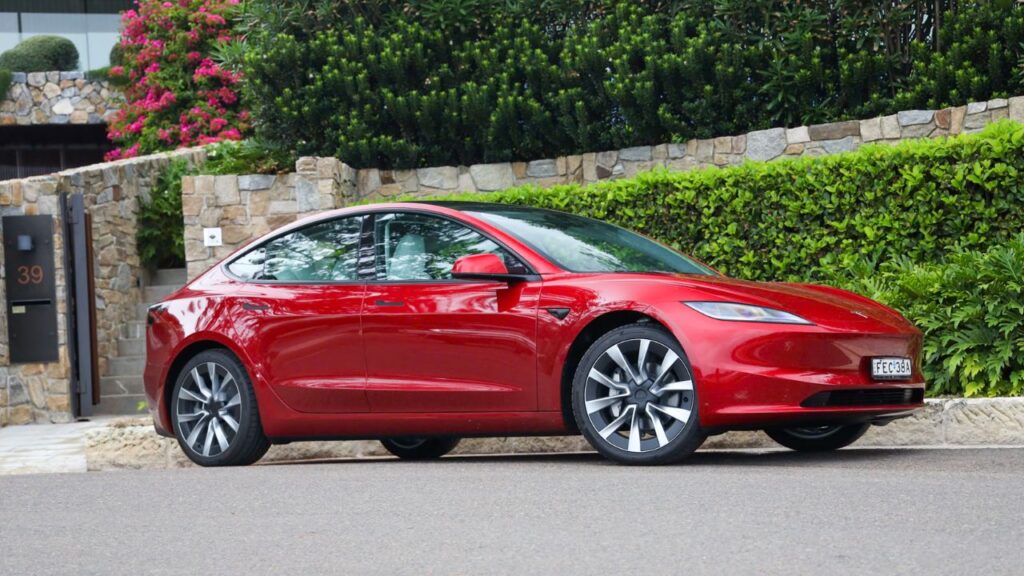
Tesla Model 3 RWD – Affordable Luxury

Tesla Model 3 RWD

Image Credit: EV Central

Tesla offers full self-driving + autopilot mode which makes you less worried about taking a wonderful trip. This one is included in luxury models but Tesla Model 3 RWD will cost you $38,990 which is affordable in terms of the sleek design and powerful features. It offers 15-inch landscape touchscreen, voice controls, glass roof, and access to the supercharge network of tesla. 

Which One Should You Buy?

This factor depends only upon your budget, and choice. If you want to drive comfortably in an EV at low cost, The Chevy Bolt EV is the best option.

If you want to drive around the city in a stylish EV, the Mini Cooper SE might be your vibe.

If you are looking for a stylish but also comfortable, tech optimized and budget friendly, the Hyundai Kona Electric is a solid all-rounder.

Now, if you can stretch your bank-balance, the Tesla Model 3 is the best option for long-term performance. 

Conclusion

You can find the best cars at cheap prices which are fueled with diesel or petrol but EVs are a bit higher in price. The growing concern for the EV is rising and many people want to switch into Electric cars from diesel cars. Now you can travel around the city with a Mini Cooper and the country with Kona Electric. These Top 5 Cheapest Electric Cars in the USA will offer you comfort and a wonderful ride with its top-tier performance and sleek design. All the cars have good features but some have advanced features but they can stretch your budget criteria to buy. 

Sharey Khan

Sharey Khan is an IT entrepreneur and petrol head & a car enthusiast. With a special focus on car-related content, he combines his deep passion for vehicles with a talent for crafting informative, engaging, and easy-to-understand content. His writing is driven by a genuine love for cars and he is committed to providing readers with accurate, up-to-date, and trustworthy information that empowers smarter driving decisions. 

Leave a Reply

Your email address will not be published. Required fields are marked *

0

Best Car Air Filters for Better Engine Performance & Save Your Repair Cost

Best Car Air Filters for Better Engine

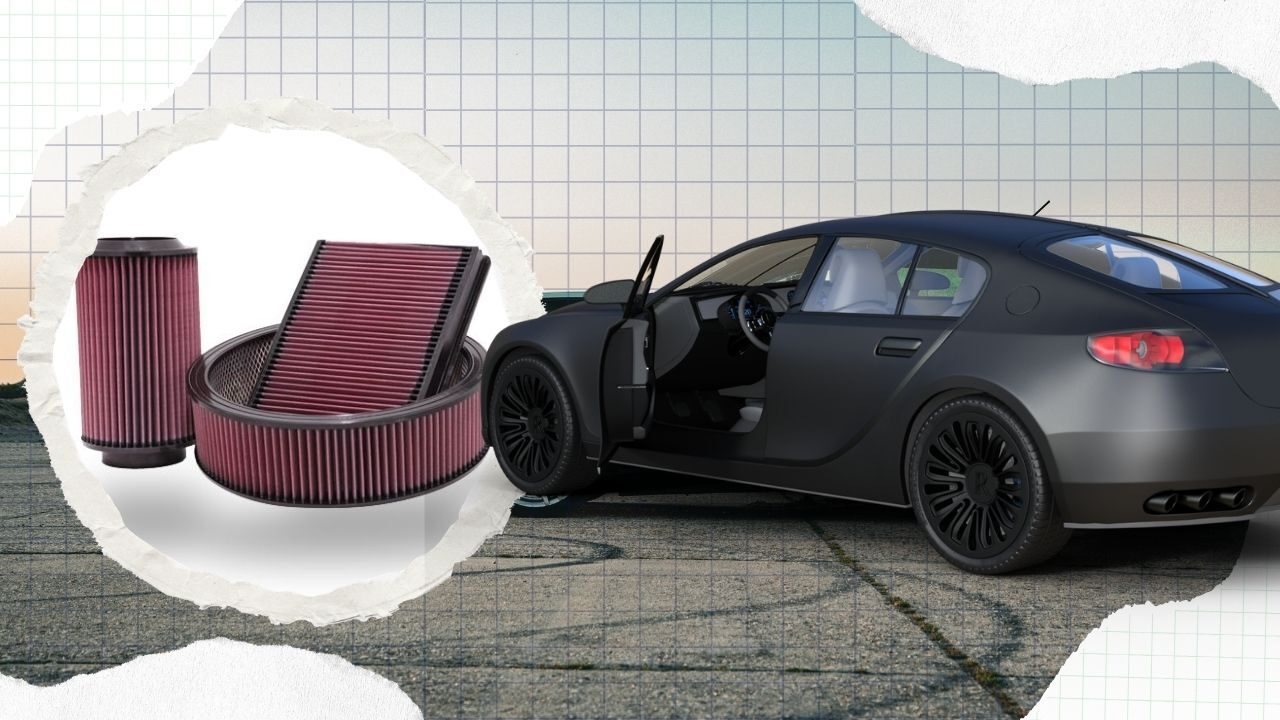
Your car’s mileage has dropped two or three kilometers per liter for no obvious reason. And the mechanic at your last service glanced under the hood and said the one line every mechanic says: “change your air filter.” Once you understand why the best car air filters for better engine performance can make your experience more exciting and comfy, you won’t get lazy next time.

It’s the cheapest item on the entire service invoice, and it’s also the one most owners skip, mostly because nobody explains what it actually does or which one is worth buying. A clogged filter starves the engine of oxygen, and the ECU compensates by dumping in more fuel to hold the same air-fuel ratio — which is exactly why a ₹300 part shows up later as a fuel-bill problem. 

This guide runs through the best car air filters available in India right now, what they actually cost, and which one fits your car and how you drive — because when it comes to car air filters for better engine performance, the brand name matters less than getting the right part number.

What Indian Market Has to Say

India’s aftermarket filter market is more fragmented than the brand names suggest. Industry estimates put counterfeit and substandard filters at roughly 15–20% of aftermarket volume, and the same “Bosch” or “K&N” listing can be priced anywhere from ₹80 on a wholesale portal to ₹5,000+ on a retail site, depending on whether it’s genuine, which vehicle it’s cut for, and who’s selling it. 

So treat every price below as a starting range tied to the exact model, not a fixed number — always match the part number to your car’s manual before you buy.

Engine Air Filter or Cabin Air Filter — Make Sure You’re Buying the Right One

Search “car air filter” on any Indian marketplace and roughly half the results that come back are cabin (AC) filters, not the engine air filter what we are talking about and they’re not interchangeable. 

The engine air filter sits in a black plastic housing near the top of the engine bay and filters air going into combustion; a clogged one costs you mileage and throttle response, which is the problem this guide solves. 

The cabin filter sits behind the glovebox or under the dashboard and filters air blowing through your AC vents; a clogged one causes musty smells and weak airflow from the vents, not engine problems. 

Both are cheap, both should be checked at service intervals, but they’re different parts with different part numbers. So if a listing doesn’t specify “engine air filter” or give a part number that matches your owner’s manual, don’t assume it’s the one your engine needs.

Best Car Air Filters for Better Engine Performance: Top Picks Compared

These ten are picked for genuine OE relationships, real availability in India, and price transparency. Specs and prices are approximate; confirm the exact SKU for your car before ordering.

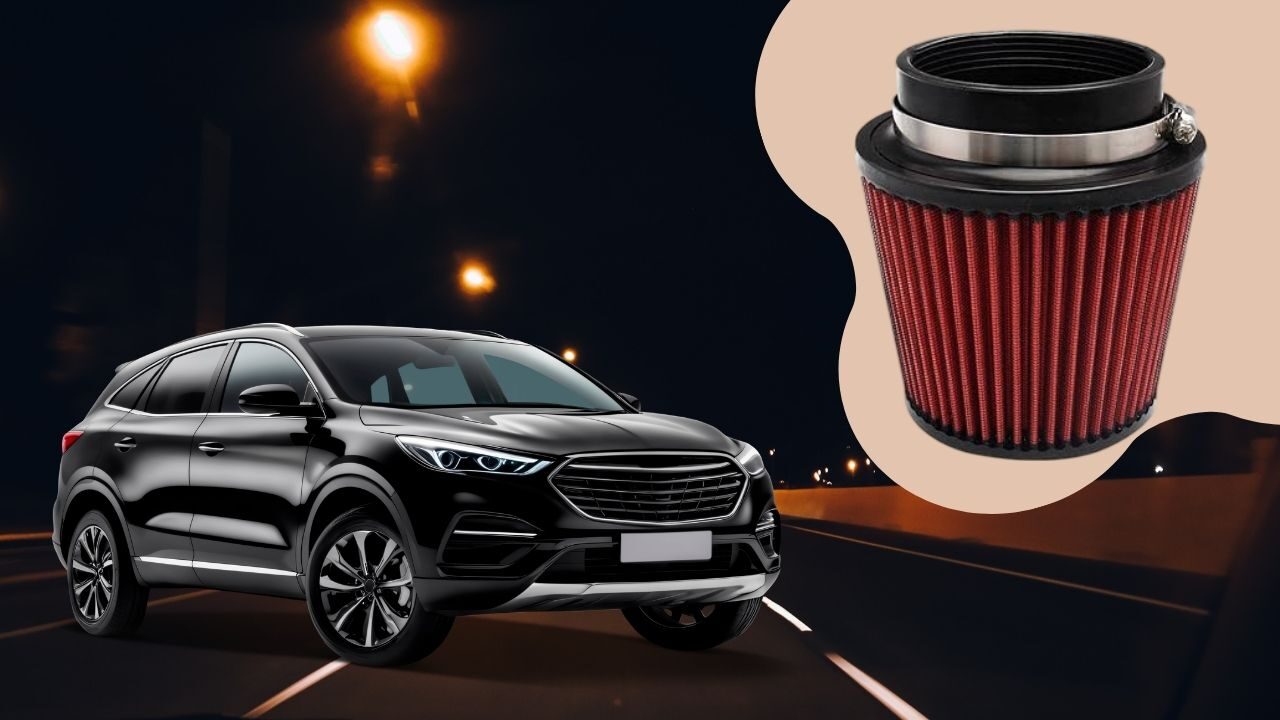
1. Purolator (Mahle Filter Systems India) — Best Overall 

  • Price: roughly ₹250–₹900 for hatchbacks and sedans, more for SUVs and diesel variants. 
  • Filter media: multi-layer paper/cellulose. 
  • Coverage: Maruti Suzuki, Hyundai, Tata, and Mahindra, since Mahle Filter Systems India — the joint venture behind this brand — already tools first-fit parts for most major Indian OEMs. 
  • Replacement interval: 10,000–15,000 km for a typical paper element. The upside is that you’re often buying the same part the factory used, at aftermarket pricing. 
  • Best for: owners who want a factory-identical replacement without paying performance-filter prices.

The downside is that smaller-town stores don’t always stock the full SKU range, so you may need to order online. 
Indian Market

2. Bosch — Best for Wide Vehicle Range 

  • Price: roughly ₹350–₹900 for common engine filters, climbing past ₹4,000 for some SUV and premium fitments. 
  • Filter media: micro-fiber and resin-treated paper. 
  • Coverage: about as broad as it gets — hatchbacks through premium SUVs and several imports. 
  • Best for: buyers who want a globally recognized name backed by a real Indian service network.

It’s manufactured in India under Bosch Germany’s process standards, so quality control is consistent across the range. The catch is that the price spread is wide enough that the brand name alone tells you little — check the exact part number, not just the box. Best for: buyers who want a globally recognized name backed by a real Indian service network.

3. MANN-Filter — Best European Engineering 

  • Price: roughly ₹500–₹2,500, higher on VW Group, Skoda, and Audi diesel fitments. 
  • Filter media: deep-pleat multi-layer paper built for higher dust-holding capacity. 
  • Coverage: strongest on European makes, though it also fits a decent range of Japanese, Korean, and Indian models. 
  • Best for: owners of German or European cars who want a factory-spec part rather than a generic cross-fit.

It’s engineered by the actual OE supplier to several European automakers, so fitment on those cars is exact. Distribution outside metro cities is thinner than Bosch or Purolator. 

Read More:- Thar Roxx Accessories to Buy Online That Actually Worth Buying in 2026 

4. K&N — Best for Performance and Long-Term Cost

  • Price: roughly ₹4,800–₹8,000+, among the priciest options here. 
  • Filter media: oiled cotton gauze — washable and reusable rather than disposable. 
  • Coverage: model-specific performance filters plus universal options. 
  • Best for: owners planning to keep the car 6+ years, or anyone chasing a small, real improvement rather than a marketing promise.

It doesn’t get replaced but gets cleaned and re-oiled roughly every 50,000 km, so the steep upfront cost spreads across the life of the car and can undercut five or six rounds of ₹300–₹900 paper replacements. The real gain is modestly higher airflow and slightly sharper throttle response, not a dramatic power jump — and oiling it incorrectly can throw off mass airflow sensor readings on some ECUs. 

5. Denso — Best OEM Match for Maruti Suzuki and Toyota

Price: roughly ₹300–₹1,200. Filter media: pleated paper. 

Coverage: strongest on Maruti Suzuki and Toyota platforms, where Denso is a first-fit supplier — so it’s close to a factory-identical part at aftermarket pricing. Coverage thins out fast for Hyundai, Tata, or Mahindra, so it’s a poor fit for anyone outside those two brands. 

Best for: Maruti Suzuki and Toyota owners specifically.

6. ACDelco — Best for Chevrolet Legacy Owners 

  • Price: roughly ₹300–₹1,000 where stocked. 
  • Filter media: standard pleated paper. 
  • Coverage: built around GM’s old India lineup — Beat, Spark, Cruze, Enjoy — from before GM exited India’s passenger car market in 2017. 
  • Best for: owners keeping an older Chevrolet running rather than switching brands.

It’s still the closest OE match for the roughly 1.5 million Chevrolet vehicles left on Indian roads, but dealer stock has thinned since the exit, so sourcing usually means ordering online rather than walking into a store. 

7. Mahle — Best Premium Tier (Purolator’s Sister Brand) 

  • Price: roughly ₹400–₹2,000+. 
  • Filter media: high-density pleated paper, with some models adding an activated-carbon layer. 
  • Coverage: broad, from the same Mahle Anand Filter Systems factories as Purolator, but positioned as the denser, higher-filtration tier of the two. 
  • Best for: owners who do a lot of highway or unpaved-road driving.

The extra density matters more on dusty highways or rural routes than in city traffic, where the price premium over Purolator often isn’t worth paying. 

8. Fram — Best for Imported or Less Common Models 

  • Price: roughly ₹300–₹1,500. 
  • Filter media: pleated paper, with build quality that varies noticeably across the range. 
  • Coverage: broad worldwide, but stronger for imported and CBU models than for mass-market Indian cars. 
  • Best for: owners of imported or less common models that Indian-specific brands don’t stock.

It’s one of the most recognized names globally, which makes cross-referencing part numbers easy, though the budget SKUs use a noticeably lighter frame than the mid-tier ones — check reviews for your specific part number before buying. 

9. UFI Filters — Best Italian OE-Spec Alternative 

Price: roughly ₹400–₹1,800 where available. 

  • Filter media: multi-layer paper tuned for the dust-holding demands of European emission-standard vehicles. 
  • Coverage: growing in India, where UFI now has both R&D and manufacturing presence, mostly supplying OEMs directly. 
  • Best for: owners who specifically want a European filtration brand outside the Bosch/Mann duopoly.

Retail availability is patchier than Bosch or Purolator — this is mostly an online purchase, not a shelf item. 

10. Manufacturer Genuine Filters (Maruti Suzuki, Hyundai, Tata) — Best for Warranty-Safe Replacement 

  • Price: roughly ₹200–₹900, depending on model and dealership margin. 
  • Filter media: whatever the OEM originally specified. 
  • Coverage: only fits the brand it’s sold under, with no cross-compatibility. 
  • Best for: owners still inside the manufacturer’s warranty period who don’t want any argument during a claim.

There’s zero ambiguity about warranty compliance since it’s the exact part the manufacturer lists, but it’s usually the priciest per-filter option once dealership margin is added, and it locks you into that one brand’s network. 

Read More:- Best Car Accessories for Thar Roxx You Should Buy in 2026

Purolator vs. Bosch: The Real Head-to-Head

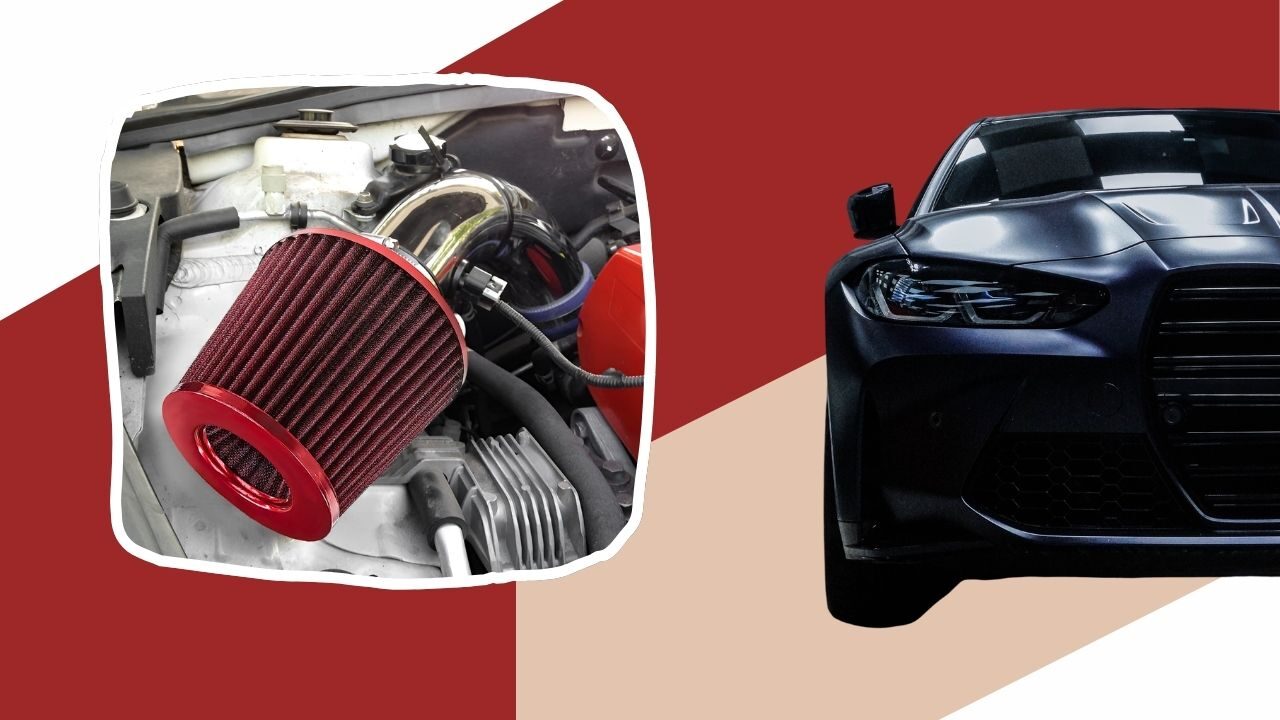
These two are the strongest all-round picks, and the choice between them comes down to your car rather than brand loyalty. Purolator wins on price for mainstream Maruti Suzuki, Hyundai, and Tata models, because Mahle Filter Systems India already tools the exact part for those OEM contracts — you’re effectively buying the factory filter at aftermarket pricing. 
Purolator vs. Bosch

Bosch wins on breadth: if your car isn’t from those three or four brands, or you’re not sure which SKU fits, Bosch’s catalog and online cross-reference tools make it easier to land on the correct part without guessing. For a mainstream Indian hatchback or sedan, Purolator is the cheaper correct answer. For anything less common, Bosch is the safer one.

Signs You’re Actually Overdue for a Replacement

Most owners wait for a service reminder instead of watching for the actual signs, which is how a ₹300 fix turns into a habit of paying more at the pump for months. A visual check is the fastest test — pull the filter out and hold it up to a light; if you can’t see light through it, it’s overdue regardless of what the odometer says. 

Beyond that, watch for a drop in fuel economy that shows up gradually rather than overnight, a rough or hesitant idle, a faint sooty smell from the exhaust on start-up, and reduced acceleration that you’d normally blame on traffic or a tired driver. None of these symptoms are exclusive to a dirty air filter, but if two or more show up together and your last filter change was more than 12,000–15,000 km ago, it’s worth ruling out before you spend money diagnosing anything more expensive.

Which Air Filter Should You Actually Buy?

Start with your situation, not the brand name.

If you drive mostly in the city and want the cheapest correct fit, go with Purolator, or the OEM-linked brand for your car — Denso for a Maruti Suzuki or Toyota, ACDelco for an older Chevrolet. If your routes are mixed highway or rural and dustier than average, Mahle’s denser filter media earns its premium over standard Purolator. 

If you’re keeping the car six-plus years and want a small, real performance gain rather than a marketing claim, budget for a K&N as a one-time cost instead of five recurring ones. If you’re still inside the manufacturer’s warranty period, pay the premium for the genuine part — it removes any argument during a claim.

Wherever you buy — Amazon.in, Flipkart, Moglix, Carorbis, or a brand’s authorized dealer network match the exact part number to your car’s manual rather than trusting the brand name on its own. Given how much counterfeit and mislabeled stock circulates in India’s filter aftermarket, getting the fitment right matters more than which of these ten brands ends up under your hood.

Read More:- Best Brake Pads for Cars: Top Options for Safe Driving

Conclusion 

An effective car air filter isn’t going to be pricey and still make a difference. Many Indian car owners consider a good OE quality filter from the likes of Purolator, Bosch, Denso, Mahle etc to be sufficient for keeping the airflow/mileage/engine performance in check. The trick is finding the right part number for your car, rather than buying the priciest brand. 

If your car’s air filter looks dirty or you’re experiencing decreased gas mileage and reduced acceleration, changing it is one of the least expensive maintenance tasks you can perform. And with fake and mismatched filters abound in the aftermarket, sourcing from a trustworthy retailer and verifying the correct fitment is as important as the filter brand. 

0

Swift vs Baleno 2026 Comparison: Price, Mileage, Features & Verdict

Published Feb 6, 2026, 1:04 PM
Last Updated Apr 8, 2026, 7:07 AM

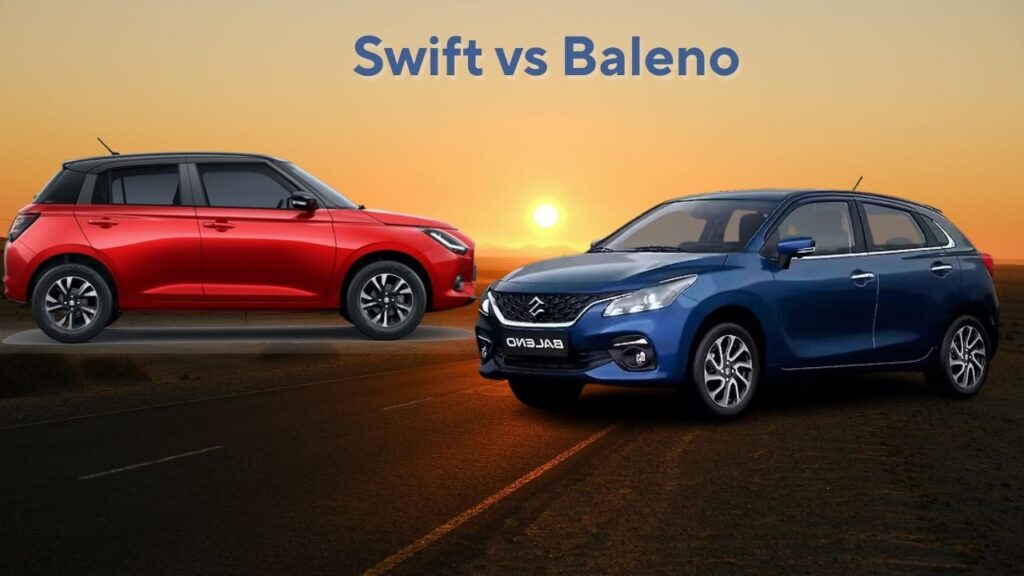
Swift vs Baleno

If you’re shopping for a zippy, no-frills hatchback that takes the chaotic roads of India in its stride, Maruti Suzuki’s Swift vs Baleno are probably up there in your list of desired cars. I have been obsessing about these two for weeks —- testing driving, researching specs, and talking to owners in the crowded streets of Lucknow and on the highways of Delhi. Both are Maruti legends, but one is a sporty rebel, the other a sensible all-rounder. The Swift shouts fun, the Baleno one-upmanship comfort. 

Design and Presence 

The fourth generation Swift facelift (from 2024) maintains the aggressive design – sharp LED eyes, folded hood, and a slight rear spoiler. At 3,845mm long, it’s compact enough to make parking a breeze. Skinnier, longer (3,990mm), with a flowing coupe-like roofline and those crystal LED tail lamps, the Baleno is sleeker. It even has style, for a mini-crossover. 

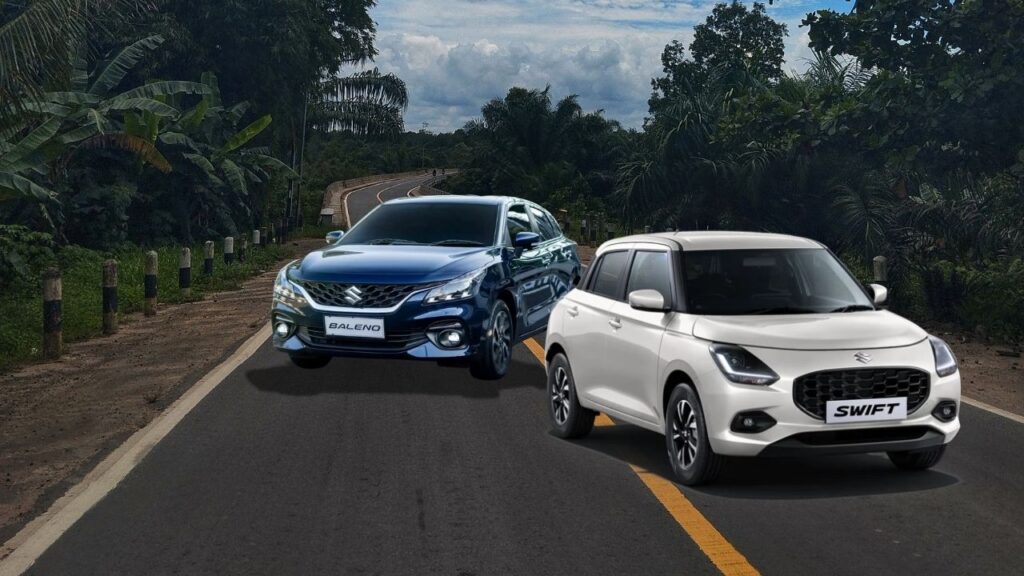
Swift vs Baleno

Owners rave about Baleno turning heads at malls, while Swift feels youthful, ideal for young pros zipping through traffic. 

The Engines and Performance 

The 1.2L Z-Series petrol engine from Maruti powers both vehicles and puts out 82 PS of power and 112 Nm of peak torque — a tried and tested, dependable unit designed for daily use on Indian roads. But they are divided by transmission choices. Swift comes with a modern 5-speed manual and a bouncy AMT, Baleno takes it up a notch with a refined 5-speed torque converter automatic. 

The lighter kerb weight of Swift (961kg) makes the Go-kart-styled car nimbler with 0-100kmph acceleration in about 11 seconds, and its playful handling with the Twisty roads of Ghaziabad are Fun. 

Baleno (920-990kg) is quite planted, cruising at 100kmph with ease, but it’s not so “fun” to fling around. 

CNG variants of Swift vs Baleno? Both are superb — Swift just edges out in mileage at 32.85km/kg against Baleno’s 30.61km/kg (ARAI). But in diesel, Maruti abandoned it, but petrol hybrids are on the way in 2026. 

Features Showdown at a Glance


Feature Swift (Zeta/Alpha) Baleno (Alpha)
Infotainment 7″ touchscreen, Android Auto/Apple CarPlay 9″ touchscreen, same + Arkamys sound
Safety 6 airbags, ESP, hill-hold Dual airbags std, 6 optional; 360-cam
Comfort Auto AC, push-start, rear AC vents Heads-up display, sunroof, wireless charging
Mileage (Petrol MT) 24.8 kmpl 22.35 kmpl


The Swift brings its sporty persona to the fore with a head-up display and cruise control on higher variants, while the Baleno dials up the premium feel with a sunroof and ambient lighting, both of which instantly lift the cabin vibe. 

Both have a 5-star NCAP rating for safety — the Swift is a leader in adult and child protection, while the Baleno, although uses an older platform, is still very strong in terms of safety. 

Space and Practicality

In terms of space and day to day family practicality, the Swift feels more ’you’ — supportive seats, a roomy interior, and a 265L boot that’s adequate for daily shopping. The rear seat comfortably accommodates two adults, but getting three on a long drive starts to get cramped.

The Baleno, however, is a whole different league. Its 318L boot can handle weekend luggage with ease and its rear legroom is almost limo like for a hatchback – ideal for family holidays. 

When it comes to mileage, Swift leads in city traffic with a real-world 20–22 kmpl, but on Highway, it is Baleno’s smooth ride and stability which surprises you. 

Price of Swift vs Baleno


Variant Swift Price (₹ lakh) Baleno Price (₹ lakh)
Base (LXi/VXi) 6.49 – 7.29 6.70 – 7.51
Mid (VXi/Zeta) 7.80 – 9.45 8.45 – 9.92
Top (Alpha) 9.95 9.98 – 11.25 (AT)

Best Skoda Car Under 10 Lakhs in India

Conclusion

There was a time when Baleno and Swift were the obvious competitors in their respective segments, however, it’s a different story nowadays.

If driving happiness is your target, let your car be a Swift. It’s smaller, it’s faster, it’s more fun, it’s better suited to weaving through traffic on busy streets, and it’s simply more fun to drive. And it’s fabulous for young professionals and first-time buyers, as well as anyone who really likes a short city drive or weekend jaunts plus that “go-kart” feeling once you get caught in traffic. The enhanced real-world city fuel economy, combined with a robust safety score, make it even more compelling. 

But if you need more comfort, more space and a little more grown-up feel in your life, the Baleno is the smarter pick! It’s bigger, it’s more upmarket, it’s more relaxed, it’s more family-friendly. With its rear seat, larger boot, smoother highway ride, high-end features and refined automatic transmission, it’s a given that it’s a multi-purpose vehicle — it can run your office as efficiently as it can take the family on weekend drives. 

Swift vs Baleno — Which One Should You Buy?

  • If it’s fun, agile and youthful energy you want, pick the Swift.
  • Go for the Baleno if it’s comfort, space, and cost-effective practicality you want.

Both are Maruti legends for a reason — reliable, efficient, safe, and value-for-money. You can’t go wrong. 

0

Tata Sierra EV 2026: Price, Range, Features & Launch Details

Published Apr 9, 2026, 9:13 AM
Last Updated Apr 17, 2026, 4:55 AM
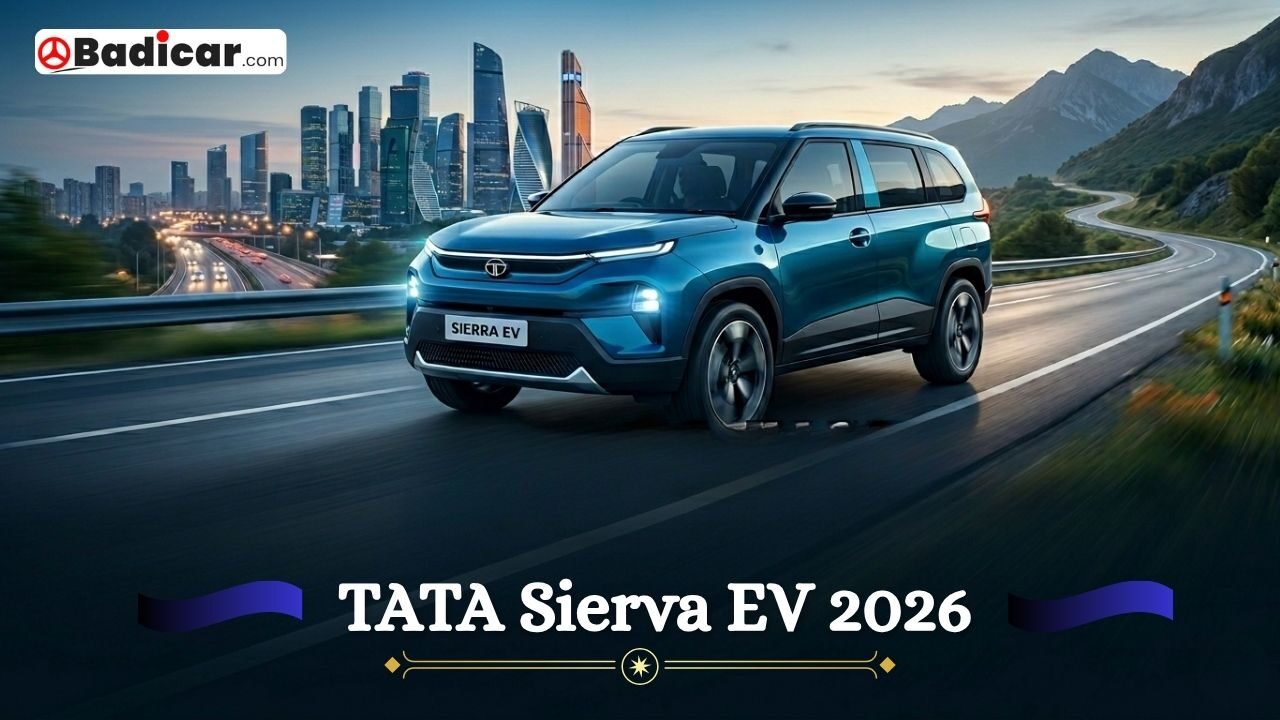
TATA Siera EV

TATA Siera EV

If you lived in India during the 1990s, talk about the Tata Sierra and you’ll get hit with a big wave of nostalgia. It was a lifestyle SUV well before lifestyle SUV was a marketing buzzword. It wins hearts with outstanding design and Tata Sierra EV 2026 comes back with the more beautiful design and color which beautifully crafted tribute to our heritage, and a bold vision for tomorrow’s electric mobility. 

If you are eagerly waiting for this new icon of Tata Motors then take a look at the price, range, features, and everything you need to know about this exciting electric beast. 

The Comeback We Have All Been Waiting For

It’s tough to not get caught up in the excitement when a car company brings back an icon, but let’s be completely honest: nostalgia doesn’t move cars today. Buyers require substance, cutting-edge technology, and indomitable reliability. The Tata Sierra EV 2026 is an incredible blend of reminiscing about its roots and gazing straight into the future. Built on Tata’s new Gen-2 Acti.ev platform, the all-new Sierra jettisons the notoriously impractical three-door arrangement of the 90s for a far more family-friendly five-door layout. 

Nevertheless, the design team excellently manages to retain the visible DNA of the car. The iconic wraparound glass at the back, the high mounted hood and the upright stance are all still there, proudly on display. However, Tata has introduced flat door handles, aero-optimized alloy wheels and a smooth closed-off front grille for better aerodynamics in the electric age. 

It looks masculine, premium and there’s no denying it’s completely modern. It’s the sort of vehicle that will make a statement whether you’re driving up to a swanky restaurant in town, or taking it out on a weekend camping trip in the hills. 

Tata Sierra EV 2026: Expected Pricing

Let’s discuss the what is perhaps the most important factor for any vehicle buyer: the price. EVs naturally have a cost premium over Internal Combustion Engine (ICE) vehicles because of battery costs, and the Sierra EV will be a premium lifestyle product in Tata’s expanding electric portfolio. It will most probably be positioned above the Nexon EV and Curvv EV, at the side or just below the top-tier Harrier EV. 

The 2026 Tata Sierra EV base variants, equipped with the standard battery pack, are expected to start from a very attractive price bracket of Rs 15 lakh to Rs 18 lakh. That said, you should be prepared to pay somewhere between Rs 24 lakh and Rs 25 lakh (ex-showroom) for the top-spec, long-range variant which comes equipped with an All-Wheel Drive (AWD) system and all the tech goodies. Given the technology, space and road presence on offer, that pricing strategy could cause a few more established mid-size electric SUV rivals to waver. 

The Tata Sierra EV Range 

To build on the proven tech in the Curvv EV and the Harrier EV and to improve therein, Tata will probably offer the Sierra EV in multiple battery pack options. 

Standard Range Battery: The base variants are expected to come with a 55 kWh battery pack, which is likely to easily provide the stated 450 km of range. 

Long Range Battery: For highway travelers, Tata will offer an option for a high-capacity 60 kWh to 75 kWh battery pack. An IGA testing cycle might push up the Tata Sierra EV’s range from 500 to 600+ kilometers on a single charge with this bigger pack.  

Even more exciting is the design of the drivetrain. Standard versions will be Front-Wheel Drive (FWD) for maximum efficiency, but high-end models are expected to come with a dual-motor All-Wheel Drive (AWD) configuration. That means the Sierra won’t merely have the looks of a rugged off-roader, it will have the instant-on torque and mechanical grip to get out and go on rough roads. Also, with anticipated vehicular (V2L) and vehicular (V2V) fast-charging functionalities, your SUV could be used to power your camping outdoor gear or give a quick charge to your EV buddy stuck on the road. 

Stepping Inside: Next-Level Features and Tech

While the interior exudes futuristic luxury, the exterior draws inspiration from retro-modern aesthetics. When it comes to cabin design, Tata Motors has been consistently upping the ante and the Sierra EV will be their most premium and comfortable offering yet. 

Triple-Screen Dashboard 

The focal point of the interior will be an advanced triple-screen configuration. You will receive a digital instrument cluster for the driver, a huge central infotainment screen running the Arcade.ev app suite, and a separate screen for the front passenger to watch entertainment without diverting the driver.

Luxury Arrangement 

There were also dual-zone climate control and a huge panoramic glass roof (dubbed “PanoraMax” – in a slight branding overkill) that claims to flood the cabin with sunlight and brings in the airiness of the original Sierra’s glasshouse. The interior would be lined in boned leather and the seats would be powered and ventilated. 

Independent Rear Suspension (IRS)

A significant mechanical improvement over traditional beam axles, an IRS setup guarantees a cushy and stable ride on the chaotic and potholed Indian roads.

High Level of Safety 

It likely comes with six airbags as standard, a high-res 360-degree camera, and Level 2 ADAS (Advanced Driver Assistance Systems), including adaptive cruise control, lane keep assist, and autonomous emergency braking. 

Tata Sierra Launch Date

So when will you really have the wheel in your hands? The excitement had been simmering for years since the amazing concept was first seen at the Auto Expo and the wait is finally coming to an end.

By late 2025, Tata will have petrol and diesel variants but the electric variant will be out sooner. H1 2026 is expected to be the Tata Sierra EV’s official launch date. Trade reports indicate a release in the first or second-quarter 2026 (January – June). And if you’re in the market for a high-dollar car in the coming months, this schedule means the Sierra EV is certainly worth holding off on your buy for just a little while longer. 

Quick Specs Overview

Feature / Specification Expected Details
Starting Price Rs. 15 Lakh – Rs. 18 Lakh (Estimated)
Top Variant Price Rs. 24 Lakh – Rs. 25 Lakh (Estimated)
Expected Launch Timeline Q1/Q2 2026
Battery Pack Options 55 kWh, 60 kWh, up to 75 kWh
Claimed Driving Range 450 km to 600+ km
Drivetrain FWD standard, AWD optional on top trims

Read Also:  Toyota Land Cruiser FJ: India’s Unsung Off-Road Legend

Conclusion

In a segment swarmed with bland SUVs that look like their competitors, the Tata Sierra EV 2026 stands out with its incredibly distinctive design. It revives the emotional link to a classic automotive icon while incorporating advanced technology, a practical driving range and true capability. 

Be it the nostalgia factor, the statement Tata Sierra EV range or the tech laden high-end interiors, it is quite evident that Tata is pouring its heart and soul into this comeback. If you want an electric SUV that looks cool on the street and has an even better story, the Sierra EV could be the perfect addition to your garage. 

Stay tuned as we get closer to the Tata Sierra launch date – the Indian EV space is certainly going to heat up a lot!

0

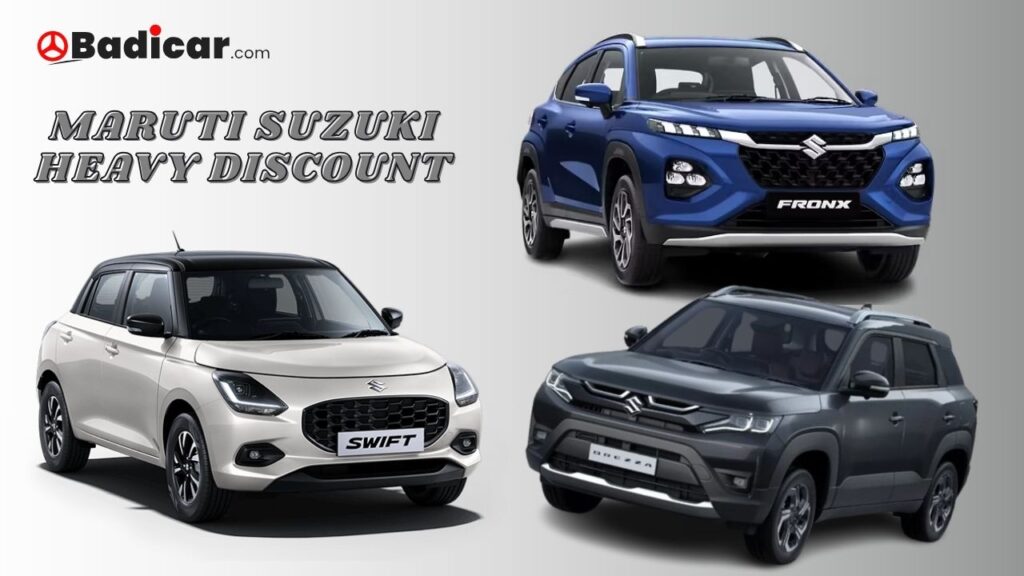
Maruti Suzuki Discount Feb 2026: Swift, Fronx & Brezza Offers Explained

Maruti Suzuki Discount

Maruti Suzuki Discount, India’s largest carmaker, has planned its product strategy around this transition very carefully and has a vehicle for every niche segment of the market. The three protagonists —the 4th Gen Maruti Suzuki Swift, the Maruti Suzuki Discount Fronx and the Maruti Suzuki Brezza, form the crux of this strategy. Each caters to a particular customer requirement: hyper-efficiency, aspirational styling and utilitarian ruggedness, respectively. 

The February 2026 Opportunity Window

By February 2026, the manufacturers are offering heavy discounts to clear stocks before the end of the financial year and to accommodate new models, such as the much-awaited Brezza facelift. Let’s get more details about these cars and their prices. 

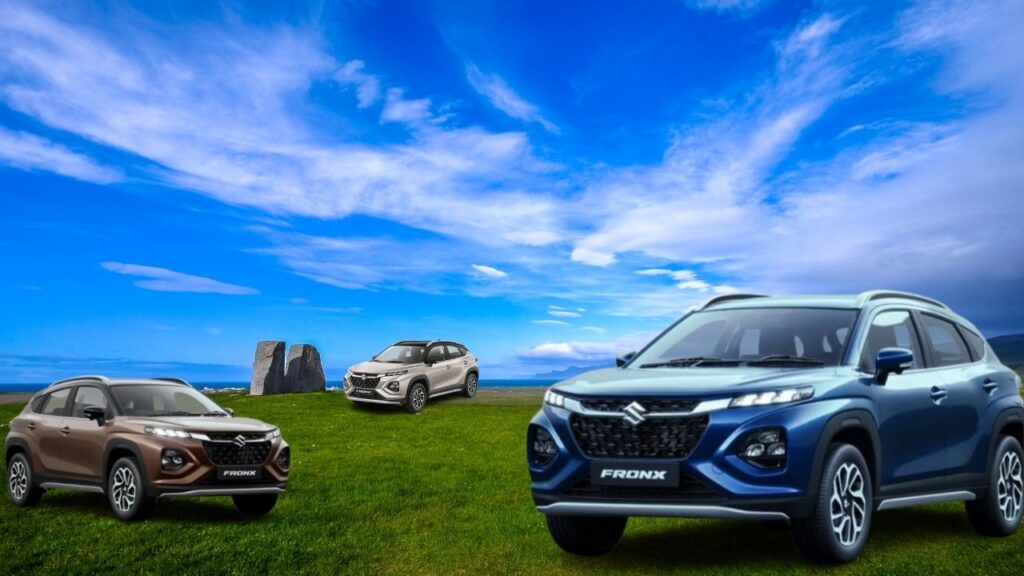
Maruti Suzuki Fronx The Push for Turbo

The cumulative benefits on the Fronx Turbo variants go up to up to ₹30,000 which includes cash discount, exchange bonus, and corporate offer. In contrast, the hot selling 1.2L NA variants have no cash discount, and only exchange offers are used to lure buyers. This gap indicates that 1.2L Fronx is selling organically on the basis of perceived reliability and cheaper maintenance, but Turbo need financial nudge to move away from showroom floors. 

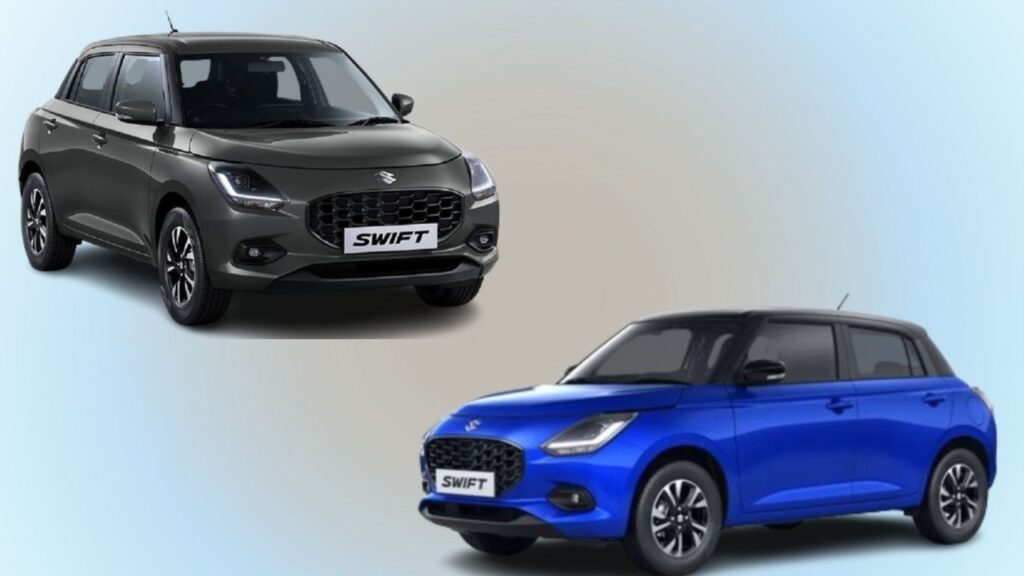
Maruti Suzuki Swift Defending the Realm

Even though the Swift is a new generation model, the discounts are hefty of up to ₹48,000. This aggressive positioning is in response to the onslaught of “Micro-SUVs” from the likes of the Tata Punch and Hyundai Exter. Maruti wants to keep the first-time buyer, who can be tempted by the charm of an SUV body style, by providing a strong financial value proposition on the Swift. 

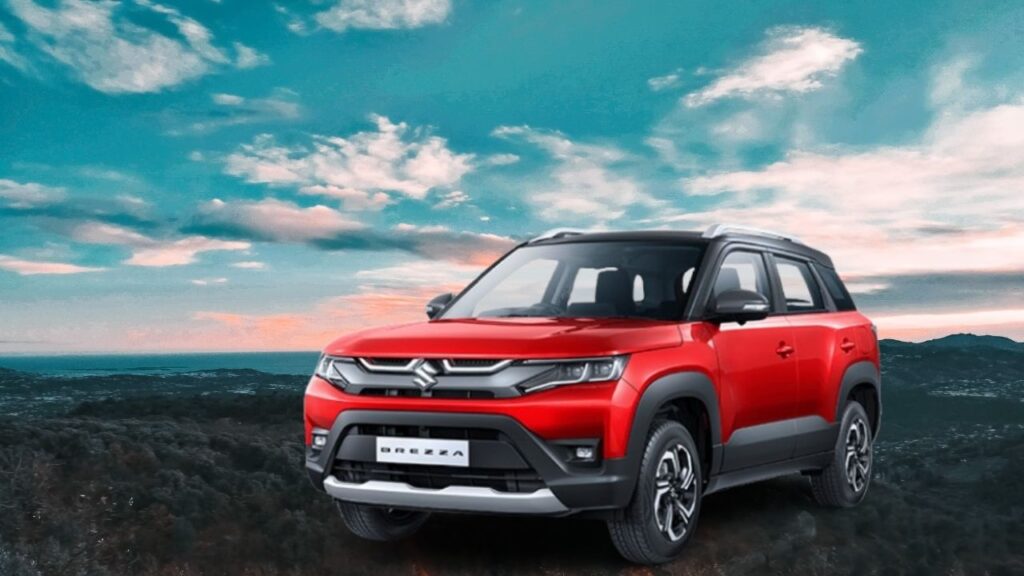
Maruti Suzuki Brezza The Facelift Paradox

The Brezza is a strange beast. With a full model change coming in mid March 2026, some hefty clearance discounts ($1,000 or more) would not be unexpected. However, the benefits are limited to a paltry ₹30,000. 

Which means two things: The current Brezza still sells in good numbers due to its tried and tested 1.5L engine; and Maruti is confident of a seamless transition to the facelift without having to slash the current model’s brand equity. 

On-Road Price of the Market

Model & Variant Ex-Showroom RTO & Taxes Insurance Other Charges On-Road Price
Swift LXi (Base) ₹5.79 Lakh ₹46,312 ~₹33,463 ~₹23k ₹6.82 Lakh
Swift ZXi+ AMT (Top) ₹8.80 Lakh ~₹70k ~₹44k ~₹30k ₹10.25 Lakh
Fronx Sigma (Base) ₹6.85 Lakh ~₹55k ~₹37k ~₹38k ₹8.15 Lakh
Fronx Alpha Turbo AT ₹11.98 Lakh ~₹1.20L ~₹50k ~₹50k ₹13.79 Lakh
Brezza LXi (Base) ₹8.26 Lakh ~₹66k ~₹42k ~₹31k ₹9.66 Lakh
Brezza ZXi+ AT (Top) ₹13.01 Lakh ~₹1.30L ~₹59k ~₹58k ₹15.48 Lakh

Design, Comfort, and Practicality Comparison

Exterior Dimensions Comparison and Road Presence

Dimension Swift Fronx Brezza
Length (mm) 3860 3995 3995
Width (mm) 1735 1765 1790
Height (mm) 1520 1550 1685
Ground Clearance 163 mm 190 mm 198 mm
Boot Space 265 L 308 L 328 L

The roads in India, especially in the budding suburbs or incessant monsoon waterlogging, need clearance. The Brezza (198mm) and Fronx (190mm) offer some peace of mind the Swift (163mm) can’t provide. 

Interior Ergonomics and Space

Maruti Brezza 

  • The tall ceiling and large glass windows make the cabin feel spacious. 
  • The seating is upright (Command Position), allowing for clear and wide visibility over the bonnet edges, which is very useful in traffic. 

Maruti Brezza

  • The back seat is wide, and the stiff H-point (hip point) means senior citizens can slide off rather than squat down, for this reason it’s the most “Senior Citizen Friendly” car of the three.

Maruti Fronx 

  • The interior styling is neuter, yet trendy, using the layered dashboard design adopted from the Baleno laden with rich textures. But the “Coupe” roofline is its achilles heel. 
  • Rear headroom is very limited and passengers who are taller than 6ft will literally be having their heads rubbed by the headliner. 

Maruti Fronx 

  • The rising window line, which becomes sharply upward slanting in the rear, is a bit claustrophobic in the back seat compared to the Brezza.

Maruti Swift

  • The cabin sports a black theme all around. 
  • The driver’s seat is low-slung and provides a «go-kart» driving experience that automotive enthusiasts love. But the back seat is only really usable for two adults and a kid. 

Maruti Swift

  • The narrow rear windows and dark color scheme can make the back seat seem tighter than it really is. 

Boot Utility

  • Brezza: 328 Liters. The shape is square and practical, accommodating two large suitcases along with two duffle bags. The lip of the loading is flat.
  • Fronx: 308 Liters. “This is unlike most boots which are difficult to load due to a high loading lip you have to lift heavy bags a long way up to put them inside.”
  • Swift: 265 Liters. Good just for weekend bags or a week’s worth of groceries. A lengthy airport run will mean folding down the back seats. 

Technology and Features

All three vehicles feature a sleek 9-inch HD touchscreen and wireless Apple CarPlay & Android Auto, making day-to-day connectivity effortless. 

  • HUD (Fronx & Brezza): This feature is especially useful to stay focused when driving at high speeds, for a safer and more convenient experience.
  • The 360° camera in the Fronx and Brezza, however, makes maneuvering in cramped parking spaces a breeze. 
  • Sunroof (Brezza only): A big emotional win for families – and a genuine purchase trigger in India. 

Brezza and Fronx seem much more premium with the Arkamys “Surround Sense” quiet number, clear vocals, better balance, and deeper richness of audio output. Swift does deliver plenty of bang for the buck, but its sound is drier and less enveloping. 

Safety Suite

Standard Safety: To its credit, Maruti Suzuki Discount has made 6 Airbags, ESP (Electronic Stability Program) and Hill Hold Assist a standard fitment in all variants of the 3 cars for 2026. This broadening of safety has made even the lowest-spec Swift LXi a lot safer than the previous model.

Platform Safety: The Brezza is based on the Global C platform, which has previously achieved 4stars in crash tests. The Swift and Fronx are manufactured on the Heartect platform which is designed for light-weighting (for better mileage) but is known to perform poorly in crash ratings (usually 1-2 stars in the earlier tests, with updated 2026 scores).

Future Sensors (ADAS): The imminent Brezza Facelift (March 2026) is speculated to bring Level 2 ADAS (Advanced Driver Assistance Systems), such as Blind Spot Monitoring and Autonomous Emergency Braking. At present, none of the three models is equipped with ADAS. 

Fuel Efficiency

The Maruti Suzuki Discount is the obvious winner when it comes to fuel efficiency — this is the car for people who drive a lot, day in, day out. For those with high usage such as sales professionals, office commuters, and daily highway travellers, the savings in fuel costs alone on a monthly basis make it the wisest financial choice.

The Fronx is just right — not too heavy, not too efficient. It’s for people who want SUV styling, good space and mileage, but who think most other options are just too unbalanced. A genuine “best of both worlds” solution.

The Brezza is for comfort-first shoppers. It eats up fuel, yes, but space, stability, features, and family comfort are what you get in return. It’s not about saving money here — it’s about living better inside the car.” 

Ride and Handling

Suspension Tuning

  • Fronx: Brightened up slightly on the stiff side in order to back its ‘sporty’ stance. It corners well with little body roll but in some situations could feel jittery, such as when driving over sharp potholes or expansion joints.
  • Brezza: Tuned with comfort in mind. It soaks up bad roads beautifully and shields occupants from every bump. But in high speed tight corners, entire body rolls because of its height. It’s not a car to be hustled around corners.
  • Swift: Suspension is soft, great for city speeds. However, at very high speeds on highway (100+ kmph) it has a “floaty” feeling and is not as planted as Brezza or Fronx. 

Read More:-  Latest Hyundai Cars Offers on Verna, Exter & i20 in India

Conclusion:- Maruti Suzuki Discount

The Maruti Suzuki Discount is your best buddy if you are a victim of the busy road on your daily commute. If you are a socialite and want to make an entry, the Fronx makes your look impressive! But for the weekend jaunts with the entire family, the Brezza is the only car that can cut the mustard. 

As of February 2026, the Brezza VXi is the best overall value as it delivers SUV qualities at a price, which cuts into the market of smaller premium hatchbacks. 

0

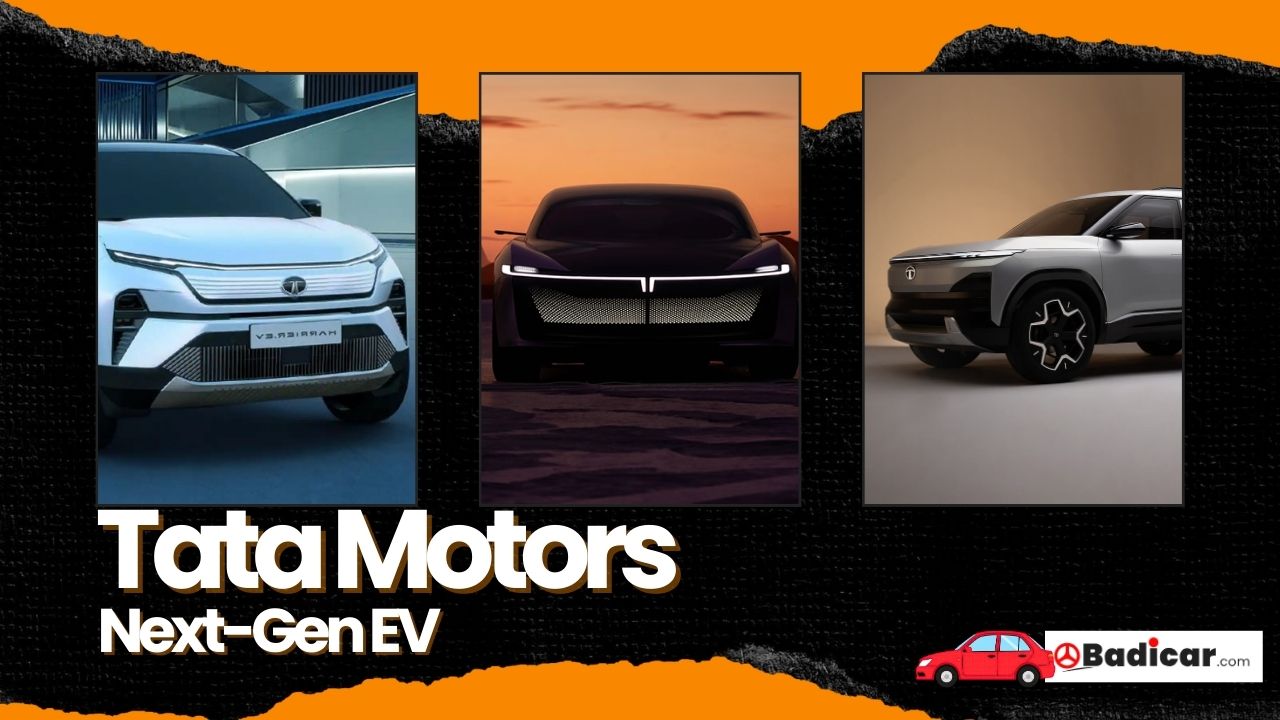
Tata Motors Next-Gen EV: Flagship Electric Vehicle Explained

Tata Motors Next-Gen EV

The Indian car industry is not just “getting ready” for an electric future, it is in fact living that future. At the center of this tectonic change is Tata Motors, a label that has transcended the mere act of swapping engines for batteries. Moving into 2026, Tata is leading the charge in industrial transformation from retrofitted platforms to a layered, “born-electric” model.

Investing a mind-boggling ₹16,000-18,000 crores, Tata is not just launching cars; they are fortifying themselves technologically. From the rugged Harrier EV to the ultra-luxury Avinya sub-brand, here is your deep dive on the roadmap transforming Indian mobility. 

The Three Pillars of Architecture: Evolution by Design

Tata’s supremacy is no accident. It is a product of a technically sophisticated, three-generation lineage playing out:

  • Generation 1 (The Pioneers): The original Nexon EV and other such models showed that Indians were prepared for electric power. These were “converted” ICE platforms — practical, but physically constrained by old chassis configurations.
  • Generation 2 (The Active Era): That’s when it got really serious. The active) architecture is a dedicated-EV platform. It runs on Punch EV and on the upcoming Sierra, introducing more space and modularity on a 400V platform.
  • Generation 3 (The Global Standard): This is the crown jewel. Developed in partnership with Jaguar Land Rover (JLR), the EMA (Electrified Modular Architecture) is a “born-electric” skateboard. It operates at 800V, offering ultra-fast charging and interior space comparable with the best in the world. 

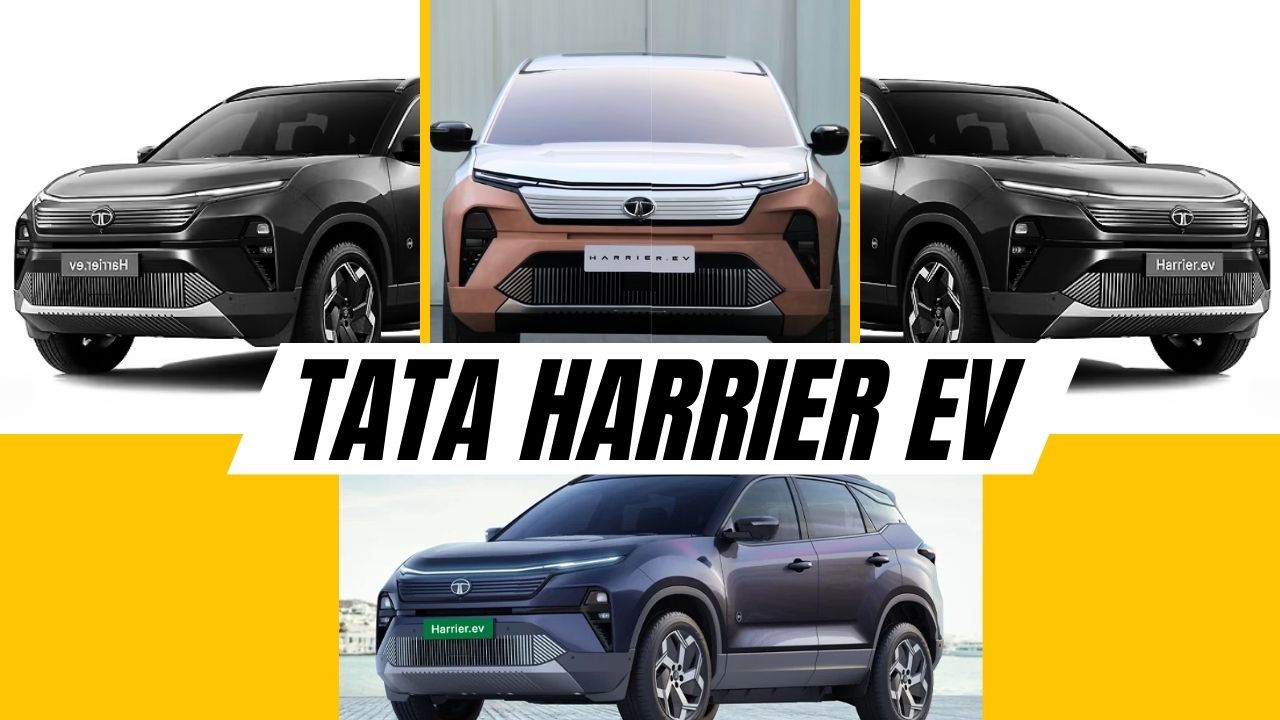
The Heavy Hitter: Tata Harrier EV

If Nexon EV is the “people’s car,” then Harrier EV is the high-performance flagship for those who are not willing to make compromises.

Tata Harrier EV

Under the “Delete Impossible” banner, this one is Tata’s comeback to serious 4×4 prowess – this time, driven by electrons. 

Feature Specification
Battery Pack 65 kWh / 75 kWh (LFP Chemistry)
Power / Torque 390 bhp / 504 Nm
0-100 km/h 6.3 Seconds
Real-World Range 438 km to 505 km

The Harrier EV brings in quad wheel drive (QWD), a dual-motor configuration that promises authentic off-road toughness. Along with a “transparent bonnet” camera mode and 57.5% high special-grade steel for rigidity, it’s designed for the Himalayas as much as for the road. 

Variant Battery Drive Ex-Showroom (Intro)
Adventure 65 65 kWh RWD ₹21.49 lakh
Adventure S 65 65 kWh RWD ₹21.99 lakh
Fearless+ 65 65 kWh RWD ₹23.99 lakh
Fearless+ 75 75 kWh RWD ₹24.99 lakh
Empowered 75 75 kWh RWD ₹27.49 lakh
Empowered QWD 75 75 kWh AWD ₹28.99 lakh
Empowered QWD 75 Stealth ACFC 75 kWh AWD ₹30.23 lakh

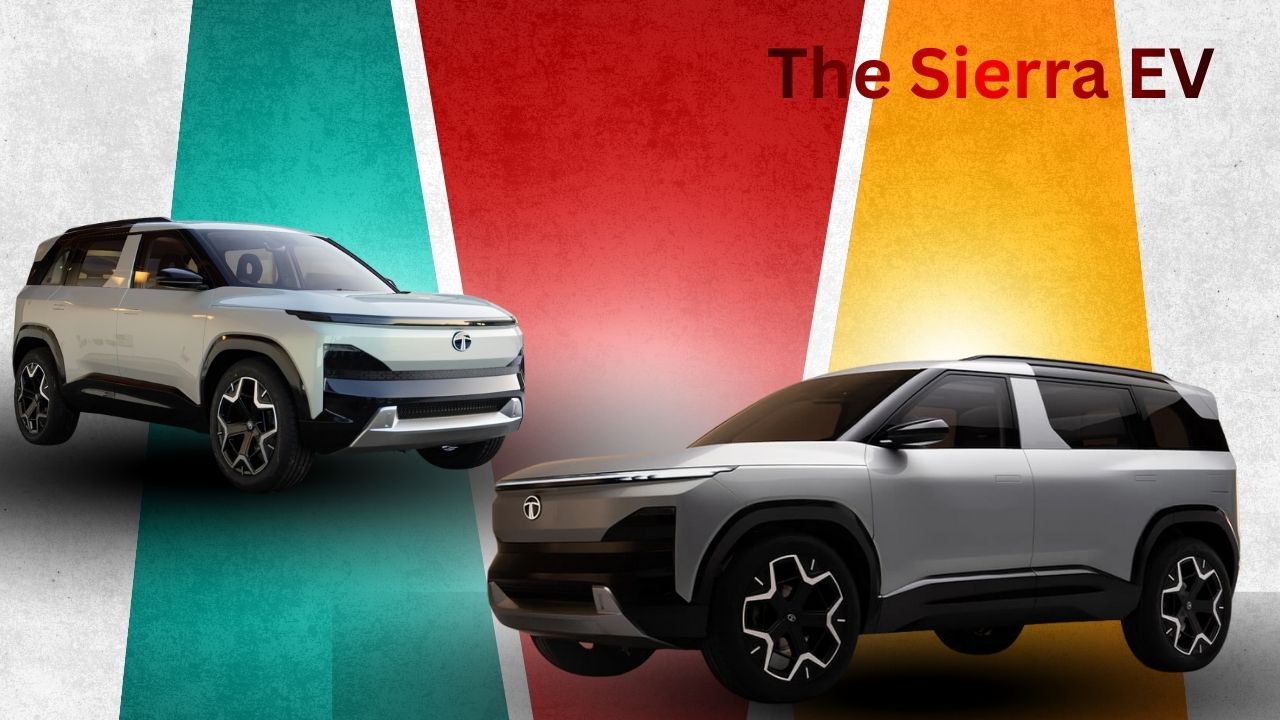
Nostalgia Meets Tech: The Sierra EV

The Tata Sierra is a name that makes Indian car enthusiasts go weak in the knees. Coming early 2026, the Sierra EV keeps the signature curved rear glass but incorporates a futuristic “lounge” interior.

The Sierra EV

What’s astonishing is the market reaction: press said more than 70,000 bookings were received within 24 hours of the reveal. Whether you are going for the family-oriented 5-seater, or executive 4-seater lounge version, Sierra is designed to be your sanctuary on wheels delivering Level 2+ ADAS, and up to 600 km range. 

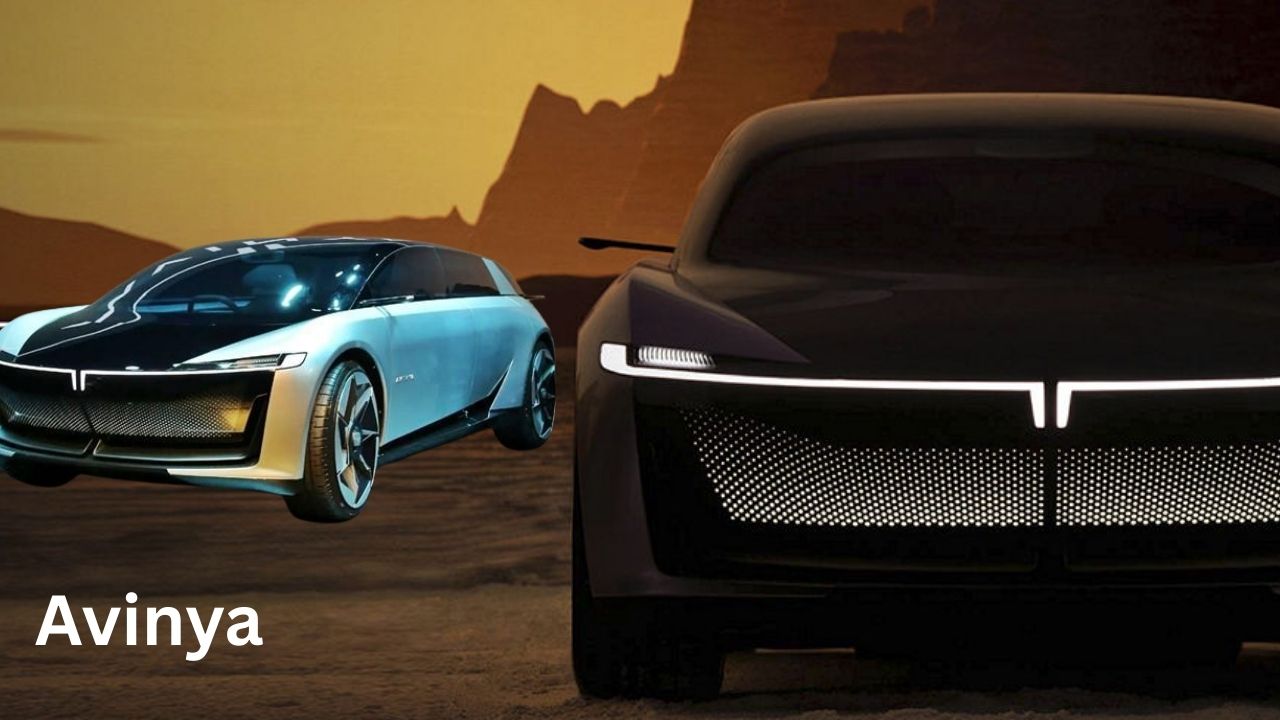
Avinya: Luxury Redefined on EMA

While the Harrier and Sierra keep things ticking in the premium segment, Avinya is Tata’s moonshot. This is separate luxury marque to compete with the likes of Tesla and Volvo.

Avinya

Utilising JLR’s EMA platform, Avinya vehicles (codenamed P1 to P5) will feature:

  • 800V Ultra-Fast Charging: 30 minutes for 500 kilometres of range.
  • AI-Human Synergy: Using facial recognition, the vehicle monitors your vital signs and changes the climate and aroma accordingly to your stress level.
  • A “Screen-less” Ethos: In place of distracting tablets, Avinya employs voice commands and projection UI to keep drivers focused and the cabin calm. 

Ownership Peace of Mind

High-tech cars bring high-tech worries, in this case about battery life. Tata has addressed this with a 15-year “lifetime” High Voltage battery warranty for its flagship range. Tata will repair or replace the battery if its health falls below 70%. It is a strong claim of confidence in their LFP (Lithium Iron Phosphate) cell chemistry which is more suitable for India’s extreme heat. 

Read More:-  Mercedes-Benz GLS SUV Impact on the Global Automotive Industry

Conclusion

By the end of 2026, Tata Motors will offer a product for every kind of EV buyer: the adventurer (Harrier), the executive (Sierra), and the connoisseur (Avinya).

The road isn’t clear – competitors such as Mahindra’s XEV series are on the horizon – but Tata’s incorporation of JLR technologies and an enormous localized charging infrastructure has them considerably ahead. They are not selling a means of transportation, but a fully integrated, high-performance way of life.