0

Gautam Singhania Car Collection 2026: Ferrari, Lamborghini, McLaren & More

Gautam Singhania Car Collection

Billionaire Gautam Singhania Car Collection is not just cars but it has a collection of supercars — he drives them at top speed, races them in Europe, drifts on the Mediterranean island of Malta and publicly criticizes billion-dollar companies when they let him down. 

Most people who shell out ₹8 crore for a car would keep it garaged. Take it out on Sunday mornings when traffic is light and then spend the next hour wiping off a layer of unseen dust. About the last person to live up to the name “gautam singhania” is the man himself.

The Raymond Group Chairman — the man behind India’s most recognisable suiting brand — has quietly put together possibly the most technically extreme automotive collection on the subcontinent. We’re talking LaFerrari hypercars parked in Dubai, a Nissan Skyline GT-R that runs sub-10-second quarter miles, a Ford Mustang that pushes 1,300 bhp, and a 37-storey Mumbai skyscraper with a multi-floor car park literally built into it. 

But what makes Singhania truly interesting is not just the wealth. That’s the attitude. He races. He drifts. He wins championships. And when a ₹8-crore Lamborghini breaks down on a highway bridge. Let’s break down the Gautam Singhania Car Collection to fill the curiosity of car lovers out there.

The Ferrari Obsession

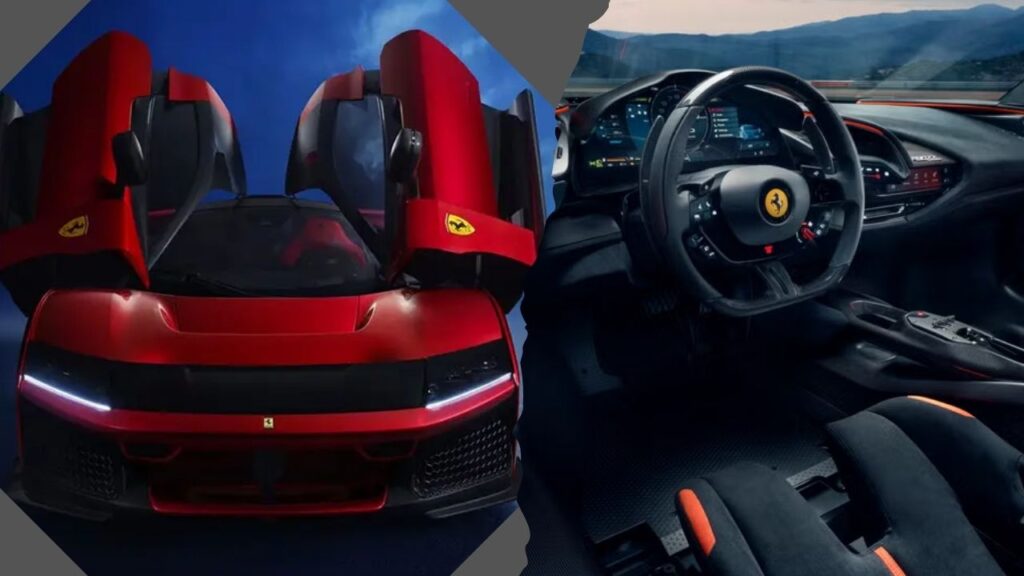
We’ll start with Maranello because that’s clearly where Singhania’s heart resides. He’s a bonafide Tifosi — not just one of those people who slap on a red car cover with the Ferrari logo and call it a day, but one who actually races in the Ferrari Challenge Europe with Kessel Racing, putting up double podiums at Paul Ricard along with runs at Monza and Budapest.
The Ferrari Obsession

He became the very first person in the world to own a RHD (right hand drive) unit of the Ferrari 296 Speciale and not just any unit, but the first customer car. Finished in Giallo Modena, the same shade of yellow he used on the first 458 Italia he ever brought to India — this isn’t your run of the 296. It’s a track weapon twinned with a twin-turbo V6 PHEV making 880 bhp, runs 0-100 km/h in 2.8 seconds, and generates 435 kg of downforce at 250 km/h. Ferrari took the titanium connecting rods from the LaFerrari programme to develop it. 

“He’s never thought of supercars as Veblen goods for running climate-controlled simulations, but as precision tools that need driver inputs at the very edge.” 

That is followed by the 849 Testarossa, the new flagship of Ferrari, introduced in India in March 2026, reviving a legendary name with a tri-motor PHEV arrangement producing 1,035 hp and achieving 0-100 km/h in 2.2 seconds. India is no longer coming late for these cars. Singhania’s patronage is a large reason for that. 

The Lamborghini Drama

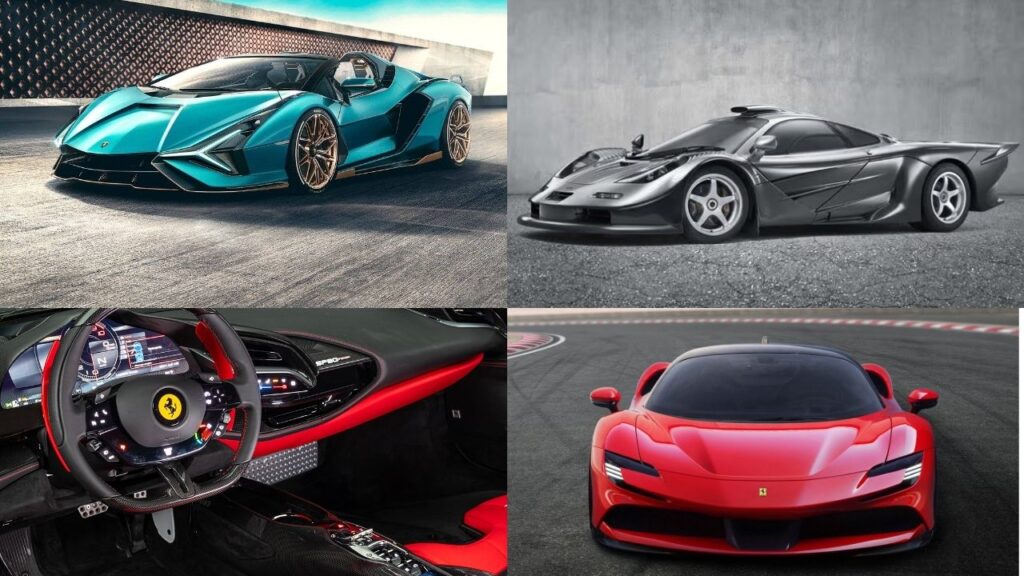
Singhania has many Lamborghini models parked in his garage not on their luxury looks or price but because of their products’ engineering.

Model Power Engine Type Price Notes
Lamborghini Revuelto 1,001 bhp V12 PHEV ₹8.89 cr Broke down at 15 days
Lamborghini Temerario 920 PS Twin-Turbo V8 PHEV ₹6 cr Bought anyway in 2026
Aventador SV 750+ bhp V12 NA – 1 of 600; UK import
Gallardo Twin-Turbo 1,600+ bhp Underground Racing build – Street legal

What followed next is now automotive internet legend. He publicly criticized the head of Lamborghini India and the head of Asia on social media, shared a video of yet another Revuelto warning of a ‘Transmission Malfunction’ while running at 300 km/h on the highway, and sarcastically remarked that Lamborghini’s bugs are turning into features. The company remained quiet. He got louder.
The Lamborghini

And then in an absolute curveball no one saw coming — he purchased the new Lamborghini Temerario in 2026 anyway. The next model from the brand in Gautam Singhania Car Collection, the Huracan successor with 920 PS. Caught on camera running through the streets of Mumbai with a police escort. The man who had spent weeks publicly excoriating Lamborghini ‘just bought one more’. If that isn’t an veryspecific type of car lover, then nothing is. 

The McLaren Assembly

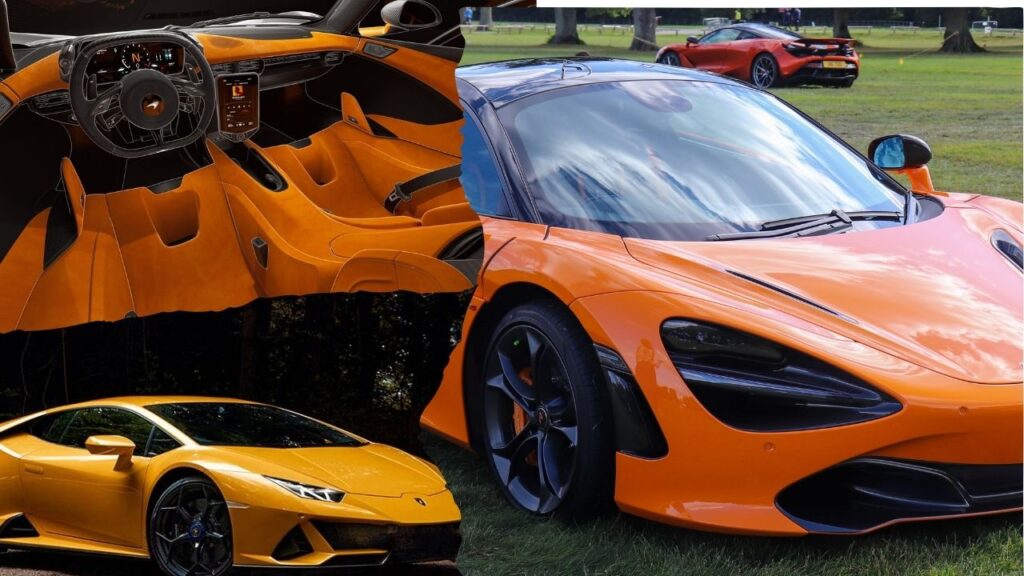
In 2024 Singhania bought the brand new Marque Mclaren 750S for ₹5.91 crore (ex-showroom). The 750S, painted in a bright hi-vis orange with black accents in a dual-tone design, is the 720S’s iterative evolution. Singhania is also hav­ing one 720S after buying a limited edition version (one of 400 units world­wide) in 2017 for nearly ₹2 crore which he was occasionally bringing into India from Dubai. 
The McLaren Assembly

The tolerance engineering of the 750S is incredible. It is equipped with the M840T 4.0 liter twin-turbo flat-plane crank V8 engine. Flat-plane crankshafts enable higher RPM limits as well as faster exhaust scavenging when compared with traditional cross-plane V8s and lends to a higher pitched exhaust sound. With this package, the engine produces 750 PS and 800 Nm of torque at maximum levels. 

Carbon fibre seats with forged wheels and light center-exit exhaust system are ready for racing at high speed with less worry of exhaustion. The fastest speed it can give is 0-100 km/h in 2.8 seconds and 0-200 km/h in 4.4 seconds, 10% faster than the outgoing 720S in longitudinal acceleration. 

High-Stakes Motorsport in Gautam Singhania Car Collection

Skyline GT-R

In order to prevent the power from tearing the car apart, the whole driveline crafted with high tech ATTESA E-TS all-wheel-drive system included was “bulletproofed” to handle the enormous torque dump. It can go up to 100 km/h in just 2.5 seconds, so it inevitably can climb 200 km/h in 6.7 seconds.

Its greatest features are high-lift cams, and massive turbochargers; it offers a 1,000 bhp barrier. It’s a wild evolution for a car that left the factory chained to just 276 bhp in Japan’s well-known “gentlemen’s agreement.” 

Nissan S15 Silvia

Nissan S15 Silvia since it was prominently featured in his 2025 Valley Run appearance, this S15 has now undergone a highly desirable engine swap, the standard SR20DET four-cylinder has been replaced by the iconic RB26 inline-six engine from the Nissan GT-R. With a very responsive—526 bhp output—tuned engine, large rear wing for stabilize at high speed and skin in special white purple color with the sponsor logos of Raymond and SCCG. 

Drift-Specific Cars

BMW E46 M3 (LS3 Swap)

Showcasing a fusion of European chassis dynamics and American muscle, Singhania’s BMW E46 M3 has been gutted and stuffed with a Gen-5 LS3 V8 engine from General Motors. The LS pushrod V8’s torque-heavy, naturally stout output, along with the Magnaflow exhaust, and the 17-inch custom wheels deliver the right-low end throttle response to clutch-kick and keep the high-angle drifts up. 

Ford Mach-1 Mustang

An over the top version of the classic American muscle car platform, with a twin-screw supercharger setup that delivers a mind-boggling 1,300 bhp, it’s one of the most powerful cars you can slide around on four wheels in India. 

Honda S2000

Nearly all of it will go toward making a very naturally aspirated high-revving engine famous for its redline at 9,000 rpm. It has a custom color-shift wrap from orange to purple to blue depending on the refraction of the light and has become a staple at modern classic car rally. 

Read More:-  Scorpio-N vs XUV700 —- Battle of the Homegrown Mahindra Power SUVs

Benz 540K Cabriolet

When it comes to vintage car collection Mercedes-Benz 540K Cabriolet finds its place at the top of the list. As the 500K’s successor (and the experimental 580K’s close kin), this left-hand-drive beauty is equipped with a hefty supercharged “Kompressor” straight-eight engine. 

It has some 177.5 bhp and a hefty 431 Nm of torque, but it is the looks that make people halt-those undulating, sweeping wheel arches and it’s a regular participant at global Concours events.

1985 Mercedes-Benz AMG

Singhania doesn’t simply conserve history, he rewrites it through “Resto-Modding.” Noteworthy among his SCCG team is the “Resto-Mod” transformation of a 1985 Mercedes-Benz AMG 190E with eye-popping modifications. 

They actually chopped and stretched the body just enough to shoehorn in a high-voltage, modern 2015 AMG C63 engine. The result is the ultimate sleeper – a car that looks like a 30-year-old classic but has the power of today’s supercar. 

1932 Ford Coupe

And nothing adds a little bit of rough and tumble American to the mix like his 1932 Ford Coupe Hot Rod he calls the “Rebel.” This is not the classic Ford that your dad drove, the classic car has been gutted and outfitted with a snarling, exposed V8 designed for nothing but acceleration. It’s a crowd-pleaser at the Parx Supercar Show, a raw mechanical foil to the polished luxury of his European classics. 

The Maserati MC20 Evaluation

In August 2023, Singhania trashed the Maserati MC20 supercar, calling it the “worst” car he has ever driven and advising buyers to stay away from it due to active safety concerns. The main problem was the vehicle’s suspension tuning, which Singhania said led to hazardous, “football-like bouncing” on the uneven roads of India. 

Conclusion

The Gautam Singhania range is not just a stack up of metal, carbon fibre and internal combustion. It is a highly curated, multi-million dollar ecosystem that represents the pinnacle of mechanical engineering, historical preservation, and localized automotive innovation. From the 1,000 bhp drag strips to the heights of European GT racing, vertically integrated down to domestic coachbuilding and 37-story architectural display cases, it serves as the prototypical expression of ultra-high-net-worth automotive immersion in the breed era. 

Bipin Sharma

Bipin Sharma is a seasoned automotive content writer with over 10 years of hands-on experience in the world of cars. From the latest car news and reviews to in-depth maintenance tips and expert buying guides, Bipin covers everything that drives the automotive world. Writing about cars isn’t just his profession — it’s his passion. His deep industry knowledge and love for automobiles fuel every blog he creates, helping readers make informed decisions and stay updated on the fast-evolving auto landscape.

Leave a Reply

Your email address will not be published. Required fields are marked *

0

Best Brake Pads for Cars: Top Options for Safe Driving

Brake Pads

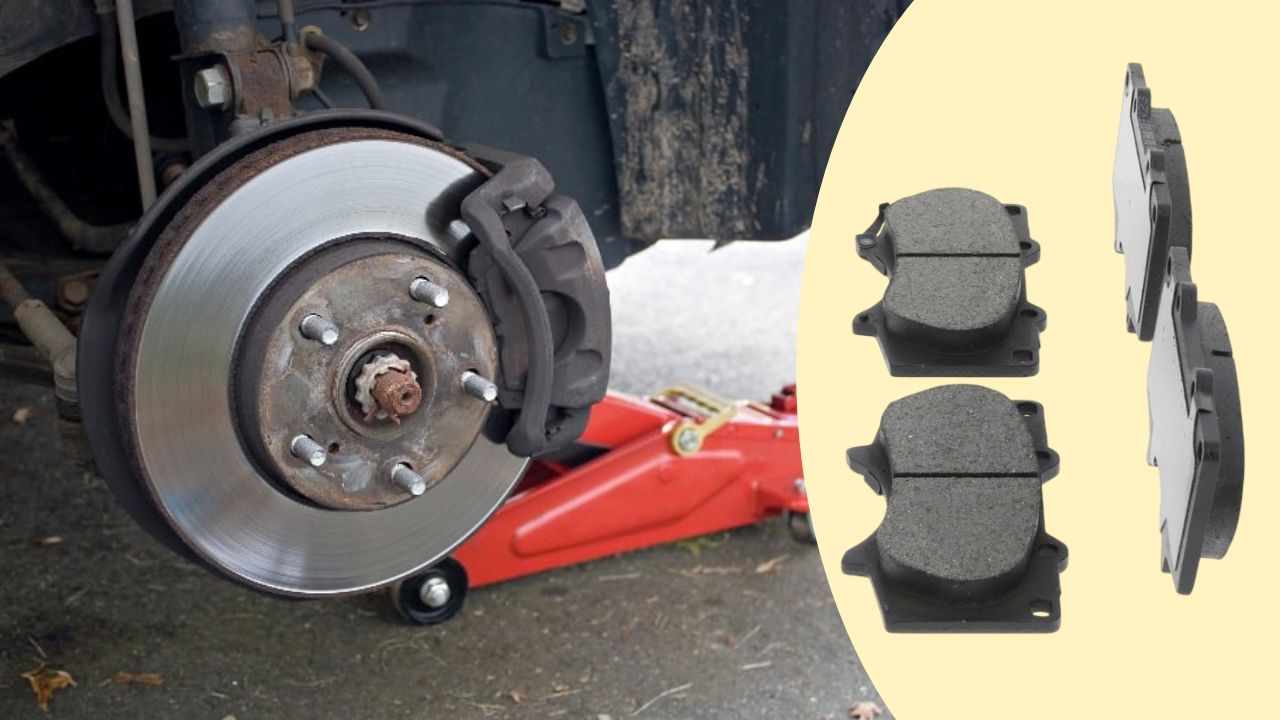
If you are wondering that buying premium brake pads will not get loosened up quickly and save you by kicking on the car that is just next to you, then you are wrong. The best brake pads for cars are actually the ones that fit and are durable on the road. Brands are making specific types of brake pads so they can handle the Indian roads and traffic area when you have to push your foot on the brake pedal every five-minutes.

Most car owners in India replace pads only when a mechanic points at worn friction material or the dashboard warning light comes on. That’s late. Pads typically wear down to replacement thickness around 30,000–35,000 km in Indian city conditions, where stop-and-go traffic and frequent braking put more cycles on the pad than steady highway driving would. Waiting for a screech means you’ve likely already scored the rotor, which turns a ₹2,000 pad job into a ₹6,000–₹8,000 pad-and-disc job.

Let’s look into a breakdown of what makes one brake pad different from others, which offers the quality that you need for your car and where you should buy it.

What Actually Separates One Brake Pad from Another

There are three friction categories which define the quality of brake pad and make one different from another. Understand these categories before buying it because that matters more than the brand name on it.

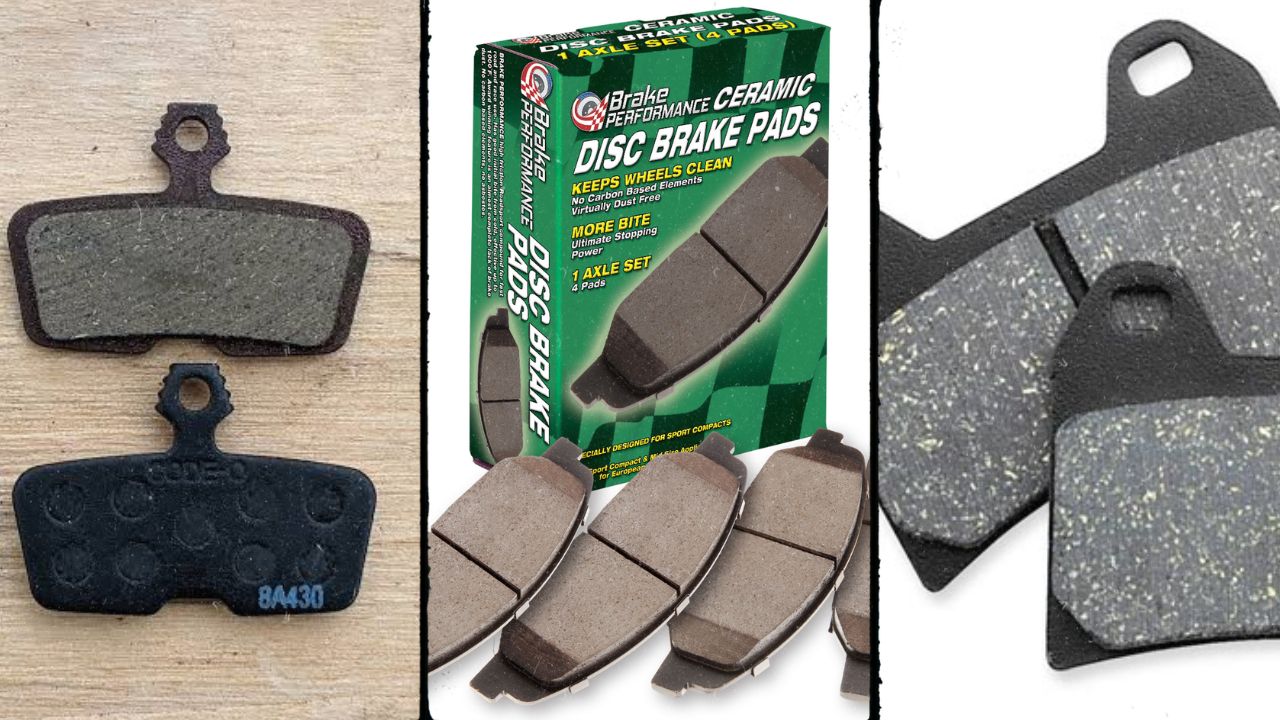
Semi-metallic pads mix steel wool, copper, or iron with friction material. They handle heat well — Indian summers and hill-descent braking can push disc temperatures past 500–600°C — and they bite harder under sudden braking. The real drawback is its increased noise and quicker rotor wear.

Ceramic pads make no noise and produce less brake dust which make the wheels alloy cleaner and run last longer under normal city driving. They are also expensive because they are made up of clay-and-fiber compounds reinforced with copper or metal fibers. But they’re not good in hot areas as semi-metallic pads so it makes them effective for hatchbacks and sedans running in cities and highways rather than mountain driving or heavy towing. 

Brake Pads

Non-asbestos organic (NAO) pads are the softest and quietest option, common on entry-level OEM fitments. They’re gentle on rotors but wear out faster and lose bite when hot, so they’re a budget-daily-commute choice rather than a performance one.

Fitment matters as much as compound. A pad that’s a perfect metallurgical match for a Honda City won’t necessarily exist in the same part number for a Hyundai Creta, even if both are C-segment cars. Always cross-check the pad against your car’s exact variant and manufacturing year before ordering — a wrong-fit pad can affect ABS calibration on newer cars with electronic brake-force distribution.

Best Brake Pads for Cars in India: Top Picks

1. Bosch QuietCast / Bosch DoubleTec

Compound: Semi-metallic and ceramic variants | Indicative price: ₹2,000–₹4,000 per axle set

Bosch supplies brake components directly to several OEMs in India, which means their aftermarket pads are built to the same tolerances as what left the factory on many Maruti Suzuki and Hyundai models. The QuietCast line uses a rubber-core shim under the backing plate specifically to cut down pad squeal, which is the most common owner complaint with cheaper aftermarket pads. This is the pick for someone who wants a known-quantity daily driver pad without shopping by price alone.

2. TVS Girling

Compound: Semi-metallic, OEM-spec | Indicative price: ₹1,200–₹2,500 per axle set

TVS Girling is an original-equipment supplier for a wide range of Indian passenger cars, so buying their aftermarket pad is close to buying a factory-spec replacement rather than a third-party approximation. It’s not a performance pad — don’t expect Brembo-level bite — but for a hatchback or compact sedan doing standard city driving, it’s the pad most Indian service centers will already stock and recommend.

3. Rane Brake Lining (RBL)

Compound: Semi-metallic and NAO variants | Indicative price: ₹1,000–₹2,200 per axle set

Old car or second hand car owners mostly prefer Rane Brake Lining because they are the most budget-friendly and well-established brand here. RBL brake pads are reliable and durable, serving excellent stopping power without paying for a premium badge. That’s why it becomes one of India’s largest domestic manufacturers of brake friction material.

4. Brembo

Compound: Semi-metallic, performance-oriented | Indicative price: ₹6,000–₹10,000+ per axle set

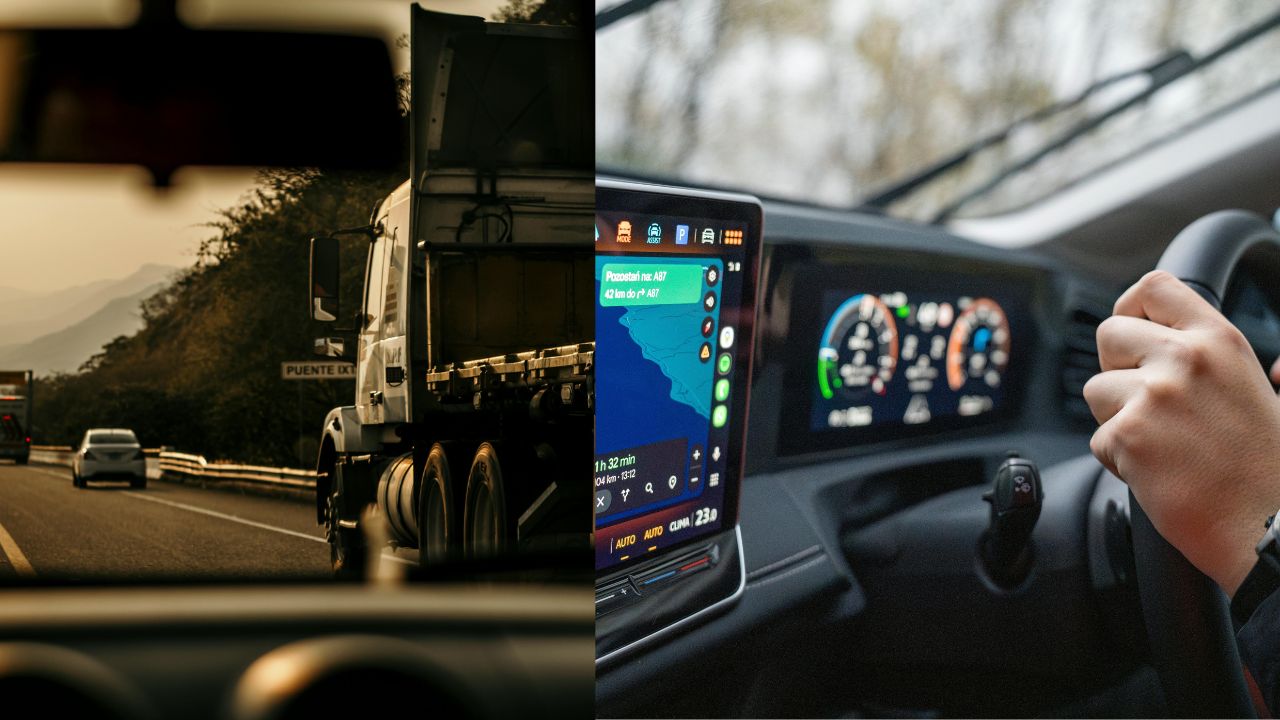
Brembo is an expensive brand serving premium OEM braking systems for components for luxury SUVs and well-performing cars. Its aftermarket pads are designed for providing consistent stopping power in a high-rise temperature, it is a strong choice for hill drivers and cars taking trips on Manali–Leh or Munnar routes, and for cars that see spirited driving. For flat-city commuting, this is more pad than most drivers need — the price reflects performance headroom, not a proportionally better daily-driving experience.

5. ADR

Compound: Ceramic and semi-metallic | Indicative price: ₹1,500–₹3,000 per axle set

ADR has built a presence in the Indian aftermarket as a mid-tier option — priced above the budget domestic brands but below Bosch and Brembo. It is worth checking for hatchback and compact-SUV applications where ADR’s Ceramic line is marketed as a quieter replacement to semi-metallic OEM pads at the same price. 

6. Workshop-brand ceramic pads (e.g., GoMechanic Safetec+, Ceradrive)

Compound: Ceramic | Indicative price: ₹1,500–₹3,500 per axle set

Among some of the new-age options is the emergence of house-brand ceramic brake pads by some workshop chains and online retailers for popular cars such as the Alto, WagonR and Celerio. They can be quieter, produce less dust and cost less, making them ideal for everyday city driving. However, they don’t have the history of established manufacturers, so definitely look at the warranty coverage and recent reviews for your particular car before opting for one over a name brand. 

Bosch vs. TVS Girling: The Two Most Common Choices

These two come up most often when Indian owners ask a mechanic “which pad should I actually buy,” so a direct comparison is more useful here than a generic spec table.

Bosch QuietCast/DoubleTec TVS Girling
Compound Semi-metallic / ceramic Semi-metallic
Indicative price ₹2,000–₹4,000 ₹1,200–₹2,500
Noise level Low (shim-damped) Moderate
Workshop availability Wide, including multi-brand service chains Very wide, especially at authorized dealer network garages
Best for Daily driving where quiet operation matters Budget-conscious daily driving, factory-spec replacement

If your priority is matching exactly what the manufacturer intended and paying the least for it, TVS Girling is the more defensible choice. If you’ve noticed brake noise with your current pads and want that fixed on the next replacement, Bosch’s shim design specifically targets that problem.

OEM Dealer vs. Aftermarket: What You’re Actually Paying For

At a Maruti Suzuki authorized workshop, front pad replacement typically runs ₹1,800–₹2,500 including fitting. Hyundai dealer pricing tends to sit around ₹2,000–₹3,500. For Honda, Toyota, Renault, and Nissan, OEM pad-and-labor costs commonly start from ₹3,500 and climb depending on the model. These figures move with your city and specific service center, so treat them as a planning range rather than a quote.

Brake Pads

When you buy manufacture approved brake pads at a dealer price for your exact car with warranty linked to your service, you pay an extra ₹500–₹1,500 if the same compound is available in the aftermarket. The catch is as long as you confirm they fit your car and have them installed by a trusted mechanic. 

Both options are not always perfect if you have a warranty for your car then OEM pads may be a safer choice. These aftermarket pads from a trusted brand are good for old and second cars, as it can save money without sacrificing safety. 

Things to Review Before Making a Decision

A couple of things are always worth confirming before you buy, no matter which brand you’re considering: see if the listing is for your exact variant and year of car, not just the model name because brake systems change across facelifts. 

Look for a friction material certification (ECE R90 is the relevant European homologation standard many Indian aftermarket brands now reference) rather than relying on marketing copy alone. And if a listing price looks unusually low for a named brand like Bosch or Brembo, treat it as a counterfeit-risk signal — India’s aftermarket brake market has a known problem with pads sold under premium branding that aren’t genuine, and a pad that’s dimensionally wrong or metallurgically inconsistent is not somewhere to save ₹500.

Brake Pads

None of the brands above is the universally “right” answer — a Brembo pad on a city-only hatchback is over-spec’d the same way a budget NAO pad on a hill-route SUV is under-spec’d. Match the compound to how and where you actually drive, confirm fitment against your specific variant, and the rest of the decision mostly makes itself.

Conclusion

The best brake pads for your car aren’t necessarily the most expensive ones but the ones which fit your car, depending upon driving conditions and braking needs. Bosch, TVS Girling, or Rane Brake Lining are best fit for cars running in the city everyday as they offer a good performance on stopping, long-lasting, and price. Heavy-performance brake pads like Brembo are best matched for cars running on hills, carrying heavy loads, and pushing harder but the cost is little expensive.

Whatever you choose, don’t ignore the quality product over cheap products which your seller recommended, trust yourself. Check closely exact variant and model-year fitment, trust reliable source, and let the competent mechanic install the pads and inspect discs. The best brake pad is an essential part of the brake system because when stopping matters so the reliability is worth far more than saving a few hundred rupees.

0

New Hyundai Flagship Models Arriving Soon to Dominate Indian SUV Market

Published Sep 25, 2026, 11:10 AM
Last Updated Sep 26, 2026, 8:03 AM


New Hyundai Flagship Models

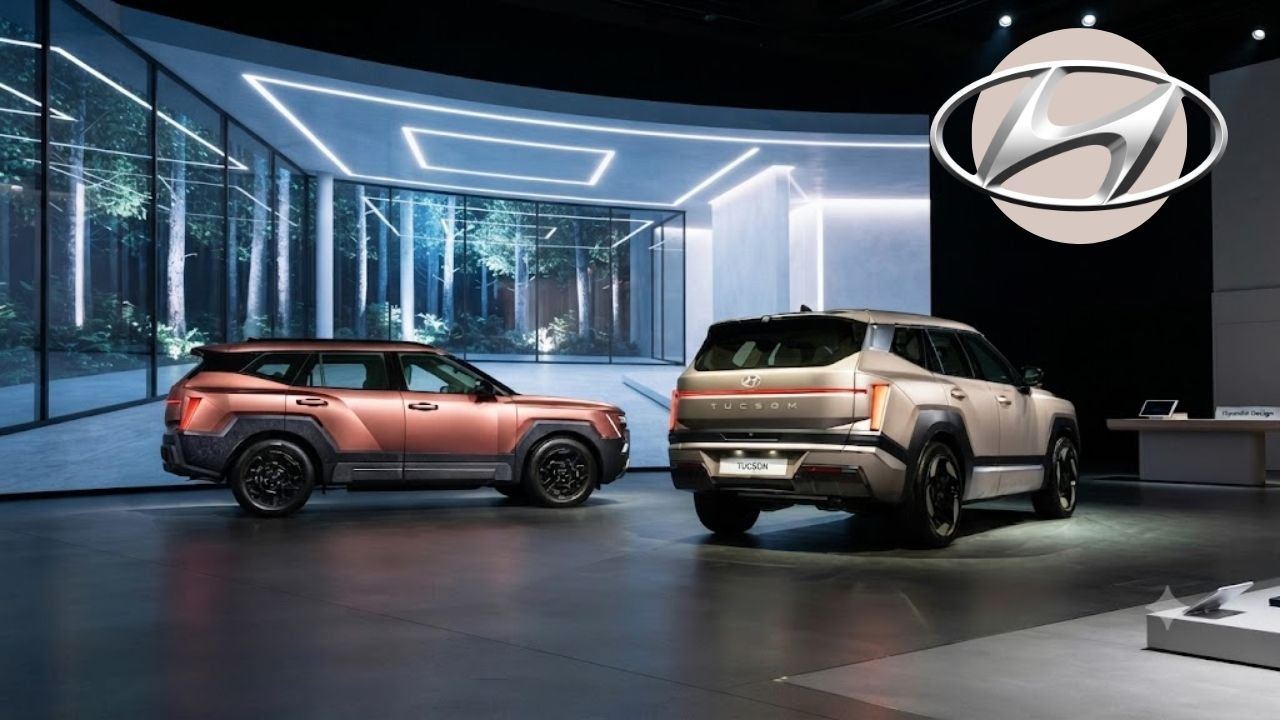
The New Hyundai Flagship Models are preparing to dominate the Indian SUV market. The 2026 end and 2027 is holding off the new vehicle purchase for both cars. The New 2027 Hyundai Tucson and Hyundai Bayon are going to be in every car buyer’s radar. However, Tucson lunch date is unconfirmed so early buyers should reconsider it.

One is a massive generational shift for Hyundai’s premium offering, pushing hard into luxury territory. The other is a compact crossover meant to bring European styling to the sub-15 lakh bracket. Here is exactly what you get with both models, how they stack up against the competition, and whether you should actually wait for them.

Why the Tucson Is Coming Back at All

The current Tucson stopped coming in the market in 2025 because it doesn’t hold its foot against premium D-segment rivals. It seems like a second chance for the model to return rather than a routine update. Hyundai clearly thinks the formula needs to change, because what it has revealed globally is not a mild facelift — it’s a full fifth-generation redesign.

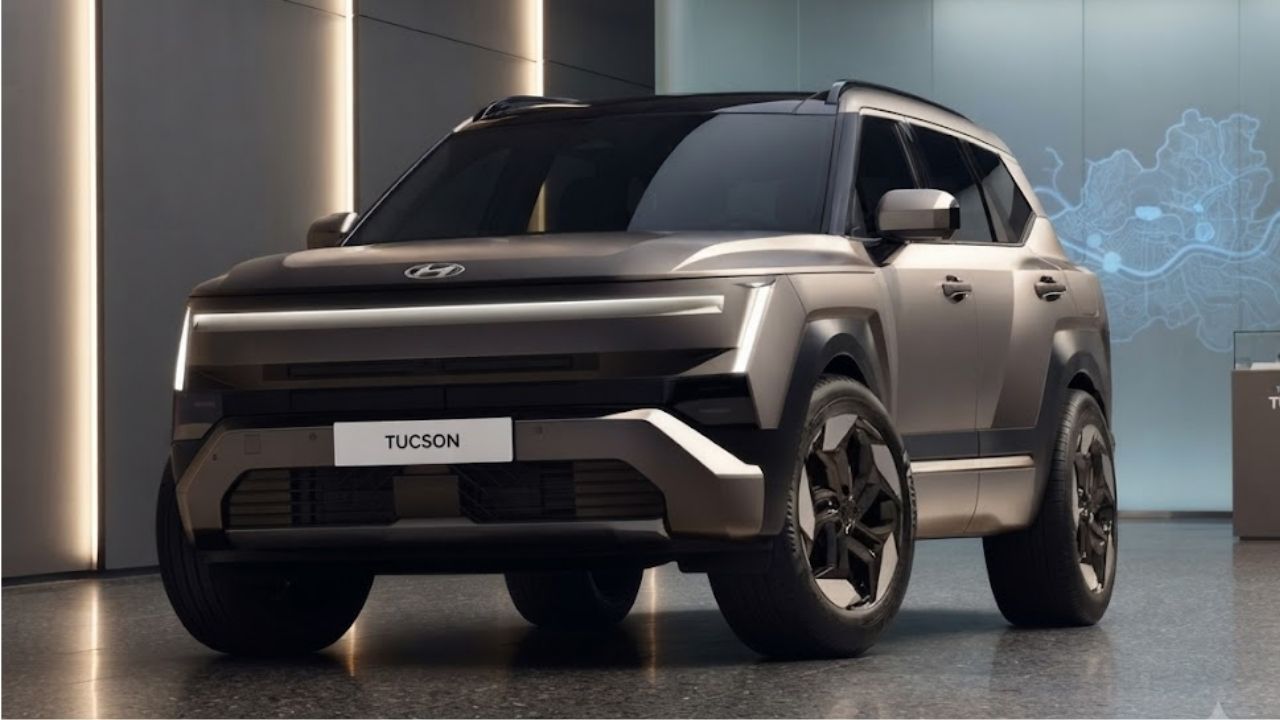
The new-gen Tucson has been revealed with a radical boxy design, larger dimensions and Hyundai’s new Pleos infotainment system, and it could also preview future India-bound models. That last part matters for Indian buyers specifically, because Hyundai has a habit of trickling design language down from global flagships into mass-market SUVs — the current Creta’s styling cues borrowed heavily from the previous Tucson and Santa Fe, and this cycle looks set to repeat.

Read Also 👉  Maruti Suzuki Cars Are Coming To India by 2027 

2027 Hyundai Tucson: Boxier, Bigger, & Hybrid-Powered

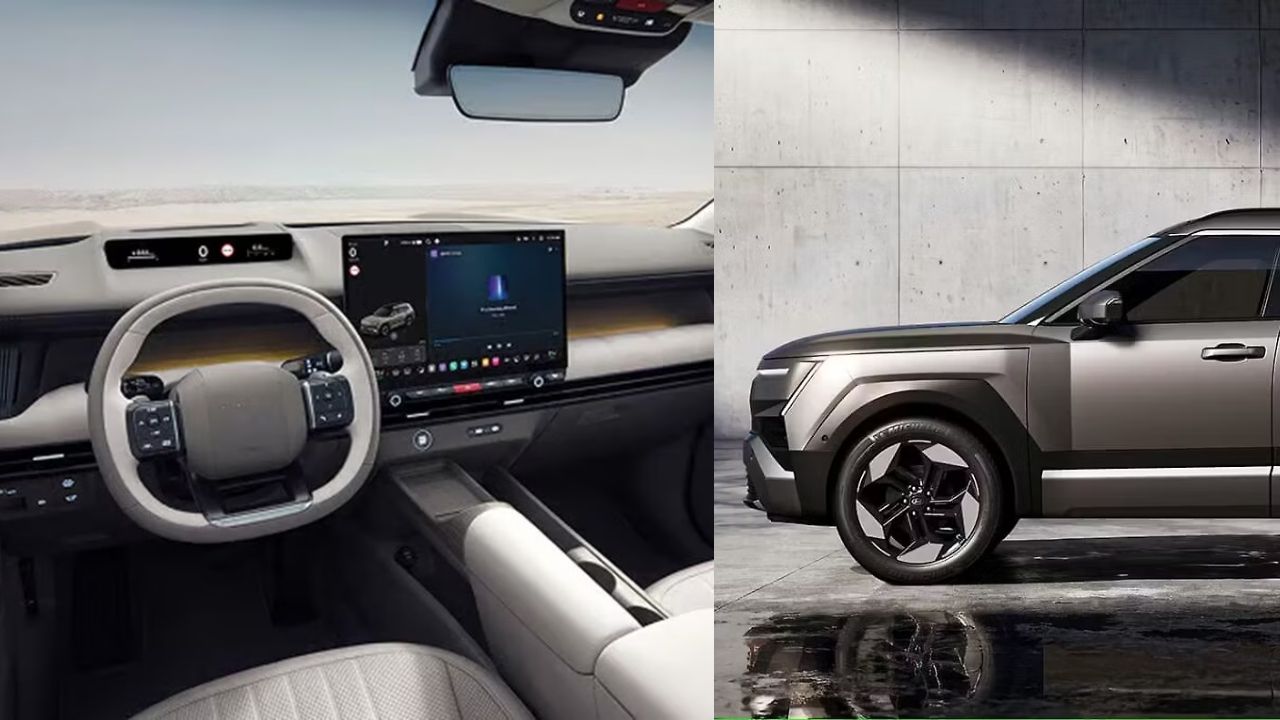
The confirmed specification of the fifth-generation Tucson is revealed in South Korea but Hyundai hasn’t announced India specific technical details yet. Current model has sharp flowing lines but 2027 Tucson adopts the “Art of Steel” design language. The design is boxy, upright, and rugged more like a scaled-down Palisade.

2027 Hyundai Tucson

Tucson Dimensions: Growing in Every Direction

The 2027 Hyundai Tucson model is significantly larger, up to 4.7 meters long, 40mm wider and 20mm taller than the outgoing model. It’s coming with more wheelbase — 30mm to 2,785mm.

So it resolves the current model rear-seat space problem with extra 29mm of height which gives more headroom to sit in the back seat comfortably. The rear doors are now changed with an 83-degree angle to provide easier access. Tucson is behaving like a full-size SUV lion who accomplished its territory. 

Powertrain: The Hybrid Push

The specifications are still unconfirm for the Indian model but global model reveal highlights a major shift toward hybridization. Its petrol engine of 1.6L is producing 193 bph of power and 265 Nm of torque. It runs on an 8-speed automatic transmission which combined with a next-generation hybrid system for a total output of 245hp. 

For a Hybrid set up, a 1.6-litre turbo-petrol combined with a next-generation hybrid system for a total output of 245hp on a 8-speed automatic transmission. The power like this in a hybrid is absolute engineering. Hyundai claims an impressive fuel efficiency figure of 17.4kpl for this setup.

Tucson Dimensions

Tech and Cabin Upgrades

The cabin receives a massive overhaul, centered around the new Pleos Connect infotainment system running built-in Gleo AI. The central touchscreen will be available in massive 12.9-inch or 17-inch sizes depending on the trim. Hyundai smartly retains physical controls for essential functions, avoiding the trap of hiding climate settings in endless touchscreen menus.

Safety gets a boost with 9 airbags as standard, an updated navigation-based adaptive cruise control, and a memory-based reverse assist that can automatically steer the car backward along its previous path.

Read Also 👉 Why Salaried Indians Are Buying Mercedes Cars

Tucson Competitor Comparison: The Luxury SUV Battle

The current Tucson rivals in the Indian markets are Jeep Compass and VW Tiguan but the new model is extended its size and hybrid powertrain which also raises the price and pushes it into entry-level luxury SUVs.

Feature 2027 Hyundai Tucson (Global Spec) Jeep Compass Volkswagen Tiguan
Engine 1.6L Turbo / 1.6L Hybrid 2.0L Diesel 2.0L Turbo Petrol
Power 193hp / 245hp 170hp 190hp
Dimensions (LxWxH) 4700 x 1905 x 1685 mm 4405 x 1818 x 1640 mm 4509 x 1839 x 1665 mm
Key Tech 17-inch screen, Reverse Assist 10.1-inch screen 8-inch screen

Hyundai Bayon: The Premium Compact Crossover

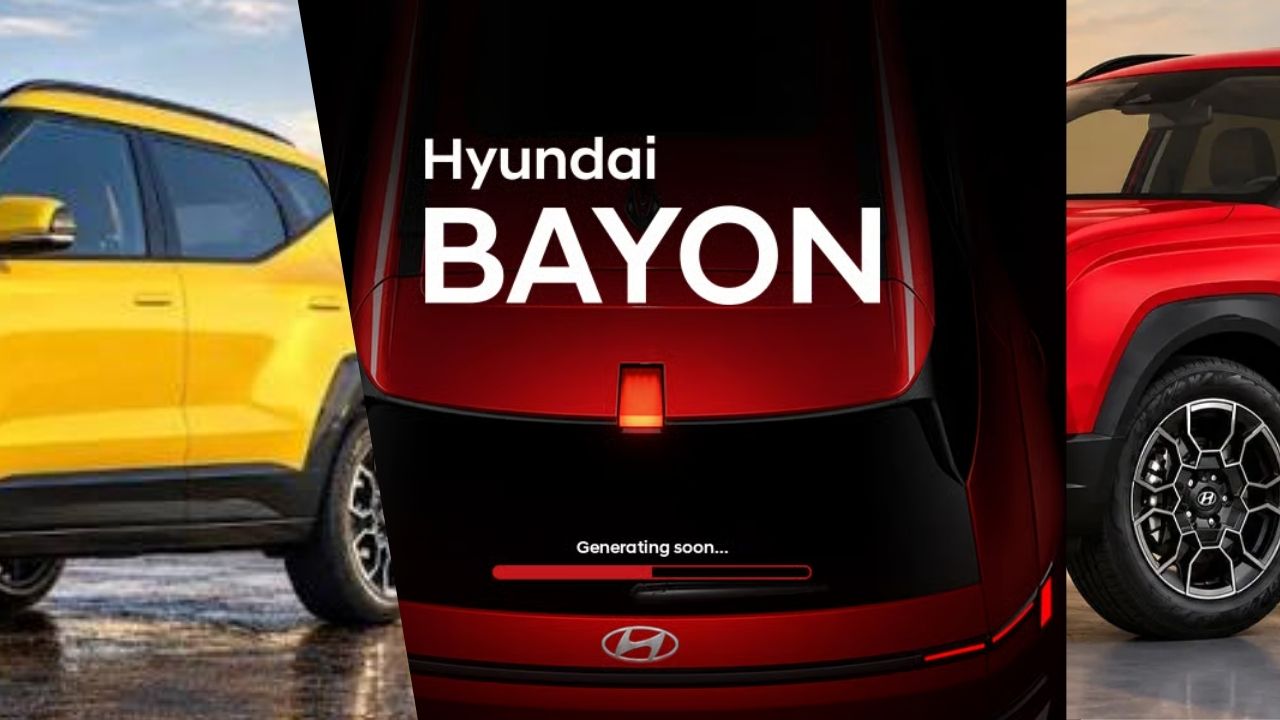
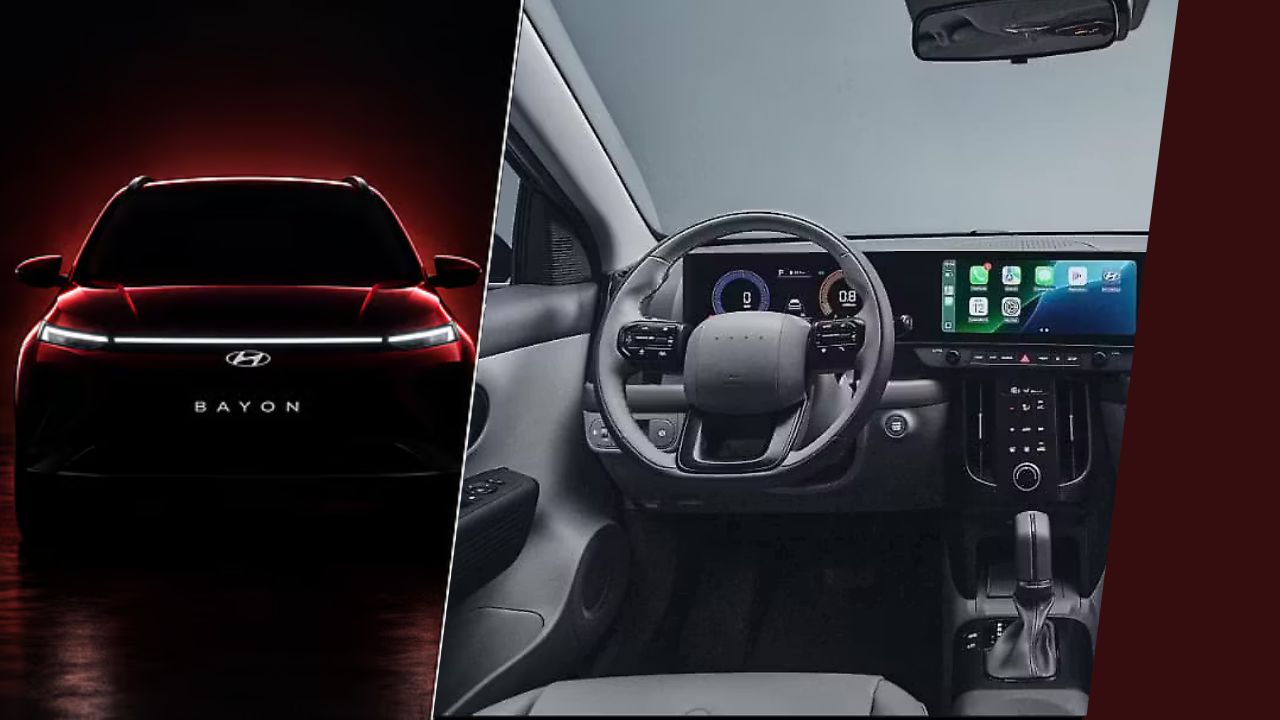
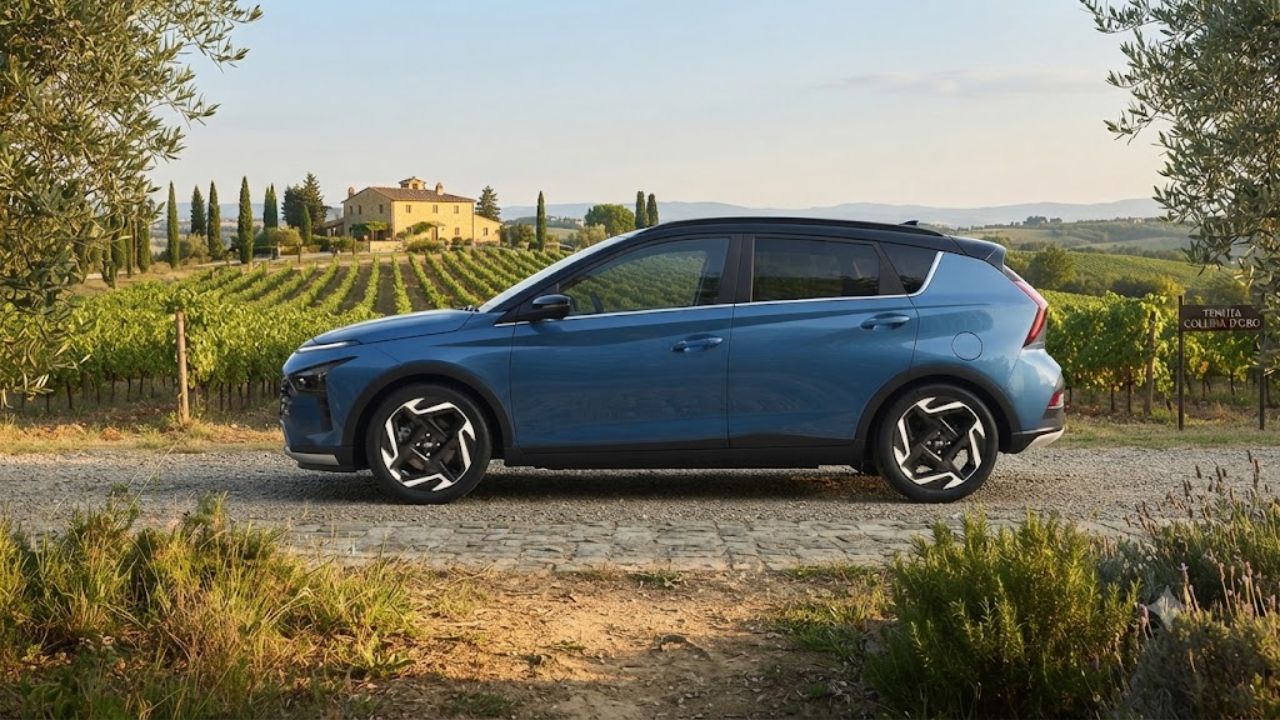
While the Tucson goes upmarket, the Hyundai Bayon aims to fill a gap in the highly competitive compact SUV segment. Bayon will arrive in the festive season of 2026 at a price range of ₹10 lakh — ₹15 lakh (ex-showroom). It is basically a crossover version of the i20 platform designed specifically for the European market.

The Hyundai Bayon specifications for the Indian model is based on the international Bayon’s underpinnings. It is a compact SUV positioned between Venue and the next-generation Creta, not too small, not too expensive. Hyundai opened bookings across dealerships and its website on September 23, 2026. 

Hyundai Bayon

Bayon’s Engine That Aim High

The current model carries a 1.0L petrol engine which gives 90 bhp of power and 172 Nm of torque. The transmission is up to 7-speed DCT automatic while the upcoming model brings 6-speed manual and CVT automatic options. It extended the engine to 1.5L 4-cylinder petrol producing 115PS of power and 144Nm of torque. This is the same engine set up that Creta and Verna uses.

But Bayon is the first Hyundai model engineered with a factory-fitted CNG option in a 4.3 metres long vehicle. It expects to use a 1.5L Hy-CNG dual-cylinder setup.

Features That Sets Hyundai Bayon Apart

Hyundai is known for packing its cars with features, and the Bayon is no exception. It brings a full convenient setup — a dual 10.25-inch screen for infotainment and digital cluster. It offers full experience to admire nature with a panoramic sunroof, and ventilated seats. The connectivity is reliable, providing wireless Android Auto/Apple CarPlay. View all corners outside the car with a 360-degree camera. The Bayon is a full-packed flagship segment that offers a premium experience.

Features That Sets Hyundai Bayon Apart

With advanced features, Hyundai never compromising on the safety of their customers. Expect a Level 2 ADAS suite and 6 airbags as standard, meeting the growing demand for safety tech in the Indian market. 

Hyundai has confirmed the Bayon uses the Art of Steel language featuring sculpted surfaces and sharp character lines. Inside, the cabin takes heavy inspiration from the Brazil-spec fourth-generation i20. Hyundai also teased the Wheel specifics, it offers 17-inch dual-tone machine-cut alloy wheels wrapped in 215/55-section tyres.

Hyundai Bayon Rivals: The Crowded Compact Segment

The Bayon will battle the Maruti Suzuki Fronx, Tata Nexon, and even its sibling, the Venue.

Feature Hyundai Bayon (Expected) Maruti Suzuki Fronx Tata Nexon
Engine 1.0L Turbo Petrol 1.0L Turbo / 1.2L NA 1.2L Turbo / 1.5L Diesel
Max Power ~88.5 bhp 100 bhp / 89 bhp 118 bhp / 113 bhp
Price (Estimated/Current) ₹10 – 15 Lakh ₹7.51 – 13.04 Lakh ₹8.00 – 15.50 Lakh
ADAS Yes (Level 2 Expected) No No (Only basic features)

How the Hyundai Bayon Stacks Up Against the Victoris

The most bigger rival is Maruti Suzuki Victoris since it already occupies the space the Bayon is aiming for and uses the same powertrain strategy. Victoris mild-hybrid petrol price starts at Rs 10.50 lakh for base variant and goes up at Rs 19.22 lakh for the top AWD automatic variant.

While the pricing for CNG and strong Hybrid variants can rise up to Rs 14.57 lakh and Rs 19.99 lakh respectively. Check the dealership price at your location because the total price depends on the additional charges of your city. 

Hyundai Bayon Stacks Up Against the Victoris

If the Bayon really does launch at Rs 9–14 lakh, its top-spec CNG or automatic variant would undercut the Victoris’s equivalent trims by a meaningful margin, while offering a smaller footprint. The trade-off is obvious: the Victoris gets a strong-hybrid option and AWD, neither of which the Bayon is expected to offer at launch. 

If fuel efficiency and hybrid tech matter more to you than price, the Victoris still has the edge on paper — but if you want CNG practicality in a package smaller and cheaper than a full-size Creta rival, the Bayon is shaping up to be the more sensible buy.

Should You Wait for the Tucson or Buy Now?

This is really two different buyer conversations, because the Tucson and Bayon aren’t competing for the same money.

Hyundai has not announced the new 2027 Hyundai Tucson price and specification details for India. Nobody knows the actual launch date yet so treating any number online is a guess. Wait for this boxier Art of Steel design and the promise of a proper generational leap in refinement and tech, if you are not in a hurry to buy a vehicle this year. Buying any — a Skoda Kodiaq, Tata Harrier, the same segment makes more sense.

If you’re shopping in the Rs 10–15 lakh compact SUV space, the Hyundai Bayon is a much more actionable wait. Bookings have already opened, the festive-season launch window is real and near-term, and the CNG option addresses a genuine gap that the Victoris and Kushaq don’t fully cover at this price point. Unless you need a car immediately, holding off a few weeks to see final Bayon pricing and variant specifics is a low-risk decision — you’re not waiting on a car that might slip by a year, you’re waiting on one that’s already taking bookings.

Read Also 👉  Rolls Royce Unveils Custom Car Using Sea Snail Shells 

Conclusion 

These New Hyundai Flagship Models are expanding the company’s territory in the powerful SUV segment. The new 2027 Hyundai Tucson is coming back with refined components to deliver an excellent driving experience. On the other hand, Hyundai Bayon is launching in this year’s festive season with a CNG option, a direct rival to Victoris, Fronx, Nexon. Indian buyers who are looking for a new vehicle in a range of Rs 10 lakh can consider this flagship model to buy.


0

BMW i5 LWB On Road Price Is Lower Than What Buyers Expected

BMW i5 LWB

The BMW i5 LWB carries a nameplate that makes most buyers assume a crushing monthly payment before they’ve even asked for a quote. Rs 79.60 lakh ex-showroom does that to people but runs the actual BMW i5 LWB on-road price and it goes up higher immediately by adding RTO charges and taxes of the individual’s state. 

BMW sold every single First Edition unit of the i5 LWB before the car was officially available to walk-in buyers. That’s not a BMW sales strategy but it’s what happened with all 99 cars allocated to the launch batch. For a Rs 79.60 lakh electric sedan nobody outside BMW’s product team had driven yet, that’s a strange thing to see sell out on reputation and a spec sheet alone. 

Why is the wait list expanding and what BMW i5 LWB offers at this price. Once you get the spec sheet, you’ll know the worth.

BMW i5 LWB On-Road Price Is Not That Higher Than Ex-Showroom As Buyer Expected

The i5 LWB is priced at Rs 79.60 lakh, ex-showroom, sold in a single configuration for now — the eDrive35L M Sport. On-road, in Mumbai, that works out to roughly Rs 84 lakh, a gap of under Rs 4.5 lakh over ex-showroom. 

That’s a noticeably smaller markup than you’d see on a comparable petrol or diesel luxury sedan, where GST 2.0’s 40% “de-merit” slab plus compensation cess typically pushes the on-road price 12-14% above ex-showroom. 

EVs sit at a flat 5% GST with no cess, and several states also cut or waive road tax and registration fees for electric cars — which is most of the reason the i5 LWB’s on-road number stays this close to its sticker price. 

Your exact figure will move depending on your state’s registration and insurance costs, so treat Rs 84 lakh as a Mumbai reference point rather than a fixed number.

Read More 👉 BMW X1 LWB vs Audi Q3 vs Mercedes GLA: Which Entry-Luxury SUV Actually Makes Sense in 2026?

Why 99 First Editions Disappeared Before Launch

Limited-run “First Edition” badging on a new BMW nameplate tends to do two things: it signals the car is worth owning before reviewers have weighed in, and it caps supply on purpose, which pushes early buyers to commit rather than wait and compare. 

First Edition BMW i5 LWB

Both were clearly in play here — dealerships had commitments on all 99 units before the car was formally launched in September 2026. Whether that pace holds once regular (non-First Edition) stock starts arriving is a separate question, but the initial demand tells you BMW’s electric 5 Series has more buyer pull in India than a first-of-its-kind, single-variant EV usually gets.

Futuristic Features Packed Into the LWB Cabin

The BMW i5 LWB redefines a luxury electric sedan segment forever with 669 km of range. It allows the owner to experience futuristic technology in a spacious cabin. Driving to get effortless electric performance. 

BMW i5 LWB Body Design

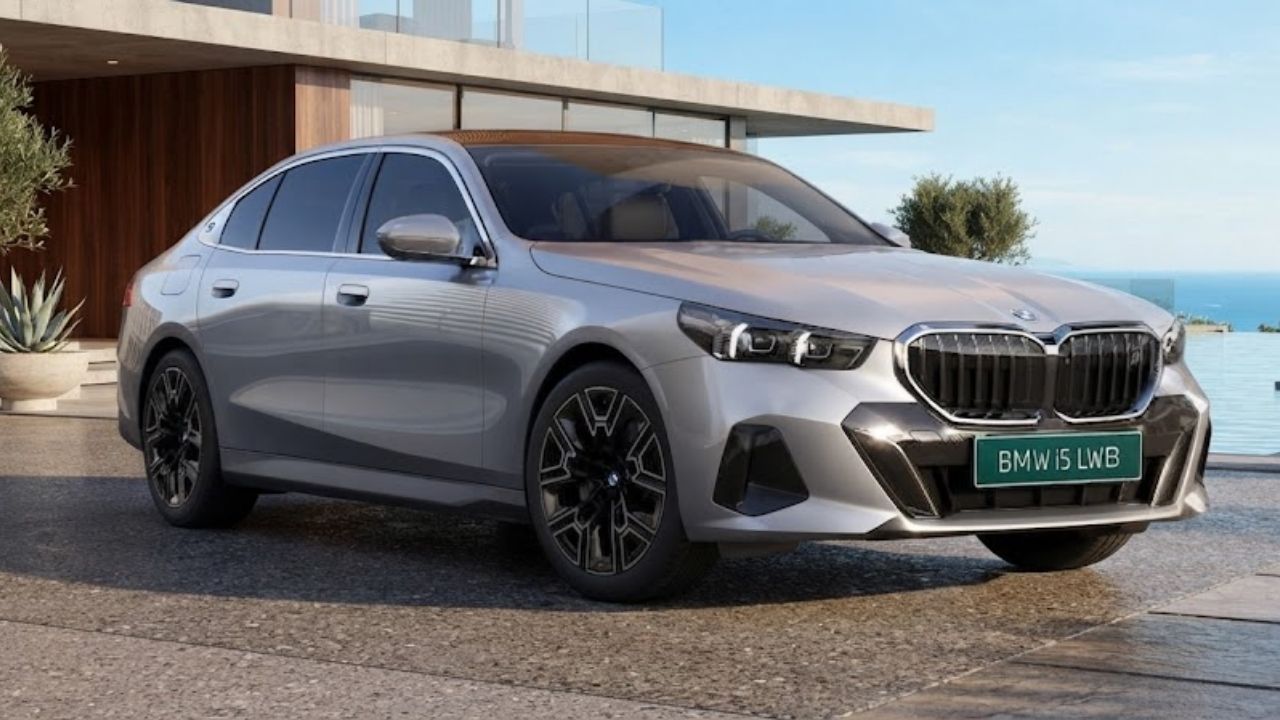
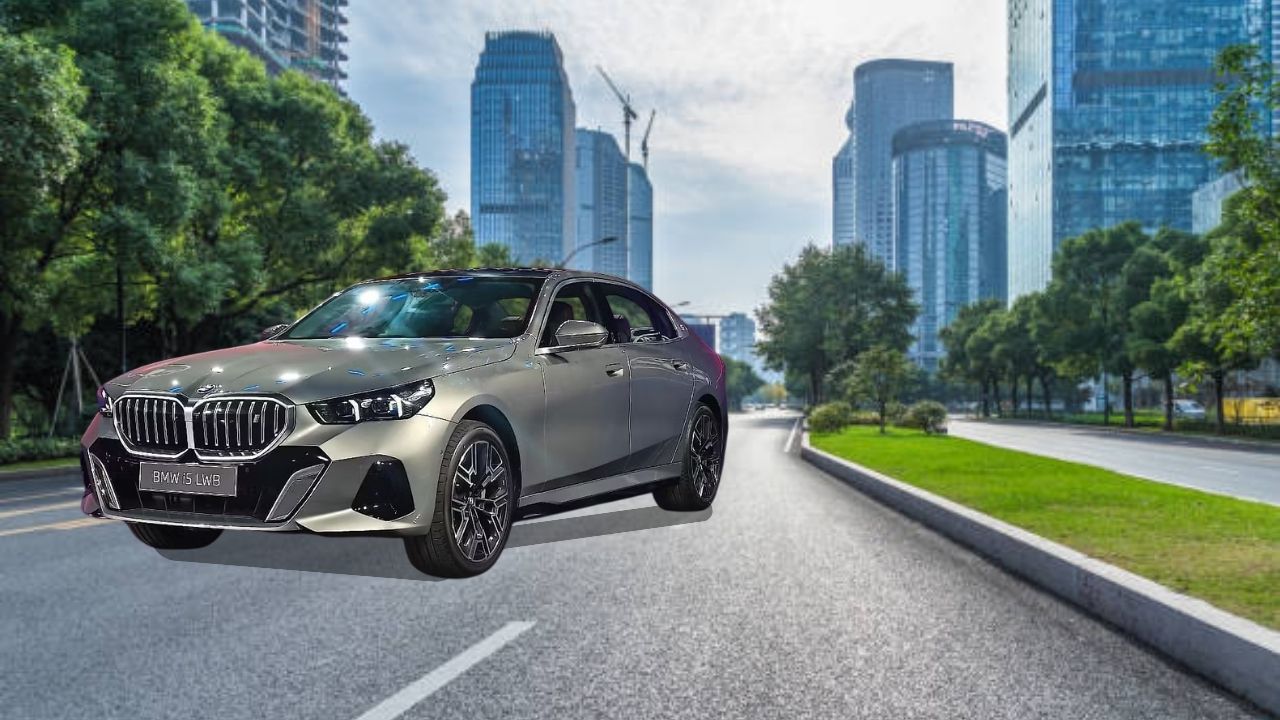
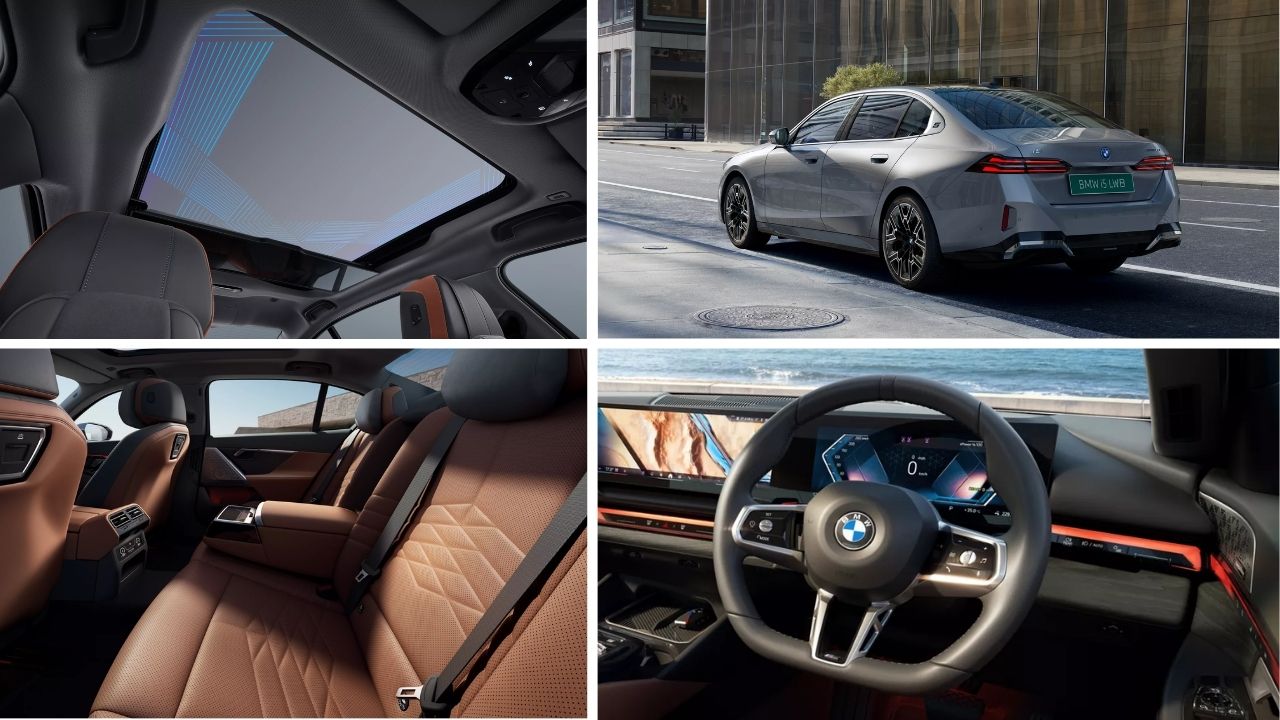
BMW i5 LWB is built at a 5,175mm long with a 3,105mm wheelbase which is specifically stretched for Indian models. This is reasonable for Indian buyers because they want more space in the rear-seat, so the extra length is consumable. 

It also provides extra comfort with additional cushioning, side support, comfort headrests which is amazingly perfect for long rides and family trips. BMW has not just launched a new sedan, it proves that the brand knows what their buyers want. A claimed 31-degree rear-seat torso angle for a more reclined allows this generation to forget about how rough roads India has. The elegance speaks with a limousine-style seating position.

Cabin Features For True Comfort

Up front, the cabin runs on a 14.9-inch curved touchscreen infotainment display paired with a 12.3-inch digital instrument cluster, both running Android Auto and Apple CarPlay. Audio comes from a 17-speaker Bowers & Wilkins system — a genuinely premium setup rather than a badge-only “premium sound” claim. 

Rear passengers get their own 4-zone climate control, wireless phone charging built into the centre armrest, and their own AC and panoramic glass roof controls. Elsewhere in the cabin: powered and ventilated front seats, customisable ambient lighting, adaptive LED headlights, and connected-car features accessible through BMW’s app.

BMW i5 LWB Body Design

Safety Functions Power Up Reliability

On safety and driver assistance, the i5 LWB comes with 8 airbags, ABS with EBD, electronic stability control, rain-sensing wipers, a tyre-pressure monitoring system, an electronic parking brake, ISOFIX child-seat mounts, and Level 2 ADAS. 

The standard (non-LWB) i5 has been crash-tested by Euro NCAP at 5 stars; the LWB itself hadn’t been independently tested as of launch, so treat that rating as indicative of the platform rather than a confirmed score for this exact body.

The Presence Holds Elegance

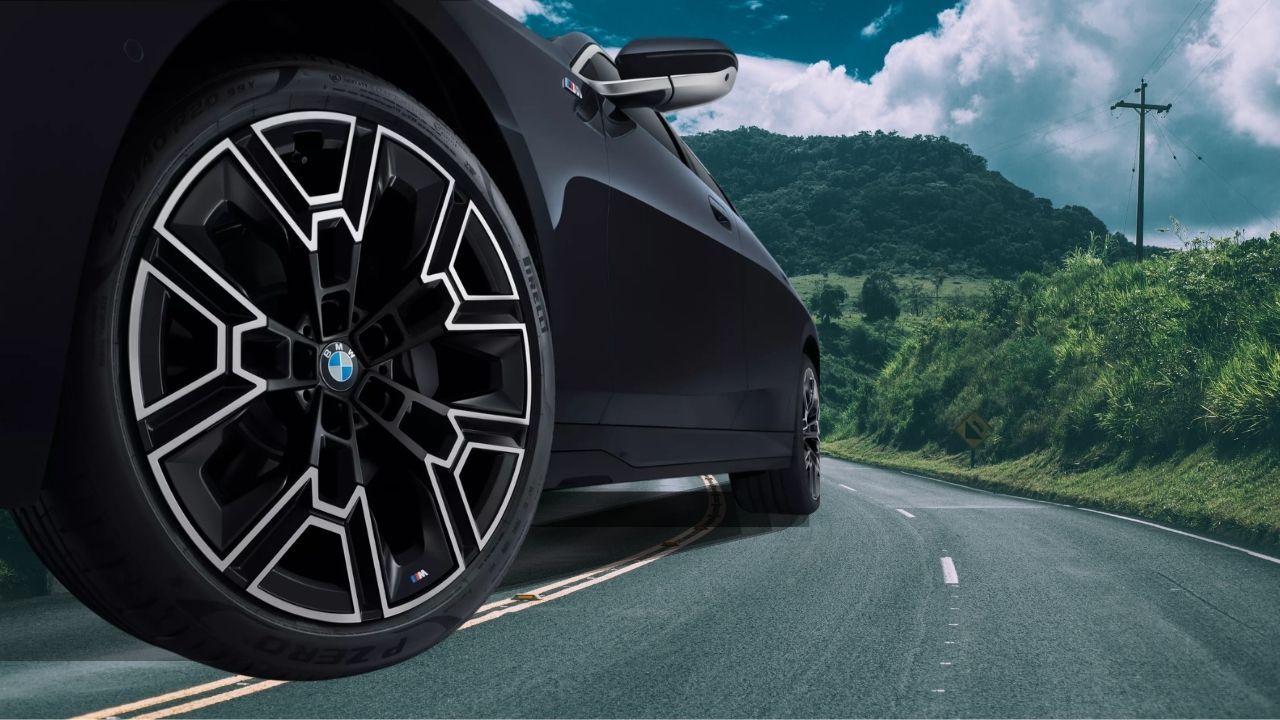
The BMW i5 LWB combines modern luxury and electric innovation. Absolute detailing on a design gives confidence in its presence. It moves on 20-inch alloy wheels with a glowing kidney grille. To assess the weather experience on a drive is amazing with a panorama glass roof skylounge. 

Electrification Gives Exceptional Power

The LWB changed the luxury electric sedan power segment by giving instant torque and seamless acceleration, redefining the electric era with stunning driving experience. With more range, it also provides more stability with rear-axle air suspension.

The i5 LWB Specs at a Glance

Spec Detail
Ex-showroom price Rs 79.60 lakh
Battery 81.6 kWh
Power Approx. 265-270 bhp (rear-wheel drive)
Range (MIDC) 669 km
Fast charging 160 kW DC, 10-80% in ~33 minutes
Home charging 11 kW wallbox included
Length / wheelbase 5,175 mm / 3,105 mm
Top speed 195 kmph
Battery warranty 8 years / 1.6 lakh km

How i5 LWB Stacks Up Against Rivals

The BMW i5 LWB’s closest fight in India is the Mercedes-Benz E-Class, which is priced from around Rs 80 lakh ex-showroom but runs on petrol and diesel rather than a full EV drivetrain — meaning it doesn’t get the same GST treatment, and BMW i5 LWB on-road price in Delhi starts closer to Rs 93.81 lakh. 

Lexus’s ES Electric and ES 350h hybrid are the other names cross-shopped against it, positioned similarly on price but without BMW’s badge pull or the LWB’s rear-seat-first design brief. None of the three currently match the i5 LWB on charging speed or claimed range in this segment.

Read More 👉  BMW 5 Series Price in India: Latest Cost, Features & Buying Guide

Is It Worth Buying BMW i5 LWB?

At this on-road price, EMIs on the i5 LWB start in the region of Rs 1.5-1.6 lakh a month on a standard 5-year loan — noticeably lower than what the full-size BMW i5 M60 xDrive commands at nearly double the on-road price. 

If the First Edition’s sellout pattern repeats once regular units open up for booking, the smarter move is to lock in your finance pre-approval now rather than after you’ve found a dealer with stock, since waitlists on a car this specced tend to move faster than buyers expect.

Which Finance Option Is Best for the i5 LWB?

If you hold the loan amount constant at Rs 71.4 lakh over 60 months, moving from a 9.9% dealership loan to an 8.5% bank loan drops your EMI by about Rs 4,865 a month — and saves you close to Rs 2.92 lakh in total interest over the five years. 

BMW Financial Services gets you out of the showroom in one sitting with financing already arranged, but a pre-approved bank loan shopped in advance is very likely to be the cheaper way to own this car.

The exception is cash flow, not cost. If your income comes in irregular chunks — commission, bonuses, business income — the Bullet or Balloon plans through BMW’s own financier solve a real problem that a standard bank EMI doesn’t, and that flexibility can be worth more to you than the interest saved.

BMW i5 M60 xDrive

However, the standard-wheelbase BMW i5 M60 xDrive costs roughly Rs 1.20 crore ex-showroom and around Rs 1.37-1.42 crore on-road, with EMIs quoted between Rs 2.26 lakh and Rs 2.62 lakh a month at similar rates and tenure. 

The BMW i5 LWB gets you the same badge and largely the same electric drivetrain for an EMI that’s 35-40% lower. Against its closest ICE rival, the Mercedes-Benz E-Class — on-road from roughly Rs 93.81 lakh in Delhi with a base EMI near Rs 1.79 lakh/month — the i5 LWB is also the cheaper monthly commitment by a wide margin.

Read More 👉 Get New Maruti Premium Hatchback at Lower Price

Conclusion

The new BMW is making a position in one of the best luxury sedan segments. BMW i5 LWB on-road price is not higher than other models of the same brand tag. The reason is – you are not paying for the petrol car, you are paying for the EV. 

Before you sign anything. You must get a written quote from the BMW dealership’s desk on the, and if you are financing then compare total interest over the full tenure rather than just the EMI figure, and confirm your city’s exact on-road price with the dealer since RTO and insurance costs shift from state to state. 

0

Personal Loan vs Car Loan: What is the Better Choice for Buying a Car? 

Published Aug 18, 2026, 11:48 AM
Last Updated Aug 31, 2026, 7:00 AM

Personal loan vs Car Loan

You decided the car model and color to buy, now negotiating its on-road price and decided to take a car loan. There’s two options for you — Personal Loan vs Car Loan, one from the dealership’s tie-up bank, another a pre-approved personal loan sitting in your net banking app. They just seem to be two versions of the same product until you see the fine print, and that is generally where people get it wrong. 

Car loans and personal loans are two very different types of products, structurally, and the distinction reflects in your EMI calculation, not just in the fine print. Your car serves as a collateral for the car loan – the bank holds hypothecation on the vehicle until you repay the loan, which is why the risk for the lender is lower and the interest rate is lower. A personal loan is unsecured. Nothing backs it except your income and credit score, so the bank prices that extra risk, and you pay for it every month.

Personal Loan vs Car Loan: The Interest Rate Gap Is Bigger Than Most People Assume

The new car loan rate for Indian banks as on August 2026 stands at 7.45 — 7.85% p.a. from the likes of UCO Bank, Canara Bank, and Punjab National Bank, with the majority of PSU banks bunching between 7.6% – 9.7% based on your CIBIL score. Private banks such as HDFC and ICICI charge marginally higher, usually 8.15 – 9.75% for new cars. Rates are reviewed monthly and are dependent on the loan scheme, so consider these as August 2026 rates and not a permanent rate. 

Personal loans start meaningfully higher. The bottom rates of top private banks — HDFC, ICICI, Axis, IndusInd hover around 9.99% p.a. for borrowers having outstanding credit (CIBIL 750+) and belonging to the preferred employer category. Most of the salaried individuals are approved around 11% to 16% and NBFCs that sanction loans more quickly and require lesser paperwork charge is 14% to 16% and at times it reaches up to 20% to 22% for weak credit files. 

Personal Loan vs Car Loan

That 2–3 percentage point gap sounds small until you run it through an EMI calculator. On a ₹5 lakh loan over 5 years, an 8% car loan works out to roughly ₹10,140 a month. The same amount as a personal loan at 12% comes to around ₹11,120 — nearly ₹1,000 more every month, and over ₹58,000 more in total interest by the time you’re done. Scale that to a ₹10 lakh loan and the interest gap widens to well over a lakh rupees. If the goal is purely to minimize what you pay for the car, the car loan usually wins on cost, and it’s not close.

Aspect Car Loan Personal Loan
Interest Rate Range 7.45% – 9.75% p.a. (PSU banks: 7.6%–9.7%; Private: 8.15%–9.75%) 9.99% – 22% p.a. (Top private banks: ~9.99% for CIBIL 750+; NBFCs: 14%–22%)
Typical Approved Rate (Salaried) ~8% – 9% ~11% – 16%
Rate Review Frequency Monthly Monthly
Dependency Loan scheme, CIBIL score, bank type CIBIL score, employer category, lender type
EMI on ₹5 Lakh (5 years) ~₹10,140 at 8% ~₹11,120 at 12%
Total Interest on ₹5 Lakh (5 years) ~₹1.08 lakh at 8% ~₹1.67 lakh at 12%
Total Interest on ₹10 Lakh (5 years) ~₹2.17 lakh at 8% ~₹3.35 lakh at 12%
Best For Minimizing cost when buying a car Flexibility (no end-use restriction), faster disbursal

Read More:-  How to Get a Car Loan in 2026: Know Everything Before Purchasing

Where a Personal Loan Makes Sense in Buying a Car

None of this means the car loan is automatically the right call. A personal loan earns its place in a few specific situations, and it’s worth being honest about them rather than defaulting to “cheaper interest rate always wins.”

Buying a used car older than what your lender’s car loan policy allows is one. Most banks cap car loans on vehicles that are 3–8 years old depending on the lender, and beyond that window, financing options dry up fast. A personal loan doesn’t care how old the car is.

Personal Loan

Buying from a private seller with incomplete paperwork is another. Car loans require the vehicle to be registered as collateral, which means clean ownership documents, a valuation, sometimes an RC transfer before disbursement. A personal loan skips all of that — the money lands in your account and what you do with it is your business.

There’s also the ownership angle. With a car loan, the bank’s name sits on the RC as a financier until the loan closes, and selling or modifying the car before that requires a No Objection Certificate. A personal loan gives you the car free and clear from day one, which matters if you plan to sell, swap, or modify it sooner than the loan term would normally allow.

And if you’re topping up a car loan that only covers 80–90% of the on-road price — many lenders cap the loan-to-value ratio, especially on used cars — a smaller personal loan to bridge the down payment can sometimes work out cheaper than stretching a used-car loan at 11–16% for the whole amount.

The Down Payment and Loan-to-Value Difference

Car loans can fund up to 100% of the on-road price for new vehicles from some lenders, though a 10–20% down payment usually gets you a better rate, since a lower loan-to-value ratio means less risk for the bank. Used car loans are stingier — most banks finance only 70–75% of the vehicle’s assessed valuation, not what you actually agreed to pay the seller, so budget for a bigger chunk from your own pocket if you’re buying second-hand.

Personal loans don’t tie themselves to the vehicle’s value at all. The amount you qualify for depends on your income and existing obligations, which gives you flexibility car loans don’t — useful if you’re also covering insurance, accessories, or extended warranty costs that a car loan wouldn’t typically finance.

Read More:- Best Car Air Filters for Better Engine Performance & Save Your Repair Cost

Conclusion

If you have good credit on Personal Loan vs Car Loan, the car is new or within your lender’s used-car age limit, and your only aim is to pay the least each month, the car loan is the best option for you  — the rate gap is too large to ignore for most buyers. Get a personal loan when the vehicle doesn’t fit a car loan’s criteria, when you want to be free and clear from day one, or when you need a little extra to fill a gap a car loan won’t fill by itself. 

Either way, get actual quotes from three or more lenders before you sign on anything. A 1.5% rate difference on two car loan offers can be just as important as the type of loan itself, and rates fluctuate frequently, so what was competitive last quarter may not be this one. 

0

Kia Carens CNG, Clavis CNG & Carnival Hybrid Pre-Bookings Open In India

Kia Carens CNG

Kia has opened pre-bookings for three new powertrain options in India — the Carnival Hybrid, Carens CNG and Carens Clavis CNG but none has an official price yet. The Carnival Hybrid pre-bookings create excitement among buyers because it brings electrification to Kia’s flagship MPV, while the two Carens variants finally offer a factory-fitted CNG setup instead of a dealer-installed kit. 

If you’ve been waiting for a factory-fitted CNG Kia or a hybrid alternative to the diesel Carnival, here’s what you’re actually signing up for before you hand over a booking amount.

Carnival Hybrid Pre-Bookings Are Open, But The Price Isn’t Announced

The Carnival Hybrid pre-bookings went live days after Kia showcased the model at its Inspiration Day event in early September 2026 — the same event where the new three-row Kia Sorento was unveiled. 

The Sorento launched on September 4 at Rs 27.99 lakh ex-showroom with diesel, hybrid and AWD options, and the Carnival Hybrid borrows the underlying idea: a strong-hybrid setup built around a 1.6-litre G1.6T turbo-petrol engine, paired here with a 6-speed automatic gearbox.

Carnival Hybrid

Kia is offering the hybrid only on the Carnival’s Limousine+ trim, which today is sold exclusively with a diesel engine at Rs 59.65 lakh ex-showroom. That number is the one to anchor your expectations to. The hybrid isn’t replacing the diesel — it’s slotting in alongside it as a premium alternative, expecting it to land above that Rs 59.65 lakh mark rather than undercut it. Kia hasn’t confirmed a figure yet.

What Changes Over The Diesel Limousine+ 

Design and Exterior

A 18-inch Crystal Cut dual-tone aero alloy wheels, Active Air Flaps for better aerodynamics, and a Virtual Engine Sound System that generates an audible warning when the Carnival is crawling on electric power alone. 

That last one isn’t a gimmick — strong hybrids can be silent enough at parking-lot speeds to genuinely surprise pedestrians, so the artificial sound is a real safety addition, not badge dressing. 

Interior Features & Functions

Inside, Kia has added a Smart Pure Air Purifier with an AQI readout, retractable height-adjustable seat-back tables with wireless charging built in, monotone ambient lighting, and leatherette-wrapped door trims. 

Everything that already worked on the Limousine+ carries over unchanged: dual 12.3-inch displays, three-zone climate control, a 12-speaker Bose system, eight airbags, Level 2 ADAS, and a 360-degree camera.

Kia Hybrid Discount Rate

Under India’s GST 2.0 structure, in effect since September 2025, hybrids don’t get the same tax break as pure EVs — only battery electric vehicles sit at the concessional 5% rate. A large hybrid like the Carnival, well over 4 metres long and running a 1.6-litre engine, falls into the same 40% GST slab as any other big diesel or petrol SUV in that size class. 

Whatever premium the Carnival Hybrid ends up carrying over the diesel Limousine+ will come entirely from Kia’s own component and engineering costs, not from any tax advantage passed on to buyers — worth knowing if you were assuming “hybrid” automatically means a lighter tax bill in India the way it does with EVs.

Kia Hybrid Rivals in The Market

The awkward part for anyone trying to cross-shop Carnival Hybrid against India’s other hybrid MPV. The Toyota Innova Hycross tops out around Rs 32.95 lakh ex-showroom for its fully loaded ZX(O) hybrid variant and returns an ARAI-claimed 23.24 kmpl. 

Kia Hybrid and Toyota Innova

The Carnival Hybrid will likely launch at close to double that price. These two aren’t really fighting for the same buyer — the Hycross is the practical, efficiency-first hybrid MPV; the Carnival Hybrid is Kia betting that a narrower slice of luxury-MPV buyers wants electrification without giving up the Limousine+ badge and its chauffeur-driven positioning. 

If you’re putting the two on a spreadsheet expecting a like-for-like fight, you’re comparing the wrong cars — the Carnival Hybrid’s real rival is arguably its own diesel sibling, not anything wearing a Toyota badge.

Read More 👉 Tata Nexon On-Road Price Lucknow — Best Compact SUV At This Price Point


Carens CNG And Clavis CNG Finally Give Kia A Factory-Fitted Option

The second half of Carnival Hybrid pre-bookings announcement matters more for volume, because it fixes something Kia has never offered in India. Every CNG Carens on the road today runs on a government-approved dealer-fitted kit sourced from Lovato — bolted on after the car leaves the factory, tuned around an engine that was never designed to run on gas. 

Kia Hybrid

The Carens CNG and Carens Clavis CNG change that by moving CNG integration onto the assembly line itself, which means the engine calibration, fuel delivery, and even the suspension tuning are built around dual-fuel operation from day one instead of retrofitted around it.

Power and Transmission Performance

Both use Kia’s G1.5 naturally aspirated 1.5-litre petrol engine, paired exclusively with a 6-speed manual gearbox — there’s no automatic CNG option at launch, so buyers who want a slushbox will have to stick with petrol or diesel. The tank is a 60-litre unit mounted under the boot floor, and Kia claims usable boot space still comes in around 116 litres, which will matter to anyone who has watched an aftermarket CNG kit swallow an entire trunk. 

Running on gas, the engine makes 93hp and 123Nm, down from 115hp and 144Nm on petrol. That drop is normal for factory CNG tuning, but it’s worth knowing going in if you’re used to how the regular Carens drives and expect the CNG version to feel identical under load.

Kia has also revised the suspension tuning and switched to 16-inch wheels with 16-inch disc brakes, specifically to handle the extra weight the tank and hardware add over the rear axle. Inside, there’s a dedicated CNG Fuel Change Switch and a 4.2-inch colour TFT instrument cluster that shows CNG Distance-to-Empty — a small thing, but a genuine upgrade if you’ve ever driven a retrofitted CNG car with no real idea how many kilometres of gas are left in the tank.

Trim availability is where the two models split. The standard Carens CNG is expected to be limited to the Premium trim, plus a dedicated M-Drive trim built for commercial and fleet buyers — cab operators, essentially. 

The Carens Clavis CNG, positioned as the more premium option, gets its own HTM trim for the same commercial use case, alongside CNG on regular passenger trims. If you’re buying for a fleet specifically, ask your dealer directly about what the M-Drive and HTM trims strip out, since fleet-spec variants often drop features you’d expect on a personal-use car.

Read More 👉 Hyundai Creta On-Road Price In Lucknow: Get Details Before Entering Into a Showroom

How Kia’s Numbers Stack Up Against Ertiga, XL6 And Rumion

Kia isn’t creating a new segment here — it’s entering one Maruti Suzuki has quietly dominated for years, with Toyota’s badge-engineered version riding along. 

Model Engine CNG Output Claimed Mileage Ex-showroom Price
Kia Carens CNG 1.5L NA petrol 93hp / 123Nm Not yet disclosed Not yet announced
Kia Carens Clavis CNG 1.5L NA petrol 93hp / 123Nm Not yet disclosed Not yet announced
Maruti Ertiga CNG 1.5L K15C petrol ~87hp / 121.5Nm 26.11 km/kg ~Rs 10.9–12 lakh
Maruti XL6 CNG 1.5L K15C petrol ~87hp / 121.5Nm 26.11–26.3 km/kg ~Rs 12.28–12.43 lakh
Toyota Rumion CNG 1.5L petrol ~86hp / 121.5Nm 26.11 km/kg ~Rs 11.4 lakh

Kia hasn’t disclosed a CNG mileage figure for either model, and that’s a real gap, not a footnote — mileage is the entire reason someone chooses a CNG MPV over petrol or diesel, and until Kia publishes an ARAI number there’s no way to know if the Carens CNG actually beats the Ertiga’s proven 26.11 km/kg or just matches it with a nicer cabin around it. 

For a rough price anchor, Kia’s existing dealer-fitted Carens Premium CNG kit currently sells for around Rs 11.77 lakh ex-showroom — useful context, but not a preview of what the new factory-fitted variant will cost, since factory integration typically carries its own premium over a retrofit. 

Should You Put Down A Booking Amount?

Booking amounts in India are typically refundable — but “typically” is doing a lot of work in that sentence, and refund terms vary by dealer, so read the booking form before you pay, not after. 

Beyond that, the real question is what a Carnival Hybrid pre-bookings buys you right now: a place in the queue, not a locked-in price. 

Carnival Hybrid

If Kia’s own timeline holds and pricing lands by “end of September or early October 2026,” per its dealer network, you’re looking at a wait measured in weeks, not months — short enough that booking early mostly secures faster delivery once prices are announced, rather than protecting you from a price hike between now and launch.

Where Carnival Hybrid pre-bookings gets genuinely tactical is the CNG decision. If lower running costs are your only reason for wanting a Carens or Clavis, don’t book blind — wait a few weeks it’ll take Kia to publish an ARAI mileage figure. 

A CNG MPV returning 22 km/kg instead of the Ertiga’s 26 km/kg changes five-year ownership economics by a meaningful amount, and right now nobody outside Kia knows which side of that gap the Carens CNG lands on. 

For the Carnival Hybrid, the calculation runs differently — buyers at that price point aren’t shopping on running costs, they’re deciding whether the added kit and the hybrid badge justify a premium over a diesel Limousine+ that already does the job well.

Fleet and commercial buyers eyeing the M-Drive or HTM trims. Commercial variants tend to sell out of early production allocations fast because operators buy in volume, and waiting for a finalised spec sheet rarely changes the math the way it might for a private, feature-conscious buyer.

Read More 👉  Maruti Suzuki September 2026 Offers: Save Money On Your New Car

Conclusion

Kia’s three pre-bookings are aimed at very different buyers. The Carnival Hybrid is a premium alternative to the diesel Limousine+, while the Carens and Clavis CNG are more practical attempts to take on the factory-CNG MPVs that Maruti and Toyota have dominated for years.

For private buyers, there’s little reason to rush for Carnival Hybrid pre-bookings before the missing numbers arrive. The Carnival Hybrid needs an official price to show whether its premium over the diesel makes sense, while the Carens CNG needs its ARAI mileage figure to prove that it can compete with the Ertiga, XL6 and Rumion on running costs. 

If you’re a fleet buyer targeting the M-Drive or HTM trims, booking early makes more sense. For everyone else, waiting a few weeks for Kia’s final pricing and mileage figures could make the decision much easier.