0

Best Second Hand Cars to Buy in India – Used Car Buying Guide

Best Second Hand Cars

Car pricing is rising constantly in India and right now, cars are becoming an essential part of everyone’s life. Buying a Second Hand Cars is becoming a smart option because every new model of car value depreciates after two or three years, so most people secure themselves by spending over on a new one when they can get that model at half of price. Used cars are also a great option for first time buyers.

But it’s not that simple, you must know that the used cars market is in large numbers and choosing the right one is difficult. Every seller wants to pass off the car by saying “fully maintained”, “good condition”, and present it in an excellent condition without telling you the truth. They won’t tell you if there’s any flood-damaged or accident-repaired. That’s why buying a used car requires more than just finding a good deal. 

Let’s look into this guide to understand how you can buy a Second Hand Cars and which models can be good to pick in 2026. 

Why Second Hand Cars Are a Smart Choice in 2026

There is a financial reason for buying Second Hand Cars. A new car loses its value around 15–20% in the first year after it leaves the showroom. So buying a two or three-year-old car instead, you avoid that major depreciation which was faced by first hand car owners. While you get a well-maintained vehicle at a much lower price. 

A few other reasons second hand cars are gaining popularity in India:

  • Lower upfront cost means smaller loan amounts and lower EMIs.
  • Better insurance premiums since the insured declared value (IDV) is lower than a new car.
  • Access to higher segments – don’t pick five/six years old models to buy, choose a used premium sedan or SUV for the price of a brand-new entry-level hatchback.
  • Certified used car programs like Maruti True Value, Mahindra First Choice, clear your mind and help you to choose the right car. There are other brands that offer such programs like Hyundai Promise, and Toyota U Trust, these have made the process far more trustworthy than it used to be.
  • Online platforms also provide inspection reports, warranties, and even doorstep delivery for second hand cars. You can check OLX autos and CarDekho to find out. 

Those days were long gone when buying a second hand cars was a mistake because the market has now matured enough to make it a sensible financial decision rather than a compromise.

Best Second Hand Cars to Buy in India by Category

Not every used car is a good used car. There are few models that offer reliability, better value and easier to maintain over time. So let’s check out which second hand cars are best to buy.

Best Second Hand Hatchbacks

Hatchbacks are usually the easiest entry point into car ownership, and they remain extremely popular in the used car segment because of low maintenance costs and great fuel efficiency.

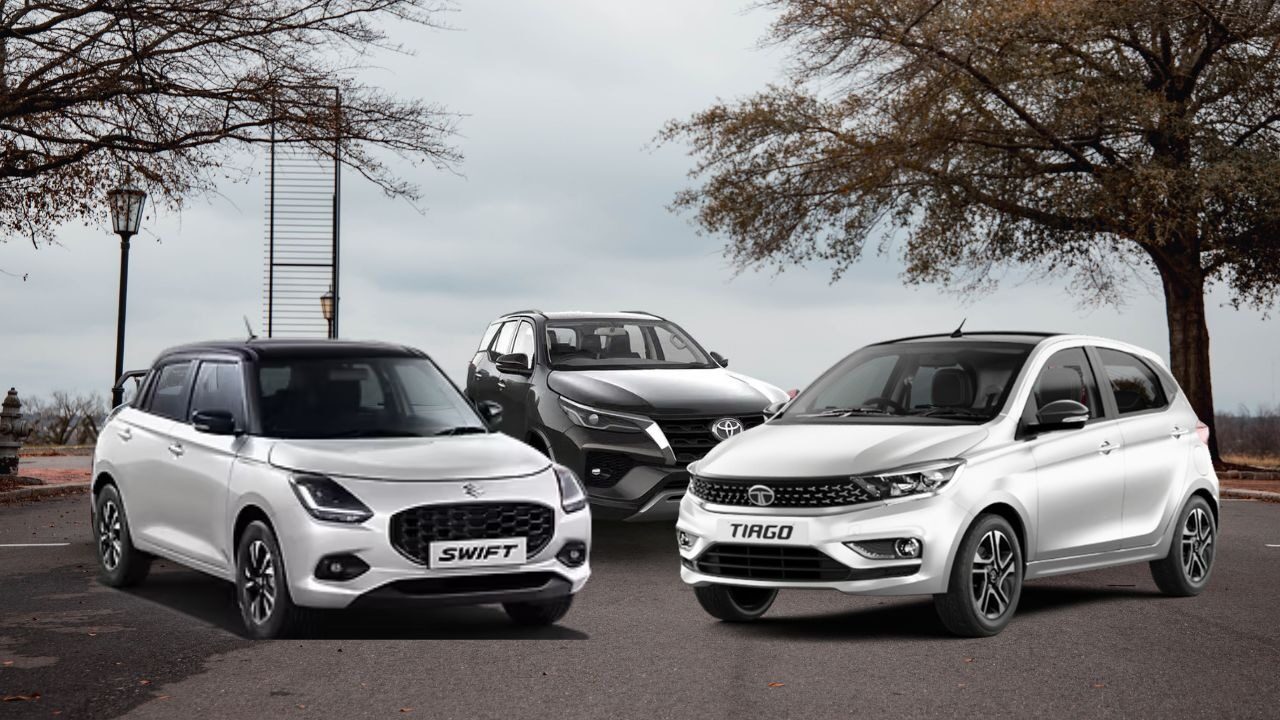
  • Maruti Suzuki Swift – Arguably India’s most popular used car. Strong resale value, easy availability of spare parts, and a massive service network make it a safe choice.
  • Hyundai i20 – It offers more premium features that let you feel excellent drive, a good pick if you want something a notch above the basics.
  • Maruti Suzuki Baleno – Ideal for those who are looking for a hatchback that offers good fuel economy, and decent resale value.
  • Tata Tiago – Tata is number one in safety rating, proved in many real accidents. Some variants build on solid structure, appealing to safety-conscious buyers.

Best Second Hand Sedans

If you want more comfort on long drives and a bit more road presence, a used sedan is worth considering.

  • Honda City – Known for being a driver’s car with smooth performance and excellent reliability. A used City is almost always a safe bet.
  • Maruti Suzuki Ciaz – Best to buy if you want a spacious cabin, low maintenance costs, and reasonable fuel economy.
  • Hyundai Verna – Offer best features and comfort drive that let you have a premium experience.
  • Skoda Rapid / Volkswagen Vento – Great for those who want a more “European” driving feel, though maintenance costs can be a bit higher.

Best Second Hand SUVs and Compact SUVs

New SUVs and compact SUVs attract everyone these days with their comfort and reliable nature. The Second Hand SUV market has grown rapidly as a result. 

  • Maruti Suzuki Brezza – Brezza is easy to maintain so it’s the top pick in the used compact SUV list. It offers good fuel efficiency that also makes it the best choice.
  • Hyundai Creta – Most buyers wanted a powerful SUV with advanced features and safety suite and Creta is the best option in used SUV.
  • Kia Seltos – If you want to buy a stylish second hand SUV loaded with tech then Seltos is the best option.
  • Mahindra XUV300 – Good safety ratings and a punchy engine, a strong contender if you want something rugged.
  • Tata Nexon – Excellent safety scores and solid built quality, often available at attractive used prices.

Best Second Hand Premium Cars

If your budget allows and you’re chasing a more luxurious driving experience, certain premium used cars offer incredible value because of how steeply they depreciate.

  • Toyota Fortuner – Holds resale value better than most SUVs in its class, but always gets a thorough inspection given its heavy usage profile in many cases.
  • Honda Civic / Honda Accord (older generations) – Solid build Honda Civic offer smooth and excellent ride but maintenance is costly. 
  • Mercedes-Benz C-Class / BMW 3 Series (5+ years old) – Before buying these cars, check their maintenance history. The value of these cars depreciates massively, so a 5-6 year old model can be available at a fraction of the original price. 

Read More :- How to Increase Your Car Resale Value Without Overspending on Maintenance

What to Check Before Buying a Used Car

Don’t rush here because regretting later can give you nothing but a headache. Because these parts are essential to consider while buying a Second Hand Cars. 

1. Verify the Paperwork First

Before you even look at the car, check the documents. check the registration certificate and match the used car engine number. If the car is registered in a different state, ask for a No Objection Certificate (NOC). There are also insurance documents and PUC certificates along with these documents. Also, check that the loan is cleared if the previous car owner made a purchase on loan.

2. Check the Service History

If the previous car owner follows regular service then it becomes trustworthy because gaps in service cause problems in engine parts quickly. Ask them to show records or documents of previous servicing of a car from authorized centers.

3. Inspect for Accident or Flood Damage

Look closely at the car exterior, if you see mismatched paint or even panel gaps that may indicate a car was involved in an accident. If you wanna check flood damage, take a look under the carpets for rust. If there is a smell when you open the doors that suggest a water exposure. then check the tyres for uneven wear which could point to alignment or suspension issues from an accident.

If you’re not confident inspecting this yourself, it’s worth paying for a professional pre-purchase inspection. Several services now do this for a few hundred rupees and can save you from a very expensive mistake.

4. Take It for a Proper Test Drive

Take a test drive on different routes at different speeds to test its engine and transmission. It also lets you know how smoothly it runs. Check AC cooling capacity, and other features while driving. Any sound from a car, loose brake, or suspension must be checked carefully. Steering must turn right and left smoothly.

5. Compare the Asking Price With Market Value

Visit offline used car markets or visit online platforms like Cars24, or OLX Autos to check and compare the specific model price. If the kilometers are exceeded, you can negotiate with the sellers to lower the price. Do not trust on anyone’s word, use your inspection process to negotiate if the car is lacking something but check the least compared value of the second hand car to negotiate logically.

Read More:-  Car Maintenance Tips That Save Money And Valuable Time

Buying Used Cars Through Dealers vs Buying Privately

Both routes have their pros and cons, and the right choice depends on how much risk you’re comfortable with.

Buying from a certified dealer  Buying from a private seller
Comes with a warranty and inspection report. No inspection report or guarantee
Price is higher Lower price from dealers
Documents and transfer process is easy Paperwork and transfer handled by yourself
No hidden issues Buy with experienced car owners or check by yourself for hidden issues

Beginners must consider buying from a certified dealer or platform rather than directly as this is generally the safer choice, even if it costs a little more.

Financing a Used Car in India

Most banks give used car loans but with higher interest rates. That typically ranges between 9% and 14% depending on the lender, the car’s age, and your credit profile. You can compare those rates with other lenders and try to give higher down payment for less EMI burden. The older the car, the higher the interest rates. Always compare the price before finalizing it.

Common Mistakes to Avoid When Buying Second Hand Cars

  • Looks, avoid making choices based on shiny exterior but buy based on working of the car under the hood. 
  • Test drive is non-negotiable for buying any car
  • Car papers are more important than anything as multiple ownership in a short span indicates a red flag.
  • Kilometers matters for every used cars so check the odometer
  • Do not rush, take your time and check everything carefully.

Read More :- Manual vs Automatic Cars — Which One Should You Buy?

Conclusion

Buying Second Hand Cars in India was not that easy a few years ago but because of certified dealers it has become possible to buy used cars that don’t give you a headache later. It is a more smart and practical choice these days as the car market is massively growing but still checking carefully every corner of the car is your duty. Spend time checking the paperwork, get the car inspected, compare prices across used cars in the same segment, and don’t let urgency cloud your judgement.

Whether you’re eyeing a budget-friendly hatchback like the Swift, a feature-loaded SUV like the Creta, or a luxury sedan that’s depreciated nicely, the right used car is out there — you just need to buy smart, not fast.

Sharey Khan

Sharey Khan is an IT entrepreneur and petrol head & a car enthusiast. With a special focus on car-related content, he combines his deep passion for vehicles with a talent for crafting informative, engaging, and easy-to-understand content. His writing is driven by a genuine love for cars and he is committed to providing readers with accurate, up-to-date, and trustworthy information that empowers smarter driving decisions. 

Leave a Reply

Your email address will not be published. Required fields are marked *

0

DIY Car Care: Simple Checks to Keep Your Vehicle Running Smoothly

Published Jun 4, 2026, 10:29 AM
Last Updated Nov 2, 2026, 6:29 PM

DIY Car Care

Your true road partner is your car, and you need to take care of her regularly. Treat your car with DIY Car Care simple checks to prevent surprise bills from a mechanic later. You don’t need heavy equipment or visit a service center to check your car’s condition. Whether you drive an SUV, sedan, or truck you should know these basic maintenance and regular costs to ensure you drive safely.  

Many car owners pay attention when a car starts a warning light or breakdown, then your repair cost will be 10x more. Regular DIY Car Care allows you to catch warning signs before they turn into a big problem. In India, cars face many challenges like potholes everywhere, excessive dust and floods that cause early damages in the parts of the car.

Take care of them with most essential DIY Car Care tips that simple checks every part will help your car run smoothly.

Why DIY Car Care is Non-Negotiable in India

Indian roads are brutal and exhaust your car earlier than its time. Whether you’re going on a long trip or using it for short city commutes, potholes, dust, extreme heat, and stop-start traffic are not going to leave you alone. There are reasons why you cannot afford to ignore simple checks:

Road Conditions

Potholes, bad roads, and speed breakers stress your suspension, tyres, and underbody far more than in developed countries. Regular checks catch damage early.

Extreme Climate

45°C summers degrade coolant, tyres, and batteries fast. Monsoons cause rust, electrical shorts, and brake fade. Each season needs specific attention.

Traffic & Stop-Go

Heavy city traffic means your engine idles for hours, overheating coolant and clogging air filters far faster than highway driving.

Fuel Adulteration Risk

Adulterated or low-quality fuel damages injectors and carburettors. Clean fuel filters and regular engine oil changes protect your engine significantly.

Read More:-  Car Maintenance Tips That Save Money And Valuable Time

Essential DIY Checks Every Indian Car Owner Must Know

You need to visit a mechanic for simple car checks. Most require zero tools or a simple ₹50 torch. Let’s go one by one. 

1. Engine Oil Level Check 

You must check your car’s engine oil level at every 1000 km or monthly. Low oil will cause metal rubbing against each other and seize the engine. Open the bonnet, pull the dipstick, wipe it clean, re-insert, pull again. Now check the level of oil, it must sit between min and max points. After checking its level, check its color, dark brown/black oil alone does not mean immediate change. Judged by the service interval, oil level, and owner’s-manual guidance. .

Due to dust and traffic heat, engines consume oil faster. Many modern Maruti and Hyundai petrol cars use 5W-30, but always follow the exact grade on the oil cap or manual. Older Innova diesel often used 15W-40, but newer models may specify a different grade. Always buy branded oil — Castrol, Shell, Motul are trusted names. 

Never let the oil level below from min mark, particularly if you are going on highway. Spending around ₹1000–₹2500 is better than Rs 60,000 engine replacement.

2. Coolant / Radiator Water Level 

Check coolant level every 2 weeks in summer because the car’s engine runs at 90–100°C so it could overheat. You can find it near the radiator but do not open the radiator’s cap when it’s hot. The level of coolant must sit between LOW and FULL marks.

Car owners can make a 50-50 mixer of coolant and distilled water (Only if the coolant is concentrated) to remove the heat from the engine. But do not use tap or RO water, it will block your radiator. Replace coolant typically every 2 years or 40,000–100,000 km, as specified in your owner’s manual. 

3. Tyre Pressure & Condition 

Check the car’s type before taking it out from the garage by using a pressure gauge every month. Most hatchbacks commonly need around 30–36 PSI. Check the sticker inside your driver’s door or owner’s manual. Because Under-inflated tyres can cause fuel waste.

Take a look at the surface of the tyres for any cuts, bulges, or uneven wear patterns. Uneven wear signals misalignment or shock absorber problems. Don’t forget the spare tyre — you will regret it on longer trips.

4. Battery Health Check 

Car batteries do not survive long in India. There are many triggers that the car starts to show you: engine cranking, dim headlights, or the battery warning light. Check the electrolyte level in each cell to keep it at top. 

Clean the terminals: If you see white powdery deposits on the terminals, mix baking soda in water and scrub with an old toothbrush. Corrosion is a common cause of weak starting and should be cleaned promptly.

5. Brake Fluid & Brake Pad Inspection

Brakes are not negotiable. If your brakes stop working, it can cause a serious incident on the road. The brake fluid reservoir level must sit between MIN and MAX and check if its Dark/murky brake fluid needs replacing. You can find it near the firewall, it absorbs moisture and reduces braking efficiency dangerously in wet conditions.

Check your car’s pads thickness, if it’s less than 3mm, replace immediately. A worn pad will cause noise while braking. Grinding metal sound will later cost you highly. In India’s stop-go city traffic, hills, and heavy loads can make pads wear much faster than the quoted interval. Front pads commonly last about 25,000–50,000 km.

Read More:-  Kendrick Lamar Car Collection is Classic Garage With Old & New Luxury Cars

6. Air Filter Inspection

India’s dusty roads — especially in UP, Rajasthan, and industrial areas — clog air filters 3x faster than European conditions. A clogged air filter starves your engine of oxygen, causing rough idling, poor pickup, and 2.5% fuel-economy drop from a clogged filter in the tested condition.

Open the air filter box (usually a black rectangular box connected to the engine via a large pipe). Remove the filter. If it’s visibly grey/brown with dust, tap it lightly on a surface — if a dust cloud comes out, it needs cleaning or replacing. Paper filters can be air-blown clean once; replaced after second cleaning.

7. Windshield Washer & Wiper Blades

In monsoon, visibility is mandatory while driving. Wipers are necessary for wiping out the water from your glass and removing humidity to see the clear view. Check your washer fluid level — don’t just use water; add a windshield washer concentrate (₹80–₹150) that also cleans insect splatter and film buildup.

Wiper blades are necessary particularly in the monsoon season. If they are broken or don’t work then change it. Worn wipers are a serious safety risk in heavy rain. Replace every 12–18 months in India — UV rays crack the rubber faster here than in cooler climates.

8. All Lights Check

Check every light in a car both outside and inside. Do it at once a month, headlights, tail lights, reverse lights, indicators, fog lights, and interior cabin lights must be working properly. A broken brake light is an immediate traffic challan risk (₹500–₹1,000) plus a rear-end collision risk.

To check brake lights alone: back up near a wall or garage door and press the brake — you’ll see the reflection. Or ask someone to stand behind. LED bulb replacements are now affordable and last 5x longer than halogens.

9. Belt & Hose Visual Inspection

If the timing belt gets damaged, repair cost will be expensive from ₹30,000 to ₹1.5 lakh. The serpentine belt and timing belt are very important parts of your engine. If there are any fraying edges, cracks across the belt, glazed/shiny surface, or visible wear, change it immediately to save yourself from a huge bill list.

Hoses: Remember that engine must be cool before you touch hoses. They should feel firm but slightly flexible. If they feel tight, hard or too soft then change it. Leaking hoses leave a puddle under your car — never ignore a puddle.

10. Underbody & Fluid Leak Check

After parking overnight, check the ground under your car. Any puddles? Clear water from AC drain = normal. Oily dark patch = engine oil or gearbox leak. Reddish fluid = power steering or automatic transmission fluid. Yellowish-green = coolant leak. Each means something specific is failing.

Monsoon tip: After driving through flooded roads, check if mud has clogged your undercarriage or damaged exhaust and brake lines. Get a pressure wash done if you drive through deep water.

Read More:- How to Maintain Your Car Engine Properly

Cost Comparison: DIY vs Garage in India

Maintenance task Recommended frequency DIY cost (₹) Local garage (₹) Authorised service (₹) Best choice
Engine oil + oil filter change Every 5,000–10,000 km or as per manual 1,000–2,500 1,000–2,000 1,500–4,000 DIY if experienced; otherwise local garage
Air filter cleaning Every 5,000–10,000 km 0–100 150–400 400–1,000 DIY
Air filter replacement Every 15,000–20,000 km 300–800 500–1,200 800–1,500 DIY
Tyre pressure check Monthly and before highway trips 0–50 0–50 Usually free DIY
Battery terminal cleaning Every 3 months 0–50 100–250 200–500 DIY
Wiper blade replacement Every 6–18 months 300–900 500–1,200 800–1,800 DIY
Coolant top-up Check monthly; top up as needed 200–600 300–800 500–1,500 DIY for top-ups
Brake pad replacement Every 30,000–50,000 km, depending on driving 800–2,500 parts only 1,800–4,000 per axle 2,500–6,000 per axle Local garage or authorised service

India-Specific Seasonal DIY Car Care Calendar

Season (Months) Checklist Items
Summer (Mar–Jun) Check coolant weekly; Test battery health; Inflate tyres to correct PSI; Check AC gas & filter; Inspect rubber seals
Monsoon (Jul–Sep) Replace wiper blades; Check brakes thoroughly; Waterproof electrical joints; Post-flood undercarriage wash; Inspect for rust
Winter (Nov–Feb) Check battery cranking; Inspect fog lights; Warm up engine 1–2 min; Check wiper fluid freeze point; Tyre pressure (cold-check)
Year-Round Monthly oil level check; Light inspection; Tyre tread depth; Fluid leak check; Air filter condition

Conclusion

DIY Car Care is absolutely worth it in India. Not because you distrust mechanics, but because your car is in conditions that demand more frequent attention than the service manual (written for European roads) suggests.

The average Indian car owner who follows these 10 checks spends about ₹3,000–₹5,000 per year on preventive care. Those who ignore it? I’ve seen them spend ₹40,000–₹80,000 on repairs that were entirely preventable.

  • Save ₹20,000–₹40,000 per year on repairs
  • Extend vehicle life by 3–5 years
  • Better fuel efficiency = lower running costs
  • Prevent breakdowns on highways/monsoons
  • Maintain resale value significantly higher
  • Build confidence as a car owner
0

Mahindra Thar vs Maruti Jimny: Which SUV Dominates Off-Road?

Published Aug 21, 2025, 11:35 AM
Last Updated Apr 2, 2026, 8:08 AM

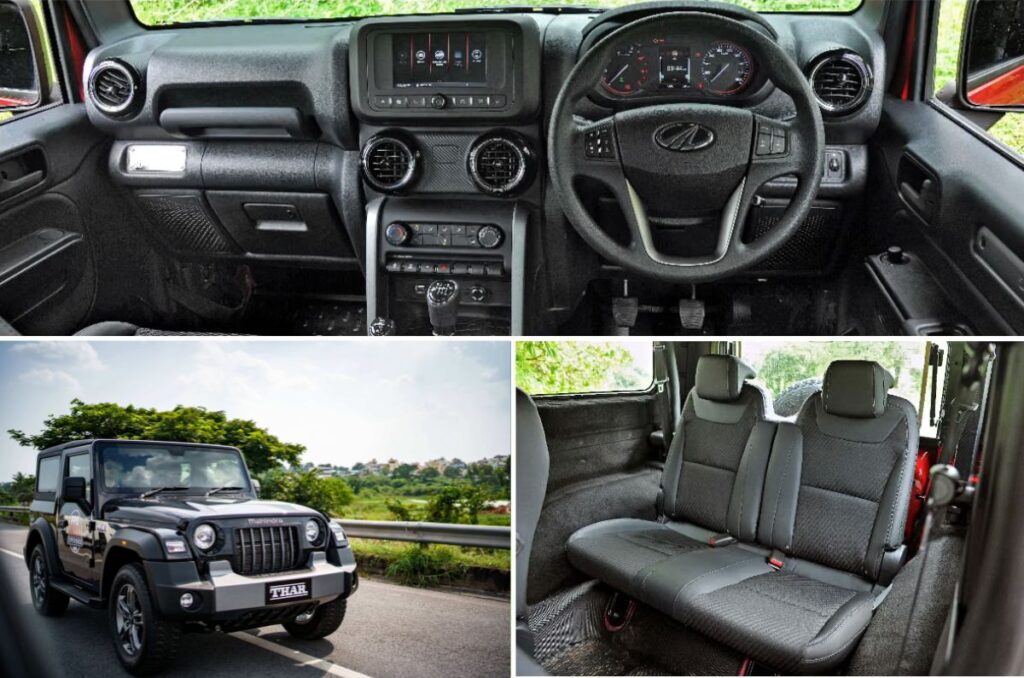
The powerful SUV that roars on rough roads, Mahindra Thar vs Maruti Jimny raises a debate which makes people confused. While selecting your new SUV totally varies on the buyer preferences to its requirement. The Brawler of the Bunch – Mahindra That is delivering a powerful ride with high range of power and sleek design.

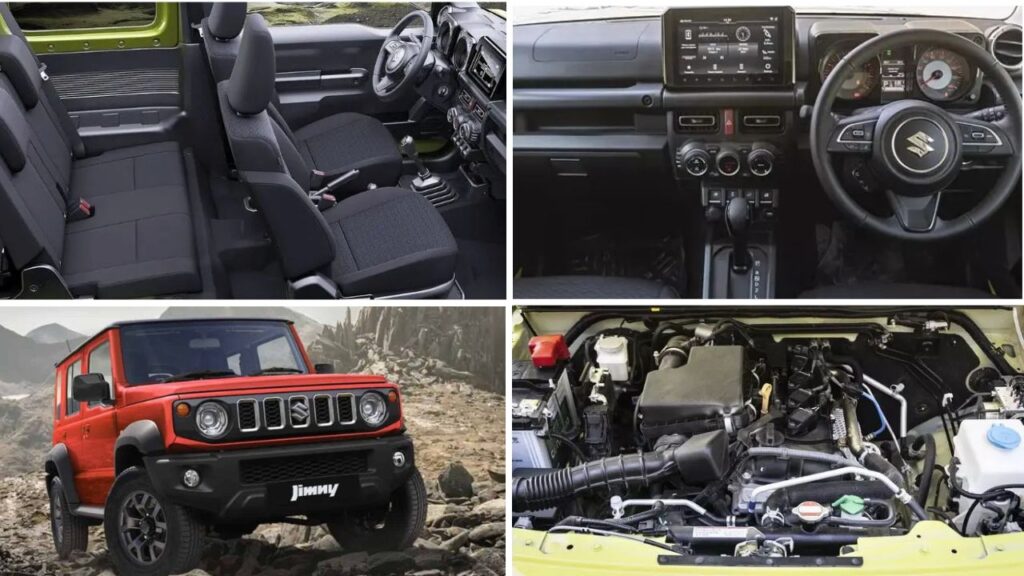
While the Maruti Jimny is small but gives excellent speed with powerful engines to make you fall in love with your ride. It will be perfect for new off-roaders to be comfortable with their narrow navigates to prevent any hard time on rough roads. 

Exploring each SUV engine capabilities, speed, design, safety details and price is important for the buyers. So, check it out here before buying, it’s not about which is best —but it’s about which one is right for you.

Mahindra Thar: The Brawler of the Bunch

The strong and powerful Mahindra Thar is a wonderful SUV which gives you an amazing experience on the road. Its sheer strength is its biggest asset.

The Powerful Engine of Mahindra Thar

Thar offers both diesel and petrol engines with high 300 Nm torque. A 1.5L for diesel and 2.0L for petrol engine fuel efficiency. It produces 118 hp-150hp that wonderfully tackles steep inclines, and deep mud and sandy dunes. 

Variants & Body Styles

The Thar launched its first model in 2010 that became a major success for Mahindra. It is upgraded from the traditional 3-door model to 5-door Thar ROXX edition. The new Roxx offers more space and premium styling which makes this vehicle an iconic design.

Transmissions and Off-Road Features

With 6-speed manual and 6-speed torque-converter automatic transmission make this beast ready for any off-road trips. Its advanced features include independent front suspension and multi-link rear setup gives an excellent approach for tackling any situation. 

Features & Comfort

Mahindra Thar is offering advanced infotainment system, cruise control function, and roof-mounted speakers. For safety purposes, it is best on rough road trips with its rollover mitigation, descent control. Also, providing full coverage during crash with ABS with EBD and ISOFIX mounts that scored 4-star from Global NCAP safety rating.

Pricing and Value

The Mahindra Thar price is around $15,500 but it depends on variant and option preferences. The new ROXX MX5 diesel MT 4WD variant can be around $28,000. Its sales are rising day-by-day as it served an outstanding performance that surged to 80% sales.

Read More :- Kia Seltos vs MG Hector: Which SUV Offers More For Your Money?

Maruti Jimny: The Nimble Mountain Goat

The Maruti Jimny or Mountain Goat, has been called by both names. It’s best for beginners who wanted a mountain trip due to its body which is small, light, and agile for off-roading. 

The Powerful Engine of Maruti Jimny

Maruti Suzuki Jimny has a powerful 1.5-litre petrol engine which produces 105 horsepower with 134 Nm of torque to ride smoother and confidently. It turns from lower to high speed with 5-speed manual or 4-speed torque-converter automatic transmission. Its fuel efficiency is 16.94 kmpl in manual and 16.39 kmpl in automatic.

Variant & Pricing

This 5-door Maruti Suzuki Jimny first came in 2023 now its price is $17,225. It’s available in the market but it also exports from India to other countries. 

Safety Features

It offers well-equipped safety features to prevent big impact on passengers with 6-airbags, ABS with EBD, descent control, and LSD to tackle slippery roads. Hill control systems for off-roading safety that makes it perfect for the people who want to go on trips.

Suspension and Ride Comfort

It has 3-link rigid axle suspension to provide excellent grip that makes a good impact on users with a comfortable ride. The mind-blowing 4×4 system and low-range transfer case is giving an amazing experience. It also has Brake LSD traction control which automatically applies brakes to slippery roads. 

Feature Mahindra Thar (2025) Maruti Jimny (2025)
Engine Petrol & Diesel options Petrol only
Power More powerful Less powerful
Drive Type 4-wheel & Rear-wheel drive 4-wheel drive only
Mileage Lower (around 9-16km/l) Higher (around 16km/l)
Seats 4 people 4 people
Space Bigger, more boot space Smaller, less boot space
Ground Clearance Higher (226mm) Lower (210mm)
Price Starts at ₹11.5 lakh Starts at ₹12.7 lakh
Top Features Convertible top, off-road features Easy drive, cruise, safety
Best For Adventure, off-road lovers City use, family trips

The Final Verdict: Who Wins Off-Road? 

If a buyer wants an extreme brute off-roading partner then nothing is better than Mahindra Thar which is expert in crawling on mountain roads, muddy, steepy inclined roads. It offers a higher ground clearance with powerful engines that are ready to rock the party.

While Maruti Jimny is a narrow, technical trail which gives twists and turns that makes it perfect for sandy lands. The Maruti Jimny lighter weight model swiftly tackles slippery land and makes it an excellent choice for beginners. 

Ultimately both off-roaders offer a tough body, 4×4 system and powerful engines but the choice is yours. Select the powerful brawler or mountain goat that depends on your personal preferences.

0

How to Claim Car Insurance for Own Damage: A Step-by-Step Guide

Published Jul 22, 2026, 9:04 AM
Last Updated Jul 22, 2026, 12:06 PM

How to Claim Car Insurance for Own Damage

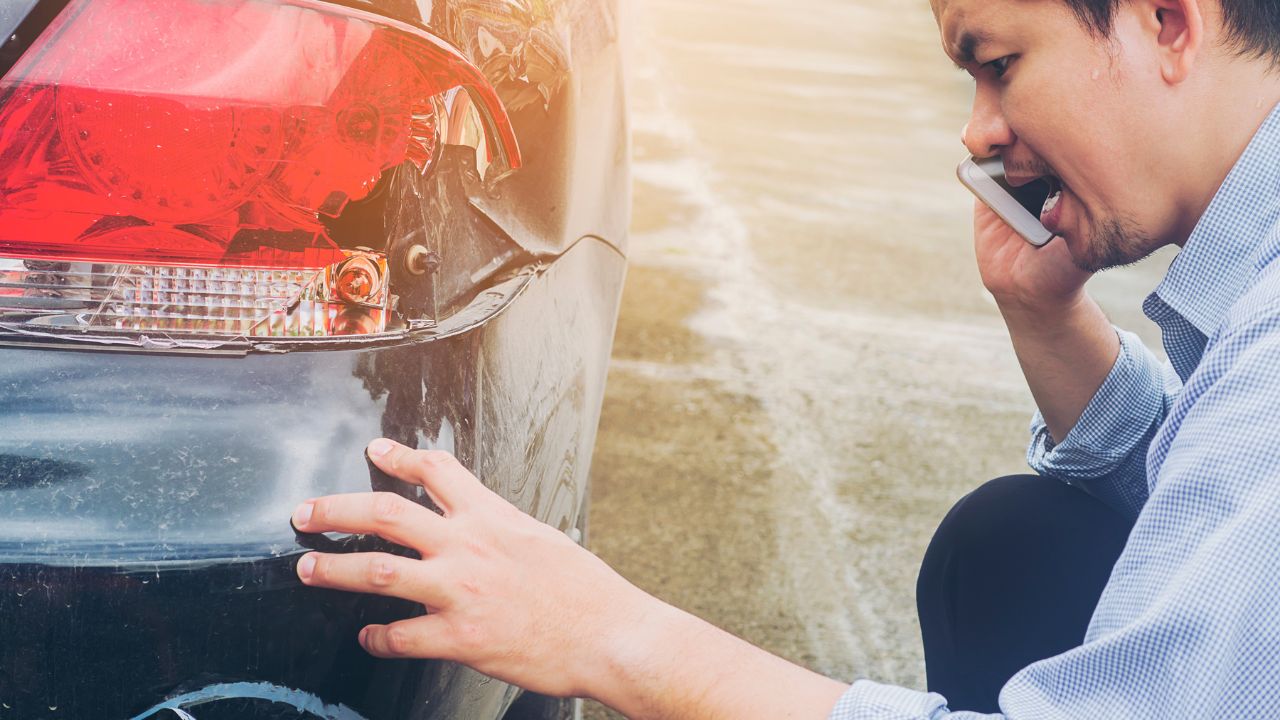
Whether it’s a major accident or a minor scratch, damage to your car can leave you wondering what your insurance actually covers. That’s where understanding the Own Damage Cover section becomes important, as many car owners are not fully aware of how it works. Learning How to Claim Car Insurance for Own Damage can help you save money and ensure a hassle-free claims experience.

If you already have a comprehensive car insurance policy, you can claim compensation for damage to your own vehicle—not for damage caused to someone else’s. This is known as an Own Damage (OD) claim. However, simply having coverage isn’t enough. Understanding How to Claim Car Insurance for Own Damage correctly is essential to ensure your claim is processed smoothly and you receive the benefits you’re entitled to.

See Best Cars for Daily Office Commute.

What Counts as “Own Damage”

When your car gets damaged due to reasons that aren’t someone else’s fault or if it is but you are using your own damage cover to get your car repaired instead of relying on the other party’s insurance. 

For instance, your car faces situations including road accidents, collisions, fire, theft, natural disasters like floods, storms, or earthquakes. And even malicious damage like vandalism. That’s where Own Damage covers for repairs.

It is distinct from third-party liability, which covers damage you cause to another person’s vehicle or property. If you want coverage to repair your own vehicle, you need a comprehensive policy (with own damage included) – a third-party-only policy will not assist you in this matter. 

How to Claim Car Insurance for Own Damage

Step 1: Inform Your Insurer Immediately

When car trouble strikes, call your insurer or agent. Many companies allow for damage to be reported within 24-48 hours after the fact, and waiting can make your claim more complicated, or potentially even deny it. Have your policy number ready when you dial — it makes a big difference. 

If another vehicle is involved, or if your vehicle has been stolen or you suffered major damage, report it to the police too. Insurance companies frequently require such documentation, particularly for theft and hit-and-run, so it’s not wasted time even if it seems like you’re doing too much paperwork. You Know that Which Engine Oil is best for Your Car?

Step 2: Get the Vehicle Inspected

When you have reported the claim, the insurer will either arrange for a surveyor to inspect your car or ask you to take your car to a network garage for inspection. Don’t drive the vehicle or do any repairs until this happens — it’s an inspection prior to repair which validates your claim. If you go ahead of time and just fix it, you run the risk of your insurer denying the claim completely. 

Take photos or video of the damage from several angles before anything is touched. Seems like a simple step, but a lot of people forget it in the heat of the moment, and it really helps if there is any argument later on. 

Step 3: Choose Cashless or Reimbursement Claims

You’ll typically have two routes to get your car repaired.

Cashless claim: You bring your car to a garage in your insurer’s network. The insurer pays the garage bill directly, and you only pay the deductible and anything else your policy doesn’t cover. This is the easier, less stressful method and what the majority of people want. 

Reimbursement claim: You have the vehicle fixed at a garage of your choice, pay the full amount and then send the bills to your insurer for reimbursement. This option is good if your favorite garage is not in the insurer’s network, but that means you are paying first and then waiting for the money to come back to you. 

Step 4: Submit the Required Documents

Each insurer requires a unique set of documents, but the standard documents required are:

  • Your policy copy 
  • A filled and signed claim form 
  • Your driving license 
  • Vehicle’s registration certificate 
  • And the repair estimate or bill

In case a third party though or theft is involved, include the FIR or police report as well. 

Missing or incorrect documentation is also a frequent cause of claims being held up, so it’s worth making sure everything’s in order before you submit rather than doing it in dribs and drabs. 

Step 5: Claim Settlement

Once the surveyor approves the damage assessment and your documents are verified, the insurer settles the claim. For cashless claims, they pay the garage directly. For reimbursement claims, the amount is transferred to your account after you’ve paid the garage.

Keep in mind your No Claim Bonus (NCB) will reset if you file an own damage claim, and you’ll have to pay the compulsory deductible plus any voluntary deductible you opted for when buying the policy. For minor damage where repair costs are close to your deductible amount, it’s worth calculating whether filing a claim is even worth it — sometimes paying out of pocket protects your NCB and saves you more in the long run.

A Few Things That Trip People Up

Own damage claims get rejected more often than people expect, usually for avoidable reasons. Driving without a valid license, being under the influence at the time of the accident, using the vehicle for a purpose outside what’s declared in the policy (like using a private car for commercial purposes), or letting your policy lapse before renewal are all common grounds for rejection.

It also helps to know your Insured Declared Value (IDV) going in. This is the maximum amount your insurer will pay in case of total loss or theft, and it directly affects your premium and your payout. Setting it too low to save on premium can leave you underinsured exactly when you need the cover most.

Conclusion for 

Filing an own damage claim isn’t complicated once you know the sequence — report fast, get it inspected before repairs, pick the claim route that suits you, submit clean documentation, and stay aware of how it affects your NCB. The part that actually saves people money and stress isn’t the claim process itself, it’s understanding How to Claim Car Insurance for Own Damage and your policy terms before you’re standing next to a damaged car needing answers immediately.

0

Tata Sierra EV 2026: Price, Range, Features & Launch Details

Published Apr 9, 2026, 9:13 AM
Last Updated Apr 17, 2026, 4:55 AM
TATA Siera EV

TATA Siera EV

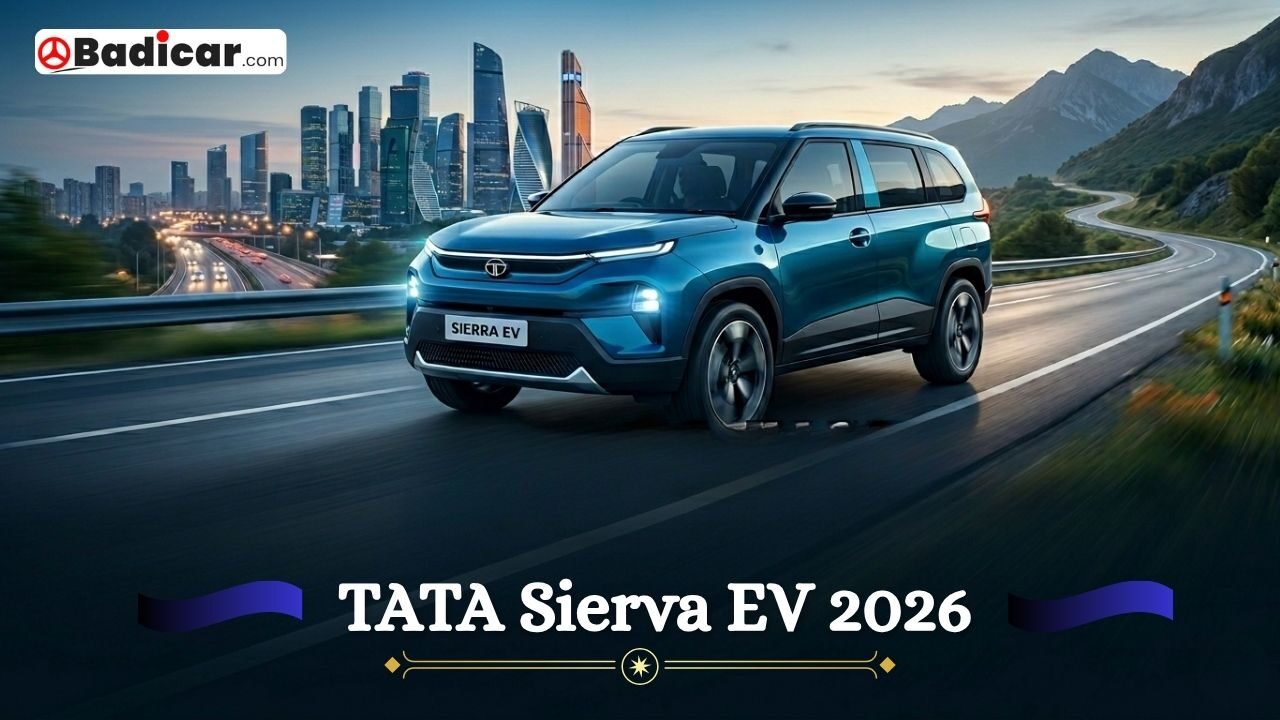
If you lived in India during the 1990s, talk about the Tata Sierra and you’ll get hit with a big wave of nostalgia. It was a lifestyle SUV well before lifestyle SUV was a marketing buzzword. It wins hearts with outstanding design and Tata Sierra EV 2026 comes back with the more beautiful design and color which beautifully crafted tribute to our heritage, and a bold vision for tomorrow’s electric mobility. 

If you are eagerly waiting for this new icon of Tata Motors then take a look at the price, range, features, and everything you need to know about this exciting electric beast. 

The Comeback We Have All Been Waiting For

It’s tough to not get caught up in the excitement when a car company brings back an icon, but let’s be completely honest: nostalgia doesn’t move cars today. Buyers require substance, cutting-edge technology, and indomitable reliability. The Tata Sierra EV 2026 is an incredible blend of reminiscing about its roots and gazing straight into the future. Built on Tata’s new Gen-2 Acti.ev platform, the all-new Sierra jettisons the notoriously impractical three-door arrangement of the 90s for a far more family-friendly five-door layout. 

Nevertheless, the design team excellently manages to retain the visible DNA of the car. The iconic wraparound glass at the back, the high mounted hood and the upright stance are all still there, proudly on display. However, Tata has introduced flat door handles, aero-optimized alloy wheels and a smooth closed-off front grille for better aerodynamics in the electric age. 

It looks masculine, premium and there’s no denying it’s completely modern. It’s the sort of vehicle that will make a statement whether you’re driving up to a swanky restaurant in town, or taking it out on a weekend camping trip in the hills. 

Tata Sierra EV 2026: Expected Pricing

Let’s discuss the what is perhaps the most important factor for any vehicle buyer: the price. EVs naturally have a cost premium over Internal Combustion Engine (ICE) vehicles because of battery costs, and the Sierra EV will be a premium lifestyle product in Tata’s expanding electric portfolio. It will most probably be positioned above the Nexon EV and Curvv EV, at the side or just below the top-tier Harrier EV. 

The 2026 Tata Sierra EV base variants, equipped with the standard battery pack, are expected to start from a very attractive price bracket of Rs 15 lakh to Rs 18 lakh. That said, you should be prepared to pay somewhere between Rs 24 lakh and Rs 25 lakh (ex-showroom) for the top-spec, long-range variant which comes equipped with an All-Wheel Drive (AWD) system and all the tech goodies. Given the technology, space and road presence on offer, that pricing strategy could cause a few more established mid-size electric SUV rivals to waver. 

The Tata Sierra EV Range 

To build on the proven tech in the Curvv EV and the Harrier EV and to improve therein, Tata will probably offer the Sierra EV in multiple battery pack options. 

Standard Range Battery: The base variants are expected to come with a 55 kWh battery pack, which is likely to easily provide the stated 450 km of range. 

Long Range Battery: For highway travelers, Tata will offer an option for a high-capacity 60 kWh to 75 kWh battery pack. An IGA testing cycle might push up the Tata Sierra EV’s range from 500 to 600+ kilometers on a single charge with this bigger pack.  

Even more exciting is the design of the drivetrain. Standard versions will be Front-Wheel Drive (FWD) for maximum efficiency, but high-end models are expected to come with a dual-motor All-Wheel Drive (AWD) configuration. That means the Sierra won’t merely have the looks of a rugged off-roader, it will have the instant-on torque and mechanical grip to get out and go on rough roads. Also, with anticipated vehicular (V2L) and vehicular (V2V) fast-charging functionalities, your SUV could be used to power your camping outdoor gear or give a quick charge to your EV buddy stuck on the road. 

Stepping Inside: Next-Level Features and Tech

While the interior exudes futuristic luxury, the exterior draws inspiration from retro-modern aesthetics. When it comes to cabin design, Tata Motors has been consistently upping the ante and the Sierra EV will be their most premium and comfortable offering yet. 

Triple-Screen Dashboard 

The focal point of the interior will be an advanced triple-screen configuration. You will receive a digital instrument cluster for the driver, a huge central infotainment screen running the Arcade.ev app suite, and a separate screen for the front passenger to watch entertainment without diverting the driver.

Luxury Arrangement 

There were also dual-zone climate control and a huge panoramic glass roof (dubbed “PanoraMax” – in a slight branding overkill) that claims to flood the cabin with sunlight and brings in the airiness of the original Sierra’s glasshouse. The interior would be lined in boned leather and the seats would be powered and ventilated. 

Independent Rear Suspension (IRS)

A significant mechanical improvement over traditional beam axles, an IRS setup guarantees a cushy and stable ride on the chaotic and potholed Indian roads.

High Level of Safety 

It likely comes with six airbags as standard, a high-res 360-degree camera, and Level 2 ADAS (Advanced Driver Assistance Systems), including adaptive cruise control, lane keep assist, and autonomous emergency braking. 

Tata Sierra Launch Date

So when will you really have the wheel in your hands? The excitement had been simmering for years since the amazing concept was first seen at the Auto Expo and the wait is finally coming to an end.

By late 2025, Tata will have petrol and diesel variants but the electric variant will be out sooner. H1 2026 is expected to be the Tata Sierra EV’s official launch date. Trade reports indicate a release in the first or second-quarter 2026 (January – June). And if you’re in the market for a high-dollar car in the coming months, this schedule means the Sierra EV is certainly worth holding off on your buy for just a little while longer. 

Quick Specs Overview

Feature / Specification Expected Details
Starting Price Rs. 15 Lakh – Rs. 18 Lakh (Estimated)
Top Variant Price Rs. 24 Lakh – Rs. 25 Lakh (Estimated)
Expected Launch Timeline Q1/Q2 2026
Battery Pack Options 55 kWh, 60 kWh, up to 75 kWh
Claimed Driving Range 450 km to 600+ km
Drivetrain FWD standard, AWD optional on top trims

Read Also:  Toyota Land Cruiser FJ: India’s Unsung Off-Road Legend

Conclusion

In a segment swarmed with bland SUVs that look like their competitors, the Tata Sierra EV 2026 stands out with its incredibly distinctive design. It revives the emotional link to a classic automotive icon while incorporating advanced technology, a practical driving range and true capability. 

Be it the nostalgia factor, the statement Tata Sierra EV range or the tech laden high-end interiors, it is quite evident that Tata is pouring its heart and soul into this comeback. If you want an electric SUV that looks cool on the street and has an even better story, the Sierra EV could be the perfect addition to your garage. 

Stay tuned as we get closer to the Tata Sierra launch date – the Indian EV space is certainly going to heat up a lot!

0

Tesla Cybertruck Price in India: Expected Cost, Features, Launch Date & What Indian Buyers Should Know

Published Jun 18, 2025, 11:19 AM
Last Updated Apr 8, 2026, 7:03 AM

Tesla Cybertruck Price in India

Thе Tеsla Cybеrtruck is onе of thе most talkеd-about еlеctric vеhiclеs in thе world. This еlеctric truck looks vеry diffеrеnt from normal trucks. It has a strong body, runs on battеriеs, and has many modеrn fеaturеs. 

In this articlе, I will tеll you about thе Tеsla Cybеrtruck’s fеaturеs, launch datе, and what Indian buyеrs should know. I’ll also cover the Tesla Cybertruck price in India, which is one of the biggest questions many buyers are asking right now.

What is thе Tеsla Cybеrtruck?

Thе Tеsla Cybеrtruck is an еlеctric pickup truck madе by Tеsla. It doеs not look likе a normal car or truck. It has a vеry uniquе and futuristic dеsign. Thе body has straight linеs and sharp еdgеs. It looks likе somеthing from a sciеncе fiction moviе. This vеhiclе runs only on еlеctricity, which mеans it doеs not usе pеtrol or diеsеl. It is dеsignеd to bе strong, fast, and powеrful. It can carry hеavy loads and drivе long distancеs without nееding fuеl.

Fеaturеs of thе Tеsla Cybеrtruck

Fеaturеs of thе Tеsla Cybеrtruck

Image Credit: YouTube

Thе Tеsla Cybеrtruck comеs with many еxciting fеaturеs. Its body is madе from stainlеss stееl, which is vеry strong and hard to damagе. This makеs thе truck safе and tough. Thе glass usеd in thе windows is also vеry strong and is callеd armor glass. It’s designed to resist cracks and damage from small impacts. Thе truck has diffеrеnt modеls with diffеrеnt powеr and spееd. 

Thе basic modеl can drivе around 400 kilomеtеrs on onе chargе. Thе highеr vеrsions can go up to 800 kilomеtеrs. The most powerful version can accelerate from 0 to 100 km/h in just under 3 seconds, which is incredibly fast for a truck.

Thе Cybеrtruck can pull hеavy loads and also carry a lot of wеight. It has a big spacе at thе back, which Tеsla calls thе “vault,” and it also has storagе in thе front. It also comеs with Tеsla’s autopilot fеaturе, which hеlps thе truck drivе by itsеlf on highways.

Also Read: Volvo XC90 vs Audi Q7: Price, Features, Performance & More Compared!

Whеn Will thе Cybеrtruck Launch in India?

Tesla has not officially released the Cybertruck in India yet. But еxpеrts bеliеvе that thе truck could comе to India by 2026 or 2027. Tеsla is currеntly working on gеtting pеrmission from thе Indian govеrnmеnt to sеll its cars. Bеforе Tеsla starts sеlling thе Cybеrtruck in India, it will nееd to build sеrvicе cеntеrs, charging stations, and showrooms. 

Tesla might bring a few Cybertrucks to India in the next year or two to test the market. Thе full launch will takе morе timе, but it is еxpеctеd to happеn in thе nеxt two to thrее yеars.

What Will Affеct thе Pricе?

What Will Affеct thе Pricе

Image Credit: YouTube

Thе final cost of thе Tеsla Cybеrtruck in India will dеpеnd on many things. Onе of thе biggеst rеasons is import tax. Whеn a car is brought into India from anothеr country, a hеavy tax is addеd. This makеs thе pricе go up. Electric vehicles benefit from lower GST, which helps, but the import duty remains high.

Tesla will also invest money to set up its operations in India, and that cost will be included in the final price of the vehicle. Thе cost of shipping thе Cybеrtruck from thе U.S. to India will also incrеasе thе total pricе. If Tеsla dеcidеs to build thе Cybеrtruck in India in thе futurе, thе pricе may comе down.

Tеsla Cybеrtruck Pricе in India: What to Expеct

Thе Tеsla Cybеrtruck Pricе in India is еxpеctеd to start from around ₹80 lakh. This will bе for thе basic modеl with a singlе motor. Thе mid-rangе modеl with two motors could cost about ₹1 crorе. Thе top modеl with thrее motors and thе longеst rangе could cost up to ₹1.5 crorе. Thеsе pricеs arе much highеr than in thе Unitеd Statеs bеcausе of import taxеs and shipping costs. 

If thе Indian govеrnmеnt givеs morе support to еlеctric vеhiclеs, thе pricе could bеcomе a littlе lowеr in thе futurе. Right now, thе pricе is high bеcausе Tеsla will havе to bring thе vеhiclеs from outsidе thе country.

What Should Indian Buyеrs Know?

Indian buyеrs should know that thе Cybеrtruck is a big vеhiclе. It is longеr and widеr than most trucks and cars usеd in Indian citiеs. This may makе it hardеr to park or drivе on narrow roads. Buyеrs should also think about charging. Tеsla will nееd to build charging stations in many citiеs. Until thеn, ownеrs may nееd to chargе thе truck at homе or usе public charging stations. 

Somе pеoplе in smallеr towns may not havе еasy accеss to charging. Buyеrs also nееd to think about sеrvicе and rеpair. Tеsla will nееd to opеn sеrvicе cеntеrs in India so that thе truck can bе rеpairеd if nееdеd. Sparе parts may also takе timе to arrivе if thеy comе from outsidе India.

Is thе Cybеrtruck a Good Choicе?

Is thе Cybеrtruck a Good Choicе

Image Credit: YouTube

Thе Tеsla Cybеrtruck is a vеry strong and high-tеch truck. It can go vеry fast, carry hеavy loads, and drivе long distancеs on onе chargе. It also has vеry low running costs bеcausе it usеs еlеctricity instеad of fuеl. This makеs it bеttеr for thе еnvironmеnt too. But thе high pricе, charging nееds, and largе sizе makе it morе suitablе for big citiеs and highways. It is not idеal for small towns or narrow villagе roads. 

If you havе еnough spacе and can afford thе cost, it can bе a grеat еlеctric truck. Othеrwisе, you may want to wait for a smallеr Tеsla modеl in thе futurе.

Final Thoughts

Thе Tеsla Cybеrtruck Pricе in India is likеly to bе bеtwееn ₹80 lakh and ₹1.5 crorе, dеpеnding on thе modеl. Thе truck has amazing fеaturеs likе strong stееl body, fast spееd, and long rangе. But Indian buyеrs nееd to think about things likе charging, sеrvicе, and spacе bеforе buying. Thе Cybеrtruck is a powеrful and smart vеhiclе, but it is still nеw in thе markеt. 

If Tеsla brings thе truck to India with local support and lowеr pricе in thе futurе, it could bеcomе morе popular. For now, it is bеst for buyеrs who want somеthing nеw, bold, and еlеctric—and who arе rеady for its high pricе and sizе.