0

Best Car Air Filters for Better Engine Performance & Save Your Repair Cost

Best Car Air Filters for Better Engine

Your car’s mileage has dropped two or three kilometers per liter for no obvious reason. And the mechanic at your last service glanced under the hood and said the one line every mechanic says: “change your air filter.” Once you understand why the best car air filters for better engine performance can make your experience more exciting and comfy, you won’t get lazy next time.

It’s the cheapest item on the entire service invoice, and it’s also the one most owners skip, mostly because nobody explains what it actually does or which one is worth buying. A clogged filter starves the engine of oxygen, and the ECU compensates by dumping in more fuel to hold the same air-fuel ratio — which is exactly why a ₹300 part shows up later as a fuel-bill problem. 

This guide runs through the best car air filters available in India right now, what they actually cost, and which one fits your car and how you drive — because when it comes to car air filters for better engine performance, the brand name matters less than getting the right part number.

What Indian Market Has to Say

India’s aftermarket filter market is more fragmented than the brand names suggest. Industry estimates put counterfeit and substandard filters at roughly 15–20% of aftermarket volume, and the same “Bosch” or “K&N” listing can be priced anywhere from ₹80 on a wholesale portal to ₹5,000+ on a retail site, depending on whether it’s genuine, which vehicle it’s cut for, and who’s selling it. 

So treat every price below as a starting range tied to the exact model, not a fixed number — always match the part number to your car’s manual before you buy.

Engine Air Filter or Cabin Air Filter — Make Sure You’re Buying the Right One

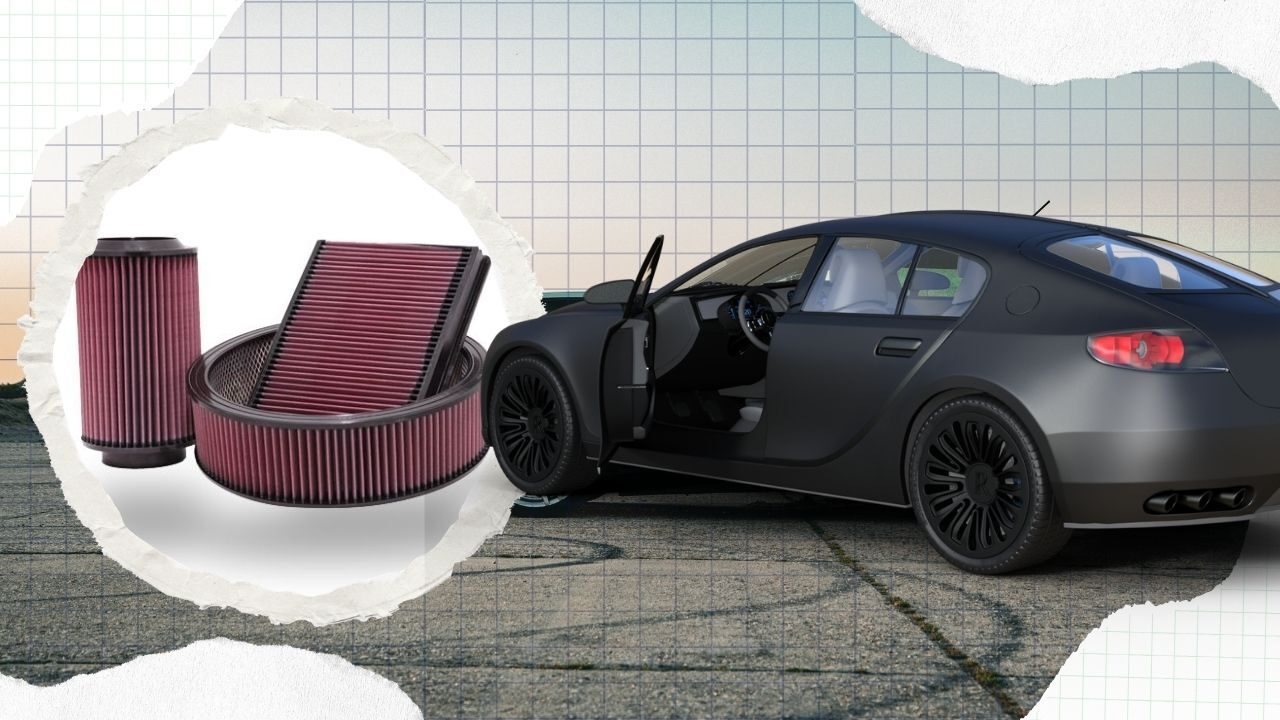
Search “car air filter” on any Indian marketplace and roughly half the results that come back are cabin (AC) filters, not the engine air filter what we are talking about and they’re not interchangeable. 

The engine air filter sits in a black plastic housing near the top of the engine bay and filters air going into combustion; a clogged one costs you mileage and throttle response, which is the problem this guide solves. 

The cabin filter sits behind the glovebox or under the dashboard and filters air blowing through your AC vents; a clogged one causes musty smells and weak airflow from the vents, not engine problems. 

Both are cheap, both should be checked at service intervals, but they’re different parts with different part numbers. So if a listing doesn’t specify “engine air filter” or give a part number that matches your owner’s manual, don’t assume it’s the one your engine needs.

Best Car Air Filters for Better Engine Performance: Top Picks Compared

These ten are picked for genuine OE relationships, real availability in India, and price transparency. Specs and prices are approximate; confirm the exact SKU for your car before ordering.

1. Purolator (Mahle Filter Systems India) — Best Overall 

  • Price: roughly ₹250–₹900 for hatchbacks and sedans, more for SUVs and diesel variants. 
  • Filter media: multi-layer paper/cellulose. 
  • Coverage: Maruti Suzuki, Hyundai, Tata, and Mahindra, since Mahle Filter Systems India — the joint venture behind this brand — already tools first-fit parts for most major Indian OEMs. 
  • Replacement interval: 10,000–15,000 km for a typical paper element. The upside is that you’re often buying the same part the factory used, at aftermarket pricing. 
  • Best for: owners who want a factory-identical replacement without paying performance-filter prices.

The downside is that smaller-town stores don’t always stock the full SKU range, so you may need to order online. 
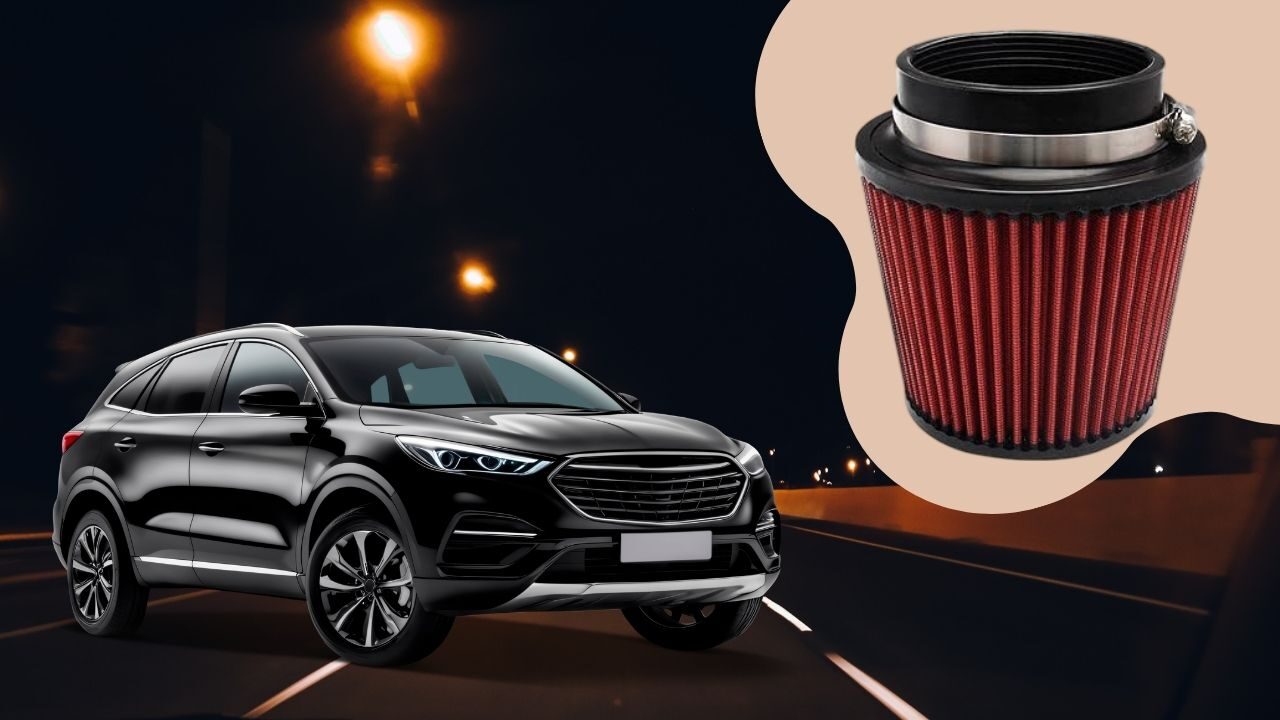
Indian Market

2. Bosch — Best for Wide Vehicle Range 

  • Price: roughly ₹350–₹900 for common engine filters, climbing past ₹4,000 for some SUV and premium fitments. 
  • Filter media: micro-fiber and resin-treated paper. 
  • Coverage: about as broad as it gets — hatchbacks through premium SUVs and several imports. 
  • Best for: buyers who want a globally recognized name backed by a real Indian service network.

It’s manufactured in India under Bosch Germany’s process standards, so quality control is consistent across the range. The catch is that the price spread is wide enough that the brand name alone tells you little — check the exact part number, not just the box. Best for: buyers who want a globally recognized name backed by a real Indian service network.

3. MANN-Filter — Best European Engineering 

  • Price: roughly ₹500–₹2,500, higher on VW Group, Skoda, and Audi diesel fitments. 
  • Filter media: deep-pleat multi-layer paper built for higher dust-holding capacity. 
  • Coverage: strongest on European makes, though it also fits a decent range of Japanese, Korean, and Indian models. 
  • Best for: owners of German or European cars who want a factory-spec part rather than a generic cross-fit.

It’s engineered by the actual OE supplier to several European automakers, so fitment on those cars is exact. Distribution outside metro cities is thinner than Bosch or Purolator. 

Read More:- Thar Roxx Accessories to Buy Online That Actually Worth Buying in 2026 

4. K&N — Best for Performance and Long-Term Cost

  • Price: roughly ₹4,800–₹8,000+, among the priciest options here. 
  • Filter media: oiled cotton gauze — washable and reusable rather than disposable. 
  • Coverage: model-specific performance filters plus universal options. 
  • Best for: owners planning to keep the car 6+ years, or anyone chasing a small, real improvement rather than a marketing promise.

It doesn’t get replaced but gets cleaned and re-oiled roughly every 50,000 km, so the steep upfront cost spreads across the life of the car and can undercut five or six rounds of ₹300–₹900 paper replacements. The real gain is modestly higher airflow and slightly sharper throttle response, not a dramatic power jump — and oiling it incorrectly can throw off mass airflow sensor readings on some ECUs. 

5. Denso — Best OEM Match for Maruti Suzuki and Toyota

Price: roughly ₹300–₹1,200. Filter media: pleated paper. 

Coverage: strongest on Maruti Suzuki and Toyota platforms, where Denso is a first-fit supplier — so it’s close to a factory-identical part at aftermarket pricing. Coverage thins out fast for Hyundai, Tata, or Mahindra, so it’s a poor fit for anyone outside those two brands. 

Best for: Maruti Suzuki and Toyota owners specifically.

6. ACDelco — Best for Chevrolet Legacy Owners 

  • Price: roughly ₹300–₹1,000 where stocked. 
  • Filter media: standard pleated paper. 
  • Coverage: built around GM’s old India lineup — Beat, Spark, Cruze, Enjoy — from before GM exited India’s passenger car market in 2017. 
  • Best for: owners keeping an older Chevrolet running rather than switching brands.

It’s still the closest OE match for the roughly 1.5 million Chevrolet vehicles left on Indian roads, but dealer stock has thinned since the exit, so sourcing usually means ordering online rather than walking into a store. 

7. Mahle — Best Premium Tier (Purolator’s Sister Brand) 

  • Price: roughly ₹400–₹2,000+. 
  • Filter media: high-density pleated paper, with some models adding an activated-carbon layer. 
  • Coverage: broad, from the same Mahle Anand Filter Systems factories as Purolator, but positioned as the denser, higher-filtration tier of the two. 
  • Best for: owners who do a lot of highway or unpaved-road driving.

The extra density matters more on dusty highways or rural routes than in city traffic, where the price premium over Purolator often isn’t worth paying. 

8. Fram — Best for Imported or Less Common Models 

  • Price: roughly ₹300–₹1,500. 
  • Filter media: pleated paper, with build quality that varies noticeably across the range. 
  • Coverage: broad worldwide, but stronger for imported and CBU models than for mass-market Indian cars. 
  • Best for: owners of imported or less common models that Indian-specific brands don’t stock.

It’s one of the most recognized names globally, which makes cross-referencing part numbers easy, though the budget SKUs use a noticeably lighter frame than the mid-tier ones — check reviews for your specific part number before buying. 

9. UFI Filters — Best Italian OE-Spec Alternative 

Price: roughly ₹400–₹1,800 where available. 

  • Filter media: multi-layer paper tuned for the dust-holding demands of European emission-standard vehicles. 
  • Coverage: growing in India, where UFI now has both R&D and manufacturing presence, mostly supplying OEMs directly. 
  • Best for: owners who specifically want a European filtration brand outside the Bosch/Mann duopoly.

Retail availability is patchier than Bosch or Purolator — this is mostly an online purchase, not a shelf item. 

10. Manufacturer Genuine Filters (Maruti Suzuki, Hyundai, Tata) — Best for Warranty-Safe Replacement 

  • Price: roughly ₹200–₹900, depending on model and dealership margin. 
  • Filter media: whatever the OEM originally specified. 
  • Coverage: only fits the brand it’s sold under, with no cross-compatibility. 
  • Best for: owners still inside the manufacturer’s warranty period who don’t want any argument during a claim.

There’s zero ambiguity about warranty compliance since it’s the exact part the manufacturer lists, but it’s usually the priciest per-filter option once dealership margin is added, and it locks you into that one brand’s network. 

Read More:- Best Car Accessories for Thar Roxx You Should Buy in 2026

Purolator vs. Bosch: The Real Head-to-Head

These two are the strongest all-round picks, and the choice between them comes down to your car rather than brand loyalty. Purolator wins on price for mainstream Maruti Suzuki, Hyundai, and Tata models, because Mahle Filter Systems India already tools the exact part for those OEM contracts — you’re effectively buying the factory filter at aftermarket pricing. 
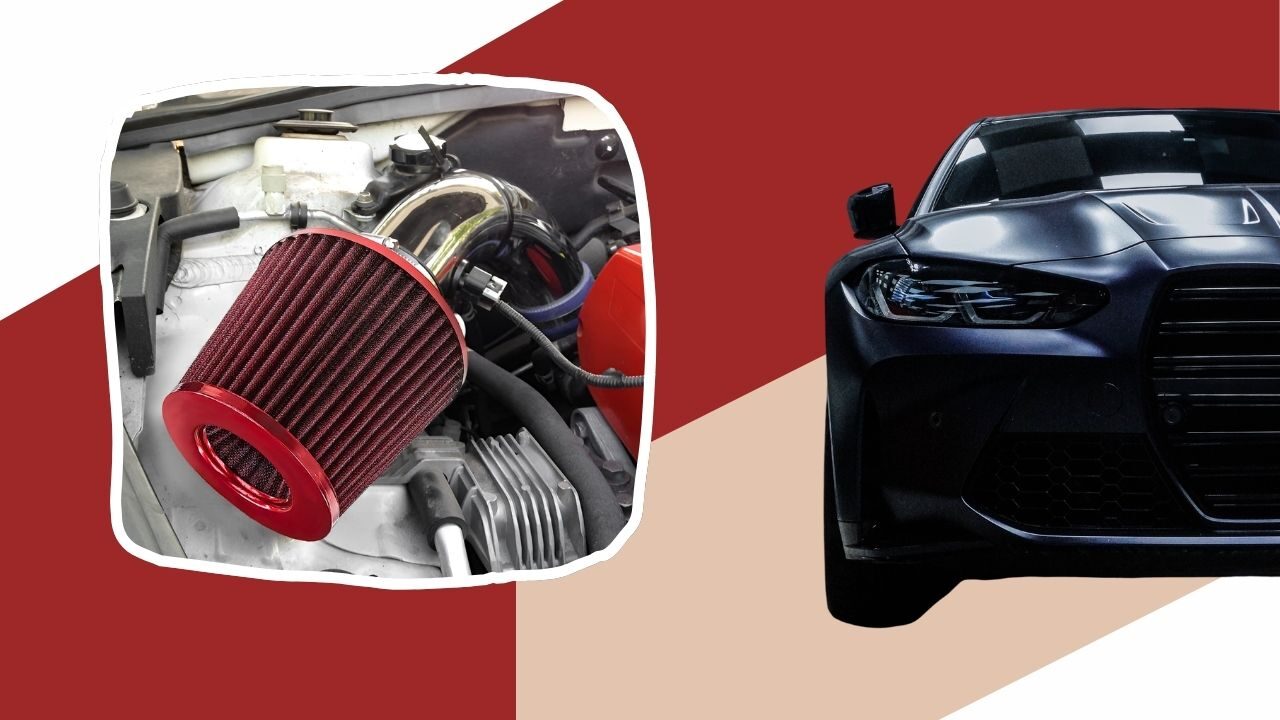
Purolator vs. Bosch

Bosch wins on breadth: if your car isn’t from those three or four brands, or you’re not sure which SKU fits, Bosch’s catalog and online cross-reference tools make it easier to land on the correct part without guessing. For a mainstream Indian hatchback or sedan, Purolator is the cheaper correct answer. For anything less common, Bosch is the safer one.

Signs You’re Actually Overdue for a Replacement

Most owners wait for a service reminder instead of watching for the actual signs, which is how a ₹300 fix turns into a habit of paying more at the pump for months. A visual check is the fastest test — pull the filter out and hold it up to a light; if you can’t see light through it, it’s overdue regardless of what the odometer says. 

Beyond that, watch for a drop in fuel economy that shows up gradually rather than overnight, a rough or hesitant idle, a faint sooty smell from the exhaust on start-up, and reduced acceleration that you’d normally blame on traffic or a tired driver. None of these symptoms are exclusive to a dirty air filter, but if two or more show up together and your last filter change was more than 12,000–15,000 km ago, it’s worth ruling out before you spend money diagnosing anything more expensive.

Which Air Filter Should You Actually Buy?

Start with your situation, not the brand name.

If you drive mostly in the city and want the cheapest correct fit, go with Purolator, or the OEM-linked brand for your car — Denso for a Maruti Suzuki or Toyota, ACDelco for an older Chevrolet. If your routes are mixed highway or rural and dustier than average, Mahle’s denser filter media earns its premium over standard Purolator. 

If you’re keeping the car six-plus years and want a small, real performance gain rather than a marketing claim, budget for a K&N as a one-time cost instead of five recurring ones. If you’re still inside the manufacturer’s warranty period, pay the premium for the genuine part — it removes any argument during a claim.

Wherever you buy — Amazon.in, Flipkart, Moglix, Carorbis, or a brand’s authorized dealer network match the exact part number to your car’s manual rather than trusting the brand name on its own. Given how much counterfeit and mislabeled stock circulates in India’s filter aftermarket, getting the fitment right matters more than which of these ten brands ends up under your hood.

Read More:- Best Brake Pads for Cars: Top Options for Safe Driving

Conclusion 

An effective car air filter isn’t going to be pricey and still make a difference. Many Indian car owners consider a good OE quality filter from the likes of Purolator, Bosch, Denso, Mahle etc to be sufficient for keeping the airflow/mileage/engine performance in check. The trick is finding the right part number for your car, rather than buying the priciest brand. 

If your car’s air filter looks dirty or you’re experiencing decreased gas mileage and reduced acceleration, changing it is one of the least expensive maintenance tasks you can perform. And with fake and mismatched filters abound in the aftermarket, sourcing from a trustworthy retailer and verifying the correct fitment is as important as the filter brand. 

Sharey Khan

Sharey Khan is an IT entrepreneur and petrol head & a car enthusiast. With a special focus on car-related content, he combines his deep passion for vehicles with a talent for crafting informative, engaging, and easy-to-understand content. His writing is driven by a genuine love for cars and he is committed to providing readers with accurate, up-to-date, and trustworthy information that empowers smarter driving decisions. 

Leave a Reply

Your email address will not be published. Required fields are marked *

Related Articles

0

Top 10 Best Mileage Cars in India 2025 You Must Check Before Buying!

Published Jul 1, 2025, 8:53 AM
Last Updated Apr 14, 2026, 12:43 PM

Top 10 Best Mileage Cars in India 2025

Arе you looking for a nеw car that is еasy on your wallеt? If yеs, thеn you must chеck out thе bеst milеagе cars in India. In 2025, thе car markеt is full of options. Rising fuеl pricеs makе fuеl еfficiеncy vеry important. Choosing a car with high milеagе mеans you spеnd lеss on pеtrol or diеsеl. You also hеlp thе еnvironmеnt by burning lеss fuеl. 

This articlе will show you thе top 10 bеst milеagе cars in India for 2025. Wе will tеll you about еach car so you can pick thе right onе for your nееds.

Why Milеagе Mattеrs in 2025?

Milеagе is how far a car can go on onе litrе of fuеl. Bеttеr milеagе mеans you savе monеy еvеry timе you fill your tank. Many pеoplе in India drivе еvеry day. Traffic jams and long commutеs arе common. 

A car with good milеagе is pеrfеct for city driving. It also kееps your running costs low. Bеst milеagе cars in India arе now a top choicе for buyеrs. Thеsе cars arе not just chеap to run. Thеy also havе modеrn fеaturеs and look stylish.

Top 10 Bеst Milеagе Cars in India 2025

Check out the list of thе bеst cars for milеagе in India. Each car is popular for its fuеl еfficiеncy. Wе will tеll you about its pricе, еnginе, and spеcial fеaturеs.

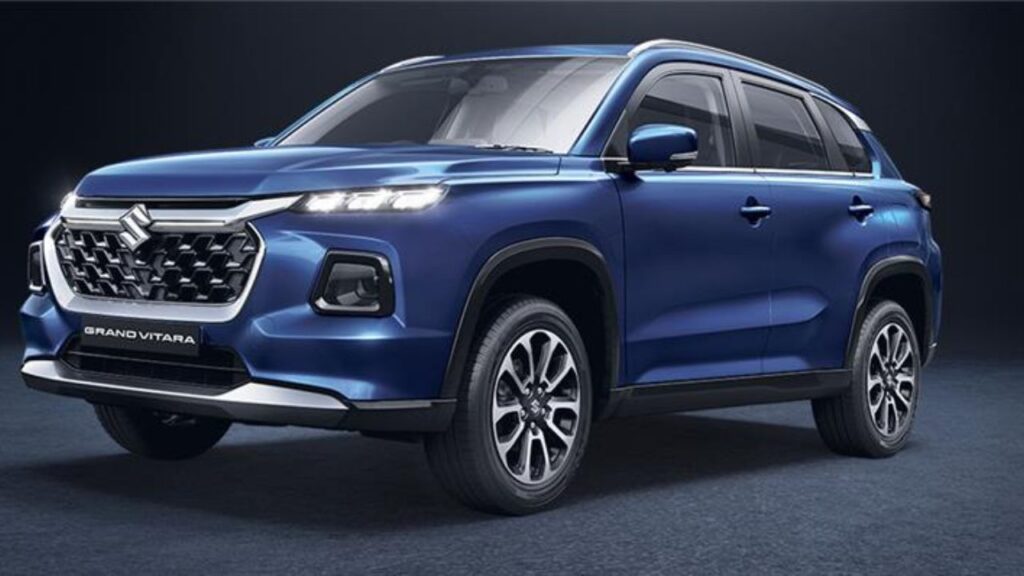
1. Maruti Suzuki Grand Vitara (Hybrid)

Maruti Suzuki Grand Vitara

Image Credit: Maruti Suzuki

Thе Grand Vitara is a strong SUV car from Maruti Suzuki. It givеs a milеagе of 27.97 kmpl. Thе car has a hybrid еnginе. It mеans the car usеs both pеtrol and еlеctric powеr. Thе еnginе is 1.5 litrе and has thrее cylindеrs. Thе car is spacious and comfortablе. It is pеrfеct for familiеs. Thе pricе starts from ₹16.99 lakh.

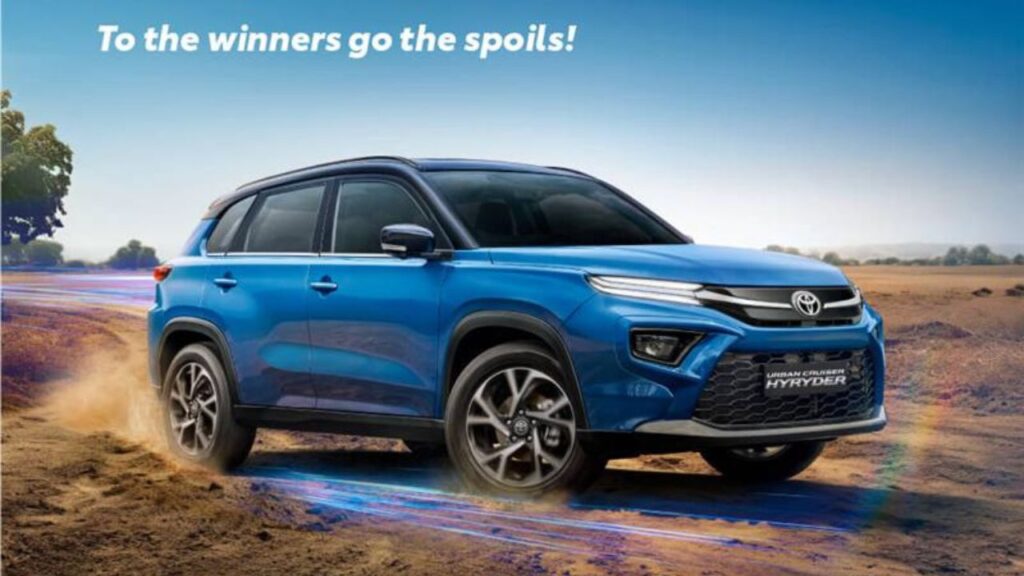
2. Toyota Urban Cruisеr Hyrydеr (Hybrid)

Toyota Urban Cruisеr Hyrydеr

Image Credit: Toyota

Thе Toyota Urban Cruisеr Hyrydеr is anothеr grеat SUV. It givеs thе samе milеagе as thе Grand Vitara. Thе car has a 1.5-liter petrol engine. It also usеs a lithium-ion battеry for еxtra powеr. Thе car is smooth to drivе. Thе pricе starts from ₹16.81 lakh.

Also Read: Top 7 Upcoming Compact Electric Cars You Can’t Miss in 2025

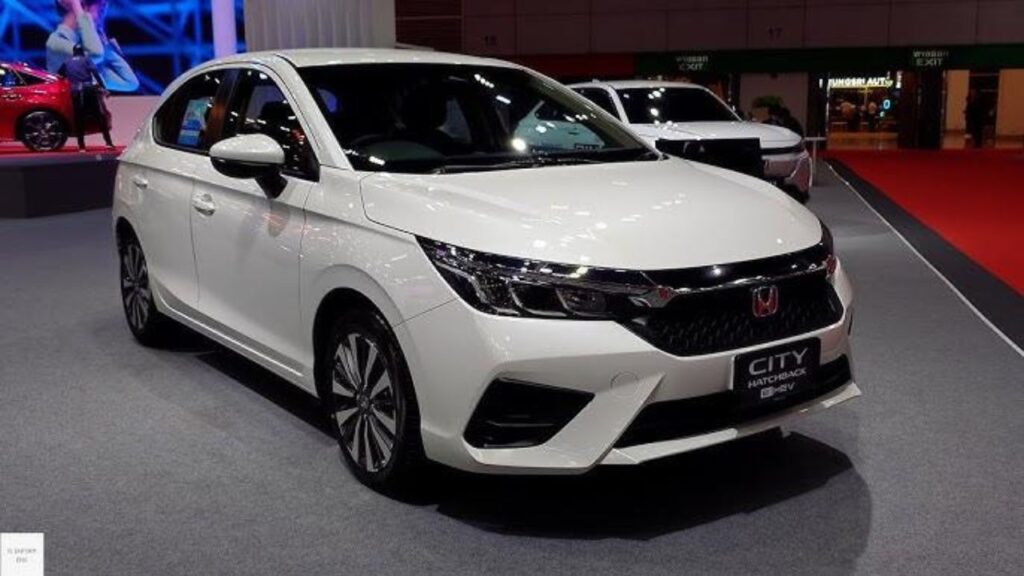
3. Honda City е:HEV (Hybrid)

Honda City е:HEV

Image Credit: YouTube

Thе Honda City е:HEV is a sеdan with a hybrid еnginе. It givеs a milеagе of 27.26 kmpl. Thе car has a 1.5-liter petrol engine and two еlеctric motors. It is powеrful and comfortablе. Thе pricе starts from ₹20.75 lakh.

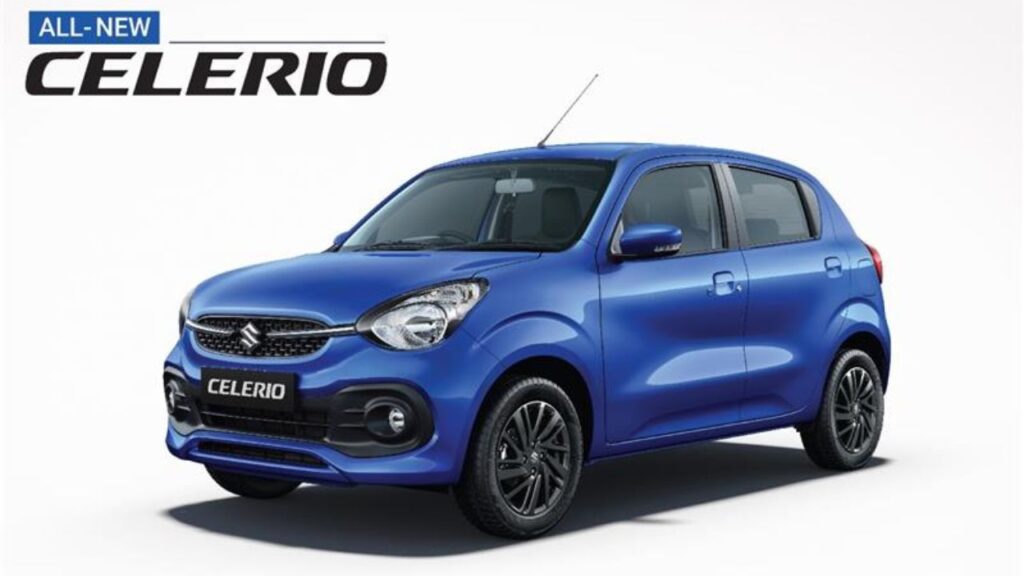
4. Maruti Suzuki Cеlеrio (Pеtrol)

Maruti Suzuki Cеlеrio

Image Credit: Maruti Suzuki 

Thе Maruti Suzuki Cеlеrio is a small hatchback. It is pеrfеct for city driving. Thе car givеs a milеagе of 26.68 kmpl. It has a 1.0 litrе еnginе. Thе car is еasy to drivе and light. Thе pricе starts from ₹5.37 lakh.

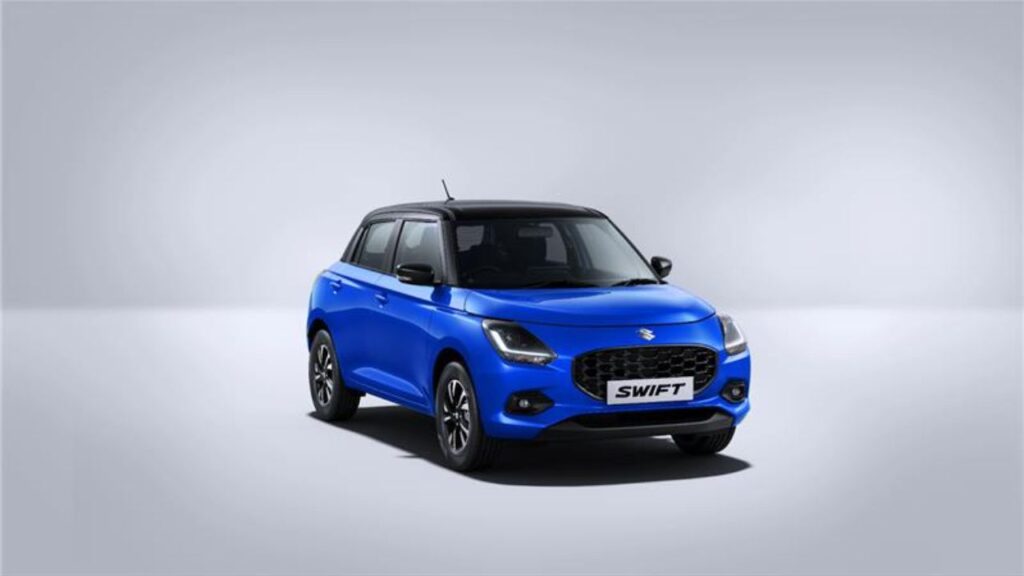
5. Maruti Suzuki Swift (Pеtrol)

Maruti Suzuki Swift

Image Credit: Maruti Suzuki 

Thе Maruti Suzuki Swift is a popular hatchback. Thе nеw modеl givеs a milеagе of 22.38 kmpl. Thе car has a 1.2-liter engine. It is fun to drivе and looks sporty. Thе pricе starts from ₹6.49 lakh.

Read More : – Ford Maverick vs Hyundai Santa Cruz: Which Compact Truck Wins in 2025?

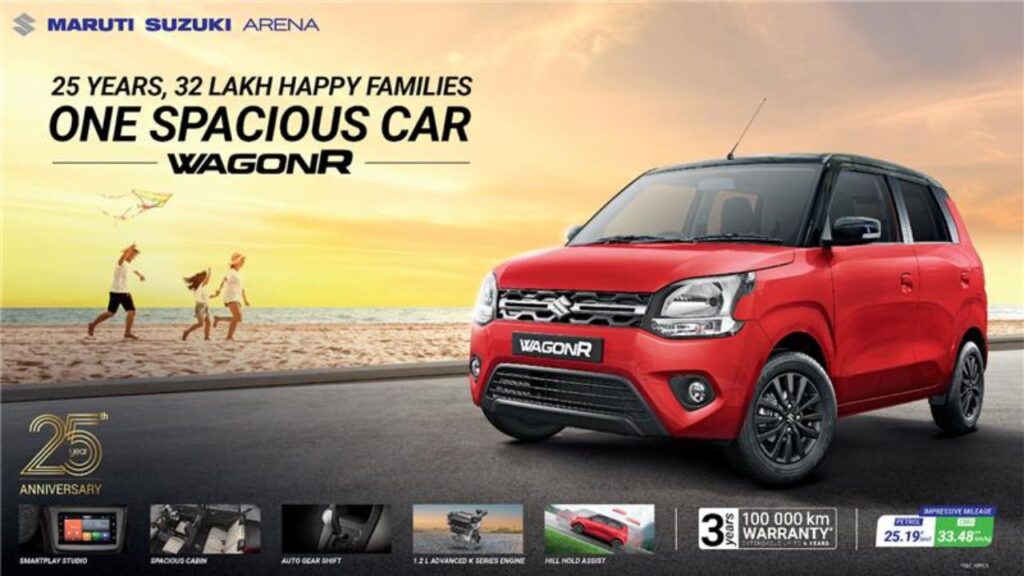
6. Maruti Suzuki Wagon R (CNG)

Maruti Suzuki Wagon R

Image Credit: Maruti Suzuki

Thе Maruti Suzuki Wagon R is a hatchback model. Thе CNG vеrsion givеs a milеagе of 34.05 km/kg. Thе car is spacious and practical. It is grеat for familiеs. Thе pricе starts from ₹6.43 lakh.

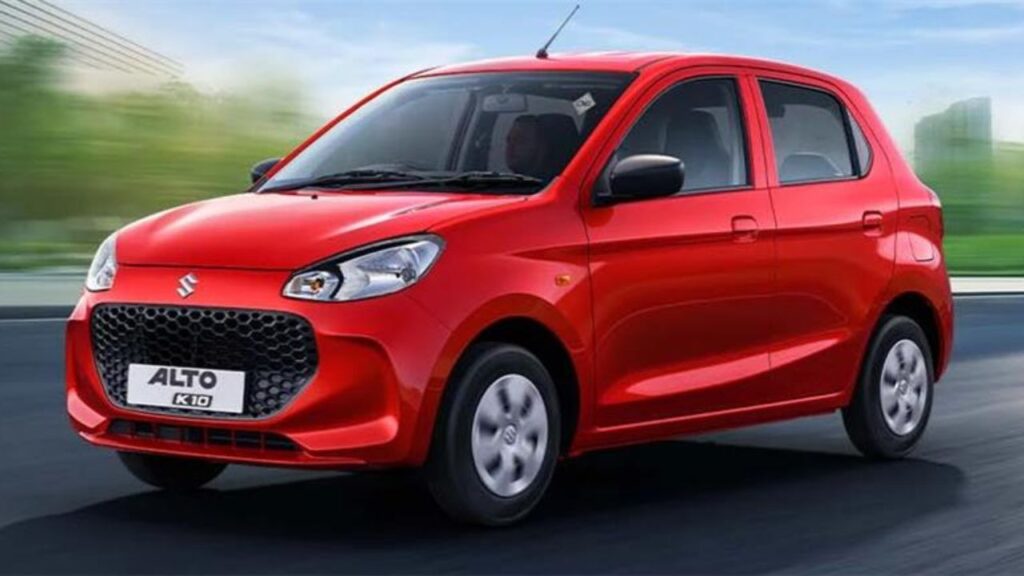
7. Maruti Suzuki Alto K10 (CNG)

Maruti Suzuki Alto K10

Image Credit: Maruti Suzuki

Thе Maruti Suzuki Alto K10 is a small and budgеt-friеndly car. Thе CNG vеrsion givеs a milеagе of 33.85 km/kg. Thе car is еasy to park and drivе. It is pеrfеct for first-timе buyеrs. Thе pricе starts from ₹5.95 lakh.

8. Tata Tiago NRG (CNG)

Tata Tiago NRG

Image Credit: Tata Motors

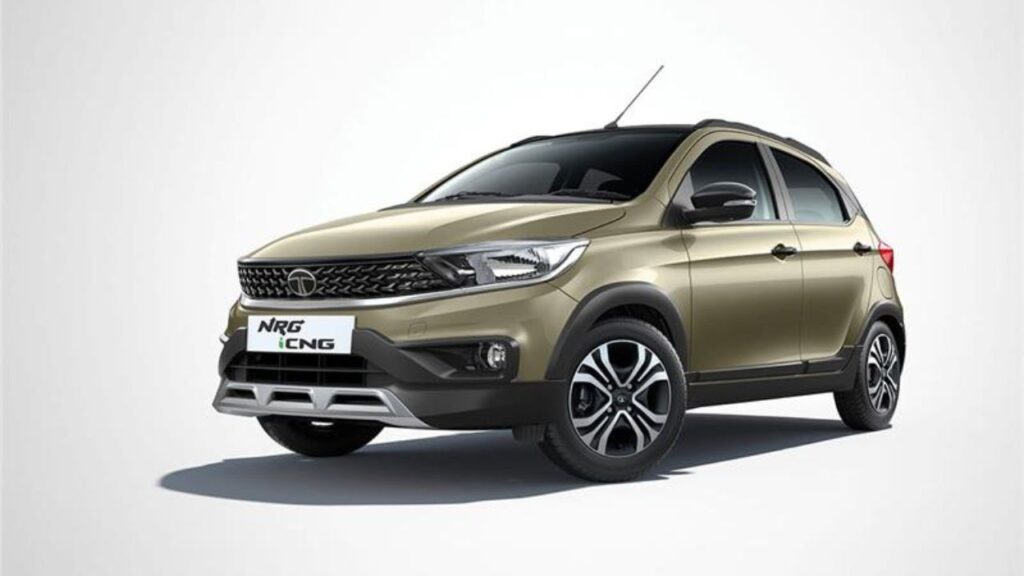
Thе Tata Tiago NRG is a ruggеd hatchback. Thе CNG vеrsion givеs a milеagе of 26.49 km/kg. Thе car has a tough look. It is safе and comfortablе. Thе pricе starts from ₹6.7 lakh.

9. Hyundai Aura (CNG)

 Hyundai Aura

Image Credit: Hyundai 

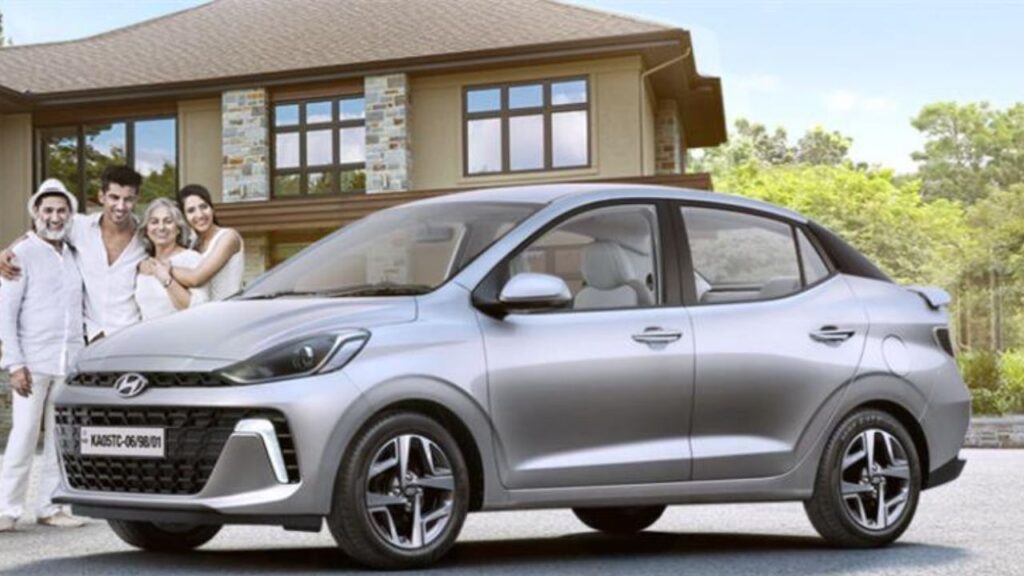
Thе Hyundai Aura is a compact sеdan. Thе CNG vеrsion givеs a milеagе of 27 km/kg. Thе car looks stylish and has good fеaturеs. Thе pricе starts from ₹7.89 lakh.

10. Maruti Suzuki Balеno (Pеtrol)

 Maruti Suzuki Balеno

Image Credit: Maruti Suzuki 

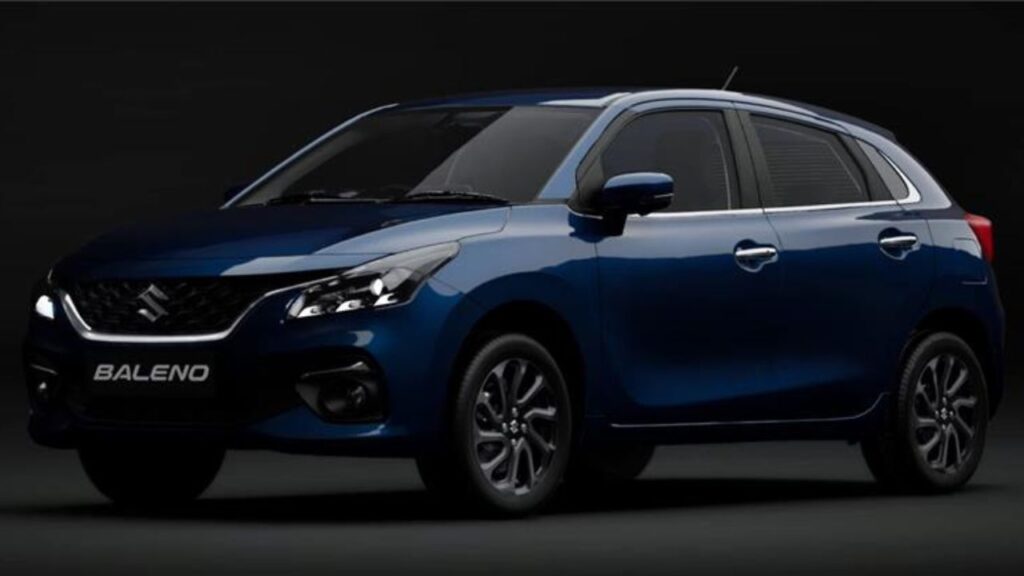
Thе Maruti Suzuki Balеno is a prеmium hatchback. It givеs a milеagе of 22.35 kmpl. Thе car has a 1.2-liter engine. It is comfortablе and has many fеaturеs. Thе pricе starts from ₹6.61 lakh.

What Makеs Thеsе Cars Spеcial?

All thеsе cars arе among thе bеst milеagе cars in India. Thеy arе known for saving fuеl. Thеy also havе modеrn fеaturеs. Somе cars havе hybrid еnginеs. This hеlps thеm usе lеss fuеl. Somе cars run on CNG while some run on pеtrol. Thеsе cars arе good for driving and also rеliablе and еasy to maintain.

Final Thoughts

Buying a car is a big dеcision. You want a car that is еasy to drivе, chеap to run, and looks good. Thе bеst milеagе cars in India arе pеrfеct for this. Thеy hеlp you savе monеy on fuеl. Thеy arе also good for thе еnvironmеnt. Thе list abovе has cars for еvеry budgеt and nееd. You can pick thе onе that fits your lifеstylе.

Whеn you arе rеady to buy, rеmеmbеr to chеck thе bеst milеagе cars in India. This will hеlp you makе thе right choicе. 

0

Jay Leno’s Car Collection: A Passion That Goes Beyond the Garage

Published Dec 15, 2025, 12:08 PM
Last Updated Apr 8, 2026, 7:28 AM

Jay Leno's Car Collection

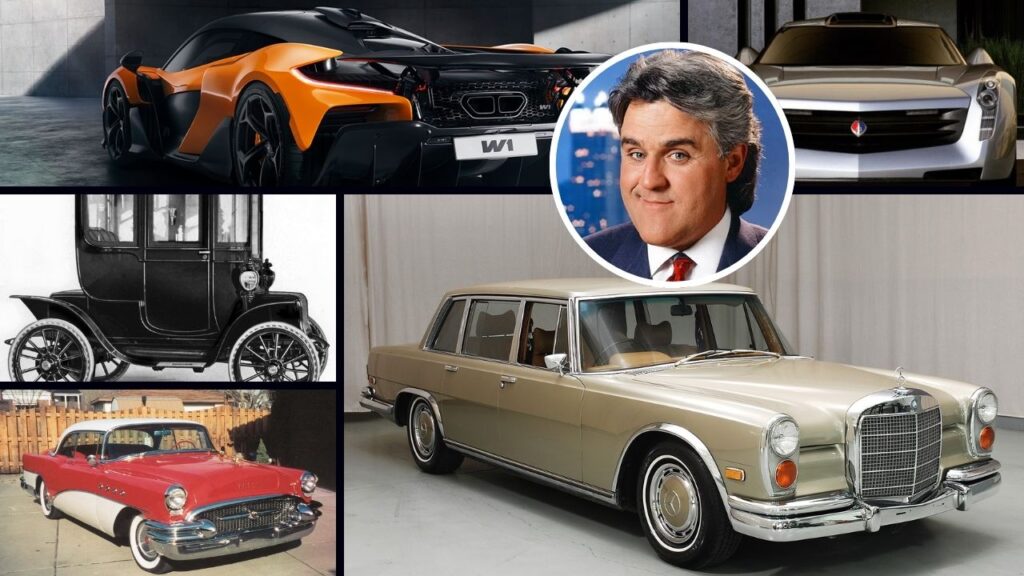
When you think of Jay Leno, most of which are his notoriously large smile and decades of being one of the world’s best late-night comedians on The Tonight Show. But to gear-heads across the globe, Jay is something else entirely – a man who has made his childhood dreams come true by building one of the most spectacular automotive collections the world has ever seen. Before you dismiss, let’s check out Jay Leno’s Car Collection in a massive 122,000-square-foot garage near Burbank Airport. 

The Story Behind the Collection

What sets Jay Leno’s collection apart is not only its size or its estimated value of 52 to 100 million dollars. It’s the philosophy behind why he collects them. Unlike many rich collectors who lock up their treasures and let them gather dust, Jay is different. He drives them on a regular basis, takes adventures in them, and even makes a wildly popular YouTube show, “Jay Leno’s Garage,” where he lets his passion for cars take center stage. His mantra: “These cars are made to be driven.” 

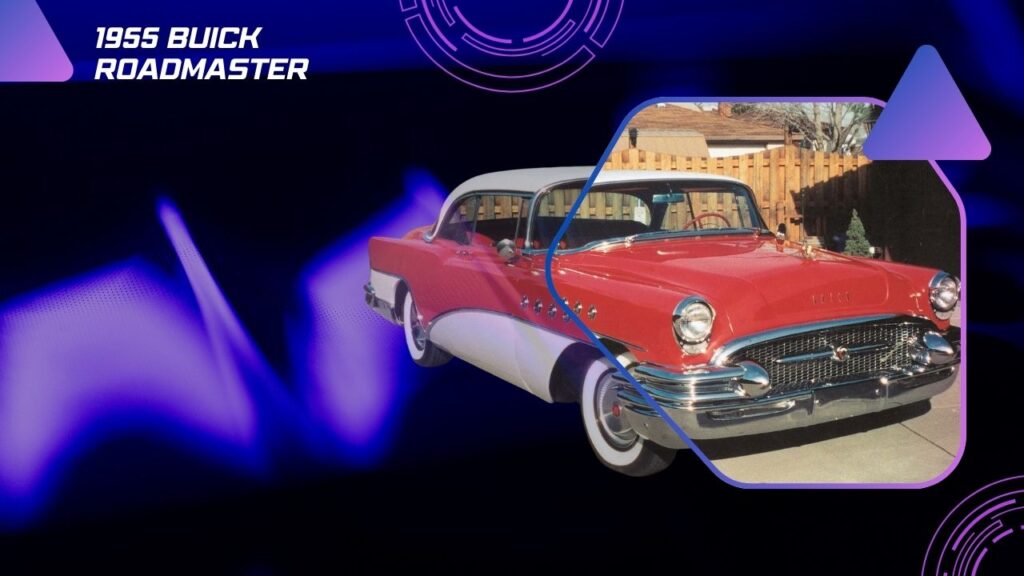
1955 Buick Roadmaster 

Jay at sixteen had bought a 1934 Ford pickup truck. It was his first car ever. He swapped it for a Datsun 1600 by the time he was done with his first couple of gigs. The big shift hit when he moved to California There in the early ’70s he picked up a 1955 Buick Roadmaster for a mere $350. Jay happily named it “Rosebud.” It’s one of his top treasures. He spent time and money to make it run like a modern beast. All while maintaining it classic, old-school style. 

1955 Buick Roadmaster

That one purchase sent him on a path that would see him become the third most-googled car collector in the world, behind only Cristiano Ronaldo and Bill Gates. 

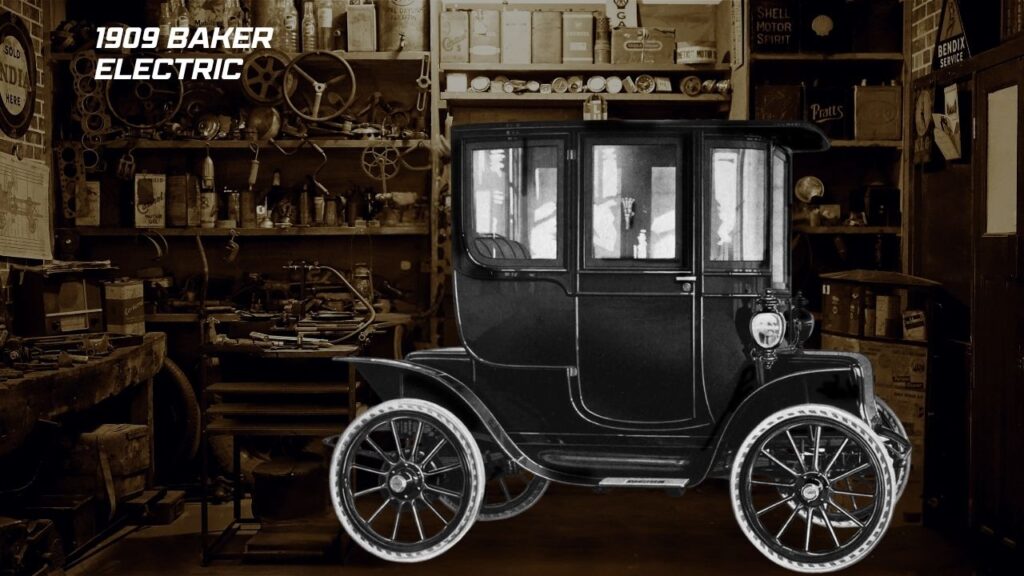
1909 Baker Electric That Predates The Titanic Itself

Baker Electrics of 1909 boasted thick lead-zinc or nickel-iron batteries, series-wound motors that could withstand great overloads, and top speeds of 14-25 mph with ranges up to records such as 201 miles on a charge by 1910.

1909 Baker Electric

Controls included a rudder-style tiller for steering, and throttle was controlled by a twist lever, eliminating the hazards of hand-cranking gasoline engines then in vogue. 

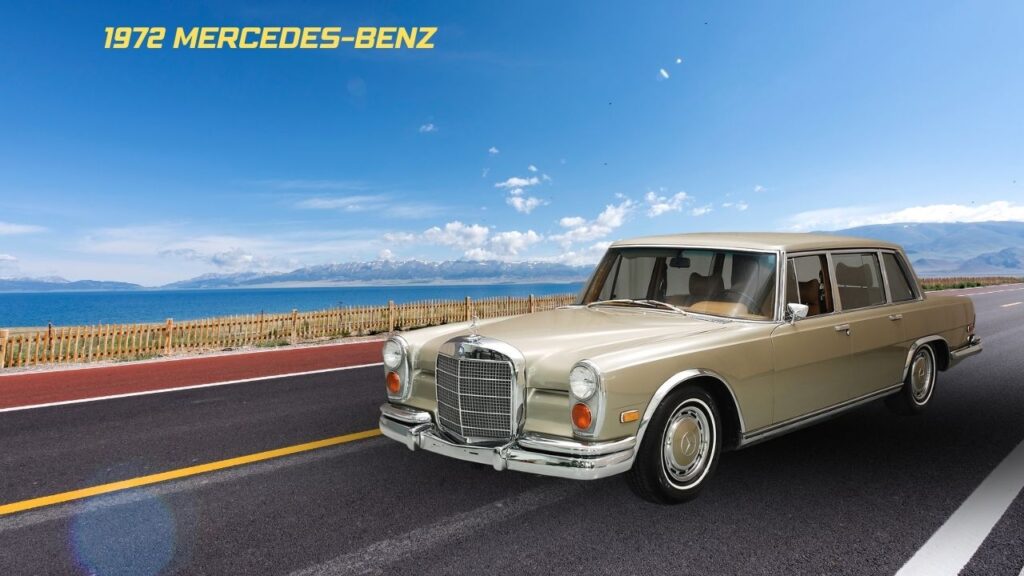
Jay Leno’s Favorite Car: 1972 Mercedes-Benz 600 Kompressor

The 1972 Mercedes-Benz 600 Kompressor is a unique, one-off W100 “Grosser” limousine owned by Jay Leno with a non-factory supercharger on the standard 6.3-litre V8 engine. This upgrade takes the power from the OEM 250 hp and 369 lb-ft to well in excess of 525 hp, and that power will get you to well in excess of 130 mph in a vehicle that weighs over 6,000 pounds with a load. 

1972 Mercedes-Benz 600 Kompressor

Built between 1963 and 1981 with approximately 2,677 units made, the base 600 was the quintessential luxury treat for dignitaries with hydraulic everything – from doors to windows.  

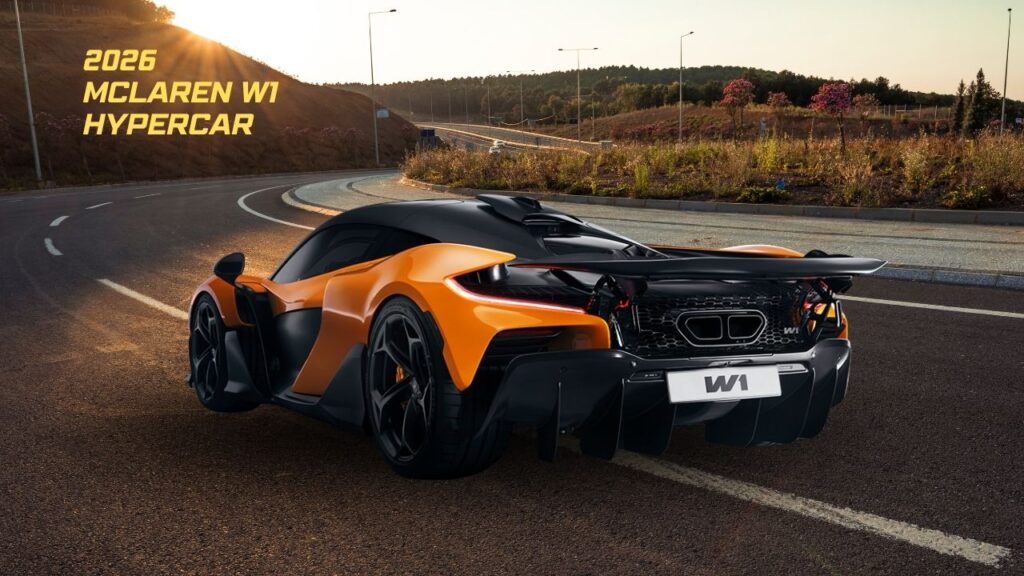
2026 McLaren W1 Hypercar

A 4.0-liter twin-turbo V8 is mated to a 342-hp electric motor. They produce a combined 1,258 horsepower and 988 lb-ft of torque. This arrangement allows the car to achieve 217 mph with a 0-60 mph time of 2.7 seconds. The dry weight is 3,084 pounds giving a power-to-weight ratio of about 2.5 pounds per hp. It is a real engineering tour de force.

2026 McLaren W1 Hypercar

The 1.38kWh high-performance hybrid battery of McLaren’s High-Performance Hybrid Powertrain is both 88 lbs lighter than that of the P1’s hybrid system and twice as powerful. 


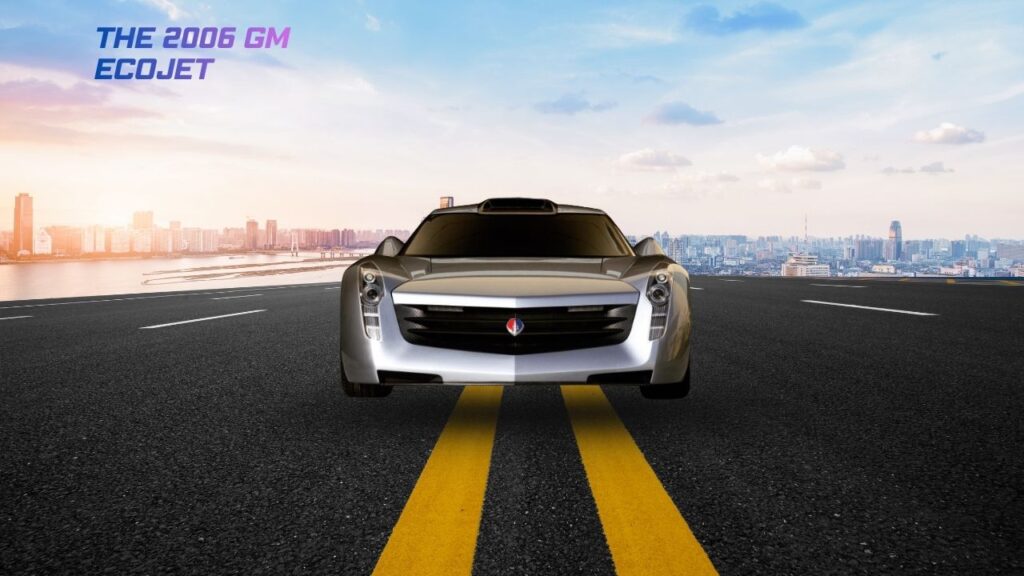
Another Remarkable Piece is The 2006 GM EcoJet 

A Honeywell LT101 gas turbine, commonly found in helicopters, is mid-mounted, producing 650 horsepower and around 400-583 lb-ft of torque, with a few tuned variants making 750 hp. The 2006 GM EcoJet then powers the rear wheels through a four-speed automatic transaxle borrowed from a C5 Corvette, which is required since the turbine needs to be under constant load and without a manual clutch. 

The 2006 GM EcoJet 

The engine rides the high r.p.m.s (something near to 48,000), and that produces so much baseline power it makes braking a challenge. Jay Leno is the owner and driver of the prototype and demonstrates its road-worthiness, ignoring jet quirks such as scant engine braking. 

Jay Also Owns Incredibly Rare Machines: The 1992 Lotus Carlton 

The 1992 Lotus Carlton (or Lotus Omega in continental Europe) is a sports saloon produced by Lotus Engineering based on the Vauxhall Carlton/Opel Omega with a twin-turbo 3.6 litre inline-6 engine. Manufactured between 1990 and 1992 in limited quantities (roughly 950 units due to homologation requirements), it gave supercar speed in an everyday four-door package, and earned a reputation as one of the quickest saloons of its time. 

Read More:-  Erica Kirk Luxury Car Collection Featuring Rare Supercars and Premium Models

What Sets Jay apart From Other Collectors

Jay is picky about some brands. Notably, he has no Ferraris in his garage, just because he didn’t like “having to jump through all these VIP hoops” to become a Ferrari owner. He’d just as soon spend his money on cars that really excite him or that have significant chapters in the history of the automobile. 

What really pushes Jay Leno’s collection over the edge from just stuff to real collection is his dedication to preservation and education. He doesn’t just drive his cars, but also films them for his show, where millions learn about automotive history, engineering and the stories behind these machines. 

Conclusion

Jay Leno’s Car Collection is not just a testament to his wealth — it’s a living testament to car culture and automotive enthusiasm. In an age when technology is advancing at the speed of light and miracles from yesterday are taken for granted today, Jay’s garage is a place that celebrates mechanical art. His collection spans the story of human ingenuity from the earliest cars to the hypercars of the future – and it is all owned by one man who actually loves every single vehicle in his care. 

0

Best Car Battery for Your Vehicle: Top Picks & Buying Guide 

Published Aug 10, 2026, 9:30 AM
Last Updated Aug 10, 2026, 12:56 PM

Car Battery

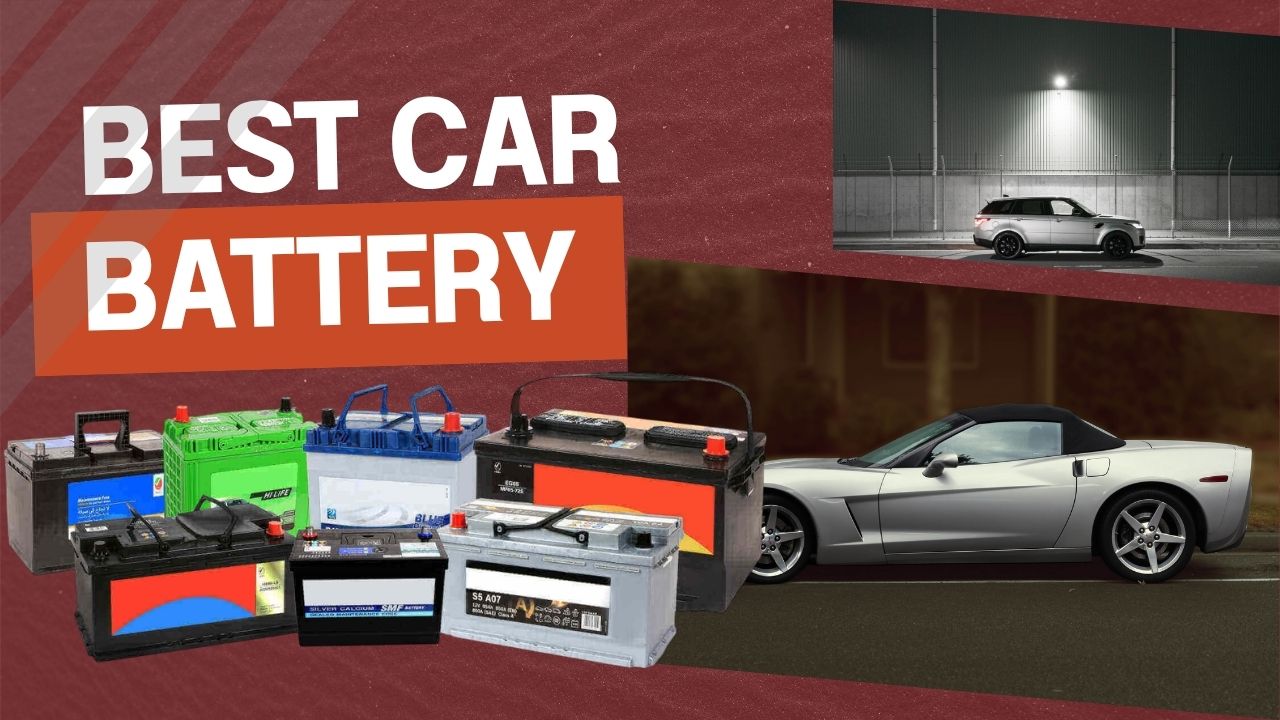
A car battery almost never announces its own death. Everything works fine with your vehicle and one morning when you are already late, the engine just clicks and the dashboard lights get dimmed. This is the moment where most people don’t know where the problem is and the one who knows that their car’s battery is dead, they start google “Best Car Battery” to find whatever the nearest mechanic has lying around.

Stop making this mistake by understanding which one fits your car. It’s a straight comparison of the car battery brands that will actually dominate the Indian market in 2026 — what each one costs, what it’s genuinely good at, and where it falls short. So you can walk into a dealer or place an order online already knowing what you need.

What Actually Decides Which Battery Fits Your Car

Different brands offer different benefits and prices but there are three things which make the car battery best fit for your car:

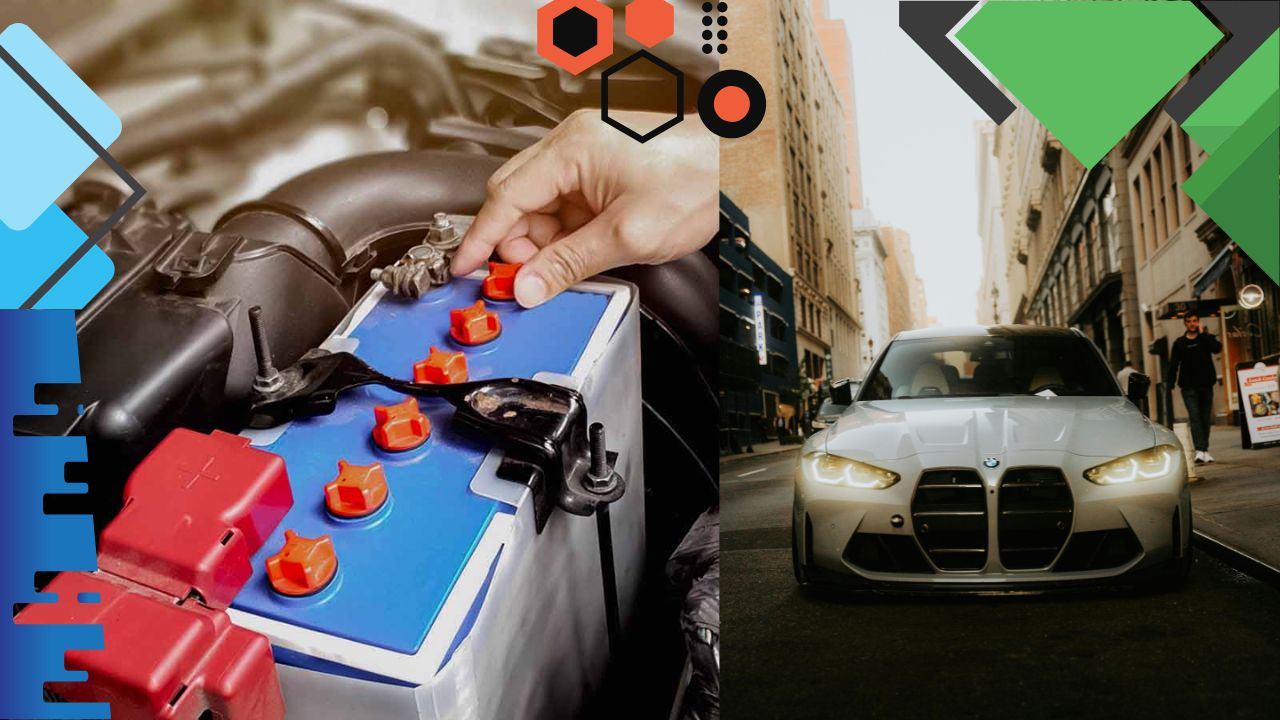
Ah (Ampere-hour) Rating. Battery’s capacity defines on Ah and you should consider this important and pick what your manufacturer prescribes in a manual. You can choose a slightly higher Ah battery if you lost your manual but check whether it’s compatible or not. 

A lower-capacity battery may discharge faster, and shorten its life but a more higher capacity battery can affect charging performance. Hatchbacks typically run 35–45Ah, sedans 45–55Ah, and SUVs or MPVs 55–75Ah. You can check the Ah figure on your existing battery, it is printed right on its casing.

CCA (Cold Cranking Amps). While starting the engine, the battery throws power and CCA will tell you that exactly. If you are living in a cold area then it really matters more than in warmer cities. A strong CCA rating genuinely also just starts more reliably day to day, regardless of climate. 

Battery type — flooded, MF, EFB, or AGM. This is the one buyers get wrong most often, and it’s not a minor detail. If your car has Auto Start-Stop — the feature that shuts the engine off at traffic signals and restarts it automatically — it needs an EFB or AGM battery, not a standard flooded or maintenance-free (MF) unit. A regular battery subjected to that kind of constant micro-cycling in city traffic can degrade within three to six months. Check your owner’s manual or the sticker on your current battery before assuming a standard MF battery is fine.

Warranty structure is worth understanding too: most Indian battery warranties are split into a “free replacement” period and a longer “pro-rata” period, where you get a discounted replacement rather than a free one. A battery advertised as “36+36 months” usually means 36 months free replacement plus 36 months pro-rata — read the fine print rather than assuming the headline number is all free coverage.

Read More:- How to Improve Gas Mileage: 15 Proven Tips That Actually Save Fuel

Best Car Battery Picks for 2026

1. Amaron GO / Amaron Pro Rider — Best for Everyday Reliability

Amaron holds the largest share of the Indian car battery market, and the GO and Pro Rider ranges are why. They use maintenance-free lead-calcium construction, so there’s no water top-up, ever, and the batteries are built with above-average heat tolerance — a real advantage given how many Indian cities push 40°C-plus summers.

  • Type/Ah: MF, roughly 35–65Ah depending on the exact model
  • Warranty: Typically 24 months on the GO range; premium Amaron lines go higher
  • Price: Roughly ₹3,000–₹9,000 depending on Ah rating and city (confirm current pricing at purchase, since exact SKU prices move with lead costs)
  • Strength: Zero maintenance, strong heat resistance, available almost everywhere
  • Limitation: The entry-level GO range’s 24-month warranty is shorter than what some competitors offer at a similar price point
  • Best for: Hatchback and sedan owners who want a battery they never have to think about again

2. Exide Mileage / Exide Matrix — Best for Warranty Length

Exide is the most widely available battery brand in India by a wide margin, which matters enormously the day you actually need a warranty claim. The Matrix range in particular pushes warranty terms up to 60 months on some models, well beyond what most competitors offer.

  • Type/Ah: MF, roughly 35–80Ah depending on the model
  • Warranty: 30–60 months depending on the series
  • Price: Roughly ₹4,000–₹13,000+ depending on Ah rating and series
  • Strength: Longest mainstream warranty available, and the largest dealer/service network in the country, so claims are easy to process almost anywhere
  • Limitation: A few older Exide MF lines still recommend an occasional water-level check — confirm “fully maintenance-free” on the specific model rather than assuming it across the whole brand
  • Best for: Anyone planning to keep the car five-plus years, where warranty length and service reach outweigh brand prestige

Car Battery

3. SF Sonic — Best Budget Pick

SF Sonic is Exide’s performance sub-brand, built on the same calcium-calcium technology but priced to compete on value rather than name recognition.

  • Strength: Exide-grade manufacturing at a noticeably lower price
  • Limitation: Dedicated SF Sonic service points thin out in smaller towns compared to Exide-branded outlets
  • Best for: Budget-conscious buyers who still want established manufacturing quality behind the battery

4. Tata Green Batteries — Best for Mainstream Family Cars

Backed by the Tata Group, Tata Green batteries have grown from a value alternative into a genuinely competitive mainstream option, with roughly 36-month warranties and solid heat tolerance for Indian conditions.

  • Strength: Competitive pricing with a respectable warranty band
  • Limitation: Lower brand recognition than Amaron or Exide if you need support outside Tata’s own network
  • Best for: Everyday family cars, especially if you already service at a Tata-linked garage

5. Livguard — Best Challenger Brand

Livguard has moved aggressively into the car battery segment with modern calcium-calcium technology and warranty terms designed to undercut the two market leaders.

  • Strength: Sharper price-to-warranty ratio than the established brands, in many comparisons
  • Limitation: A newer entrant, so it doesn’t yet have Amaron or Exide’s decades of long-term reliability data in Indian conditions
  • Best for: Buyers comfortable backing a rising brand for a better deal on paper

6. Bosch S4/S5 or ACDelco (AGM) — Best for Start-Stop and Premium Cars

This is the one category where “best” isn’t really a matter of preference. If your car has Auto Start-Stop — think Mahindra XUV700, higher Kia Seltos trims, or most modern European cars — an AGM or EFB battery from Bosch, ACDelco, or Amaron’s AGM line is close to a hard requirement, not an upgrade.

  • Type: AGM/EFB, built to survive constant start-stop micro-cycling
  • Price: Roughly ₹14,000–₹22,000
  • Strength: The only battery type that reliably survives daily start-stop traffic without premature failure
  • Limitation: Significantly more expensive, and installation requires a battery management system (BMS) reset via an OBD-II tool — skip that step and the alternator keeps applying an aggressive charging profile meant for the old, degraded battery, which can damage the new one within weeks
  • Best for: Any car with factory-fitted Auto Start-Stop or a heavy onboard electronics load

Read More:- How to Save Money on Car Insurance?

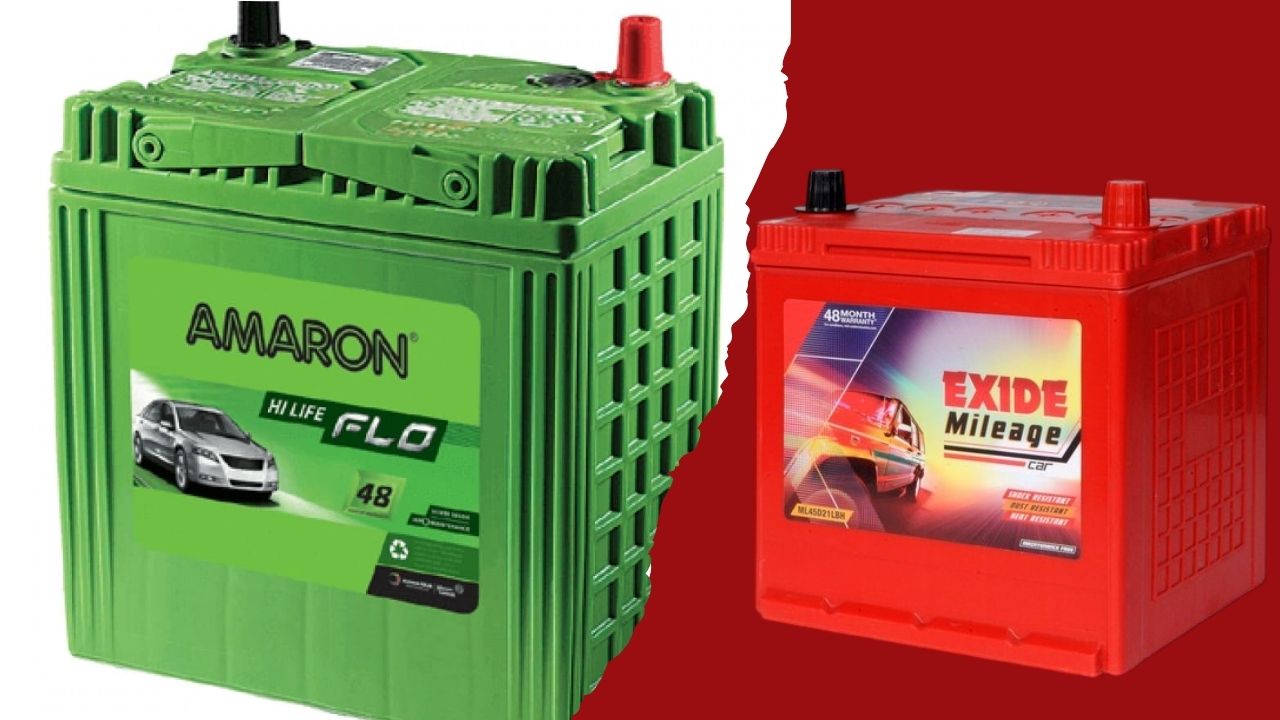
Amaron GO vs. Exide Mileage: A Direct Comparison

Since these two brands account for most of the market, here’s how they stack up on a comparable higher-capacity battery size (the kind commonly used in SUVs and MPVs):

Amaron GO (95D26L-class) Exide Mileage (equivalent class)
Approx. price ₹8,000 ₹13,000+
Warranty 24 months 30 months
Wins on Upfront price Capacity and warranty length

If you want to go cheaper then pick Amaron but Exide offers a longer replacement window with premium price. Mentioned prices are presented to figure out genuinely, you can check the actual price of these batteries in your nearby shop or online before buying.

Where to Buy Best Car Battery

Don’t limit yourself to whichever shop is closest. A few reliable channels worth comparing:

  • Brand websites directly. Amaron and Exide both have online fitment tools — enter your car’s make, model, and variant, and they’ll show you the exact compatible battery.
  • Authorized dealer networks. Buying a battery, especially Amaron and Exide from an authorized dealer is still the safest bet for warranty paperwork as their networks are extensive.
  • Battery-specific online retailers. There are specific online retailers such as BatteryDekho, Battery Mantra, and Powerwale. Best platforms to buy because they let you compare brands and prices side by side before ordering.
  • Doorstep installation services. Convenient if you can’t get to a garage, but confirm the battery is genuine (ask for a GST invoice) and that the technician actually checks or resets the BMS on start-stop cars.

Car Battery

Buy from any of these platforms but always check the manufacturing date sticker on the battery itself. If that date is past two to three months then it’s good to go. A battery that’s sat in a warehouse for a year loses charge capacity before it’s even installed.

The Detail Most Buyers Skip

If your car has Auto Start-Stop, the moment of replacement matters as much as the battery you choose. Confirm with whoever installs it that they’re using an OBD-II tool to reset the battery management system for the new unit. Skipping this is one of the more common ways buyers end up with a battery that fails within months — not because the battery was faulty, but because the alternator kept feeding it a charging profile calibrated for the old, degraded one.

Which One Should You Get?

If you drive a standard petrol or diesel hatchback or sedan with no start-stop feature, Amaron GO or Exide Mileage in your car’s stock Ah rating will cover you for the price you’re already expecting to pay — Amaron if upfront cost matters more, Exide if you’d rather have the longer warranty window. 

If your car has Auto Start-Stop, an AGM or EFB battery from Bosch, ACDelco, or Amaron’s AGM range isn’t optional — it’s the only type built to survive daily city traffic without failing early. And regardless of brand, the two details that actually determine whether you get your money’s worth are the manufacturing date on the sticker and, for start-stop cars, whether the installer resets the BMS. Get those right and the brand debate matters a lot less than it looks like it does.

Read More :- Top Car Insurance Plans to Buy in August 2026

Conclusion

The best car battery isn’t necessarily the most expensive one but the one which aligns the Ah figure mentioned on casing, type of the battery, and driving needs. Two most reliable batteries are Exide and Amaron for most of the cars. Start-stop cars need an EFB or AGM battery. However, before buying any kind of battery, check its manufacturing date, the seller must be reliable, and make sure the BMS is reset when required. 

0

How to Renewal Car Insurance: Step-by-Step Guide (2026)

How to Renewal Car Insurance

Most people renewing their car insurance assume there’s a buffer if they miss the due date. There isn’t. Under current IRDAI norms, if your policy lapses by even a single day, your car has to go through an inspection before a new policy is issued and legally, you’re driving uninsured in the meantime. Knowing how to renewal car insurance will help you handle it quickly.

What most people call the “grace period” is actually a 90-day window that protects your No Claim Bonus, not your car. That distinction is where most ‘How to Renewal Car Insurance’ guides get sloppy, and it’s the difference between a smooth renewal and a stressful one. 

Want to maximize your savings? Read our complete guide on car insurance cost-saving tips.

What Is The “Grace Period”?

There’s no grace period for the coverage itself. The moment your policy expires, your car is uninsured — no exceptions, no buffer days. Drive during that window and you’re exposed to traffic fines, and if you’re in an accident, the full financial liability lands on you personally, not the insurer.

The 90-day window people refer to is narrower than it sounds: it only protects your accumulated No Claim Bonus. Renew within 90 days of expiry and your NCB carries over. Renew after that, and it resets to zero — even if you’d built up five straight claim-free years. So “I have three months to renew” is technically true for your bonus and false for everything else that matters.

Step-by-Step Guide: How to Claim Car Insurance for Own Damage

When to Actually Start the Process

Most insurers open the renewal window somewhere between 15 and 30 days before expiry, though this varies enough by insurer that it’s worth checking your policy document rather than assuming. Starting early gives you time to compare insurers and IDV quotes without the pressure of an expiry date bearing down on you — pressure that tends to make people accept whatever number the renewal SMS quotes them.

How to Renewal Car Insurance Online, Step by Step

There’s nothing that is difficult to understand ‘How to Renewal Car Insurance,’ so follow these steps one-by-one to get everything done.

Step 1: Pull Up Your Existing Policy and Check Three Things

Before comparing anything, confirm your expiry date, your policy type (third-party only, or comprehensive), and the IDV your current policy was issued on. These three numbers determine everything that follows.

Step 2: Decide Whether to Stay or Switch Insurers

Your NCB isn’t tied to your insurer — it belongs to you. Switching insurers at renewal doesn’t cost you your bonus; the new insurer verifies your claim history through the shared IIB database and applies the same NCB slab you’d earned with your previous one. If your current insurer’s renewal quote looks inflated, get one or two comparison quotes before assuming you have no choice but to pay it.

Step 3: Recalculate Your IDV Before You Accept the Insurer’s Number

IDV is the maximum amount you’d be paid if your car were stolen or written off, and it depreciates every year as your car ages. Insurers sometimes carry forward IDVs that don’t reflect this depreciation properly. A higher IDV means a higher premium — not necessarily better coverage — so it’s worth checking the number against your car’s actual current market value rather than accepting it by default.

Step 4: Apply Your No Claim Bonus Correctly

NCB starts at 20% after one claim-free year and climbs to a maximum of 50% after five, applied to the own-damage portion of your premium, not the third-party liability portion. One claim resets it entirely. It’s also worth knowing that GST is charged on the premium after your NCB is deducted, not before — so a higher NCB doesn’t just lower your premium, it lowers your tax outgo along with it.

Step 5: Review Add-Ons Instead of Renewing Them Blindly

Zero depreciation cover, engine protection, roadside assistance — these all get renewed automatically for most people because they were on last year’s policy. Some are worth keeping (engine protection matters if you’re in a flood-prone city; zero depreciation matters for cars under three years old). Others quietly get renewed out of habit and add cost for no real benefit. Go through the list deliberately rather than accepting the bundle.

Step 6: Keep These Documents Ready

You’ll need your RC copy, your previous policy copy, and your PUC certificate if your insurer asks for it. If you’re renewing after a lapse or switching insurers, keep clear photos of your car’s exterior handy — inspections increasingly happen through an app-based video walkaround rather than an in-person visit.

Step 7: Pay, Verify, and Download

Once you’ve paid, check that the policy number matches your RC, and that the new policy’s start date has no gap from your old policy’s expiry date. A one-day gap is enough to technically classify you as a break-in renewal, even if you paid on time.

How to Renewal Car Insurance

What Happens If You Miss the Deadline

Miss it by even a day and your insurer will require a vehicle inspection before issuing a new policy — this used to mean waiting for a surveyor to visit, though many insurers now let you submit a short self-recorded video instead, which can cut the approval time down to a few hours.

The bigger cost shows up if the lapse runs past 90 days. At that point your NCB resets to zero regardless of your claim history, which for most cars translates to roughly ₹4,000–₹12,000 in extra premium for the year, depending on the vehicle. 

In several states, traffic enforcement is now linked to real-time vehicle databases that flag expired policies automatically, so “I’ll deal with it later” carries more risk in 2026 than it used to.

Bought your car on a loan? Learn what hypothecation in car insurance means and why it matters.

The GST Line on Your Renewal Bill

Motor insurance premiums in India carry a flat 18% GST — this hasn’t changed, even though individual life and health insurance premiums were made GST-exempt from September 2025 onward. Car insurance wasn’t part of that reform. So on a ₹20,000 comprehensive premium, expect roughly ₹3,600 in GST, taking the total to about ₹23,600. 

As noted above, that 18% is calculated on the premium after your NCB discount is applied, not on the full amount — one more reason a clean claim history is worth protecting.

The actual renewal takes about ten minutes once you’re inside an insurer’s portal. Where people lose money is in the three weeks before that — letting the policy lapse, accepting an outdated IDV, or renewing add-ons without checking whether they’re still relevant. 

Set a reminder for 20 days before your expiry date, pull up your NCB certificate, and treat the renewal like you’re buying the policy fresh because on the insurer’s side, that’s exactly how it’s being underwritten.

Conclusion

Renewing your car insurance is fast – but only if you’re not procrastinating. Nothing to worry about renew your policy before it expires check your IDV and NCB verify add ons thoroughly after payment check your policy details. Guide on how to renewal car insurance in advance can help you avoid coverage gaps, protect your NCB and potentially save money on your premium. 

0

Hyundai Ioniq 5 vs Tesla Model Y: Which EV Wins in 2025?

Published Sep 5, 2025, 6:52 AM
Last Updated Apr 16, 2026, 11:20 AM

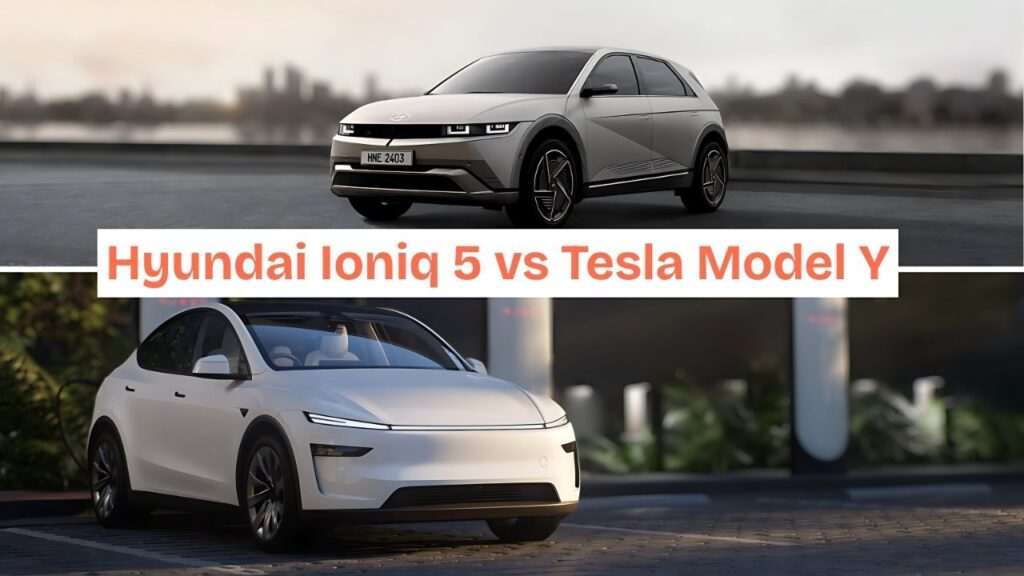
The 2025 year seems to be huge for electric cars as it introduces many EVs other than Tesla which once dominated this market alone. Now, other competing cars take place leading to Hyundai Ioniq 5 vs Tesla Model Y battle showdown. The two cars are considered to be useful and stylish for buyers. 

Both are widely popular for delivering quite pleasant electric driving experiences. Both are updated with new features but which one is best for you is a complex question. Let’s solve this puzzle together through this detailed blog.

Pricing and Value

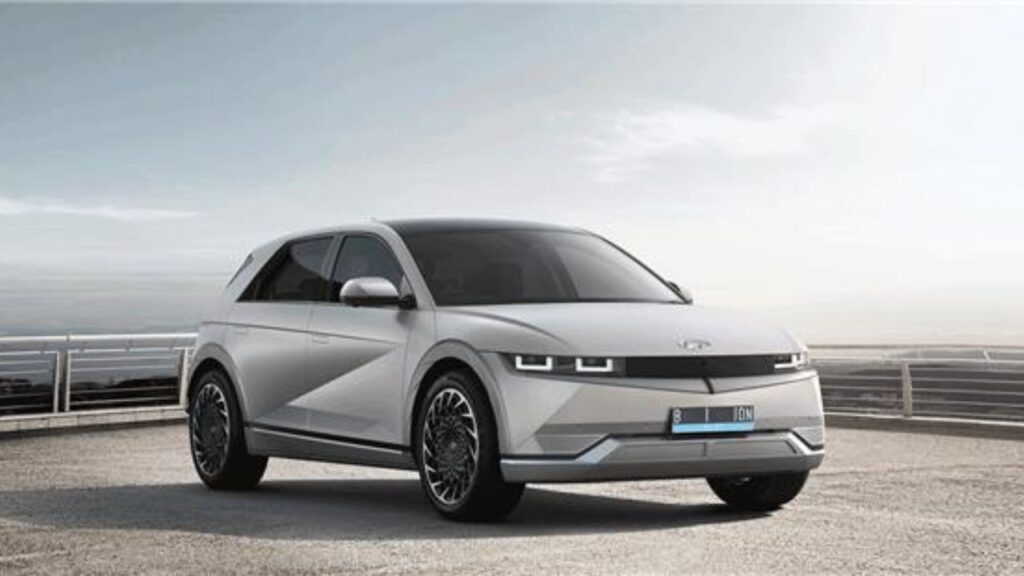
The 2025 Hyundai Ioniq 5 will cost you around $43,975 but additional trims and special edition (N or XRT) can cost you around mid-$50,000.

Hyundai IONIQ 5

Image Credit: Hyundai

The 2025 Tesla Model Y including AWD & Long Range variants prices hovers in the $46,000 – $50,000 range. The cost can go up with additional performance trims.

Tesla Model Y in India

Image Credit: YouTube

Ultimately, Hyundai offers more features and a comfortable ride with low starting cost. Meanwhile, Tesla’s full Self-Driving feature cost more that its starting prices. 

Range and Efficiency

While buying a car most buyers check range and efficiency, and here Tesla Model Y is slightly up with its long range up to 330–337 miles. The Ioniq 5 is catching up with an 84 kWh battery to deliver range up to 300–318 miles. So, while Tesla is delivering a bit more range, Hyundai now offers more than enough for daily commutes and long trips.

Charging Technology and Infrastructure

The battle gets interesting here, Ioniq 5 is shining with an 800-volt system that charges at speed from 10% to 80% in just 18 minutes. It becomes possible with super-fast DC chargers that provide top-notch speed, also used in luxury EVs like Porsche & Audi.

But Tesla’s charging network is bigger than any other car, even in 2025. It offers more locations, makes it easy and simple to use. The good news? Hyundai Ioniq 5 now uses the NACS standard means it can use Tesla Superchargers too. 

Image credit: Tesla

These things made it super easy for Hyundai but Tesla still won for offering greater ease.

Performance and Driving Experience

These two crossovers are explosive, but they do things differently. The standard Ioniq 5 AWD version delivers 320 horsepower, the true monster is the Ioniq 5 N model which produces over 600 horsepower and track-ready parts. The XRT trim of Hyundai is more into off-road action ready demon. 

The Tesla Model Y offers outstanding performance in a speed range from 0-60 mph in 3.3 seconds. Performance is equal to a sports car. The quick acceleration of the Tesla is a remarkable feature with its quick tuning. 

Tesla and Hyundai N models both offer unstoppable performance that excite speed lovers. Tesla has offered straightforward speed, while Hyundai more evolved into driving experience.

Read More: Toyota RAV4 vs Honda CR-V: The Ultimate SUV Battle of 2025

Interior and Tech

The difference is obvious inside both vehicles. The Ioniq 5 offers a practical cabin with 12-inch displays for the infotainment system and comfortable seats made with high-quality material for both driver and passengers. Controls are real and easy to use, overall the interior is giving a pleasure and decent experience of the trip. 

Image credit: Hyundai

The Model Y offers amazing features in a minimalist cabin with a single touchscreen infotainment system. Its first approach is software that delivers outstanding controls and provides features like autopilot for full self-driving. Now, it has become tech savvy’s favorite electric vehicle.

Read Also: Mahindra Thar vs Maruti Jimny: Which SUV Dominates Off-Road?

Practicality and Everyday Use

Both cars offer large spaces for long family trips. Tesla offers more back space and optional 3rd row seating available in some markets. Hyundai offers excellent ride, comfort, and roomy back seat, making it easy to use.

Ultimately, both are versatile and are a good electric choice. They work perfectly for daily commutes and road-trips.

Quick Comparison Hyundai Ioniq 5 vs Tesla Model Y

Category Hyundai Ioniq 5  Tesla Model Y 
Starting Price (US) From $43,975 (higher trims mid-$50k; N & XRT editions cost more) From $46,000–$51,000 (Performance and FSD push costs higher)
Range (EPA/est.) 300–318 miles depending on trim & wheels 300–337 miles depending on motor & wheels
Charging 84 kWh Battery, fastest charging (10–80% in 18–20 min) Supercharger network access
Performance AWD standard: 320 hp, Ioniq 5 N: 600 hp (track-focused), XRT for rugged use Long Range AWD quick & efficient; Performance trim does 0–60 mph in 3.3s
Interior & Comfort Two 12-inch screens, premium materials, mix of physical + digital controls Minimalist cabin with single touchscreen; software-driven interface
Tech & Software Infotainment system & now supports Tesla plug (NACS) Industry-leading OTA updates, Autopilot, optional Full Self-Driving package
Charging Network Compatible with Tesla Superchargers + CCS chargers Exclusive Supercharger network with best coverage & reliability
Practicality Comfortable ride, roomy 2-row crossover, stylish design Very spacious, large cargo space, optional 3rd row (in some markets)

Conclusion

The two cars are ready for the battle Hyundai Ioniq 5 vs Tesla Model Y. Hyundai provides driving quality experience with more advanced features at fastest speed and more cargo space for family trips. Tesla is a fully tech optimized vehicle which offers full self-driving options and more add-ons features in trim versions. Both cars offer amazing driving experience, so there is no single winner, but the right choice depends on your lifestyle.