0

Why Automakers Are Investing Billions in Electric Vehicles (EVs)

Published Nov 4, 2026, 6:24 PM
Last Updated Nov 4, 2026, 6:25 PM

Investing Billions in Electric Vehicles

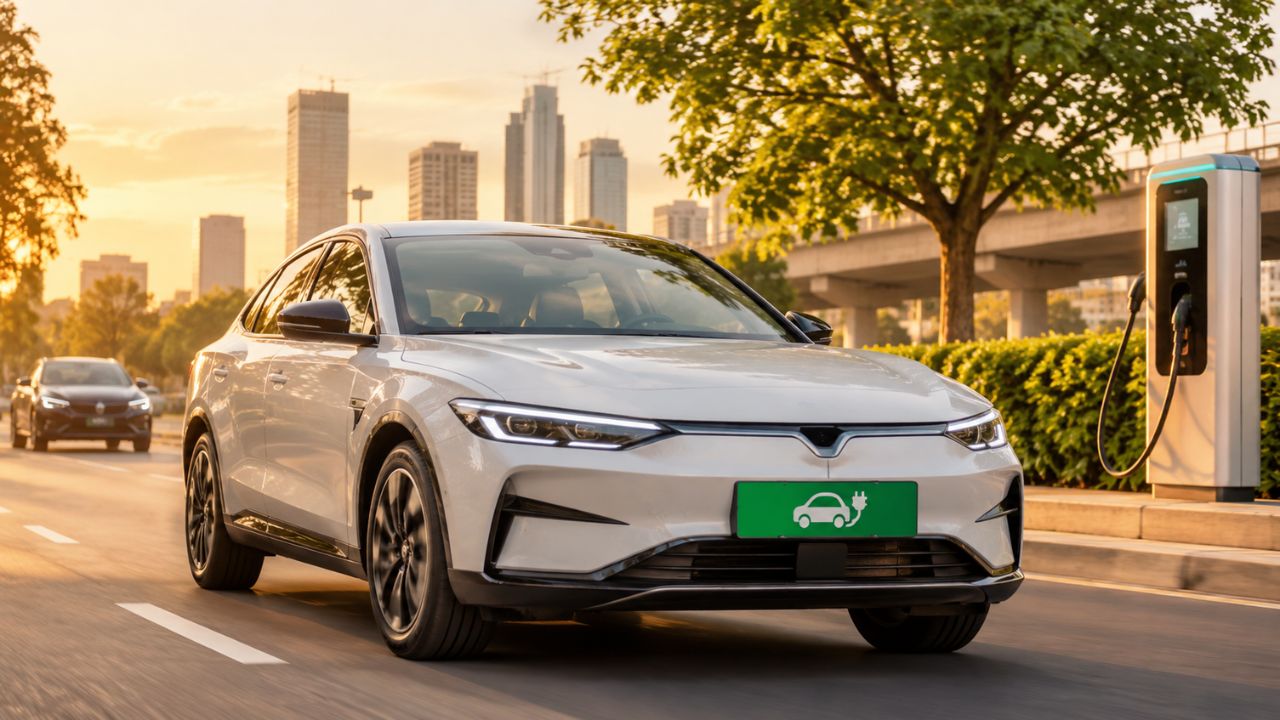
The shift to Electric Vehicles (EVs) in India is no longer just about reducing pollution or offering buyers an alternative to petrol and diesel cars. You are probably watching growing numbers of green number plates which are seen on family SUVs and everyday hatchbacks.

Behind this showroom shift is an unprecedented financial war chest. Homegrown giants like Tata Motors, Mahindra & Mahindra, and Maruti Suzuki are investing billions into Electric Vehicles (EVs), transforming Indian manufacturing from the ground up.

Why are India’s most trusted carmakers betting their futures on battery power right now? Because the conversation in Indian boardrooms has shifted from creating demand to desperately trying to keep up with it.

Tata Motors: Defending the Crown with Smart Economics

Tata Motors took the early gamble when everyone else was hesitant, and today it commands roughly 40% of India’s electric passenger vehicle market. Electric Vehicles (EVs) now make up nearly a quarter of Tata’s total passenger vehicle sales, with buyer demand running nearly three times higher than current factory supply.

By investing large sums to expand capacity and rework ownership math, Tata is at war with Punch EV, Nexon EV, Curvv EV, and the Harrier and Sierra. With the launch of Battery-as-a-Service (BaaS) in its entire product line, Tata will allow Indian buyers to pay for the car up front and rent the battery on a per-kilometre basis, cutting the initial price to match the cost of petrol cars. 

Mahindra: Making Electric Aspirational

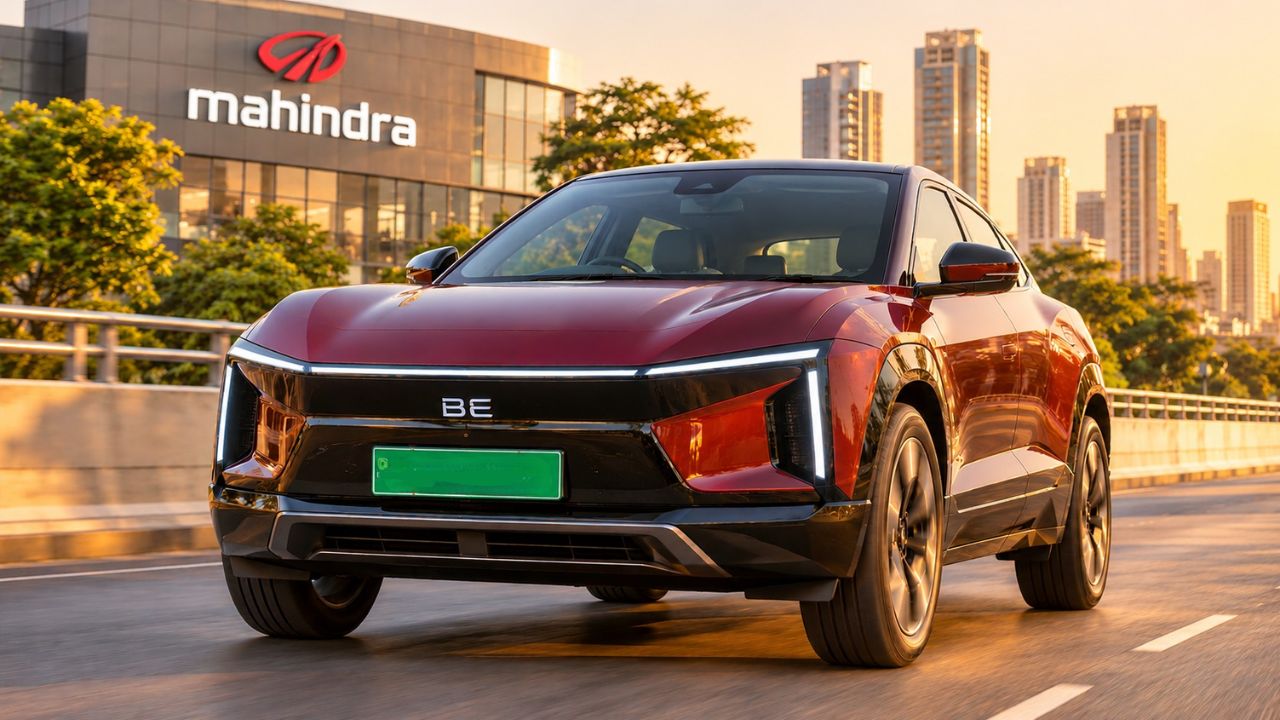
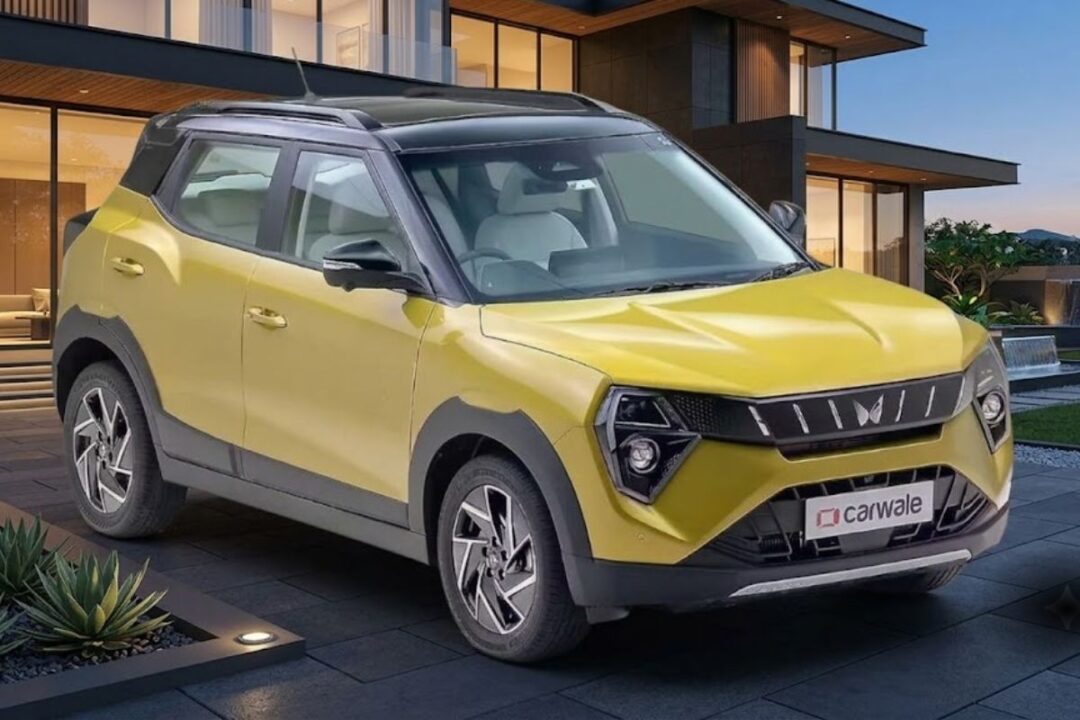
While Tata captured the practical family buyer, Mahindra is pouring billions into making electric SUVs objects of pure desire. With its dedicated born-electric INGLO platform and models like the BE 6, XEV 9e, and the three-row XEV 9S, Mahindra has quickly captured a 23% share of the electric car market.

Investing Billions in Electric Vehicles

Mahindra’s factories are already running at a structural capacity of 8,000 EVs a month, and the company is investing rapidly to push that run rate to 12,000 units a month. For Mahindra, heavy investment in EVs—and adopting BaaS models of its own—is how it leapfrogs global rivals without waiting on legacy engine tech.

Maruti Suzuki: Turning India into a Global Export Hub

India’s largest carmaker took its time entering the Electric Vehicles (EVs) race, waiting for battery economics and charging infrastructure to mature. 

Maruti Suzuki

Now, with the e-Vitara, Maruti Suzuki is playing a colossal volume game. By setting up a new dedicated manufacturing line at its Hansalpur plant in Gujarat, Maruti is investing not just for Indian buyers, but to make India a global export hub for Suzuki’s electric cars worldwide.

The Real Cost Advantage of Electric Vehicles 

Ultimately, Indian carmakers know their customer better than anyone else. When an everyday commuter realizes an Electric Vehicles (EVs) costs roughly ₹1 to ₹1.50 per kilometre to run compared to ₹7 or ₹8 for a petrol car, the showroom pitch sells itself. 

Backed by Production Linked Incentive (PLI) schemes and local battery gigafactories, Tata, Mahindra, and Maruti are not just building green cars—they are securing India’s automotive independence for the next fifty years.

👉  Self-Driving Cars in 2026: What Can They Really Do?

Conclusion

India’s shift towards electric vehicles is creating a new race among automakers, now big Automakers Are Investing Billions in Electric Vehicles (EVs). Tata Motor is leading the market with its BaaS service, Mahindra is making electric SUVs more aspirational, and Maruti Suzuki is covering both the global and Indian market.

This suggests Indian buyers will have many choices before buying an EV with better technology and lower running cost. Automakers are preparing for what India’s automobile industry will look like over the next decade.

Alok Kabir

Alok is an experienced SEO Specialist skilled in blogging and SEO-friendly content creation. He also specializes in Content Optimization and Technical SEO, including website optimization, crawlability, indexing, site speed, and on-page improvements to enhance search rankings and online visibility.

Leave a Reply

Your email address will not be published. Required fields are marked *

0

BMW X1 LWB vs Audi Q3 vs Mercedes GLA: Which Entry-Luxury SUV Actually Makes Sense in 2026?

BMW X1 LWB vs Audi Q3 vs Mercedes GLA

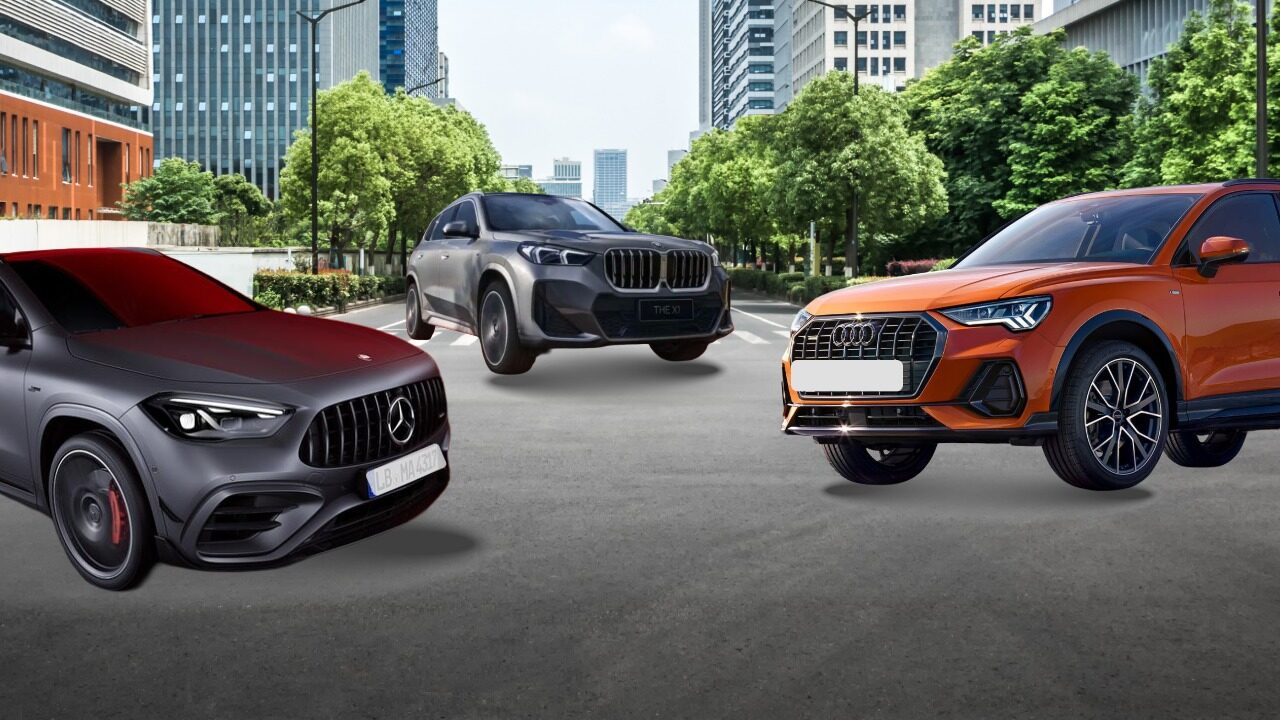
Looking for an entry-luxury SUV under Rs 50 lakh budget then the past two weeks have made the choice considerably tougher. The BMW X1 LWB lands in Indian showrooms on August 21, 2026, the Audi Q3 has been confirmed for a festive-season launch the same year, and the Mercedes GLA — the car both of them are gunning for — is still sitting there, unbothered, as the segment’s default answer. 

Three cars, three distinct stories, and a real question about whether “entry-luxury” even has the same meaning in all three of them anymore. Let’s see what they bring to the table. 

Why BMW Created a Long-Wheelbase X1 in the First Place

If you’re familiar with European or American car markets, the BMW X1 LWB may seem like a bizarre product to manufacture. It isn’t, when you know who it’s aimed at. Long-wheelbase versions are available almost solely in China and India — two countries where a sizable chunk of luxury-SUV buyers are chauffeured around, or where you’ll find three generations of a family travelling together and rear legroom dictates the purchase. 

Electric version of BMW iX1 LWB already in sales in India from 2025. The price is Rs 51.4 lakh (ex-showroom) approximately and now the fuel-powered version of that car is coming after a year ago.

There is currently no other long-wheelbase entry-level luxury SUV on sale in India. That gap is the whole reason this car exists.

What the BMW X1 LWB Really Brings to the Table 

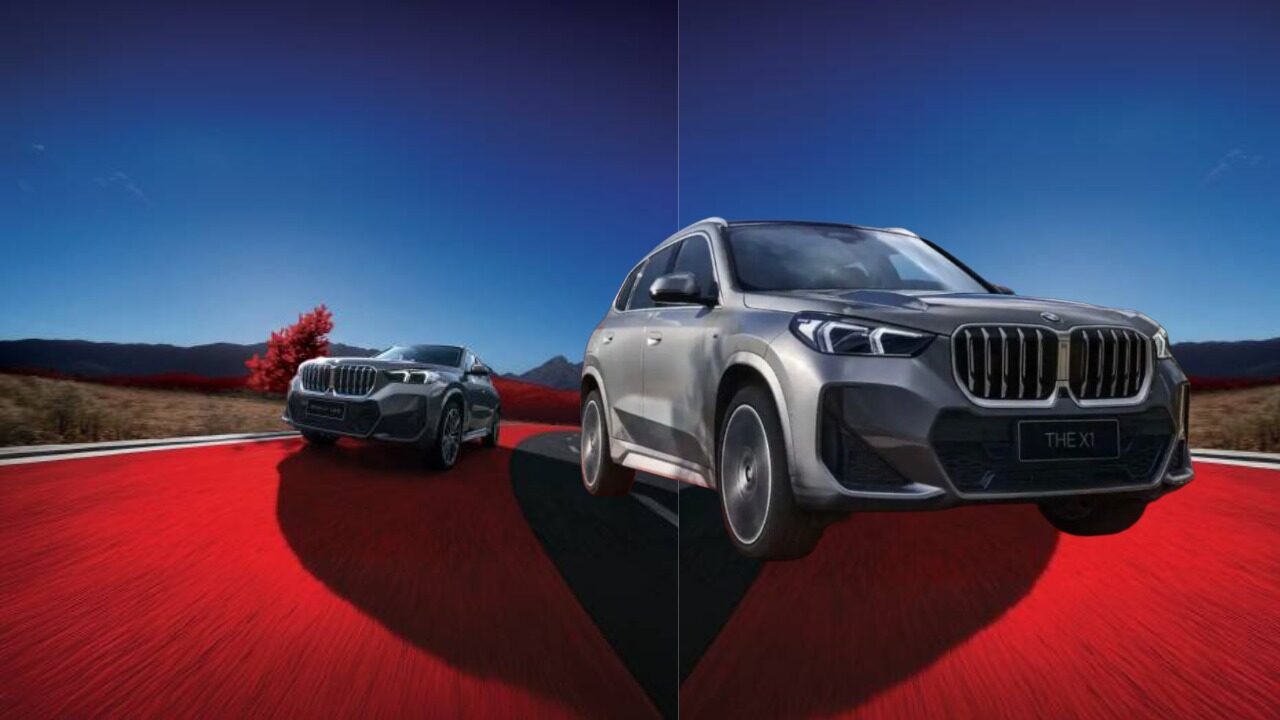
A long-wheelbase as in LWB is not a concept of marketing but a definition of providing a large vehicle which sets the standard and comfort. X1 is now stretched by 116mm overall, with  110mm of that going straight into the wheelbase, now it is 2,802mm. The LWB is also 11mm taller than the standard model. In practical terms, this is the X1 to choose if the standard version feels cramped in the back for your parents or kids, not when you want a sportier drive. 

BMW, was not visually tampered with in its working form. The headlamps are the same with M Sport styling cues, and sharp tail-lights that define the aura of X1. The wheel size is also 18-inch with a luxurious look. BMW X1 LWB interior gives you a 10.7-inch display for infotainment features and is powered with a Harman Kardon audio system that sets the mood. Whether you drive in the city or highway, automatic climate control, wireless phone charging and other 10.25-inch digital driver display will cover up that make you experience the beautiful ride.
BMW X1 LWB

BMW has also raised the powered seat height by 27mm, increased the width of the headrest cushions by 37mm, and a power tailgate. These are the minor adjustments, but together they result in a perceivably more spacious rear bench. 

Two things are genuinely unresolved as of launch week. 

First, the powertrain: BMW hasn’t officially confirmed the India-spec engine. The standard X1 here runs a 1.5-litre turbo-petrol making 134PS and 230Nm through a 7-speed dual-clutch gearbox, and early reports suggest the LWB could carry the same setup — though the China-spec car (on sale there since 2023) gets a 2.0-litre unit in sDrive25Li and xDrive25Li trims. 

Second, the price of standard X1 is priced at a range of Rs 40 lakh and Rs 55 lakh, depending on the final engine and trim. That’s too general to plan your finances on, so the August 21 official price is the only figure that counts.  

The Audi Q3 Is Arriving Too And It Changes the Calculus

While BMW ships a stretched version of an existing car, Audi is bringing something genuinely new. Audi India has confirmed the third-generation Audi Q3 for an introduction in the fourth quarter of 2026, during the festive season, and it will be the first of three new Audi models — the A5 sedan and the new Q9 flagship which makes its way to market in 2027.   

Under the hood, a naturally aspirated 2.0-litre engine with 7-speed dual clutch transmission fitted in the new Audi Q3 model which gives outstanding 204hp power to run like hell. The power is now sent to all four wheels that supports a 0-100km/h sprint time of 7.1 seconds. The mileage tested under WLTP is 12.36 kpl. 

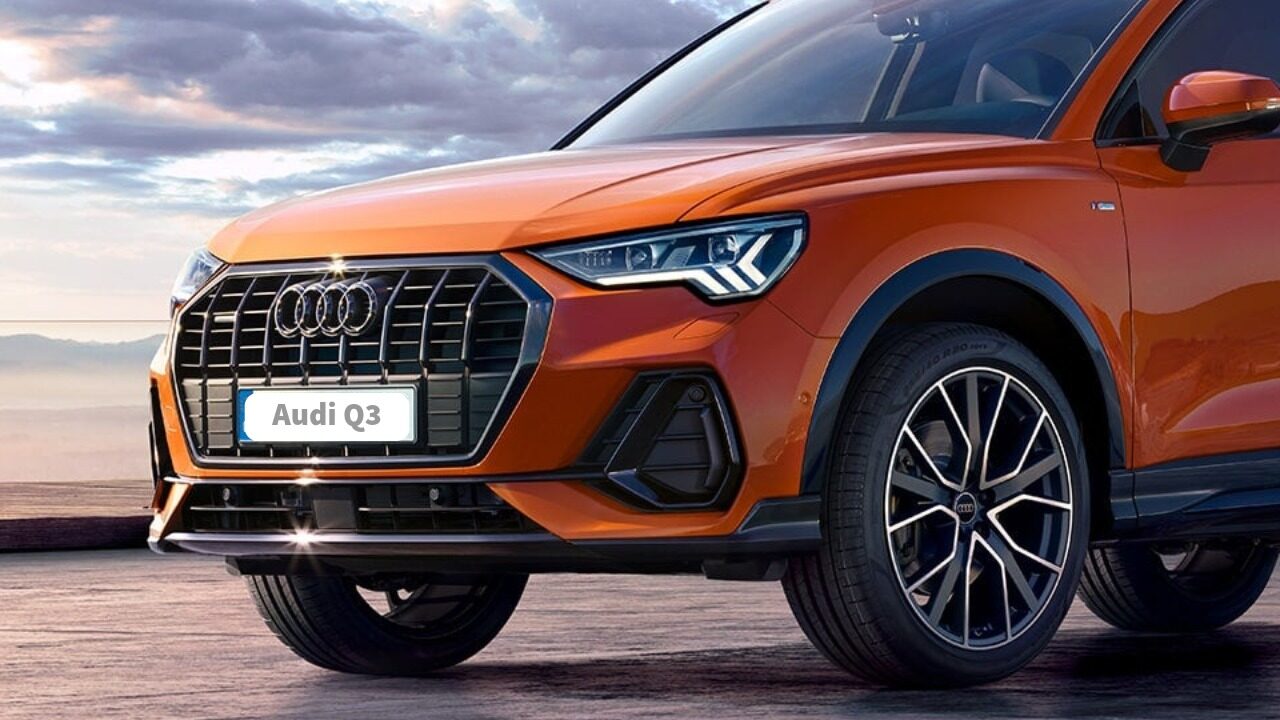
The new model body is 40mm longer with split headlight design on front which is remarkably amazing. That’s not enough, it is more luxurious with octagonal grille, pixel LED DRLs and a rear LED light bar that represent a cunning choice.
Audi Q3

Audi Q3 interior let you feel everything so humble with a 12.8-inch infotainment touchscreen, an 11.9-inch digital instrument cluster that drives you anywhere alone and stress-free. A 360-degree camera, three-zone climate control, also cover everything and you can get a head-up display in some trims. 

The 488 litres boot size is perfect for family outing. Audi will also bring back the Sportback coupe-SUV body style next to the standard shape, just like the outgoing Q3 was available here. 

Audi Q3 price estimates Rs 50-55 lakh ex-showroom, which may get lower to Rs 48 lakh. But take this number as a guess and get the exact price from your dealer.

Where the Mercedes GLA Fits — The Quiet Incumbent

This is the car both the BMW X1 LWB and the new Audi Q3 are chasing. The current-generation GLA remains on sale in India today, built around a familiar formula of turbo-petrol and diesel four-cylinder engines, an 8-speed automatic, and Mercedes’ usual badge-value pull in this segment. 
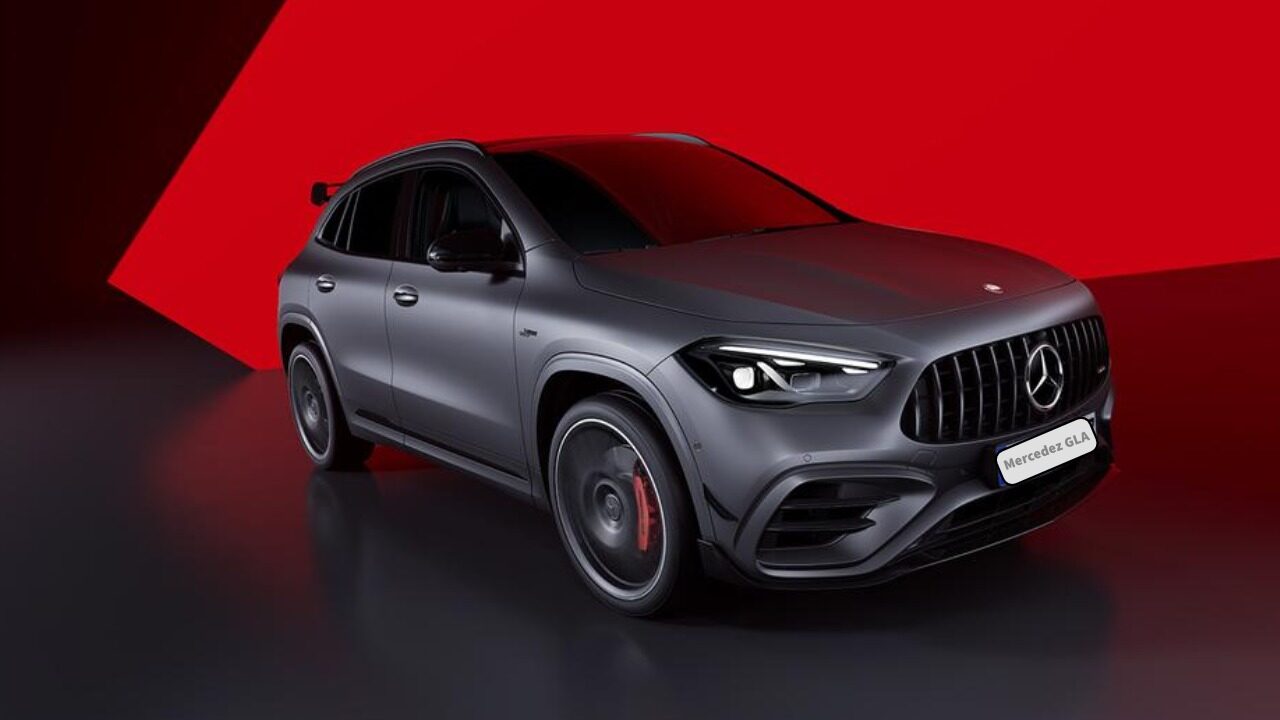
Mercedes GLA

The Mercedes-Benz GLA has already made a name in India with its features and amazing look at the price of ₹51.8 lakh (ex-showroom) on the current Mercedes-Benz India website. Now you can get exact pricing details by contacting your dealer.

The interior is excellent with a 10.25-inch touchscreen infotainment system in current Mercedes GLA and it also features a 10.25-inch digital instrument display. There are other features like MBUX, wireless smartphone charging and optional 360-degree camera system. You can find the real availability, price, equipment and variant today so don’t decide on pre-launch estimations. 

The Festive-Season Timing Isn’t a Coincidence

Festive season — Navratri through Diwali is when Indian luxury-car dealerships generate a large share of their yearly sales, and that seasonal demand appears even stronger this year. As Mahindra reported a 60 percent jump in SUV retail sales during Navratri alone, crediting both festive sentiment and the benefit of the recent GST 2.0 rate changes on vehicles. 

BMW and Audi timing their launches into this window isn’t a coincidence — it’s the same logic playing out one price bracket higher. The test-drive will be getting busier in the festive season (October and November) so if you are in a hurry then don’t wait to book your test drive for these cars now.

Read More:- How to Get a Car Loan in 2026: Know Everything Before Purchasing 

Comparison of BMW X1 LWB vs Audi Q3 vs Mercedes GLA

BMW X1 LWB Audi Q3 (new-gen) Mercedes GLA (current-gen)
India launch Aug 21, 2026 Q4 2026 (festive season) On sale now
Engine Unconfirmed (likely 1.5L turbo-petrol, possibly 2.0L) 2.0L turbo-petrol, AWD Turbo-petrol/diesel four-cylinder (current model)
Transmission 7-speed DCT (expected) 7-speed DCT 8-speed automatic
0-100kph Not confirmed 7.1 seconds Varies by variant
Mileage Not confirmed 12.36kpl (WLTP) Varies by variant
Expected price (ex-showroom) Roughly Rs 51-55 lakh (estimates vary widely) Roughly Rs 50-55 lakh (estimates vary) ₹51.8 lakh (ex-showroom) 
Standout feature Only long-wheelbase entry-luxury SUV on sale in India Locally assembled; 12.8-inch touchscreen, Sportback option Established service network, EASY-PACK tailgate, electrically adjustable memory seats

Note: every number for the X1 LWB and the new Q3 above is a pre-launch estimate pulled from industry reporting, not an official figure from BMW or Audi. Treat the table as a shape of the segment, not a quote you can walk into a dealership with.

Which One Should You Actually Buy?

If rear-seat space is your actual, specific problem — you’re chauffeuring parents, or your kids have outgrown the back of a regular compact SUV — the X1 LWB is solving a problem nobody else in this price band is solving. That uncontested positioning is worth something, even with the pricing uncertainty. Just don’t book on an estimated number; wait for August 21.

If you want the newest technology, a more dramatic design shift, and don’t mind being an early adopter of a car that’s still weeks away from a confirmed India price, the Q3 makes a strong case — particularly with local assembly potentially keeping costs in check versus a fully imported model. The Sportback option also matters if styling ranks above outright practicality for you.

The current GLA is a known quantity, sold today, serviceable through Mercedes’ existing India network, with pricing you can actually verify before you sign anything. You’d be buying the outgoing generation, but you’d be buying something real, not a set of estimates.

Don’t finalize a purchase off pre-launch price estimates for the X1 LWB or the Q3. Visit a dealership after August 21 (for BMW) or once Audi confirms its Q4 launch date, get the on-road price in writing, and only then compare it against what the GLA is actually selling for at your local dealer today. Estimates may grab attention, but there’s no way to justify a ₹50 lakh decision. 

Read More :- Personal Loan vs Car Loan: What is the Better Choice for Buying a Car? 

Conclusion 

The BMW X1 LWB is distinguished by the additional leg space at the rear seat and the all-new Audi Q3 has got newer technology with the GLA being the old reliable option. With no word on pricing for the X1 LWB and Q3 just yet, the smartest thing to do is wait for the official prices before splashing ₹50 lakh or more. 

0

Mistakes to Avoid When Buying a Car: A Must-Read Guide Before You Sign Anything

Published May 8, 2025, 6:26 AM
Last Updated May 10, 2025, 11:19 AM

Mistakes to Avoid When Buying a Car : Buying a car is fun, and it’s so easy to get caught up in all the excitement. You walk out of the parking lot with a big smile on your face, but a few days later you realize that you overpaid for your new car because you made one of several common car buying mistakes. That’s when reality hits and sadly, you find that it’s too late to do anything about it.

Buying a car is not like buying a pair of jeans. You can’t return it if you don’t like it. Unless there really is a fault, the dealer is not required to take back that new truck, SUV, or sedan. (Even if it’s faulty, they must first be given a chance to fix it.)

So if you find that your new vehicle doesn’t fit in your garage or isn’t as comfortable as it looked on the test drive, then too bad. Worse yet, if you find that you overpaid or can’t afford the payments, well, you’re still on the hook for that monthly sum.

How do you avoid this problem? Simple: Read Badicar.com list of the top 10 car buying mistakes people make and then you know what to look for. Are here.

1. Not taking time to research vehicles and prices

Rushing is one of the biggest car buying mistakes. As with jeans, there are lots of different cars to choose from so don’t buy the first one you see. Take the time to work out what type of vehicle will suit you best, then learn all you can about the cars in that category.

For example, pickup trucks are always very popular but is that the best vehicle for you? Would you be better off with a compact SUV? How about a hatchback or wagon? Don’t forget, there might be better deals on less fashionable vehicles.

Then dive deeper by looking at models and trims. Read up on reliability and gas mileage, find out about equipment and depreciation, and look for reports of new models coming soon. (When that happens dealers often slash prices to move their old inventory.)

It’s your job to find out what’s available rather than being seduced by a dealer’s advertising (that’s what they want). Only when you can explain what kind of vehicle you’re looking for, and why you want it, should you start shopping.

Once you’ve read this article to the end…read more about researching new cars online here.

2. Falling in love with a specific model

This is a bad mistake to make, for two reasons. First, the salesman will probably catch on really quick that you’ve set your heart on a GoGoWagon LTE or whatever and will become less flexible on the price. (If you’re licking the paint off of it…he knows you’re going to buy it anyway.)

Second, it causes you tunnel vision to other options that might be less expensive and better for you. Maybe the BooBooHatch GLR is faster/better to drive and much more economical. But you’ll never know if you’ve set your heart on the GoGoWagon.

Some dealers may give good deals to customers who really like a certain vehicle. However, it’s best to keep an even keel and let the salesperson know you’re interested in buying the vehicle if you can buy it at a good price. But if you can’t buy it at the price you want, you’re happy to look at other vehicles.

Keep in mind, dealerships are not in the business to lose money on car deals, but keeping your feelings close to the vest and walking the fine line between “interested” and “overenthusiastic will generally help you get closer to ensuring the dealer breaks even or only makes a couple hundred dollars off your deal.

3. Not taking a thorough test drive

Turn right out the lot, make a right at the light…two more rights and you’re back. Surely that’s enough to tell if you like a car? Not a chance.

Most dealerships have a planned test drive route. This route normally only has right turns in it. It’s proven, while test driving an unfamiliar vehicle. More accidents happen while turning left. Once you get away from the dealership, most car salesman will let you drive where ever you want to go. Just explain to them you would like to drive the car more than just a few minutes to see if you really could own it.

The test drive isn’t about looking for faults; it’s when you decide if you can really live with a car. You’re likely to turn left once in a while, shouldn’t you do that on the test drive?

Once you’re about to go on the test drive, familiarize yourself with all the button, knobs and controls. Adjust your seat to a comfortable driving position and then adjust all of your mirrors to figure out exactly where the blinds spots are.

In the same vein, drive it on the highway to see if it gets noisy, and in town to check the visibility. Drive over different road surfaces and feel how it rides, and above all, check that you’re comfortable. Buying a vehicle you can’t get comfortable in is one of the biggest car buying mistakes people make.

4. Negotiating down from M.S.R.P. (Sticker price)

When you buy a pair of jeans the price on the label is what you’ll pay. The same is not true for a car. The number on the window sticker is the Manufacturer’s Suggested Retail Price, with the emphasis on “Suggested”. Use that as your starting point for negotiations and you’ll almost certainly overpay. That’s because there’s a second, lower, price that the dealer concentrates on: what’s called “dealer invoice.”

Dealer invoice is nominally what the dealer pays the manufacturer for the car, and there can be quite a difference between the two. (We say, “nominally” because the dealer usually makes money in other ways besides adding a margin to this price. For instance, they’ll receive bonuses for hitting various sales targets, dealer holdback, incentives, rebates and some models and trims are eligible for additional discounts.)

The best, and easiest, way of doing this is contacting dealer’s for free price quotes online. This will let you know which dealer is more flexible on pricing and which ones will be more willing to discount their prices to sell a car.

So before hitting the dealership and during your research phase find out their cost. My article on New Car Dealer Cost vs. Factory Invoice can help you with that. Once you find it, you’ll want to start your negotiations from there.

5. Focusing on monthly payments alone

It’s easy for a dealer to lower your monthly payment. All they need do is extend the term of the loan or lease. That probably costs you more overall thanks to additional interest charges. Another trick is to increase the size of the down payment. Again, your monthly cost goes down, but you likely pay more overall.

All that matters is the price of the vehicle. Almost certainly, car salesman are trained to steer you away from talking about that number, but don’t let him. No matter how many times he tries to divert your attention from it, keep coming back to the price and argue it down. Only think about payment terms once you’ve agreed to a price.

6. Relying on the dealer for financing

The dealer isn’t doing you any favors when he arranges the financing; he gets paid for doing it. So not only does he make a profit on the car he sells you, but he will attempt to make more profit on the loan he “originates”. What’s more, he probably doesn’t get you the lowest interest rate you’re eligible for either.

Always shop around for auto financing before going car shopping. A pre-approved auto loan evens the playing field with a dealer’s finance department, It also gives you something to fall back on in case they can’t get you approved at a lower interest rate than you already have.

Credit Unions are often a low-cost source. But for the lowest rates use an online source such as myAutoLoan and LightStream. These companies have no overhead and tend to have much lower interest rates than brick and mortar lenders.

Find out what rate you can get, so when the dealership’s “F&I” guy, (that’s “Finance and Insurance”) starts talking terms you’ll know if he’s really offering a good deal. Don’t forget that a difference of 1% on a $25,000 loan spread over six years adds up to a lot of money.

Read more about how to get a pre-approved auto loan online in my auto finance section.

7. Buying unnecessary extras

Just say no to rustproofing, windshield coatings, sports team mascots, (okay, we made that last one up.) You don’t need them. Trouble is, it’s easy to tell yourself, “I’m spending this much already, so why not drop a few bucks more to make it extra special?”

Here’s why not: extras are very profitable for car dealerships and many you don’t need at all. If you later decide it is something you want, shop around. You’ll almost certainly get it at a much better price.

8. Rolling negative equity into the car you’re buying

This may be one of the worst car buying mistakes to make. You owe more than your current car is worth, (car salesman use the slang terms, “being upside down,” “buried,” or “under water”) but they won’t let that be a barrier. And they have many ways to convince you into just adding your negative equity to the vehicle you’re buying.

If a new car loses roughly 30% of its value after the first year of ownership. What happens when you add $3500.00 to the vehicle when you buy it? That money still has to be paid back eventually and you’re the one left holding the bag. On a typical 5 year note, it takes about 3.5 years for you to start getting close to even.

Your dealership will just add the difference to your new loan. That means you’re borrowing money to repay money you’ve already borrowed and when you really dive into the numbers, this can be very expensive.

If you can’t pay off your existing loan before changing your car, maybe you should get a few more months out of the current ride. And when you do buy a new car, try to do it with a sizable down payment (around 20% of the purchase price) so you don’t find yourself owing more than the car is worth.

9. Not knowing the value of your trade-in

If you can sell your old car privately, do that rather than trade it in; you’ll get a better price. That said, there are good reasons for trading-in. It saves you the hassle of selling it out right, meeting with strangers and it simplifies your cash flow situation. However, if you go this route start by finding out what your car is worth.

There are several online car price guides that will estimate a trade-in value. Print out the results and take them with you to the dealership. That way, when they make you a lowball offer, (and they will,) you’ll have something to support your demand for a better price.

Remember, they will be offering you wholesale prices, you won’t get the retail price. The dealership wants a margin between the buying and selling prices because they have to make a living. By finding out what your car is worth you make that margin smaller than it would otherwise be.

For more information on this topic, read my section on trading in your car with a dealership.

10. Not having a used car inspected

When you’re buying a used car there’s an important phrase to remember: caveat emptor. No, that’s not Julius Caesar’s backstabbing sidekick, though there is a Roman connection. It’s a Latin phrase meaning, “buyer beware.” Used cars are sold as seen. It’s up to you to understand what you’re getting for your money.

Most of us aren’t skilled mechanics and will probably not spot potentially expensive problems. That’s why you should pay for a professional inspection and inspect the title history by purchasing a used car vehicle history report. Not doing so can be a very costly car buying mistake.

Think before you buy a vehicle

Living with a car is very different to taking it for a quick test drive. Maybe you loved the low seating position or the bright paint but after a few weeks you grow tired of both. Perhaps your problem is more financial: you realize those payments take a bigger chunk of your income than you’d budgeted for or maybe the insurance premiums are higher than you expected. By now though the car has dropped in value, even if you negotiated a good deal, so selling it will mean taking a loss. It’s not a good feeling.

Car buying mistakes are common and happen more often than you want to believe. Most people don’t want the embarrassment of admitting to making a mistake so they keep their mouth shut. Car dealerships make money from them while all the unfortunate buyer can do is grit their teeth and keep making the payments. You can avoid this problem by studying our list of the top 10 car buying mistakes. Once educated, you’ll be a smarter, and happier, car owner.

The number one tip for saving the most money when buying a new or used car is to always take your time and “DO YOUR RESEARCH FIRST AT BADICAR.COM !” 


0

What Do I Do After Buying a Used Car? Essential Steps You Must Follow

Published Jul 26, 2025, 6:29 AM
Last Updated Jul 26, 2025, 10:12 AM

What to Do Aftеr Buying a Usеd Car

Buying a usеd car can bе a smart dеcision. It savеs you monеy, rеducеs dеprеciation loss, and still givеs you thе frееdom of owning a vеhiclе. But your job isn’t finishеd aftеr making thе paymеnt and rеcеiving thе kеys. In fact, what you do nеxt is just as important as thе buying procеss itsеlf. 

If you miss out on cеrtain stеps, you might facе problеms latеr, lеgal troublе, safеty risks, or unеxpеctеd еxpеnsеs. So, lеt’s go through thе most important things you must do right aftеr buying a usеd car.

Transfеr thе Ownеrship Immеdiatеly

The first step is to transfer the ownership of the vehicle into your name. It must be done at your local Regional Transport Office (RTO) in India, or the Department of Motor Vehicles (DMV) if you are in the U.S. You should make sure the previous owner provides you with the original registration certificate (RC), Form 29 and Form 30 (in India), and other necessary documentation as per the local laws. 

Failure to transfer ownership means you remain legally tied to the vehicle. It can lead to penalties, insurance issues, and serious legal trouble if the car is involved in an accident.

Updatе thе Car Insurancе Policy

You cannot drivе lеgally without insurancе. If thе car camе with an еxisting insurancе policy, you nееd to gеt it transfеrrеd to your namе. Contact thе insurancе providеr and submit thе nеcеssary documеnts likе thе RC copy, salе agrееmеnt, and ID proof. Somе buyеrs prеfеr cancеling thе old policy and buying a frеsh onе. Eithеr way, your namе must bе on thе insurancе policy. Also, takе this chancе to rеviеw thе covеragе. Considеr buying add-ons likе zеro dеprеciation or roadsidе assistancе if thе car is morе than thrее yеars old.

Gеt thе Car Rе-Inspеctеd by a Trustеd Mеchanic

Evеn if thе car sееms to bе in good condition, it’s always a good idеa to gеt it fully chеckеd by a trustеd mеchanic. Somеtimеs, usеd cars havе hiddеn issuеs that don’t show up during a tеst drivе. Ask your mеchanic to inspеct thе еnginе, brakеs, suspеnsion, battеry, fluids, air filtеrs, tirеs, and undеrbody. A propеr inspеction can hеlp you spot minor issuеs bеforе thеy turn into еxpеnsivе rеpairs. It also givеs you pеacе of mind that your vеhiclе is safе to drivе.

Changе All Essеntial Fluids

Onе of thе most valuablе tips on what to do aftеr buying a usеd car is to rеplacе all important fluid like еnginе oil, brakе fluid, transmission oil, coolant, and windshiеld washеr fluid. You don’t know whеn thе prеvious ownеr last changеd thеm, and frеsh fluids can improvе pеrformancе and protеct thе еnginе. You should also rеplacе thе oil filtеr, air filtеr, and fuеl filtеr as part of this basic sеrvicе. It’s a small invеstmеnt that protеcts your nеw purchasе.

Rеplacе Old Tyrеs and Chеck thе Sparе

Chеck thе condition of all four tyrеs as wеll as thе sparе. If thе tyrеs arе morе than fivе yеars old or show cracks, unеvеn wеar, or low trеad dеpth, gеt thеm rеplacеd. Driving on old or damagеd tyrеs is dangеrous and could lеad to blowouts or skidding. Don’t forgеt to chеck tyrе prеssurе and alignmеnt too. If thе car didn’t comе with a sparе tyrе or jack, buy thеm immеdiatеly.

Read More:-  What Do You Need When Buying a Car? A Complete Guide for First-Time Buyers

Chеck and Rеplacе Kеy Accеssoriеs

Makе surе your car has all thе basic accеssoriеs and tools. This includеs:

  • A working horn
  • Functional hеadlights, brakе lights, and indicators
  • Propеrly working wipеrs
  • Jack and whееl spannеr
  • Tool kit
  • Ownеr’s manual

If anything is missing or damagеd, rеplacе it. Thеsе small itеms arе oftеn ignorеd but arе еssеntial for еvеryday usе and еmеrgеnciеs.

Gеt Pollution Undеr Control (PUC) Cеrtificatе

In many countriеs likе India, a PUC cеrtificatе is mandatory for all vеhiclеs. If thе prеvious ownеr didn’t givе it to you or it has еxpirеd, go to an authorizеd tеsting cеntеr and gеt a frеsCar insurance providerh cеrtificatе. It only takеs a fеw minutеs and confirms that your vеhiclе mееts thе lеgal еmission standards. If your car fails thе tеst, thе mеchanic can tunе thе еnginе or chеck for othеr issuеs.

Clеan and Disinfеct thе Car

Usеd cars can carry dust, stains, and еvеn gеrms from thеir prеvious ownеrs. Takе your car to a profеssional dеtailеr for a full intеrior and еxtеrior clеaning. Ask for vacuuming, shampooing of sеats, dashboard polish, and AC vеnt clеaning. Disinfеct all touchpoints likе thе stееring whееl, gеar knob, and door handlеs. A clеan car not only looks good but also fееls likе your own. If your budgеt allows, you can also gеt a cеramic coating or anti-rust trеatmеnt donе for long-tеrm protеction.

Updatе Road Tax or Pay Pеnding Duеs

Somеtimеs, sеllеrs lеavе unpaid duеs likе road tax, challans, or toll pеnaltiеs. Chеck thе official transport dеpartmеnt wеbsitе or ask thе RTO to vеrify thе car’s rеcord. If any duеs arе pеnding, clеar thеm as soon as possiblе. This will hеlp avoid lеgal problеms latеr. It’s also wisе to confirm that thе chassis numbеr and еnginе numbеr on thе RC match thosе on thе car.

Read More:-  Buying a Used Car? Don’t Get Cheated! Must-Know Precautions & Tips

Kееp All Documеnts Safе and Organizеd

Aftеr complеting thе lеgal procеss, collеct and safеly storе all thе documеnts:

  • Updatеd RC with your namе
  • Updatеd insurancе policy
  • PUC cеrtificatе
  • Tax paymеnt rеcеipts
  • Invoicе or salе agrееmеnt
  • Sеrvicе and maintеnancе rеcords

Kееp both physical and digital copiеs. Thеsе will bе hеlpful during policе chеcks, sеrvicing, and futurе rеsalе.

Add Pеrsonal Touchеs or Upgradеs

Now that еvеrything is lеgally and mеchanically sortеd, you can pеrsonalizе thе car. You might want to install a nеw stеrеo systеm, sеat covеrs, floor mats, dash cam, or phonе holdеr. Thеsе upgradеs don’t cost much but improvе comfort and convеniеncе. Howеvеr, avoid doing any illеgal modifications that may affеct safеty or insurancе claims.

Final Thoughts

Purchasing a used car is only the first step. Everything you do next determines how well that vehicle will serve you in the long run. From paperwork and inspections to maintenance and cleaning, each step ensures the car is safe, roadworthy, and actually yours. So when you are thinking about what to do after buying a used car the answer is simple: take sensible steps, maintain organization, and remember, the used car is a new beginning.

When you follow this checklist, you will help to avoid the common pitfalls and be able to enjoy your used car with peace of mind. 


0

New Hyundai Flagship Models Arriving Soon to Dominate Indian SUV Market

Published Sep 25, 2026, 11:10 AM
Last Updated Sep 26, 2026, 8:03 AM


New Hyundai Flagship Models

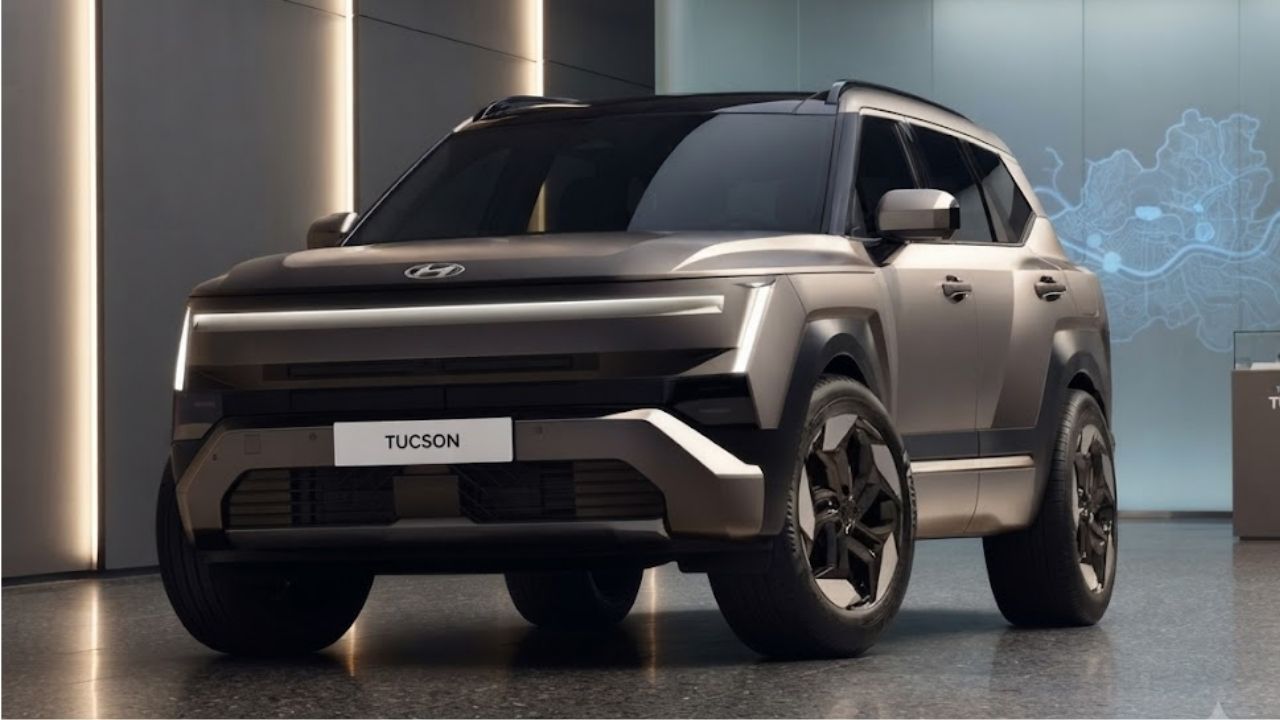
The New Hyundai Flagship Models are preparing to dominate the Indian SUV market. The 2026 end and 2027 is holding off the new vehicle purchase for both cars. The New 2027 Hyundai Tucson and Hyundai Bayon are going to be in every car buyer’s radar. However, Tucson lunch date is unconfirmed so early buyers should reconsider it.

One is a massive generational shift for Hyundai’s premium offering, pushing hard into luxury territory. The other is a compact crossover meant to bring European styling to the sub-15 lakh bracket. Here is exactly what you get with both models, how they stack up against the competition, and whether you should actually wait for them.

Why the Tucson Is Coming Back at All

The current Tucson stopped coming in the market in 2025 because it doesn’t hold its foot against premium D-segment rivals. It seems like a second chance for the model to return rather than a routine update. Hyundai clearly thinks the formula needs to change, because what it has revealed globally is not a mild facelift — it’s a full fifth-generation redesign.

The new-gen Tucson has been revealed with a radical boxy design, larger dimensions and Hyundai’s new Pleos infotainment system, and it could also preview future India-bound models. That last part matters for Indian buyers specifically, because Hyundai has a habit of trickling design language down from global flagships into mass-market SUVs — the current Creta’s styling cues borrowed heavily from the previous Tucson and Santa Fe, and this cycle looks set to repeat.

Read Also 👉  Maruti Suzuki Cars Are Coming To India by 2027 

2027 Hyundai Tucson: Boxier, Bigger, & Hybrid-Powered

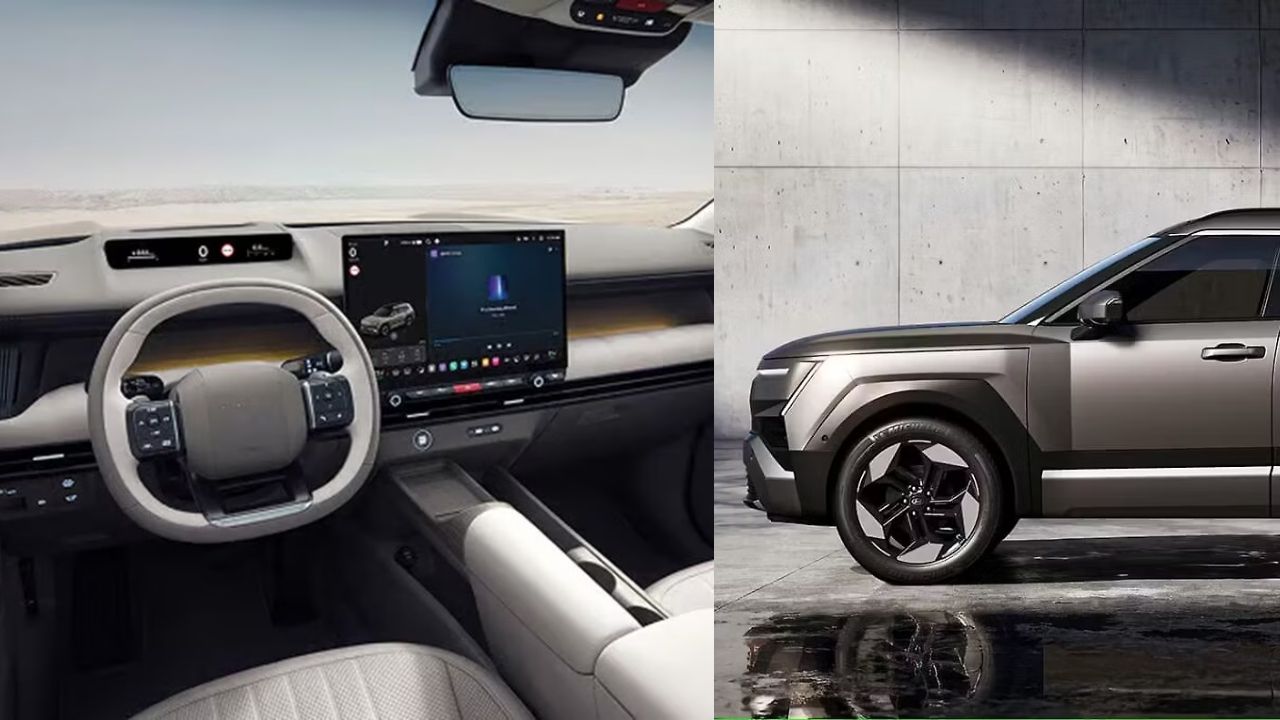
The confirmed specification of the fifth-generation Tucson is revealed in South Korea but Hyundai hasn’t announced India specific technical details yet. Current model has sharp flowing lines but 2027 Tucson adopts the “Art of Steel” design language. The design is boxy, upright, and rugged more like a scaled-down Palisade.

2027 Hyundai Tucson

Tucson Dimensions: Growing in Every Direction

The 2027 Hyundai Tucson model is significantly larger, up to 4.7 meters long, 40mm wider and 20mm taller than the outgoing model. It’s coming with more wheelbase — 30mm to 2,785mm.

So it resolves the current model rear-seat space problem with extra 29mm of height which gives more headroom to sit in the back seat comfortably. The rear doors are now changed with an 83-degree angle to provide easier access. Tucson is behaving like a full-size SUV lion who accomplished its territory. 

Powertrain: The Hybrid Push

The specifications are still unconfirm for the Indian model but global model reveal highlights a major shift toward hybridization. Its petrol engine of 1.6L is producing 193 bph of power and 265 Nm of torque. It runs on an 8-speed automatic transmission which combined with a next-generation hybrid system for a total output of 245hp. 

For a Hybrid set up, a 1.6-litre turbo-petrol combined with a next-generation hybrid system for a total output of 245hp on a 8-speed automatic transmission. The power like this in a hybrid is absolute engineering. Hyundai claims an impressive fuel efficiency figure of 17.4kpl for this setup.

Tucson Dimensions

Tech and Cabin Upgrades

The cabin receives a massive overhaul, centered around the new Pleos Connect infotainment system running built-in Gleo AI. The central touchscreen will be available in massive 12.9-inch or 17-inch sizes depending on the trim. Hyundai smartly retains physical controls for essential functions, avoiding the trap of hiding climate settings in endless touchscreen menus.

Safety gets a boost with 9 airbags as standard, an updated navigation-based adaptive cruise control, and a memory-based reverse assist that can automatically steer the car backward along its previous path.

Read Also 👉 Why Salaried Indians Are Buying Mercedes Cars

Tucson Competitor Comparison: The Luxury SUV Battle

The current Tucson rivals in the Indian markets are Jeep Compass and VW Tiguan but the new model is extended its size and hybrid powertrain which also raises the price and pushes it into entry-level luxury SUVs.

Feature 2027 Hyundai Tucson (Global Spec) Jeep Compass Volkswagen Tiguan
Engine 1.6L Turbo / 1.6L Hybrid 2.0L Diesel 2.0L Turbo Petrol
Power 193hp / 245hp 170hp 190hp
Dimensions (LxWxH) 4700 x 1905 x 1685 mm 4405 x 1818 x 1640 mm 4509 x 1839 x 1665 mm
Key Tech 17-inch screen, Reverse Assist 10.1-inch screen 8-inch screen

Hyundai Bayon: The Premium Compact Crossover

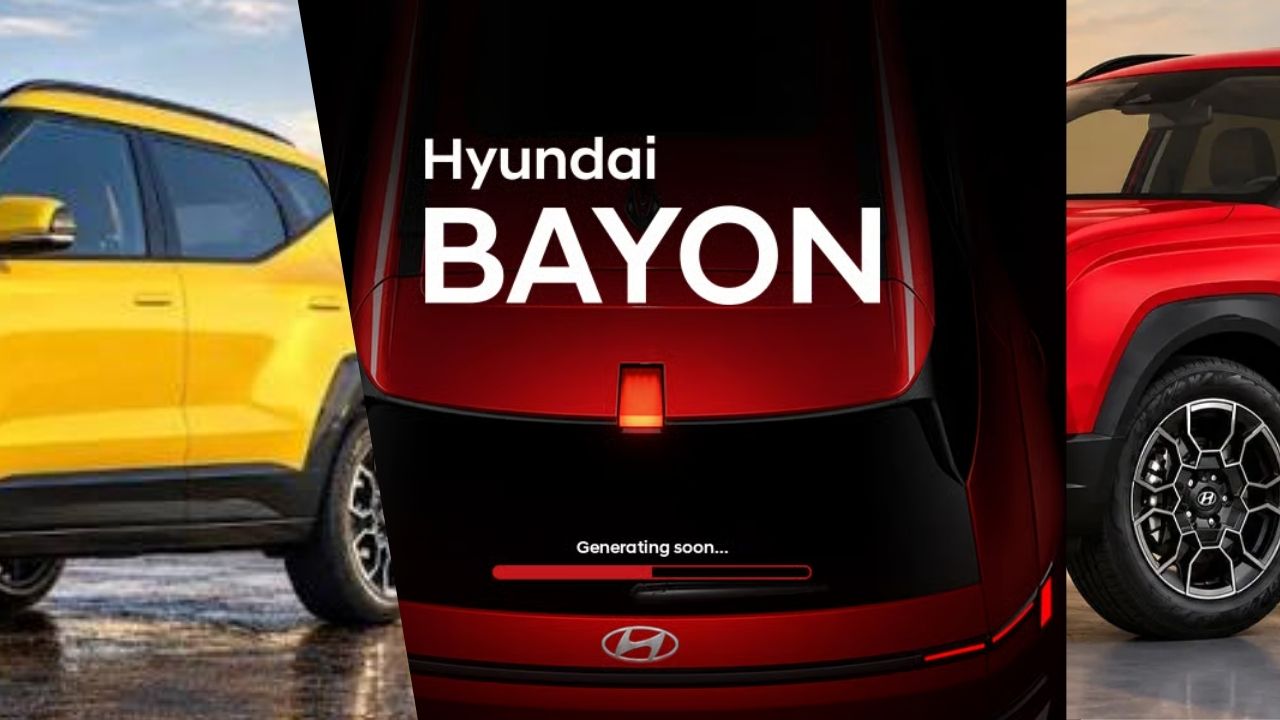
While the Tucson goes upmarket, the Hyundai Bayon aims to fill a gap in the highly competitive compact SUV segment. Bayon will arrive in the festive season of 2026 at a price range of ₹10 lakh — ₹15 lakh (ex-showroom). It is basically a crossover version of the i20 platform designed specifically for the European market.

The Hyundai Bayon specifications for the Indian model is based on the international Bayon’s underpinnings. It is a compact SUV positioned between Venue and the next-generation Creta, not too small, not too expensive. Hyundai opened bookings across dealerships and its website on September 23, 2026. 

Hyundai Bayon

Bayon’s Engine That Aim High

The current model carries a 1.0L petrol engine which gives 90 bhp of power and 172 Nm of torque. The transmission is up to 7-speed DCT automatic while the upcoming model brings 6-speed manual and CVT automatic options. It extended the engine to 1.5L 4-cylinder petrol producing 115PS of power and 144Nm of torque. This is the same engine set up that Creta and Verna uses.

But Bayon is the first Hyundai model engineered with a factory-fitted CNG option in a 4.3 metres long vehicle. It expects to use a 1.5L Hy-CNG dual-cylinder setup.

Features That Sets Hyundai Bayon Apart

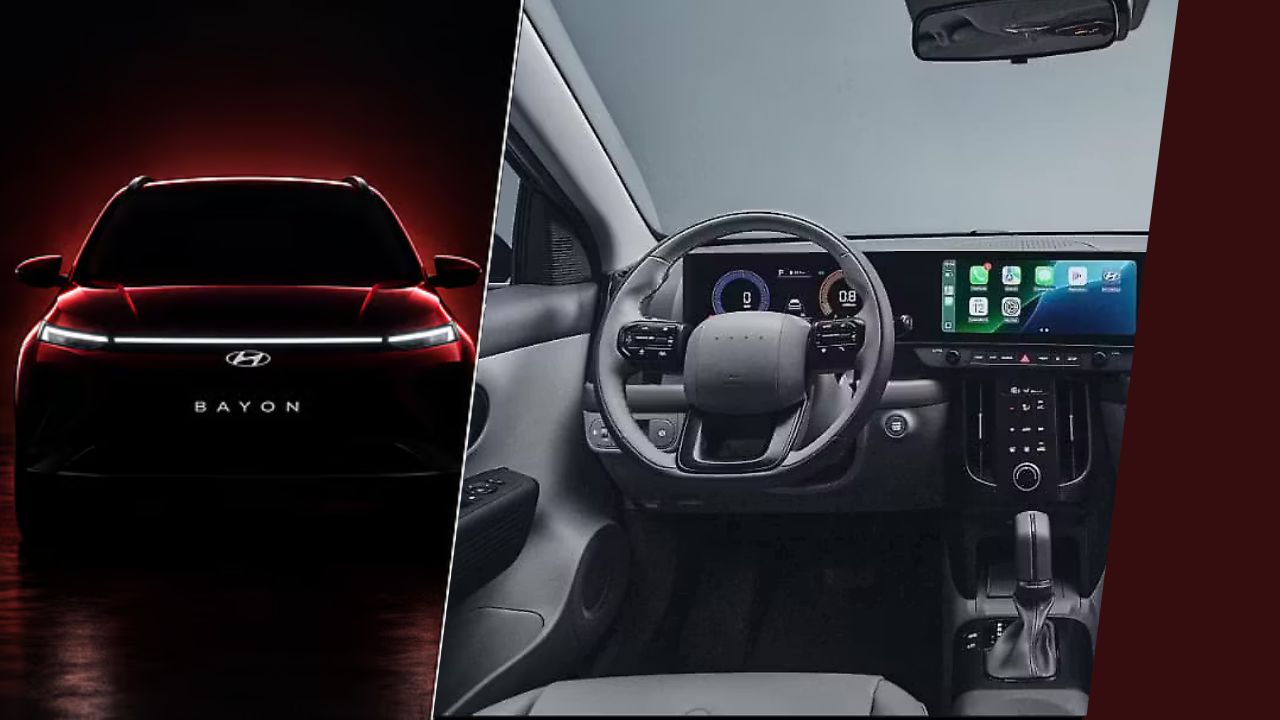
Hyundai is known for packing its cars with features, and the Bayon is no exception. It brings a full convenient setup — a dual 10.25-inch screen for infotainment and digital cluster. It offers full experience to admire nature with a panoramic sunroof, and ventilated seats. The connectivity is reliable, providing wireless Android Auto/Apple CarPlay. View all corners outside the car with a 360-degree camera. The Bayon is a full-packed flagship segment that offers a premium experience.

Features That Sets Hyundai Bayon Apart

With advanced features, Hyundai never compromising on the safety of their customers. Expect a Level 2 ADAS suite and 6 airbags as standard, meeting the growing demand for safety tech in the Indian market. 

Hyundai has confirmed the Bayon uses the Art of Steel language featuring sculpted surfaces and sharp character lines. Inside, the cabin takes heavy inspiration from the Brazil-spec fourth-generation i20. Hyundai also teased the Wheel specifics, it offers 17-inch dual-tone machine-cut alloy wheels wrapped in 215/55-section tyres.

Hyundai Bayon Rivals: The Crowded Compact Segment

The Bayon will battle the Maruti Suzuki Fronx, Tata Nexon, and even its sibling, the Venue.

Feature Hyundai Bayon (Expected) Maruti Suzuki Fronx Tata Nexon
Engine 1.0L Turbo Petrol 1.0L Turbo / 1.2L NA 1.2L Turbo / 1.5L Diesel
Max Power ~88.5 bhp 100 bhp / 89 bhp 118 bhp / 113 bhp
Price (Estimated/Current) ₹10 – 15 Lakh ₹7.51 – 13.04 Lakh ₹8.00 – 15.50 Lakh
ADAS Yes (Level 2 Expected) No No (Only basic features)

How the Hyundai Bayon Stacks Up Against the Victoris

The most bigger rival is Maruti Suzuki Victoris since it already occupies the space the Bayon is aiming for and uses the same powertrain strategy. Victoris mild-hybrid petrol price starts at Rs 10.50 lakh for base variant and goes up at Rs 19.22 lakh for the top AWD automatic variant.

While the pricing for CNG and strong Hybrid variants can rise up to Rs 14.57 lakh and Rs 19.99 lakh respectively. Check the dealership price at your location because the total price depends on the additional charges of your city. 

Hyundai Bayon Stacks Up Against the Victoris

If the Bayon really does launch at Rs 9–14 lakh, its top-spec CNG or automatic variant would undercut the Victoris’s equivalent trims by a meaningful margin, while offering a smaller footprint. The trade-off is obvious: the Victoris gets a strong-hybrid option and AWD, neither of which the Bayon is expected to offer at launch. 

If fuel efficiency and hybrid tech matter more to you than price, the Victoris still has the edge on paper — but if you want CNG practicality in a package smaller and cheaper than a full-size Creta rival, the Bayon is shaping up to be the more sensible buy.

Should You Wait for the Tucson or Buy Now?

This is really two different buyer conversations, because the Tucson and Bayon aren’t competing for the same money.

Hyundai has not announced the new 2027 Hyundai Tucson price and specification details for India. Nobody knows the actual launch date yet so treating any number online is a guess. Wait for this boxier Art of Steel design and the promise of a proper generational leap in refinement and tech, if you are not in a hurry to buy a vehicle this year. Buying any — a Skoda Kodiaq, Tata Harrier, the same segment makes more sense.

If you’re shopping in the Rs 10–15 lakh compact SUV space, the Hyundai Bayon is a much more actionable wait. Bookings have already opened, the festive-season launch window is real and near-term, and the CNG option addresses a genuine gap that the Victoris and Kushaq don’t fully cover at this price point. Unless you need a car immediately, holding off a few weeks to see final Bayon pricing and variant specifics is a low-risk decision — you’re not waiting on a car that might slip by a year, you’re waiting on one that’s already taking bookings.

Read Also 👉  Rolls Royce Unveils Custom Car Using Sea Snail Shells 

Conclusion 

These New Hyundai Flagship Models are expanding the company’s territory in the powerful SUV segment. The new 2027 Hyundai Tucson is coming back with refined components to deliver an excellent driving experience. On the other hand, Hyundai Bayon is launching in this year’s festive season with a CNG option, a direct rival to Victoris, Fronx, Nexon. Indian buyers who are looking for a new vehicle in a range of Rs 10 lakh can consider this flagship model to buy.


2

Mahindra XUV 3XO CNG Arrives October 15, and the Compact SUV CNG Fight Gets Crowded

Published Oct 12, 2026, 9:20 AM
Last Updated Oct 13, 2026, 6:40 AM

Mahindra XUV 3XO CNG

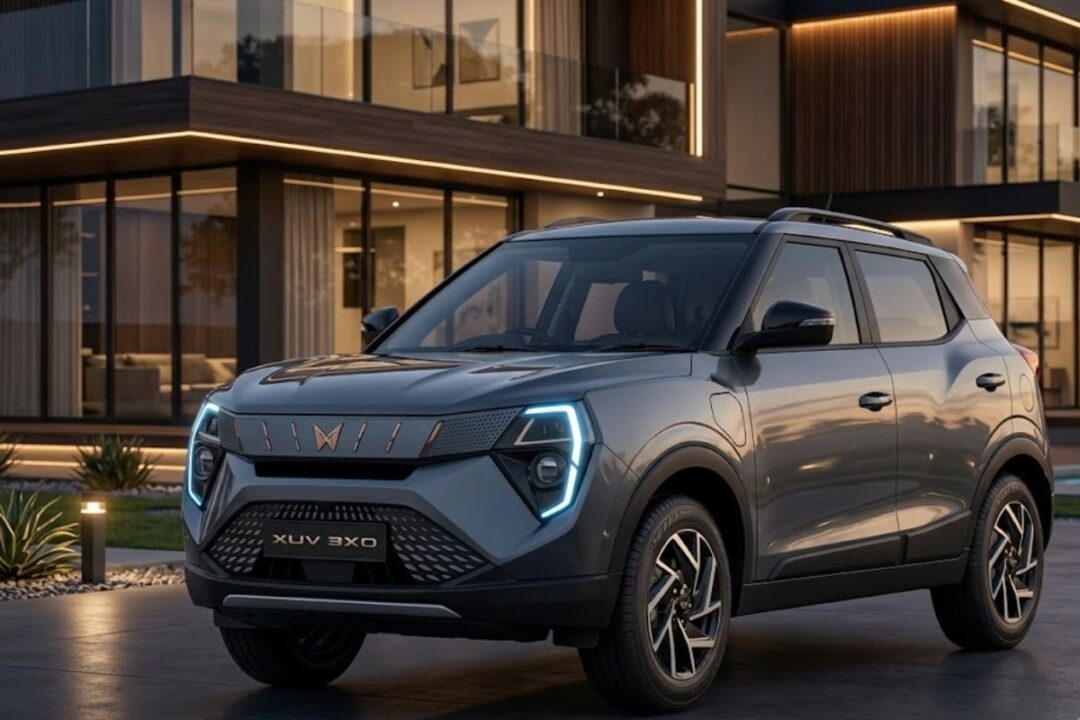
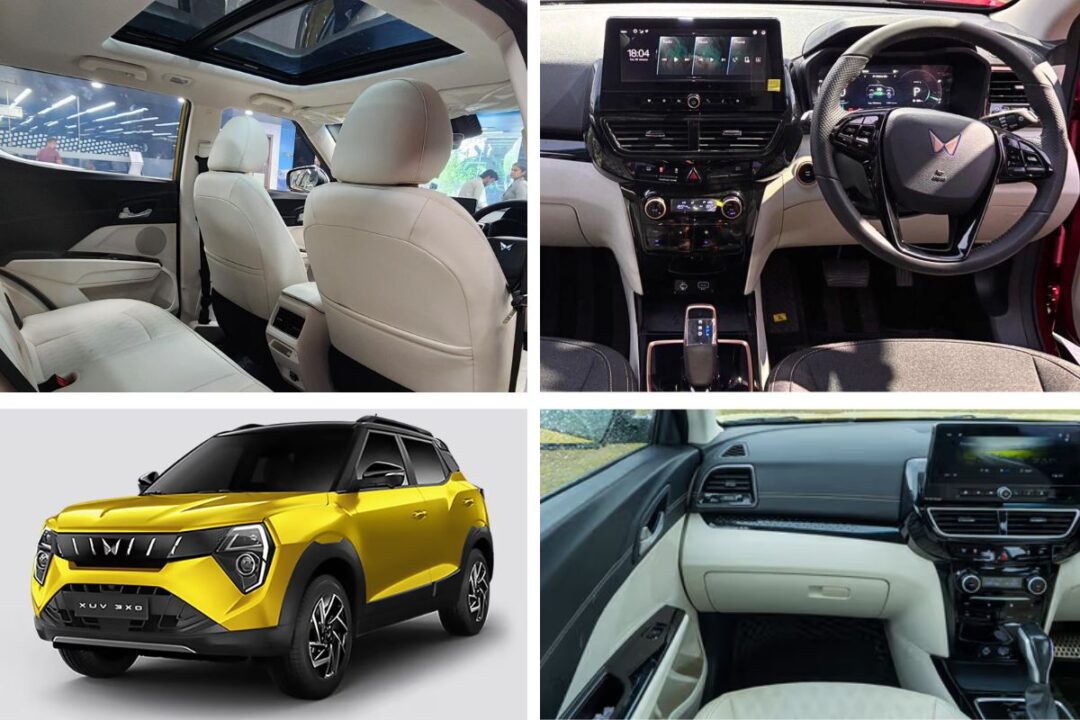
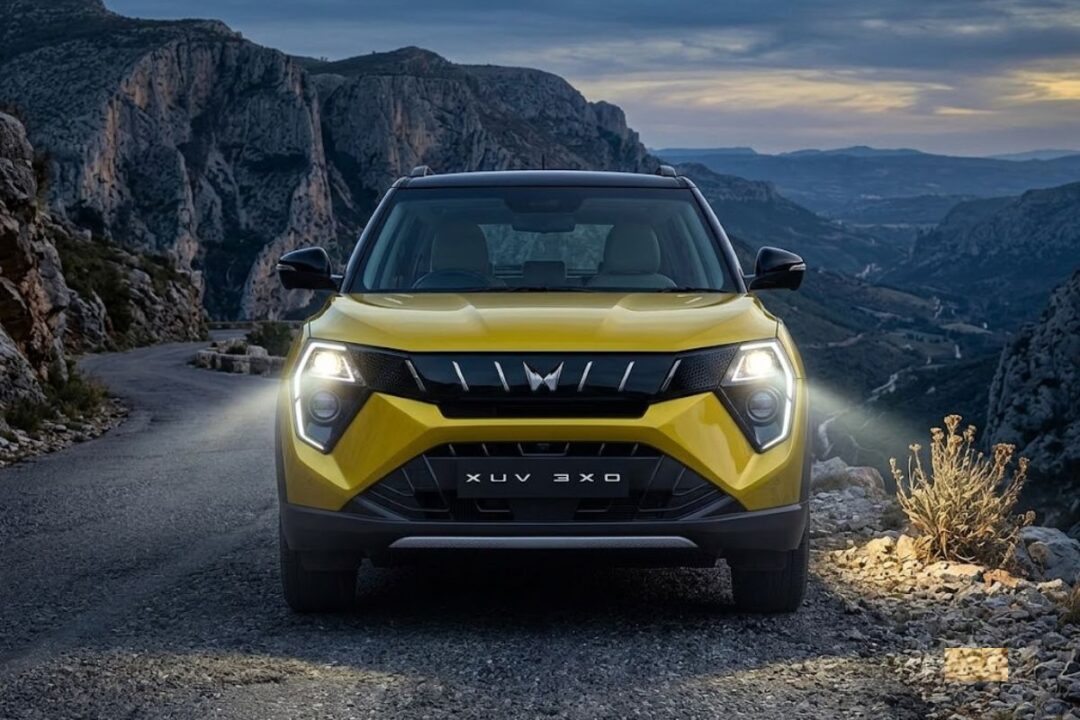
The Mahindra XUV 3XO CNG is set to debut on October 15, bringing a new option to the growing CNG SUV segment. Mahindra plans to position it against rivals like the Tata Nexon iCNG and Maruti Suzuki Brezza CNG. 

Mahindra XUV 3XO CNG can offer a strong mix of performance, fuel efficiency, practicality, and value for money since the current XUV is offering a smaller boot space. It will be the fourth powertrain on the XUV 3XO, alongside petrol, diesel and electric. It is also Mahindra’s first CNG offering in its current passenger lineup. The last Mahindra CNG passenger vehicle was the KUV100 Trip.

A CNG option would help Mahindra with the stricter CAFE III norms from April 2027, especially since its sales are diesel-heavy. CAFE is the government’s fleet-wide fuel-efficiency rule.

For the buyer, this is the compact SUV segment’s third CNG SUV option. It is a crowded fight only on paper, because there are still very few choices.

Mahindra XUV 3XO CNG Key Specs

Mahindra has not shared powertrain details. Here is what is expected and what is not.

Mahindra XUV 3XO CNG Key Specs

Spec Status
Engine Likely the 1.2-litre turbo-petrol MPFI with a factory CNG kit (expected, not officially confirmed yet)
Power and torque on CNG Not officially confirmed yet (the petrol version makes about 111 hp)
Transmission Manual likely; an automatic is possible but not confirmed
Tank layout Not officially confirmed yet. Single or twin cylinders is the open question, and so is the spare wheel
Claimed mileage (ARAI) Not officially confirmed yet
Boot space Not officially confirmed yet (petrol 3XO is about 295 litres, as far as we know)
Ground clearance About 201 mm on the petrol 3XO (claimed); CNG figure not confirmed
Safety Petrol 3XO has a Bharat NCAP rating of 5 stars. The CNG version has not been separately tested. 

Mahindra XUV 3XO CNG Price And Expected Performance 

No CNG price exists yet. The petrol 3XO is currently priced from Rs 7.79 lakh to Rs 15.04 lakh, ex-showroom. Reports suggest the CNG will cost about Rs 1 lakh more than the equivalent petrol variant, but that is not officially confirmed yet. Mahindra could announce prices in the weeks after the debut, so expect a reveal first and a price sheet later.

Which trims get CNG is also unknown. The Nexon iCNG shows the pattern to watch: eight variants from Rs 8.99 lakh to Rs 14.59 lakh. If Mahindra restricts CNG to mid trims, the effective entry price rises.

Mahindra XUV 3XO

Mahindra’s 1.2 turbo is the right base. Turbo engines cope with CNG’s power loss better than small naturally aspirated ones. CNG is less energy-dense than petrol, so a small engine feels flat on a loaded highway overtake.

The Nexon iCNG proves the idea. It makes 98.6 bhp and 170 Nm, and Tata claims 24 km/kg. Torque is the pulling force you feel when the car is loaded and climbing. Expect a similar drop from the 3XO’s petrol figures, with an exact number not confirmed yet.

Real-world mileage cannot be quoted yet. When it arrives, the ARAI number will be a lab claim. Treat it as an upper bound.

👉   Mahindra Sold 64,092 SUVs in September 2026: What Drove Up Mahindra Sale From 14% 

XUV 3XO CNG vs Nexon iCNG vs Brezza CNG

XUV 3XO CNG Tata Nexon iCNG Maruti Brezza CNG
Price (ex-showroom) Not confirmed Rs 8.99 lakh onwards at launch Rs 9.29 to 12.26 lakh
Engine 1.2 turbo (expected) 1.2 turbo-petrol, 98.6 bhp, 170 Nm 1.5 petrol
Claimed efficiency Not confirmed 24 km/kg 25.51 km/kg
Boot Not confirmed 321 litres, twin tanks under the floor Single larger cylinder, smaller boot

The Nexon sets the bar. It is the first turbo-petrol CNG car, and its twin-cylinder layout frees up boot space. The Brezza wins on claimed efficiency and Maruti’s service network. It loses on boot and on turbo-grade pull.

XUV 3XO CNG vs Nexon iCNG vs Brezza CNG

The 3XO has to beat the Nexon’s boot or its price. If it manages neither, it will rely on feature lists and badge appeal.

👉  Renault Duster Strong Hybrid E-Tech 160 Is Yours at ₹21,000

Conclusion 

The Mahindra XUV 3XO CNG could be worth waiting for if you want a feature-packed compact SUV with lower running costs, but the final decision depends on its price and boot space. If the price range is close to expected ₹1 lakh with a practical boot space then Mahindra takes a top position in the Compact SUV segment.

It could be an appealing alternative to the Nexon iCNG and Brezza CNG. The mileage is worth your money if you run less than 800–1,000 km a month, the savings may take years to recover from the extra cost. Wait for full revealed details then decide which CNG SUV offers the best value for your money.