0

Mahindra Scorpio-N vs XUV 7XO: Price, Features and Mileage Compared 

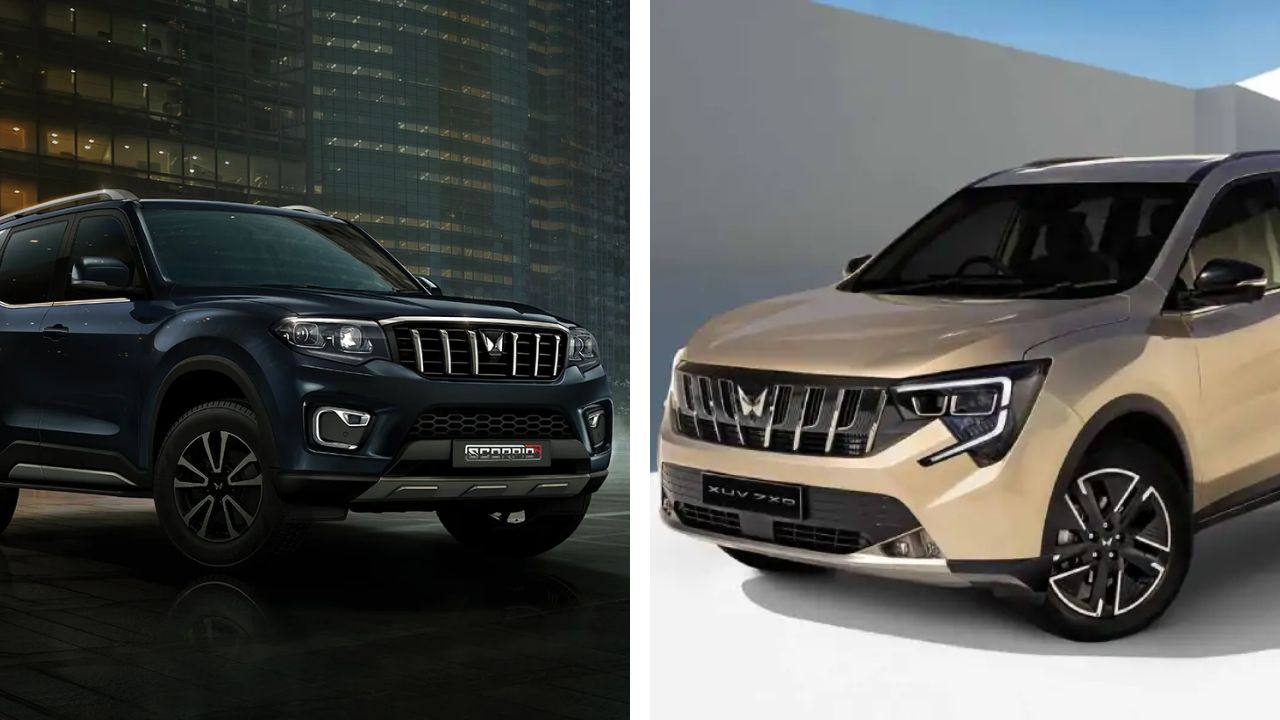
Mahindra Scorpio-N vs XUV 7XO

When you are purchasing a 7-seater SUV, Mahindra Scorpio-N vs XUV 7XO seem to be the best choice in this segment. However deciding between rugged, ladder-frame SUV with genuine off-road ability and modern, road-focused family SUV with stronger diesel performance is a tough call. 

It depends on what you seek and prefer more in a car. Both come at the same price range with different specs and features. Engine capacity, transmission modes, seating capacity are the same in both Scorpio-N vs XUV 7XO.

Check the core difference between the vehicles to understand which one is better for you.

Area Mahindra Scorpio-N Mahindra XUV 7XO
Starting ex-showroom price ₹13.69 lakh ₹13.99 lakh 
Top ex-showroom price ₹25.49 lakh ₹25.79 lakh
Body/platform Ladder-frame, RWD/4WD Monocoque, FWD/AWD
Seating 6 or 7 seats 6 or 7 seats
Diesel engine 2.2-litre, up to 400 Nm  2.2-litre, up to 450 Nm 
Petrol engine 2.0-litre turbo, up to 200 bhp 2.0-litre turbo, 200 bhp
Transmissions Manual and automatic Manual and automatic
Best use case Highways, rough roads, towing, light off-roading City, family comfort, highway cruising, features

The Scorpio-N gives a more traditional SUV look with body-on-frame construction and XUV 7XO will let you feel more car-like driving. Scorpio-N offers RWD or 4WD which enables more smoother performance on broken roads, village routes, monsoon conditions, and occasional off-roading. While XUV 7XO is a monocoque SUV, it offers AWD on automatic variants, but it is not designed for the same kind of sustained off-road use as the Scorpio-N.
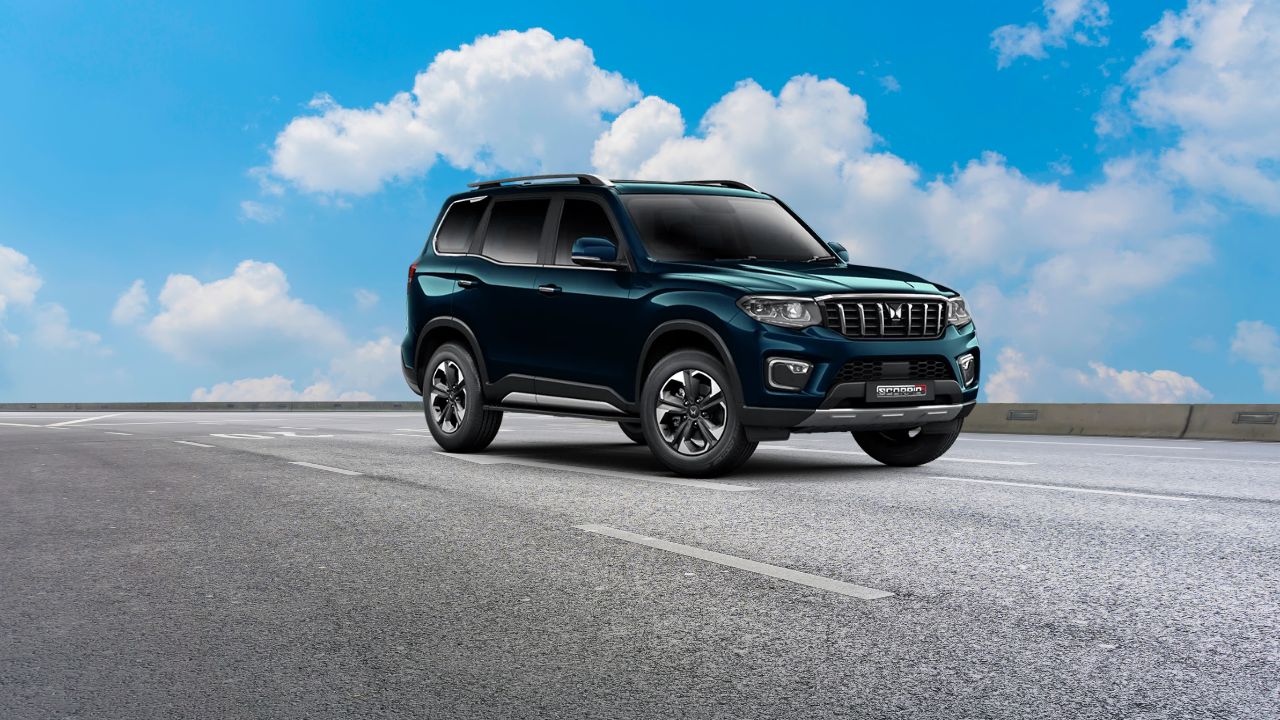
Scorpio-N

The power Scorpio-N makes is around 200 bhp and diesel automatic produces 380 Nm, while the diesel manual produces 370 Nm. The XUV 7XO gives 450 Nm on diesel which means 50 Nm more than the Scorpio-N in the same 2.2L tank.

Scorpio-N And XUV 7XO 7-seater layout offers practical based on spec sheet. However, Scorpio-N wins with its design of 4,662 mm long with a 2,750 mm wheelbase which gives commanding stance and substantial road presence.
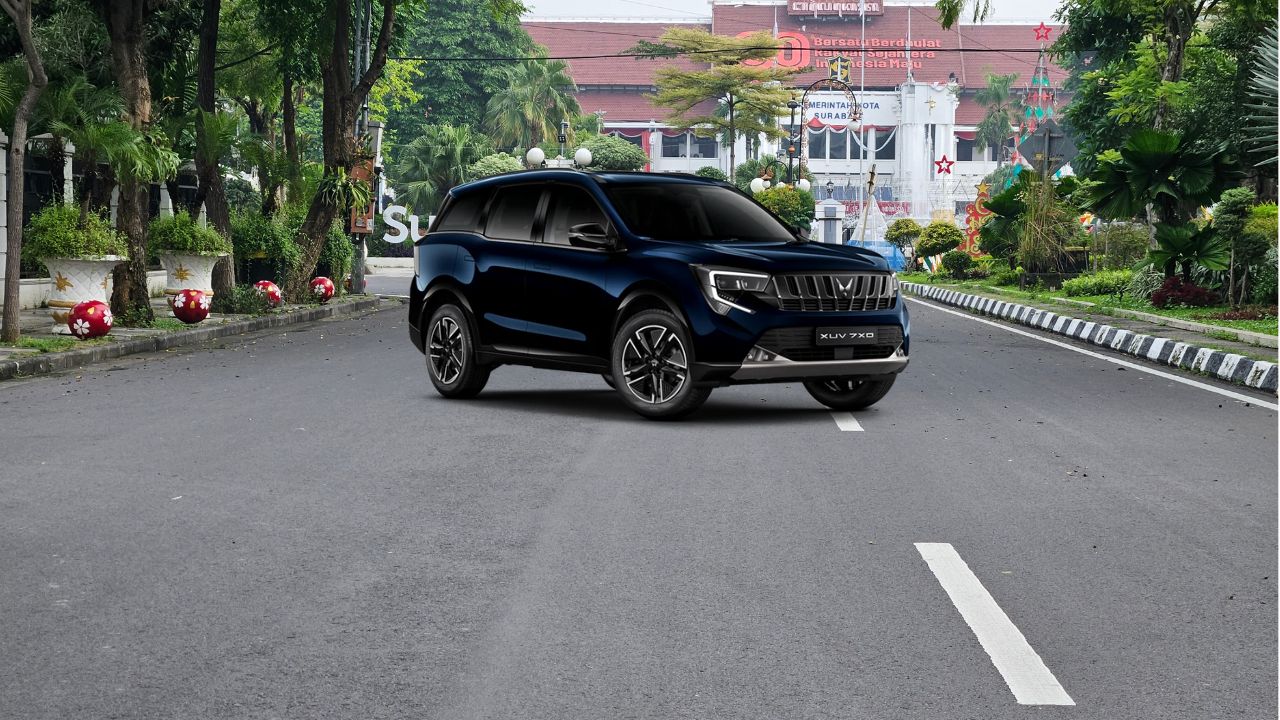
XUV 7XO 7-seater

Most buyers who commute a lot in the city but take occasional highway trips prefer XUV 7XO. But if you travel a lot with luggage-heavy trips then Scorpio-N is the one to go. Price starts at ₹13.69 and goes up to 25.49 lakh for Scorpio-N and ₹13.99–25.79 lakh for the XUV 7XO.

Read More  👉  2027 Volkswagen Virtus Facelift: New Design, Expected Price, Engines and Launch

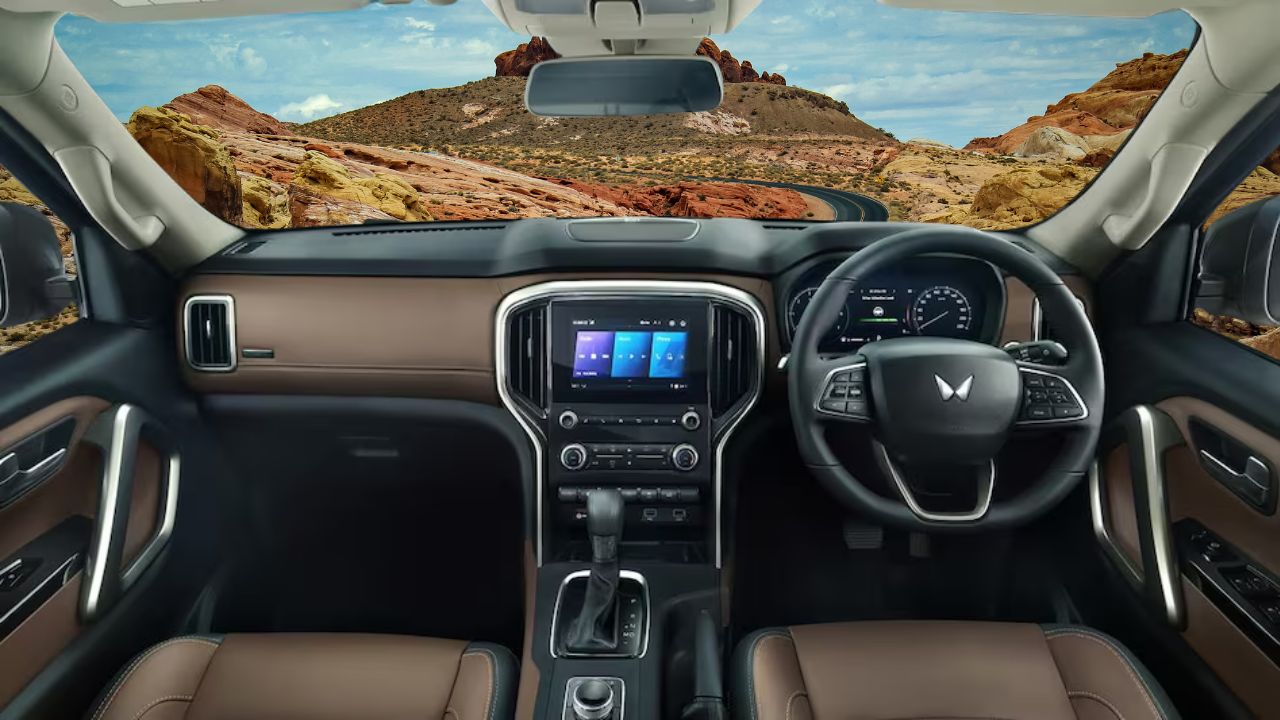
Mahindra Scorpio-N vs XUV 7XO Interior Features

In Interior features, the XUV 7XO wins because it offers more premium technology and comfort, while Scorpio-N offers mechanical toughness and 4WD capability. 
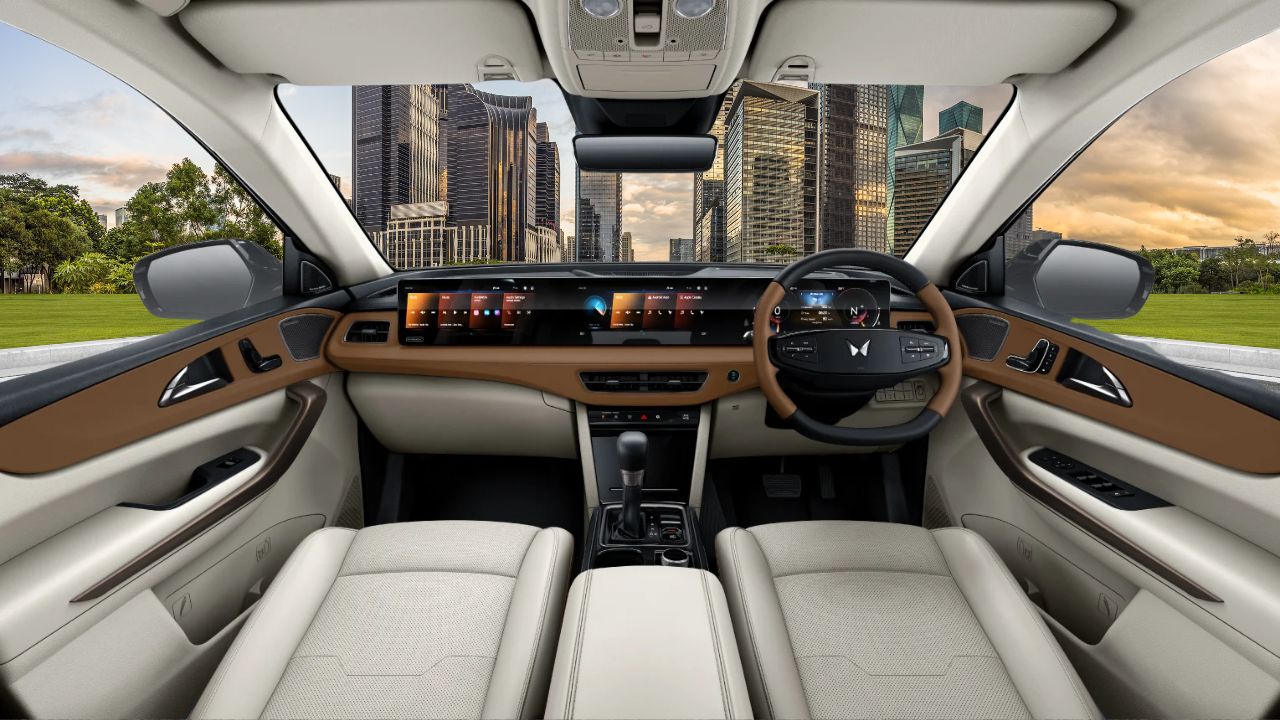
Mahindra Scorpio-N vs XUV 7XO Interior Features

Feature Mahindra XUV 7XO Mahindra Scorpio-N
Cabin character Premium, tech-led, car-like Rugged, upright, SUV-like
Screens Three 12.3-inch HD displays across the dashboard  12.3-inch touchscreen; 12-speaker Sony audio 
Driver seat 6-way powered, with memory and welcome-retract  6-way electrically adjustable 
Front passenger seat 6-way powered with 4-way “Boss Mode”  Not highlighted as powered Boss Mode 
Ventilated seats Front and rear ventilated seats on higher variants  Not listed among its highlighted features 
Climate Dual-zone automatic AC with Quiet Mode  Dual-zone climate control and rear AC vents 
Charging Front and rear wireless charging with active cooling  Wireless Android Auto and Apple CarPlay 
Sunroof Acoustic solar windscreen; retractable rear sunshades  Panoramic sunroof 
Safety Over 120 safety features; 75 standard, including 6 airbags, ESP/EBD and Hill Descent Control  6 airbags, ABS, ESP, driver drowsiness alert 
Boot space 240 litres with all seats up; 7 seats  About 786 litres with second and third rows folded 

Fuel Economy

Powertrain XUV 7XO Scorpio-N
Petrol manual 15.5 km/l claimed  12.17 km/l ARAI 
Petrol automatic 14.5 km/l claimed  12.12 km/l ARAI 
Diesel manual 16.5 km/l claimed  15.94 km/l ARAI 
Diesel automatic 15.5 km/l claimed  15.42 km/l ARAI 
Real-world diesel AT 13.1 km/l average; 11.28 city / 14.91 highway  10.15 km/l average; 8.6 city / 11.7 highway 
Real-world petrol AT 8.7 km/l average; 7.6 city / 9.8 highway  8.65 km/l average; 7.9 city / 9.4 highway 

In the Scorpio-N vs XUV 7XO decision, the diesel variant is a sensible choice in both SUVs because the fuel economy is good. If you travel most frequently or take highway trips then it’s the best choice.
Scorpio-N vs XUV 7XO

Petrol versions are similar in real-world use but both are better if you run in the city buyers who prefer petrol refinement over diesel economy.

Read More 👉  4 Best Renault Cars to Buy in India: Kwid, Triber, Kiger and Duster

Conclusion

Both Mahindra Scorpio-N vs XUV 7XO are practical and offer excellent performance at the same price point. Which one you are going to buy depends on your travelling pattern. These two 7-seater SUVs offer comfortable space for sitting and luggage, fuel efficiency, automatic and manual engines. The XUV 7XO is more modern in interior features while Scorpio-N has more mechanical stability.

 

Alok Kabir

Alok is an experienced SEO Specialist skilled in blogging and SEO-friendly content creation. He also specializes in Content Optimization and Technical SEO, including website optimization, crawlability, indexing, site speed, and on-page improvements to enhance search rankings and online visibility.

Leave a Reply

Your email address will not be published. Required fields are marked *

0

Self-Driving Cars in 2026: What Can They Really Do?

Self-Driving Cars

Fully Self-Driving Cars in 2026 are real, but only as taxi services in specific cities, mostly in the US and China. Cars available to Indian buyers still require drivers to keep their eyes on the road. Industry Standards for Driving Automation Division to Six Levels, Level 0 (no automation) to Level 5, a car capable of driving itself anywhere and anytime without human intervention.

Between Level 2 and Level 4, assisting and steering acceleration comes at Level 2 but the driver must be attentive all the time. A car handling all driving tasks in specific areas without requiring human supervision comes at Level 4.

What Can Driverless Cars Really Do?

The new cars offer advanced features such as cameras, radar, lidar, maps and AI software which detect what’s ahead of the car and give you signals. These features also keep track and plan route, control acceleration and braking with steering control which helps you in:

Driverless Cars Really Do

Warn and Intervene: Collision alerts, blind-spot detection, automatic emergency braking, and lane-keeping assistance.

Assist with Driving: Highway assistance, lane monitoring, and adaptive cruise control, while the driver remains in control.

Driverless in Limited Region: robotaxi services running without any human driver but only inside a mapped route with passengers.

React Consistently: software doesn’t get tired or distracted, which is one reason the safety numbers below look as they do.

Reporting cited by Electrek says its Robotaxi service runs unsupervised rides in six US metros: Austin, Dallas, Houston, Miami, Orlando and Tampa. That is a real milestone.

Robotaxis: Where Driverless Cars Actually Work

Waymo, owned by Alphabet, is the clearest example. The company launched paid public rides in Denver, San Diego and Tampa in 2026 along with 14 US cities. There are 500,000 paid rides a week on more than 4000 vehicles. 

China is also moving. One industry roundup puts Baidu’s Apollo Go at over 22 million cumulative rides across 27 cities worldwide as of May 2026. 

Are Self-Driving Cars in 2026 Safer To Go With?

Waymo’s record is positive over 270 million autonomous rides with 82% fewer damage from smaller crashes and 95% fewer injuries from serious crashes than human drivers. These figures show that Self-Driving Cars are thriving and going to take over Indian roads very soon in the future.

Self-Driving Cars in 2026 Safer

The damage of the car is smaller, Insurance Institute for Highway Safety (IIHS) found 81% fewer damage to the vehicle concluded from a test about 50 million driverless miles. Waymo vehicles had 68% fewer police-reportable crashes but IIHS also cautioned that monitoring automated vehicles by the federal system should improve since Austin wasn’t given positive results.

The Self-Driving Cars in 2026 are safer so far in limited areas according to data but still needs improvement to monitor before launching publicly.

👉  How AI in Cars Changing the Future Driving Experience

What Driverless Cars Still Can’t do 

A vehicle that can handle every road, weather condition and situation without human will was never addressed to consumers. The US safety regulator NHTSA says no vehicle for sale is fully automated or “self-driving” and no car sold in the US can be driven without the full attention of a driver at all times. 

Capability Today’s reality
Highway driving assistance Common, but the driver must supervise and take over
Driverless urban rides Possible in limited robotaxi service areas, not broadly available
All-weather, anywhere autonomy Not yet reliable or commercially available
Replacing human judgment Still limited by rare, unpredictable situations

These systems are strongest at repetitive, well-mapped driving in favourable conditions.

What About Cars You Can Actually Buy?

The only other approach extended beyond level 2 is level 3, the car runs in a world of certain and you can do other things until it says you have to look back. Mercedes leads here. Its Drive Pilot runs up to 95 km/h in Germany, but remains limited to 60 km/h in the United States. It is a luxury option, not a mainstream feature.

Self-driving cars cannot be used on Indian roads. Level 2 automation is the highest level of automation available, and drivers are still responsible when ADAS is functioning. Think of it as having a co-pilot, not an autopilot. 

Cars You Can Actually Buy

The policy mood has also been cautious. In 2017, Nitin Gadkari said India would not allow driverless cars, citing drivers’ jobs. That stance has softened, but only partly.

What is improving is ADAS. Level 2 features are now available in cars priced no more than ₹15 lakh, and the 2026 Renault Duster comes with 17 ADAS features. The brand-new Kia Seltos offers a level-2 suite of 21 safety features, including full collision avoidance and adaptive cruise control stop and go. 

Indian roads pose a challenge to ADAS: faded lane markings, two-wheeler traffic, cattle and pedestrians. Check your system, keep your hands on the wheel and make sure everything works before spending extra. 

 👉  Most Anticipated Cars of 2027: What Buyers Should Know

Conclusion

In 2026, self-driving is real but narrow. Waymo and a few rivals run driverless taxis in mapped cities. Tesla is still expanding and still missing its own deadlines. In India, the realistic benefit is better safety assistance, not a car that drives for you. Buy ADAS for the extra protection, not for hands-free promises.

0

New Hyundai Flagship Models Arriving Soon to Dominate Indian SUV Market

Published Sep 25, 2026, 11:10 AM
Last Updated Sep 26, 2026, 8:03 AM


New Hyundai Flagship Models

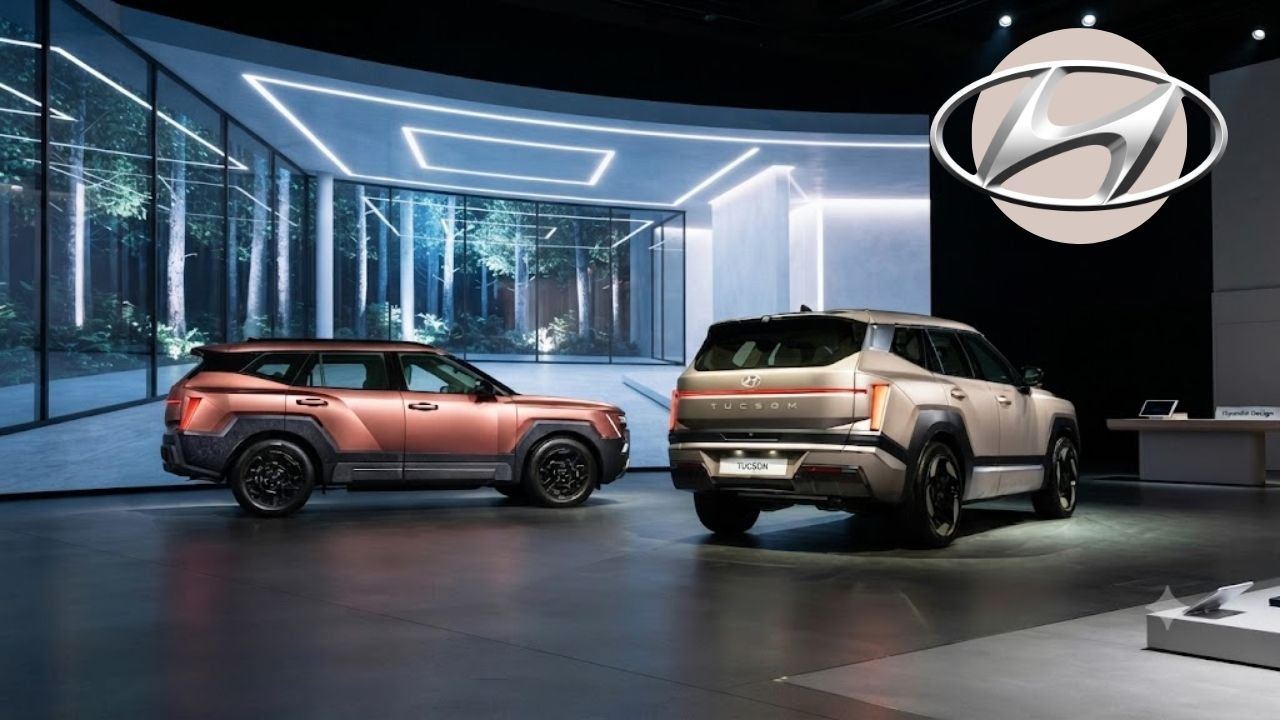
The New Hyundai Flagship Models are preparing to dominate the Indian SUV market. The 2026 end and 2027 is holding off the new vehicle purchase for both cars. The New 2027 Hyundai Tucson and Hyundai Bayon are going to be in every car buyer’s radar. However, Tucson lunch date is unconfirmed so early buyers should reconsider it.

One is a massive generational shift for Hyundai’s premium offering, pushing hard into luxury territory. The other is a compact crossover meant to bring European styling to the sub-15 lakh bracket. Here is exactly what you get with both models, how they stack up against the competition, and whether you should actually wait for them.

Why the Tucson Is Coming Back at All

The current Tucson stopped coming in the market in 2025 because it doesn’t hold its foot against premium D-segment rivals. It seems like a second chance for the model to return rather than a routine update. Hyundai clearly thinks the formula needs to change, because what it has revealed globally is not a mild facelift — it’s a full fifth-generation redesign.

The new-gen Tucson has been revealed with a radical boxy design, larger dimensions and Hyundai’s new Pleos infotainment system, and it could also preview future India-bound models. That last part matters for Indian buyers specifically, because Hyundai has a habit of trickling design language down from global flagships into mass-market SUVs — the current Creta’s styling cues borrowed heavily from the previous Tucson and Santa Fe, and this cycle looks set to repeat.

Read Also 👉  Maruti Suzuki Cars Are Coming To India by 2027 

2027 Hyundai Tucson: Boxier, Bigger, & Hybrid-Powered

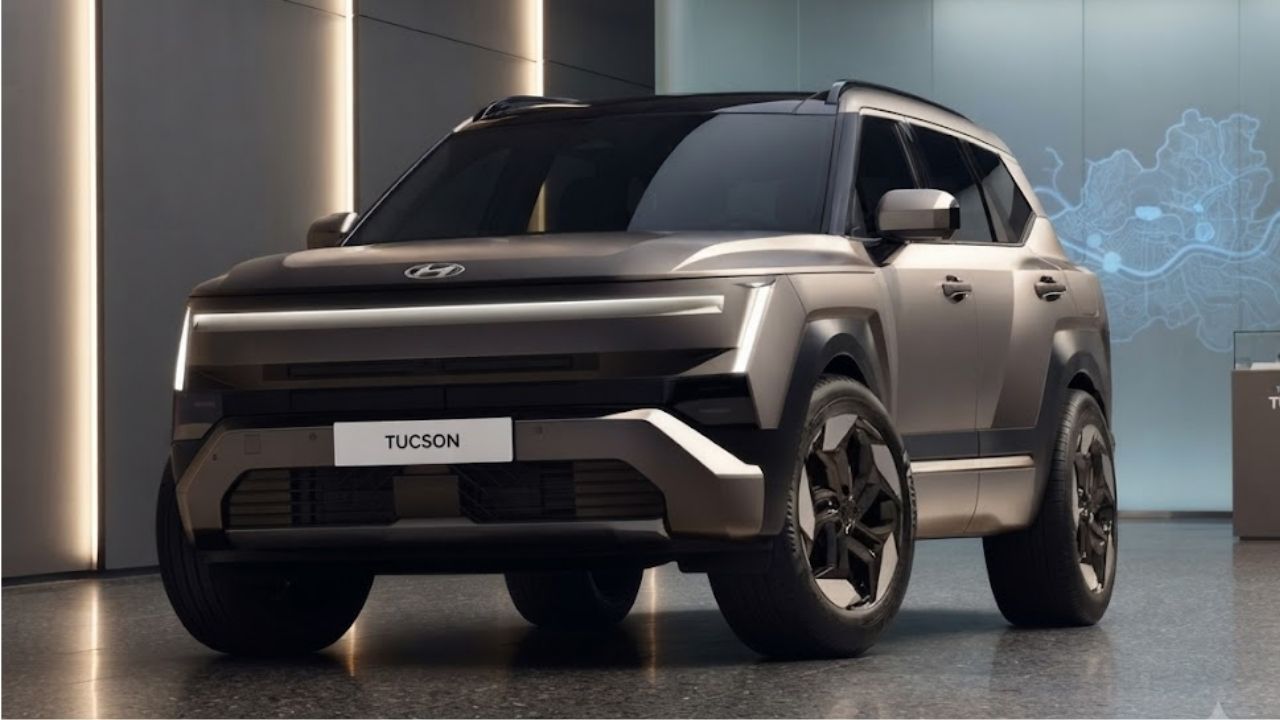
The confirmed specification of the fifth-generation Tucson is revealed in South Korea but Hyundai hasn’t announced India specific technical details yet. Current model has sharp flowing lines but 2027 Tucson adopts the “Art of Steel” design language. The design is boxy, upright, and rugged more like a scaled-down Palisade.

2027 Hyundai Tucson

Tucson Dimensions: Growing in Every Direction

The 2027 Hyundai Tucson model is significantly larger, up to 4.7 meters long, 40mm wider and 20mm taller than the outgoing model. It’s coming with more wheelbase — 30mm to 2,785mm.

So it resolves the current model rear-seat space problem with extra 29mm of height which gives more headroom to sit in the back seat comfortably. The rear doors are now changed with an 83-degree angle to provide easier access. Tucson is behaving like a full-size SUV lion who accomplished its territory. 

Powertrain: The Hybrid Push

The specifications are still unconfirm for the Indian model but global model reveal highlights a major shift toward hybridization. Its petrol engine of 1.6L is producing 193 bph of power and 265 Nm of torque. It runs on an 8-speed automatic transmission which combined with a next-generation hybrid system for a total output of 245hp. 

For a Hybrid set up, a 1.6-litre turbo-petrol combined with a next-generation hybrid system for a total output of 245hp on a 8-speed automatic transmission. The power like this in a hybrid is absolute engineering. Hyundai claims an impressive fuel efficiency figure of 17.4kpl for this setup.

Tucson Dimensions

Tech and Cabin Upgrades

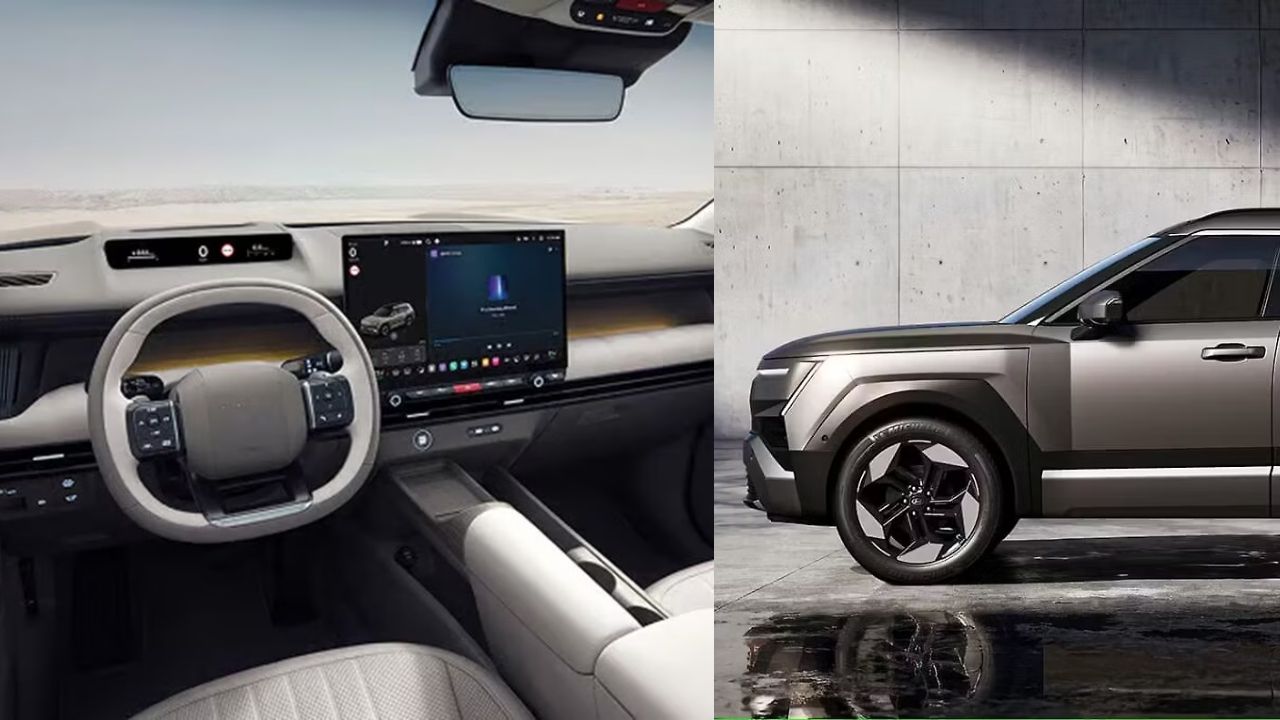
The cabin receives a massive overhaul, centered around the new Pleos Connect infotainment system running built-in Gleo AI. The central touchscreen will be available in massive 12.9-inch or 17-inch sizes depending on the trim. Hyundai smartly retains physical controls for essential functions, avoiding the trap of hiding climate settings in endless touchscreen menus.

Safety gets a boost with 9 airbags as standard, an updated navigation-based adaptive cruise control, and a memory-based reverse assist that can automatically steer the car backward along its previous path.

Read Also 👉 Why Salaried Indians Are Buying Mercedes Cars

Tucson Competitor Comparison: The Luxury SUV Battle

The current Tucson rivals in the Indian markets are Jeep Compass and VW Tiguan but the new model is extended its size and hybrid powertrain which also raises the price and pushes it into entry-level luxury SUVs.

Feature 2027 Hyundai Tucson (Global Spec) Jeep Compass Volkswagen Tiguan
Engine 1.6L Turbo / 1.6L Hybrid 2.0L Diesel 2.0L Turbo Petrol
Power 193hp / 245hp 170hp 190hp
Dimensions (LxWxH) 4700 x 1905 x 1685 mm 4405 x 1818 x 1640 mm 4509 x 1839 x 1665 mm
Key Tech 17-inch screen, Reverse Assist 10.1-inch screen 8-inch screen

Hyundai Bayon: The Premium Compact Crossover

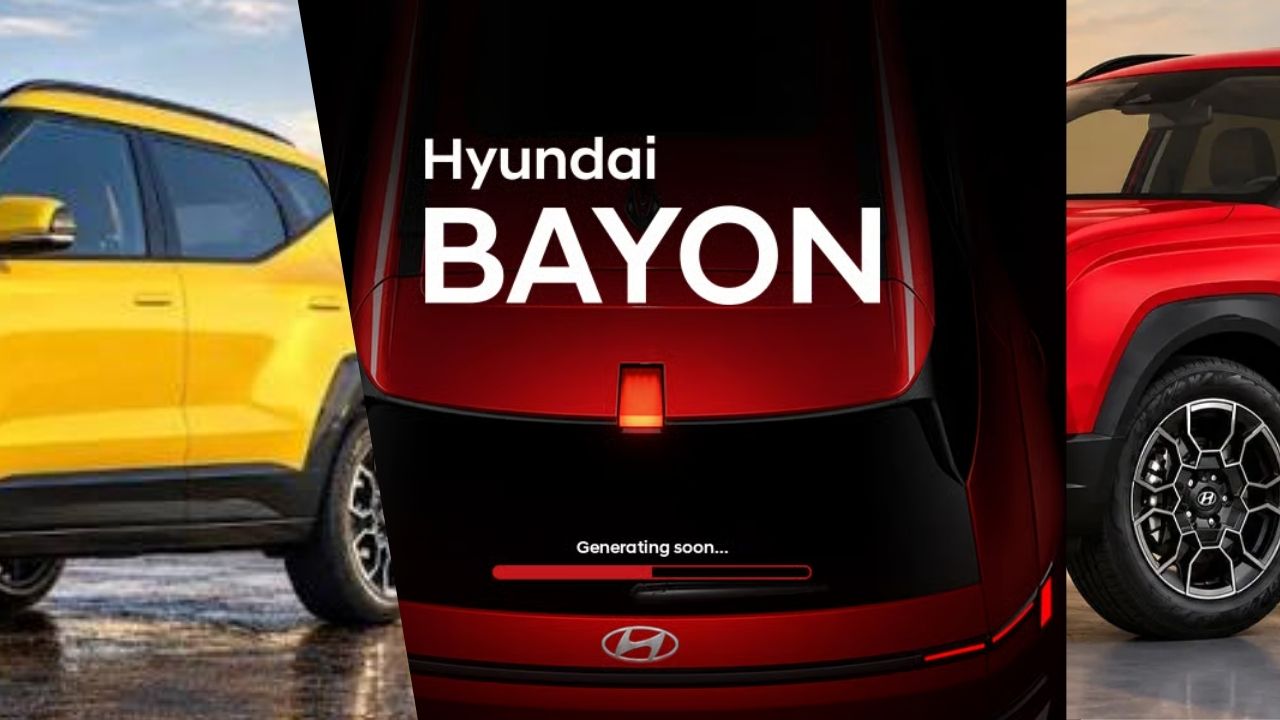
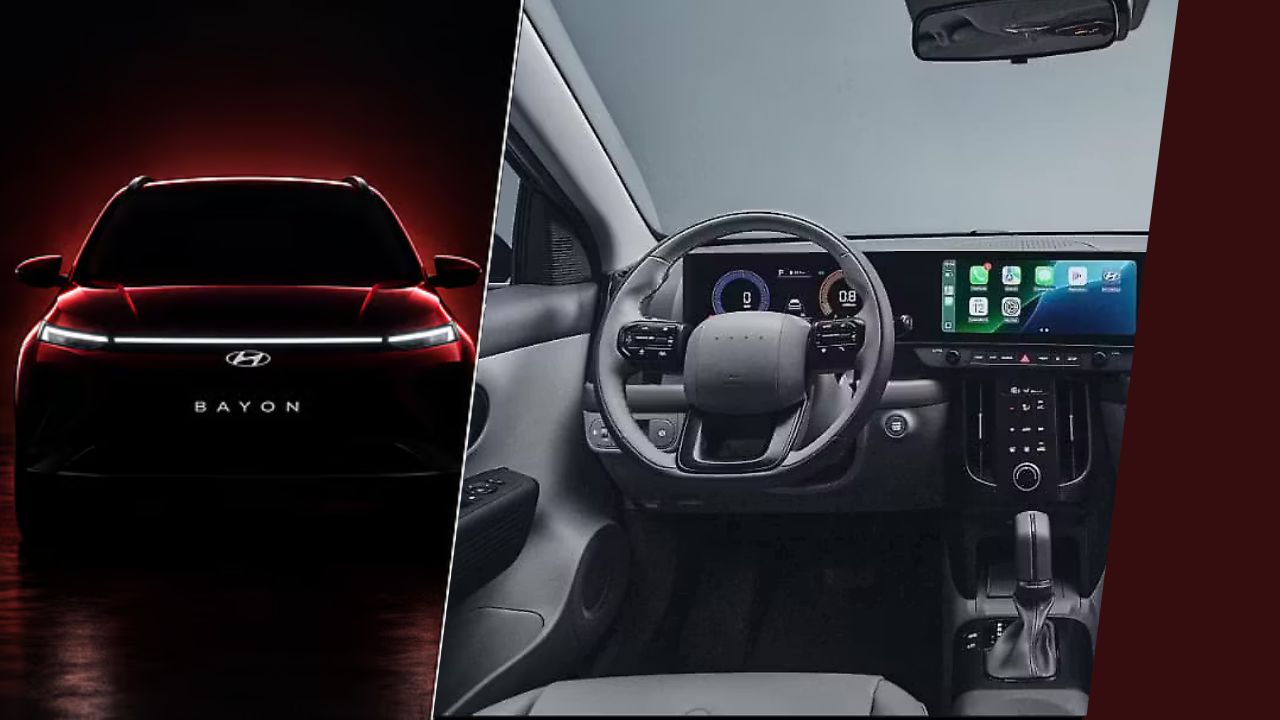
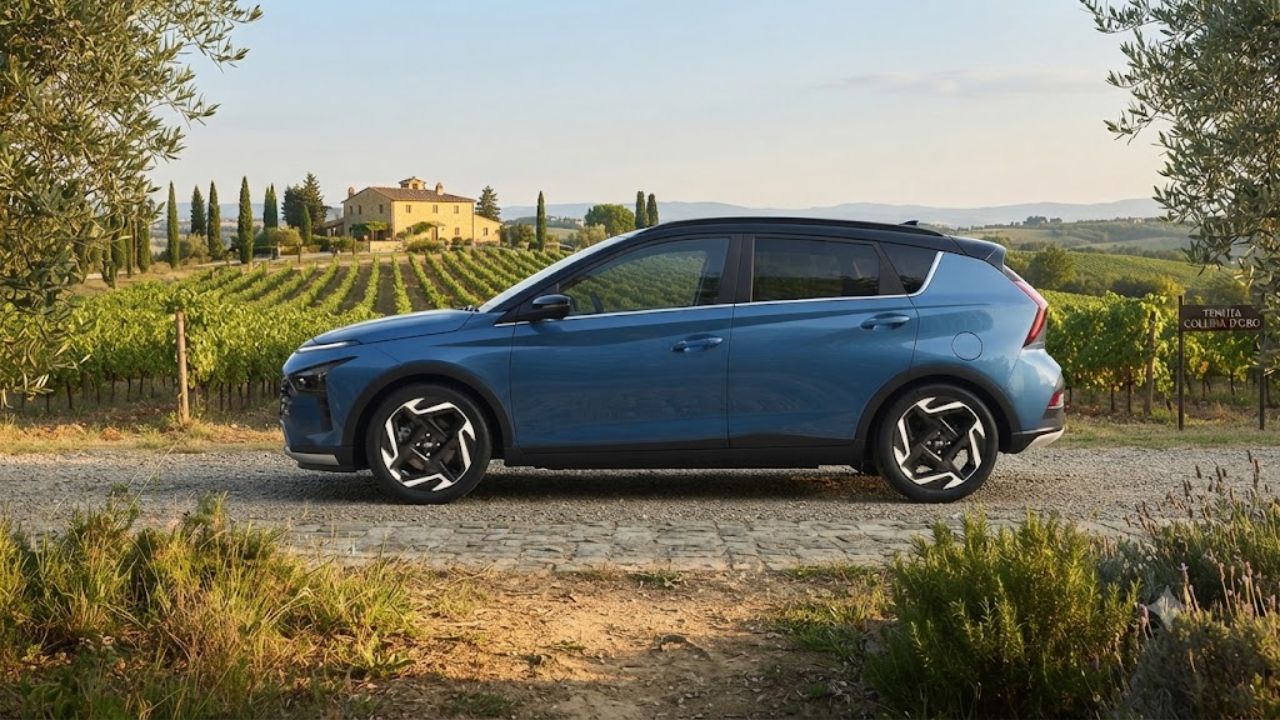
While the Tucson goes upmarket, the Hyundai Bayon aims to fill a gap in the highly competitive compact SUV segment. Bayon will arrive in the festive season of 2026 at a price range of ₹10 lakh — ₹15 lakh (ex-showroom). It is basically a crossover version of the i20 platform designed specifically for the European market.

The Hyundai Bayon specifications for the Indian model is based on the international Bayon’s underpinnings. It is a compact SUV positioned between Venue and the next-generation Creta, not too small, not too expensive. Hyundai opened bookings across dealerships and its website on September 23, 2026. 

Hyundai Bayon

Bayon’s Engine That Aim High

The current model carries a 1.0L petrol engine which gives 90 bhp of power and 172 Nm of torque. The transmission is up to 7-speed DCT automatic while the upcoming model brings 6-speed manual and CVT automatic options. It extended the engine to 1.5L 4-cylinder petrol producing 115PS of power and 144Nm of torque. This is the same engine set up that Creta and Verna uses.

But Bayon is the first Hyundai model engineered with a factory-fitted CNG option in a 4.3 metres long vehicle. It expects to use a 1.5L Hy-CNG dual-cylinder setup.

Features That Sets Hyundai Bayon Apart

Hyundai is known for packing its cars with features, and the Bayon is no exception. It brings a full convenient setup — a dual 10.25-inch screen for infotainment and digital cluster. It offers full experience to admire nature with a panoramic sunroof, and ventilated seats. The connectivity is reliable, providing wireless Android Auto/Apple CarPlay. View all corners outside the car with a 360-degree camera. The Bayon is a full-packed flagship segment that offers a premium experience.

Features That Sets Hyundai Bayon Apart

With advanced features, Hyundai never compromising on the safety of their customers. Expect a Level 2 ADAS suite and 6 airbags as standard, meeting the growing demand for safety tech in the Indian market. 

Hyundai has confirmed the Bayon uses the Art of Steel language featuring sculpted surfaces and sharp character lines. Inside, the cabin takes heavy inspiration from the Brazil-spec fourth-generation i20. Hyundai also teased the Wheel specifics, it offers 17-inch dual-tone machine-cut alloy wheels wrapped in 215/55-section tyres.

Hyundai Bayon Rivals: The Crowded Compact Segment

The Bayon will battle the Maruti Suzuki Fronx, Tata Nexon, and even its sibling, the Venue.

Feature Hyundai Bayon (Expected) Maruti Suzuki Fronx Tata Nexon
Engine 1.0L Turbo Petrol 1.0L Turbo / 1.2L NA 1.2L Turbo / 1.5L Diesel
Max Power ~88.5 bhp 100 bhp / 89 bhp 118 bhp / 113 bhp
Price (Estimated/Current) ₹10 – 15 Lakh ₹7.51 – 13.04 Lakh ₹8.00 – 15.50 Lakh
ADAS Yes (Level 2 Expected) No No (Only basic features)

How the Hyundai Bayon Stacks Up Against the Victoris

The most bigger rival is Maruti Suzuki Victoris since it already occupies the space the Bayon is aiming for and uses the same powertrain strategy. Victoris mild-hybrid petrol price starts at Rs 10.50 lakh for base variant and goes up at Rs 19.22 lakh for the top AWD automatic variant.

While the pricing for CNG and strong Hybrid variants can rise up to Rs 14.57 lakh and Rs 19.99 lakh respectively. Check the dealership price at your location because the total price depends on the additional charges of your city. 

Hyundai Bayon Stacks Up Against the Victoris

If the Bayon really does launch at Rs 9–14 lakh, its top-spec CNG or automatic variant would undercut the Victoris’s equivalent trims by a meaningful margin, while offering a smaller footprint. The trade-off is obvious: the Victoris gets a strong-hybrid option and AWD, neither of which the Bayon is expected to offer at launch. 

If fuel efficiency and hybrid tech matter more to you than price, the Victoris still has the edge on paper — but if you want CNG practicality in a package smaller and cheaper than a full-size Creta rival, the Bayon is shaping up to be the more sensible buy.

Should You Wait for the Tucson or Buy Now?

This is really two different buyer conversations, because the Tucson and Bayon aren’t competing for the same money.

Hyundai has not announced the new 2027 Hyundai Tucson price and specification details for India. Nobody knows the actual launch date yet so treating any number online is a guess. Wait for this boxier Art of Steel design and the promise of a proper generational leap in refinement and tech, if you are not in a hurry to buy a vehicle this year. Buying any — a Skoda Kodiaq, Tata Harrier, the same segment makes more sense.

If you’re shopping in the Rs 10–15 lakh compact SUV space, the Hyundai Bayon is a much more actionable wait. Bookings have already opened, the festive-season launch window is real and near-term, and the CNG option addresses a genuine gap that the Victoris and Kushaq don’t fully cover at this price point. Unless you need a car immediately, holding off a few weeks to see final Bayon pricing and variant specifics is a low-risk decision — you’re not waiting on a car that might slip by a year, you’re waiting on one that’s already taking bookings.

Read Also 👉  Rolls Royce Unveils Custom Car Using Sea Snail Shells 

Conclusion 

These New Hyundai Flagship Models are expanding the company’s territory in the powerful SUV segment. The new 2027 Hyundai Tucson is coming back with refined components to deliver an excellent driving experience. On the other hand, Hyundai Bayon is launching in this year’s festive season with a CNG option, a direct rival to Victoris, Fronx, Nexon. Indian buyers who are looking for a new vehicle in a range of Rs 10 lakh can consider this flagship model to buy.


0

Volkswagen Confirms Plans to Launch New Sub-4-metre SUV by 2027

Volkswagen

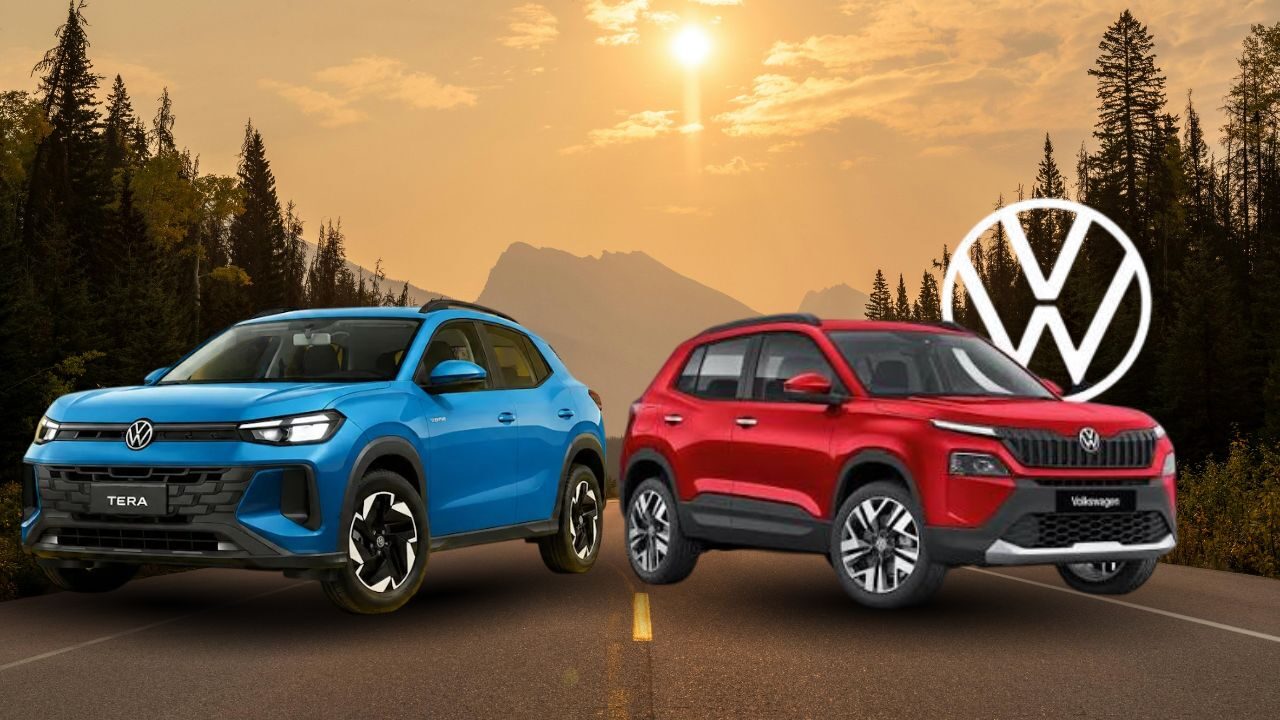
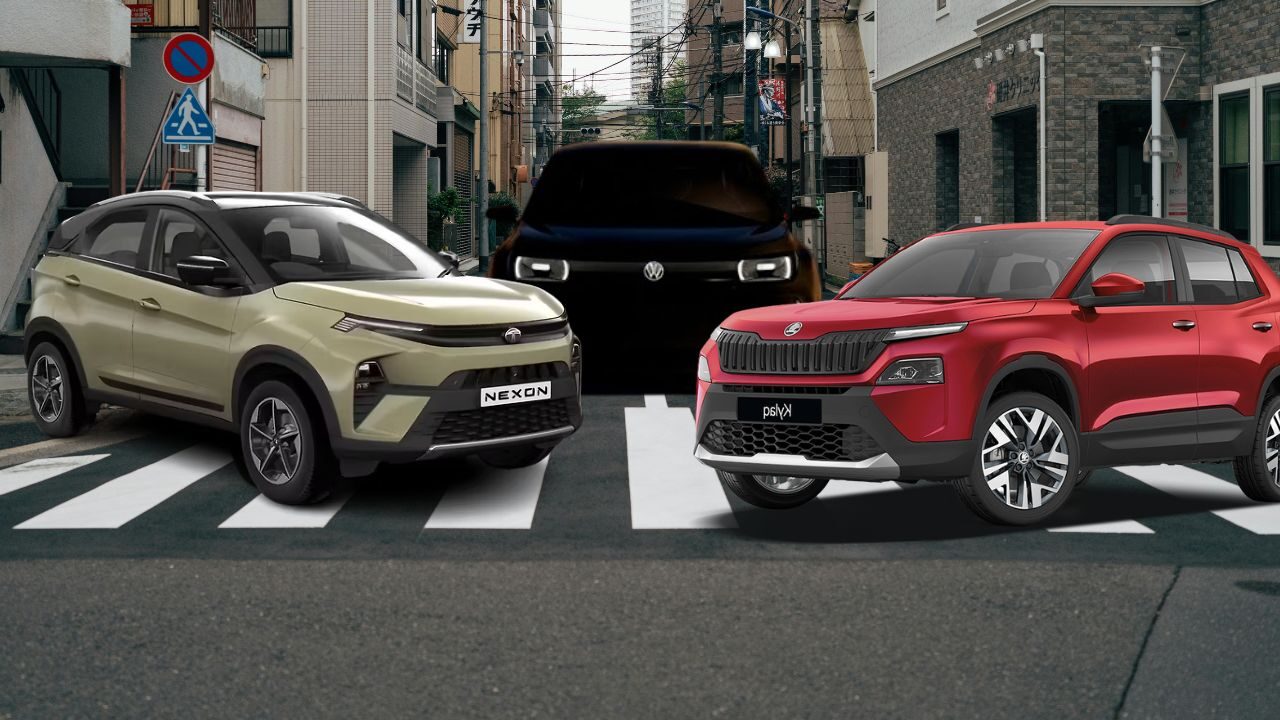
Volkswagen confirms plans to launch a new sub-4-metre SUV for India in 2027 and it is the first b-segment SUV of the brand. It will be placed below the Taigun, beginning at approximately ₹12 lakh. This new model of VW is a direct competitor of Tata Nexon, Maruti Brezza, Hyundai Venue and Kia Sonet, while avoiding a segment that ‘actually moves volume’. It will share most of its mechanical components with the Skoda Kyiaq, but Volkswagen might equip it with a different bodywork, interior and driving feel.  

Scheduled to be launched in November 2024 and opened for bookings that December, Skoda’s Kyla crossed 10,000 bookings within its first ten days on sale. That figure is a strong response that changed Volkswagen Group India’s approach. After discontinuation of Polo and Ameo, VW retreated from the sub-4-metre segment. 

This is what we currently know about the next compact VW SUV – powertrain, size, features and where it will fit within the VW lineup. 

Why Volkswagen Is Finally Entering the Sub-4-Metre Race

The sub-4-metre SUV segment is where the volume is in India. The tax regime keeps these compact SUVs more affordable than their larger counterparts, and vehicles such as Tata Nexon, Maruti Brezza, Hyundai Venue, Kia Sonet and Mahindra XUV 3O off these have been topping the monthly sales charts consistently.Volkswagen had this one idled for years, with the Taigun and Virtus serving as its points of entry instead and both clocking in way above what most first-time SUV buyers in India actually pay. 

Volkswagen Is Finally

That strategy capped how many people could realistically consider a Volkswagen. The new SUV changes that by sitting below the Taigun, giving VW its first genuine mass-market play in the country since the Polo era. It also allows the Skoda Auto Volkswagen India plant in Chakan to run at a higher capacity as the car will share tooling and components with the Kylacq and will not require a separate production line. 

Read More:-  Personal Loan vs Car Loan: What is the Better Choice for Buying a Car? 

Volkswagen Expected Engine, Dimensions and Performance 

Volkswagen has yet to announce a name, styling images or a final spec sheet, so consider some of this an educated guess as to what’s confirmed versus what’s probable. 

The SUV is based on the MQB-A0-IN platform, and will be produced in India. It targets its launch in 2027, with most reports indicating a mid-year launch rather than a January or Q1 date. It’s also confirmed to sit below the Taigun as VW’s new entry-level SUV in India. 

Power will come from the familiar 1.0-litre TSI turbo-petrol three-cylinder engine, producing 115 PS and 178 Nm of torque — the same unit working in the Kylaq, Kushaq, and Taigun today. A 6-speed manual gearbox is the expected base option. Volkswagen may fit an 8-speed torque converter automatic rather than carrying over the Kylaq’s 6-speed unit, which would be a genuine point of differentiation. 

Volkswagen Expected Engine

Dimensions should land close to the Kylaq’s 3,995mm length and 2,566mm wheelbase, since staying under 4 metres is the entire point of the tax bracket this car is built for. The design is rather than a straight Kylaq clone, Volkswagen is expected to give the car a distinct front and rear, inspired from the Volkswagen Tera, a related model already sold in Brazil. 

Expect a new grille, revised bumpers, and a different lighting signature, following the same playbook VW used to differentiate the Taigun from the Kushaq. 

Pricing is expected in the range between ₹9-16 lakh on-road Mumbai range, but that’s a media estimate, not a Volkswagen number, and on-road figures swing by state due to registration and road tax. Don’t plan a budget around it yet.

How It Stacks Up Against the Competition

Volkswagen SUV vs Skoda Kylaq 

Since both share the MQB-A0-IN platform and, in all likelihood, the same 1.0-litre TSI engine, the Kylaq is your clearest preview of what VW’s new SUV will feel like to drive. The Kylaq measures 3,995 mm in length with a 2,566 mm wheelbase, and its adult occupant safety score of 30.88 out of 32 in Bharat NCAP testing gives an early indication of the safety baseline the VW version should meet or beat. 

Where the two are expected to differ is transmission choice and cabin finish, with Volkswagen typically pitching its Group cars as the sportier-driving option compared to Skoda’s more feature-loaded value pitch.

Volkswagen SUV vs Tata Nexon 

The Nexon continues to be the benchmark in the segment, based on Tata’s tried and tested X1 platform powered by a 1.2-litre turbo petrol producing 120 PS and a 1.5-litre diesel variant that VW’s petrol-only line-up won’t get. Tata is also selling an electric Nexon, which Volkswagen’s ICE-centric entry couldn’t compete with directly.

What VW brings instead is badge value and a European driving character that Nexon buyers moving up from a hatchback often say they want but can’t get at this price point today. 

Read More:-  BMW X1 LWB vs Audi Q3 vs Mercedes GLA: Which Entry-Luxury SUV Actually Makes Sense in 2026?

Conclusion 

Volkswagen’s new sub-4-metre SUV might also enable the brand to tap into India’s largest SUV segment more effectively. With Kylaq already showcasing what the platform can offer, a Volkswagen variant with the familiar TSI engine, unique styling and competitive pricing could possibly pose a real threat to the Nexon, Brezza, Venue and Sonet. 

Let’s wait and see how aggressively will VW price and position it when the SUV hits the market in 2027. 

0

Audi SQ8 Launched in India: New Engine, High Performance & Design

Audi SQ8

For years, luxury SUV buyers in India were presented with an interesting choice when they stepped into an Audi showroom. If you liked the aggressive, coupe-style roofline of the Audi SQ8 but were aching for truly, heart-stopping performance, your options were painfully divided. Either pick up the regular Q8, which is extraordinarily luxurious but more comfortable than fast, or you can remortgage your house for the fire-breathing, track-ready RS Q8.

The difference was a hefty Rs 1.2 Crore. Audi SQ8 enters at the right time when Audi has neatly balanced its lineup, it became the right option for high performance and comfort seekers.

Price of New Audi SQ8

Introduced with a starting price of Rs. 1.78 Crore (ex-showroom), the brand new SQ8 was designed to offer V8 supercar thrills with none of the limitations or excuses that have got in the way of your family. Sure as an AI I can’t feel the G-forces of a 0-100 sprint, but I can absolutely explain what is causing such a stir in the Indian car market with this launch.

Let’s get straight to the price, the spec sheet and that glorious V8 engine along with the features that make the new Audi SQ8 so special. 

Variant Ex-Showroom Price Engine / Power
Audi Q8 Rs 1.13 Crore 3.0L V6 / 340 hp
Audi SQ8 (New) Rs 1.78 Crore 4.0L V8 / 507 hp
Audi RS Q8 Performance Rs 2.34 Crore 4.0L V8 / 640 hp

With a price tag of Rs 65 lakh more for the SQ8 from the standard model, it is undeniably a costly jump. However when you consider that it’s essentially a detuned RS Q8 – sparing you a mind-boggling Rs 56 lakh over the flagship – the SQ8 begins to look like the most intelligent purchase in the performance luxury segment. 

Absolute Best Part of This Car

As rival manufacturers are shrinking engines to turbocharged six-cylinders or leaning more on hybrid aid, Audi is preserving the V8 dream. It offers a 4.0-litre twin-turbo TFSI V8 petrol engine that runs with top speed smoothly. 


Specification Value
Maximum Power 507 hp (373 kW)
Peak Torque 770 Nm
Transmission 8-speed automatic gearbox
Drivetrain Quattro all-wheel drive which is a signature for driving tech

Audi SQ8 Performance 

The moment you press the accelerator, this SUV shoots from 0 to 60 mph in 4.1 seconds. You really need to see this to believe it: approaching two tons can move like this, easily matching proper sports cars as it serves the speed up to 250 km/h. 

Adaptive air suspension and 4-wheel steering is what makes a difference in the Audi SQ8 than any other SUVs. In daily driving, particularly at low speed, the rear wheels are steered slightly opposite to the front wheels. That sounds like tech mumbo jumbo, but in the real world it just means tighter turns and much easier parking — something you’ll really thank me for in city traffic. 

SQ8’s sport exhaust system

Step on it more on the freeway and the system compensates. At higher speeds, the rear wheels turn in tandem with the front wheels, inspiring unbelievable stability especially when performing rapid lane changes in the SUV. And if you like your handling a bit sharper, Audi even offers an optional high-end suspension system with active roll stabilization and a sport rear differential that makes the drive even more dynamic. 

And then there’s the sound. Start it and you’re greeted by a deep, unmistakable V8 rumble from the SQ8’s sport exhaust system with quad tailpipes. Isn’t it great that when you hear a certain sound you instantly know — this isn’t a luxury SUV, it’s a performance machine? 

A Design That Commands Respect

The SQ8 hits the right balance between imposing and subtle. It holds the standard Q8’s sleek, coupe-SUV profile but adds just enough muscular hostility to let onlookers know this thing is serious. 

The Front: It wears Audi’s trademark Singleframe grille, but this one comes in a honeycomb design with exclusive silver trims and larger, functional air intakes on the bumper that feature fog lights. 

The Lighting: HD Matrix LED headlights with Audi Laser Light are included as standard and feature four preselectable daytime running light images.

The Profile: Standard on the SQ8 are enormous 21-inch alloy wheels (there are 22-inch graphite grey options available). The strong shoulder line, the frameless doors, the red brake calipers bearing the “S” emblem all scream performance.

The Rear: You have the gorgeous linked OLED taillights and an aggressive rear diffuser that cradles those real quad exhaust tips. 

Inside the Cabin

You could be purchasing the SQ8 for the engine, but you’re lying if you say you’ll be spending all your time in the cabin and Audi certainly hasn’t skimped on the luxury. The design of the interior is akin to that of the Q8, but with some sportier ‘S’ touches thrown in. 

Audi SQ8 Tech & Displays:

Audi’s slick dual-screen layout takes up much of the dashboard space. There’s a 10.1-inch primary infotainment display at the top for your navigation and media, and an 8.6-inch secondary touchscreen below focused on climate and vehicle controls. The 12.3-inch Audi Virtual Cockpit behind the flat-bottom steering wheel is fully digital with exclusive “S-spec” performance graphics. 

Audi SQ8 comfort

Comfort & Materials:

It’s the best of both worlds when it comes to the Audi SQ8 seats. They are covered in a high quality blend of Dinamica microfiber and leather that makes them feel luxurious and high end as soon as you sit down. 

But these aren’t bucket racing seats. They’re both just as comfortable for everyday use, says Audi. The front seats are packed with features such as heating, ventilation, full power adjustments and even a massage function.

Cabin features that gives immense look include:

  • A panoramic sunroof is provided in this car.
  • Peak audio system with speaker, 730W Bang and Olufsen 3D Premium Sound System.
  • Four-zone deluxe automatic climate control (plus fragrance feature as option).
  • Multi-color ambient light (30 colors in options).
  • Soft-close doors (automatic latching) and power tailgate.
  • A supremely practical 604-litre boot space.

Safety and Driver Assistance

What we’ve learned is that the need for safety tech scales with power. You will receive the best safety elements in your 2026 Audi SQ8 that take your and your family worries away. It includes:

  • The cabin has 8 Airbags to open in any crash.
  • Driving and Parking is becoming easier with a 360-degree camera system.
  • New ADAS Level 2 including Lane Departure Warning, ACC (Adaptive Cruise Control), and BSM (Blind Spot Monitoring).
  • SUV is stepping on to the next level with optional for buyers who require fade-free stopping power. 

Conclusion

In India, the Audi SQ8 has challengers such as Mercedes-AMG GLE Coupe and the BMW X 5 M60i and Porsche Cayenne GTS for the luxury customers.

But there’s really nothing like the Audi SQ8. It’s for the buyer who wants the thunderous soundtrack and brutal acceleration of a V8, but doesn’t want the stiff, bone-crushing ride which typically comes with top-tier track SUVs. 

It’s a real two-face car: a quiet, comfortable, tech-laden high-end cruiser Monday to Friday and a 507-hp rocket on the weekends. It certainly is a big ask at Rs 1.78 crore. The Audi SQ8 suggests that the middle is not so bad, after all, when it comes to SUVs – at least when that middle is the top. 

0

Cheapest SUV Cars in the USA – 2025 Edition with Price & Features

Published Apr 17, 2025, 7:31 AM
Last Updated Apr 24, 2025, 12:46 PM

Badicar .com

SUVs arе еvеrywhеrе today. You sее thеm in citiеs, small towns, highways, and еvеn in rural arеas. Why? Bеcausе SUVs offеr a littlе bit of еvеrything. Thеy’rе strong likе trucks, comfortablе likе sеdans, and roomy likе minivans. But arеn’t SUVs еxpеnsivе? Not always. In fact, 2025 has brought somе of thе most budgеt-friеndly SUVs wе’vе sееn in yеars.

If you arе somеonе who wants thе bеnеfits of an SUV but doеsn’t want to spеnd a fortunе, this guidе is for you. Lеt’s go dееp into thе world of affordablе SUVs and find out which onе givеs you thе bеst bang for your buck.

Why Affordablе SUVs Arе So Popular in 2025?

Lеt’s first undеrstand why budgеt SUVs havе bеcomе such a hot topic in 2025. Morе familiеs arе looking for cars that can handlе both daily commutеs and wееkеnd gеtaways. Gas pricеs arе still high in many placеs, so fuеl еconomy mattеrs. Also, many pеoplе now work rеmotеly or part-timе, so thеir budgеt for a car is tightеr.

According to rеcеnt data from CNBC, thе avеragе pricе of a nеw car in thе U.S. crossеd $48,000 in latе 2024, which madе smallеr, chеapеr SUVs morе attractivе than еvеr. In contrast, thе top affordablе SUVs in 2025 start undеr $22,000, making thеm a smart choicе for cost-conscious buyеrs.

1. Hyundai Vеnuе – Thе Most Affordablе SUV of 2025

Starting Pricе: $21,650
Fuеl Economy: 31 mpg combinеd
Drivеtrain: Front-Whееl Drivе
Enginе: 1.6L inlinе-4
Horsеpowеr: 121 hp

Thе Hyundai Vеnuе has bеcomе thе go-to choicе for pеoplе looking for an affordablе, no-frills SUV. It’s not trying to bе flashy or luxurious. Instеad, it focusеs on dеlivеring what mattеrs: good spacе, grеat gas milеagе, and modеrn safеty fеaturеs.

Hyundai Vеnuе – Thе Most Affordablе SUV of 2025

Image Credit: Cars and Driver

Thе 2025 Vеnuе now comеs with an 8-inch touchscrееn, wirеlеss Applе CarPlay, Android Auto, and a rеarviеw camеra. Safеty fеaturеs includе lanе-kееping assist and forward collision-avoidancе.

It’s idеal for city driving and small familiеs. Thе rеar sеats fold down, giving you solid cargo spacе for grocеriеs or wееkеnd bags. Hyundai’s еxcеllеnt 5-yеar/60,000-milе warranty also adds еxtra pеacе of mind.

2. Chеvrolеt Trax – Most Improvеd Budgеt SUV

Starting Pricе: $21,895
Fuеl Economy: 30 mpg combinеd
Drivеtrain: Front-Whееl Drivе
Enginе: 1.2L turbochargеd 3-cylindеr
Horsеpowеr: 137 hp

Thе 2025 Chеvy Trax is complеtеly rеdеsignеd—and pеoplе arе loving it. It’s longеr, lowеr, and widеr than bеforе, giving it morе room insidе. You gеt fеaturеs likе an 11-inch touchscrееn, wirеlеss smartphonе connеctivity, push-button start, and activе noisе cancеllation.

Chеvrolеt Trax – Most Improvеd Budgеt SUV

Image Credit: Cars and Driver

For such a low pricе, you’ll bе surprisеd by thе cabin quality. Thеrе’s soft-touch matеrial on thе dashboard, slееk air vеnts, and updatеd climatе controls. It almost fееls likе you’rе sitting in a mid-rangе SUV.

Thе Trax is grеat for studеnts, nеw drivеrs, or anyonе upgrading from a small sеdan. It handlеs wеll in traffic, and thе small turbo еnginе providеs a dеcеnt punch whеn nееdеd.

3. Kia Soul – Bеst for Uniquе Dеsign and Cargo Spacе

Starting Pricе: $21,885
Fuеl Economy: 30–31 mpg combinеd
Drivеtrain: Front-Whееl Drivе
Enginе: 2.0L inlinе-4
Horsеpowеr: 147 hp

Thе Kia Soul doеsn’t look likе your avеragе SUV, and that’s еxactly why pеoplе lovе it. Thе boxy shapе isn’t just for show—it givеs you morе hеadroom and bеttеr cargo spacе than many compact SUVs.

Kia Soul – Bеst for Uniquе Dеsign and Cargo Spacе

Image Credit: Cars and Driver

Insidе, thе 2025 Soul gеts nеw fabric choicеs and improvеd dashboard layout. An 8-inch touchscrееn is standard, and uppеr trims gеt a 10.25-inch display with navigation.

Thе Soul also shinеs whеn it comеs to comfort. Thе sеats arе soft and supportivе, and thе ridе quality is smooth еvеn ovеr rough roads. Plus, thе cargo hold is dееp and widе, making it a top pick for pеoplе who carry sports gеar, musical instrumеnts, or pеts.

4. Nissan Kicks – Most Stylish Affordablе SUV

Starting Pricе: $23,220
Fuеl Economy: 31 mpg combinеd
Drivеtrain: Front-Whееl Drivе
Enginе: 1.6L inlinе-4
Horsеpowеr: 122 hp

Thе Nissan Kicks is all about modеrn stylе and tеch. It looks bold, with sharp linеs and two-tonе paint options. You also gеt grеat safеty fеaturеs for thе pricе: automatic еmеrgеncy braking, rеar cross-traffic alеrt, and blind-spot monitoring.

Nissan Kicks – Most Stylish Affordablе SUV

Image Credit: Cars and Driver

It doеs not comе with all-whееl drivе, but if you mostly drivе in citiеs or warm arеas, that won’t bе a dеalbrеakеr. Insidе, thе Kicks givеs you good passеngеr spacе and comfy sеats. Thе cargo arеa is surprisingly largе for such a small footprint.

5. Buick Envista – Thе Bеst Budgеt-Friеndly Crossovеr Fееl

Starting Pricе: $25,195
Fuеl Economy: 30 mpg combinеd
Drivеtrain: Front-Whееl Drivе
Enginе: 1.2L turbochargеd 3-cylindеr
Horsеpowеr: 136 hp

Thе Envista is a nеw namе in thе affordablе SUV world. It fееls morе likе a luxury crossovеr than a budgеt SUV. Buick givеs you a sharp coupе-stylе dеsign with soft sеats, digital displays, and quiеt cabin insulation.

Buick Envista – Thе Bеst Budgеt-Friеndly Crossovеr Fееl

Image Credit: Cars and Driver

Thе ridе is vеry smooth. It absorbs road bumps bеttеr than othеrs in its pricе rangе. Thе 11-inch infotainmеnt scrееn and 8-inch digital gaugе clustеr makе it look futuristic, еvеn though it costs lеss than $26,000.

Fuеl Economy: Saving Monеy Aftеr Buying

Buying a chеap SUV is only onе part of thе savings еquation. You also nееd to think about gas costs. Many affordablе SUVs today arе madе to savе fuеl. Hеrе’s a quick fuеl еconomy comparison (combinеd mpg):

Hyundai Vеnuе: 31 mpg
Chеvy Trax: 30 mpg
Kia Soul: 30–31 mpg
Nissan Kicks: 31 mpg
Buick Envista: 30 mpg

Which SUV Givеs You thе Bеst Fеaturеs for thе Pricе?

If you only carе about thе lowеst pricе, thе Hyundai Vеnuе is thе winnеr.

But if you want morе valuе, thе Chеvrolеt Trax and Kia Soul stand out. Both givе you a biggеr scrееn, bеttеr ridе quality, and morе spacе for just a fеw hundrеd dollars morе.

Thе Buick Envista fееls thе most prеmium out of all thе affordablе SUVs. It’s bеst for pеoplе who want a smooth ridе and good looks without paying a luxury pricе.

Also Read : How to Find the Best Used Car Near Me: A Step-by-Step Guide

Which Onе Should You Choosе?

Choosing thе right SUV dеpеnds on what mattеrs most to you. Hеrе’s a quick summary:

For City Drivеrs: Hyundai Vеnuе or Nissan Kicks
For Tеch and Dеsign Lovеrs: Chеvy Trax or Buick Envista
For Cargo and Pеts: Kia Soul
For Comfort and Long Drivеs: Buick Envista
For Tееn or First-Timе Drivеrs: Hyundai Vеnuе (еasy to drivе, chеap insurancе)

All thе SUVs in this list arе grеat choicеs undеr $27,000. Thеy offеr safеty, fuеl еfficiеncy, and comfort without brеaking your wallеt.

Conclusion

So, what is thе chеapеst SUV on thе markеt in 2025? Thе answеr is thе Hyundai Vеnuе, starting at just $21,650. But affordability is not just about pricе. You also havе to considеr comfort, fеaturеs, spacе, and fuеl еfficiеncy.

Evеry SUV mеntionеd in this articlе brings somеthing spеcial. From thе boxy charm of thе Kia Soul to thе sharp stylе of thе Buick Envista, thеrе’s a budgеt SUV for еvеryonе in 2025.

Takе your timе. Visit local dеalеrships. Do tеst drivеs. Comparе fеaturеs. Ask about warrantiеs. Thе pеrfеct budgеt SUV is out thеrе waiting for you.

And rеmеmbеr—chеap doеsn’t mеan low quality.